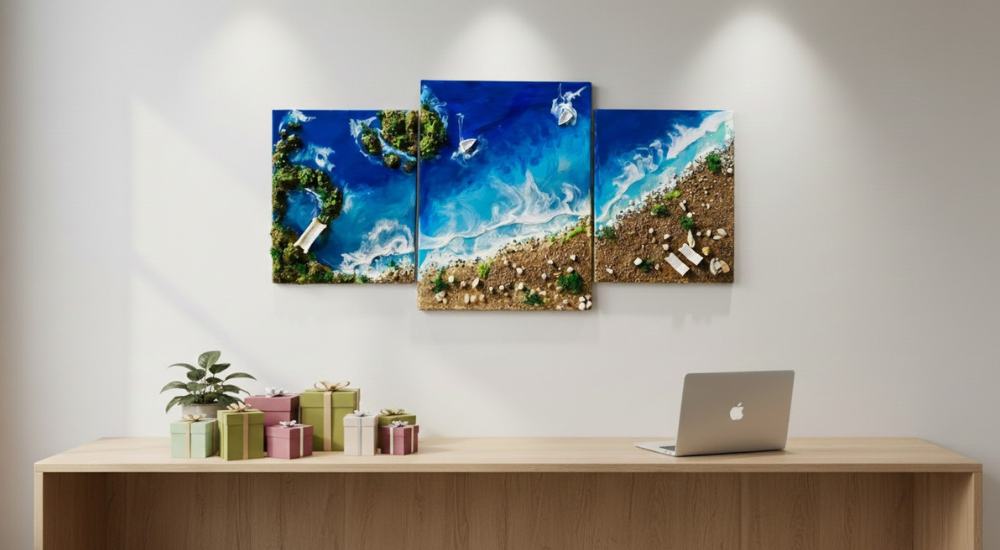
When people decorate their homes, they often focus on furniture, paint colors, curtains, lights, and flooring. These things are important, but they are not the only parts that make a room beautiful. Artwork also plays a big role in making a space feel warm and personal. Custom artwork is one of the best ways to give a room its own style and character.
Custom artwork means art that is created especially for a person, home, or space. It can be a painting, wall art, canvas print, handmade design, portrait, abstract piece, or even a decorative mural. Unlike ready-made decorations, custom artwork is made to match personal ideas and preferences.
In modern interior design, many homeowners and designers choose custom art because it adds meaning and creates a stronger connection with the space.
Makes a Home Feel Personal
Every person has a different style and taste. Some people love simple designs, while others enjoy colorful and bold interiors. Custom artwork helps show this personality.
For example, a family may choose a painting that reminds them of their hometown. Someone who loves nature may add custom forest landscapes or flower paintings. A person interested in modern design may select abstract artwork with clean shapes and colors.
These choices make a room feel more personal and special. Guests can often understand the owner’s style just by looking at the artwork.
Creates a Unique Interior Design
Many homes today use similar furniture and decorations. As a result, rooms sometimes look the same. Custom artwork changes this by adding something original.
Because it is designed for a specific space, no other room will have exactly the same piece. This uniqueness makes the home stand out.
Interior designers often use custom art to create a theme. For example:
- Coastal homes may include ocean-inspired paintings.
- Luxury interiors may use gold textures and elegant abstract art.
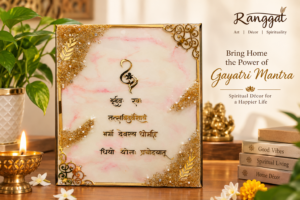
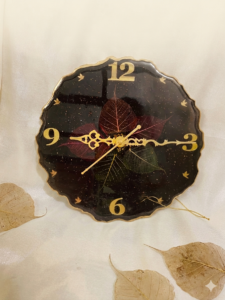
- Traditional homes may display cultural or handmade artwork.
- Modern spaces may use minimal and geometric designs.
Custom pieces help connect all parts of the room together.
Matches Colors and Furniture
One major benefit of custom artwork is flexibility. It can be designed to match the room perfectly.
Sometimes people buy ready-made art and later realize the colors do not fit their furniture or walls. With custom artwork, this problem is reduced because the design can be planned in advance.
Artists can create pieces based on:
- Wall colors
- Sofa shades
- Flooring style
- Lighting setup
- Room size
- Interior theme
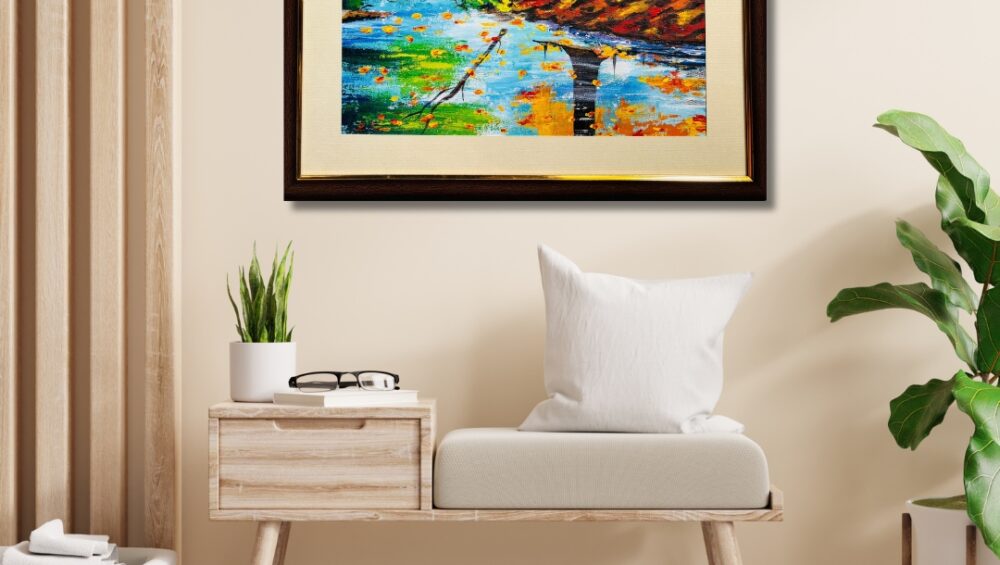
For example, if a living room uses beige and brown colors, the artwork can include warm earth tones. If the room has blue furniture, the art may use soft blues and whites.
This creates balance and harmony in the interior.
Becomes the Center of Attention
Artwork often acts as the main attraction in a room. A large painting on the wall can immediately catch attention.
Imagine entering a living room with a beautiful handmade canvas above the sofa. Most people will notice it first. It becomes the focal point of the space.
Large custom pieces work especially well in:
- Living rooms
- Hotel lobbies
- Office spaces
- Restaurants
- Reception areas
- Hallways
A strong artwork design can completely change the look of a room without adding too many decorations.
Adds Emotion and Meaning
Custom artwork is not only about decoration. It can also hold memories and emotions.
Many people choose personalized paintings based on important events in their lives. Some create family portraits, wedding art, travel memories, or artwork inspired by loved ones.
These pieces become more valuable because they tell a story.
For example, a painting of a family home may remind someone of childhood memories. A custom portrait may celebrate an important milestone. This emotional connection makes the artwork more meaningful than factory-made decoration.
Supports Creativity
Custom artwork gives people freedom to be creative. They are not limited to what is available in stores.
Homeowners can select:
- Colors they like
- Shapes and patterns
- Art style
- Size of the piece
- Materials and textures
Some people prefer minimalist artwork, while others choose detailed handmade designs. This freedom helps people express themselves.
It also allows artists to create original work instead of repeating the same designs.
Improves the Mood of a Room
Different types of artwork can create different feelings.
Soft landscapes and nature scenes often create calm and relaxation. Bright colors can make a room feel energetic and cheerful. Black and white designs may give a modern and elegant appearance.
Bedrooms usually use peaceful artwork because it supports relaxation. Offices may include motivational designs to increase focus and inspiration.
Choosing the right custom art helps create the desired atmosphere.
Works in Every Space
Custom artwork is not only for homes. It is useful in many places.
Homes
Living rooms, bedrooms, kitchens, and entryways become more attractive with personalized art.
Offices
Artwork can improve the appearance of workspaces and make them feel more professional.
Hotels
Hotels use custom pieces to create a memorable experience for guests.
Restaurants and Cafes
Creative wall art helps build a strong identity and attractive environment.
Commercial Spaces
Showrooms and business centers often use artwork to improve brand image.
Because custom art can be made in different sizes and styles, it fits almost any location.
Adds Value to Interior Design
Interior decoration is an investment. People spend time and money to improve their spaces.
Custom artwork increases this value because it gives interiors an exclusive look. Handmade and personalized pieces often appear more premium than mass-produced decorations.
Luxury homes especially use custom art to create elegance and sophistication.
Even a simple room can look more expensive with the right artwork.
Supports Local Artists and Handmade Work
Buying custom artwork also helps artists and creative professionals.
Instead of purchasing machine-made decorations, people support handmade work and original creativity.
Artists spend time planning, sketching, painting, and finishing every piece. Their effort creates unique designs that cannot easily be copied.
This support encourages creativity and keeps artistic traditions alive.
Future Trend in Interior Design
Interior design trends continue to change, but personalized decoration remains popular.
Today many homeowners want spaces that feel authentic rather than identical to others. They prefer designs that reflect their lifestyle and experiences.
Custom artwork fits this trend perfectly because it combines beauty, creativity, and individuality.
As technology and design methods improve, more people are expected to choose personalized wall art, digital art, textured canvases, and handmade pieces.
Custom artwork is more than decoration. It gives personality, emotion, and identity to interiors. It helps rooms look unique, matches existing designs, improves atmosphere, and creates meaningful experiences.
Whether it is a small handmade painting or a large statement piece, custom art has the power to transform a simple room into a memorable space.
A home should reflect the people who live in it. Custom artwork makes that possible by turning personal ideas into beautiful visual designs that bring life to every interior.
Ranggat creates custom artwork that adds beauty, personality, and a unique artistic touch to every interior space.