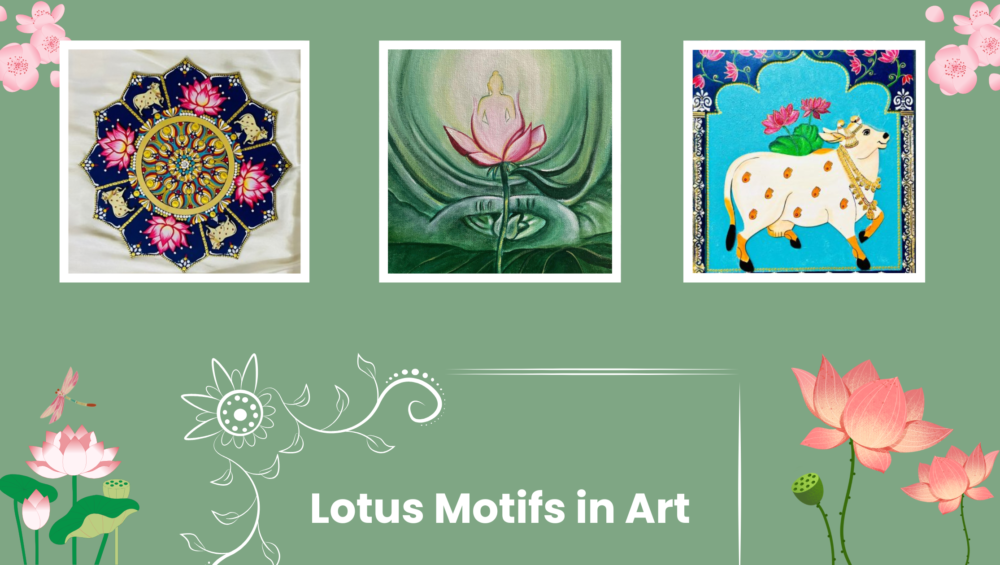
The Timeless Charm of the Lotus Motif
The lotus, also called “kamal” in various Indian languages, is more than just a flower; it is a living emblem that is intricately linked to India’s artistic, cultural, and spiritual traditions. Lotus themes have been used for thousands of years to adorn South Asian art, from ancient temple carvings to folk paintings and textile designs. The human search for purity, wisdom, and artistic expression is aptly reflected in its journey from murky waters to immaculate blossom.
Symbolism Behind the Lotus in Indian Culture
1. Purity from the Depths
The lotus motif’s connection to purity is among its most potent symbolic meanings. The flower, which symbolizes inner purity, spiritual purification, and separation from worldly pollutants, emerges untarnished from muddy waters. Indian literature, philosophy, and art all make extensive use of this symbolism.
2. Path to Spiritual Enlightenment
The lotus represents transcendence, enlightenment, and spiritual awakening in both Buddhist and Hindu faiths. It is frequently depicted in Buddhist art in particular as the lotus throne or base that enlightened beings sit on, signifying the soul’s ascent from ignorance to enlightenment.
3. Divine Beauty & Prosperity
The lotus motif is frequently associated with a number of gods and goddesses in Indian mythology, particularly Goddess Lakshmi (wealth) and Lord Vishnu (protection and cosmic balance), who are frequently depicted holding or sitting on lotus flowers. The flower’s association with wealth, happiness, and heavenly grace is reflected in its potent symbolism.
Lotus Motifs Across Indian Art Forms
Temple Architecture
This theme is a key architectural element found in everything from the elaborate carvings of ancient Buddhist and Hindu temples to the symbolic lotus shapes that crown domes, such as the Lotus Temple in Delhi. As a visual invitation to hallowed areas, the lotus design adorns pillars, domes, and entry motifs.
Painting and Folk Art
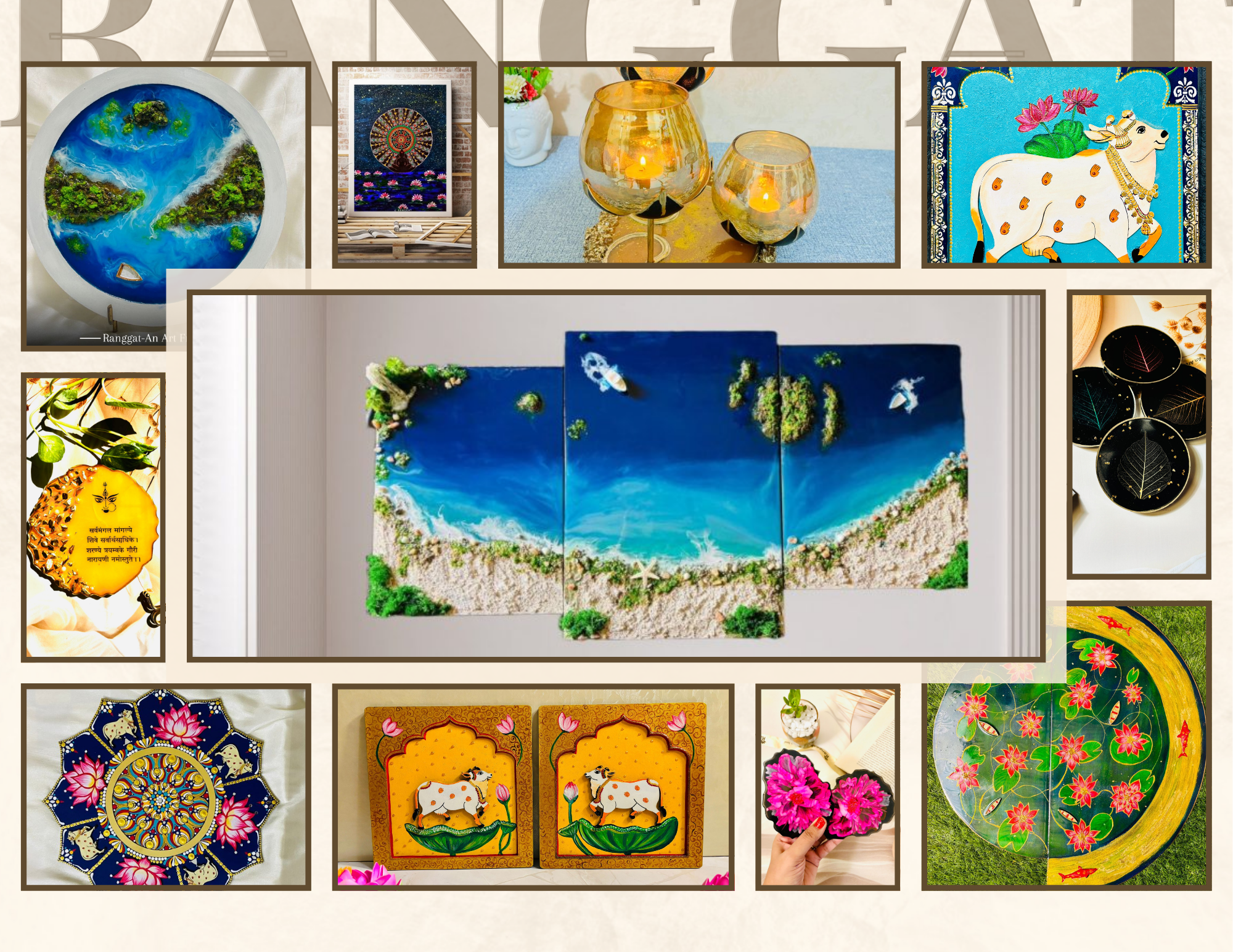
Lotus themes are commonly used in traditional Indian painting traditions, including as Mughal miniatures, Pichwai paintings, and tribal art, not only for their aesthetic appeal but also for their spiritual narratives woven into scenes of devotion and divine love.
Textiles and Crafts
The lotus design, which represents harmony, cosmic balance, and the life-giving energy of nature, is a prominent ornamental feature in Indian textiles such as ikat, Paithani silks, and embroidered nakshi kanthas.
Heritage and Cultural Impact
Across Religious Traditions
The lotus motif transcends cultural boundaries, although being most strongly linked with Buddhism and Hinduism. Its widespread cultural integration into Indian artistic sensibility is demonstrated by its appearance in Jain spiritual art as well as subsequent Islamic and Sikh building embellishment.
Philosophical Interpretation
The lotus also serves as a metaphor for life stages and human potential in Indian philosophy, showing how one may overcome obstacles, remain true to oneself in the face of hardship, and progress toward self-realization.
Modern Expressions of the Lotus Motif
Lotus motifs are no longer exclusive to classical art. They have an impact on modern fashion, sculpture, interior design, and even graphic design, constantly serving as a reminder to viewers of India’s rich cultural heritage and enduring artistic principles.
Why the Lotus Still Blooms in Indian Art
More than just a decorative element, the lotus design serves as a symbolic link between India’s cultural identity, spirituality, and artistic legacy. Its persistent presence in artwork, from contemporary paintings to ancient temples, relates to the eternal human longing for beauty, harmony, and purity.
The lotus is still one of the most powerful visual symbols in Indian culture, whether it is valued for its aesthetic beauty or spiritual profundity. This motif continues to inspire both artists and viewers.