Acrylic vs Texture Paste: What’s the Difference?CategoriesCreative

Acrylic vs Texture Paste: What’s the Difference?

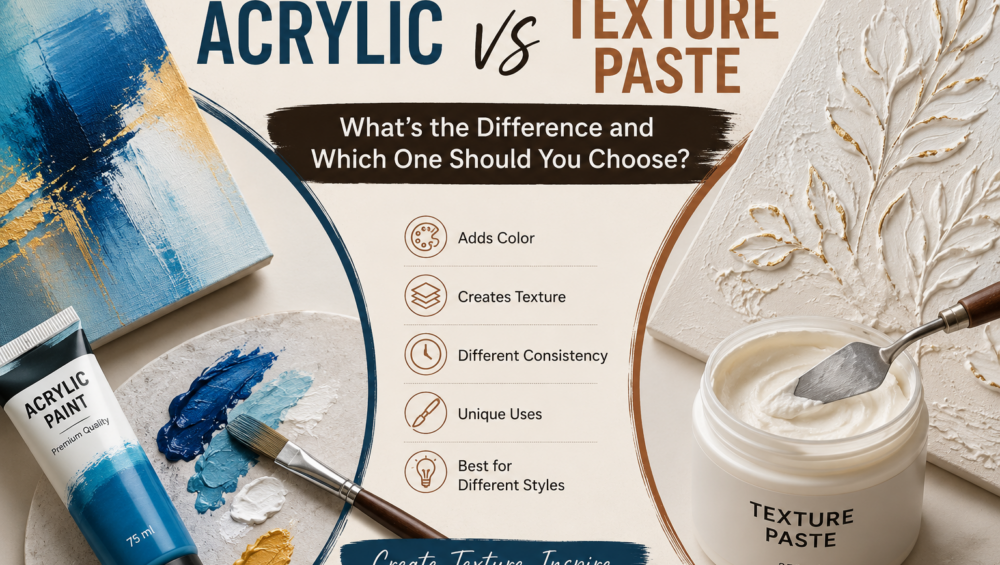
When it comes to painting and modern artwork, both acrylic paint and texture paste are popular materials. However, they serve different purposes. Acrylic paint is mainly used to add colour, detail, and smooth layers, while texture paste is designed to create depth, raised surfaces, and three-dimensional effects.

Understanding the difference between the two can help artists choose the right material for their painting style and project.

What Is Acrylic Paint?

Acrylic paint is a water-based paint known for its vibrant colours, quick drying time, and versatility. It can be applied to surfaces such as canvas, paper, wood, and prepared boards.

Acrylic paint can be used for:

  • Background painting
  • Detailed artwork
  • Abstract paintings
  • Portraits and landscapes
  • Colour layering and blending
  • Decorative and mixed-media projects

Its consistency can range from fluid to heavy-body, depending on the product. Acrylic paint can also be combined with different mediums to change its texture, transparency, or finish.

What Is Texture Paste?

Texture paste is a thick acrylic-based medium used to create raised textures and three-dimensional effects. It is generally thicker than acrylic paint and can hold shapes, ridges, peaks, and patterns after application.

Artists commonly apply texture paste with a palette knife, spatula, stencil, or stiff brush. It can be applied directly to the surface and painted after it dries, or mixed with acrylic paint to create coloured texture.

Texture paste is particularly useful for:

  • 3D wall art
  • Abstract textured paintings
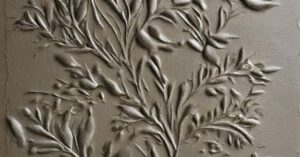
  • Raised floral designs
  • Geometric patterns
  • Impasto effects
  • Sculptural details
  • Mixed-media artwork

Acrylic vs Texture Paste: Key Differences

FeatureAcrylic PaintTexture Paste
Main purposeAdding colour and detailsCreating texture and dimension
ConsistencyFluid to thickVery thick and mouldable
ColourAvailable in many coloursUsually white or neutral
TextureMostly smooth or brush-texturedCreates raised, tactile surfaces
ApplicationBrush, roller, palette knifePalette knife, spatula, stencil
3D effectLimited unless thickenedExcellent for raised effects
DryingGenerally dries quicklyUsually takes longer depending on thickness
Best forColour, details and layeringRelief, depth and sculptural effects

Can You Use Acrylic Paint With Texture Paste?

Yes. Combining acrylic paint with texture paste is one of the most useful techniques for textured artwork. The paste can be mixed with acrylic colour before application, or artists can allow the paste to dry first and then paint over it.

For example, an artist may first create raised floral shapes with white texture paste. Once completely dry, acrylic colours can be added over the textured surface to highlight the raised areas.

Keep in mind that mixing paint into an opaque white paste can change the appearance and intensity of the original colour.

Which One Should You Choose?

The right choice depends on the effect you want to create.

Choose Acrylic Paint If:

  • You mainly need vibrant colours.
  • You want to create detailed artwork.
  • You need smooth backgrounds.
  • You want to blend or layer colours.
  • You are painting portraits, landscapes, or illustrations.

Choose Texture Paste If:

  • You want a raised 3D effect.
  • You are creating modern textured wall art.
  • You want visible ridges, peaks, or patterns.
  • You want to build sculptural details.
  • You want to experiment with palette-knife techniques.

How to Use Texture Paste With Acrylic Paint

A simple technique is to apply texture paste to your prepared canvas using a palette knife. Create your desired shapes, lines, or patterns and allow the paste to dry completely. Once dry, apply acrylic paint over the textured surface.

You can also mix a small amount of acrylic paint into the paste before applying it. Different tools, such as combs, forks, brushes, and palette knives, can create different patterns and textures.

Tips for Better Textured Artwork

1. Build texture gradually:
For deeper effects, building several suitable layers can be safer than applying one extremely thick layer.

2. Let each layer dry:
Thick applications take longer to dry than regular acrylic paint. Drying time depends on the thickness and specific product.

3. Use the right surface:
Choose a stable, properly prepared surface. Some hard texture pastes may be less suitable for flexible surfaces when applied very thickly.

4. Experiment with tools:
Palette knives, combs, stencils, sponges, and stiff brushes can produce very different effects.

5. Paint after drying:
If you want strong colour contrast, allow the texture paste to dry before applying acrylic paint over it.

Acrylic paint and texture paste are not competing materials—they work extremely well together. Acrylic paint provides colour, detail, and visual expression, while texture paste adds physical depth and dimension.

If your goal is a smooth, colourful painting, acrylic paint may be all you need. If you want modern 3D wall art, raised patterns, or tactile textures, texture paste is the better choice. For the most creative results, try combining both materials in the same artwork.
Acrylic vs Texture Paste: What's the Difference and Which One Should You Choose?CategoriesCreative

Acrylic vs Texture Paste: What’s the Difference and Which One Should You Choose?

Texture plays a big role in modern art and home décor. Whether you are creating canvas paintings, wall décor, or DIY crafts, choosing the right medium can make a huge difference. Two of the most popular options are acrylic and texture paste. While both are used in artwork, they serve different purposes.

In this guide, we’ll explain the difference between acrylic paint and texture paste in simple language, helping you choose the right one for your next creative project.

What Is Acrylic Paint?

Acrylic paint is a fast-drying, water-based paint made with acrylic polymer. It is available in many colors and is loved by artists because it is easy to use and dries quickly.

Features of Acrylic Paint

  • Available in hundreds of colors
  • Smooth and creamy texture
  • Quick drying
  • Water-resistant after drying
  • Easy to mix with other colors
  • Suitable for canvas, wood, paper, fabric, and walls

Best Uses of Acrylic Paint

  • Canvas paintings
  • Wall art
  • DIY home décor
  • Abstract paintings
  • Portraits
  • Decorative crafts

What Is Texture Paste?

Texture paste is a thick white paste used to create raised patterns and 3D effects. It is not a paint but a textured medium that adds depth and dimension to artwork.

Once the texture paste dries, it can be painted using acrylic colors.

Features of Texture Paste

  • Thick and heavy consistency
  • Creates raised designs
  • Dries into a hard surface
  • Can be shaped using palette knives and stencils
  • Perfect for 3D artwork

Best Uses of Texture Paste

  • Modern textured paintings
  • Abstract wall art
  • Floral texture art
  • Geometric designs
  • Home décor pieces

Acrylic vs Texture Paste: Key Differences

FeatureAcrylic PaintTexture Paste
PurposeAdds colorCreates texture
ConsistencySmoothThick
FinishFlat or slightly texturedRaised 3D effect
Drying TimeFastLonger than acrylic
Can Be Painted?Already coloredYes, after drying
Best ForTraditional paintingsModern textured artwork

Which One Should You Choose?

The answer depends on your project.

Choose Acrylic Paint If:

  • You want bright and vibrant colors.
  • You are creating traditional paintings.
  • You prefer smooth artwork.
  • You need quick drying.

Choose Texture Paste If:

  • You love 3D artwork.
  • You want premium wall décor.
  • You enjoy abstract and modern art.
  • You want to create unique surface designs.

Can You Use Both Together?

Absolutely!

Many professional artists first apply texture paste to create raised patterns. After it dries completely, they paint over it using acrylic colors. This combination creates stunning textured artwork with vibrant colors.

This is one of the most popular techniques used for:

  • Luxury wall décor
  • Resin-inspired art
  • Floral canvas paintings
  • Modern abstract art
  • Handmade home décor

Tips for Beginners

  • Start with a small canvas for practice.
  • Let texture paste dry completely before painting.
  • Use a palette knife instead of a brush for applying texture paste.
  • Apply acrylic paint in thin layers for better results.
  • Seal finished artwork with varnish for long-lasting protection.

Common Mistakes to Avoid

  • Painting over wet texture paste.
  • Applying very thick layers that crack while drying.
  • Using poor-quality materials.
  • Not allowing enough drying time.
  • Skipping the final protective varnish.

Frequently Asked Questions (FAQs)

1. Is texture paste the same as acrylic paint?

No. Acrylic paint adds color, while texture paste creates raised textures.

2. Can I mix acrylic paint with texture paste?

Yes. You can mix small amounts of acrylic paint into texture paste to create colored textures.

3. Which is better for beginners?

Acrylic paint is easier for beginners, while texture paste is ideal once you’re comfortable experimenting with texture.

4. Does texture paste crack?

High-quality texture paste usually does not crack if applied in thin, even layers and allowed to dry properly.

5. Can I paint over dried texture paste?

Yes. Acrylic paint works beautifully over dried texture paste.

Both acrylic paint and texture paste are excellent art materials, but they have different purposes. Acrylic paint brings your artwork to life with rich colors, while texture paste adds depth, dimension, and a premium 3D look. For the best results, many artists use them together to create eye-catching modern art.

Whether you’re a beginner or an experienced artist, understanding the difference between acrylic paint and texture paste will help you choose the right material for your creative projects and achieve beautiful, professional-looking artwork.

Ranggat brings creativity to life with handcrafted contemporary resin and textured artwork for modern homes.

Choosing Statement Artwork: Tips for Creating a Stylish InteriorCategoriesCreative

Textured Canvas Art DIY: Simple Ideas for Beginners

Wall art has become one of the easiest ways to add personality and warmth to any home. Among the latest decor trends, textured canvas art stands out because of its modern, minimal, and handmade appeal. The best part? You don’t need to be a professional artist to create beautiful textured artwork at home.

In this beginner-friendly guide, you’ll learn easy textured canvas art ideas, materials you need, and simple techniques to create stunning DIY wall decor on a budget.

What Is Textured Canvas Art?

Textured canvas art is a form of artwork where raised surfaces and layers are created on a canvas using materials like plaster, joint compound, modeling paste, or thick acrylic paint. Unlike regular paintings, textured art adds depth and dimension, making the artwork visually interesting and elegant.

This type of art is especially popular in:

  • Minimalist interiors
  • Boho-style homes
  • Modern living rooms
  • Neutral aesthetic decor

Materials You’ll Need

Before starting your DIY textured canvas art project, gather these basic supplies:

  • Blank canvas
  • Acrylic paint
  • Joint compound or texture paste
  • Palette knife or putty knife
  • Paintbrushes
  • Mixing bowl
  • Sandpaper (optional)
  • Protective sheet for workspace

Optional decorative materials:

  • Gold foil
  • Fabric pieces
  • Natural elements like leaves or flowers

Easy Textured Canvas Art Ideas for Beginners

1. Abstract Wave Texture Art

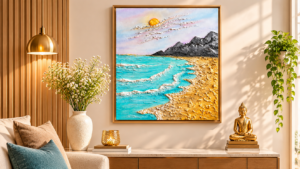
One of the easiest and most popular designs is abstract wave art. Simply spread texture paste across the canvas and create curved wave patterns using a palette knife.

Best colors to use:

  • White
  • Beige
  • Soft gray
  • Terracotta

This style looks elegant in bedrooms and living rooms.

2. Floral Texture Canvas Art

Create simple flower shapes using thick texture paste. Roses, daisies, or abstract petals work perfectly for beginners.

Tips:

  • Use a small palette knife for petals
  • Keep the background neutral
  • Add soft pastel colors after drying

This design adds a soft and cozy touch to home decor.

3. Minimalist Line Art Texture

Minimalist textured line art is trending in modern interiors. Draw abstract face lines or geometric patterns using texture paste.

Why beginners love it:

  • Easy to make
  • Looks premium
  • Requires minimal materials

Pair it with black, white, or nude shades for a classy appearance.

4. Mountain-Inspired Texture Art

Nature-inspired canvas art is another beginner-friendly idea. Create mountain shapes with thick layers of texture paste and paint them in earthy tones.

Recommended shades:

  • Brown
  • Sand
  • Olive green
  • Off-white

This style works beautifully in rustic or bohemian homes.

5. Textured Neutral Canvas Art

Neutral textured art is perfect if you prefer simple and elegant decor. Use only white or cream texture paste and focus on patterns rather than colors.

Popular texture patterns:

  • Arches
  • Waves
  • Circular movements
  • Layered strokes

This artwork blends easily with modern interiors.

Step-by-Step Guide to Making Textured Canvas Art

Step 1: Prepare Your Workspace

Cover your table or floor with a protective sheet to avoid mess.

Step 2: Mix Texture Paste

If using joint compound, mix it well for a smooth consistency.

Step 3: Apply Texture

Spread the paste onto the canvas using a palette knife. Experiment with patterns and movements.

Step 4: Let It Dry

Allow the artwork to dry completely for 12–24 hours.

Step 5: Paint Your Artwork

After drying, apply acrylic paint if desired.

Step 6: Seal and Display

Optionally seal the artwork with varnish for durability.

Tips for Beginners

  • Start with small canvases
  • Use simple patterns first
  • Don’t overthink imperfections
  • Practice palette knife movements
  • Let each layer dry properly

Remember, textured art is all about creativity and uniqueness.

Why DIY Textured Canvas Art Is Trending

DIY textured wall art has become popular because it offers:

  • Affordable home decoration
  • Personalized artwork
  • Relaxing creative activity
  • Modern luxury appearance
  • Social media-worthy decor

Handmade textured art also makes thoughtful gifts for friends and family.

Creating textured canvas art at home is easier than it looks. With a few affordable materials and simple techniques, beginners can design stunning artwork that transforms any room.

Whether you love minimalist designs, abstract waves, or floral textures, DIY textured canvas art allows you to express your creativity while upgrading your home decor beautifully.

At Ranggat, we believe art should be simple, creative, and accessible to everyone. Our DIY textured canvas art ideas are designed to inspire beginners and home decor lovers to create stylish handmade wall art with ease. From modern minimalist textures to elegant abstract designs, Ranggat brings you affordable and trendy art inspiration that adds warmth, personality, and creativity to every corner of your home.

So grab a canvas, experiment with textures, and start creating your own masterpiece today!

Mandala Art Therapy: Reduce Stress Through Creative PatternsCategoriesCreative

How Handmade Art Adds Character and Warmth to Interiors | Ranggat

In a world filled with mass-produced décor and fast-changing design trends, handmade art offers something different—authenticity, emotion, and individuality. Whether it is a hand-painted canvas, textured wall piece, handcrafted sculpture, or artisan décor item, handmade artwork has the ability to transform interiors into spaces that feel personal and inviting.

At Ranggat, handmade art is more than decoration. It is a way to bring creativity, craftsmanship, and meaningful design into everyday spaces.

The Unique Charm of Handmade Art

Unlike factory-made décor, handmade art carries the touch of the artist behind it. Every brushstroke, texture, color blend, and detail reflects time, effort, and creativity. No two handmade pieces are exactly alike, making each artwork truly special.

This uniqueness gives interiors a distinct identity and helps homeowners create spaces that feel original rather than replicated.

Bringing Warmth Through Texture and Craftsmanship

Handmade artwork often includes rich textures and layered details that add depth to a room. Whether displayed in living rooms, bedrooms, offices, or entryways, these elements create visual interest and make interiors feel more welcoming.

Natural materials, handcrafted finishes, and artistic imperfections contribute to a sense of warmth that machine-made items often cannot achieve.

Adding Personality to Every Space

Interior design is not only about furniture placement or color palettes—it is also about expressing personality. Handmade art allows people to showcase their taste, values, and creativity.

A bold abstract painting can become the focal point of a modern living room, while subtle handcrafted pieces may add elegance to minimalist spaces. The right artwork tells a story and creates an emotional connection within the environment.

Handmade Art Creates Meaningful Spaces

Art has the power to influence how people feel within a space. Handmade pieces often bring calmness, inspiration, comfort, or energy depending on their style and colors.

Homes decorated with handcrafted artwork tend to feel more lived-in and meaningful because they reflect intention rather than trends. This emotional value makes handmade art an important element in modern interior styling.

Supporting Artisans and Creative Expression

Choosing handmade art also supports artists and artisans who dedicate their skills to creating meaningful work. Every purchase contributes to preserving craftsmanship and encouraging creative communities.

Instead of owning a mass-produced item found everywhere, buyers invest in original work with artistic value and human connection.

Handmade Art Complements Different Interior Styles

One of the biggest advantages of handmade artwork is its versatility. It fits beautifully into many design themes, including:

  • Modern interiors through abstract and textured pieces
  • Minimalist spaces with subtle handmade accents
  • Bohemian designs featuring colorful artistic elements
  • Rustic interiors enhanced by natural materials
  • Contemporary homes seeking statement pieces

This flexibility allows handmade art to blend effortlessly while still standing out.

Elevate Your Interiors with Ranggat

At Ranggat, handmade art is created to bring beauty, warmth, and individuality into every space. Each piece reflects craftsmanship and artistic expression designed to complement modern lifestyles while adding a personal touch.

Whether you are redesigning your home, styling a workspace, or searching for statement décor, handmade artwork can turn ordinary interiors into inspiring environments.

Handmade art goes beyond decoration—it adds soul, character, and warmth to interiors. Its uniqueness, emotional value, and artistic craftsmanship help create spaces that feel authentic and welcoming.

With thoughtfully crafted pieces from Ranggat, every room can become a reflection of creativity and personal style

Why Luxury Handmade Art Costs More Than Printed DecorCategoriesCreative

Why Luxury Handmade Art Costs More Than Printed Decor

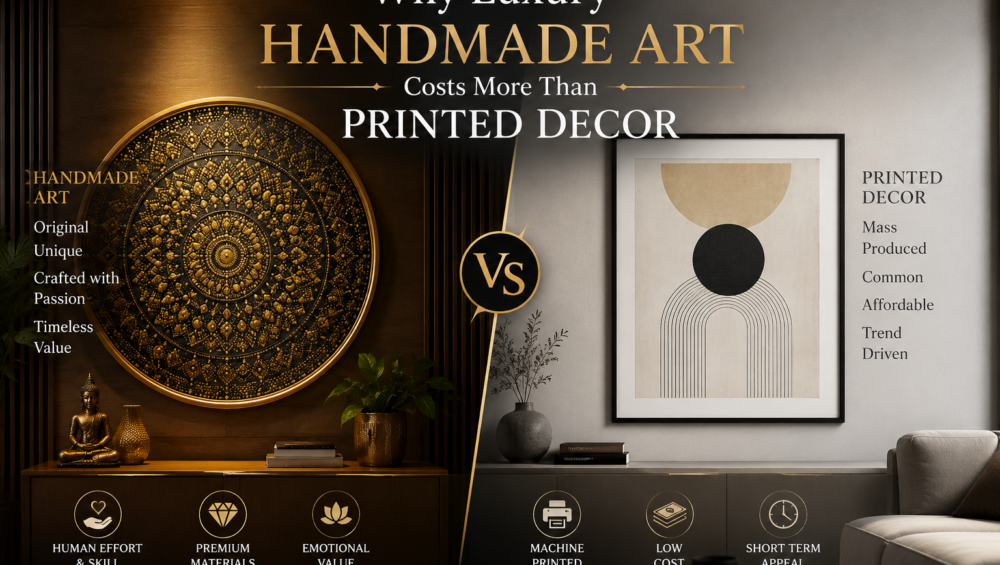
In today’s world of fast furniture and factory-made décor, many people wonder why luxury handmade art is priced much higher than printed wall décor. At first glance, both may look beautiful on a wall, but the true value lies far beyond appearance. Handmade art carries emotion, craftsmanship, originality, and timeless luxury that printed décor simply cannot replicate.

For art lovers, interior designers, and homeowners who seek authenticity, handmade artwork is not just decoration—it is an experience, an investment, and a reflection of personality. Brands like Ranggat are redefining luxury interiors through soulful handcrafted creations inspired by Indian artistry and mindful living.

Handmade Art vs Printed Decor: Understanding the Difference

Printed décor is usually machine-produced in bulk. The same design can be printed thousands of times on canvas, paper, or synthetic materials. While affordable and accessible, printed décor lacks uniqueness and emotional depth.

Handmade art, on the other hand, is created by skilled artists using real techniques, textures, and materials. Every brushstroke, pattern, and detail is crafted manually with patience and creativity. No two handmade pieces are ever exactly alike.

Key Differences

FeatureHandmade ArtPrinted Decor
OriginalityOne-of-a-kind creationMass-produced copies
CraftsmanshipMade by skilled artistsMachine printed
Emotional ValueDeep artistic connectionDecorative only
Texture & DepthReal textures and layersFlat surface
LongevityTimeless appealTrend-based
Luxury FeelPremium and authenticGeneric appearance

According to Ranggat’s handmade décor insights, modern homeowners increasingly prefer handcrafted décor because it adds individuality, mindfulness, and emotional warmth to interiors.

The Real Reasons Luxury Handmade Art Costs More

1. Time and Human Effort

Luxury handmade art requires hours, days, or sometimes weeks of dedicated work. Artists carefully create each layer, texture, and design manually. Complex art forms like Mandala art, textured paintings, and spiritual artwork demand extreme patience and precision.

For example, handcrafted Dot Mandala artworks involve thousands of carefully placed dots created individually by hand.

Printed décor, however, can be reproduced in minutes using industrial printers.

2. Original Creativity Cannot Be Mass Produced

A handmade artwork begins with imagination. Artists conceptualize, sketch, experiment with colors, and create something deeply personal. This originality adds immense artistic and emotional value.

Luxury buyers are not paying only for materials—they are paying for vision, creativity, and exclusivity.

At Ranggat, every artwork reflects soulful storytelling and artistic individuality inspired by Indian heritage and modern luxury aesthetics.

3. Premium Quality Materials

Luxury handmade art often uses:

  • High-grade acrylics and pigments
  • Premium canvases
  • Eco-friendly paints
  • Resin textures
  • Gold leaf detailing
  • Handcrafted wooden frames

These materials ensure durability, richness, and a premium finish that printed décor usually lacks.

4. Emotional and Spiritual Connection

Handmade art carries human emotion. Artists pour their energy, focus, and intention into every creation. Many homeowners feel emotionally connected to handmade artwork because it creates warmth and personality within a space.

According to Ranggat’s article on art and wellness, art can positively influence emotions, mindfulness, and mental well-being.

Printed décor may fill an empty wall, but handmade art transforms the atmosphere of a room.

5. Handmade Art Supports Artists and Heritage

When you buy luxury handmade art, you directly support artists, craftsmanship, and cultural traditions. Handmade Indian art forms such as Mandala, Lippan art, folk painting, and textured spiritual art preserve centuries-old artistic heritage.

Mass-produced décor prioritizes quantity over artistry.

Modern consumers are now moving toward meaningful purchases that support authenticity and ethical craftsmanship.

6. Handmade Art Increases the Luxury Quotient of Interiors

Interior designers and luxury homeowners prefer handcrafted pieces because they create a sophisticated and curated aesthetic. Handmade artwork becomes a focal point and adds exclusivity to interiors.

Celebrity homes increasingly showcase handcrafted Indian art, sculptures, and cultural décor to create elegant, museum-like spaces.

Luxury interiors today are less about filling spaces and more about telling stories through carefully chosen artistic pieces.

Why Handmade Art Is an Investment

Unlike printed décor that may lose appeal over time, handmade art often becomes more valuable emotionally and aesthetically.

Benefits of investing in handmade art include:

  • Timeless beauty
  • Exclusive ownership
  • Artistic authenticity
  • Long-term durability
  • Emotional significance
  • Cultural richness

A handcrafted artwork can stay meaningful for decades and even become a cherished heirloom.

Why Ranggat Handmade Art Stands Out

Ranggat creates luxury handmade artwork that blends Indian artistic traditions with modern interior design. From spiritual Mandalas to textured wall art and personalized creations, every piece is designed with emotion, mindfulness, and craftsmanship.

What Makes Ranggat Unique?

  • Handmade with love and precision
  • Inspired by Indian culture and spirituality
  • Premium luxury finishes
  • Personalized artwork options
  • Mindful and soulful design philosophy
  • Perfect for luxury homes and gifting

Whether you are decorating a modern apartment, luxury villa, office, or meditation corner, handcrafted art from Ranggat adds authenticity and timeless elegance.

Final Thoughts

Luxury handmade art costs more because it represents far more than décor. It reflects creativity, craftsmanship, heritage, patience, and emotional depth. While printed décor offers convenience, handmade art offers soul.

In a world dominated by mass production, choosing handmade art is a celebration of originality and meaningful living. It transforms walls into stories and spaces into experiences.

If you want décor that feels personal, timeless, and luxurious, handmade art is always worth the investment.

Explore soulful handcrafted luxury art at Ranggat Official Website.

The House of Ranggat (THOR): Where Art Is Created with Purpose, Not for ViralityCategoriesCreative

The House of Ranggat (THOR): Where Art Is Created with Purpose, Not for Virality

The House of Ranggat (THOR) is not simply an art brand—it is a legacy art brand in the making. Rooted in intention, patience, and meaning, THOR is built for longevity rather than trends. It represents a conscious approach to art where quality matters more than virality, and depth matters more than speed.

At The House of Ranggat, art is created not just for today, but for generations to come.

Core Philosophy: Quality Over Virality

In an era where art is often measured by reach, likes, and instant visibility, The House of Ranggat follows a different path. The foundation of THOR rests on a clear belief:

True art creates legacy. Virality is temporary.

Every artwork begins with one central question:

“Why does this art matter?”

This question defines the process, the purpose, and the long-term value of each creation, positioning Ranggat as a brand built on substance rather than short-term attention.

Art Style and the Legacy-Centered Creative Process

The House of Ranggat focuses on timeless and meaningful art forms, including:

  • Mandala Art
  • Sacred Geometry
  • Textured and Layered Artworks

These forms are chosen for their historical, spiritual, and meditative significance. Each artwork is created through a slow, disciplined, and mindful process, ensuring balance, rhythm, and emotional depth.

The intention is simple: to create art that endures—visually, emotionally, and culturally.

The Three Core Verticals of The House of Ranggat

1. Ranggat Home Decor

Ranggat Home Decor represents the tangible legacy of the brand. These handcrafted artworks are designed to live within homes and spaces as long-term elements of identity and energy, not temporary decor pieces.

Each work becomes part of a living environment, growing in value and meaning over time.

2. Learn with Ranggat

A true legacy is sustained through learning and knowledge sharing.
Learn with Ranggat focuses on education through workshops, guided practices, and creative learning experiences. This vertical ensures that artistic techniques, philosophy, and awareness are passed on to future creators and conscious learners.

3. Ranggat Foundation

The heart of The House of Ranggat lies in giving back.
Through Ranggat Foundation, a portion of every artwork and learning experience supports free art education and creative resources for communities and NGOs.

In this way, art does not remain confined to private spaces—it returns to society and contributes to cultural growth.

The Four Pillars of THOR

1. Creation
High-quality, meaningful artworks that define brand value and attract conscious collectors.

2. Process & Philosophy
Transparency and depth in the creative journey, building trust, emotional connection, and authenticity.

3. Learning & Awareness
Education as a foundation for long-term community building and generational continuity.

4. Giving & Impact
Social responsibility that strengthens the ethical and cultural legacy of the brand.

What Makes The House of Ranggat a Legacy Art Brand

  • Focus on timeless art rather than fast trends
  • Strong philosophical foundation behind every creation
  • Integration of art, education, and social impact
  • Commitment to long-term cultural and emotional relevance

The House of Ranggat is designed to endure—to create, teach, share, and give art back to the world as a living legacy.

The House of Ranggat (THOR) stands as a legacy art brand built on meaning, discipline, and purpose. By balancing Soul (creative process), Market (sustainable growth), and Heart (social impact), THOR is shaping a creative ecosystem that goes beyond commerce.