Common Texture Art Mistakes and How to Fix Them | RanggatCategoriesCreative

Common Texture Art Mistakes and How to Fix Them | Ranggat

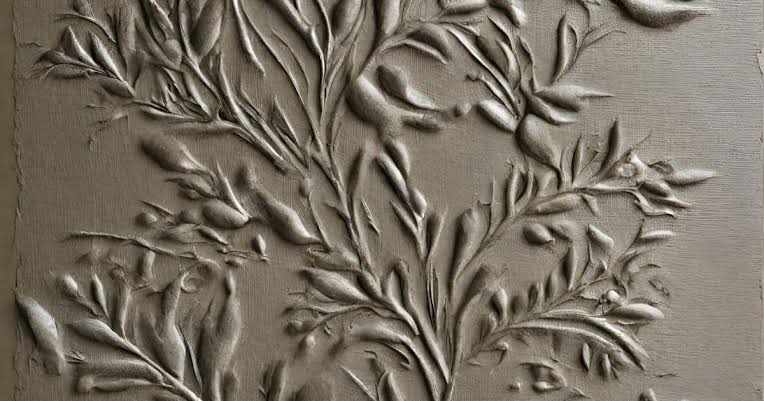
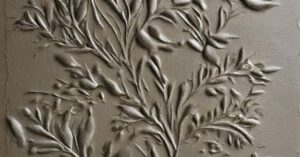
Texture art can transform a simple canvas into a beautiful, dimensional artwork. However, beginners often face issues such as uneven texture, cracks, poor adhesion, or an untidy finish. Understanding these common mistakes can help artists create smoother and more professional-looking texture paintings.

1. Applying Texture Too Thickly

One of the most common mistakes is applying a very thick layer of texture paste at once. A heavy layer may take longer to dry and can develop cracks or uneven surfaces.

How to fix it:
Apply the paste in controlled layers. Allow each layer to dry properly before adding another.

2. Using the Wrong Surface

Texture materials may not work well on every surface. A poorly prepared canvas or board can affect adhesion and the final appearance.

How to fix it:
Prepare the surface before starting. Clean it properly and use a suitable primer when required.

3. Not Allowing Enough Drying Time

Painting over texture before it is completely dry can damage the design and cause the layers to mix.

How to fix it:
Allow the texture to dry naturally and completely before adding acrylic paint or decorative details.

4. Creating Uneven Texture

Inconsistent pressure while using palette knives, brushes, or texture tools can result in an uneven finish.

How to fix it:
Practice maintaining consistent pressure and experiment with different tools to achieve the desired texture.

5. Ignoring Cracks

Small cracks can appear when texture paste is applied too thickly, dries too quickly, or is used on an unsuitable surface.

How to fix it:
Use thinner layers and provide adequate drying time. For minor cracks, gently smooth the damaged area and reapply texture.

6. Using Too Many Colors

Adding too many colors can make a textured artwork look crowded and reduce the visual impact of the texture.

How to fix it:
Choose a simple color palette and use contrasting or complementary shades to highlight the raised details.

7. Poor Tool Selection

Different texture effects require different tools. Using the wrong tool may make it difficult to create clean patterns or detailed designs.

How to fix it:
Experiment with palette knives, spatulas, combs, brushes, and other texture tools to discover which works best for your design.

8. Rushing the Finishing Process

Texture art requires patience. Rushing through drying, painting, or finishing can affect the overall quality.

How to fix it:
Work step by step and allow enough time between each stage. A patient approach helps achieve a cleaner and more durable finish.

Texture art becomes easier with practice and the right techniques. By avoiding common mistakes such as applying excessive paste, skipping surface preparation, and rushing the drying process, artists can create beautiful and long-lasting textured artworks.

With quality art materials and regular practice, your creativity can turn simple textures into impressive works of art. Ranggat offers materials that can help artists explore different painting and texture techniques with confidence.

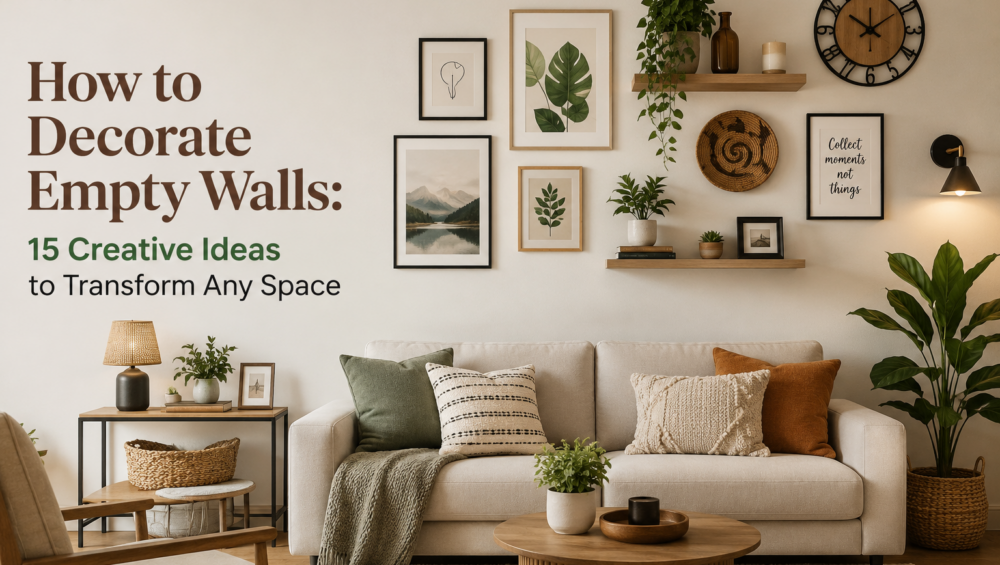
How to Decorate Empty Walls: 15 Creative Ideas to Transform Any SpaceCategoriesCreative

Minimalist Bedroom Wall Art Ideas for a Calm and Peaceful Space

Minimalism is more than just an interior design trend—it’s a lifestyle that embraces simplicity, balance, and mindfulness. When it comes to bedroom décor, minimalist wall art can transform an ordinary room into a peaceful retreat where you can relax and recharge. Thoughtfully chosen artwork adds personality without overwhelming the space, creating a harmonious atmosphere that promotes better rest and well-being.

At Ranggat, we believe that beautiful interiors begin with meaningful art. Whether you love textured paintings, abstract designs, or soft neutral palettes, minimalist wall art can elevate your bedroom while maintaining a clean and elegant aesthetic. Minimalist designs often feature subtle colors, organic textures, and uncluttered compositions that create a sense of calm.

Why Choose Minimalist Wall Art?

Minimalist artwork focuses on quality over quantity. Instead of filling every wall with decorations, it highlights a few carefully selected pieces that make a lasting impression.

Benefits of Minimalist Bedroom Wall Art

  • Creates a peaceful and relaxing environment
  • Makes the bedroom appear larger and brighter
  • Reduces visual clutter
  • Complements modern and contemporary interiors
  • Timeless style that never goes out of fashion
  • Easy to mix with different décor themes

1. Neutral Abstract Paintings

Abstract paintings in shades of beige, ivory, cream, taupe, and soft gray are perfect for minimalist bedrooms. These colors create a soothing atmosphere while adding subtle artistic expression.

Choose paintings with gentle brush strokes or soft geometric patterns to maintain visual balance.

2. Textured Wall Art

Texture art is becoming one of the most popular choices for modern interiors. Unlike colorful paintings, textured artwork creates depth through raised surfaces, natural materials, and handcrafted details.

Benefits include:

  • Elegant appearance
  • Modern luxury feel
  • Natural shadows and dimension
  • Works beautifully with neutral color palettes

A handcrafted textured painting from Ranggat can become the focal point of your bedroom without making the space feel busy. Textured artworks are valued for adding visual depth while preserving a tranquil aesthetic.

3. Botanical Line Art

Simple black-and-white botanical illustrations bring nature indoors without overwhelming the room.

Popular choices include:

  • Leaves
  • Olive branches
  • Eucalyptus
  • Ferns
  • Wildflowers

These artworks pair beautifully with wooden furniture and indoor plants.

4. Minimal Landscape Art

Soft landscape paintings featuring mountains, beaches, forests, or deserts create a peaceful atmosphere.

Choose artwork with:

  • Muted colors
  • Soft gradients
  • Clean compositions
  • Plenty of negative space

These pieces help create a calming environment that’s perfect for relaxation.

5. Black and White Photography

Classic monochrome photography adds sophistication while maintaining simplicity.

Great subjects include:

  • Ocean waves
  • Mountains
  • Architectural details
  • Trees
  • Clouds

Large framed photographs create an elegant statement without overwhelming your décor.

6. Geometric Wall Art

Minimal geometric designs offer structure and balance.

Popular patterns include:

  • Circles
  • Lines
  • Arches
  • Squares
  • Soft curves

Neutral geometric artwork works especially well in Scandinavian and contemporary bedrooms.

7. Canvas Paintings with Earthy Colors

Earth tones create warmth while maintaining a minimalist look.

Ideal colors include:

  • Sand
  • Clay
  • Terracotta
  • Stone
  • Olive
  • Warm beige

These shades pair beautifully with wooden furniture and natural fabrics.

8. Single Oversized Artwork

Instead of hanging multiple small frames, consider one large artwork above the bed.

Benefits include:

  • Creates a luxurious focal point
  • Makes the room feel organized
  • Enhances visual balance
  • Easier to style

Choose a painting with soft textures or abstract elements for maximum impact.

9. Handmade Wall Art

Handcrafted artwork adds authenticity and uniqueness to your bedroom.

Popular handmade options include:

  • Texture paintings
  • Clay artwork
  • Fabric art
  • Mixed-media canvases
  • Handmade abstract designs

Each piece carries its own artistic character, making your bedroom feel personal and inviting.

10. Soft Nature-Inspired Artwork

Nature has a calming effect on the mind.

Choose artwork featuring:

  • Sunrise
  • Calm lakes
  • Gentle hills
  • Clouds
  • Birds
  • Minimal floral designs

Natural imagery helps create a peaceful retreat where you can unwind after a busy day.

Choosing the Right Colors

For a truly minimalist bedroom, stick to calming colors such as:

  • White
  • Cream
  • Beige
  • Light Gray
  • Soft Brown
  • Sage Green
  • Dusty Blue

Avoid overly bright colors if your goal is relaxation.

Placement Tips

Proper placement makes artwork more effective.

  • Hang artwork above the bed for a balanced focal point.
  • Keep the center of the artwork at eye level.
  • Leave enough empty wall space around each piece.
  • Use one or two statement artworks instead of many small frames.
  • Match frame colors with your bedroom furniture.

Materials That Complement Minimalist Bedrooms

The right materials can enhance the overall look.

Popular choices include:

  • Textured canvas
  • Linen canvas
  • Natural wood frames
  • Matte finishes
  • Handmade plaster art
  • Acrylic texture paintings

These materials add warmth while maintaining a clean and modern aesthetic.

Why Choose Ranggat?

At Ranggat, every artwork is designed to bring elegance, creativity, and harmony into your home. From handcrafted texture art to contemporary abstract paintings, our collection is carefully curated to complement modern interiors and minimalist lifestyles.

Whether you’re redesigning your bedroom or decorating a new home, our unique creations help transform empty walls into beautiful expressions of style.

Minimalist bedroom wall art proves that simplicity can be incredibly beautiful. By choosing neutral colors, handcrafted textures, abstract paintings, or nature-inspired artwork, you can create a bedroom that feels calm, balanced, and welcoming.

Explore thoughtfully designed pieces that reflect your personality while maintaining the serenity of minimalist living. With the right artwork, your bedroom bec

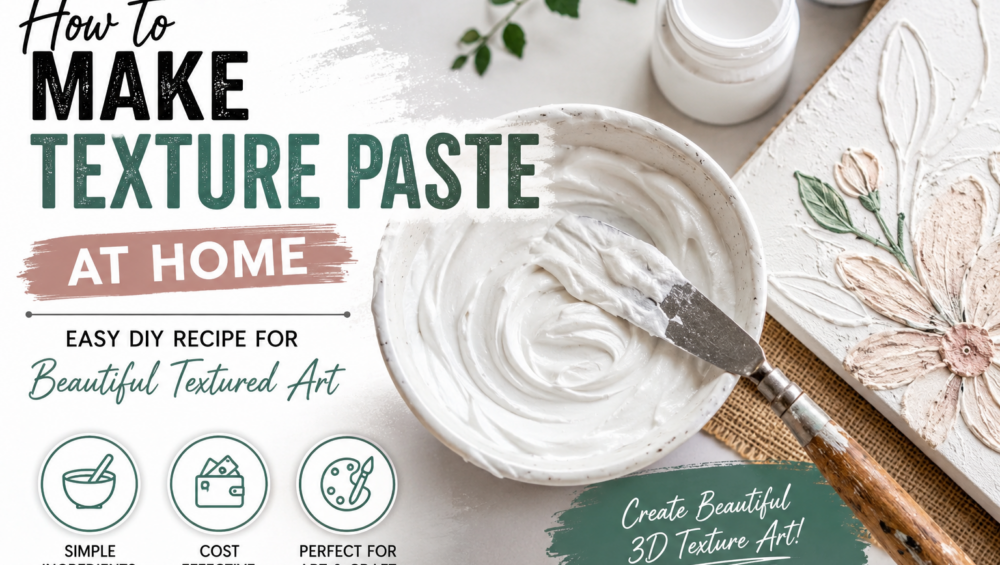
How to Make Texture Paste at Home: Easy DIY Recipe for Beautiful Textured ArtCategoriesCreative

How to Make Texture Paste at Home: Easy DIY Recipe for Beautiful Textured Art

Texture art has become one of the most popular forms of creative expression. From abstract wall art to floral canvas designs, texture paste helps artists create stunning 3D effects and unique patterns. While ready-made texture paste is available in stores, you can easily make your own texture paste at home using simple and affordable ingredients.

In this guide, we’ll show you how to create homemade texture paste and use it to make beautiful textured artwork.

What is Texture Paste?

Texture paste, also known as modeling paste, is a thick medium used in painting and mixed-media art to create raised designs, depth, and dimension on surfaces like canvas, wood, and paper. Artists often use palette knives, stencils, and brushes to shape the paste into creative patterns.

Benefits of Making Texture Paste at Home

  • Cost-effective compared to store-bought products
  • Easy to prepare with household materials
  • Customizable thickness and texture
  • Perfect for beginners and professional artists
  • Great for canvas art, wall décor, and craft projects

DIY Texture Paste Recipe

Ingredients

  • 1 part White PVA Glue
  • 1 part Plaster of Paris (POP)
  • Small amount of water (if needed)

This simple combination creates a thick, durable paste suitable for textured artwork.

Alternative Recipe

If you don’t have POP, you can use:

  • 3 parts Baking Soda
  • 1 part PVA Glue
  • 1 part Acrylic Paint

This mixture creates a smooth texture paste that works well with stencils and decorative artwork.

Step-by-Step Instructions

Step 1: Mix the Ingredients

Take a clean bowl and combine the glue and Plaster of Paris. Stir thoroughly until the mixture becomes smooth and lump-free.

Step 2: Adjust Consistency

If the paste feels too thick, add a few drops of water and mix again. The ideal consistency should resemble thick frosting.

Step 3: Add Color (Optional)

Mix acrylic paint into the paste if you want colored texture paste. This saves painting time later and creates a more uniform finish.

Step 4: Apply to Your Surface

Use a palette knife, spatula, or stencil to apply the texture paste to canvas, MDF boards, wood panels, or craft surfaces.

Step 5: Let It Dry

Allow the artwork to dry completely. Drying time depends on the thickness of the application, but most textured designs dry within 12–24 hours.

Creative Ways to Use Texture Paste

1. Floral Texture Art

Create elegant flowers and petals using a palette knife. This style is widely used in modern home décor.

2. Abstract Wall Art

Experiment with waves, curves, and geometric patterns to create luxury textured paintings.

3. Stencil Designs

Apply texture paste through stencils to create precise and professional-looking patterns.

4. Mixed Media Projects

Combine texture paste with paints, metallic finishes, and decorative elements for unique artwork.

Tips for Best Results

  • Use fresh texture paste immediately after mixing.
  • Avoid adding too much water.
  • Work on sturdy surfaces like canvas or wood.
  • Allow complete drying before painting.
  • Seal finished artwork with a protective varnish for durability.

Common Mistakes to Avoid

  • Making the paste too watery
  • Applying overly thick layers that may crack
  • Painting before the paste has fully dried
  • Using weak or low-quality glue

Making texture paste at home is simple, affordable, and incredibly rewarding. With just a few basic ingredients, you can create beautiful textured paintings, wall décor pieces, and creative craft projects. Whether you’re a beginner exploring textured art or an experienced artist looking to save costs, homemade texture paste is an excellent solution.

At Ranggat, we believe creativity should be accessible to everyone. Try this DIY texture paste recipe today and transform ordinary canvases into stunning works of art.

Incorporate Texture artCategoriesCreative

What Is Texture Art? A Complete Beginner’s Guide

Texture art has become one of the biggest trends in modern home décor and contemporary art. From elegant minimalist wall pieces to bold abstract creations, textured artwork adds depth, dimension, and personality to any space. Whether you’re an aspiring artist or simply looking for a creative hobby, texture art is an accessible and rewarding way to express yourself.

In this complete beginner’s guide, we’ll explore everything you need to know about texture art—from its definition and history to the materials, techniques, and tips that will help you create your very first masterpiece.

What Is Texture Art?

Texture art is a form of visual art that emphasizes the physical surface of an artwork by creating raised, three-dimensional patterns and designs. Unlike traditional paintings that rely mainly on colors and brushstrokes, texture art uses thick mediums such as texture paste, modeling paste, plaster, or joint compound to create depth that can often be seen and felt.

The beauty of texture art lies in its simplicity. Many textured artworks use neutral color palettes like white, beige, grey, or earth tones, allowing the texture itself to become the focal point.

Why Is Texture Art So Popular?

Texture art has gained popularity because it combines creativity with modern interior design. Homeowners, interior decorators, and DIY enthusiasts love textured wall art because it:

  • Creates depth and dimension
  • Looks luxurious and sophisticated
  • Matches modern, Scandinavian, and minimalist interiors
  • Is beginner-friendly
  • Requires minimal painting experience
  • Offers endless creative possibilities

Social media platforms have also played a major role in making texture art one of today’s fastest-growing DIY art trends.

Types of Texture Art

There are many styles of texture art that beginners can explore.

1. Abstract Texture Art

The most popular style, featuring flowing curves, waves, arches, and organic patterns.

Best For:

  • Living rooms
  • Bedrooms
  • Office walls

2. Floral Texture Art

Artists sculpt flowers such as roses, lilies, daisies, or peonies using texture paste to create elegant floral compositions.

3. Landscape Texture Art

Mountains, oceans, sand dunes, forests, and sunsets become more dramatic with raised textures.

4. Geometric Texture Art

Modern patterns using clean lines, circles, squares, and repeated shapes.

Perfect for contemporary homes.

5. Minimalist Texture Art

Simple monochrome artwork with subtle ridges and soft curves.

One of the most popular styles for luxury interiors.

Materials Needed for Texture Art

One reason beginners love texture art is that it requires only a few basic supplies.

Essential Materials

  • Canvas
  • Texture Paste or Modeling Paste
  • Palette Knife
  • Putty Knife
  • Acrylic Paint
  • Gesso Primer (optional)
  • Sandpaper
  • Paint Brushes
  • Water Container
  • Protective Sheet

Many artists also experiment with household tools such as combs, forks, cardboard, or sponges to create unique textures.

Basic Texture Art Techniques

Palette Knife Technique

The most common method.

Spread texture paste across the canvas and create movement using smooth strokes.

comb Technique

Use a comb to create repeated ridges or wave patterns.

Perfect for beginners.

Spatula Technique

Create dramatic peaks and layered textures using a wide spatula.

Stencil Technique

Apply texture paste over stencils to produce detailed patterns.

Layering Technique

Apply multiple layers after each one dries for added depth and complexity.

Step-by-Step Guide to Creating Texture Art

Step 1: Prepare Your Canvas

Ensure the canvas is clean and dry.

Step 2: Mix Your Texture Paste

If required, mix your texture paste until smooth.

Step 3: Apply the Paste

Spread it evenly using a palette knife.

Step 4: Create Patterns

Experiment with:

  • Waves
  • Arches
  • Leaves
  • Flowers
  • Circular movements
  • Abstract lines

Step 5: Let It Dry

Drying usually takes several hours, depending on thickness.

Avoid touching it while drying.

Step 6: Paint (Optional)

Many artists leave texture art white, while others add acrylic colors, metallic finishes, or subtle gradients after the texture has cured.

Step 7: Seal the Artwork

Apply a clear varnish to protect the surface and enhance durability.

Common Mistakes Beginners Should Avoid

Applying Too Much Paste

Very thick layers may crack while drying.

Working Too Slowly

Texture paste begins drying quickly.

Overworking the Surface

Too many strokes can ruin the design.

Ignoring Drying Time

Patience leads to cleaner results.

Using Low-Quality Canvas

A sturdy canvas supports heavier textured materials better.

Best Color Combinations for Texture Art

Popular modern color palettes include:

  • White on White
  • Beige & Cream
  • Grey & White
  • Black & White
  • Terracotta & Sand
  • Olive Green & Beige
  • Gold & Ivory
  • Sage Green & Neutral Tones

Where Can Texture Art Be Used?

Texture artwork enhances many spaces:

  • Living Rooms
  • Bedrooms
  • Hallways
  • Dining Areas
  • Offices
  • Hotels
  • Cafés
  • Restaurants
  • Luxury Apartments
  • Art Galleries

Its versatility makes it suitable for both residential and commercial interiors.

Is Texture Art Easy for Beginners?

Absolutely.

Texture art is considered one of the easiest forms of contemporary art because it focuses more on movement, patterns, and surface design than realistic drawing. Even complete beginners can create stunning pieces with basic tools and a little practice.

Tips for Beginners

  • Start with simple abstract patterns.
  • Practice on small canvases first.
  • Experiment with different tools.
  • Keep your designs clean and balanced.
  • Allow each layer to dry fully.
  • Learn from each artwork rather than aiming for perfection.

Frequently Asked Questions (FAQs)

What is texture art?

Texture art is a style of artwork that uses raised materials to create visible and tactile depth on a surface.

What materials are used for texture art?

Common materials include texture paste, modeling paste, plaster, acrylic paint, palette knives, and canvas.

Can beginners create texture art?

Yes. Texture art is one of the easiest and most beginner-friendly art forms because it focuses on shapes and textures rather than realistic drawing.

How long does texture art take to dry?

Depending on the thickness of the paste, drying may take anywhere from a few hours to 24 hours or longer.

Can texture art be painted?

Yes. Many artists paint their textured artwork after it dries, while others prefer elegant monochromatic finishes.

Texture art is more than just a design trend—it’s a creative way to bring movement, depth, and personality into your artwork and your living spaces. Whether you prefer minimalist white sculptures, floral reliefs, or bold abstract patterns, texture art offers endless opportunities to experiment and express your creativity.

The best part is that you don’t need years of artistic experience to begin. With a canvas, texture paste, and a few simple tools, you can start creating unique textured masterpieces that reflect your own style. Practice consistently, explore different techniques, and enjoy the process of turning ordinary surfaces into extraordinary works of art.

Ranggat – Where Creativity Meets Texture, Color, and Timeless Art.

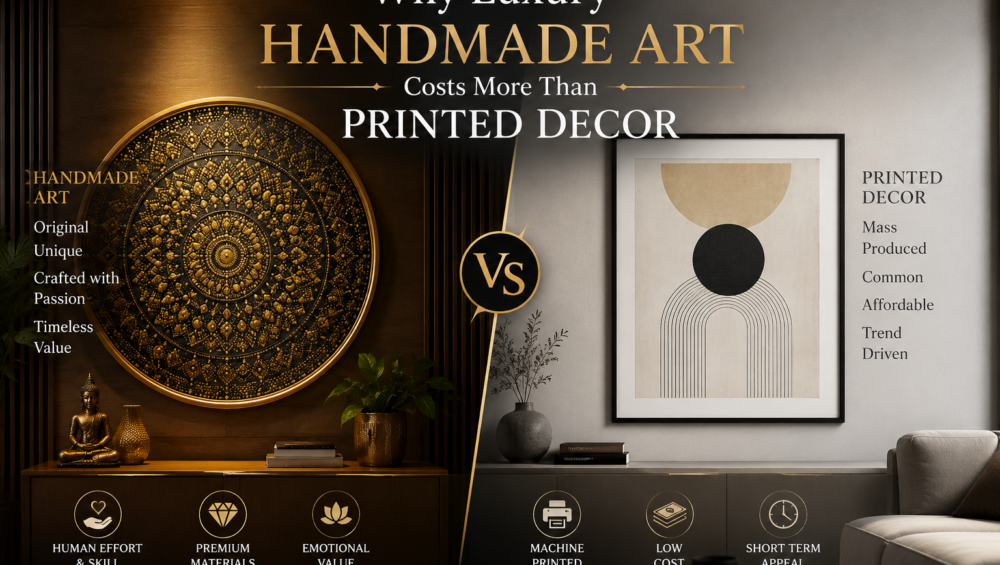
Why Luxury Handmade Art Costs More Than Printed DecorCategoriesCreative

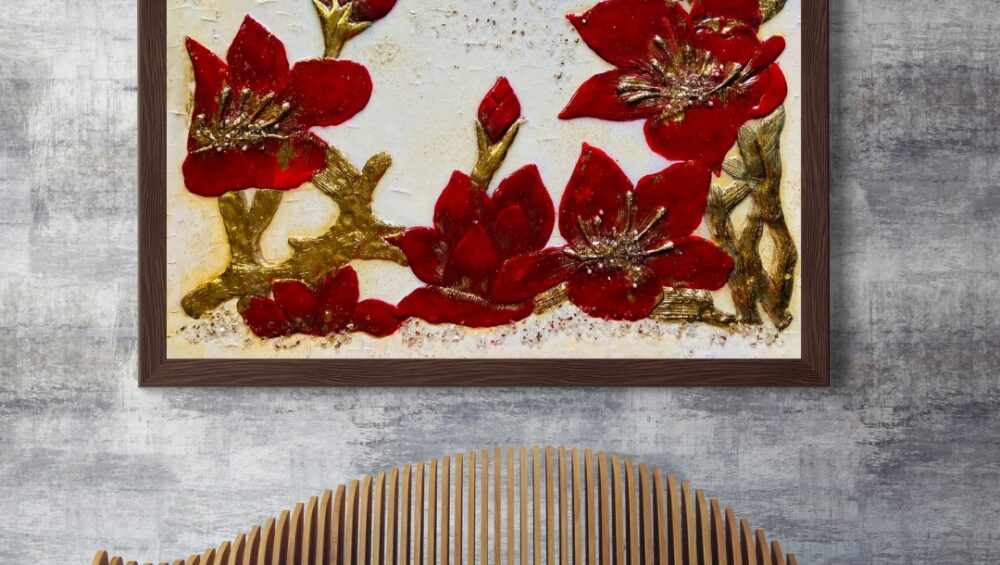
Transforming Blank Walls into Masterpieces with Modern Texture Art

In today’s world of interior design, walls are no longer viewed as simple structural elements. They have become a canvas for creativity, self-expression, and artistic storytelling. As homeowners increasingly seek personalized and luxurious interiors, modern texture art has emerged as one of the most sought-after design trends.

At Ranggat, we believe every wall deserves a story. Through handcrafted artworks, soulful creations, and contemporary texture designs, we help transform empty walls into stunning visual masterpieces that reflect personality, emotion, and style.

What is Modern Texture Art?

Modern texture art is a contemporary art form that creates depth, dimension, and movement through layered materials and handcrafted techniques. Unlike traditional paintings, texture art offers a tactile experience that interacts beautifully with light and shadows.

From minimalist abstract designs to nature-inspired relief patterns, texture art creates a captivating focal point that instantly enhances any space.

Why Blank Walls Need Texture Art

A plain wall often feels incomplete, regardless of how beautifully a room is furnished. Modern texture art solves this challenge by introducing visual interest and artistic sophistication.

Creates Depth and Dimension

Texture art transforms flat surfaces into dynamic visual experiences. The raised patterns and layered details create natural shadows that add depth and elegance to interiors.

Enhances Luxury Interiors

Luxury design is no longer defined solely by expensive furniture. Carefully curated artwork has become a defining element of premium interiors. Modern texture art adds a refined and sophisticated touch that elevates the overall ambiance.

Adds Personality to Your Space

Every handcrafted texture artwork tells a unique story. Unlike mass-produced décor, handmade pieces bring authenticity and individuality into a home.

Creates an Emotional Connection

Art has the power to inspire emotions. Whether it’s a calming neutral texture piece or a bold contemporary design, texture art creates an atmosphere that resonates with the people living within the space.

Popular Texture Art Trends in Modern Homes

Minimalist Neutral Textures

Soft shades like ivory, beige, sand, and white dominate modern interiors. These understated artworks create a serene and timeless aesthetic.

Organic and Nature-Inspired Designs

Inspired by natural landscapes, flowing waves, and organic forms, these artworks bring harmony and balance into living spaces.

Abstract Statement Pieces

Large-scale abstract texture artworks are becoming a favorite choice for luxury living rooms and designer spaces. Their dramatic presence instantly captures attention.

Handmade Sculptural Wall Art

Combining artistic craftsmanship with three-dimensional elements, sculptural texture art offers a gallery-like experience within residential interiors.

Best Spaces for Texture Art

Living Rooms

A large textured artwork above the sofa can instantly become the focal point of the room, creating an inviting and luxurious atmosphere.

Bedrooms

Texture art behind the bed adds warmth, softness, and sophistication, transforming the bedroom into a peaceful retreat.

Dining Areas

Elegant texture pieces enhance dining spaces by creating a refined and artistic environment for gatherings and celebrations.

Home Offices

Creative and inspiring artwork can boost productivity while adding character to modern workspaces.

Why Handmade Texture Art Matters

As people move away from generic décor, there is a growing appreciation for handcrafted artwork that reflects authenticity and craftsmanship. Handmade pieces carry the artist’s vision, passion, and creativity in every detail.

At Ranggat, each artwork is thoughtfully crafted to blend contemporary aesthetics with emotional depth. Our collection celebrates originality, artistic expression, and meaningful design that resonates with modern homeowners.

Styling Tips for Modern Texture Art

  • Pair neutral texture artworks with minimalist furniture.
  • Use accent lighting to highlight the depth and details of textured surfaces.
  • Choose oversized pieces for larger walls to create a bold statement.
  • Combine texture art with natural materials such as wood, stone, and linen for a balanced interior aesthetic.
  • Select artwork that complements your room’s color palette while introducing visual contrast.

The Future of Interior Design

Interior design trends continue to shift toward personalized, meaningful, and handcrafted décor. Modern texture art perfectly aligns with this movement by offering a unique combination of artistic beauty, luxury, and emotional connection.

As more homeowners seek distinctive interiors that reflect their personality, texture art is becoming an essential element of contemporary home styling.

Blank walls represent endless creative possibilities. With modern texture art, these empty surfaces can be transformed into breathtaking masterpieces that inspire, captivate, and elevate everyday living.

Whether you’re designing a luxury residence, refreshing your living room, or creating a calming personal sanctuary, handcrafted texture art offers the perfect balance of elegance, creativity, and individuality.

At Ranggat, every artwork is created with passion and purpose, helping you turn ordinary walls into extraordinary expressions of art and soul.

Ranggat | The Process Behind Creating Premium Texture ArtworkCategoriesCreative

Ranggat | The Process Behind Creating Premium Texture Artwork

Premium texture artwork is more than just painting on a canvas—it is a layered, thoughtful, and highly skilled process that transforms simple materials into visually rich, dimensional art. At Ranggat, every textured piece is handcrafted with precision, patience, and artistic intention, ensuring each artwork becomes a statement of luxury and creativity.

Here’s a behind-the-scenes look at how premium texture artwork is created from start to finish.

1. Inspiration & Concept Development

Every artwork begins with an idea. Inspiration can come from nature, architecture, emotions, cultural patterns, or modern design trends.

Artists first define:

  • Theme of the artwork
  • Mood (calm, bold, spiritual, abstract, etc.)
  • Color direction
  • Texture style (soft, rough, layered, sculpted)

This stage sets the creative foundation for the entire piece and ensures the final artwork tells a meaningful visual story.

2. Surface Preparation

Before applying any texture, the canvas or base panel is carefully prepared.

This includes:

  • Choosing high-quality canvas or wooden board
  • Applying a primer (gesso) for smooth adhesion
  • Ensuring a strong, durable surface for layering

Proper preparation is essential because texture artwork involves heavy layering and sculptural effects.

3. Building the Texture Layers

This is the most important stage of the process.

Artists use specialized materials such as:

  • Acrylic-based texture paste
  • Modeling paste
  • Mixed mediums for depth and structure

Using tools like palette knives, spatulas, and brushes, the artist begins shaping the surface.

Techniques include:

  • Layering thick and thin textures
  • Creating raised patterns and reliefs
  • Building depth through repeated application
  • Sculpting shapes directly onto the canvas

Each layer is allowed to dry before the next is added, ensuring durability and clarity in design.

4. Sculpting & Detailing

Once the base texture is formed, artists refine the surface.

This stage focuses on:

  • Adding fine details and patterns
  • Enhancing depth and dimension
  • Balancing composition across the canvas
  • Creating visual flow and movement

This is where the artwork begins to take its final artistic identity.

5. Color Application

After the texture structure is complete, color is applied.

Depending on the design, artists may:

  • Paint after texture dries for sharp definition
  • Mix color into texture paste for integrated tones
  • Use layering techniques for gradient and shadow effects

Color enhances the texture by highlighting raised surfaces and creating contrast between light and shadow.

6. Drying & Finishing

Drying is a crucial part of the process. Each layer must set properly to maintain strength and structure.

Once fully dry, the artwork is finished with:

  • Protective varnish or coating
  • Final touch-ups for refinement
  • Quality inspection for detail and consistency

This ensures long-lasting durability and a premium finish.

The completed artwork is then framed or mounted depending on its style.

A well-presented texture artwork:

  • Enhances interior spaces instantly
  • Becomes a focal design element
  • Adds depth, luxury, and personality to walls

At Ranggat, each piece is designed to be more than décor—it is a statement of artistic expression.

Creating premium texture artwork is a balance of creativity, craftsmanship, and patience. From the initial idea to the final stroke, every step contributes to building a piece that feels alive, dimensional, and meaningful.

At Ranggat, every artwork is handcrafted with care, ensuring that no two pieces are ever the same—because true art is always unique.