Importance of Art in Mental Health and Well-BeingCategoriesTips & Tricks

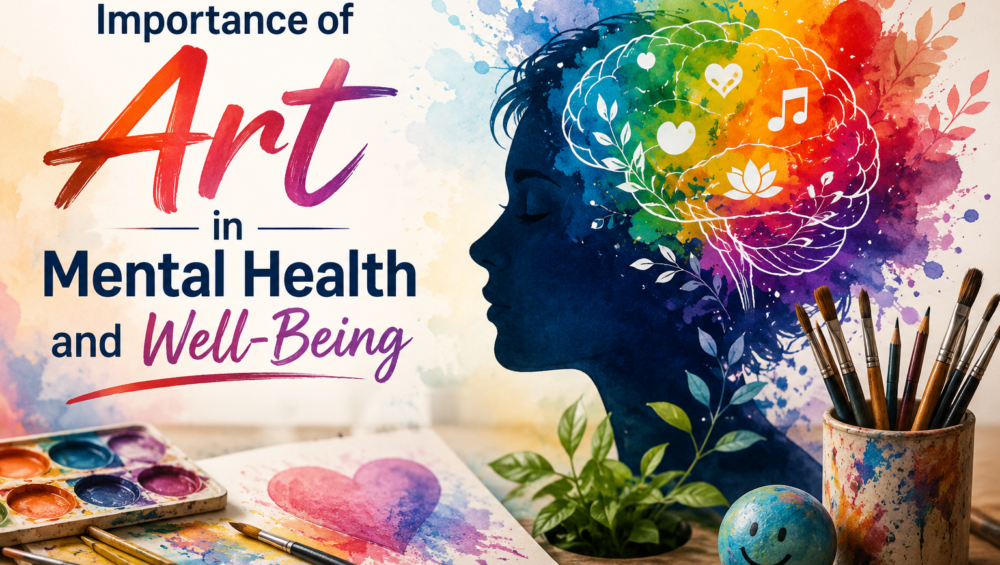
Importance of Art in Mental Health and Well-Being

In today’s fast-paced and stressful world, maintaining good mental health has become more important than ever. While traditional methods such as therapy, exercise, and meditation are widely recognized, art has emerged as a powerful tool for improving mental health and overall well-being. Whether through painting, music, dance, writing, or any other form of creative expression, art has the ability to heal, inspire, and transform lives.

Understanding the Connection Between Art and Mental Health

Art is more than just a form of entertainment or decoration. It serves as a medium for self-expression, allowing individuals to communicate thoughts, emotions, and experiences that may be difficult to express through words. Engaging in artistic activities can help people process emotions, reduce stress, and foster a sense of purpose and accomplishment.

Research has shown that participating in artistic activities can positively impact mental health by reducing symptoms of anxiety, depression, and stress while improving emotional resilience and overall life satisfaction. Creative activities stimulate various areas of the brain associated with pleasure, emotion, and memory, contributing to improved psychological well-being.

Benefits of Art for Mental Health and Well-Being

1. Reduces Stress and Anxiety

One of the most significant benefits of art is its ability to reduce stress and anxiety. Engaging in creative activities such as drawing, painting, or coloring encourages mindfulness and helps individuals focus on the present moment. This shift in attention can calm the mind and reduce stress levels.

Creating art provides a healthy distraction from daily worries and promotes relaxation, helping individuals feel more centered and peaceful.

2. Encourages Emotional Expression

Many people struggle to express their emotions verbally. Art offers a safe and non-judgmental outlet for expressing feelings such as sadness, anger, fear, or joy. Through artistic expression, individuals can explore and understand their emotions more deeply.

Art therapy, in particular, has been widely used to help individuals process traumatic experiences and cope with emotional challenges.

3. Enhances Self-Esteem and Confidence

Completing an artistic project can create a sense of achievement and pride. Whether someone is a professional artist or a beginner, creating something meaningful can boost self-confidence and self-esteem.

The creative process encourages experimentation and personal growth, helping individuals develop a positive self-image and appreciate their unique abilities.

4. Promotes Mindfulness and Relaxation

Art activities often require concentration and attention to detail, encouraging individuals to become fully immersed in the creative process. This state of deep focus, often referred to as “flow,” can promote mindfulness and reduce negative thoughts.

Mindfulness through art can improve emotional regulation, enhance mood, and foster a greater sense of inner peace.

5. Strengthens Social Connections

Participating in group art activities, workshops, or community projects can help individuals build meaningful relationships and reduce feelings of loneliness and isolation. Art creates opportunities for social interaction and shared experiences, which are essential for mental well-being.

Collaborative creative activities foster empathy, communication, and a sense of belonging within communities.

6. Supports Recovery and Healing

Art is increasingly being incorporated into healthcare settings as a therapeutic intervention. Creative arts therapies, including music therapy, dance therapy, and visual art therapy, are used to support individuals dealing with mental health conditions, chronic illnesses, trauma, and neurological disorders.

Healthcare professionals recognize that artistic expression can complement traditional treatments by promoting emotional healing and improving quality of life.

Different Forms of Art That Support Mental Health

Visual Arts

Drawing, painting, sculpting, and photography allow individuals to express emotions visually and explore their inner experiences.

Music

Listening to or creating music can improve mood, reduce stress, and provide comfort during difficult times.

Dance and Movement

Dance encourages physical activity while enabling emotional expression, which can improve both physical and mental health.

Writing and Poetry

Journaling, storytelling, and poetry help individuals process emotions, reflect on experiences, and gain clarity.

Crafts and DIY Activities

Activities such as knitting, pottery, and crafting promote relaxation, creativity, and a sense of accomplishment.

How to Incorporate Art Into Daily Life

  • Set aside time each week for creative activities.
  • Keep a sketchbook or journal to express thoughts and emotions.
  • Listen to music that uplifts and inspires you.
  • Join local art classes or community workshops.
  • Visit art galleries, museums, or cultural events.
  • Experiment with new creative hobbies without worrying about perfection.

Remember, the goal is not to create a masterpiece but to enjoy the process of creativity and self-expression.

Art plays a vital role in promoting mental health and well-being. It offers a powerful means of self-expression, stress relief, emotional healing, and social connection. Regardless of age or artistic ability, everyone can benefit from incorporating creativity into their daily lives.

As awareness of mental health continues to grow, embracing art as a tool for wellness can help individuals lead healthier, happier, and more fulfilling lives.
How Art Helps Calm the MindCategoriesCreative Lifestyle Tips & Tricks

How Art Helps Calm the Mind

How Art Helps Calm the Mind

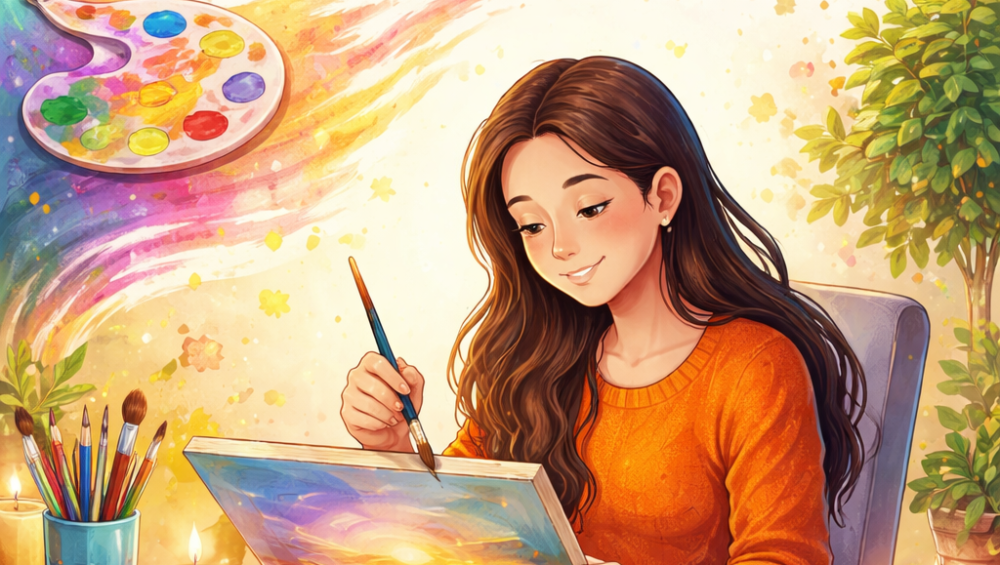
In today’s fast-paced world, many people experience stress, anxiety, and mental pressure. Finding healthy ways to relax and clear the mind is very important for maintaining good mental health. One powerful and enjoyable way to achieve this is through art. Artistic activities such as painting, drawing, music, dancing, or crafting can help calm the mind and bring emotional balance.

Art as a Way to Express Emotions

Art allows people to express their feelings and thoughts in a creative way. Sometimes it is difficult to explain emotions with words, but art provides another way to communicate them. When a person paints or draws, they can express happiness, sadness, anger, or hope through colors and shapes. This emotional expression helps release built-up stress and makes the mind feel lighter.

Improves Focus and Reduces Stress

Another reason art helps calm the mind is that it encourages focus and mindfulness. When people are engaged in creative activities, they concentrate on the process of creating something. This focus helps them forget about worries and negative thoughts for a while. As a result, the mind becomes relaxed and peaceful.

Sense of Achievement

Art also gives a sense of achievement and satisfaction. Completing a drawing, painting, or craft project can make a person feel proud and confident. This positive feeling improves mood and reduces stress. Even simple artistic activities like coloring or doodling can bring joy and relaxation.

In conclusion, art is a powerful tool for calming the mind and reducing stress. It allows people to express emotions, focus their thoughts, and experience happiness through creativity. By including artistic activities in daily life, individuals can improve their mental health and enjoy a more peaceful and balanced life.

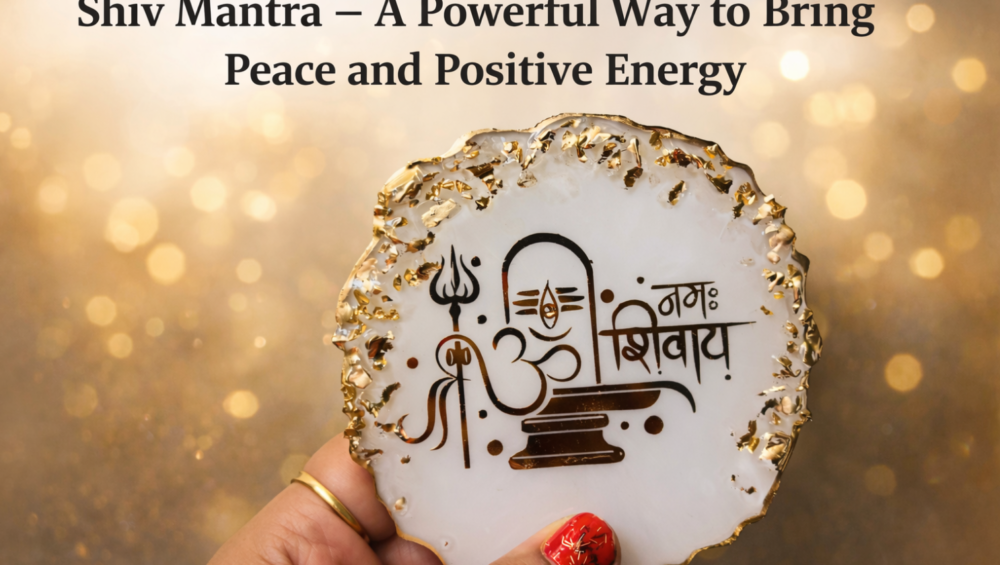
Shiv Mantra – A Powerful Way to Bring Peace and Positive EnergyCategoriesCreative

Shiv Mantra – A Powerful Way to Bring Peace and Positive Energy

Shiv Mantra is a sacred mantra dedicated to Lord Shiva. It is known for bringing peace, positivity, and spiritual strength into life. People chant Shiv Mantra to remove negative energy, reduce stress, and feel calm and focused.

This mantra is very helpful for those who want mental peace, success, and a balanced life.

Importance of Shiv Mantra

Lord Shiva is known as the god of meditation and inner power. Chanting Shiv Mantra daily helps in:

  • Reducing stress and anxiety
  • Creating positive energy around you
  • Improving focus and concentration
  • Bringing peace to mind and soul
  • Removing negative thoughts

Shiv Mantra is simple, powerful, and suitable for everyone.

Benefits of Shiv Mantra Product

This Shiv Mantra product is designed to help you experience spiritual peace easily at home or at work.

Key benefits:

  • Pure and powerful mantra vibrations
  • Easy to use for daily chanting or meditation
  • Helps attract positive energy
  • Creates a calm and peaceful environment
  • Suitable for home, office, and meditation space

How to Use Shiv Mantra

To get the best results:

  1. Sit in a quiet place
  2. Focus on Lord Shiva
  3. Chant or listen to the Shiv Mantra with faith
  4. Use it daily for better results

Regular use helps you feel more relaxed and positive.

Why Choose Shiv Mantra?

In today’s busy life, stress and negativity are common. Shiv Mantra helps you stay calm, strong, and positive. This product is perfect for anyone looking for spiritual growth and inner peace.

If you want peace of mind, positive energy, and Lord Shiva’s blessings, the Shiv Mantra product is a great choice. It is not just a mantra, but a spiritual experience that helps improve your daily life

READ ALSO | Shiva–Shakti: The Sacred Balance of the Universe

Exquisite Dot Mandala Frames: Handcrafted Wall Art for Home & Office DecorCategoriesCreative

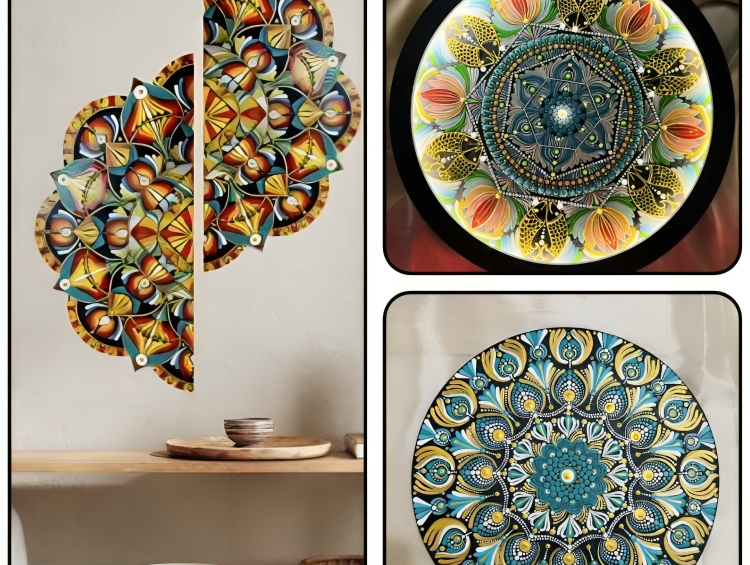
Dot Mandala Art Therapy: Reduce Stress Through Creative Patterns

Dot Mandala art therapy is a creative and therapeutic approach that use symmetrical, circular designs, or mandalas, to enhance focus, lower stress levels, and support mental health. The word “Dot mandala” is derived from the Sanskrit word “circular,” which denotes balance and wholeness. Drawing, coloring, or painting on a mandala allows people to explore their emotions and quiet their minds by combining artistic expression with attentive focus.

How Dot Mandala Art Reduces Stress and Anxiety

1. Encourages Mindfulness and Present‑Moment Awareness


When you work on a Dot mandala, your attention turns to the patterns, shapes, and colors in front of you. This focus naturally shifts your awareness away from stressors and brings you into the present moment — a core element of mindfulness practice. The repetitive activity of coloring or drawing induces a meditative state similar to focused breathing or relaxation exercises.

2. Promotes Relaxation and the “Relaxation Response”

Researchers describe a relaxation response — a physiological shift that lowers stress hormone levels, reduces muscle tension, and slows heart rate — similar to what happens during meditation or deep breathing. Dot Mandala creation encourages this response through focused, rhythmic movements, helping calm the nervous system.

3. Lowers Anxiety and Emotional Tension


Studies show that coloring or creating Dot mandalas can reduce anxiety more effectively than free‑form drawing — likely because the structured design provides just enough guidance to settle anxious thoughts and reduce distraction.

4. Helps with Emotional Regulation and Self‑Expression


Dot Mandalas are not just patterns — they can reflect inner emotional states. As individuals choose colors and shapes, they often express feelings that words can’t capture. This non‑verbal expression can help process complex emotions, offering insight and relief.

Psychological and Cognitive Benefits

• Enhanced Focus and Concentration


Working on detailed Dot mandala patterns requires attention to detail and steady engagement. Over time, this improves concentration and mental discipline — which can make coping with daily tasks less stressful.

• Supports Emotional Healing and Integration


Carl Jung, a pioneer in psychology, viewed Dot mandala creation as a window into the unconscious mind. He used it to help clients explore their inner world, integrate various parts of the self, and achieve psychological balance.

• Facilitates a Calming Ritual


Even short sessions — as little as 5–10 minutes of Dot mandala coloring — can provide a “pattern interrupt” that breaks cycles of rumination and stress. Integrating mandala practice into a daily routine can support long‑term emotional balance.

Practical Ways to Practice Dot Mandala Art Therapy

Here are some ways to use Dot mandalas for stress relief and creativity:

  • Color pre‑drawn Dot mandala templates — ideal for beginners or when you need a quick calming activity.
  • Draw your own Dot mandalas — create from scratch using a compass or simple circular patterns.
  • Use different mediums — colored pencils, markers, paints, or even digital tools.
  • Set a calm environment — soft music, quiet space, and mindful breathing enhance the therapeutic effect.
  • Reflect afterward — notice how you feel; writing brief thoughts can deepen self‑awareness.

Dot Mandala art therapy is a lovely way to combine mindfulness and creativity. Dot Mandalas help lower stress and enhance emotional well-being by focusing the mind, relaxing the nervous system, and providing an expressive outlet for emotions. Mandala art offers a straightforward yet profound practice with roots in both psychology and tradition, whether you’re looking for stress relief, an increase in focus, or a route to self-discovery.