Ranggat | Dot Mandala Art: India’s Hidden Gem in the Global Art SceneCategoriesTips & Tricks

Ranggat | The Origins and Meaning of Dot Mandalas Around the World

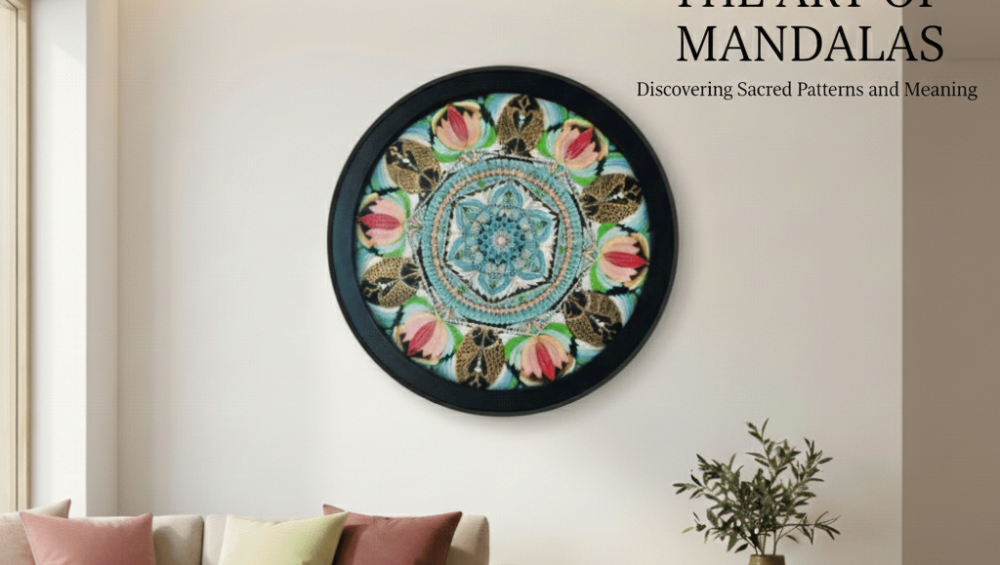
Dot mandalas are captivating pieces of art that blend meditative repetition, vivid colors, and complex patterns. Although they may appear to be straightforward decorative elements at first, each dot, line, and circle has centuries-old cultural and spiritual meaning. Dot mandala have spread across continents from tribal customs to modern art, demonstrating humanity’s continuous attraction with symmetry, symbolism, and attentiveness.

What is a Dot Mandala?

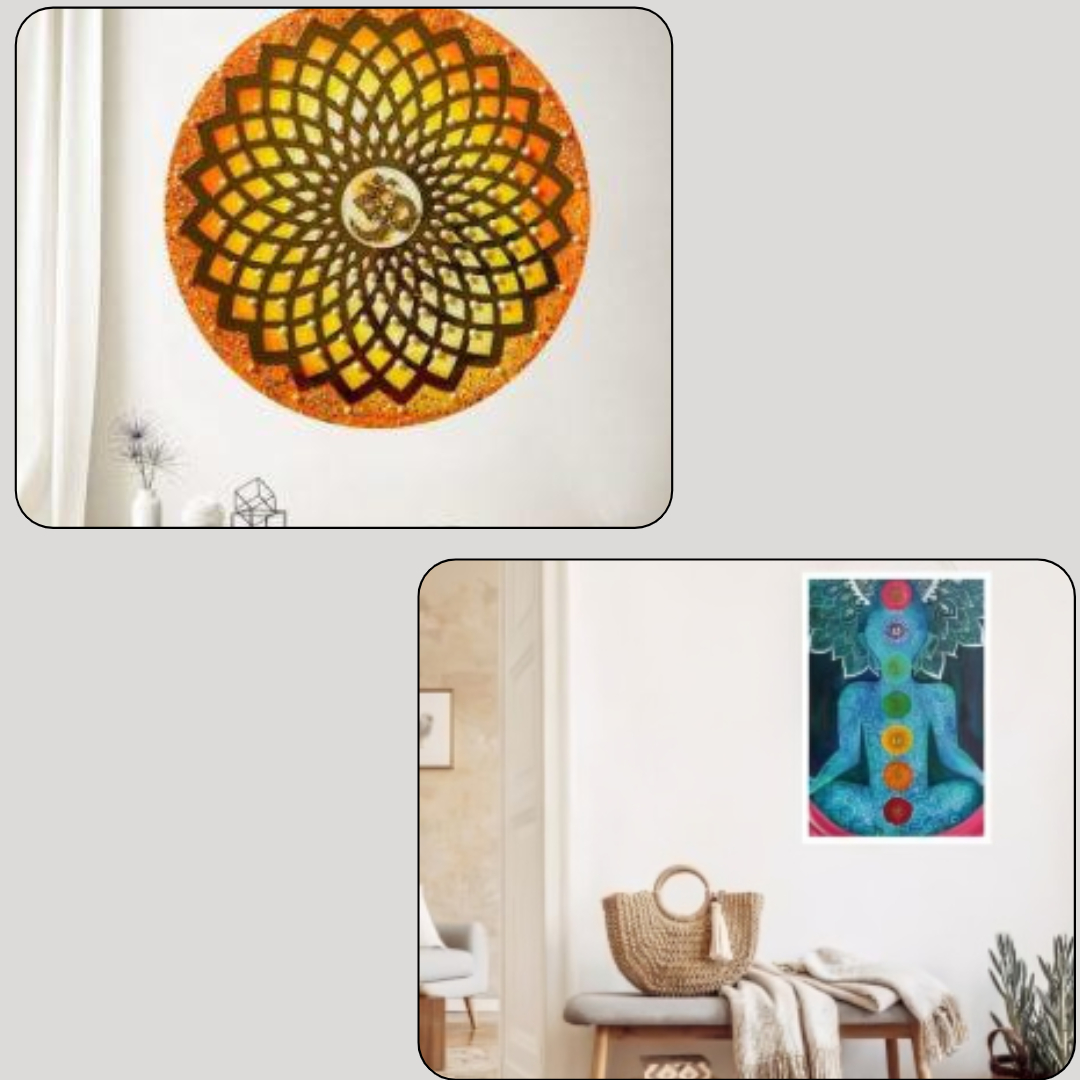
Based from the Sanskrit word for “circle,” a mandala is a symbolic design that stands for unity, balance, and the cosmos. In particular, dot mandalas use dots as the basic building blocks to create complex designs that radiate outward from a center point. To create a sense of depth and harmony, these designs frequently use geometric shapes, floral themes, and layers of color.

Unlike traditional brush or pencil mandalas, dot mandalas often use tools like styluses, nails, or even cotton swabs to create consistent, circular dots, resulting in a textured, almost tactile visual experience.

Historical Origins

While mandalas are most famously associated with Hinduism and Buddhism in South Asia, dot mandalas have emerged independently in various cultures:

  • Indigenous Australian Art: Dot painting has been a central part of Aboriginal art for thousands of years. These artworks use dots to depict stories, landscapes, and spiritual concepts. The use of dots represents the interconnectedness of life and often encodes ancestral knowledge and cultural narratives.
  • Tibetan and Hindu Traditions: Mandalas in Tibetan Buddhism and Hinduism are spiritual tools for meditation, representing the cosmos and the path to enlightenment. Monks create elaborate mandalas using colored sand, where each grain acts as a symbolic dot, demonstrating impermanence and devotion.
  • Modern Western Adaptations: In recent decades, dot mandalas have gained popularity as a therapeutic art form, blending traditional symbolism with contemporary design aesthetics. Artists around the world now create dot mandalas as part of mindfulness practices, home décor, and personal expression.

The Symbolism Behind Dot Mandalas

Dot mandalas carry deep symbolism:

  • Circles represent wholeness, eternity, and unity.
  • Dots emphasize individuality within the collective, illustrating how small actions contribute to a larger whole.
  • Symmetry reflects balance, harmony, and the interconnectedness of life.
  • Colors often have specific meanings—red for energy, blue for calm, yellow for joy, and green for growth.

For many, creating or observing dot becomes a meditative practice, encouraging focus, self-reflection, and emotional healing.

Dot Mandalas in Contemporary Culture

Nowadays, dot mandalas are praised worldwide for both their aesthetic appeal and their therapeutic qualities. Thanks to workshops, do-it-yourself kits, and social media platforms that showcase artists from diverse backgrounds, the art form is accessible to everybody. They are used in classrooms, meditation rooms, and even corporate wellness programs to foster awareness and creativity.

mandala are a celebration of human creativity, an aid for meditation, and a bridge across civilizations in addition to being beautiful works of art. mandalas, which can be seen in anything from the hallowed sands of Tibetan temples to the vibrant paintings of contemporary artists, serve as a reminder that every tiny action—like a single dot—contributes to a greater, harmonious total.

ranggat Dot mandala connect us to a timeless global heritage that embodies beauty, harmony, and mindfulness in every circle, whether you make them for creative expression, spiritual contemplation, or just the pleasure of creating patterns.
The House of Ranggat (THOR): Where Art Is Created with Purpose, Not for ViralityCategoriesCreative

The House of Ranggat (THOR): Where Art Is Created with Purpose, Not for Virality

The House of Ranggat (THOR) is not simply an art brand—it is a legacy art brand in the making. Rooted in intention, patience, and meaning, THOR is built for longevity rather than trends. It represents a conscious approach to art where quality matters more than virality, and depth matters more than speed.

At The House of Ranggat, art is created not just for today, but for generations to come.

Core Philosophy: Quality Over Virality

In an era where art is often measured by reach, likes, and instant visibility, The House of Ranggat follows a different path. The foundation of THOR rests on a clear belief:

True art creates legacy. Virality is temporary.

Every artwork begins with one central question:

“Why does this art matter?”

This question defines the process, the purpose, and the long-term value of each creation, positioning Ranggat as a brand built on substance rather than short-term attention.

Art Style and the Legacy-Centered Creative Process

The House of Ranggat focuses on timeless and meaningful art forms, including:

  • Mandala Art
  • Sacred Geometry
  • Textured and Layered Artworks

These forms are chosen for their historical, spiritual, and meditative significance. Each artwork is created through a slow, disciplined, and mindful process, ensuring balance, rhythm, and emotional depth.

The intention is simple: to create art that endures—visually, emotionally, and culturally.

The Three Core Verticals of The House of Ranggat

1. Ranggat Home Decor

Ranggat Home Decor represents the tangible legacy of the brand. These handcrafted artworks are designed to live within homes and spaces as long-term elements of identity and energy, not temporary decor pieces.

Each work becomes part of a living environment, growing in value and meaning over time.

2. Learn with Ranggat

A true legacy is sustained through learning and knowledge sharing.
Learn with Ranggat focuses on education through workshops, guided practices, and creative learning experiences. This vertical ensures that artistic techniques, philosophy, and awareness are passed on to future creators and conscious learners.

3. Ranggat Foundation

The heart of The House of Ranggat lies in giving back.
Through Ranggat Foundation, a portion of every artwork and learning experience supports free art education and creative resources for communities and NGOs.

In this way, art does not remain confined to private spaces—it returns to society and contributes to cultural growth.

The Four Pillars of THOR

1. Creation
High-quality, meaningful artworks that define brand value and attract conscious collectors.

2. Process & Philosophy
Transparency and depth in the creative journey, building trust, emotional connection, and authenticity.

3. Learning & Awareness
Education as a foundation for long-term community building and generational continuity.

4. Giving & Impact
Social responsibility that strengthens the ethical and cultural legacy of the brand.

What Makes The House of Ranggat a Legacy Art Brand

  • Focus on timeless art rather than fast trends
  • Strong philosophical foundation behind every creation
  • Integration of art, education, and social impact
  • Commitment to long-term cultural and emotional relevance

The House of Ranggat is designed to endure—to create, teach, share, and give art back to the world as a living legacy.

The House of Ranggat (THOR) stands as a legacy art brand built on meaning, discipline, and purpose. By balancing Soul (creative process), Market (sustainable growth), and Heart (social impact), THOR is shaping a creative ecosystem that goes beyond commerce.

Shiva and Shakti in Sacred Art: Divine Unity of Form and PowerCategoriesCreative

Shiva and Shakti in Sacred Art: The Balance of Structure and Energy

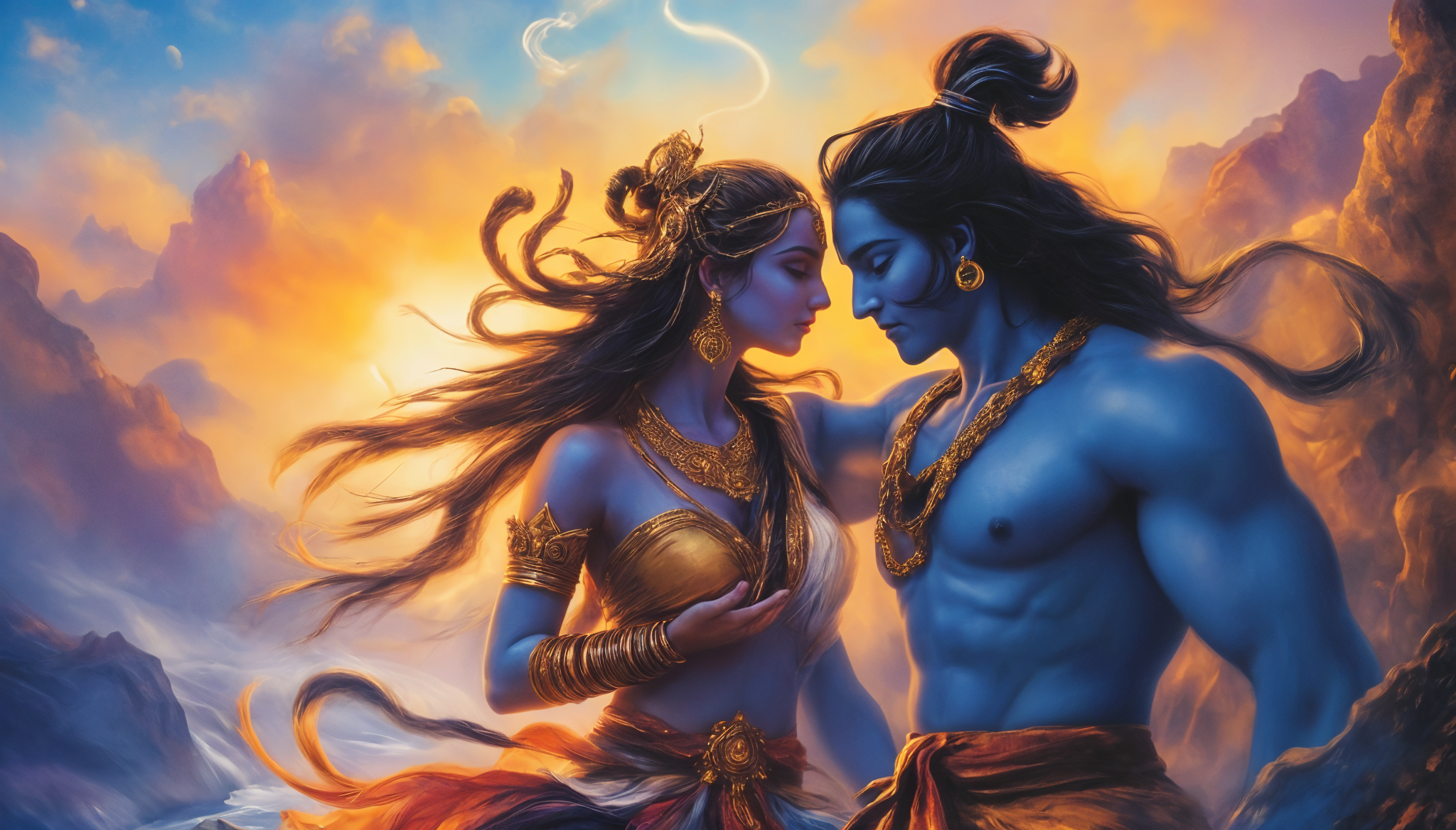
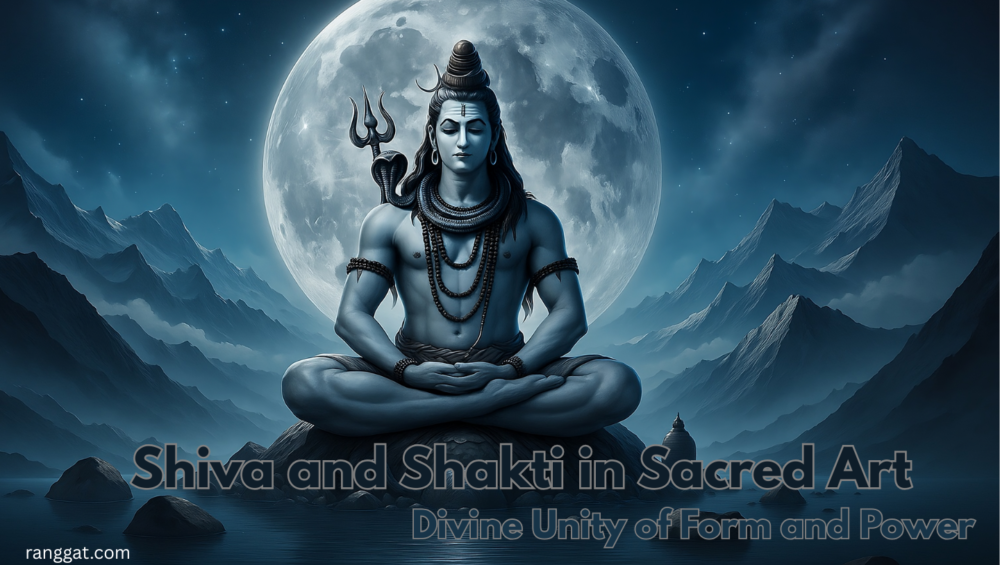
Shiva and Shakti stand for the cosmic balance between structure (awareness) and energy (creative force) in sacred art and spiritual symbolism. Together, these divine principles form the basis of existence and are inseparable rather than distinct. Shakti represents movement, creativity, and dynamic force, whereas Shiva represents quiet, meditation, and timeless being. Numerous pieces of sacred art in India and beyond are influenced by the interaction between Shiva and Shakti, which also has an impact on modern artistic expressions, sculpture, painting, and mandalas.

What Do Shiva and Shakti Symbolize?

The Power of Art in Interior Design: Expert Tips and Inspiring Stories

Shiva, often depicted in deep meditation or as Nataraja (the cosmic dancer), represents:

  • Pure consciousness
  • Detachment
  • Stillness
  • Structural order

Shakti, often manifested as Parvati, Durga, or Kali, stands for:

  • Creative energy
  • Transformation
  • Life force
  • Dynamic power

Together, they illustrate that existence is born from the union of consciousness and energy. This unity is the core theme in sacred art traditions throughout Hindu, Buddhist, and Tantric iconography.

Sacred Art Expressions of Shiva and Shakti

1. Temple Sculptures

Temple art in places like Khajuraho, Chidambaram, Konark, and Ellora showcases Shiva–Shakti symbolism through dynamic carvings.

These sculptures are more than decorative—they function as visual metaphors for cosmic balance:

  • Shiva in a still, meditative pose
  • Shakti represented in lively forms
  • Unified compositions showing spiritual harmony

2. Nataraja: Shiva’s Cosmic Dance

The iconic Nataraja statue shows Shiva performing the Ananda Tandava (Dance of Bliss), symbolizing:

  • Creation
  • Preservation
  • Destruction
  • Illusion
  • Grace

This artistic form blends structural harmony (Shiva) with rhythmic motion (Shakti). As the foot of Shiva crushes ignorance and the raised hand offers protection, this dance becomes a living sacred artwork—a symbol of cosmic balance.

3. Shakti Imagery: Durga & Kali

Shakti is vividly expressed in forms like Durga (warrior mother) and Kali (fierce liberator). Artworks portraying these goddesses highlight:

  • Strength
  • Feminine power
  • Protection
  • Transformation

These depictions emphasize that divine energy is not passive—Shakti drives spiritual and worldly change.

Philosophical Meaning in Art

Shiva and Shakti represent two energies:

  • Static consciousness
  • Dynamic force

In sacred paintings, mandalas, and Tantric art, this duality reflects the microcosm and macrocosm:

  • The inner world of meditation
  • The outer world of action

Artists use symbolism like:

  • Lotus flowers (purity and enlightenment)
  • Third eye (perception beyond the physical)
  • Trident (Trishul) (threefold forces)

Modern Interpretation in Ranggat Art

Ranggat as a creative platform celebrates the fusion of ancient symbolism and modern artistic expression. Artists today draw inspiration from Shiva–Shakti imagery to explore contemporary themes:

  • Inner balance
  • Feminine power
  • Conscious creativity
  • Spiritual awakening

Contemporary sacred art challenges traditional boundaries and invites deeper reflection on human existence.

Ancient spiritual symbolism and modern artistic expression are powerfully combined in modern religious art. It makes spiritual ideas more approachable for contemporary audiences by reinterpreting timeless themes like Shiva and Shakti through abstract shapes, digital media, minimalist compositions, and experimental techniques. Modern sacred art investigates inner balance, universal energy, and conscious life rather than being restricted to ritual or devotion, enabling viewers to relate spirituality to contemporary feelings and imaginative ideas.

Why Shiva and Shakti Art Matters Today

In a world of constant motion, Shiva’s stillness teaches focus and clarity, while Shakti’s energy inspires:

  • Creativity
  • Transformation
  • Empowerment

Sacred art rooted in these themes:

  • Encourages mindfulness
  • Bridges ancient wisdom with modern life
  • Supports mental and spiritual well-being

How Artists Portray Balance in Their Work

Artists may use:

Color

  • Cool tones for Shiva (blue, white)
  • Warm colors for Shakti (red, orange)

Composition

  • Symmetry to suggest union
  • Flowing lines to show energy

Symbolic Elements

  • Fire, moon, lotus, snake, drum—each symbol adds depth

Eternal Union Inspiring Art

Shiva and Shakti stand for the cosmic equilibrium between structure (awareness) and energy (creative power) in religious art and spiritual symbols. The basis of existence is formed by these divine principles, which are inseparable rather than distinct. Shakti represents movement, creativity, and dynamic force, while Shiva represents quiet, meditation, and timeless being. Numerous pieces of sacred art in India and beyond are influenced by this interaction between Shiva and Shakti, which also has an impact on modern artistic expressions, sculpture, painting, and mandalas.

Ranggat | Lotus Motifs in Art: Symbolism, Heritage, and Indian CultureCategoriesCreative

Ranggat | Lotus Motifs in Art: Symbolism, Heritage, and Indian Culture

The Timeless Charm of the Lotus Motif

The lotus, also called “kamal” in various Indian languages, is more than just a flower; it is a living emblem that is intricately linked to India’s artistic, cultural, and spiritual traditions. Lotus themes have been used for thousands of years to adorn South Asian art, from ancient temple carvings to folk paintings and textile designs. The human search for purity, wisdom, and artistic expression is aptly reflected in its journey from murky waters to immaculate blossom.

Symbolism Behind the Lotus in Indian Culture

1. Purity from the Depths

The lotus motif’s connection to purity is among its most potent symbolic meanings. The flower, which symbolizes inner purity, spiritual purification, and separation from worldly pollutants, emerges untarnished from muddy waters. Indian literature, philosophy, and art all make extensive use of this symbolism.

2. Path to Spiritual Enlightenment

The lotus represents transcendence, enlightenment, and spiritual awakening in both Buddhist and Hindu faiths. It is frequently depicted in Buddhist art in particular as the lotus throne or base that enlightened beings sit on, signifying the soul’s ascent from ignorance to enlightenment.

3. Divine Beauty & Prosperity

The lotus motif is frequently associated with a number of gods and goddesses in Indian mythology, particularly Goddess Lakshmi (wealth) and Lord Vishnu (protection and cosmic balance), who are frequently depicted holding or sitting on lotus flowers. The flower’s association with wealth, happiness, and heavenly grace is reflected in its potent symbolism.

Lotus Motifs Across Indian Art Forms

Temple Architecture

This theme is a key architectural element found in everything from the elaborate carvings of ancient Buddhist and Hindu temples to the symbolic lotus shapes that crown domes, such as the Lotus Temple in Delhi. As a visual invitation to hallowed areas, the lotus design adorns pillars, domes, and entry motifs.

Painting and Folk Art

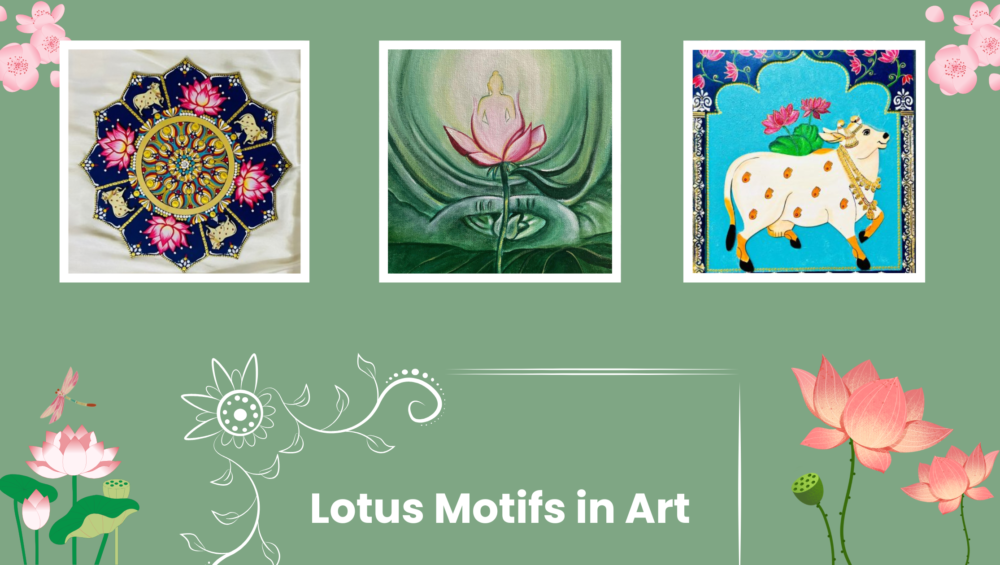
Lotus themes are commonly used in traditional Indian painting traditions, including as Mughal miniatures, Pichwai paintings, and tribal art, not only for their aesthetic appeal but also for their spiritual narratives woven into scenes of devotion and divine love.

Textiles and Crafts

The lotus design, which represents harmony, cosmic balance, and the life-giving energy of nature, is a prominent ornamental feature in Indian textiles such as ikat, Paithani silks, and embroidered nakshi kanthas.

Heritage and Cultural Impact

Across Religious Traditions

The lotus motif transcends cultural boundaries, although being most strongly linked with Buddhism and Hinduism. Its widespread cultural integration into Indian artistic sensibility is demonstrated by its appearance in Jain spiritual art as well as subsequent Islamic and Sikh building embellishment.

Philosophical Interpretation

The lotus also serves as a metaphor for life stages and human potential in Indian philosophy, showing how one may overcome obstacles, remain true to oneself in the face of hardship, and progress toward self-realization.

Modern Expressions of the Lotus Motif

Lotus motifs are no longer exclusive to classical art. They have an impact on modern fashion, sculpture, interior design, and even graphic design, constantly serving as a reminder to viewers of India’s rich cultural heritage and enduring artistic principles.

Why the Lotus Still Blooms in Indian Art

More than just a decorative element, the lotus design serves as a symbolic link between India’s cultural identity, spirituality, and artistic legacy. Its persistent presence in artwork, from contemporary paintings to ancient temples, relates to the eternal human longing for beauty, harmony, and purity.

The lotus is still one of the most powerful visual symbols in Indian culture, whether it is valued for its aesthetic beauty or spiritual profundity. This motif continues to inspire both artists and viewers.

The Art of Stillness: Beauty That Heals the SoulCategoriesCreative

The Art of Stillness: Beauty That Heals the Soul

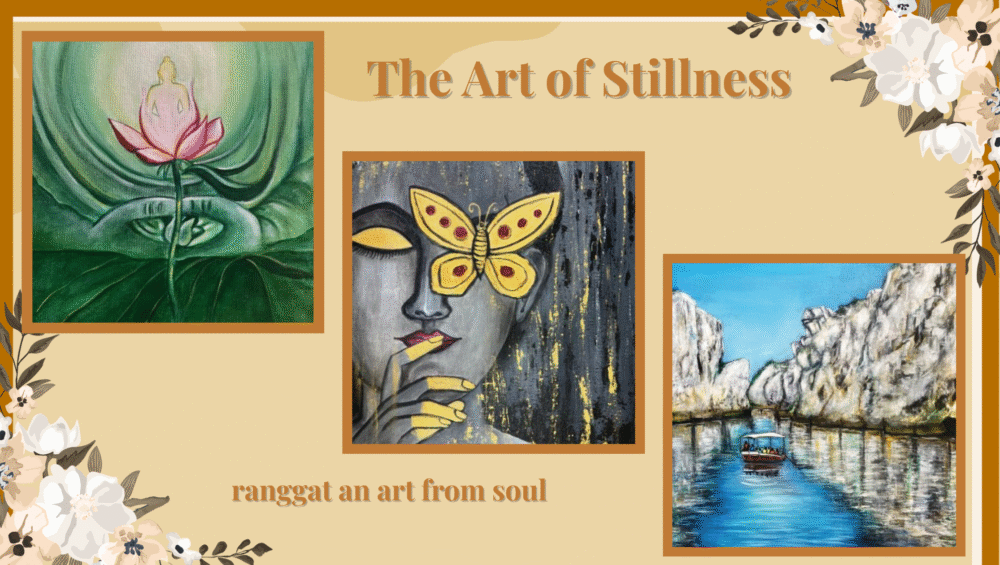
Moments of real calm have become few in the fast-paced rhythm of contemporary life. However, art finds its most meaningful expression in these pauses. At Ranggat, we consider art to be an adventure into the soul’s depths rather than just a visual experience.

Embracing Stillness Through Art

In art, stillness refers to the presence of awareness rather than just the lack of movement. We welcome peace into our life when we interact with art that captures it. This silence promotes healing and introspection by allowing us to reestablish a connection with our inner selves.

The Healing Power of Visual Beauty

Art has the rare capacity to communicate directly to our emotions and transcend words. Visual beauty has the capacity to heal, whether it is through abstract forms that provoke thought or tranquil landscapes that inspire tranquility. At Ranggat, we handpick items that uplift the spirit in addition to pleasing the eye.

Curating Art That Resonates

Ranggat’s collection has been carefully chosen to provide more than just visual enjoyment. Every composition was picked because it encourages healing and quiet. Our artwork, which ranges from serene landscapes to contemplative abstracts, is a haven for the spirit.

Art provides a haven of peace and quiet in a world full of noise and hurry. We encourage you to peruse Ranggat’s collection in order to discover items that speak to your soul and enhance your life with beauty and healing.

CategoriesCreative

The Silent Awakening: A Soulful Expression of Buddha’s Serenity and Spiritual Bloom

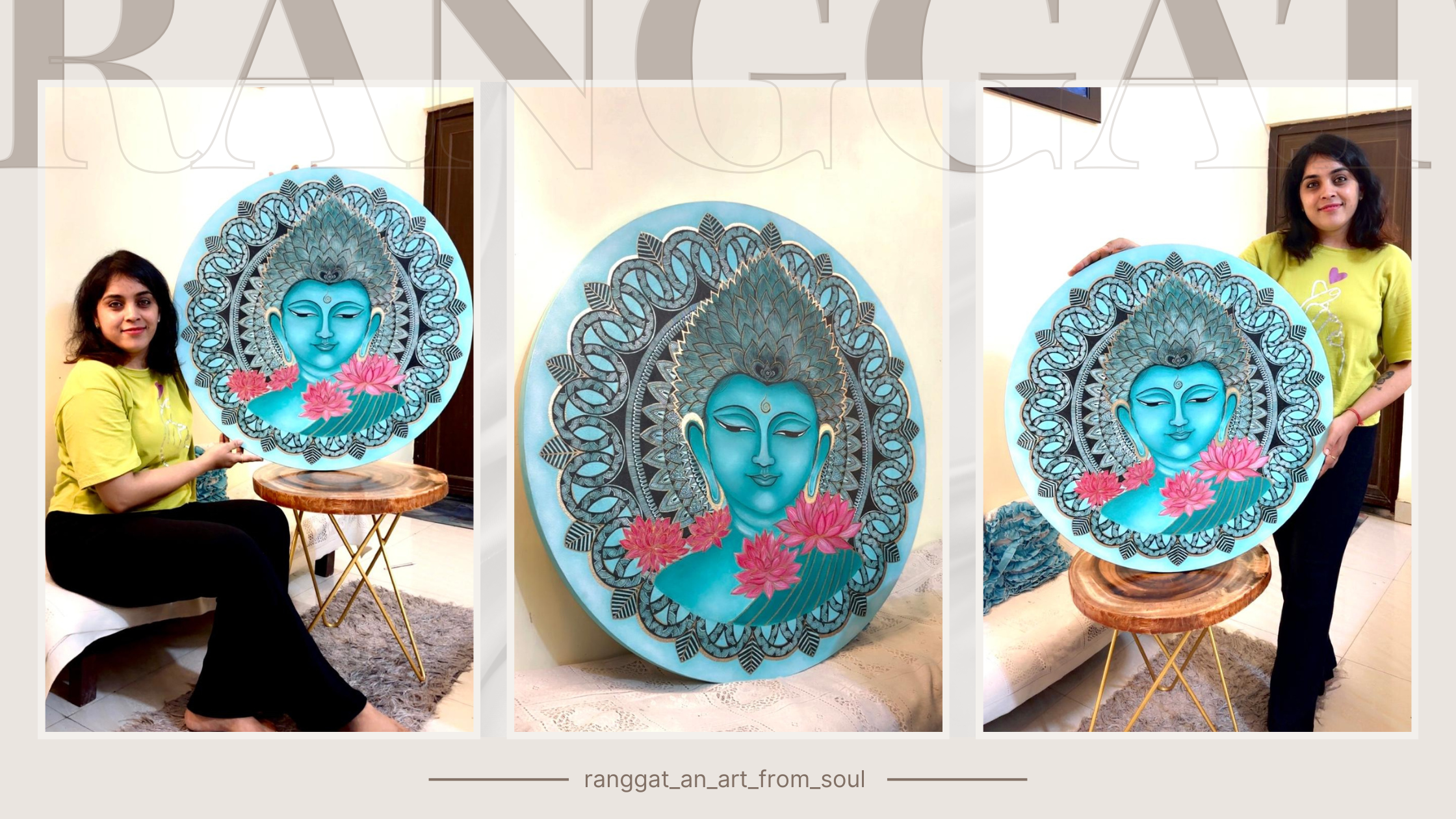
The Silent Awakening” welcomes us into a sacred space of calm, stillness, and spiritual reflection in a world that frequently embraces noise and movement. More than simply a painting, this delightful piece of art, lovingly created by Suruchi Purwar, is a meditation journey and a powerful symbol of the strength of inner calm.

Every piece of art at Ranggat: An Art from Soul is more than just a work of art; it is a feeling, an energy, and a connection to the divine. “The Silent Awakening” is a perfect embodiment of that philosophy.

The Story Behind the Artwork

The peaceful face of Buddha is shown in “The Silent Awakening,” painted in calming turquoise tones that stand for wisdom, healing, and calm. Bright pink lotuses, which emerge from the depths of silence as symbols of purity and spiritual awakening, surround him. The beautiful mandala designs that are hand-drawn with care and accuracy adorn the background, symbolizing the interconnection of all life and the endless nature of the universe.

The lotus, which emerges from the mud but is unaffected by it, represents our own capacity to rise above chaos and blossom into our most authentic selves. Buddha’s closed eyelids indicate a turning inward, a divine awakening that starts with presence rather than sound.

The Artist’s Vision – Suruchi Purwar

Ranggat’s owner, Suruchi Purwar, puts her heart, soul, and many months of spiritual research into each brushstroke. Through “The Silent Awakening,” Suruchi offers a spiritual experience with silence in addition to a visual one. She connects traditional Indian knowledge with modern reflection through the use of natural materials, fine detailing, and sacred symbolism.

This painting conveys a story of transformation, peace, and the timeless movement between stillness and awakening through each curve, color, and line.

Why This Artwork Resonates

  • Symbolizes serenity and spiritual reflection
  • Perfect for yoga studios, meditation areas, or mindful home decor
  • A reminder of inner grace, balance, and self-awareness
  • Rich in Indian symbolism and sacred geometry
  • A timeless gift for those seeking meaning and mindfulness

Available at Ranggat: An Art from Soul

Whether you’re a collector of spiritual art or simply drawn to the sacred energy of Buddha, “The Silent Awakening” is more than a piece for your wall—it’s a mirror for your soul. This piece of art, which is only available at Ranggat, encourages you to pause, take a deep breath, and find inner peace.

Ranggat: An Art from Soul
Because true art doesn’t just decorate—it transforms.

CategoriesCreative

Divine Harmony: Cow & Lotus Floral Mandala by Ranggat

Divine Harmony: Cow & Lotus Floral Mandala by Ranggat

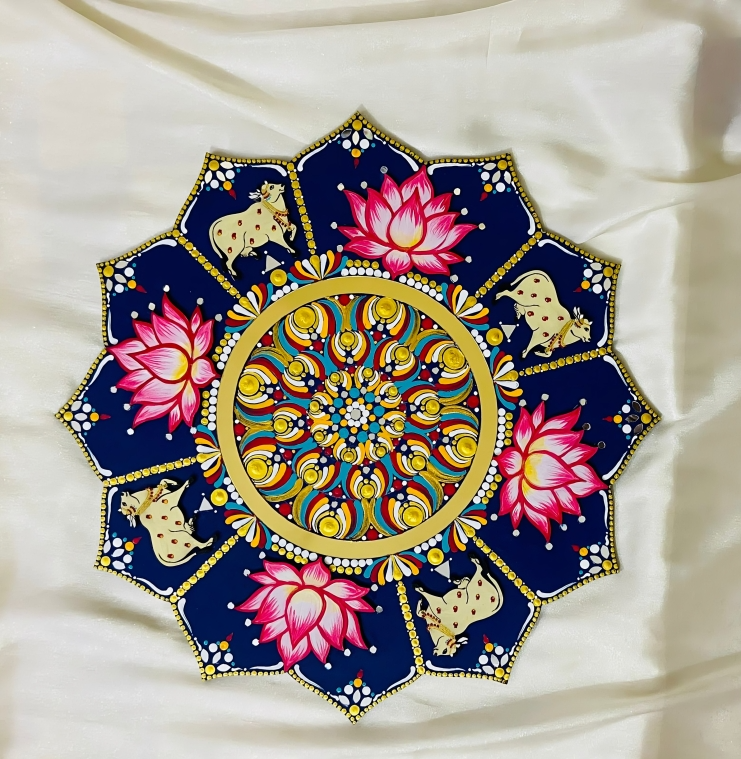
Art has always reflected spirituality, culture, and the supernatural. These elements are gracefully and symbolically represented in Ranggat’s mesmerizing Cow & Lotus Floral Mandala. This elaborate painting is a remarkable gem of modern spiritual art because it skillfully combines bright colors, sacred symbols, and meticulous detailing.

Symbolism and Spiritual Significance

This piece of art is based on the mandala, a geometric pattern that symbolizes wholeness and cosmic balance. The cow and the lotus, two sacred objects of deep spiritual meaning in Hindu philosophy and Indian culture, are the focal points of this structure.

The Revered Cow: A Symbol of Divine Abundance

The cow is regarded as a sign of nurturing, prosperity, and purity in Indian culture. This peaceful animal, which is linked to gods like Lord Krishna and Kamadhenu, the heavenly wish-fulfilling cow, represents compassion, selflessness, and the support of life. The cow’s presence in the Cow & Lotus Floral Mandala represents harmony, divine benefits, and the interdependence of all living things.

The Lotus: A Representation of Spiritual Awakening

A powerful symbol of purity, enlightenment, and spiritual transcendence, the lotus blossom emerges from the dirt in a state of pure beauty. The journey of the soul towards divine realization is symbolized through the lotus, which is found in the hands of Hindu gods and goddesses. The bright pink lotuses in this mandala reflect a feeling of peace and spiritual development, adding to the divine aura of the artwork.

Artistic Brilliance and Intricate Detailing

Ranggat’s Cow & Lotus Floral Mandala is a stunning fusion of modern and traditional artistic methods. The amazing pink lotuses and golden patterns stand out against the deep navy blue background, giving the image depth and heavenly brilliance. It is an appealing piece that transports the observer to a state of meditation because of the symmetrical arrangement of the elements, which improves the visual harmony.

The amazing dot work and intricate gold accents enhance the design’s refinement and demonstrate the piece’s patience and craftsmanship. The mandala is an eternal representation of heavenly harmony because of its circular design, which further emphasizes the ideas of unity and infinity.

Aesthetic Appeal for Spiritual and Artistic Spaces

This masterwork is a spiritual experience as much as a piece of art. Displayed in art galleries, yoga studios, or meditation rooms, the Cow & Lotus Floral Mandala is a source of inspiration, happiness, and serenity. It strikes a deep connection with people who are looking for work that speaks to the soul and goes beyond beauty.

The Cow & Lotus Floral Mandala by Ranggat is a celebration of divinity, nature, and artistic brilliance. It beautifully intertwines sacred symbols, rich cultural heritage, and exquisite craftsmanship, making it a piece that speaks to the heart. This artwork is more than just a visual delight—it is a reminder of the eternal harmony that exists within and around us.

This mandala is a testament to the enduring relationship between nature, divinity, and human awareness for people who value works of art with deep spiritual resonance.

Shop Now: https://ranggat.com/