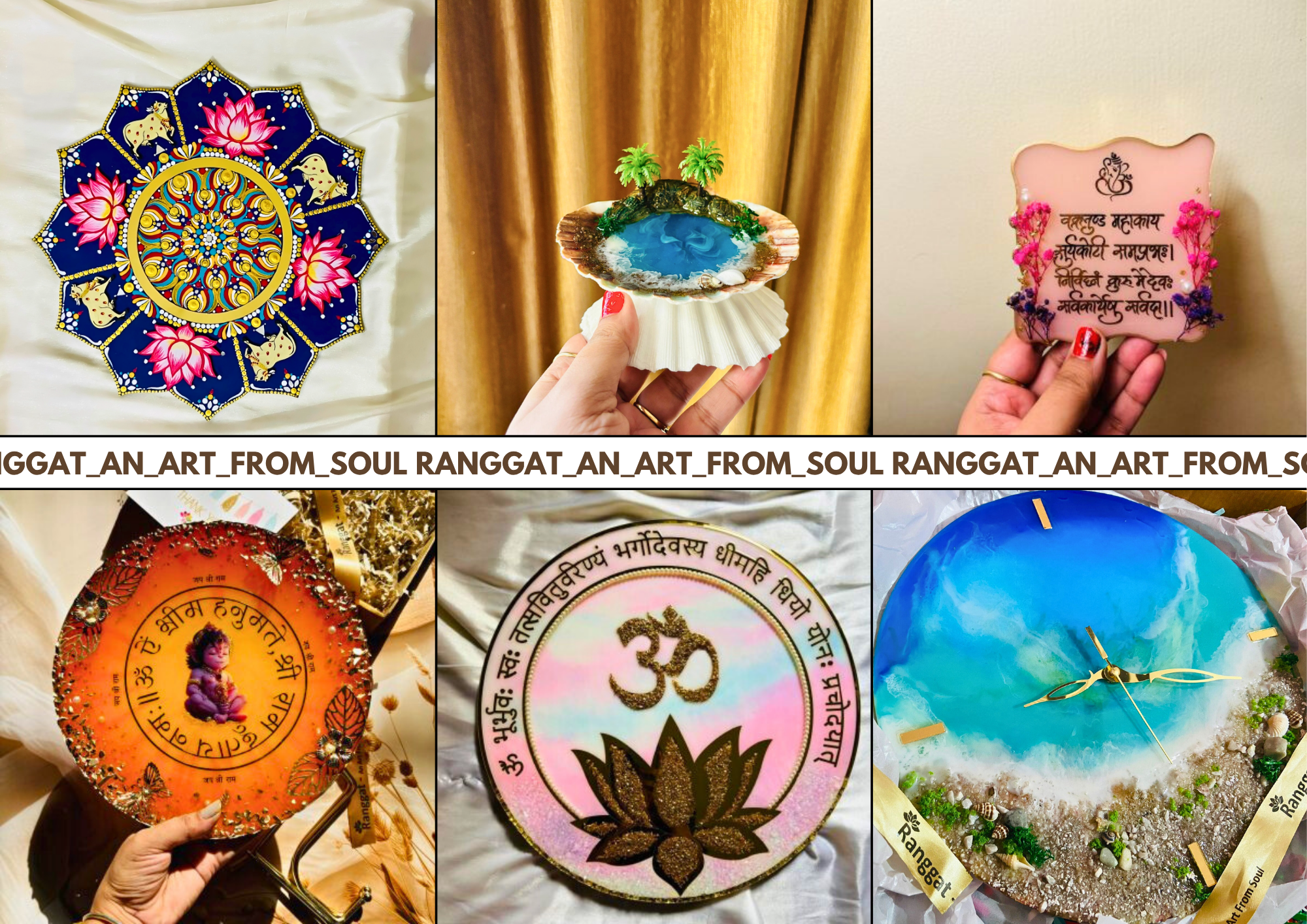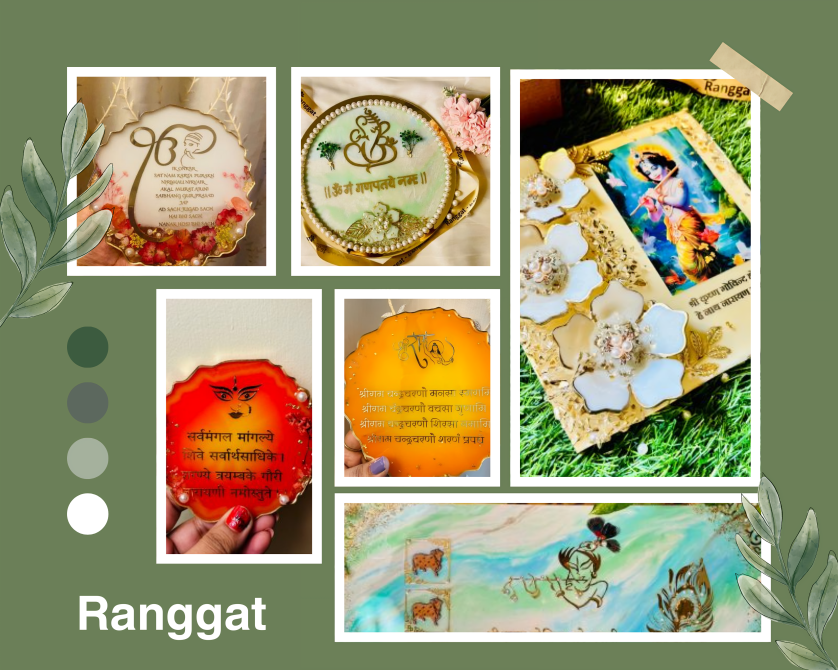
Pichwai style cow with jharokhaCategoriesCreative Tips & Tricks

Learn with Ranggat: Blending Tradition and Creativity in Pichwai Art

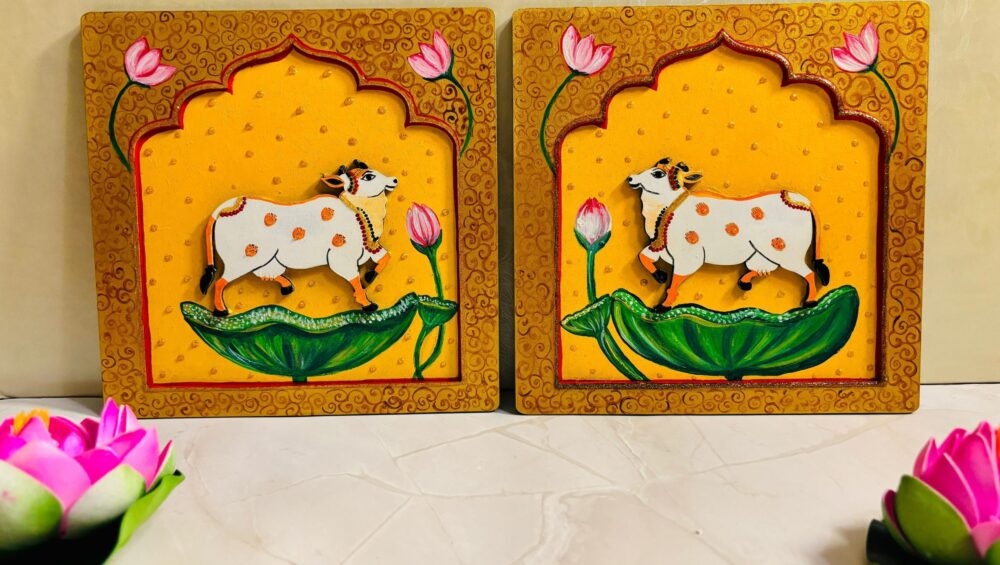
At Ranggat, every piece of art tells a story — not just through its colors and forms, but through the cultural heritage it carries. One such masterpiece is the Pichwai Style Cow with Jharokha, a traditional-inspired artwork that beautifully blends the essence of classical Pichwai art with creative modern expression.

Understanding Pichwai Art

Pichwai painting is a traditional Indian art form that originated in Nathdwara, Rajasthan. For centuries, these paintings were created as devotional backdrops for temples, especially behind the idol of Lord Shrinathji. Over time, Pichwai evolved into a celebrated art style known for its intricate detailing, symbolic motifs, and rich storytelling through visual elements.

The art form reflects themes of devotion, nature, seasons, and spirituality, making it both culturally significant and visually captivating.

The Sacred Symbolism of the Cow

In Indian culture, the cow symbolizes purity, prosperity, and nourishment. In Pichwai-inspired artworks, the cow often represents peace, divine blessings, and harmony with nature. Its calm presence evokes spiritual balance and positive energy, making it a meaningful motif for home décor and sacred spaces.

The cow’s association with Lord Krishna further deepens its significance, connecting the artwork to themes of devotion and timeless tradition.

The Jharokha: A Window into Heritage

The jharokha, an ornate architectural window commonly found in Indian palaces and heritage structures, adds a distinctive traditional frame to the artwork. In this piece, the jharokha acts as a symbolic window — offering a glimpse into India’s artistic legacy while enhancing the visual depth and elegance of the painting.

Where Tradition Meets Creativity

The Pichwai Style Cow with Jharokha by Ranggat is a thoughtful blend of heritage and innovation:

  • Inspired by traditional Pichwai motifs and storytelling
  • Designed to complement both classic and contemporary interiors
  • Crafted with attention to fine details and balanced composition

This fusion allows the artwork to retain its traditional soul while appealing to modern aesthetics.

A Meaningful Addition to Your Space

This artwork is more than décor — it is an expression of culture, spirituality, and creative craftsmanship. Whether displayed in a living room, meditation area, or entryway, it brings a sense of calm, devotion, and artistic richness to its surroundings.

With the Pichwai Style Cow with Jharokha, Learn with Ranggat invites you to experience how traditional art can evolve beautifully while staying rooted in its origins.
Home Décor Trends 2025 in India: What’s Hot for Modern & Luxury HomesCategoriesCreative

Ranggat | Choosing Art That Brings You Back to Yourself

In a world that moves quickly and demands constant attention, the spaces we return to matter more than ever. Our homes are not just places to rest—they are environments that shape how we feel, think, and reconnect with ourselves. One of the most powerful yet often overlooked elements of these spaces is art.

Choosing art that brings you back to yourself isn’t about following trends or filling empty walls. It’s about creating a visual and emotional anchor—something that grounds you, slows you down, and quietly reminds you who you are.

Why the Art You Live With Matters

Art is not passive. The images, colors, textures, and forms we live with influence our mood and nervous system every day. Unlike art viewed briefly in a gallery, the art in your home becomes part of your daily rhythm. You see it in the morning light, in moments of pause, and at the end of long days.

When chosen with intention, art can:

  • Create a sense of calm and emotional safety
  • Help you feel present in your space
  • Reflect personal values, memories, and identity
  • Reduce visual noise and mental clutter

Grounding art doesn’t demand attention—it offers quiet companionship.

What Does “Grounding Art” Really Mean?

Grounding art is art that reconnects you to your inner state rather than pulling you outward. It doesn’t overwhelm or distract. Instead, it invites stillness.

This kind of art often shares a few qualities:

  • Emotional resonance: It makes you feel something familiar or deeply personal
  • Visual balance: Colors and forms that feel steady rather than chaotic
  • Timelessness: It doesn’t rely on trends or novelty
  • Sensory calm: Materials and textures that feel natural and human

Grounding art doesn’t need to be minimal, abstract, or neutral—but it does need to feel honest.

How to Choose Art That Brings You Back to Yourself

Look for Emotional Connection, Not Approval

If you’re choosing art based on what looks impressive or “correct,” you may end up with something that feels distant. Instead, notice what draws you in emotionally. Ask yourself:

  • Does this make me feel calmer?
  • Does it remind me of a place, moment, or feeling?
  • Would I still love this if no one else saw it?

Art that grounds you doesn’t need explanation.

Choose Art That Slows You Down

The best grounding art often reveals itself slowly. It may be subtle, layered, or quiet. Over time, you notice more within it—movement, depth, or texture. This kind of art mirrors the act of slowing down, inviting presence rather than stimulation.

Let Personal History Guide Your Choices

Art can hold memory. A color palette that reminds you of home, a form that echoes nature you grew up with, or a composition that feels familiar—these are powerful cues for grounding. Trust your own story more than external influence.

Where Grounding Art Belongs in Your Home

Placement matters as much as selection. Grounding art works best where you naturally pause.

  • Living room: Art that anchors shared space and sets an emotional tone
  • Bedroom: Pieces that calm the mind and encourage rest
  • Workspace: Art that reduces stress and supports focus
  • Entryway: A visual reminder to arrive fully when you come home

Avoid overcrowding. One meaningful piece is often more grounding than many decorative ones.

Living With Art as a Daily Practice

Choosing grounding art is not a one-time decision—it’s an ongoing relationship. As you change, the art you connect with may change too. Allow your space to evolve with you.

Living intentionally with art means:

  • Not rushing to fill walls
  • Allowing space for reflection
  • Choosing quality and meaning over quantity
  • Letting art support your emotional well-being

At ranggat, we believe art should feel lived with—not displayed for validation.

Creating a Home That Holds You

The most grounding spaces are the ones that feel like they understand you. Art plays a quiet but essential role in this. When you choose pieces that bring you back to yourself, your home becomes more than a place—it becomes a refuge.

a noisy world, grounding art offers stillness.
In a fast life, it offers pause.
In moments of uncertainty, it offers return.

Choosing art with intention is choosing to come home—to your space, and to yourself.

Shiva and Shakti in Sacred Art: Divine Unity of Form and PowerCategoriesCreative

Shiva and Shakti in Sacred Art: The Balance of Structure and Energy

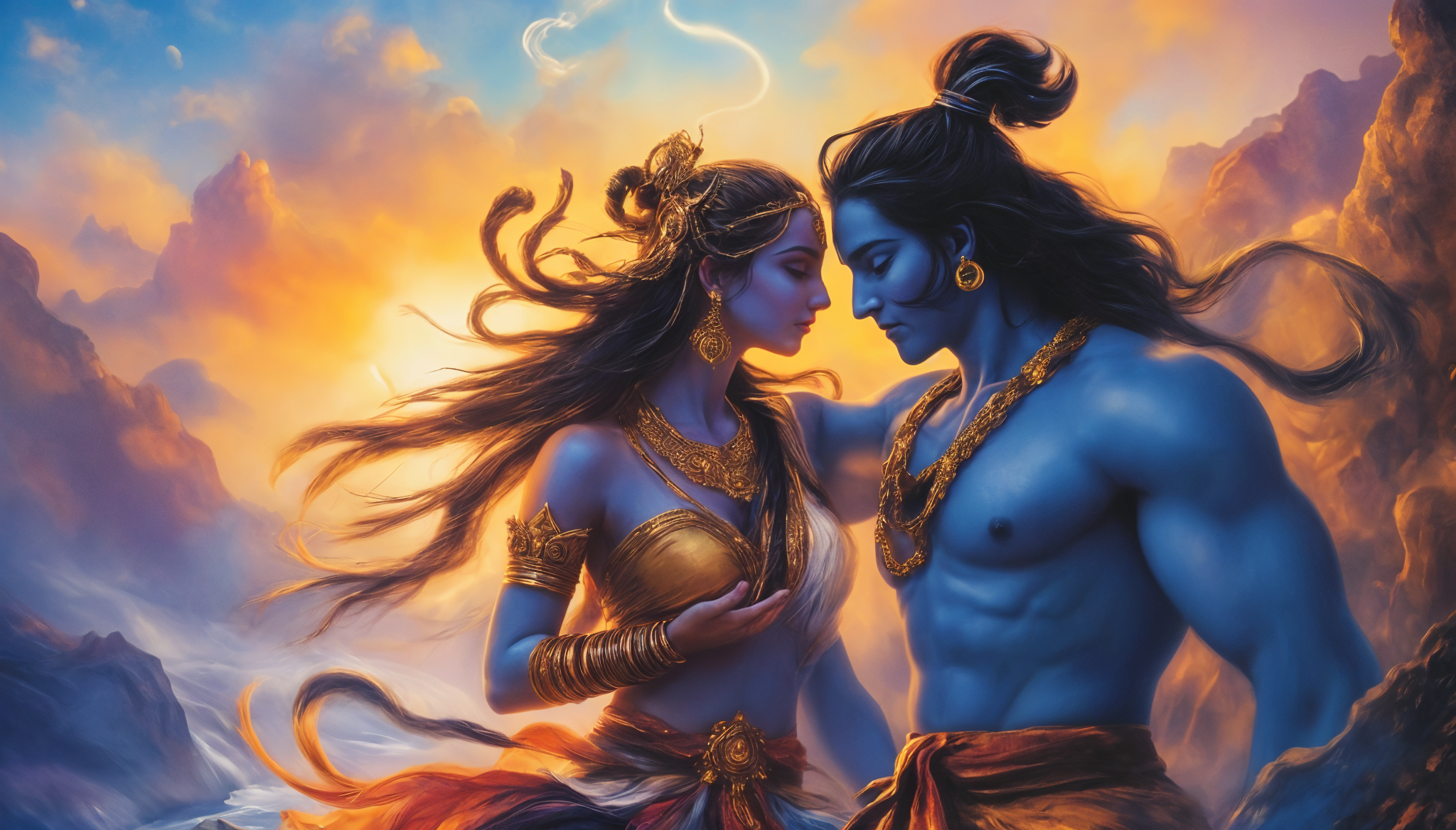
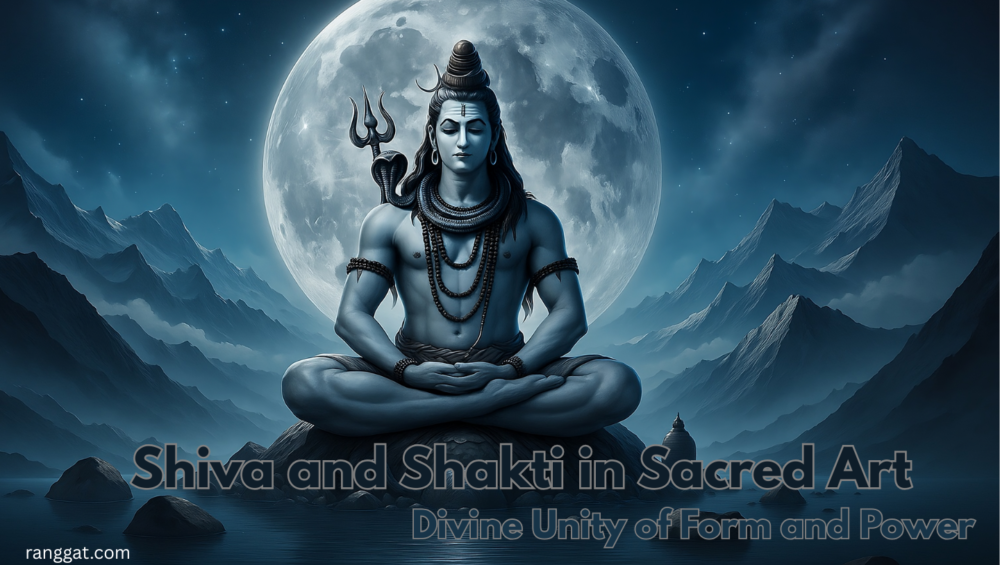
Shiva and Shakti stand for the cosmic balance between structure (awareness) and energy (creative force) in sacred art and spiritual symbolism. Together, these divine principles form the basis of existence and are inseparable rather than distinct. Shakti represents movement, creativity, and dynamic force, whereas Shiva represents quiet, meditation, and timeless being. Numerous pieces of sacred art in India and beyond are influenced by the interaction between Shiva and Shakti, which also has an impact on modern artistic expressions, sculpture, painting, and mandalas.

What Do Shiva and Shakti Symbolize?

The Power of Art in Interior Design: Expert Tips and Inspiring Stories

Shiva, often depicted in deep meditation or as Nataraja (the cosmic dancer), represents:

  • Pure consciousness
  • Detachment
  • Stillness
  • Structural order

Shakti, often manifested as Parvati, Durga, or Kali, stands for:

  • Creative energy
  • Transformation
  • Life force
  • Dynamic power

Together, they illustrate that existence is born from the union of consciousness and energy. This unity is the core theme in sacred art traditions throughout Hindu, Buddhist, and Tantric iconography.

Sacred Art Expressions of Shiva and Shakti

1. Temple Sculptures

Temple art in places like Khajuraho, Chidambaram, Konark, and Ellora showcases Shiva–Shakti symbolism through dynamic carvings.

These sculptures are more than decorative—they function as visual metaphors for cosmic balance:

  • Shiva in a still, meditative pose
  • Shakti represented in lively forms
  • Unified compositions showing spiritual harmony

2. Nataraja: Shiva’s Cosmic Dance

The iconic Nataraja statue shows Shiva performing the Ananda Tandava (Dance of Bliss), symbolizing:

  • Creation
  • Preservation
  • Destruction
  • Illusion
  • Grace

This artistic form blends structural harmony (Shiva) with rhythmic motion (Shakti). As the foot of Shiva crushes ignorance and the raised hand offers protection, this dance becomes a living sacred artwork—a symbol of cosmic balance.

3. Shakti Imagery: Durga & Kali

Shakti is vividly expressed in forms like Durga (warrior mother) and Kali (fierce liberator). Artworks portraying these goddesses highlight:

  • Strength
  • Feminine power
  • Protection
  • Transformation

These depictions emphasize that divine energy is not passive—Shakti drives spiritual and worldly change.

Philosophical Meaning in Art

Shiva and Shakti represent two energies:

  • Static consciousness
  • Dynamic force

In sacred paintings, mandalas, and Tantric art, this duality reflects the microcosm and macrocosm:

  • The inner world of meditation
  • The outer world of action

Artists use symbolism like:

  • Lotus flowers (purity and enlightenment)
  • Third eye (perception beyond the physical)
  • Trident (Trishul) (threefold forces)

Modern Interpretation in Ranggat Art

Ranggat as a creative platform celebrates the fusion of ancient symbolism and modern artistic expression. Artists today draw inspiration from Shiva–Shakti imagery to explore contemporary themes:

  • Inner balance
  • Feminine power
  • Conscious creativity
  • Spiritual awakening

Contemporary sacred art challenges traditional boundaries and invites deeper reflection on human existence.

Ancient spiritual symbolism and modern artistic expression are powerfully combined in modern religious art. It makes spiritual ideas more approachable for contemporary audiences by reinterpreting timeless themes like Shiva and Shakti through abstract shapes, digital media, minimalist compositions, and experimental techniques. Modern sacred art investigates inner balance, universal energy, and conscious life rather than being restricted to ritual or devotion, enabling viewers to relate spirituality to contemporary feelings and imaginative ideas.

Why Shiva and Shakti Art Matters Today

In a world of constant motion, Shiva’s stillness teaches focus and clarity, while Shakti’s energy inspires:

  • Creativity
  • Transformation
  • Empowerment

Sacred art rooted in these themes:

  • Encourages mindfulness
  • Bridges ancient wisdom with modern life
  • Supports mental and spiritual well-being

How Artists Portray Balance in Their Work

Artists may use:

Color

  • Cool tones for Shiva (blue, white)
  • Warm colors for Shakti (red, orange)

Composition

  • Symmetry to suggest union
  • Flowing lines to show energy

Symbolic Elements

  • Fire, moon, lotus, snake, drum—each symbol adds depth

Eternal Union Inspiring Art

Shiva and Shakti stand for the cosmic equilibrium between structure (awareness) and energy (creative power) in religious art and spiritual symbols. The basis of existence is formed by these divine principles, which are inseparable rather than distinct. Shakti represents movement, creativity, and dynamic force, while Shiva represents quiet, meditation, and timeless being. Numerous pieces of sacred art in India and beyond are influenced by this interaction between Shiva and Shakti, which also has an impact on modern artistic expressions, sculpture, painting, and mandalas.

2026 Art Trends: Why Handmade Decor is a Must-Have (Featuring Ranggat Pieces)CategoriesCreative Tips & Tricks

2026 Art Trends: Why Handmade Decor is a Must‑Have (Featuring Ranggat Pieces)

The field of interior design and home décor is undergoing a significant transformation as 2026 approaches. Homeowners are embracing handmade art that expresses individuality, emotion, and sustainability in place of manufactured décor. Handmade décor has evolved into a lifestyle statement rather than a specialty option.

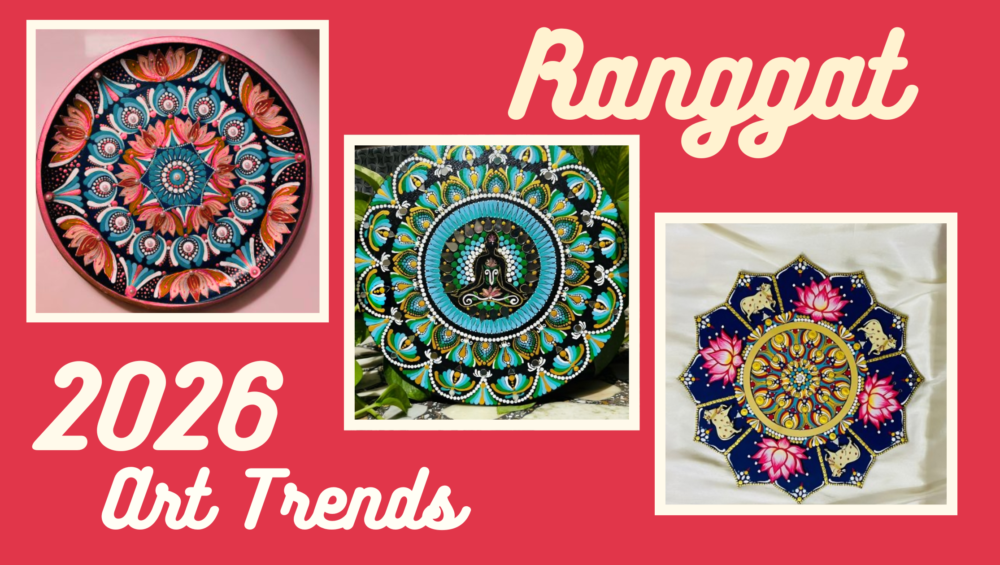
With handmade wall art, mandala paintings, and bespoke artwork that blends tradition and current aesthetics, companies like Ranggat are reinventing contemporary environments. This essay explains why handcrafted décor is essential in 2026 and how Ranggat’s designs are a perfect fit for this expanding trend.

1. The Rise of Handmade Decor in 2026

2026 Art Trends: Why Handmade Decor is a Must-Have (Featuring Ranggat Pieces)

Authenticity and workmanship are more important to consumers than ever. Because each piece is created by an artist rather than a machine and conveys a story, handmade décor stands out.

Why handmade art is trending:

  • Uniqueness: No two handmade pieces are exactly the same
  • Sustainability: Crafted using eco-friendly materials and ethical practices
  • Emotional Value: Handmade art creates a deeper personal connection

In 2026, homes are becoming more meaningful, intimate, and soulful—and handcrafted décor is essential to this change.

2. Ranggat Pieces Leading the Handmade Art Movement

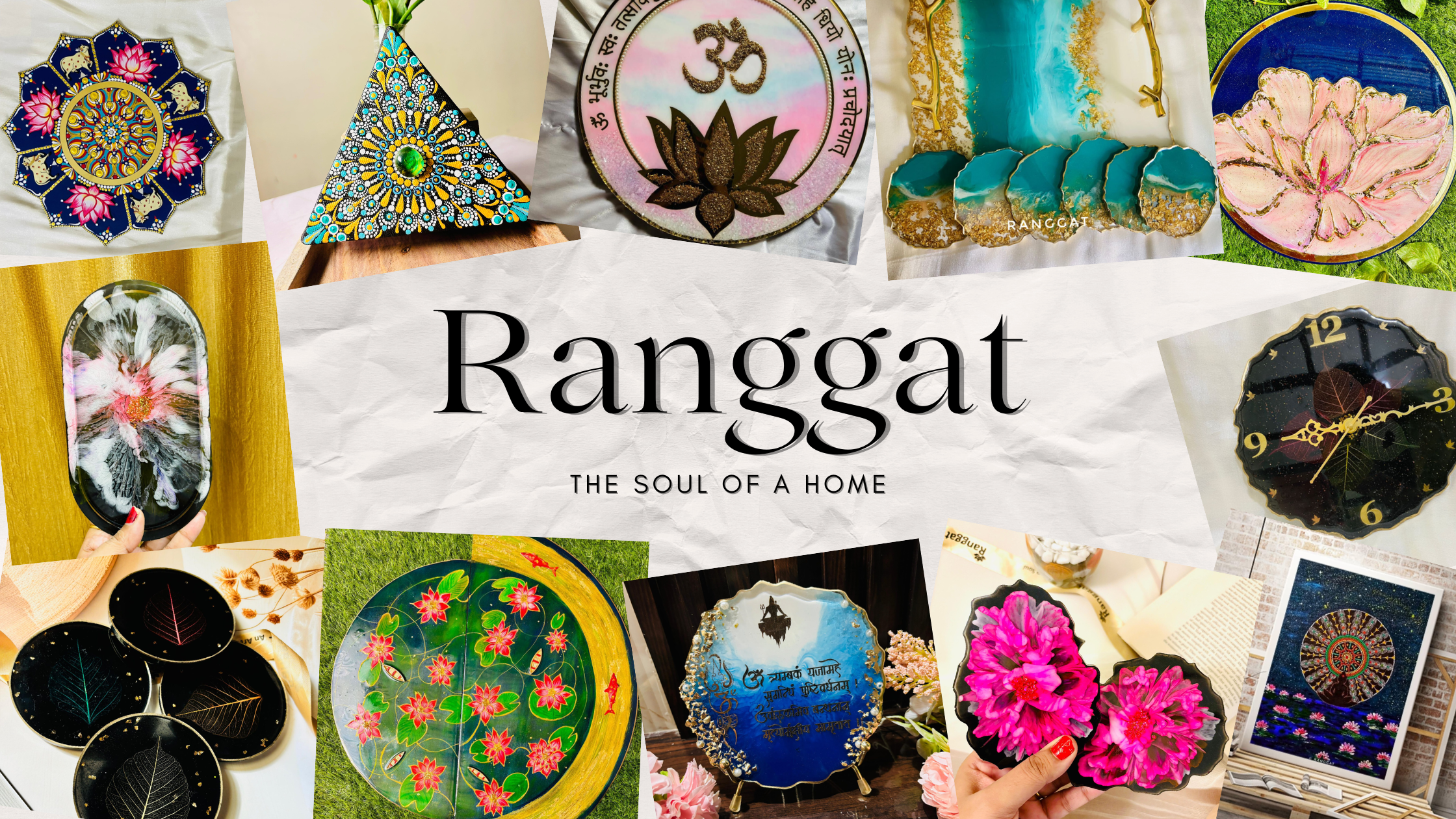
Ranggat is renowned for producing art with spirit, providing a variety of handcrafted pieces intended to enhance contemporary living areas.

Popular Ranggat Collections:

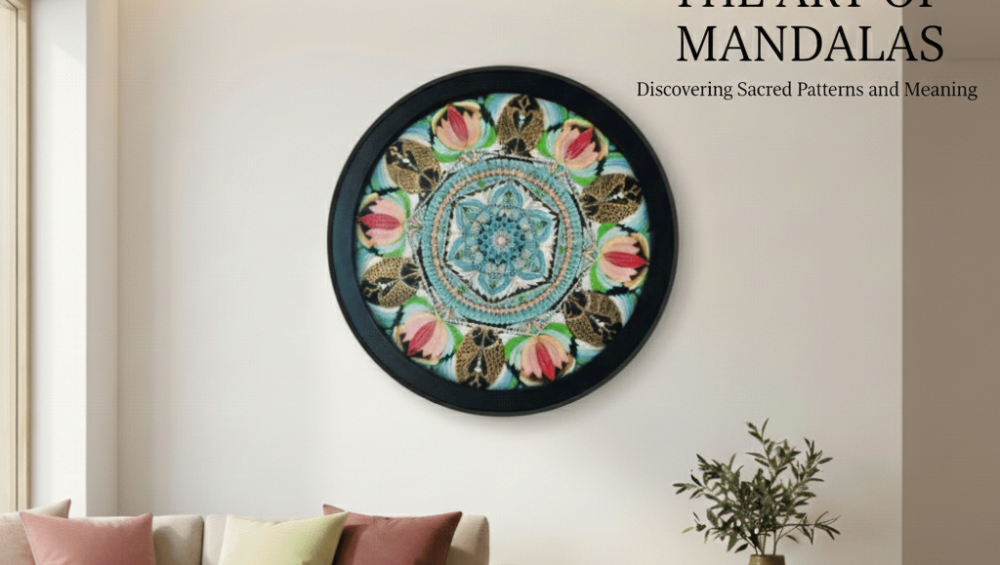
  • Mandala Wall Art: Known for its calming and meditative energy
  • Spiritual Paintings: Ideal for promoting positivity and mindfulness
  • Personalized Art Pieces: Perfect for weddings, anniversaries, and housewarming gifts

Each Ranggat sculpture is perfect for modern houses because it combines Indian creative tradition with current design sensibilities.

3. Handmade Decor vs Mass-Produced Decor

FeatureHandmade DecorMass-Produced Decor
DesignOne-of-a-kindRepetitive designs
SustainabilityEco-friendlyOften non-sustainable
Emotional ValueHighMinimal
LongevityTimeless appealTrend-dependent

This comparison shows why handcrafted décor is preferred above generic options by homeowners and designers in 2026.

4. Why Ranggat is the Right Choice

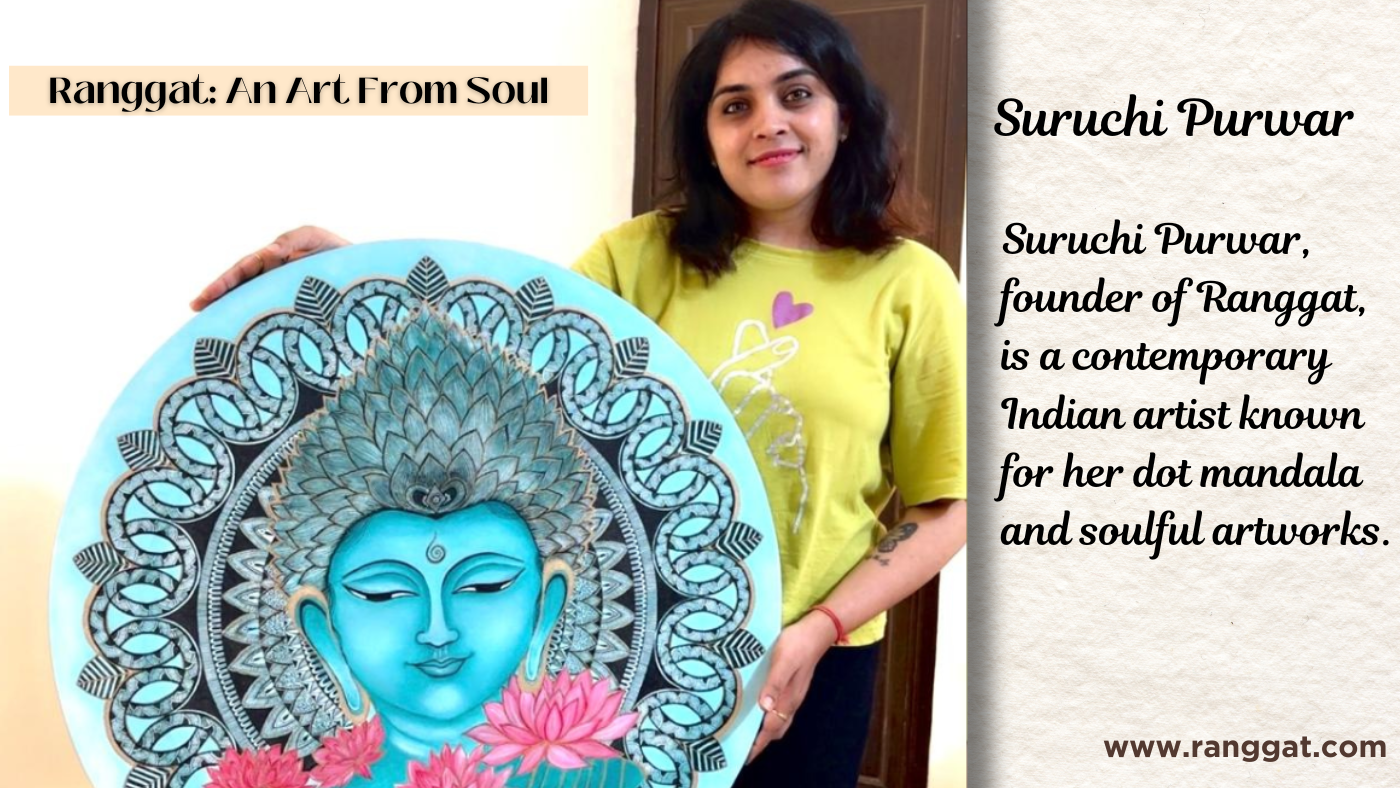
Ranggat’s artwork creates an experience rather than just being decorative. Suruchi Purwar founded the company, which specializes in emotionally charged art while upholding creative perfection.

What sets Ranggat apart:

  • Handcrafted by skilled artists
  • Customization options available
  • Focus on wellness, mindfulness, and positivity
  • Premium quality with cultural authenticity

5. How to Style Handmade Decor in Your Home

  • Living Room: Use mandala wall art as a focal point
  • Bedroom: Add calming spiritual paintings for a peaceful ambiance
  • Workspace: Personalized art to inspire creativity and focus
  • Gifting: Handmade art makes meaningful gifts for every occasion

Styling Tip: Pair Ranggat’s handmade pieces with neutral tones and minimal furniture for a modern yet artistic look.

6. Art Trends to Watch in 2026

  • Growing demand for mindfulness-inspired art
  • Rise of personalized and custom artworks
  • Increased preference for handmade décor in luxury interiors
  • Art as a tool for emotional and mental well-being

These trends clearly show that handmade art is shaping the future of home décor.

Handmade décor in 2026 is a representation of beliefs, creativity, and sustainability rather than just a style decision. Ranggat is well-positioned to satisfy the increasing demand for meaningful and creative home décor thanks to its carefully designed pieces.

Ranggat’s collection offers the ideal fusion of heritage, innovation, and contemporary elegance if you’re wanting to add genuine, handcrafted art to your room.

Ranggat | Dot Mandala Art: India’s Hidden Gem in the Global Art SceneCategoriesCreative Lifestyle Tips & Tricks

Ranggat | Dot Mandala Art: India’s Hidden Gem in the Global Art Scene

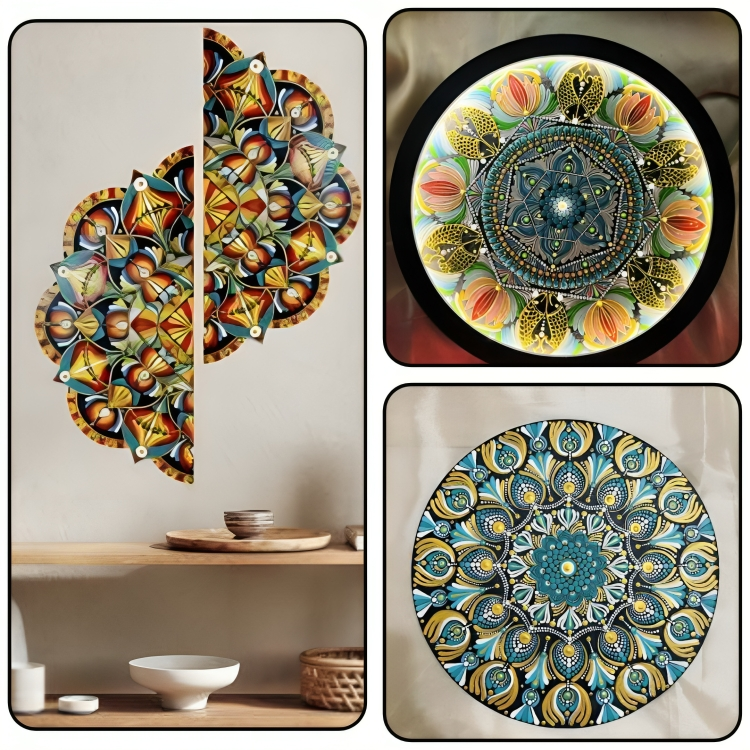
Dot mandala art is a timeless craft with deep roots in Indian history, a spiritual language, and a meditation journey. It is more than just a visual expression. Even though mandalas are now appreciated all over the world, Indian dot mandala art is still a hidden jewel that subtly influences contemporary spiritual practices, interior design, and mindful living movements worldwide. This age-old art form is honored at Ranggat as a link between tradition and modern inventiveness.

The Origins of Dot Mandala Art in India

Mandala, which means “circle” or “center of the sacred,” comes from the ancient Sanskrit language. For thousands of years, Hinduism, Buddhism, and Jainism have utilized mandalas as instruments for meditation, spiritual concentration, and cosmic representation in India.

Within this history, dot mandala art developed as a distinctive artistic expression. Artists started creating complex geometric designs with properly positioned dots rather than lines or freehand drawings. This dot-based method placed a strong emphasis on discipline, patience, and mindfulness—values that are fundamental to Indian philosophy.

Historically, dot patterns appeared in:

  • Temple floor art and ritual diagrams
  • Tribal and folk art traditions
  • Spiritual yantras used during meditation and prayers

The act of creation was as sacred as the finished piece of art as each dot represented a moment of awareness.

Symbolism Behind Dot Mandala Art

Every shape, color, and pattern in dot mandala art has a deep symbolic meaning.

1. The Central Dot (Bindu)

The center dot stands for self-realization, consciousness, and the beginning of the universe. It represents unity, the starting point and return point of all energy.

2. Circular Patterns

The center dot stands for self-realization, consciousness, and the beginning of the universe. It represents unity, the starting point and return point of all energy.

3. Sacred Geometry

Dot Mandalas’ geometric symmetry reflects cosmic order. It is thought that by aligning the viewer’s energies, these patterns produce a relaxing and anchoring effect.

4. Color Psychology

Traditional Indian mandalas use colors intentionally:

  • Red for energy and strength
  • Blue for calmness and wisdom
  • Yellow for knowledge and positivity
  • Green for healing and growth

At Ranggat, colors are thoughtfully chosen to evoke both spiritual depth and modern aesthetic appeal.

Why Dot Mandala Art Resonates with Modern Spiritual Sensibilities

People actively seek for emotional balance, inner serenity, and mindfulness in today’s fast-paced, technologically advanced environment. These needs are readily met by dot mandala art.

Mindfulness and Meditation

Making or viewing Dot Mandala Art calms the mind. Similar to breath-focused meditation or mantra chanting, the repetitive dotting technique creates a contemplative state.

Spiritual Without Being Religious

Spirituality without tight structures is often sought after by modern audiences. Mandala art is universally relevant because it provides spiritual symbolism that transcends religious boundaries.

Healing and Mental Wellness

Many therapists and wellness practitioners use mandala art for:

  • Stress reduction
  • Anxiety management
  • Emotional healing

The structured yet creative nature of dot mandalas brings a sense of control and calm.

Dot Mandala Art and Contemporary Aesthetic Appeal

Beyond spirituality, Dot Mandala Art has found a strong place in modern design and decor.

Interior Design & Home Decor

Minimalist homes, bohemian spaces, and luxury interiors now feature dot mandala artworks as:

  • Wall art and murals
  • Decorative plates and canvases
  • Meditation and yoga room accents

Fashion & Lifestyle Products

From clothing prints to accessories, mandala patterns are celebrated for their timeless elegance and symmetry.

Social Media & Global Art Platforms

Platforms like Instagram and Pinterest have helped Dot Mandala Art gain global recognition. Artists from India, through brands like Ranggat, are now influencing international design trends.

Ranggat: Preserving Tradition, Inspiring the World

At Ranggat, Dot Mandala Art is not treated as a trend but as a living heritage. Each piece reflects:

  • Respect for Indian cultural roots
  • Precision, patience, and craftsmanship
  • A blend of traditional symbolism with modern aesthetics

Ranggat’s mission is to bring India’s hidden artistic treasures to the global stage while supporting authentic craftsmanship and mindful creativity.

Dot Mandala Art is situated at the nexus of contemporary global consciousness and traditional Indian knowledge. Its visual appeal strikes a deep chord with today’s thoughtful, design-conscious world, its symbolism reflects universal harmony, and its origins speak of spirituality and discipline.

India’s Dot Mandala Art, promoted by Ranggat, shines as a timeless jewel as the world’s art landscape continues to embrace meaningful and soulful creations. It serves as a reminder that true beauty starts at the core and spreads outward, one dot at a time.

CategoriesCreative

The Role of Suruchi Purwar in Indian art evolution

Suruchi Purwar has played a dynamic and influential role in the evolution of Indian art, particularly by modernizing traditional forms and infusing her works—under the brand “Ranggat”—with spiritual and emotional depth. Her contributions include:

Championing Mandala and Contemporary Art

Suruchi has played a pivotal role in reviving the ancient tradition of dot mandala art and presenting it to modern audiences. Her creative work has earned recognition in platforms like the India Book of Records and the Harvard World Record. She has transformed this centuries-old process into a symbol of creative expression and cultural pride by redesigning this complex art form, while simultaneously preserving its original core and giving it a global voice.

Advocating Artistic Authenticity

Suruchi’s philosophy is based on the idea that art should not follow strict rules but rather represent genuine emotions and life events. She encourages artists to embrace imperfections, making creativity more inclusive and accessible. Suruchi encourages artists to express their uniqueness while being loyal to their inner voice by challenging the pursuit for perfection.

Promoting Creative Freedom and Innovation

The journey of Suruchi itself is an example of courage and creativity. She represents challenging boundaries as she transitions from a technical career to a full-time artistic career. She recognizes the impact of her mentors and now gives others the same support, mentoring up-and-coming artists through her workshops, lectures, and creative collaborations.

Preserving Tradition with a Global Outlook

Suruchi has made Indian art more respectable and relevant in today’s world by skillfully fusing traditional Indian themes and meditation symbols with modern forms. Her art speaks to people all across the world, celebrating India’s cultural legacy while offering new perspectives. Strongly supporting cultural preservation, she makes sure that audiences both domestic and internation are inspired by Indian art.

A Bridge Between Past and Future

Suruchi Purwar bridges the gap between tradition and modern creativity with her artistic vision. Her efforts go beyond simply conserving art; they also involve converting it into a dynamic, ever-evolving language that resonates to younger audiences. She encourages upcoming artists to experiment without fear while maintaining a strong sense of cultural authenticity.

Suruchi Purwar’s contribution to the development of Indian art is essentially rooted in her capacity to innovate while being true to herself, inspire without imposing, and modernize without giving up tradition. On a worldwide scale, her journey will continue to influence Indian art’s future.

CategoriesCreative

The Soul of a Home: How Ranggat Art Becomes a Part of Your Story

More Than Just Walls and Furniture

When you walk into a home, you don’t just see walls, furniture, and lights. You feel something — a warmth, a mood, a soul. Art plays a big role in giving a home that soul. The goal of every piece of art we create at Ranggat is to become a part of your story.

Art That Connects

As an artist, I paint for more than just aesthetics. Painting is how I connect. A moment, an idea, or a feeling is shown by each brushstroke. When you place that art in your home, it starts living with you. It becomes part of your daily life — watching over your celebrations, your quiet evenings, your laughter, and even your tears.

From Canvas to Companion

Ranggat artwork develops into something more than a simple wall frame over time. It turns into becoming a silent observer of your life. Many people share how our pieces make them feel — some say peaceful, some inspired, and others nostalgic. Art has this power to mean different things to different people, yet belong to everyone.

Bringing My Heart Into Your Home

When you choose a Ranggat artwork, you’re not just buying art. You’re welcoming a part of my heart into your space. My hands create it, but your home gives it life. It silently conveys your story without using words.

A Home’s True Soul

A home feels complete when it has something that speaks to your soul. That “something” will always be art for me. And for you, I hope it’s a piece of Ranggat.

CategoriesCreative

Beauty, Balance, Belonging: The Three Pillars of Ranggat’s Art Philosophy

Beauty, Balance, Belonging: The Three Pillars of Ranggat’s Art Philosophy

Every piece I make at Ranggat is the result of deep spirituality and emotion. As an artist, true art is built on the three essential pillars of beauty, balance, and belonging. They are more than concepts; they are the fundamentals that influence each brushstroke and dot I apply to the canvas.

Beauty: The Soul of Art

For me, beauty is more than what meets the eye. It’s about capturing a moment of emotion, a feeling that can be felt long after you’ve stepped away from the artwork. At Ranggat, I focus on creating pieces that are visually appealing and deeply meaningful. Through bright colors, intricate details, and spiritual concepts, I strive to create beauty that sparks a sense of wonder and tranquility.

Balance: The Harmony Between Chaos and Calm

Art is an eternal journey between chaos and calm. At Ranggat, I look for that harmony – where bold strokes meet delicate lines and vibrant colors find peace within pastel shades. The result is a piece that feels balanced, resonant, and complete. For me, balance is more than simply a design concept; it’s a reminder of life itself, a mindset I try to express in each piece I create.

Belonging: The Connection Between Soul and Space

Each artwork I create is made with a purpose — to inspire belonging. Belonging within ourselves, within our spaces, and within a greater sense of the universe. The right piece of art has the power to make a room feel like home and to make a person feel seen and connected. Every artwork at Ranggat serves as an interface for a sense of belonging; it is a space where color, pattern, and symbol invite a deeper sense of belonging for those who experience it

The Heart of Ranggat

From the perspective of an artist, I see each piece of Ranggat’s work as a representation of life itself: beautiful, balanced, and belonging. Ranggat’s philosophy and goal, which is to create strong bonds between art and viewers so that every space appears calm, spiritual, and appealing, are both described by these three pillars.

Ranggat offers a collection of handcrafted mandalas, spiritual wall decor, and artworks that are inspired by the concepts of balance, beauty, and belonging. I invite you to explore the collection at Ranggat. Together, we can transform spaces into soulful sanctuaries.

CategoriesCreative

Behind the Brush: The Art & Artists of Ranggat

Behind the Brush: The Art & Artists of Ranggat

Ranggat – An Art from Soul views art as a journey of feelings, culture, and deep-rooted creativity rather than merely a visual representation. An emotional bond between the artist and the viewer is conveyed by each brushstroke, texture, and frame. We invite you to meet the creative brains with heartfelt stories that embody Ranggat’s spirit today.

Celebrating Indian Artistry with Soul

Ranggat was founded by Suruchi Purwar and is a celebration of India’s rich artistic heritage rather than just an art brand. Our work showcases India’s rich cultural legacy, adapted for contemporary settings through a blend of traditional methods and modern shapes.

Our selection of wall mantra frames, spiritual artworks, and conceptual pieces is handcrafted to fill homes and workplaces with inspiration, positive energy, and aesthetic harmony.

The Artists Behind the Magic

Each piece at Ranggat is the result of artists’ hands bringing blank canvases to life. They include self-taught artists, seasoned painters, and local craftspeople, and each one brings a unique style to our gallery.

Meet Our Featured Artists:

  • Suruchi Purwar: Founder & Artist
    With a love of expressing heartfelt stories and a background in fine arts, Suruchi combines contemporary design elements with traditional Indian patterns. Her work is very deep, emotional, and meditative.

The Philosophy Behind Ranggat

An Art from Soul” isn’t just a tagline — it’s our mission. We believe that true art touches the heart, heals the spirit, and transforms a space. Each artwork is thoughtfully designed with

  • Mindful themes
  • Pleasant color palettes
  • Sustainable materials
  • Spiritual symbolism

Ranggat’s creations, whether they are vibrant folk art pieces, paintings with meditative influences, or designs of sacred geometry, are meant to uplift your environment and foster connections.

Why Choose Ranggat?

  • Authentic handmade creations
  • Original artwork by Indian artists
  • Premium quality frames and finish
  • Art with meaning, story, and soul

Join the Ranggat Community

Visit Ranggat.com to explore our most recent collections and find artwork that speaks to your soul. There is something for everyone, whether you are an art enthusiast or someone looking for deep beauty.

Follow us on social media for behind-the-scenes artist features, creative process videos, and fresh inspirations from the world of soulful art.

Every wall needs a story, so let art speak to you.

CategoriesCreative

Whisper of the Shore: Luxury Resin Ocean Painting for Modern Interiors

Whisper of the Shore: Luxury Resin Ocean Painting for Modern Interiors

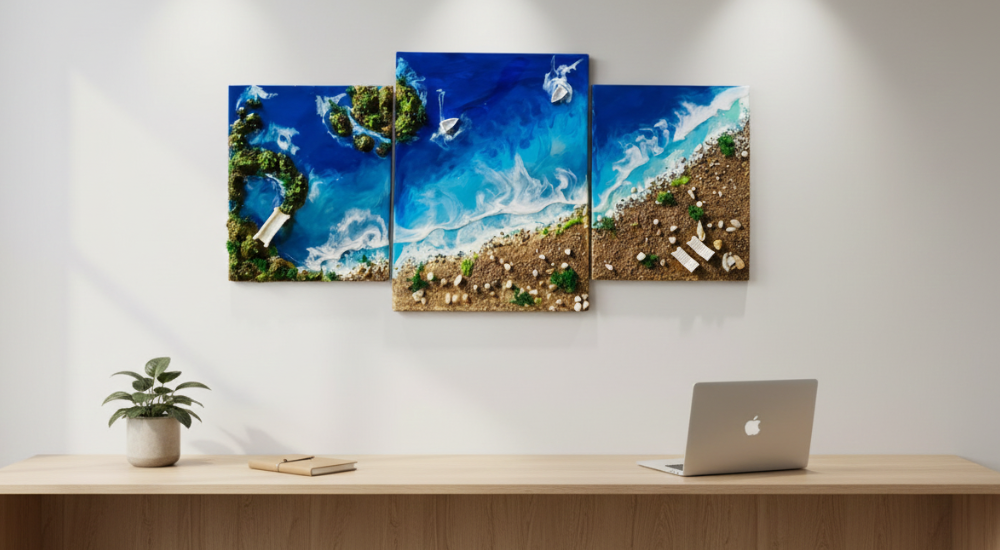
In the world of luxurious home decor, art may change rooms, arouse feelings, and create a peaceful atmosphere. Ranggat’s stunning resin ocean painting, “Whisper of the Shore,” perfectly captures the peaceful vibe of the coastline and is the ideal focal point for contemporary interior design.

The Essence of Whisper of the Shore

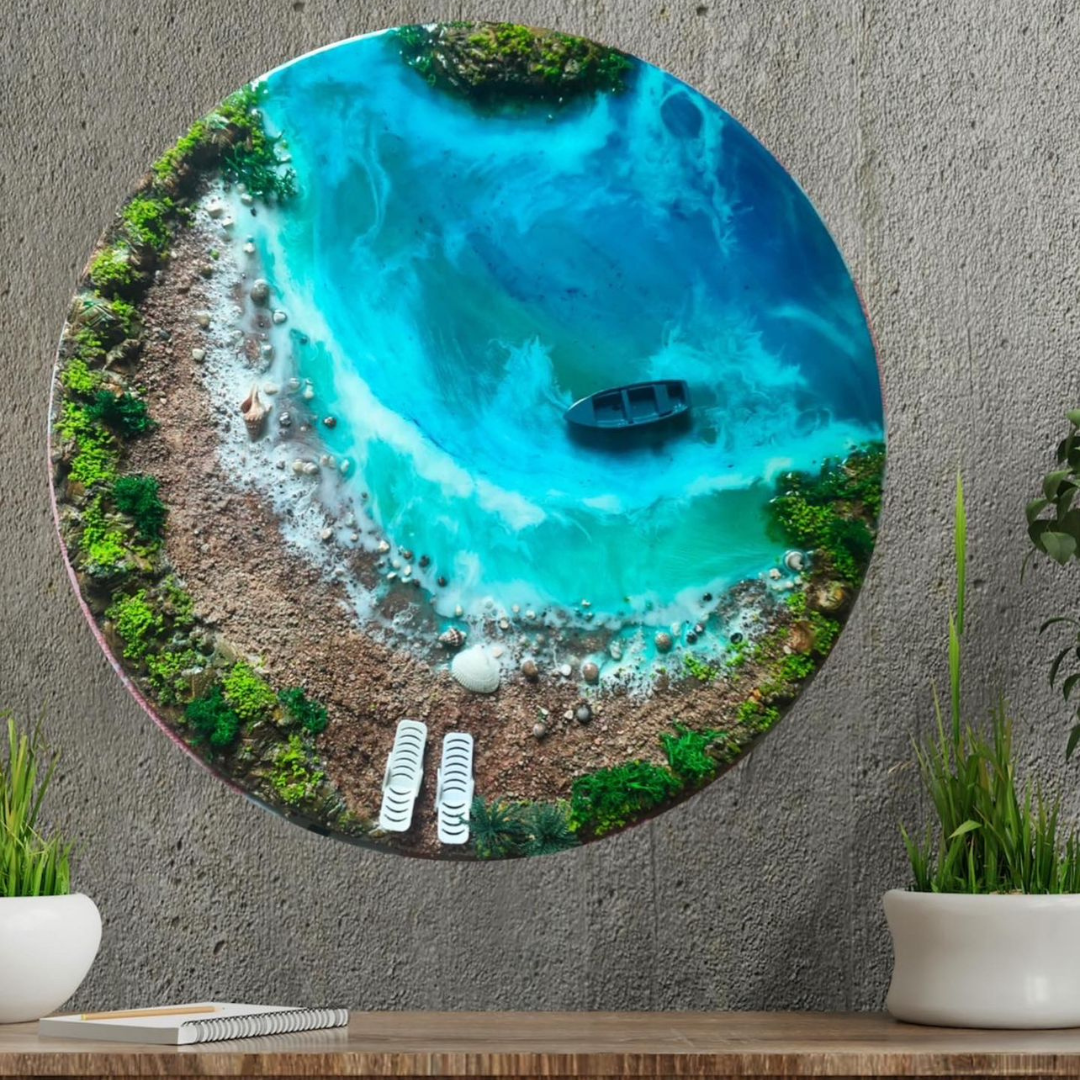
The work of art Whisper of the Shore, which combines the rich textures of natural elements with the fluidity of resin, was meticulously and passionately crafted. Through the creation of an immersive visual experience that calms the soul, this artwork brings the charm of the sea indoors. It is the perfect complement to modern and seaside-themed rooms because of its deep blue tones, beautiful coastline details, and delicate waves that take viewers to a tranquil beach getaway.

Why Choose Resin Ocean Art?

Resin art is growing more and more popular in modern interior design because of its depth, durability, and glossy surface. In contrast to conventional paintings, resin ocean art offers a dynamic and lifelike effect while capturing the captivating movement of water. Every piece is meticulously handmade, guaranteeing that no two pieces are alike and giving your décor a sense of exclusivity.

Perfect for Modern Interiors

Whisper of the Shore adds a calming and elegant touch to any area, whether it is placed in a living room, bedroom, office, or luxurious hotel suite. The piece is an ideal choice for both homeowners and interior designers because it looks great with neutral color schemes, minimalist decor, and organic materials like stone and wood.

The Ranggat Signature

Ranggat is famous for its exquisite artwork that combines superior craftsmanship with creative ideas. Ranggat, which was founded by artist Suruchi Purwar, is a live example of “art from the soul,” producing classic works that uplift and inspire interior design. Every piece of art is meticulously created to infuse contemporary spaces with harmony, elegance, and artistic brilliance.

Elevate Your Space with Whisper of the Shore

Whisper of the Shore is essential if you want to bring the tranquil beauty of the ocean into your house. It offers a feeling of calm and relaxation in addition to being a beautiful focal point that reflects the calmness of nature.

Explore more exquisite art pieces from Ranggat at Ranggat’s Website and bring home a touch of oceanic elegance today.