Textured Canvas Art DIY: Simple Ideas for BeginnersCategoriesCreative

How to Start Buying Original Paintings Online in India

Buying an original painting is more than simply choosing something beautiful for your wall. A genuine artwork can bring personality, emotion, culture, and artistic value into your home. With the growth of online art platforms, buying original paintings online in India has become easier than ever. However, knowing how to identify authentic artwork and choose the right painting is important before making a purchase.

If you are planning to buy original paintings online, this guide will help you understand what to look for, how to choose an artwork, and why handcrafted art can be a meaningful addition to your space.

Why Buy Original Paintings Online?

The internet has made art accessible to everyone. You no longer need to visit galleries or exhibitions in person to discover beautiful Indian artwork. Online art stores allow you to explore different styles, sizes, themes, and artistic techniques from the comfort of your home.

Buying original paintings online can offer several advantages:

  • Access to unique and handcrafted artwork
  • A wider selection of Indian art styles
  • Convenient shopping from home
  • Easy comparison of designs and sizes
  • Artwork suitable for home, office, gifting, or collections
  • Opportunity to support independent artists and traditional craftsmanship

At Ranggat, the focus is on consciously crafted artworks that combine Indian artistic heritage with contemporary aesthetics. The brand describes its creations as original artworks designed with discipline, balance, and depth.

What Makes a Painting Original?

Before buying artwork online, it is important to understand what “original” means.

An original painting is created as an individual artwork rather than being mass-produced as a printed reproduction. The artist’s creative process, technique, composition, colours, and finishing contribute to its uniqueness.

Handcrafted artworks may also have small variations because they are created by hand. These natural differences should not necessarily be considered imperfections. Instead, they can be part of the character and authenticity of the artwork.

Ranggat’s approach emphasizes handmade creation and artistic craftsmanship, with each piece intended to carry the artist’s creative expression and a sense of individuality.

Step 1: Decide What Type of Painting You Want

The first step is to identify the type of artwork that matches your taste and space.

Some popular choices include:

Abstract Paintings

Abstract artwork works beautifully in modern interiors. It can add colour, movement, and personality without requiring a specific subject.

Traditional Indian Art

Indian traditional paintings can bring culture and heritage into your home. They are especially suitable for spaces where you want a more classic and artistic atmosphere.

Spiritual Art

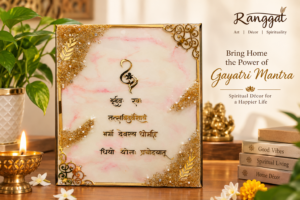
Spiritual paintings and mantra-inspired artwork can create a peaceful and meaningful environment. They can work well in meditation spaces, living rooms, bedrooms, or prayer areas.

Mandala Art

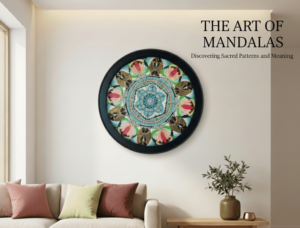
Mandala artwork is known for its geometric patterns, symmetry, and meditative visual quality. Ranggat specializes in handcrafted dot mandala artwork, where carefully placed dots form intricate patterns and designs.

Miniature Art

Miniature artworks are ideal when you want something artistic but have limited wall space. They can also make thoughtful gifts or additions to smaller collections.

Step 2: Check the Artwork Details

When buying a painting online, never look only at the main photograph.

Read the complete product description and check:

  • Artwork size
  • Medium used
  • Painting technique
  • Surface or canvas type
  • Framing details
  • Finishing
  • Colour information
  • Care instructions
  • Delivery and packaging information

Detailed product information makes it easier to understand what you are actually purchasing.

For example, Ranggat’s online collection includes artworks with information about size and artistic style. One Pitchwai-style artwork listed on the website specifies a 16 × 18-inch size and describes its traditional decorative details.

Step 3: Look for Handmade Craftsmanship

One of the biggest differences between mass-produced décor and original artwork is the craftsmanship involved.

Handmade paintings require time, patience, skill, and attention to detail. Dot mandala artwork, for example, involves creating carefully arranged patterns using individual dots. Ranggat explains that its dot mandala pieces involve extensive craftsmanship and precision rather than simply reproducing a design.

When purchasing online, look for information about the artist, creative process, materials, and technique. These details can help you understand the value behind the artwork.

Step 4: Choose the Right Size for Your Space

A painting should complement the room rather than overpower it.

Before ordering, measure the wall where you plan to place the artwork.

For a large living-room wall, a larger statement painting may create a strong focal point. For a bedroom, study, hallway, or smaller corner, a compact artwork may work better.

Also consider the furniture around the painting. The artwork should have enough visual space around it so that it does not appear crowded.

Step 5: Consider Your Interior Style

Your painting should work naturally with your existing décor.

For a modern home, you can consider:

  • Abstract artwork
  • Minimalist paintings
  • Geometric designs
  • Contemporary Indian art

For traditional interiors, consider:

  • Indian heritage artwork
  • Spiritual paintings
  • Traditional painting styles
  • Detailed handcrafted pieces

For peaceful spaces, mandalas, nature-inspired art, and spiritual designs can create a calm visual atmosphere.

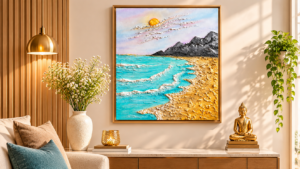
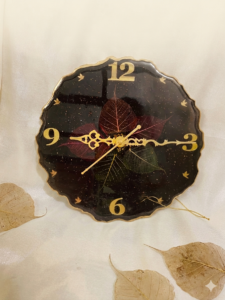
Ranggat’s collections include wall art, mantra frames, miniature art, ocean wall art, clocks, lamps, and other handcrafted décor, giving buyers multiple ways to introduce art into their interiors.

Step 6: Research the Artist or Art Brand

When buying original paintings online in India, learning about the artist or brand is an important part of the buying process.

Check whether the website provides information about:

  • The artist
  • Artistic philosophy
  • Creative process
  • Materials
  • Previous work
  • Customer reviews
  • Contact information
  • Shipping and return policies

This helps establish confidence before purchasing.

Ranggat was founded by artist Suruchi Purwar, whose artistic philosophy focuses on intention, patience, Indian heritage, and creating artwork that can be experienced beyond simple decoration.

Step 7: Check the Website’s Shipping and Packaging Information

Original artwork needs careful handling during transportation. Before placing an order, check how the artwork will be packaged and delivered.

A reliable online art store should clearly explain its shipping process, delivery information, and return or refund policies.

This is particularly important when purchasing larger paintings or framed artworks because they require additional protection during transit.

Step 8: Think About the Long-Term Value

A painting does not have to be expensive to be meaningful.

The value of original artwork can come from several factors, including:

  • Artistic skill
  • Time involved in creation
  • Materials used
  • Uniqueness
  • Cultural significance
  • Emotional connection
  • Craftsmanship

A handmade painting can become part of your home for many years and may eventually become a meaningful piece of your personal collection.

Ranggat positions its artwork as pieces intended to endure beyond short-lived trends and carry emotional, cultural, and artistic value.

Why Choose Ranggat for Original Handmade Art?

If you are looking for original paintings and handcrafted artwork online in India, Ranggat offers a collection inspired by Indian culture, creativity, spirituality, and contemporary aesthetics.

Its range includes wall art, dot mandala art, miniature art, mantra frames, ocean-inspired artwork, clocks, lamps, and other artistic home décor.

Ranggat’s philosophy is centred around conscious craftsmanship, balance, patience, and meaningful artistic expression. The brand also offers custom projects and bulk requirements for spaces, collections, and gifting.

Tips for First-Time Online Art Buyers

If this is your first time purchasing original artwork online, keep these simple tips in mind:

  1. Know your preferred art style before browsing.
  2. Measure your wall before selecting the artwork size.
  3. Read the complete product description.
  4. Check the materials and painting technique.
  5. Research the artist or art brand.
  6. Look for genuine product photographs.
  7. Check shipping and return policies.
  8. Choose artwork that connects with you emotionally.
  9. Don’t select artwork only because it is trending.
  10. Buy from a trusted art platform.

Learning how to start buying original paintings online in India does not have to be complicated. Begin by understanding your personal taste, consider the size and style of your space, research the artwork and artist, and carefully review the product details before purchasing.

Most importantly, choose artwork that makes you feel something. A beautiful original painting can do more than decorate an empty wall—it can become a reflection of your personality, memories, culture, and appreciation for creativity.

For people who appreciate handmade Indian art, Ranggat offers a thoughtfully curated world of handcrafted creations where traditional inspiration meets contemporary artistic expression. Explore the collection and find an artwork that feels right for your space and your story.
Explore original and handcrafted artwork at Ranggat and bring timeless Indian artistry into your home.

Why Handmade Art Holds More Value Than Factory-Made Printed DecorCategoriesCreative

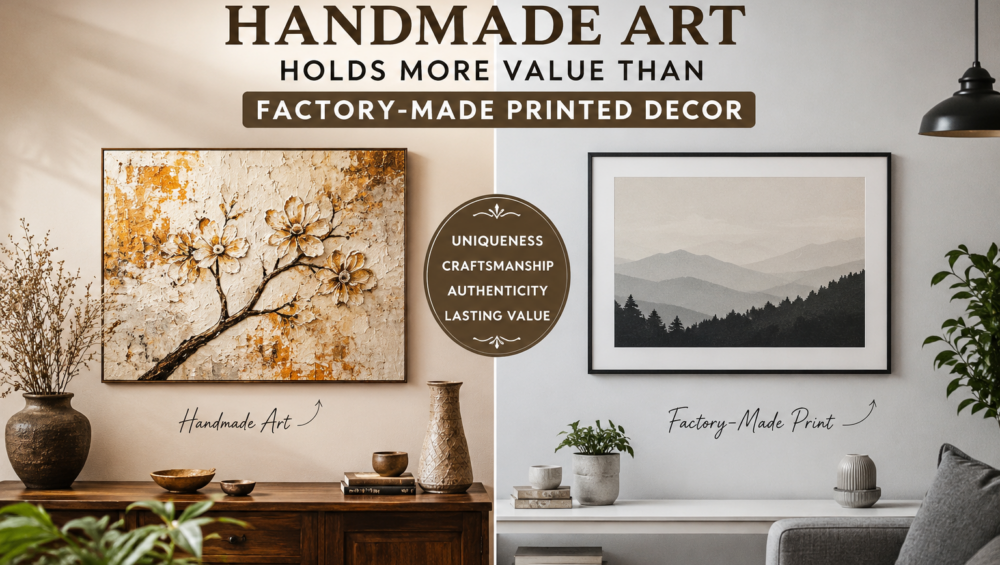
Why Handmade Art Holds More Value Than Factory-Made Printed Decor

In today’s world of mass production, home decor has become more accessible than ever. Factory-made printed artwork can be found in countless stores and online marketplaces at affordable prices. While these pieces may look attractive, they often lack the uniqueness, emotional connection, and craftsmanship that handmade art offers. Handmade art is more than just decoration—it is a reflection of creativity, skill, passion, and individuality.

Whether it is a hand-painted canvas, handcrafted wall hanging, or artisan-created sculpture, handmade art carries a value that factory-made printed decor simply cannot replicate. This article explores why handmade art continues to hold greater value and why more homeowners, collectors, and interior designers are choosing authentic handcrafted pieces over mass-produced alternatives.

The Human Touch Makes a Difference

One of the most significant reasons handmade art holds greater value is the human touch involved in its creation. Every brushstroke, texture, and detail is carefully crafted by an artist who invests time, effort, and creativity into the work.

Unlike factory-made printed decor, which is produced by machines in large quantities, handmade art is created with intention and emotion. The artist’s personality, experiences, and artistic vision become part of the final piece, making it truly special.

When you purchase handmade art, you are not just buying an object; you are acquiring a piece of someone’s creativity and craftsmanship.

Every Piece Is Unique

Mass-produced printed decor is designed to be replicated thousands of times. The same artwork can be found in countless homes, offices, hotels, and commercial spaces.

Handmade art, however, is unique. Even if an artist creates similar designs, no two handmade pieces are exactly alike. Variations in color, texture, brushwork, and composition make each artwork one of a kind.

This exclusivity adds significant value because owners can enjoy a decor piece that reflects their individuality rather than something commonly available in the market.

Superior Craftsmanship and Quality

Handmade artists often spend years mastering their skills and techniques. They carefully select materials, tools, and methods to ensure the highest quality result.

Factory-made printed decor typically relies on automated processes focused on speed and cost efficiency. While the finished product may appear visually appealing, it often lacks the depth, texture, and durability found in handmade creations.

Handmade art frequently uses:

  • Premium paints and pigments
  • High-quality canvases
  • Sustainable materials
  • Traditional artistic techniques
  • Detailed finishing processes

As a result, handmade artwork often lasts longer and maintains its beauty for years.

Emotional and Personal Connection

Handmade art has the power to create emotional connections. Many people choose artwork because it resonates with their memories, feelings, values, or personal tastes.

Knowing that an artist carefully created the piece by hand adds sentimental value. The story behind the artwork, the inspiration of the artist, and the creative journey all contribute to a deeper appreciation.

Factory-made printed decor generally lacks this emotional depth because it is produced primarily for commercial purposes rather than artistic expression.

Supporting Artists and Creative Communities

Purchasing handmade art directly supports independent artists, artisans, and creative communities. Every purchase helps sustain artistic careers and encourages the continuation of traditional and contemporary art forms.

When consumers choose handmade products, they contribute to:

  • Local economies
  • Small businesses
  • Cultural preservation
  • Artistic innovation
  • Sustainable livelihoods for creators

In contrast, factory-made decor often benefits large manufacturing operations where individual creativity plays a minimal role.

Handmade Art Adds Authentic Character to Interiors

Interior designers often prefer handmade art because it adds authenticity and personality to a space. Handmade pieces become focal points that spark conversations and enhance the overall atmosphere of a room.

A handcrafted artwork can transform an ordinary wall into a meaningful display of creativity and culture. It introduces texture, depth, and originality that printed reproductions rarely achieve.

Whether in a modern apartment, luxury villa, office, or boutique hotel, handmade art helps create a distinctive environment.

Higher Long-Term Value

Handmade art often retains or increases its value over time, especially when created by skilled or emerging artists. Original artwork can become collectible and may appreciate in worth as the artist gains recognition.

Factory-made printed decor generally depreciates in value because identical copies remain widely available. Since there is little rarity or exclusivity, printed pieces rarely become valuable investments.

For collectors and art enthusiasts, handmade art represents both aesthetic enjoyment and potential long-term value.

Sustainable and Eco-Friendly Choice

Many handmade artists prioritize environmentally responsible practices by using sustainable materials and minimizing waste. Small-scale production often has a lower environmental impact compared to large manufacturing facilities.

Benefits of handmade art include:

  • Reduced mass production waste
  • Sustainable sourcing of materials
  • Lower carbon footprint
  • Ethical production methods
  • Support for responsible consumption

As consumers become more environmentally conscious, handmade art aligns well with sustainable lifestyle choices.

The Story Behind the Artwork

Every handmade piece has a story. It may be inspired by nature, culture, personal experiences, historical events, or artistic exploration.

These stories create meaning and allow owners to connect with the artwork on a deeper level. Guests and visitors often appreciate hearing about the artist and the inspiration behind a unique piece.

Factory-produced prints rarely offer the same level of narrative value because they are created primarily for mass-market appeal.

A Reflection of Individual Taste

Home decor is an extension of personal identity. Handmade art allows individuals to express their unique preferences and values through carefully selected pieces.

Instead of choosing generic designs available to everyone, homeowners can curate spaces that reflect their personality, interests, and artistic appreciation.

This ability to create a distinctive environment is one reason handmade art continues to be highly valued in modern interior design.

Handmade art holds more value than factory-made printed decor because it represents creativity, craftsmanship, authenticity, and individuality. Each piece carries the artist’s vision, effort, and passion, making it far more meaningful than a mass-produced print.

From superior quality and emotional connection to long-term value and support for creative communities, handmade art offers benefits that extend beyond simple decoration. As people increasingly seek unique and meaningful ways to personalize their spaces, handmade artwork remains a timeless investment that enriches homes, inspires conversations, and celebrates human creativity.

Choosing handmade art is not just about decorating a wall—it’s about owning a piece of genuine artistic expression that tells a story and adds lasting value to your life.

The Hidden Reasons Luxury Handmade Art Is Worth More Than Mass-Produced PrintsCategoriesCreative

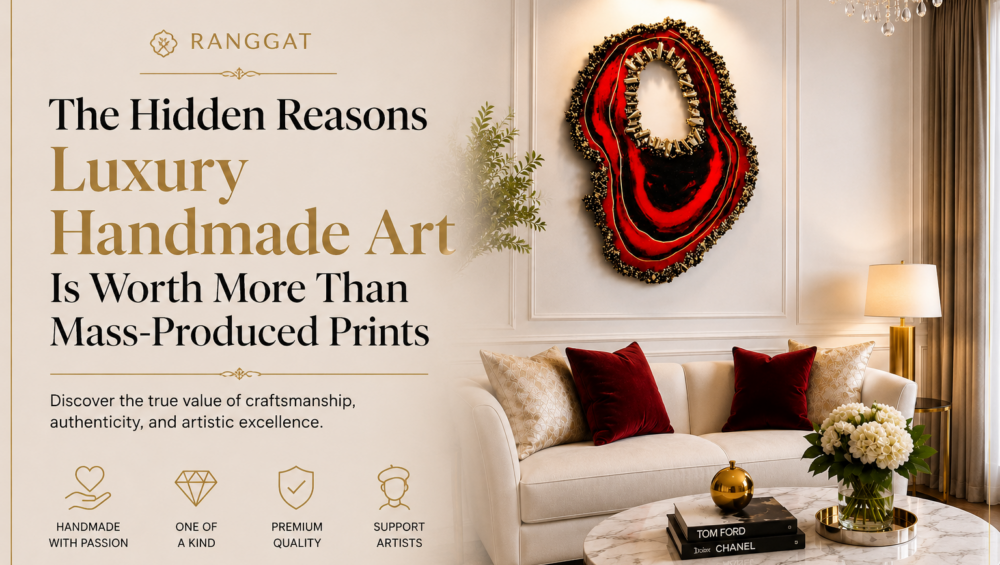
The Hidden Reasons Luxury Handmade Art Is Worth More Than Mass-Produced Prints

In a world where home décor is available at the click of a button, it’s easy to wonder why luxury handmade art often carries a significantly higher price tag than mass-produced prints. While printed artwork may look attractive from a distance, handmade art offers something far deeper—authenticity, craftsmanship, exclusivity, and emotional value.

At Ranggat, we believe that every handmade artwork tells a story. Behind every brushstroke lies the artist’s creativity, dedication, and passion. Understanding the true value of handmade art helps buyers appreciate why these pieces are considered timeless investments rather than simple decorative items.

1. Every Handmade Artwork Is Truly One of a Kind

Mass-produced prints are created in large quantities using machines, meaning thousands of identical copies can exist worldwide. Handmade art, on the other hand, is unique.

Even when an artist recreates a similar concept, no two handmade pieces are exactly alike. The texture, color blending, brush movements, and artistic details make each artwork a distinctive creation that cannot be duplicated perfectly.

When you purchase handmade art, you own an exclusive piece that belongs only to you.

2. Skilled Craftsmanship Takes Time

Luxury handmade art is the result of years of practice, training, and artistic expertise. Artists spend countless hours developing their skills and refining their techniques.

A single handmade painting may require:

  • Sketching and concept development
  • Material preparation
  • Multiple layers of paint
  • Fine detailing
  • Drying and finishing processes
  • Quality inspection

Unlike printed décor that can be produced within minutes, handmade art often takes days or even weeks to complete. This dedication directly contributes to its value.

3. Premium Materials Enhance Quality

Luxury artists often use high-quality materials that improve both appearance and longevity. These may include:

  • Professional-grade paints
  • Premium canvases
  • Natural pigments
  • Handcrafted frames
  • Protective coatings

These materials ensure the artwork remains vibrant and beautiful for years. Many mass-produced prints use lower-cost inks and paper that may fade or deteriorate over time.

4. Handmade Art Carries Emotional Value

A printed image may decorate a wall, but handmade art creates a connection.

Every artwork reflects the artist’s emotions, inspiration, and vision. Viewers often feel a deeper emotional response when interacting with original art because they can sense the human touch behind the creation.

This emotional connection transforms a decorative object into a meaningful experience.

5. Supporting Artists and Creative Communities

Purchasing handmade art directly supports talented artists and creative communities. Many independent artists rely on art sales to continue their work and preserve traditional artistic techniques.

By choosing handmade artwork, buyers contribute to:

  • Artistic innovation
  • Cultural preservation
  • Sustainable creative careers
  • Local craftsmanship

Supporting artists helps keep authentic creativity alive in an increasingly automated world.

6. Handmade Art Preserves Cultural Heritage

Many luxury handmade artworks draw inspiration from traditional techniques, regional art forms, and cultural stories.

These creations help preserve valuable artistic traditions that have been passed down through generations. Unlike generic prints designed for mass appeal, handmade artworks often celebrate heritage, symbolism, and cultural identity.

At Ranggat, many creations are inspired by India’s rich artistic legacy and contemporary expression, bringing culture and creativity together in every piece.

7. Texture and Depth Cannot Be Reproduced

One of the most noticeable differences between handmade art and printed décor is texture.

Original paintings contain layers, brushstrokes, and dimensional details that create visual depth. Light interacts differently with these surfaces, giving the artwork a dynamic appearance that changes throughout the day.

Printed reproductions may imitate the image, but they cannot replicate the tactile richness of original artwork.

8. Handmade Art Appreciates in Personal and Artistic Value

Luxury handmade art is often viewed as a long-term investment.

As artists gain recognition and build their reputation, the value of their original works may increase. Even when monetary appreciation is not the goal, handmade art often becomes a cherished family possession that carries sentimental significance across generations.

A meaningful artwork can become part of a family’s story, creating memories that last far beyond current design trends.

9. Sustainability Matters

Mass production frequently involves large-scale manufacturing, excessive packaging, and significant resource consumption.

Handmade art generally follows a slower, more thoughtful production process that prioritizes quality over quantity. Many artists focus on sustainable practices and responsible material sourcing, making handmade art a more environmentally conscious choice.

The growing movement toward craftsmanship, ethical production, and conscious consumption has increased appreciation for handmade creations worldwide.

10. Luxury Is About Authenticity, Not Quantity

True luxury is not defined by how many pieces are produced but by the quality, care, and craftsmanship behind them.

Luxury handmade art represents:

  • Individual creativity
  • Artistic mastery
  • Exclusivity
  • Emotional depth
  • Lasting value

These qualities cannot be mass-produced.

Why Choose Handmade Art from Ranggat?

At Ranggat, every artwork is created with passion, creativity, and attention to detail. Our collection celebrates originality, craftsmanship, and meaningful artistic expression. Each piece is designed to transform spaces while telling a story that resonates with its owner.

Whether you are decorating your home, gifting a loved one, or building an art collection, choosing handmade art means investing in something authentic, timeless, and deeply personal.

The higher cost of luxury handmade art is not simply about the finished product—it’s about the time, talent, creativity, and craftsmanship invested in every detail. While mass-produced prints offer convenience, handmade art offers originality, emotional connection, and enduring value.

When you choose a handcrafted masterpiece, you are not just buying décor. You are bringing home a story, supporting an artist, and owning something truly irreplaceable.