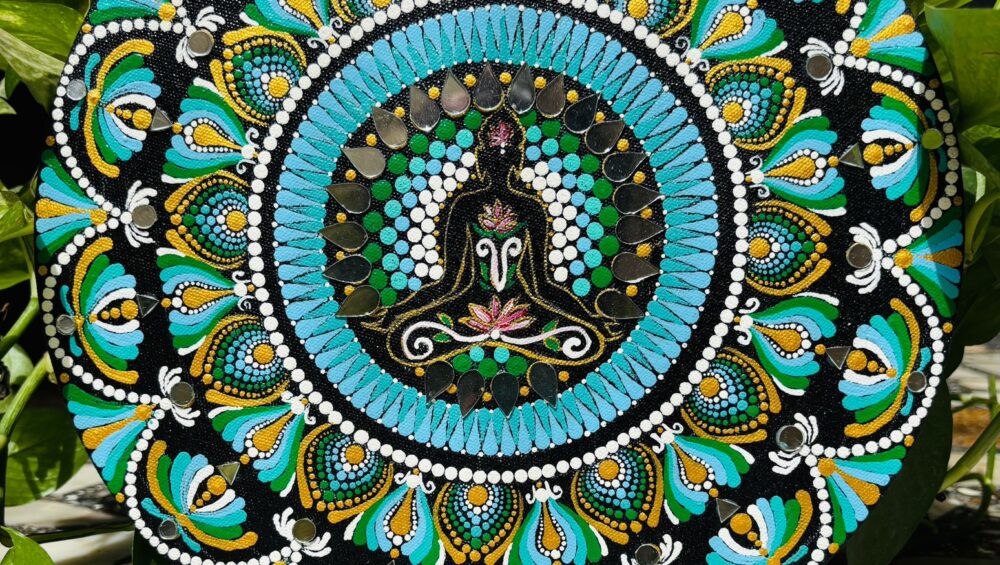
Dot mandala art is a timeless craft with deep roots in Indian history, a spiritual language, and a meditation journey. It is more than just a visual expression. Even though mandalas are now appreciated all over the world, Indian dot mandala art is still a hidden jewel that subtly influences contemporary spiritual practices, interior design, and mindful living movements worldwide. This age-old art form is honored at Ranggat as a link between tradition and modern inventiveness.
The Origins of Dot Mandala Art in India
Mandala, which means “circle” or “center of the sacred,” comes from the ancient Sanskrit language. For thousands of years, Hinduism, Buddhism, and Jainism have utilized mandalas as instruments for meditation, spiritual concentration, and cosmic representation in India.
Within this history, dot mandala art developed as a distinctive artistic expression. Artists started creating complex geometric designs with properly positioned dots rather than lines or freehand drawings. This dot-based method placed a strong emphasis on discipline, patience, and mindfulness—values that are fundamental to Indian philosophy.
Historically, dot patterns appeared in:
- Temple floor art and ritual diagrams
- Tribal and folk art traditions
- Spiritual yantras used during meditation and prayers
The act of creation was as sacred as the finished piece of art as each dot represented a moment of awareness.
Symbolism Behind Dot Mandala Art
Every shape, color, and pattern in dot mandala art has a deep symbolic meaning.
1. The Central Dot (Bindu)
The center dot stands for self-realization, consciousness, and the beginning of the universe. It represents unity, the starting point and return point of all energy.
2. Circular Patterns
The center dot stands for self-realization, consciousness, and the beginning of the universe. It represents unity, the starting point and return point of all energy.
3. Sacred Geometry
Dot Mandalas’ geometric symmetry reflects cosmic order. It is thought that by aligning the viewer’s energies, these patterns produce a relaxing and anchoring effect.
4. Color Psychology
Traditional Indian mandalas use colors intentionally:
- Red for energy and strength
- Blue for calmness and wisdom
- Yellow for knowledge and positivity
- Green for healing and growth
At Ranggat, colors are thoughtfully chosen to evoke both spiritual depth and modern aesthetic appeal.
Why Dot Mandala Art Resonates with Modern Spiritual Sensibilities
People actively seek for emotional balance, inner serenity, and mindfulness in today’s fast-paced, technologically advanced environment. These needs are readily met by dot mandala art.
Mindfulness and Meditation
Making or viewing Dot Mandala Art calms the mind. Similar to breath-focused meditation or mantra chanting, the repetitive dotting technique creates a contemplative state.
Spiritual Without Being Religious
Spirituality without tight structures is often sought after by modern audiences. Mandala art is universally relevant because it provides spiritual symbolism that transcends religious boundaries.
Healing and Mental Wellness
Many therapists and wellness practitioners use mandala art for:
- Stress reduction
- Anxiety management
- Emotional healing
The structured yet creative nature of dot mandalas brings a sense of control and calm.
Dot Mandala Art and Contemporary Aesthetic Appeal
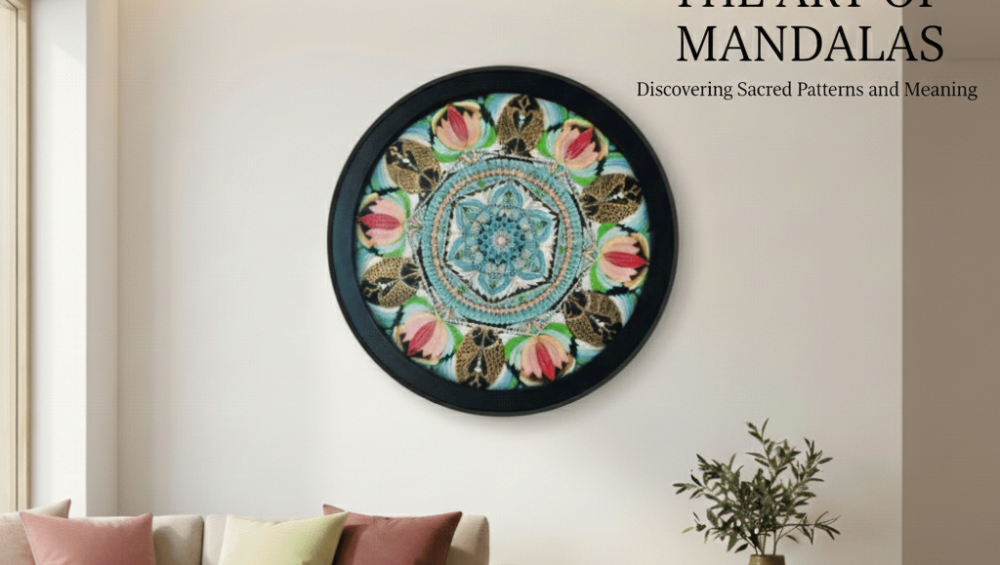
Beyond spirituality, Dot Mandala Art has found a strong place in modern design and decor.
Interior Design & Home Decor
Minimalist homes, bohemian spaces, and luxury interiors now feature dot mandala artworks as:
- Wall art and murals
- Decorative plates and canvases
- Meditation and yoga room accents
Fashion & Lifestyle Products
From clothing prints to accessories, mandala patterns are celebrated for their timeless elegance and symmetry.
Social Media & Global Art Platforms
Platforms like Instagram and Pinterest have helped Dot Mandala Art gain global recognition. Artists from India, through brands like Ranggat, are now influencing international design trends.
Ranggat: Preserving Tradition, Inspiring the World
At Ranggat, Dot Mandala Art is not treated as a trend but as a living heritage. Each piece reflects:
- Respect for Indian cultural roots
- Precision, patience, and craftsmanship
- A blend of traditional symbolism with modern aesthetics
Ranggat’s mission is to bring India’s hidden artistic treasures to the global stage while supporting authentic craftsmanship and mindful creativity.
Dot Mandala Art is situated at the nexus of contemporary global consciousness and traditional Indian knowledge. Its visual appeal strikes a deep chord with today’s thoughtful, design-conscious world, its symbolism reflects universal harmony, and its origins speak of spirituality and discipline.
India’s Dot Mandala Art, promoted by Ranggat, shines as a timeless jewel as the world’s art landscape continues to embrace meaningful and soulful creations. It serves as a reminder that true beauty starts at the core and spreads outward, one dot at a time.