Incorporate Texture artCategoriesCreative

What Is Texture Art? A Complete Beginner’s Guide

Texture art has become one of the biggest trends in modern home décor and contemporary art. From elegant minimalist wall pieces to bold abstract creations, textured artwork adds depth, dimension, and personality to any space. Whether you’re an aspiring artist or simply looking for a creative hobby, texture art is an accessible and rewarding way to express yourself.

In this complete beginner’s guide, we’ll explore everything you need to know about texture art—from its definition and history to the materials, techniques, and tips that will help you create your very first masterpiece.

What Is Texture Art?

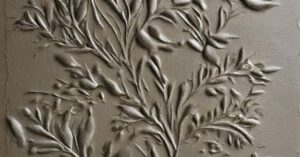
Texture art is a form of visual art that emphasizes the physical surface of an artwork by creating raised, three-dimensional patterns and designs. Unlike traditional paintings that rely mainly on colors and brushstrokes, texture art uses thick mediums such as texture paste, modeling paste, plaster, or joint compound to create depth that can often be seen and felt.

The beauty of texture art lies in its simplicity. Many textured artworks use neutral color palettes like white, beige, grey, or earth tones, allowing the texture itself to become the focal point.

Why Is Texture Art So Popular?

Texture art has gained popularity because it combines creativity with modern interior design. Homeowners, interior decorators, and DIY enthusiasts love textured wall art because it:

  • Creates depth and dimension
  • Looks luxurious and sophisticated
  • Matches modern, Scandinavian, and minimalist interiors
  • Is beginner-friendly
  • Requires minimal painting experience
  • Offers endless creative possibilities

Social media platforms have also played a major role in making texture art one of today’s fastest-growing DIY art trends.

Types of Texture Art

There are many styles of texture art that beginners can explore.

1. Abstract Texture Art

The most popular style, featuring flowing curves, waves, arches, and organic patterns.

Best For:

  • Living rooms
  • Bedrooms
  • Office walls

2. Floral Texture Art

Artists sculpt flowers such as roses, lilies, daisies, or peonies using texture paste to create elegant floral compositions.

3. Landscape Texture Art

Mountains, oceans, sand dunes, forests, and sunsets become more dramatic with raised textures.

4. Geometric Texture Art

Modern patterns using clean lines, circles, squares, and repeated shapes.

Perfect for contemporary homes.

5. Minimalist Texture Art

Simple monochrome artwork with subtle ridges and soft curves.

One of the most popular styles for luxury interiors.

Materials Needed for Texture Art

One reason beginners love texture art is that it requires only a few basic supplies.

Essential Materials

  • Canvas
  • Texture Paste or Modeling Paste
  • Palette Knife
  • Putty Knife
  • Acrylic Paint
  • Gesso Primer (optional)
  • Sandpaper
  • Paint Brushes
  • Water Container
  • Protective Sheet

Many artists also experiment with household tools such as combs, forks, cardboard, or sponges to create unique textures.

Basic Texture Art Techniques

Palette Knife Technique

The most common method.

Spread texture paste across the canvas and create movement using smooth strokes.

comb Technique

Use a comb to create repeated ridges or wave patterns.

Perfect for beginners.

Spatula Technique

Create dramatic peaks and layered textures using a wide spatula.

Stencil Technique

Apply texture paste over stencils to produce detailed patterns.

Layering Technique

Apply multiple layers after each one dries for added depth and complexity.

Step-by-Step Guide to Creating Texture Art

Step 1: Prepare Your Canvas

Ensure the canvas is clean and dry.

Step 2: Mix Your Texture Paste

If required, mix your texture paste until smooth.

Step 3: Apply the Paste

Spread it evenly using a palette knife.

Step 4: Create Patterns

Experiment with:

  • Waves
  • Arches
  • Leaves
  • Flowers
  • Circular movements
  • Abstract lines

Step 5: Let It Dry

Drying usually takes several hours, depending on thickness.

Avoid touching it while drying.

Step 6: Paint (Optional)

Many artists leave texture art white, while others add acrylic colors, metallic finishes, or subtle gradients after the texture has cured.

Step 7: Seal the Artwork

Apply a clear varnish to protect the surface and enhance durability.

Common Mistakes Beginners Should Avoid

Applying Too Much Paste

Very thick layers may crack while drying.

Working Too Slowly

Texture paste begins drying quickly.

Overworking the Surface

Too many strokes can ruin the design.

Ignoring Drying Time

Patience leads to cleaner results.

Using Low-Quality Canvas

A sturdy canvas supports heavier textured materials better.

Best Color Combinations for Texture Art

Popular modern color palettes include:

  • White on White
  • Beige & Cream
  • Grey & White
  • Black & White
  • Terracotta & Sand
  • Olive Green & Beige
  • Gold & Ivory
  • Sage Green & Neutral Tones

Where Can Texture Art Be Used?

Texture artwork enhances many spaces:

  • Living Rooms
  • Bedrooms
  • Hallways
  • Dining Areas
  • Offices
  • Hotels
  • Cafés
  • Restaurants
  • Luxury Apartments
  • Art Galleries

Its versatility makes it suitable for both residential and commercial interiors.

Is Texture Art Easy for Beginners?

Absolutely.

Texture art is considered one of the easiest forms of contemporary art because it focuses more on movement, patterns, and surface design than realistic drawing. Even complete beginners can create stunning pieces with basic tools and a little practice.

Tips for Beginners

  • Start with simple abstract patterns.
  • Practice on small canvases first.
  • Experiment with different tools.
  • Keep your designs clean and balanced.
  • Allow each layer to dry fully.
  • Learn from each artwork rather than aiming for perfection.

Frequently Asked Questions (FAQs)

What is texture art?

Texture art is a style of artwork that uses raised materials to create visible and tactile depth on a surface.

What materials are used for texture art?

Common materials include texture paste, modeling paste, plaster, acrylic paint, palette knives, and canvas.

Can beginners create texture art?

Yes. Texture art is one of the easiest and most beginner-friendly art forms because it focuses on shapes and textures rather than realistic drawing.

How long does texture art take to dry?

Depending on the thickness of the paste, drying may take anywhere from a few hours to 24 hours or longer.

Can texture art be painted?

Yes. Many artists paint their textured artwork after it dries, while others prefer elegant monochromatic finishes.

Texture art is more than just a design trend—it’s a creative way to bring movement, depth, and personality into your artwork and your living spaces. Whether you prefer minimalist white sculptures, floral reliefs, or bold abstract patterns, texture art offers endless opportunities to experiment and express your creativity.

The best part is that you don’t need years of artistic experience to begin. With a canvas, texture paste, and a few simple tools, you can start creating unique textured masterpieces that reflect your own style. Practice consistently, explore different techniques, and enjoy the process of turning ordinary surfaces into extraordinary works of art.

Ranggat – Where Creativity Meets Texture, Color, and Timeless Art.
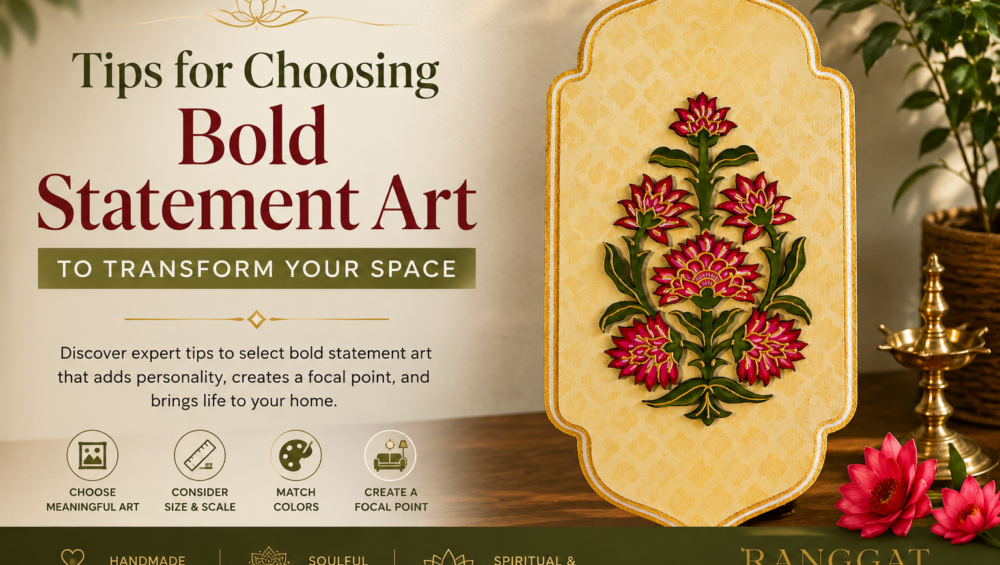
Tips for Choosing Bold Statement Art to Transform Your SpaceCategoriesCreative

Tips for Choosing Bold Statement Art to Transform Your Space

Your home is more than just a place to live—it’s a reflection of your personality, emotions, and lifestyle. One of the most effective ways to make a lasting impression and elevate your interiors is by incorporating bold statement art. A carefully selected artwork can instantly transform an ordinary room into a visually captivating and meaningful space.

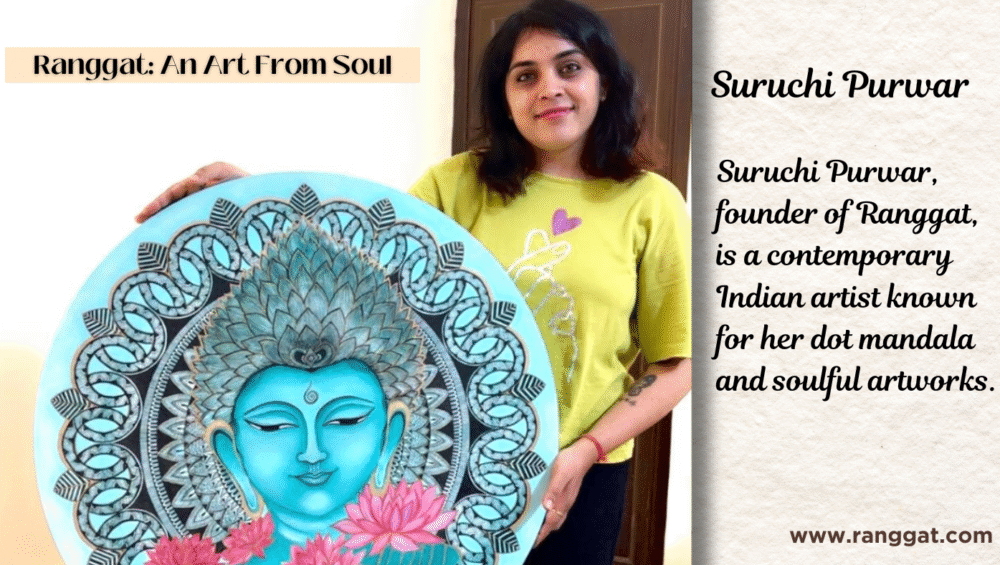
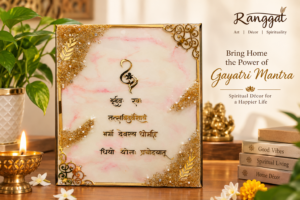
At Ranggat, we believe that every artwork tells a story. Whether it’s a handcrafted Mandala, a spiritual mantra frame, or a contemporary artistic creation, statement art has the power to create an unforgettable focal point in your home.

What is Statement Art?

Statement art refers to a bold, eye-catching piece of artwork that immediately draws attention and becomes the focal point of a room. Unlike small decorative accents, statement art commands presence and helps define the overall aesthetic of your space.

From large Mandala artworks to spiritual wall frames and textured handmade creations, statement pieces add character, depth, and personality to your interiors.

1. Choose Art That Reflects Your Personality

The best statement artwork is one that resonates with you emotionally. Instead of following trends blindly, select pieces that reflect your interests, beliefs, and personal style.

Ask yourself:

  • Do you prefer spiritual and calming artwork?
  • Are you drawn to vibrant colors and intricate patterns?
  • Do you enjoy contemporary or traditional designs?

When you choose art that speaks to your soul, it naturally becomes a meaningful part of your living space.

2. Consider the Size of Your Wall

Scale plays a crucial role when selecting statement art. A small artwork can get lost on a large wall, while an oversized piece can overwhelm a compact room.

General Rule:

  • Large walls work best with oversized artworks.
  • Medium walls can feature one prominent statement piece.
  • Smaller spaces benefit from vertically oriented artwork that creates visual height.

A well-proportioned artwork creates balance and harmony within the room. Interior design experts often recommend choosing artwork that occupies a substantial portion of the available wall space for maximum impact.

3. Use Art as a Focal Point

Every room needs a visual anchor. Statement artwork can serve as that focal point by drawing attention and establishing the mood of the space.

Popular placement options include:

  • Above the sofa in the living room
  • Behind the bed in the bedroom
  • Entryway feature walls
  • Dining room accent walls
  • Home office backdrops

Large, bold artwork often helps anchor a room and prevents the decor from feeling cluttered.

4. Match Colors Thoughtfully

Your statement artwork doesn’t need to perfectly match every element in the room, but it should complement the overall color palette.

You can:

  • Pick artwork featuring accent colors already present in your décor.
  • Use contrasting colors to create visual drama.
  • Introduce new shades that add energy and freshness to the space.

Bold colors often create stronger visual interest and can instantly elevate a neutral interior.

5. Embrace Handmade and Unique Creations

Mass-produced décor may fill a wall, but handmade artwork brings authenticity, craftsmanship, and emotional value into your home.

Handcrafted art pieces are unique, meaningful, and often carry cultural significance. Modern homeowners increasingly prefer handmade décor because it offers individuality and a deeper personal connection.

At Ranggat, every piece is thoughtfully handcrafted to combine artistic excellence with soulful expression.

6. Consider the Mood You Want to Create

Different artworks evoke different emotions.

  • Mandala Art creates harmony and mindfulness.
  • Spiritual Art inspires positivity and peace.
  • Abstract Art stimulates creativity.
  • Nature-Inspired Art promotes relaxation.
  • Mantra Frames encourage focus and motivation.

Choosing artwork based on the atmosphere you want to create can significantly enhance the overall experience of your space.

7. Don’t Be Afraid of Bold Designs

Many homeowners hesitate to choose bold artwork because they fear it may overpower the room. In reality, a carefully selected statement piece can bring life, energy, and sophistication to an otherwise plain interior.

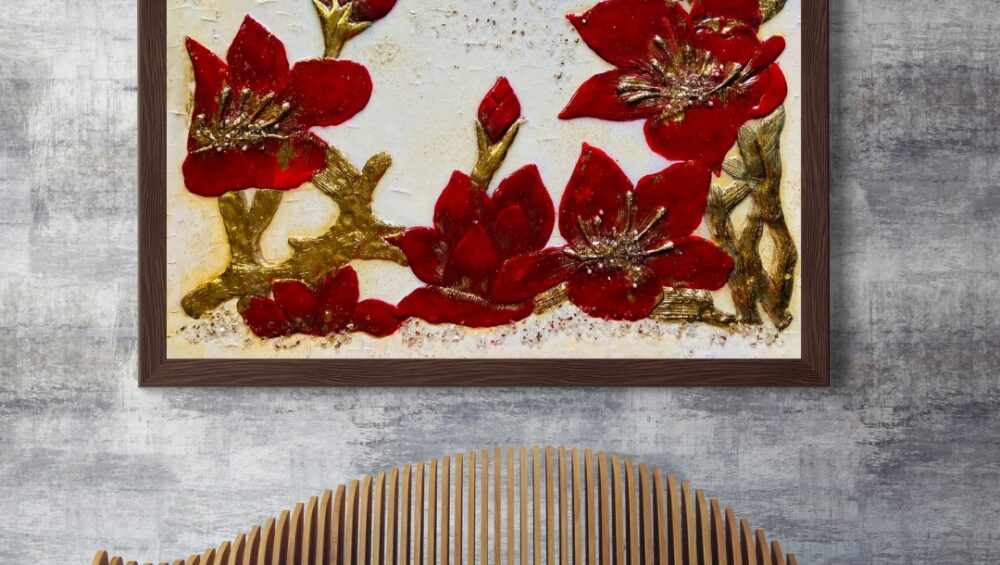
Intricate Mandala designs, textured mixed-media artworks, metallic accents, and large-scale wall art are among the most popular statement art trends today.

8. Invest in Quality Over Quantity

Instead of filling your walls with multiple small decorations, consider investing in one exceptional statement piece.

A premium-quality artwork:

  • Lasts longer
  • Maintains visual appeal
  • Creates stronger emotional impact
  • Adds value to your home décor

One striking piece often delivers greater impact than several generic decorative items.

Why Choose Ranggat for Statement Art?

Ranggat is dedicated to creating handcrafted artwork that blends tradition, creativity, and emotion. From spiritual mantra frames and Mandala wall art to personalized artistic creations, every piece is designed to inspire and transform spaces. The brand emphasizes handcrafted quality, cultural authenticity, and meaningful artistic expression.

Whether you’re redesigning your living room, refreshing your workspace, or creating a peaceful meditation corner, Ranggat’s soulful art collections help bring beauty, positivity, and personality into every space.

Bold statement art is more than decoration—it is a reflection of who you are. By choosing artwork that resonates with your personality, complements your space, and evokes meaningful emotions, you can completely transform the atmosphere of your home.

The right statement piece doesn’t just fill an empty wall; it creates conversations, inspires emotions, and turns your house into a truly personal sanctuary.

Waterfall in a Glass: Turning Everyday Decor into Living ArtCategoriesCreative

Waterfall in a Glass: Turning Everyday Decor into Living Art

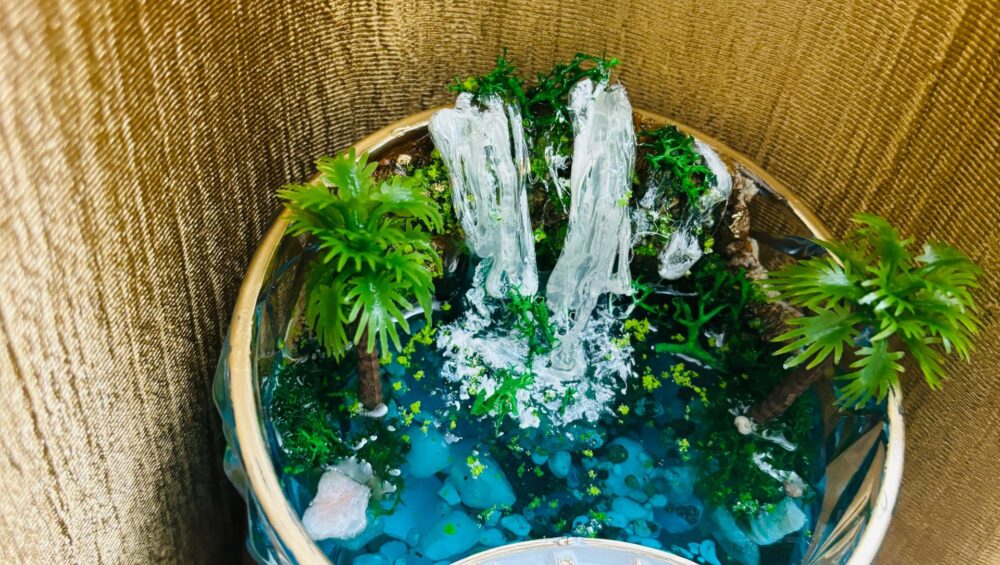
In a world where home decor often walks the line between functional and forgettable, certain pieces stand out—not just as objects, but as experiences. “Waterfall in a Glass” is one such creation. It blurs the boundary between art and decor, transforming an ordinary living space into something immersive, calming, and visually captivating.

The Beauty of Motion, Frozen in Time

What makes waterfall-inspired glass decor so unique is its ability to capture motion without actually moving. The design mimics the gentle cascade of water, creating an illusion of flow within a solid structure. This interplay between stillness and movement gives the piece a dynamic quality—almost as if time itself has been paused mid-stream.

Light plays a crucial role here. As it passes through the textured glass, it refracts and scatters, enhancing the “flowing” effect. The result is a constantly changing visual depending on the angle, lighting, and time of day.

More Than Decor—An Experience

Unlike traditional decorative items that simply occupy space, a waterfall glass piece engages the senses. It invites you to pause, observe, and appreciate subtle details. The soothing aesthetic can evoke feelings of calmness similar to watching real flowing water—making it a perfect addition to spaces meant for relaxation, like living rooms, bedrooms, or even office corners.

It’s not just something you place on a shelf—it becomes a focal point, a conversation starter, and a source of quiet inspiration.

Elevating Everyday Spaces

Modern interior design increasingly leans toward minimalism, where each piece must justify its presence. In such settings, a “Waterfall in a Glass” stands out effortlessly. Its elegance complements clean lines and neutral palettes, while its artistic nature adds depth and personality.

Whether placed near natural light, under warm ambient lighting, or as part of a curated decor setup, it adapts beautifully. It doesn’t overpower the room—it enhances it.

The Fusion of Craftsmanship and Creativity

Behind every waterfall glass design lies a blend of craftsmanship and artistic vision. The precision required to shape glass into fluid-like forms is no small feat. Each curve and texture is intentional, designed to replicate nature’s effortless beauty through a man-made medium.

This fusion of art and technique is what elevates the piece from simple decor to a collectible form of modern art.

A Statement of Taste and Individuality

In a time where mass-produced decor dominates the market, choosing something like a waterfall glass piece reflects a deeper appreciation for design. It signals a preference for uniqueness, for items that tell a story rather than just fill a gap.

It’s subtle, yet impactful. Minimal, yet expressive.

“Waterfall in a Glass” isn’t just about aesthetics—it’s about creating an atmosphere. It turns an everyday environment into something more thoughtful, more serene, and more alive.

In the end, the true value of such a piece lies not just in how it looks, but in how it makes you feel. And that’s what transforms decor into living art.

The Indian Home Aesthetic: Why Modern Homes Are Returning to Handcrafted ArtCategoriesUncategorized

The Indian Home Aesthetic: Why Modern Homes Are Returning to Handcrafted Art

Indian decor has undergone a significant shift in recent years from generic, machine-made décor to handcrafted, culturally significant, and emotionally charged pieces. This change reflects deeper ideas about meaning, tradition, and the personal touch in addition to stylistic changes.

1. Handmade Art Adds Soul to Living Spaces

Handcrafted art conveys purpose and story, in contrast to mass-produced goods. Whether it’s mandala wall art or spiritual mantra paintings, websites like Ranggat highlight how each item is created by talented artisans and imbued with meaning, making décor more than just ornamentation. Each component helps turn a house into a home with soul by adding personality and a unique tale.

2. Cultural Roots and Symbolism Resonate in the Home

Mandalas and other beautiful arts from India have been shaped by centuries-old customs. The mandala, which has its roots in spiritual symbolism and sacred geometry, infuses a space with balance, harmony, and attentiveness. According to websites like Ranggat, these pieces are not only physically arresting but also spiritually unifying, making them perfect for intentional living areas or meditation nooks.

Beyond mandalas, India’s wider craft legacy connects décor to local narratives and cultural identity through rangoli motifs, block prints, and tribal patterns. These components give contemporary homes a historically and geographically grounded look.

3. Imperfection Becomes a Design Strength

Machine-made products lack the subtle differences in texture, form, and finish found in handcrafted objects. Every item is unique because of this imperfection, which is a mark of the artisan’s hand rather than a defect. It softens the sometimes icy precision of modern minimalism by adding warmth, tactility, and a feeling of being alive in a space.

4. Emotional and Narrative Connection

Items with a history are becoming more and more appreciated by modern consumers. Folklore, spiritual concepts, or generational craftsmanship traditions are frequently reflected in handcrafted items. This narrative element encourages both homeowners and visitors to emotionally connect with the décor, making homes feel richer and more intimate, as Ranggat and related blogs emphasize.

5. Sustainability and Ethical Consumption

Selecting handmade décor frequently aligns with sustainability principles. Wood, natural dyes, clay, and cane are examples of natural or eco-friendly materials used by traditional artists that have a lower environmental impact than many industrial substitutes. In addition to preserving skills that might otherwise deteriorate, supporting artists helps maintain craft communities.

The revival of handcrafted décor in Indian homes is more than just a passing trend; it’s a return to human creativity, tradition, and significance. Warmth, narrative, and individuality are added to contemporary spaces by this aesthetic, which ranges from items inspired by holy geometry to those with an artisan’s touch. Handmade art gives spaces life and a sense of cultural and emotional connection in a world of uniform design.

CategoriesCreative

Mini Ocean Art in a Tray Metal Stand: A Thoughtful Gift for Art and Nature Lovers

Mini Ocean Art in a Tray Metal Stand: A Thoughtful Gift for Art and Nature Lovers

Art has always served as a medium of expression, evoking emotions and enhancing the beauty of our environment. It becomes a mesmerizing experience when paired with the tranquil nature of the water. Ranggat’s Mini Ocean Art is a stunning example of this confluence; it beautifully depicts the serene sea waves in a small, sophisticated package. This unique decor piece is sure to make an impact, whether you are searching for a meaningful gift for a nature enthusiast or an art lover.

A Piece of the Ocean, Anytime, Anywhere

There’s something incredibly soothing about watching the waves crash onto the shore-the endless rhythm of the sea has a meditative effect. You can bring that feeling of calm inside with Mini Ocean Art in a Tray. Wherever it is put, this handcrafted artwork will create a serene and revitalizing atmosphere by reflecting the beauty of ocean waves.

Why Mini Ocean Art Makes a Perfect Gift?

1) Uniquely Handcrafted & One-of-a-Kind
Each piece is meticulously created, guaranteeing that no two pieces of art are ever the same. Because of its exclusivity, it is an emotional and unique present for anyone who values handcrafted art.

2) Ideal for Home and Office Decor
This artwork quickly improves the area’s visual attractiveness, whether it is positioned on a living room shelf, work desk, or bedside table. It is easy to display and takes up little room because of its small size and metal stand.

3) A Symbol of Calmness & Positivity
Feelings of calm, relaxation, and a strong bond with nature are evoked by the beautiful ocean-like textures and calming blue tones. For people who enjoy conscious living and coastal vibes, it is the ideal present.

4) Durable & Stylish Presentation
This ocean art, which is displayed on a modern metal stand, doubles as a sculpture and a piece of decor. It fits in perfectly with a variety of interior design concepts, including bohemian, rustic, and modern minimalist.

5) A Sustainable & Artistic Choice
Supporting handcrafted art is a way to value the creativity of skilled artists and embrace sustainability. This sculpture has an artistic soul and craftsmanship that speak louder than mass-produced décor pieces.

    Gift Ideas for Special Occasions

    • Birthday Gift for Art Enthusiasts: A unique addition to their collection.
    • Housewarming Present: Ideal for giving a new home a little bit of the ocean.
    • Anniversary or Wedding Gift: Representing the richness and beauty of relationships.
    • Corporate or Festive Gifting: An original and thoughtful choice for friends, colleagues, or clients.

    Ranggat’s Mini Ocean Art is a great option if you are searching for a gift that expresses elegance, creativity, and nature. It serves as a reminder of the huge, serene ocean and the creativity that makes it come to life, and it is more than simply decor.

    Explore this mesmerizing collection and bring home a piece of the ocean today!