artCategoriesCreative

Premium Mandala Art Paintings by Ranggat

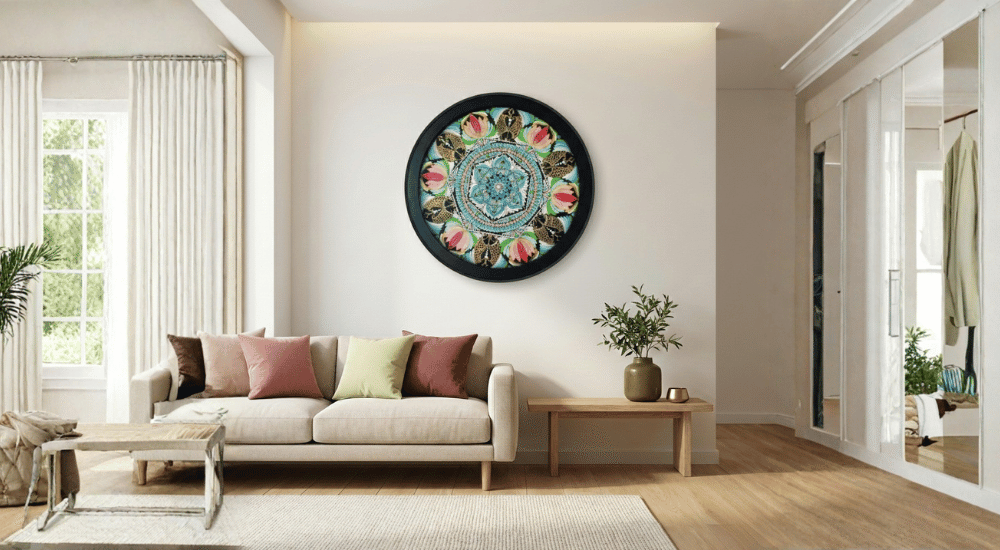
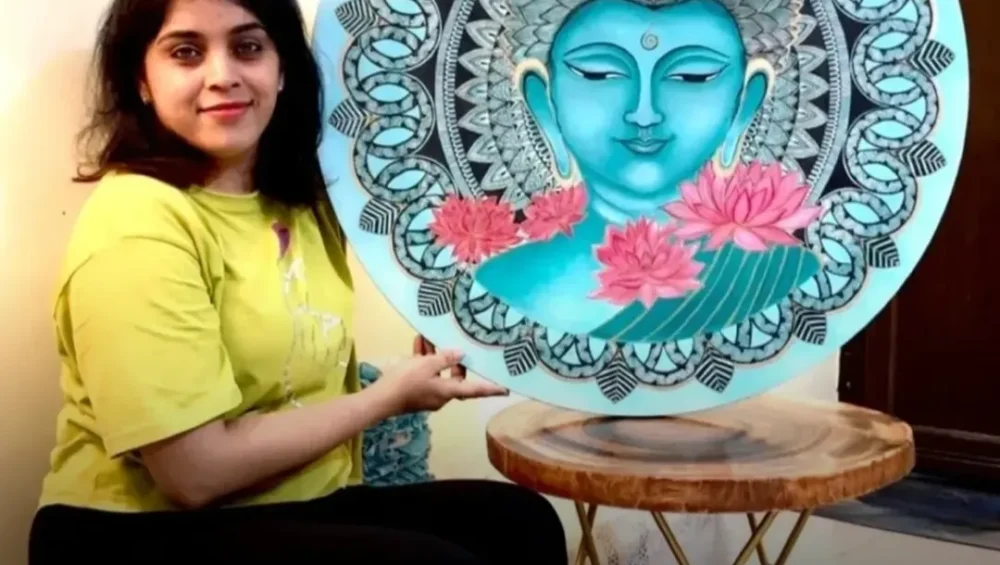
Mandala art has become one of the most loved forms of artistic expression in modern home décor and creative culture. Known for its detailed patterns, calming symmetry, and spiritual significance, mandala artwork brings peace, beauty, and elegance into any space. At Ranggat, we create premium mandala art paintings that combine creativity, tradition, and modern aesthetics to deliver truly unique masterpieces.

What Makes Mandala Art Special?

Mandala art is more than just decoration. The word “Mandala” comes from the ancient Sanskrit language and means “circle,” symbolizing harmony, balance, and unity. These intricate designs are carefully crafted using repeating geometric patterns that reflect mindfulness and creativity.

People love mandala art because it:

  • Creates a peaceful atmosphere
  • Enhances home and office décor
  • Represents positivity and balance
  • Adds a luxurious artistic touch to interiors
  • Makes thoughtful and personalized gifts

Ranggat – Creating Premium Mandala Art Paintings

At Ranggat, every mandala painting is designed with passion and attention to detail. Our artists focus on combining traditional mandala techniques with modern artistic styles to create artwork that stands out.

We use:

  • High-quality paints and materials
  • Handmade detailing techniques
  • Vibrant color combinations
  • Custom artistic concepts
  • Premium finishing for long-lasting beauty

Whether you are looking for wall décor, personalized gifts, or luxury art collections, Ranggat offers mandala paintings that match every style and mood.

Types of Mandala Art Paintings Available at Ranggat

1. Traditional Mandala Paintings

Inspired by ancient cultural designs, these artworks showcase intricate patterns and spiritual symbolism.

2. Modern Mandala Wall Art

Contemporary mandala designs created for stylish homes, offices, cafés, and creative spaces.

3. Customized Mandala Art

Personalized mandala paintings designed according to your color preferences, names, themes, or interior décor.

4. Dot Mandala Art

Beautiful dot-pattern mandala paintings made with precision and creative detailing.

5. Colorful Decorative Mandalas

Bright and vibrant artwork perfect for adding energy and elegance to living rooms and bedrooms.

Why Choose Ranggat for Mandala Art?

Ranggat is dedicated to delivering premium-quality handcrafted artwork that reflects creativity and uniqueness. Here’s why art lovers trust Ranggat:

  • Exclusive handmade designs
  • Premium quality craftsmanship
  • Creative and modern patterns
  • Customization options available
  • Perfect for gifting and decoration
  • Affordable luxury artwork

Every painting is designed to inspire positivity while adding artistic beauty to your surroundings.

Perfect Mandala Art for Every Space

Mandala paintings can beautifully transform different spaces, including:

  • Living rooms
  • Bedrooms
  • Meditation areas
  • Offices
  • Cafés and studios
  • Yoga spaces

Their calming and decorative appeal makes them suitable for both traditional and modern interiors.

Mandala Art as a Meaningful Gift

Mandala art paintings also make memorable gifts for:

  • Birthdays
  • Housewarming celebrations
  • Weddings
  • Festivals
  • Corporate gifting
  • Art lovers and collectors

A handcrafted mandala painting represents creativity, positivity, and thoughtful expression.

Premium mandala art paintings by Ranggat are designed to bring creativity, elegance, and peace into your life. With detailed craftsmanship, vibrant designs, and artistic excellence, Ranggat continues to create artwork that inspires and transforms spaces beautifully.

If you are looking for luxurious handmade mandala art that reflects style and creativity, Ranggat is the perfect destination for unique artistic creations.
Ranggat | Art and Emotions: How to Choose Artwork That Feels Like YouCategoriesCreative Tips & Tricks

Ranggat | Art and Emotions: How to Choose Artwork That Feels Like You

Art is more than a decorative element. The right artwork can bring warmth, personality, memories, and emotions into a space. When you choose a painting, print, abstract artwork, or handmade piece for your home, you are often choosing something that connects with your personal taste and feelings.

At Ranggat, art is viewed as a meaningful part of interior spaces—something that can make a room feel more personal, expressive, and visually engaging.

Why Art and Emotions Are Connected

Different artworks can create different emotional responses. A soft landscape may make a room feel calm, while bold colors and expressive patterns can add energy and excitement. Artwork can also remind us of places, people, experiences, or moments that are personally meaningful.

This is why choosing art should not always be based on trends. The best artwork is often the piece that makes you feel something when you look at it.

Choose Colors That Match Your Mood

Color has an important role in how a space feels. Warm shades such as red, orange, and yellow can create an energetic and lively atmosphere. Blue and green tones can give a more peaceful and refreshing feeling, while neutral shades can create a sophisticated and balanced look.

When selecting artwork, think about the mood you want to create in the room. A bedroom may benefit from soothing colors, while a living room can accommodate more vibrant and expressive artwork.

Let Your Personality Guide Your Choice

Your home should reflect who you are. If you enjoy minimalism, you may naturally prefer simple artwork with clean lines and subtle colors. If you love creativity and experimentation, abstract or colorful pieces may feel more appropriate.

Instead of asking only, “Will this match my furniture?”, ask yourself, “Does this artwork feel like me?” This simple question can help you make more personal choices.

Think About the Story Behind the Artwork

Meaning can make artwork more special. A painting may remind you of a favorite destination, a particular season, a family memory, or an important stage of life.

Artwork with a story can also become a conversation starter when guests visit your home. It adds character to your space rather than simply filling an empty wall.

Consider the Feeling of Each Room

Different rooms have different purposes, so the artwork should complement the atmosphere you want to create.

Living Room

The living room is a social space, making it suitable for statement artwork, bold compositions, or pieces that encourage conversation.

Bedroom

Choose artwork that creates a sense of calm and relaxation. Soft colors, nature-inspired designs, and minimal compositions can work beautifully.

Dining Area

Artwork with rich colors, artistic food themes, or sophisticated patterns can add warmth and personality to the dining environment.

Workspace

For a home office or creative corner, choose artwork that inspires concentration, motivation, or creativity.

Don’t Follow Trends Blindly

Interior design trends change frequently, but personal taste lasts much longer. A trendy artwork may look attractive today but may not continue to feel meaningful over time.

Instead, use trends as inspiration while choosing pieces that genuinely appeal to you. A timeless artwork that connects with your personality can remain enjoyable for years.

Balance Is Important

Choosing artwork that feels personal does not mean every wall needs to be filled. Too many competing pieces can make a room feel crowded.

Consider the size of your wall, furniture placement, color palette, and overall interior style. A single striking artwork can sometimes have a greater visual impact than several smaller pieces.

Mix Different Art Styles

You don’t always have to follow one artistic style throughout your home. A thoughtful combination of abstract, traditional, contemporary, or handmade artwork can create an interesting and layered interior.

The key is finding a visual connection through color, theme, size, or framing so that the different pieces still work together.

Make Your Home More Personal With Art

The most beautiful homes are not necessarily those filled with expensive décor. They are spaces that tell a story about the people who live there.

Artwork can help express your interests, memories, emotions, and personality. Whether you prefer peaceful landscapes, expressive abstracts, traditional designs, or contemporary creations, choose pieces that make your space feel authentic.

Choosing artwork is a personal experience. The right piece should not only complement your interiors but also create an emotional connection. Think about the colors you love, the memories you want to celebrate, and the atmosphere you want to create.

With a thoughtful approach, artwork can become much more than wall décor—it can become a reflection of you. Ranggat encourages art lovers to explore pieces that connect with their emotions and bring individuality, beauty, and meaning into everyday spaces.

Acrylic vs Texture Paste: What’s the Difference?CategoriesCreative

Acrylic vs Texture Paste: What’s the Difference?

When it comes to painting and modern artwork, both acrylic paint and texture paste are popular materials. However, they serve different purposes. Acrylic paint is mainly used to add colour, detail, and smooth layers, while texture paste is designed to create depth, raised surfaces, and three-dimensional effects.

Understanding the difference between the two can help artists choose the right material for their painting style and project.

What Is Acrylic Paint?

Acrylic paint is a water-based paint known for its vibrant colours, quick drying time, and versatility. It can be applied to surfaces such as canvas, paper, wood, and prepared boards.

Acrylic paint can be used for:

  • Background painting
  • Detailed artwork
  • Abstract paintings
  • Portraits and landscapes
  • Colour layering and blending
  • Decorative and mixed-media projects

Its consistency can range from fluid to heavy-body, depending on the product. Acrylic paint can also be combined with different mediums to change its texture, transparency, or finish.

What Is Texture Paste?

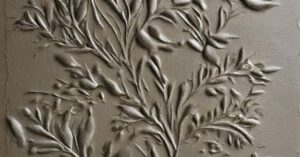
Texture paste is a thick acrylic-based medium used to create raised textures and three-dimensional effects. It is generally thicker than acrylic paint and can hold shapes, ridges, peaks, and patterns after application.

Artists commonly apply texture paste with a palette knife, spatula, stencil, or stiff brush. It can be applied directly to the surface and painted after it dries, or mixed with acrylic paint to create coloured texture.

Texture paste is particularly useful for:

  • 3D wall art
  • Abstract textured paintings
  • Raised floral designs
  • Geometric patterns
  • Impasto effects
  • Sculptural details
  • Mixed-media artwork

Acrylic vs Texture Paste: Key Differences

FeatureAcrylic PaintTexture Paste
Main purposeAdding colour and detailsCreating texture and dimension
ConsistencyFluid to thickVery thick and mouldable
ColourAvailable in many coloursUsually white or neutral
TextureMostly smooth or brush-texturedCreates raised, tactile surfaces
ApplicationBrush, roller, palette knifePalette knife, spatula, stencil
3D effectLimited unless thickenedExcellent for raised effects
DryingGenerally dries quicklyUsually takes longer depending on thickness
Best forColour, details and layeringRelief, depth and sculptural effects

Can You Use Acrylic Paint With Texture Paste?

Yes. Combining acrylic paint with texture paste is one of the most useful techniques for textured artwork. The paste can be mixed with acrylic colour before application, or artists can allow the paste to dry first and then paint over it.

For example, an artist may first create raised floral shapes with white texture paste. Once completely dry, acrylic colours can be added over the textured surface to highlight the raised areas.

Keep in mind that mixing paint into an opaque white paste can change the appearance and intensity of the original colour.

Which One Should You Choose?

The right choice depends on the effect you want to create.

Choose Acrylic Paint If:

  • You mainly need vibrant colours.
  • You want to create detailed artwork.
  • You need smooth backgrounds.
  • You want to blend or layer colours.
  • You are painting portraits, landscapes, or illustrations.

Choose Texture Paste If:

  • You want a raised 3D effect.
  • You are creating modern textured wall art.
  • You want visible ridges, peaks, or patterns.
  • You want to build sculptural details.
  • You want to experiment with palette-knife techniques.

How to Use Texture Paste With Acrylic Paint

A simple technique is to apply texture paste to your prepared canvas using a palette knife. Create your desired shapes, lines, or patterns and allow the paste to dry completely. Once dry, apply acrylic paint over the textured surface.

You can also mix a small amount of acrylic paint into the paste before applying it. Different tools, such as combs, forks, brushes, and palette knives, can create different patterns and textures.

Tips for Better Textured Artwork

1. Build texture gradually:
For deeper effects, building several suitable layers can be safer than applying one extremely thick layer.

2. Let each layer dry:
Thick applications take longer to dry than regular acrylic paint. Drying time depends on the thickness and specific product.

3. Use the right surface:
Choose a stable, properly prepared surface. Some hard texture pastes may be less suitable for flexible surfaces when applied very thickly.

4. Experiment with tools:
Palette knives, combs, stencils, sponges, and stiff brushes can produce very different effects.

5. Paint after drying:
If you want strong colour contrast, allow the texture paste to dry before applying acrylic paint over it.

Acrylic paint and texture paste are not competing materials—they work extremely well together. Acrylic paint provides colour, detail, and visual expression, while texture paste adds physical depth and dimension.

If your goal is a smooth, colourful painting, acrylic paint may be all you need. If you want modern 3D wall art, raised patterns, or tactile textures, texture paste is the better choice. For the most creative results, try combining both materials in the same artwork.

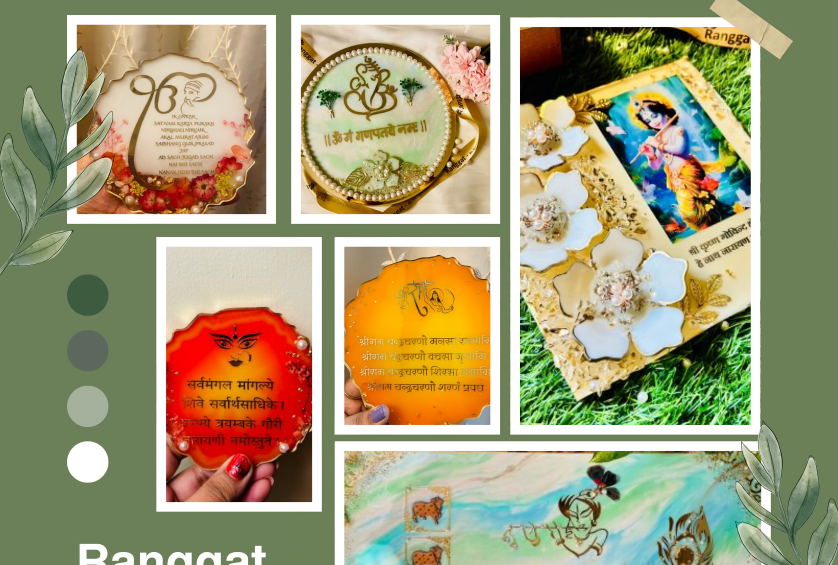
How Resin Mantra Frames Impact Positivity in Your House?CategoriesCreative Tips & Tricks

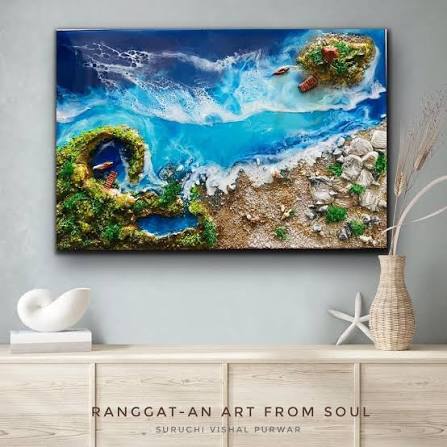
India’s Best Resin Artist Suruchi Purwar: Transforming Resin into Art

Art has the power to turn simple materials into something beautiful, meaningful, and memorable. In India, resin art has become increasingly popular for its unique textures, glossy finishes, vibrant colors, and endless creative possibilities. Suruchi Purwar, the creative artist behind Ranggat, is bringing this artistic form to life through beautiful handmade resin creations.

With creativity, patience, and a strong eye for detail, Suruchi Purwar creates resin artworks that combine modern aesthetics with handmade craftsmanship. Her work reflects the idea that every piece of art can add personality and beauty to a space.

Who Is Suruchi Purwar?

Suruchi Purwar is a talented Indian resin artist known for creating unique handmade resin artworks. Through Ranggat, she explores different techniques, colors, textures, and artistic concepts to create pieces that stand apart from ordinary décor.

Her approach to resin art focuses on creativity and individuality. Rather than simply creating decorative products, she works to give every piece its own visual character.

From elegant decorative pieces to artistic home décor, her creations showcase the beauty that can be achieved when imagination meets craftsmanship.

What Makes Resin Art Special?

Resin art is a creative process that involves working with resin to create decorative and artistic surfaces. Artists can combine pigments, colors, textures, patterns, and other design elements to create unique results.

One of the most fascinating aspects of resin is that no two handmade pieces look exactly the same. Small variations in colors, patterns, textures, and finishes make each artwork special.

This uniqueness is one of the reasons resin art has become a popular choice for modern home décor, gifting, office interiors, and personalized spaces.

Suruchi Purwar’s Approach to Resin Art

Suruchi Purwar believes that creativity plays an important role in making handmade art special. Her resin artworks are created with attention to composition, color combinations, finishing, and overall visual appeal.

Her work represents a balance between contemporary design and handmade artistry. The glossy finish of resin gives her creations a sophisticated appearance, while the handmade process adds a personal touch.

Every artwork begins with an idea and develops through careful planning and creative experimentation.

Ranggat: A Blend of Art and Creativity

Ranggat represents a creative space where art, colors, craftsmanship, and imagination come together. Through her work, Suruchi Purwar aims to make handmade art more accessible to people who appreciate unique and artistic décor.

The brand reflects a passion for creating pieces that can complement modern interiors while retaining the charm of handcrafted artwork.

Whether you are looking for an artistic addition to your home or a distinctive handmade gift, resin art offers countless possibilities.

Why Choose Handmade Resin Art?

Handmade resin artwork has several qualities that make it different from mass-produced décor.

Unique Designs

Each handmade resin artwork can have its own colors, patterns, textures, and artistic details. This makes every piece feel personal and distinctive.

Modern Appearance

Resin has a naturally glossy and polished finish that works well with contemporary interiors. Resin décor can add an elegant artistic element to living rooms, bedrooms, offices, and creative spaces.

Handmade Craftsmanship

Handmade artwork carries the effort and creativity of the artist. Each piece requires planning, patience, and attention to detail.

Personalized Creativity

Resin art can be created in different shapes, sizes, colors, and themes, making it suitable for customized décor and gifting.

The Creative Journey Behind Every Resin Artwork

Creating resin art is not simply about mixing colors and pouring resin. It requires an understanding of design, composition, timing, and finishing.

An artist needs to carefully plan the artwork, prepare the materials, select suitable colors, and work through the creative process with patience.

For Suruchi Purwar, this process is an opportunity to experiment with ideas and transform them into visually appealing handmade creations.

The final result is a combination of artistic vision, craftsmanship, and careful execution.

Resin Art for Modern Home Décor

Modern interiors often focus on simplicity, elegance, and statement pieces. Resin artwork can fit naturally into this design approach.

A carefully designed resin artwork can become a focal point in a room. Its colors, patterns, and glossy surface can complement different interior styles.

Ranggat’s artistic creations can be considered by people who want to introduce something different from conventional décor into their spaces.

Resin Art as a Thoughtful Gift

Finding a meaningful gift can sometimes be difficult. Handmade resin art offers an interesting alternative to ordinary gifts.

Because each piece has a handcrafted character, resin artwork can make a memorable choice for birthdays, anniversaries, housewarmings, weddings, festive occasions, and other celebrations.

A handmade artwork can also communicate thoughtfulness because it represents creativity and craftsmanship rather than mass production.

Why Suruchi Purwar Stands Out

Suruchi Purwar’s work reflects a passion for transforming an everyday material into expressive artwork. Her creative approach combines modern design with the warmth of handmade craftsmanship.

Through Ranggat, she continues to explore the possibilities of resin art and create pieces that bring color, character, and creativity into everyday spaces.

Her journey is an example of how passion and imagination can transform a creative idea into a distinctive artistic identity.

Discover the World of Ranggat

Ranggat is more than just handmade décor. It represents a love for creativity, colors, artistic expression, and craftsmanship.

With Suruchi Purwar at the heart of its creative journey, Ranggat showcases the beauty of resin art through thoughtfully designed handmade creations.

If you appreciate unique artwork and want to bring a creative touch to your surroundings, exploring resin art by Suruchi Purwar can be an inspiring experience.

Suruchi Purwar is helping bring a fresh and creative perspective to resin art in India through Ranggat. Her dedication to handmade craftsmanship, artistic experimentation, and contemporary design makes her work distinctive.

From beautiful décor pieces to artistic creations, resin art provides endless opportunities for creativity. Suruchi Purwar’s journey demonstrates how passion, imagination, and craftsmanship can transform resin into captivating works of art.

Ranggat celebrates this creativity by turning resin into art—one handmade creation at a time.

Ranggat | The Process Behind Creating Premium Texture ArtworkCategoriesCreative

Ranggat | The Process Behind Creating Premium Texture Artwork

Premium texture artwork is more than just painting on a canvas—it is a layered, thoughtful, and highly skilled process that transforms simple materials into visually rich, dimensional art. At Ranggat, every textured piece is handcrafted with precision, patience, and artistic intention, ensuring each artwork becomes a statement of luxury and creativity.

Here’s a behind-the-scenes look at how premium texture artwork is created from start to finish.

1. Inspiration & Concept Development

Every artwork begins with an idea. Inspiration can come from nature, architecture, emotions, cultural patterns, or modern design trends.

Artists first define:

  • Theme of the artwork
  • Mood (calm, bold, spiritual, abstract, etc.)
  • Color direction
  • Texture style (soft, rough, layered, sculpted)

This stage sets the creative foundation for the entire piece and ensures the final artwork tells a meaningful visual story.

2. Surface Preparation

Before applying any texture, the canvas or base panel is carefully prepared.

This includes:

  • Choosing high-quality canvas or wooden board
  • Applying a primer (gesso) for smooth adhesion
  • Ensuring a strong, durable surface for layering

Proper preparation is essential because texture artwork involves heavy layering and sculptural effects.

3. Building the Texture Layers

This is the most important stage of the process.

Artists use specialized materials such as:

  • Acrylic-based texture paste
  • Modeling paste
  • Mixed mediums for depth and structure

Using tools like palette knives, spatulas, and brushes, the artist begins shaping the surface.

Techniques include:

  • Layering thick and thin textures
  • Creating raised patterns and reliefs
  • Building depth through repeated application
  • Sculpting shapes directly onto the canvas

Each layer is allowed to dry before the next is added, ensuring durability and clarity in design.

4. Sculpting & Detailing

Once the base texture is formed, artists refine the surface.

This stage focuses on:

  • Adding fine details and patterns
  • Enhancing depth and dimension
  • Balancing composition across the canvas
  • Creating visual flow and movement

This is where the artwork begins to take its final artistic identity.

5. Color Application

After the texture structure is complete, color is applied.

Depending on the design, artists may:

  • Paint after texture dries for sharp definition
  • Mix color into texture paste for integrated tones
  • Use layering techniques for gradient and shadow effects

Color enhances the texture by highlighting raised surfaces and creating contrast between light and shadow.

6. Drying & Finishing

Drying is a crucial part of the process. Each layer must set properly to maintain strength and structure.

Once fully dry, the artwork is finished with:

  • Protective varnish or coating
  • Final touch-ups for refinement
  • Quality inspection for detail and consistency

This ensures long-lasting durability and a premium finish.

The completed artwork is then framed or mounted depending on its style.

A well-presented texture artwork:

  • Enhances interior spaces instantly
  • Becomes a focal design element
  • Adds depth, luxury, and personality to walls

At Ranggat, each piece is designed to be more than décor—it is a statement of artistic expression.

Creating premium texture artwork is a balance of creativity, craftsmanship, and patience. From the initial idea to the final stroke, every step contributes to building a piece that feels alive, dimensional, and meaningful.

At Ranggat, every artwork is handcrafted with care, ensuring that no two pieces are ever the same—because true art is always unique.