dot mandalaCategoriesCreative

Mirror of the Mind: How Dot Mandala Painting Therapy Heals Stress and Anxiety

In today’s busy world, stress and anxiety have become part of everyday life. Our minds are often filled with worries, deadlines, and constant noise. Dot Mandala painting therapy offers a gentle way to slow down, relax, and reconnect with ourselves.

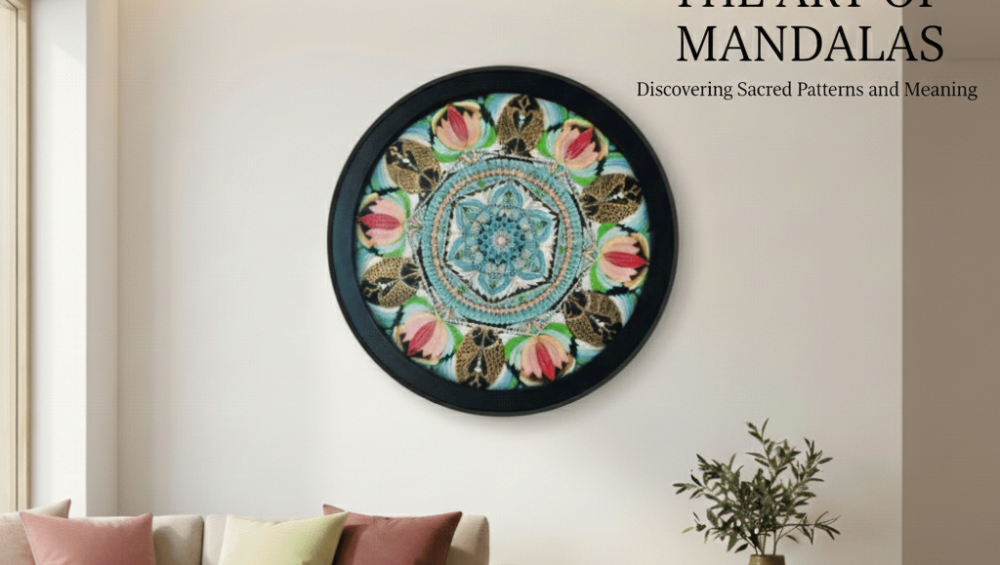
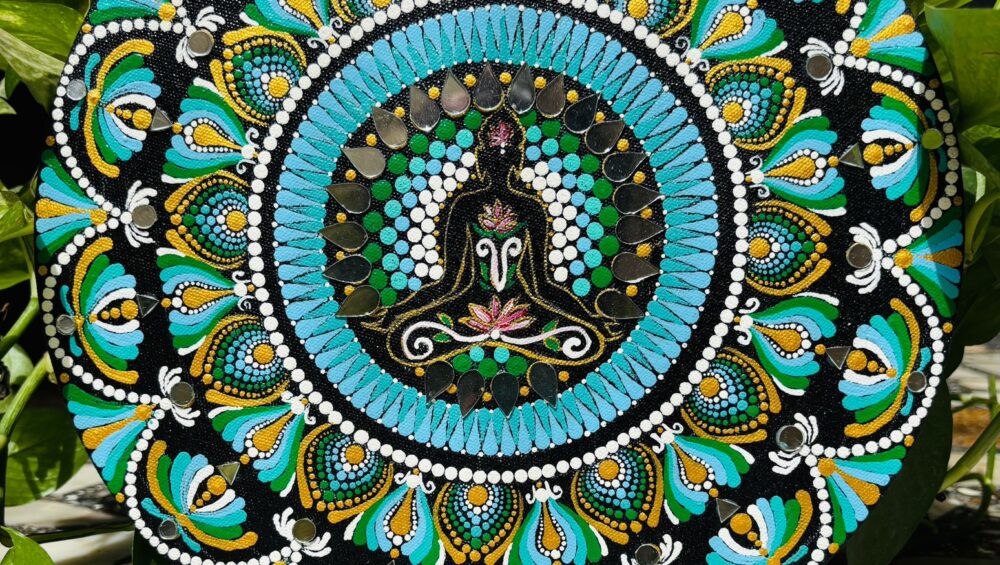
A Dot mandala is a circular design made with repeating patterns and shapes. The word Dot mandala comes from ancient traditions and means “center” or “wholeness.” When we paint Dot mandalas, we are not trying to create perfect art. Instead, we are allowing our thoughts and emotions to flow freely onto the page.

Dot Mandala Painting as a Mirror of the Mind

Dot Mandala painting acts like a mirror of the mind. The colors we choose, the shapes we repeat, and the pace of our brush often reflect how we feel inside. When the mind is restless, the patterns may feel busy. As calm begins to grow, the movements become slower and more balanced.

This process helps us become aware of our emotions without judging them. There is no right or wrong way to paint a Dot mandala. The simple act of creating allows the mind to express itself safely and naturally.

How Dot Mandala Painting Reduces Stress

Painting a Dot mandala requires focus, but not effort. As attention stays on shapes and colors, the mind gently moves away from stressful thoughts. Breathing becomes deeper, the body relaxes, and tension slowly fades.

The circular patterns create a sense of order and harmony. This helps calm the nervous system and brings the mind into the present moment. Many people describe Dot mandala painting as a form of meditation that feels easy and enjoyable.

Healing Anxiety Through Creative Expression

Anxiety often comes from feeling overwhelmed or out of control. Dot Mandala painting therapy provides a sense of stability. The circle represents safety and completeness, which can feel comforting during anxious moments.

Through painting, emotions that are difficult to explain with words can be released. This creative expression helps reduce inner pressure and creates emotional balance. Over time, regular Dot mandala painting can build inner peace and self-confidence.

A Gentle Practice for Everyone

One of the beautiful things about Dot mandala painting therapy is that anyone can do it. No artistic experience is needed. All you need are some colors, a quiet space, and a willingness to slow down.

Whether practiced alone or in a therapeutic setting, Dot mandala painting supports mental wellness in a soft and natural way. It reminds us to pause, breathe, and listen to our inner world.

Dot Mandala painting therapy is more than an art activity—it is a journey inward. As a mirror of the mind, it helps us understand our emotions, release stress, and gently heal anxiety. In a world that moves too fast, Dot mandala painting invites us to return to stillness, balance, and calm.

READ ALSO | Simple Tips to Craft a Stunning Floral Resin Tray
Best Mandala Wall Art Styles Trending in 2025CategoriesCreative Tips & Tricks

Ranggat |The Hidden Power of Mandala Geometry in Meditation and Healing

Mandalas are ancient visual aids intended to direct the mind toward balance and serenity; they are much more than just ornamental designs. Mandala art, which has its roots in sacred geometry, has been utilized for ages in various civilizations’ meditation and healing rituals. Mandala geometry provides a peaceful, potent means of reestablishing inner peace in a world full of noise and distraction. Mandalas at Ranggat are deliberate designs that bring presence, clarity, and emotional harmony into ordinary areas rather from being only works of art.

What Is Mandala Geometry?

Mandala is a Sanskrit term that means “holy circle.” Precise, harmonic patterns that mirror the universe’s inherent order are used to construct mandala geometry.

Common geometric elements include:

  • Dots (Bindu) – the point of origin and awareness
  • Circles – wholeness, protection, and infinity
  • Symmetry – balance between inner and outer worlds
  • Repetition – rhythm that gently draws the mind inward

These elements work together to create a visual structure that naturally slows mental activity and centers attention.

How Mandala Geometry Enhances Meditation

Focus is often the first step in meditation, and mandalas offer a potent focal point. The mind follows when the eyes focus on a geometric shape that is balanced.

Benefits of Meditating with Mandalas

  • Encourages deep concentration
  • Reduces mental restlessness
  • Supports mindful breathing
  • Creates a natural meditative rhythm

Mandala geometry serves as a visual anchor that makes it easier for practitioners to enter and stay in a peaceful, meditative state.

The Healing Influence of Mandala Art

Mandala art is effective on an energetic and psychological level. Its geometry’s harmony reflects the equilibrium the body and mind strive for when healing.

Healing Benefits of Mandala Geometry

  • Reduces stress and anxiety
  • Promotes emotional stability
  • Enhances positive energy flow
  • Encourages self-awareness and reflection

For this reason, mandala art is frequently utilized in therapy rooms, yoga studios, healing areas, and spiritual settings.


Sacred Geometry: Where Science Meets Spirituality

In addition to being symbolic, mandala geometry is closely related to the way the human brain interprets patterns. It is well recognized that symmetrical shapes trigger the brain’s relaxation response, which lessens overstimulation.

Scientific studies show that balanced visual patterns:

  • Support mental clarity
  • Improve focus and creativity
  • Harmonize left and right brain activity

Sacred geometry, through mandalas, bridges ancient spiritual wisdom with modern psychological understanding.

Mandala Art in Modern Living Spaces

Mandalas now include contemporary interiors in addition to their traditional spiritual contexts. A living area can become a haven with well-placed mandala art.

Why Mandalas Belong in Contemporary Homes

  • Create a calm and mindful atmosphere
  • Enhance meditation and yoga practices
  • Add depth and meaning to wall décor
  • Blend aesthetics with spiritual intention

At Ranggat, mandala art is designed to integrate seamlessly into modern homes while preserving its sacred essence.

Ranggat’s Approach to Mandala Geometry

Ranggat views mandala art as a silent form of communication—one that speaks through balance, intention, and stillness.

Each mandala is created with:

  • Purposeful geometry
  • Thoughtful symmetry
  • An emphasis on emotional and energetic harmony

Rather than demanding attention, Ranggat’s mandalas gently invite contemplation and presence.

The ability of mandala geometry to bring the mind back to equilibrium without the use of force or words is its secret strength. Mandalas teach us via healing and meditation that balance is something we remember rather than something we pursue.

A mandala is not just art on a wall.
It is a quiet companion—holding space for stillness, awareness, and inner healing.

Ranggat | Dot Mandala Art: India’s Hidden Gem in the Global Art SceneCategoriesCreative Lifestyle Tips & Tricks

Ranggat | Dot Mandala Art: India’s Hidden Gem in the Global Art Scene

Dot mandala art is a timeless craft with deep roots in Indian history, a spiritual language, and a meditation journey. It is more than just a visual expression. Even though mandalas are now appreciated all over the world, Indian dot mandala art is still a hidden jewel that subtly influences contemporary spiritual practices, interior design, and mindful living movements worldwide. This age-old art form is honored at Ranggat as a link between tradition and modern inventiveness.

The Origins of Dot Mandala Art in India

Mandala, which means “circle” or “center of the sacred,” comes from the ancient Sanskrit language. For thousands of years, Hinduism, Buddhism, and Jainism have utilized mandalas as instruments for meditation, spiritual concentration, and cosmic representation in India.

Within this history, dot mandala art developed as a distinctive artistic expression. Artists started creating complex geometric designs with properly positioned dots rather than lines or freehand drawings. This dot-based method placed a strong emphasis on discipline, patience, and mindfulness—values that are fundamental to Indian philosophy.

Historically, dot patterns appeared in:

  • Temple floor art and ritual diagrams
  • Tribal and folk art traditions
  • Spiritual yantras used during meditation and prayers

The act of creation was as sacred as the finished piece of art as each dot represented a moment of awareness.

Symbolism Behind Dot Mandala Art

Every shape, color, and pattern in dot mandala art has a deep symbolic meaning.

1. The Central Dot (Bindu)

The center dot stands for self-realization, consciousness, and the beginning of the universe. It represents unity, the starting point and return point of all energy.

2. Circular Patterns

The center dot stands for self-realization, consciousness, and the beginning of the universe. It represents unity, the starting point and return point of all energy.

3. Sacred Geometry

Dot Mandalas’ geometric symmetry reflects cosmic order. It is thought that by aligning the viewer’s energies, these patterns produce a relaxing and anchoring effect.

4. Color Psychology

Traditional Indian mandalas use colors intentionally:

  • Red for energy and strength
  • Blue for calmness and wisdom
  • Yellow for knowledge and positivity
  • Green for healing and growth

At Ranggat, colors are thoughtfully chosen to evoke both spiritual depth and modern aesthetic appeal.

Why Dot Mandala Art Resonates with Modern Spiritual Sensibilities

People actively seek for emotional balance, inner serenity, and mindfulness in today’s fast-paced, technologically advanced environment. These needs are readily met by dot mandala art.

Mindfulness and Meditation

Making or viewing Dot Mandala Art calms the mind. Similar to breath-focused meditation or mantra chanting, the repetitive dotting technique creates a contemplative state.

Spiritual Without Being Religious

Spirituality without tight structures is often sought after by modern audiences. Mandala art is universally relevant because it provides spiritual symbolism that transcends religious boundaries.

Healing and Mental Wellness

Many therapists and wellness practitioners use mandala art for:

  • Stress reduction
  • Anxiety management
  • Emotional healing

The structured yet creative nature of dot mandalas brings a sense of control and calm.

Dot Mandala Art and Contemporary Aesthetic Appeal

Beyond spirituality, Dot Mandala Art has found a strong place in modern design and decor.

Interior Design & Home Decor

Minimalist homes, bohemian spaces, and luxury interiors now feature dot mandala artworks as:

  • Wall art and murals
  • Decorative plates and canvases
  • Meditation and yoga room accents

Fashion & Lifestyle Products

From clothing prints to accessories, mandala patterns are celebrated for their timeless elegance and symmetry.

Social Media & Global Art Platforms

Platforms like Instagram and Pinterest have helped Dot Mandala Art gain global recognition. Artists from India, through brands like Ranggat, are now influencing international design trends.

Ranggat: Preserving Tradition, Inspiring the World

At Ranggat, Dot Mandala Art is not treated as a trend but as a living heritage. Each piece reflects:

  • Respect for Indian cultural roots
  • Precision, patience, and craftsmanship
  • A blend of traditional symbolism with modern aesthetics

Ranggat’s mission is to bring India’s hidden artistic treasures to the global stage while supporting authentic craftsmanship and mindful creativity.

Dot Mandala Art is situated at the nexus of contemporary global consciousness and traditional Indian knowledge. Its visual appeal strikes a deep chord with today’s thoughtful, design-conscious world, its symbolism reflects universal harmony, and its origins speak of spirituality and discipline.

India’s Dot Mandala Art, promoted by Ranggat, shines as a timeless jewel as the world’s art landscape continues to embrace meaningful and soulful creations. It serves as a reminder that true beauty starts at the core and spreads outward, one dot at a time.