Ranggat | Dot Mandala Art: India’s Hidden Gem in the Global Art SceneCategoriesCreative Lifestyle Tips & Tricks

Ranggat | Dot Mandala Art: India’s Hidden Gem in the Global Art Scene

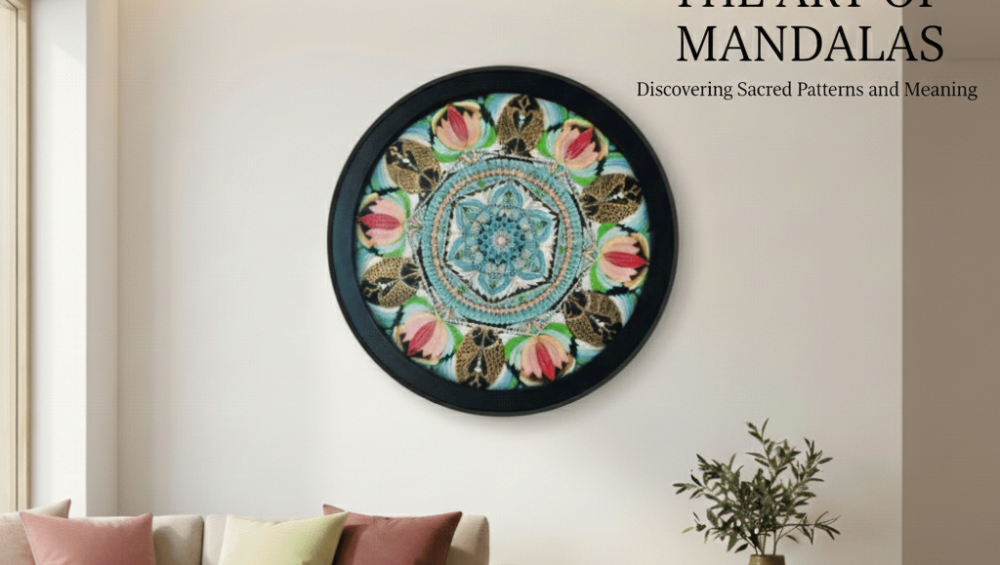
Dot mandala art is a timeless craft with deep roots in Indian history, a spiritual language, and a meditation journey. It is more than just a visual expression. Even though mandalas are now appreciated all over the world, Indian dot mandala art is still a hidden jewel that subtly influences contemporary spiritual practices, interior design, and mindful living movements worldwide. This age-old art form is honored at Ranggat as a link between tradition and modern inventiveness.

The Origins of Dot Mandala Art in India

Mandala, which means “circle” or “center of the sacred,” comes from the ancient Sanskrit language. For thousands of years, Hinduism, Buddhism, and Jainism have utilized mandalas as instruments for meditation, spiritual concentration, and cosmic representation in India.

Within this history, dot mandala art developed as a distinctive artistic expression. Artists started creating complex geometric designs with properly positioned dots rather than lines or freehand drawings. This dot-based method placed a strong emphasis on discipline, patience, and mindfulness—values that are fundamental to Indian philosophy.

Historically, dot patterns appeared in:

  • Temple floor art and ritual diagrams
  • Tribal and folk art traditions
  • Spiritual yantras used during meditation and prayers

The act of creation was as sacred as the finished piece of art as each dot represented a moment of awareness.

Symbolism Behind Dot Mandala Art

Every shape, color, and pattern in dot mandala art has a deep symbolic meaning.

1. The Central Dot (Bindu)

The center dot stands for self-realization, consciousness, and the beginning of the universe. It represents unity, the starting point and return point of all energy.

2. Circular Patterns

The center dot stands for self-realization, consciousness, and the beginning of the universe. It represents unity, the starting point and return point of all energy.

3. Sacred Geometry

Dot Mandalas’ geometric symmetry reflects cosmic order. It is thought that by aligning the viewer’s energies, these patterns produce a relaxing and anchoring effect.

4. Color Psychology

Traditional Indian mandalas use colors intentionally:

  • Red for energy and strength
  • Blue for calmness and wisdom
  • Yellow for knowledge and positivity
  • Green for healing and growth

At Ranggat, colors are thoughtfully chosen to evoke both spiritual depth and modern aesthetic appeal.

Why Dot Mandala Art Resonates with Modern Spiritual Sensibilities

People actively seek for emotional balance, inner serenity, and mindfulness in today’s fast-paced, technologically advanced environment. These needs are readily met by dot mandala art.

Mindfulness and Meditation

Making or viewing Dot Mandala Art calms the mind. Similar to breath-focused meditation or mantra chanting, the repetitive dotting technique creates a contemplative state.

Spiritual Without Being Religious

Spirituality without tight structures is often sought after by modern audiences. Mandala art is universally relevant because it provides spiritual symbolism that transcends religious boundaries.

Healing and Mental Wellness

Many therapists and wellness practitioners use mandala art for:

  • Stress reduction
  • Anxiety management
  • Emotional healing

The structured yet creative nature of dot mandalas brings a sense of control and calm.

Dot Mandala Art and Contemporary Aesthetic Appeal

Beyond spirituality, Dot Mandala Art has found a strong place in modern design and decor.

Interior Design & Home Decor

Minimalist homes, bohemian spaces, and luxury interiors now feature dot mandala artworks as:

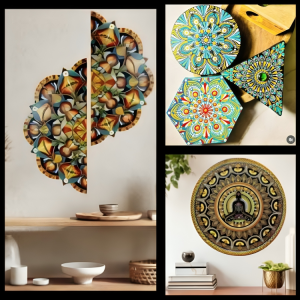
  • Wall art and murals
  • Decorative plates and canvases
  • Meditation and yoga room accents

Fashion & Lifestyle Products

From clothing prints to accessories, mandala patterns are celebrated for their timeless elegance and symmetry.

Social Media & Global Art Platforms

Platforms like Instagram and Pinterest have helped Dot Mandala Art gain global recognition. Artists from India, through brands like Ranggat, are now influencing international design trends.

Ranggat: Preserving Tradition, Inspiring the World

At Ranggat, Dot Mandala Art is not treated as a trend but as a living heritage. Each piece reflects:

  • Respect for Indian cultural roots
  • Precision, patience, and craftsmanship
  • A blend of traditional symbolism with modern aesthetics

Ranggat’s mission is to bring India’s hidden artistic treasures to the global stage while supporting authentic craftsmanship and mindful creativity.

Dot Mandala Art is situated at the nexus of contemporary global consciousness and traditional Indian knowledge. Its visual appeal strikes a deep chord with today’s thoughtful, design-conscious world, its symbolism reflects universal harmony, and its origins speak of spirituality and discipline.

India’s Dot Mandala Art, promoted by Ranggat, shines as a timeless jewel as the world’s art landscape continues to embrace meaningful and soulful creations. It serves as a reminder that true beauty starts at the core and spreads outward, one dot at a time.
CategoriesCreative

The Silent Awakening: A Soulful Expression of Buddha’s Serenity and Spiritual Bloom

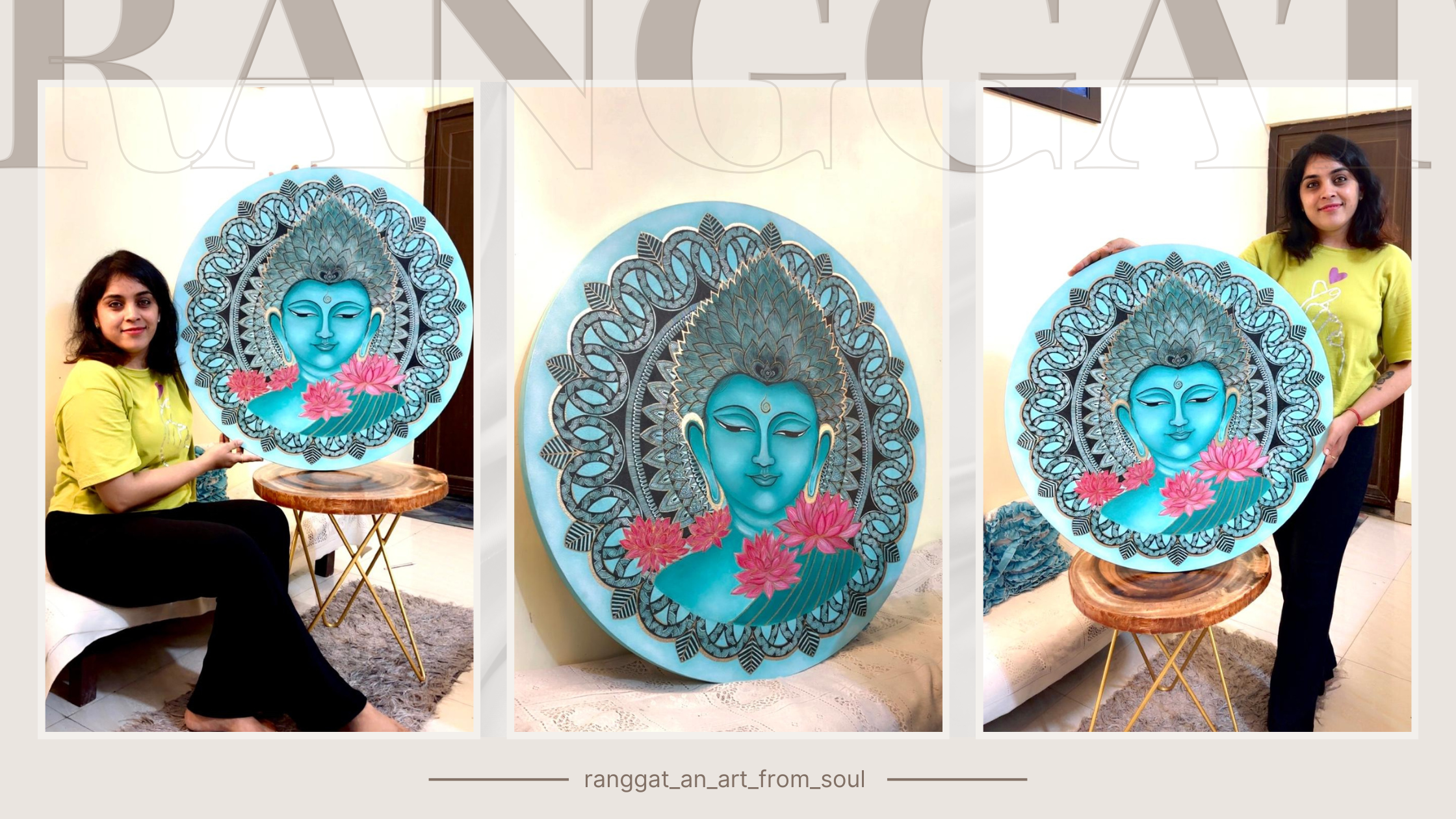
The Silent Awakening” welcomes us into a sacred space of calm, stillness, and spiritual reflection in a world that frequently embraces noise and movement. More than simply a painting, this delightful piece of art, lovingly created by Suruchi Purwar, is a meditation journey and a powerful symbol of the strength of inner calm.

Every piece of art at Ranggat: An Art from Soul is more than just a work of art; it is a feeling, an energy, and a connection to the divine. “The Silent Awakening” is a perfect embodiment of that philosophy.

The Story Behind the Artwork

The peaceful face of Buddha is shown in “The Silent Awakening,” painted in calming turquoise tones that stand for wisdom, healing, and calm. Bright pink lotuses, which emerge from the depths of silence as symbols of purity and spiritual awakening, surround him. The beautiful mandala designs that are hand-drawn with care and accuracy adorn the background, symbolizing the interconnection of all life and the endless nature of the universe.

The lotus, which emerges from the mud but is unaffected by it, represents our own capacity to rise above chaos and blossom into our most authentic selves. Buddha’s closed eyelids indicate a turning inward, a divine awakening that starts with presence rather than sound.

The Artist’s Vision – Suruchi Purwar

Ranggat’s owner, Suruchi Purwar, puts her heart, soul, and many months of spiritual research into each brushstroke. Through “The Silent Awakening,” Suruchi offers a spiritual experience with silence in addition to a visual one. She connects traditional Indian knowledge with modern reflection through the use of natural materials, fine detailing, and sacred symbolism.

This painting conveys a story of transformation, peace, and the timeless movement between stillness and awakening through each curve, color, and line.

Why This Artwork Resonates

  • Symbolizes serenity and spiritual reflection
  • Perfect for yoga studios, meditation areas, or mindful home decor
  • A reminder of inner grace, balance, and self-awareness
  • Rich in Indian symbolism and sacred geometry
  • A timeless gift for those seeking meaning and mindfulness

Available at Ranggat: An Art from Soul

Whether you’re a collector of spiritual art or simply drawn to the sacred energy of Buddha, “The Silent Awakening” is more than a piece for your wall—it’s a mirror for your soul. This piece of art, which is only available at Ranggat, encourages you to pause, take a deep breath, and find inner peace.

Ranggat: An Art from Soul
Because true art doesn’t just decorate—it transforms.

CategoriesTips & Tricks

The Power of Art: A Gateway to Inner Strength

The Power of Art: A Gateway to Inner Strength

Art is more than just a visual delight; it is a powerful tool for personal growth and emotional strength. Engaging with art, whether through creation or appreciation, can unlock hidden depths of inner strength. This article explores the ways in which art may be a means of identifying and fostering your inner resilience, offering a route to emotional health and self-awareness.

“At the deepest level, the creative process and the healing process arise from a single source. When you are an artist, you are a healer; a wordless trust of the same mystery is the foundation of your work and its integrity.”
― Rachel Naomi Remen

Art as a Form of Self-Expression

Art provides a unique platform for self-expression. Through various mediums such as painting, sculpture, music, or writing, individuals can communicate their innermost feelings and thoughts. This process of expressing emotions through art can be therapeutic, helping to release pent-up emotions and discover inner strength.

The Meditative Nature of Creating Art

Creating art can help you become more focused and thoughtful. Artists frequently experience a state of flow in which time appears to stop as they get completely immersed in their work. In addition to calming the mind, this meditative state helps in the growth of patience and power, two qualities that are essential for inner strength.

Art as a Tool for Overcoming Challenges

Life’s challenges can be frightening, but art offers a way to process and overcome them. Many individuals turn to art during difficult times, finding comfort in the creative process. Whether it’s drawing, writing poetry, or playing an instrument, art helps in navigating through pain, fear, and uncertainty, transforming these challenges into sources of strength.

Inspiration and Motivation from Art

Art has the power to inspire and encourage. One can become more hopeful and determined when they see or make art that speaks to their own journey. Stories of artists who have triumphed over adversity through their work serve as reminders of the unstoppable human spirit, encouraging others to find and embrace their inner strength.

Building a Community Through Art

Art frequently unites people, creating communities where people can support one another and exchange experiences. Taking part in workshops, exhibitions, or group art projects promotes a feeling of community and group resilience. These communities become havens of mutual encouragement and strength.

The power of art lies in its ability to act as a gateway to inner strength. People can overcome obstacles, connect with others more deeply, and explore their emotions by creating art. Whether you are making art or just enjoying it, the process is one of empowerment and self-discovery.

Embrace the influence of art in your life. Explore different forms of artistic expression and learn how they might help you access your inner strength. In order to inspire others and receive inspiration yourself, join art communities and share your journey.