Learn with Ranggat | Dot Mandala Painting for Beginners: Simple Step-by-Step GuideCategoriesCreative Tips & Tricks

Learn with Ranggat | Dot Mandala Painting for Beginners: Simple Step-by-Step Guide

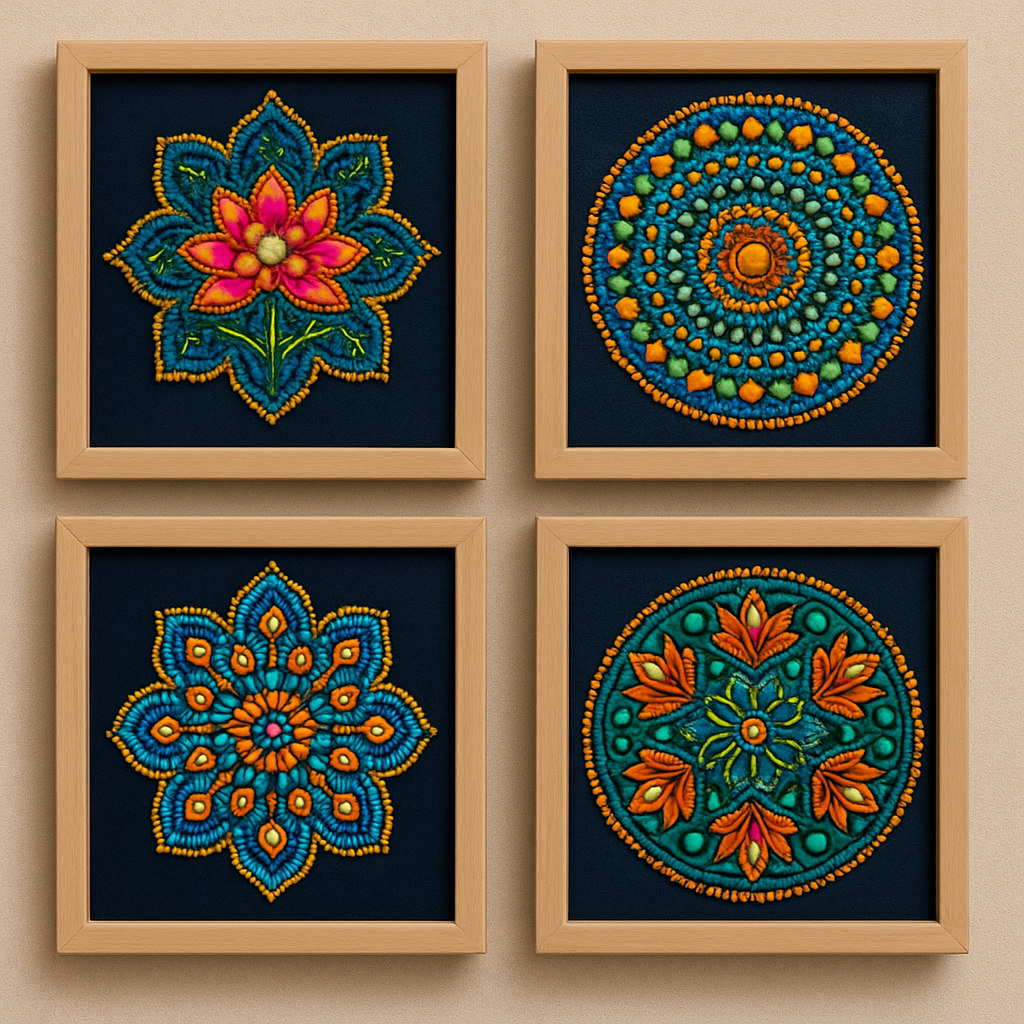
Dot mandala painting is a beautiful and relaxing art form. It is made using small dots placed in a circular pattern. Anyone can learn dot mandala art—even if you have never painted before. You do not need expensive tools or professional skills. You only need patience and practice.

This guide will help you learn dot mandala painting step by step in very simple words.

What Is Dot Mandala Painting?

Dot mandala painting is an art style where designs are created using dots.
The word mandala means circle.
The design usually starts from the center and moves outward in a balanced pattern.

This art is known for:

  • Calm and relaxing feeling
  • Beautiful symmetry
  • Easy learning for beginners

Materials Needed for Dot Mandala Painting

You do not need many things to start.

Basic materials:

  • Acrylic colors
  • Canvas paper / canvas board / stone
  • Dotting tools (or toothpick, pencil back, cotton bud)
  • Pencil
  • Scale (ruler)
  • Compass (optional)

Step 1: Prepare Your Surface

  • Choose a canvas or paper
  • Paint a base color (black, white, or any dark color looks good)
  • Let it dry completely

A smooth and dry surface helps dots look neat.

Step 2: Find the Center Point

  • Use a pencil to find the center of your canvas
  • Draw light circles or lines for guidance
  • These lines help keep the design balanced

Do not press the pencil too hard.

Step 3: Start with the Center Dot

  • Take one color
  • Make one dot exactly in the center
  • This is the starting point of your mandala

Always start from the center and move outside.

Step 4: Create Dot Rows

  • Place small dots around the center dot
  • Keep equal space between each dot
  • Change colors if you like
  • Slowly increase dot size as you move outward

Work slowly and calmly.

Step 5: Use Different Dot Sizes

  • Small dots for detail
  • Medium dots for design
  • Big dots for outer layers

Using different dot sizes makes your mandala look beautiful.

Step 6: Let It Dry

  • Do not touch wet dots
  • Let the painting dry fully
  • You can add a varnish later for shine (optional)

Tips for Beginners

  • Practice on paper before canvas
  • Keep your hand steady
  • Clean your tool after every color
  • Do not rush—enjoy the process

Mistakes are part of learning.

Why Dot Mandala Art Is Special

  • Easy for beginners
  • Improves focus and patience
  • Reduces stress
  • Creates beautiful results

Anyone can learn with regular practice.

Dot mandala painting is not about perfection.
It is about peace, balance, and creativity.

Start simple, practice daily, and enjoy the journey.

READ ALSO : Dot Mandala Painting Techniques: Tips and Tricks
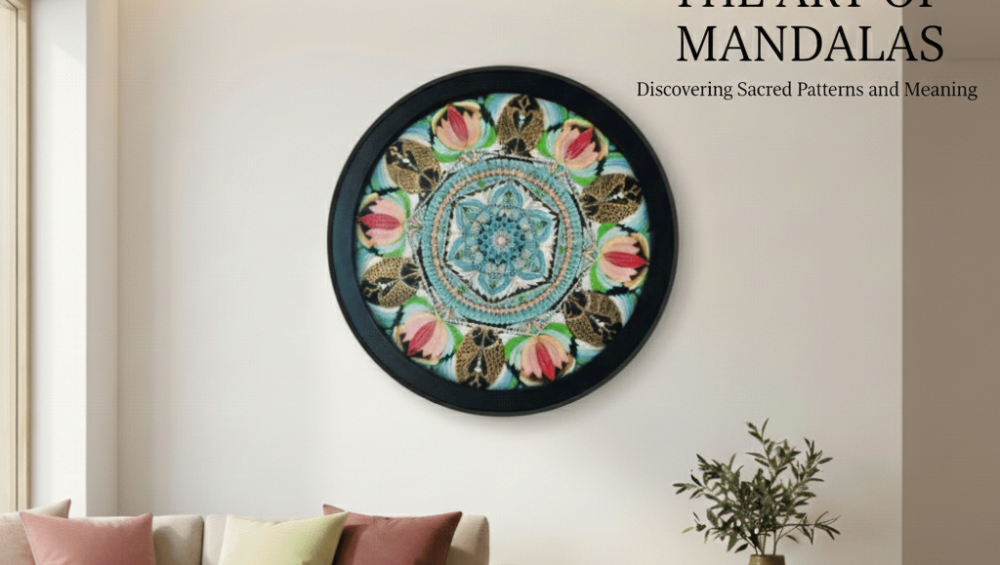
Ranggat | Dot Mandala Art: India’s Hidden Gem in the Global Art SceneCategoriesTips & Tricks

Ranggat | The Origins and Meaning of Dot Mandalas Around the World

Dot mandalas are captivating pieces of art that blend meditative repetition, vivid colors, and complex patterns. Although they may appear to be straightforward decorative elements at first, each dot, line, and circle has centuries-old cultural and spiritual meaning. Dot mandala have spread across continents from tribal customs to modern art, demonstrating humanity’s continuous attraction with symmetry, symbolism, and attentiveness.

What is a Dot Mandala?

Based from the Sanskrit word for “circle,” a mandala is a symbolic design that stands for unity, balance, and the cosmos. In particular, dot mandalas use dots as the basic building blocks to create complex designs that radiate outward from a center point. To create a sense of depth and harmony, these designs frequently use geometric shapes, floral themes, and layers of color.

Unlike traditional brush or pencil mandalas, dot mandalas often use tools like styluses, nails, or even cotton swabs to create consistent, circular dots, resulting in a textured, almost tactile visual experience.

Historical Origins

While mandalas are most famously associated with Hinduism and Buddhism in South Asia, dot mandalas have emerged independently in various cultures:

  • Indigenous Australian Art: Dot painting has been a central part of Aboriginal art for thousands of years. These artworks use dots to depict stories, landscapes, and spiritual concepts. The use of dots represents the interconnectedness of life and often encodes ancestral knowledge and cultural narratives.
  • Tibetan and Hindu Traditions: Mandalas in Tibetan Buddhism and Hinduism are spiritual tools for meditation, representing the cosmos and the path to enlightenment. Monks create elaborate mandalas using colored sand, where each grain acts as a symbolic dot, demonstrating impermanence and devotion.
  • Modern Western Adaptations: In recent decades, dot mandalas have gained popularity as a therapeutic art form, blending traditional symbolism with contemporary design aesthetics. Artists around the world now create dot mandalas as part of mindfulness practices, home décor, and personal expression.

The Symbolism Behind Dot Mandalas

Dot mandalas carry deep symbolism:

  • Circles represent wholeness, eternity, and unity.
  • Dots emphasize individuality within the collective, illustrating how small actions contribute to a larger whole.
  • Symmetry reflects balance, harmony, and the interconnectedness of life.
  • Colors often have specific meanings—red for energy, blue for calm, yellow for joy, and green for growth.

For many, creating or observing dot becomes a meditative practice, encouraging focus, self-reflection, and emotional healing.

Dot Mandalas in Contemporary Culture

Nowadays, dot mandalas are praised worldwide for both their aesthetic appeal and their therapeutic qualities. Thanks to workshops, do-it-yourself kits, and social media platforms that showcase artists from diverse backgrounds, the art form is accessible to everybody. They are used in classrooms, meditation rooms, and even corporate wellness programs to foster awareness and creativity.

mandala are a celebration of human creativity, an aid for meditation, and a bridge across civilizations in addition to being beautiful works of art. mandalas, which can be seen in anything from the hallowed sands of Tibetan temples to the vibrant paintings of contemporary artists, serve as a reminder that every tiny action—like a single dot—contributes to a greater, harmonious total.

ranggat Dot mandala connect us to a timeless global heritage that embodies beauty, harmony, and mindfulness in every circle, whether you make them for creative expression, spiritual contemplation, or just the pleasure of creating patterns.

Mandala Art Therapy: Reduce Stress Through Creative PatternsCategoriesTips & Tricks

Dot Mandala Painting Techniques: Tips and Tricks
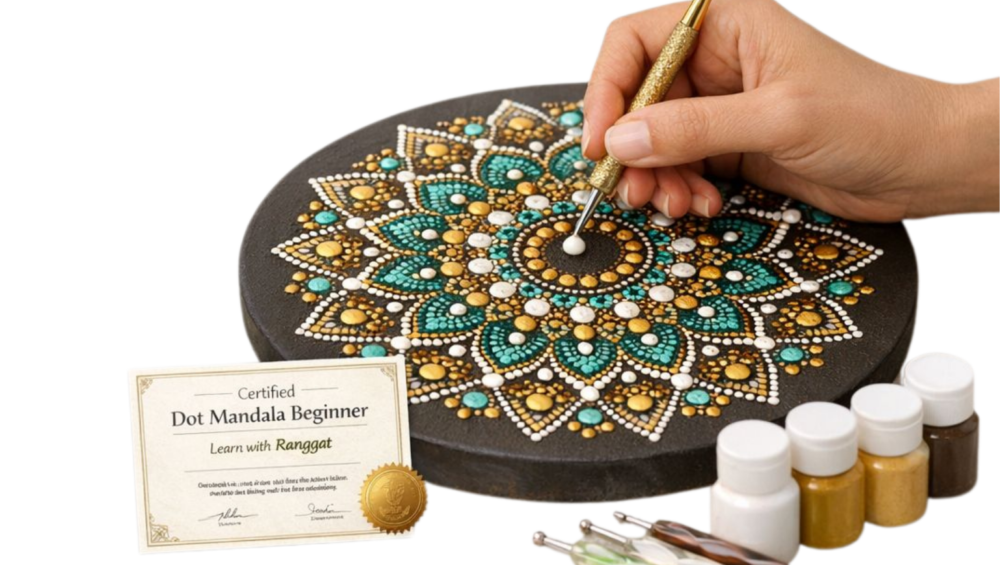
Dot mandala art, which combines creativity, mindfulness, and eye-catching visual appeal, has swept the creative world. Gaining proficiency in dot mandala techniques can lead to a whole new level of artistic fulfillment, regardless of your level of experience. We’ll go over key pointers, methods, and strategies in this post to assist you in producing beautiful dot mandala paintings.

What is a Dot Mandala?

Dots of different sizes and colors are arranged in complex patterns to produce a dot mandala, a type of circular art. Dot mandalas, in contrast to traditional mandalas, are constructed with styluses, brushes, or even commonplace objects like cotton swabs or toothpicks. Every dot is deliberately placed to create symmetrical and captivating patterns.

Dot mandalas are calming in addition to being aesthetically beautiful. Dotting is a repetitive activity that can encourage mindfulness and relaxation.

Essential Tools for Dot Mandala Painting

Before diving into techniques, it’s important to have the right tools:

  • Dotting tools: Available in different sizes for creating varied dots.
  • Acrylic paints: Vibrant, quick-drying, and easy to layer.
  • Canvas, rocks, or wood: Surfaces suitable for dot painting.
  • Compass and pencil: To sketch your circular guide before dotting.
  • Toothpicks, Q-tips, or stylus substitutes: Great for smaller or more intricate dots.

Techniques to Master Dot Mandala Art

1. Start with a Base Design

  • Lightly sketch a circle or basic mandala structure on your canvas.
  • Use radial symmetry: divide your circle into even sections to guide dot placement.

2. Layering Colors

  • Start with the largest dots at the center.
  • Gradually move outward, reducing dot size for a detailed look.
  • Layer contrasting colors to make patterns pop.

3. Vary Dot Sizes

  • Use different tools or tip sizes to create depth and dimension.
  • Large dots create bold patterns, while small dots add intricate detailing.

4. Create Patterns

  • Combine concentric circles, spirals, and geometric shapes.
  • Alternate colors and dot sizes for rhythm and flow.

5. Use Symmetry

  • Dot mandalas rely heavily on symmetry for balance.
  • Check your work from different angles to ensure even spacing.

6. Mind the Spacing

  • Consistent spacing between dots is key to a clean design.
  • For beginners, lightly mark dot placements with a pencil before painting.

7. Practice Patience

  • Dot mandala painting is meditative but requires patience.
  • Work slowly, one dot at a time, focusing on precision rather than speed.

Advanced Tips and Tricks
  • Blending Colors: Mix paints slightly before dotting to create gradient effects.
  • Textured Dots: Use different tools like brushes or cotton buds for unique textures.
  • Experiment with Surfaces: Wood, stones, and even glass can give your dot mandalas a fresh look.
  • Varnish for Shine: Once dry, add a clear varnish to protect and enhance colors.

Benefits of Dot Mandala Painting

  • Boosts focus and concentration.
  • Promotes stress relief and mindfulness.
  • Encourages creativity and color experimentation.
  • Produces visually stunning pieces suitable for home decor or gifts.

Painting dot mandalas is a creative and conscious journey rather than only a pastime. You may improve your artwork from basic dots to complex, captivating mandalas by using these methods and strategies. Recall that experimentation, symmetry, and patience are crucial. You’re getting closer to producing something genuinely original with every dot you add.

READ ALSO | Dot Mandala Art Therapy: Reduce Stress Through Creative Patterns

The House of Ranggat (THOR): Where Art Is Created with Purpose, Not for ViralityCategoriesCreative

The House of Ranggat (THOR): Where Art Is Created with Purpose, Not for Virality

The House of Ranggat (THOR) is not simply an art brand—it is a legacy art brand in the making. Rooted in intention, patience, and meaning, THOR is built for longevity rather than trends. It represents a conscious approach to art where quality matters more than virality, and depth matters more than speed.

At The House of Ranggat, art is created not just for today, but for generations to come.

Core Philosophy: Quality Over Virality

In an era where art is often measured by reach, likes, and instant visibility, The House of Ranggat follows a different path. The foundation of THOR rests on a clear belief:

True art creates legacy. Virality is temporary.

Every artwork begins with one central question:

“Why does this art matter?”

This question defines the process, the purpose, and the long-term value of each creation, positioning Ranggat as a brand built on substance rather than short-term attention.

Art Style and the Legacy-Centered Creative Process

The House of Ranggat focuses on timeless and meaningful art forms, including:

  • Mandala Art
  • Sacred Geometry
  • Textured and Layered Artworks

These forms are chosen for their historical, spiritual, and meditative significance. Each artwork is created through a slow, disciplined, and mindful process, ensuring balance, rhythm, and emotional depth.

The intention is simple: to create art that endures—visually, emotionally, and culturally.

The Three Core Verticals of The House of Ranggat

1. Ranggat Home Decor

Ranggat Home Decor represents the tangible legacy of the brand. These handcrafted artworks are designed to live within homes and spaces as long-term elements of identity and energy, not temporary decor pieces.

Each work becomes part of a living environment, growing in value and meaning over time.

2. Learn with Ranggat

A true legacy is sustained through learning and knowledge sharing.
Learn with Ranggat focuses on education through workshops, guided practices, and creative learning experiences. This vertical ensures that artistic techniques, philosophy, and awareness are passed on to future creators and conscious learners.

3. Ranggat Foundation

The heart of The House of Ranggat lies in giving back.
Through Ranggat Foundation, a portion of every artwork and learning experience supports free art education and creative resources for communities and NGOs.

In this way, art does not remain confined to private spaces—it returns to society and contributes to cultural growth.

The Four Pillars of THOR

1. Creation
High-quality, meaningful artworks that define brand value and attract conscious collectors.

2. Process & Philosophy
Transparency and depth in the creative journey, building trust, emotional connection, and authenticity.

3. Learning & Awareness
Education as a foundation for long-term community building and generational continuity.

4. Giving & Impact
Social responsibility that strengthens the ethical and cultural legacy of the brand.

What Makes The House of Ranggat a Legacy Art Brand

  • Focus on timeless art rather than fast trends
  • Strong philosophical foundation behind every creation
  • Integration of art, education, and social impact
  • Commitment to long-term cultural and emotional relevance

The House of Ranggat is designed to endure—to create, teach, share, and give art back to the world as a living legacy.

The House of Ranggat (THOR) stands as a legacy art brand built on meaning, discipline, and purpose. By balancing Soul (creative process), Market (sustainable growth), and Heart (social impact), THOR is shaping a creative ecosystem that goes beyond commerce.

Best Mandala Wall Art Styles Trending in 2025CategoriesCreative Tips & Tricks

Ranggat |The Hidden Power of Mandala Geometry in Meditation and Healing

Mandalas are ancient visual aids intended to direct the mind toward balance and serenity; they are much more than just ornamental designs. Mandala art, which has its roots in sacred geometry, has been utilized for ages in various civilizations’ meditation and healing rituals. Mandala geometry provides a peaceful, potent means of reestablishing inner peace in a world full of noise and distraction. Mandalas at Ranggat are deliberate designs that bring presence, clarity, and emotional harmony into ordinary areas rather from being only works of art.

What Is Mandala Geometry?

Mandala is a Sanskrit term that means “holy circle.” Precise, harmonic patterns that mirror the universe’s inherent order are used to construct mandala geometry.

Common geometric elements include:

  • Dots (Bindu) – the point of origin and awareness
  • Circles – wholeness, protection, and infinity
  • Symmetry – balance between inner and outer worlds
  • Repetition – rhythm that gently draws the mind inward

These elements work together to create a visual structure that naturally slows mental activity and centers attention.

How Mandala Geometry Enhances Meditation

Focus is often the first step in meditation, and mandalas offer a potent focal point. The mind follows when the eyes focus on a geometric shape that is balanced.

Benefits of Meditating with Mandalas

  • Encourages deep concentration
  • Reduces mental restlessness
  • Supports mindful breathing
  • Creates a natural meditative rhythm

Mandala geometry serves as a visual anchor that makes it easier for practitioners to enter and stay in a peaceful, meditative state.

The Healing Influence of Mandala Art

Mandala art is effective on an energetic and psychological level. Its geometry’s harmony reflects the equilibrium the body and mind strive for when healing.

Healing Benefits of Mandala Geometry

  • Reduces stress and anxiety
  • Promotes emotional stability
  • Enhances positive energy flow
  • Encourages self-awareness and reflection

For this reason, mandala art is frequently utilized in therapy rooms, yoga studios, healing areas, and spiritual settings.


Sacred Geometry: Where Science Meets Spirituality

In addition to being symbolic, mandala geometry is closely related to the way the human brain interprets patterns. It is well recognized that symmetrical shapes trigger the brain’s relaxation response, which lessens overstimulation.

Scientific studies show that balanced visual patterns:

  • Support mental clarity
  • Improve focus and creativity
  • Harmonize left and right brain activity

Sacred geometry, through mandalas, bridges ancient spiritual wisdom with modern psychological understanding.

Mandala Art in Modern Living Spaces

Mandalas now include contemporary interiors in addition to their traditional spiritual contexts. A living area can become a haven with well-placed mandala art.

Why Mandalas Belong in Contemporary Homes

  • Create a calm and mindful atmosphere
  • Enhance meditation and yoga practices
  • Add depth and meaning to wall décor
  • Blend aesthetics with spiritual intention

At Ranggat, mandala art is designed to integrate seamlessly into modern homes while preserving its sacred essence.

Ranggat’s Approach to Mandala Geometry

Ranggat views mandala art as a silent form of communication—one that speaks through balance, intention, and stillness.

Each mandala is created with:

  • Purposeful geometry
  • Thoughtful symmetry
  • An emphasis on emotional and energetic harmony

Rather than demanding attention, Ranggat’s mandalas gently invite contemplation and presence.

The ability of mandala geometry to bring the mind back to equilibrium without the use of force or words is its secret strength. Mandalas teach us via healing and meditation that balance is something we remember rather than something we pursue.

A mandala is not just art on a wall.
It is a quiet companion—holding space for stillness, awareness, and inner healing.

CategoriesCreative

The Silent Awakening: A Soulful Expression of Buddha’s Serenity and Spiritual Bloom

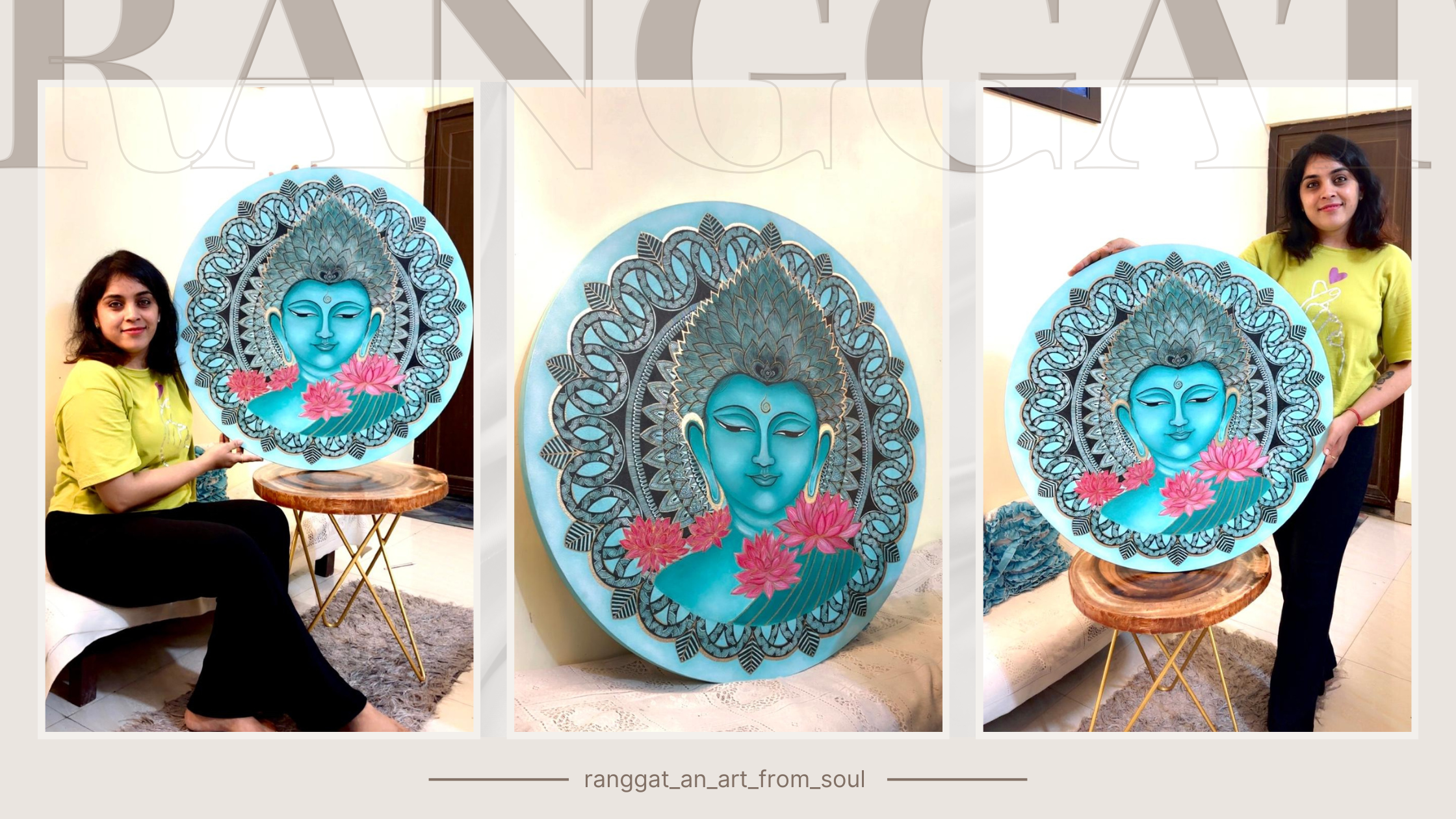
The Silent Awakening” welcomes us into a sacred space of calm, stillness, and spiritual reflection in a world that frequently embraces noise and movement. More than simply a painting, this delightful piece of art, lovingly created by Suruchi Purwar, is a meditation journey and a powerful symbol of the strength of inner calm.

Every piece of art at Ranggat: An Art from Soul is more than just a work of art; it is a feeling, an energy, and a connection to the divine. “The Silent Awakening” is a perfect embodiment of that philosophy.

The Story Behind the Artwork

The peaceful face of Buddha is shown in “The Silent Awakening,” painted in calming turquoise tones that stand for wisdom, healing, and calm. Bright pink lotuses, which emerge from the depths of silence as symbols of purity and spiritual awakening, surround him. The beautiful mandala designs that are hand-drawn with care and accuracy adorn the background, symbolizing the interconnection of all life and the endless nature of the universe.

The lotus, which emerges from the mud but is unaffected by it, represents our own capacity to rise above chaos and blossom into our most authentic selves. Buddha’s closed eyelids indicate a turning inward, a divine awakening that starts with presence rather than sound.

The Artist’s Vision – Suruchi Purwar

Ranggat’s owner, Suruchi Purwar, puts her heart, soul, and many months of spiritual research into each brushstroke. Through “The Silent Awakening,” Suruchi offers a spiritual experience with silence in addition to a visual one. She connects traditional Indian knowledge with modern reflection through the use of natural materials, fine detailing, and sacred symbolism.

This painting conveys a story of transformation, peace, and the timeless movement between stillness and awakening through each curve, color, and line.

Why This Artwork Resonates

  • Symbolizes serenity and spiritual reflection
  • Perfect for yoga studios, meditation areas, or mindful home decor
  • A reminder of inner grace, balance, and self-awareness
  • Rich in Indian symbolism and sacred geometry
  • A timeless gift for those seeking meaning and mindfulness

Available at Ranggat: An Art from Soul

Whether you’re a collector of spiritual art or simply drawn to the sacred energy of Buddha, “The Silent Awakening” is more than a piece for your wall—it’s a mirror for your soul. This piece of art, which is only available at Ranggat, encourages you to pause, take a deep breath, and find inner peace.

Ranggat: An Art from Soul
Because true art doesn’t just decorate—it transforms.

CategoriesCreative

Beauty, Balance, Belonging: The Three Pillars of Ranggat’s Art Philosophy

Beauty, Balance, Belonging: The Three Pillars of Ranggat’s Art Philosophy

Every piece I make at Ranggat is the result of deep spirituality and emotion. As an artist, true art is built on the three essential pillars of beauty, balance, and belonging. They are more than concepts; they are the fundamentals that influence each brushstroke and dot I apply to the canvas.

Beauty: The Soul of Art

For me, beauty is more than what meets the eye. It’s about capturing a moment of emotion, a feeling that can be felt long after you’ve stepped away from the artwork. At Ranggat, I focus on creating pieces that are visually appealing and deeply meaningful. Through bright colors, intricate details, and spiritual concepts, I strive to create beauty that sparks a sense of wonder and tranquility.

Balance: The Harmony Between Chaos and Calm

Art is an eternal journey between chaos and calm. At Ranggat, I look for that harmony – where bold strokes meet delicate lines and vibrant colors find peace within pastel shades. The result is a piece that feels balanced, resonant, and complete. For me, balance is more than simply a design concept; it’s a reminder of life itself, a mindset I try to express in each piece I create.

Belonging: The Connection Between Soul and Space

Each artwork I create is made with a purpose — to inspire belonging. Belonging within ourselves, within our spaces, and within a greater sense of the universe. The right piece of art has the power to make a room feel like home and to make a person feel seen and connected. Every artwork at Ranggat serves as an interface for a sense of belonging; it is a space where color, pattern, and symbol invite a deeper sense of belonging for those who experience it

The Heart of Ranggat

From the perspective of an artist, I see each piece of Ranggat’s work as a representation of life itself: beautiful, balanced, and belonging. Ranggat’s philosophy and goal, which is to create strong bonds between art and viewers so that every space appears calm, spiritual, and appealing, are both described by these three pillars.

Ranggat offers a collection of handcrafted mandalas, spiritual wall decor, and artworks that are inspired by the concepts of balance, beauty, and belonging. I invite you to explore the collection at Ranggat. Together, we can transform spaces into soulful sanctuaries.

CategoriesCreative

5 Simple Ways to Elevate Your Home with Handmade Art

Handmade art enhances your living area with soul, narrative, and warmth in addition to beauty. Whether you’re renovating a room or designing a new house, these five easy methods will help you employ handmade art for home decor to add charm and personality to your interiors.

1. Create a Focal Point

An exquisite handmade painting has the potential to become the focal point of a space. Above your bed or sofa, hang an appealing work of art to define the room and attract attention. For an impactful focal point, use motifs that speak to your own beliefs, such as abstract shapes, spiritual symbols, or patterns inspired by nature.

Tip: Position your focal artwork at eye level and balance it with moderate furniture to let it truly shine.

2. Mix and Match Styles

Don’t be scared to combine and match different materials and styles. Your space can be made more interesting and intricate by combining current abstract art with ancient decor or traditional wooden sculptures with colorful plastic mandalas. Use the fact that handmade art embraces uniqueness and imperfections to your advantage!

Tip: Use a unifying color palette or complementary tones to tie diverse pieces together harmoniously.

3. Incorporate Texture

Incorporate Texture

Handmade art is a physical experience as much as an aesthetic one. Texture, such as carved wooden patterns or layered resin finishes, gives flat walls and furniture depth. Textured pieces invite interaction and offer a cozy, lived-in vibe.

Tip: Combine smooth surfaces with rougher, natural textures (like jute or clay) for a grounded and inviting feel.

4. Personalize with Meaningful Themes

Personalize with Meaningful Themes

Select pieces that reflect your passions, history, or story. Handcrafted art frequently conveys a narrative or cultural significance that mass-produced decor does not. Art that reflects your identity should be shown, whether it be traditional tribal patterns, spiritual themes, or coastal scenery.

Tip: Curate a gallery wall with smaller handmade items that each tell a story or represent different life chapters.

5. Embrace Natural Elements

Many handmade artworks use natural materials like stone, wood, or dried plants. These elements help in creating a peaceful, natural-inspired vibe in your house. Create an elegant look by combining handcrafted ceramics, woven baskets, and earthy tones.

Tip: Place handmade vases or woven art near indoor plants to blend nature and artistry seamlessly.

Handmade artwork transforms houses into homes. By carefully choosing your furnishings, you can create a room that feels like it belongs to you and looks stunning. Let your home reflect the essence of its art, start small, and be true to yourself.

CategoriesCreative

Top 5 Basic Mandala Patterns Every Beginner Should Know

Mandala Art

In Buddhism and Hinduism, mandalas are elaborate, symmetrical patterns that symbolize the universe. However, mandalas have transcended their spiritual roots to become a universal representation of creativity, concentration, and meditation. It’s essential to start with the fundamentals if you’re new to the peaceful world of mandala art. These five basic mandala designs are easy to learn, calming, and the ideal starting point for your artistic journey.

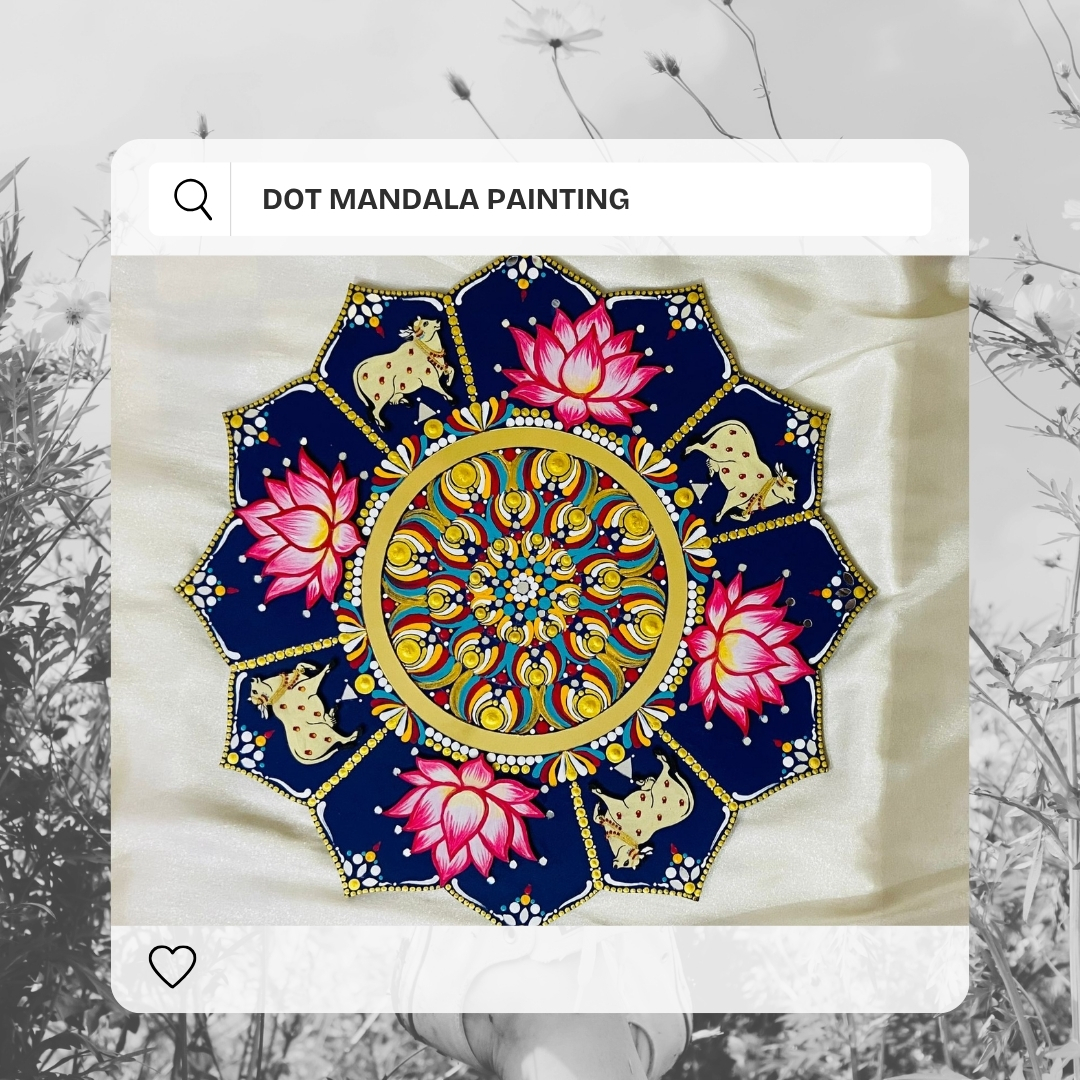
1. Dot Patterns

Dot Mandala Painting

Why it’s great for beginners: One of the most basic mandala designs is the dot pattern, which requires little sketching ability. They help to create symmetry and balance and are the cornerstone of many intricate mandalas.

How to start: Start with a central dot and use evenly spaced dots to extend outward in circles. A pencil, pen, or even an ink-dipped toothpick or dotting tool can be used.

Tip: Draw guide circles for spacing using a compass and ruler.

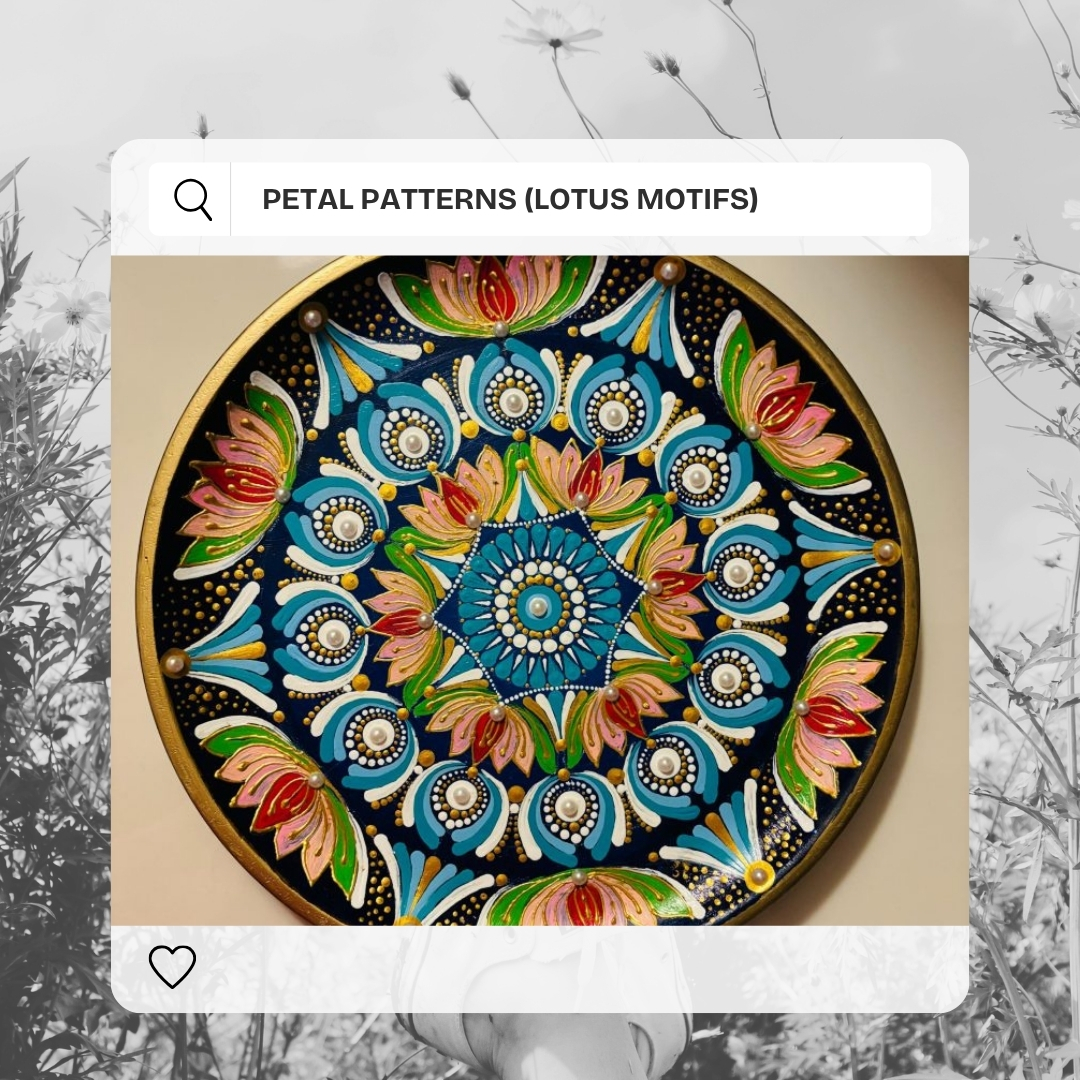
2. Petal Patterns (Lotus Motifs)

Petal Pattern(Lotus Motifs)

Why it’s great for beginners: Inspired by the lotus flower, petal designs are elegant and simple to learn. They stand for spiritual awakening and purity.

How to start: Draw a few simple petal forms in circular symmetry from a central point. By sketching a second or third row below the first, you can layer the petals and gradually improve their complexity.

Tip: Make sure your lines are even and bright. An attractive rhythm is created by consistent petal size.

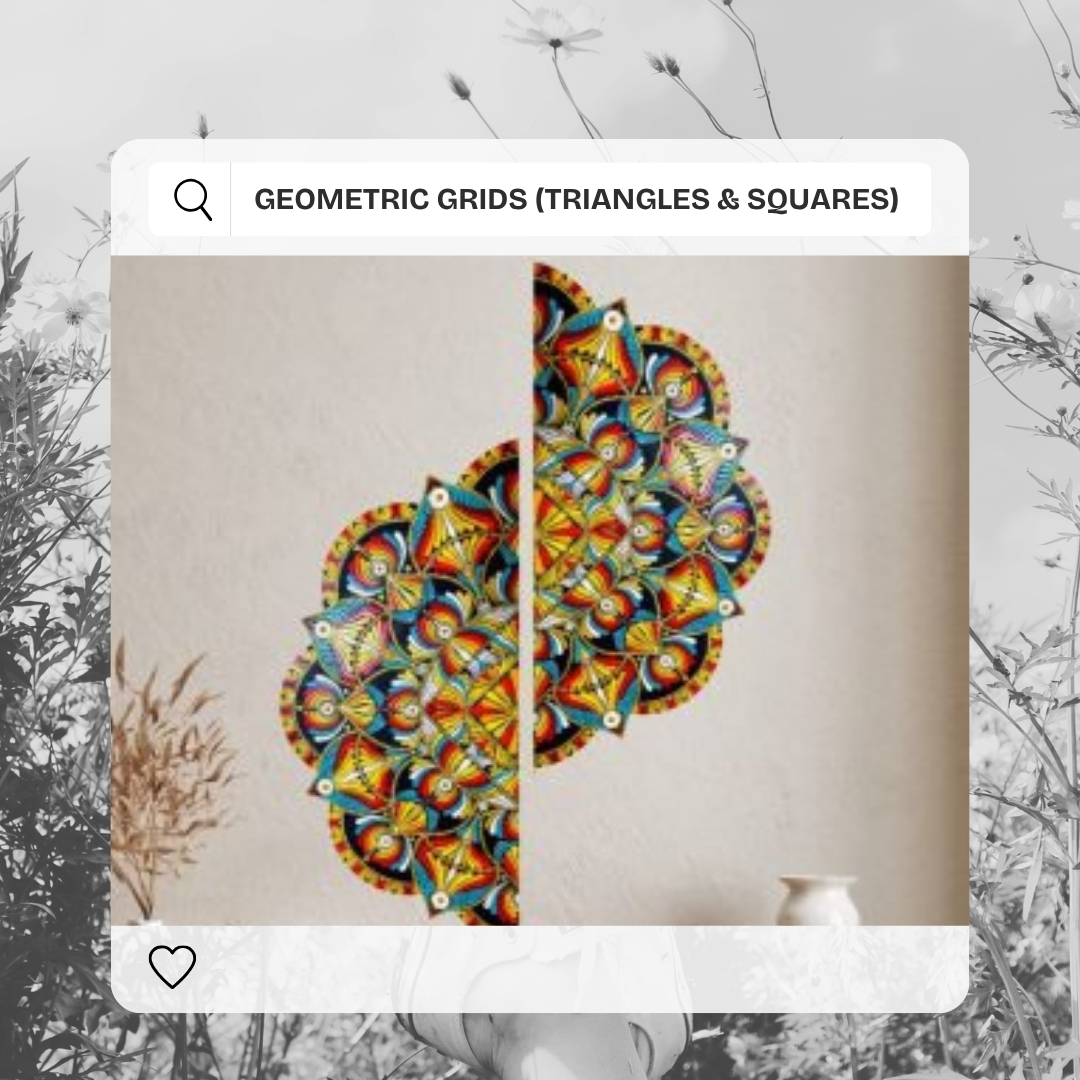
3. Geometric Grids (Triangles & Squares)

Geometric Grids (Triangles & Squares)

Why it’s great for beginners: Basic grids, triangles, and squares give mandalas a solid structural base. They help to improve spatial awareness and accuracy.

How to start: To construct grid portions, draw a sequence of radial lines (similar to slicing a pizza) and then overlay them with vertical or horizontal lines. Anchor motifs or patterns using these intersections.

Tip: For improved symmetry, start with six to eight radial lines and maintain uniform angles.

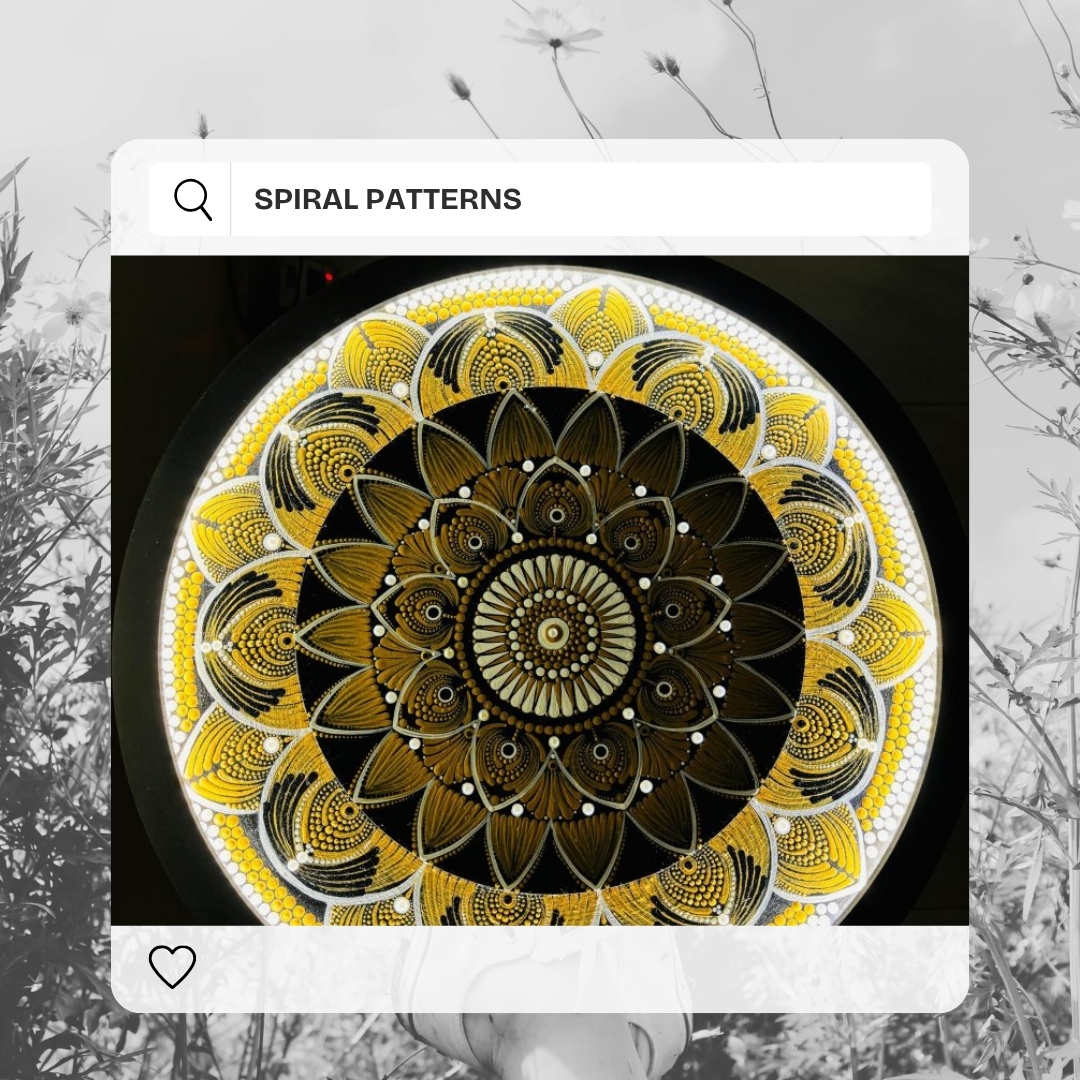
4. Spiral Patterns

Spiral Patterns

Why it’s great for beginners: Mandalas are made more dynamic and flowing by spirals. They are ideal for artistic expression since they symbolize development and expansion.

How to start: Draw an outward spiraling line starting in the center. Using dots, lines, or small designs like stars or leaves, adorn it.

Tip: Don’t worry about being flawless. Flow is more important in spirals than accuracy.

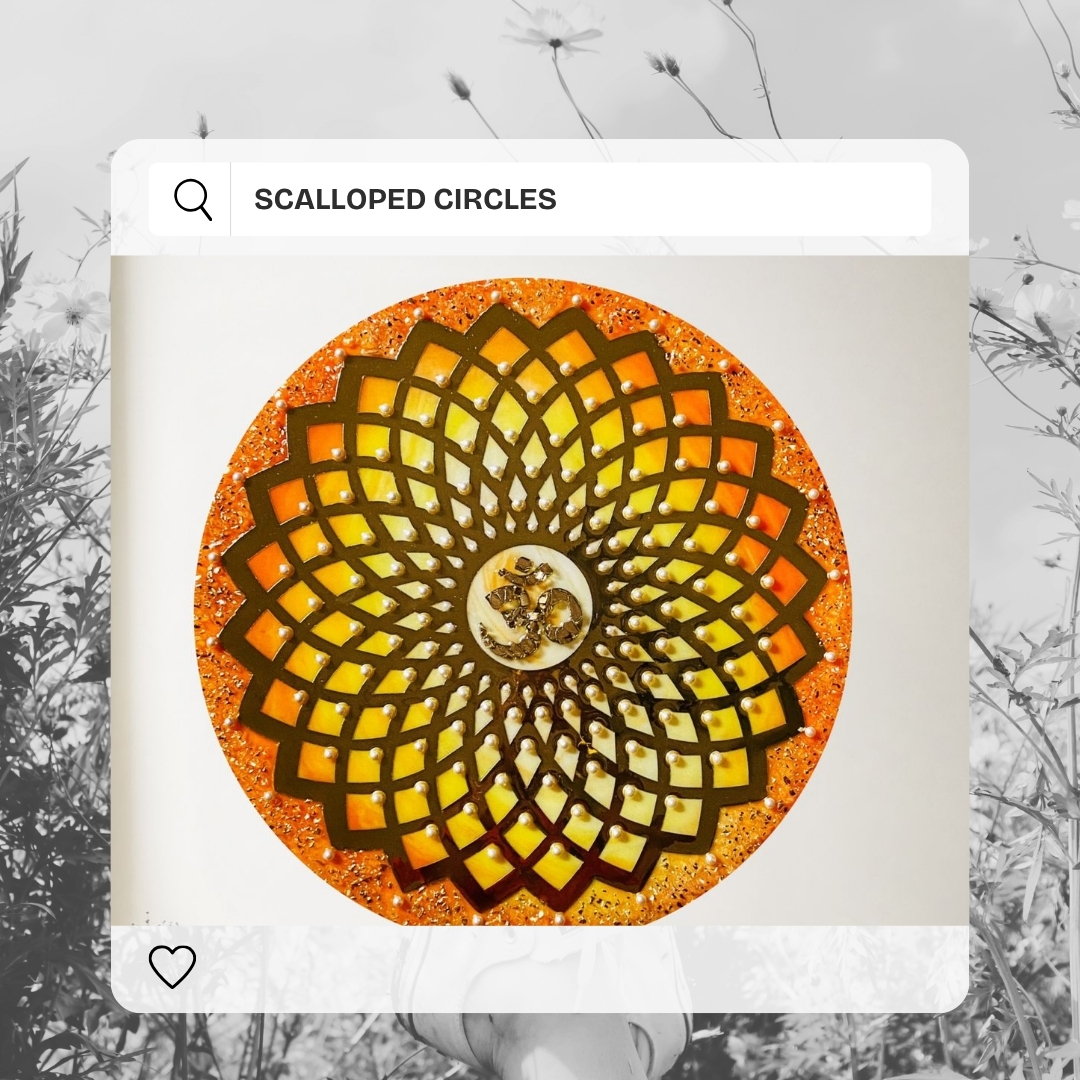
5. Scalloped Circles

 Scalloped Circles

Why it’s great for beginners: These give mandalas a beautiful border look and resemble repeating arches or U-shapes.

How to start: Draw a simple circle. Next, surround the edge with a row of small curves or arches. To produce a flowering mandala look, repeat the procedure in layers.

Tip: This pattern is easy for calming practice sessions and is simple to repeat.

Mandalas are more than just artwork; they are a way for people to express themselves and meditate. These five basic mandala patterns are excellent stepping stones for beginners. Practice them regularly, and you’ll soon find yourself creating more detailed and personalized mandalas. Remember, there’s no right or wrong in mandala art — just your unique creative rhythm.

So grab your pen or pencil, find a peaceful corner, and let the mandala magic begin!

CategoriesCreative

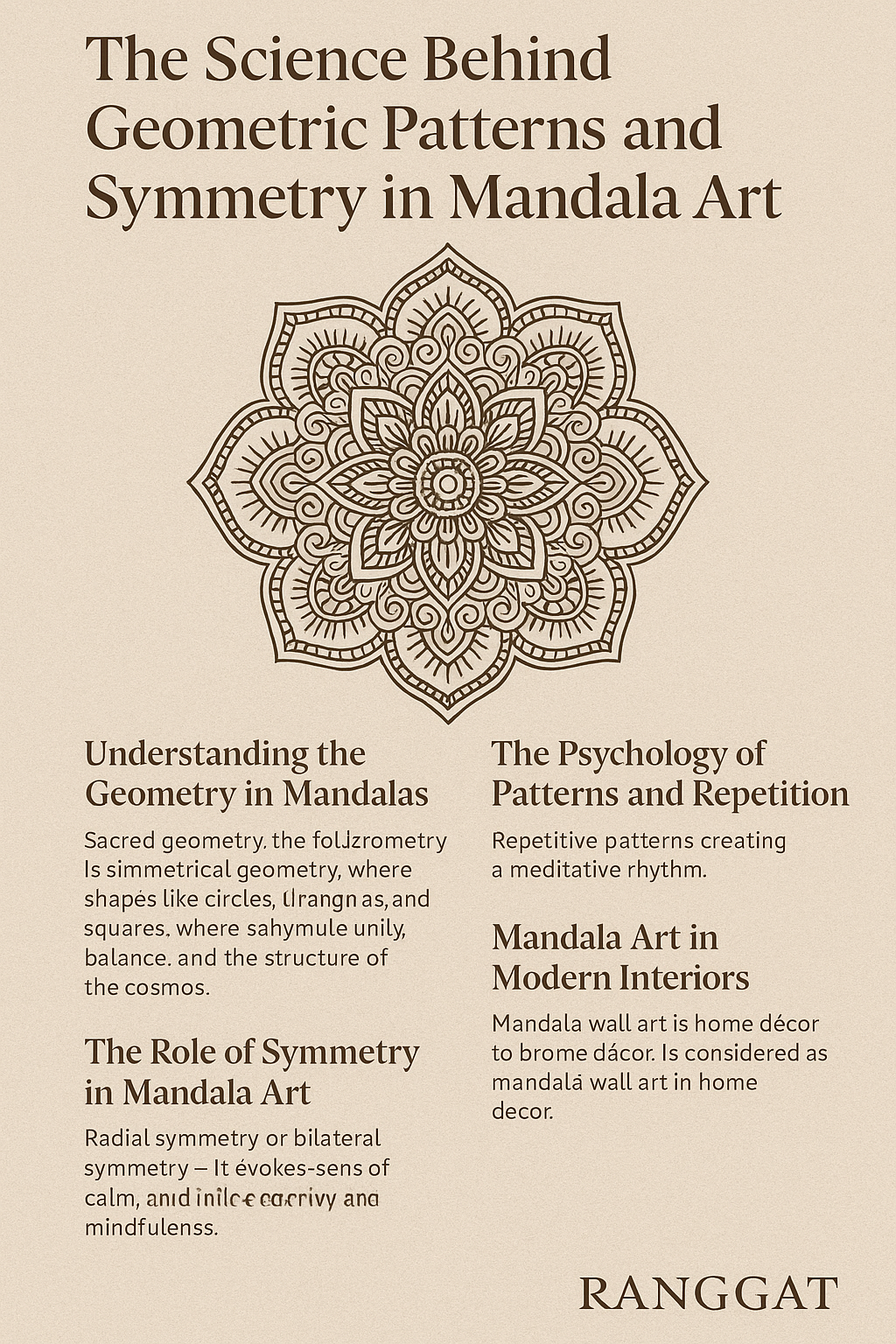
The Science Behind Geometric Patterns and Symmetry in Mandala Art

The Science Behind Geometric Patterns and Symmetry in Mandala Art

A visual representation of harmony, balance, and the complex geometry contained in nature, mandala art is more than just a beautiful arrangement of forms and symbols. Through our expertly crafted wall mantra frames that combine science and tradition, we at Ranggat: An Art From Soul honor the timeless beauty of mandalas.

Understanding the Geometry in Mandalas

Complex, symmetrical patterns that radiate from a central point are commonly used to create mandalas. The concepts of sacred geometry, which use shapes like squares, triangles, and circles to represent harmony, balance, and the structure of the universe, explain why these patterns are not random.

The Golden Ratio and the Fibonacci sequence, two mathematical concepts present in natural shapes like flowers, shells, and galaxies, are frequently connected to the geometric accuracy of mandalas. Mandalas are so aesthetically attractive and calming because of their mathematical order.

The Role of Symmetry in Mandala Art

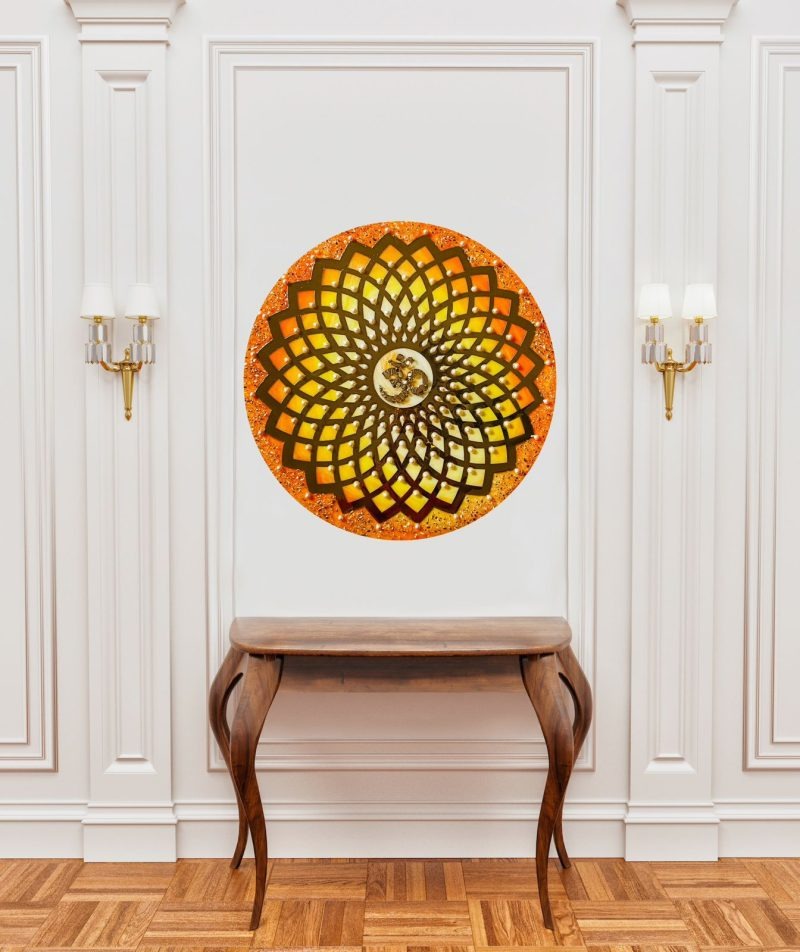
Dot Mandala Artwork

In the design of mandalas, symmetry is essential. Bilateral symmetry, or mirror-like balance, or radial symmetry, which spins out from a center, both generate a feeling of balance and calm. Scientific study indicates that symmetrical patterns create positive responses in the human brain, promoting emotions of calm and awareness.

Mandala wall art is a visual indication of inner serenity and focus, which is why it is frequently utilized in yoga studios, meditation areas, and healing environments.

The Psychology of Patterns and Repetition

Mandalas’ repeating patterns, like rhythm and music, activate the brain’s reward centers. They create a meditative rhythm that enhances focus and reduces anxiety. When paired with color psychology, where each color gives the pattern emotional resonance, this is particularly potent.

At Ranggat, each mandala frame is crafted with thoughtful detail, aligning with the psychological impact of visual art. Our designs are meant to not only beautify your space but also elevate your mood and mental clarity.

Mandala Art in Modern Interiors

Mandala-inspired home decor is becoming popular among modern homeowners who want to infuse their living areas with harmony and good vibes. These designs are ideal for wall mantra frames because of their symmetry and order, which create attention-grabbing focal areas that encourage meditation.

Mandalas add a touch of sacred design supported by tradition and science, whether you’re making an artistic centerpiece or curating a spiritual haven.

Why Choose Ranggat for Mandala Wall Art?

Ranggat creates high-quality mandala patterns that speak to your soul by combining ancient art traditions with scientific discoveries. Our handcrafted objects are symbols of inner serenity and cosmic harmony, not merely decor.

Discover our unique selection of mandala wall mantra frames and use the beauty of sacred geometry to transform your area.