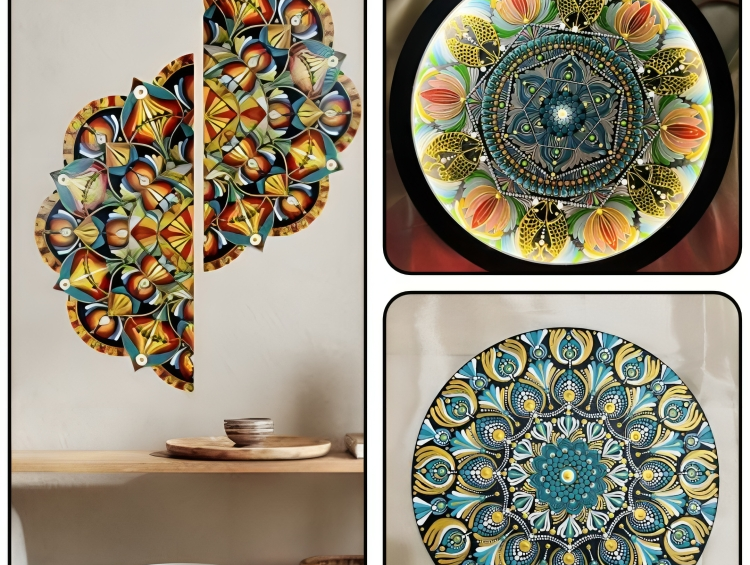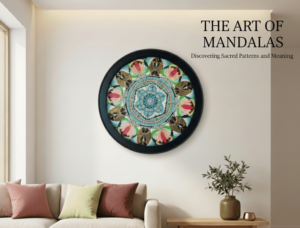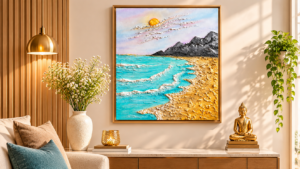
A beautifully designed living room or entryway is not just about furniture, wall colours, or decorative accessories. The right statement piece can completely transform an ordinary space into a stylish and welcoming environment. Textured statement art has become a popular choice for modern home interiors because it adds depth, character, and visual interest to plain walls.
Whether you prefer contemporary abstract artwork, handcrafted textured paintings, or unique 3D wall art, choosing the right piece can make your home feel more elegant and personalised. However, selecting artwork requires more than simply finding a design you like. You also need to consider the size, colour combination, placement, lighting, and overall interior style.
In this guide, we will explore how to choose the right textured statement piece for your living room or entryway and create a balanced, visually appealing interior.
1. Understand the Purpose of a Textured Statement Piece
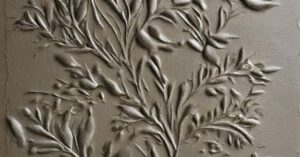
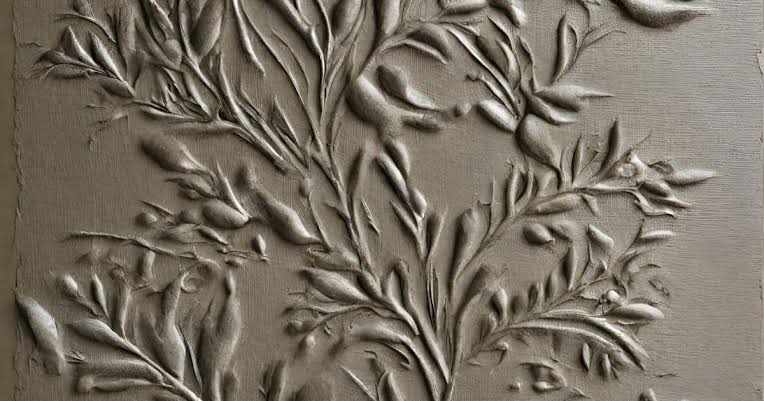
A statement piece is an artwork or decorative element that naturally attracts attention when someone enters a room. Unlike ordinary wall decorations, textured artwork creates a three-dimensional appearance through raised patterns, layered materials, and artistic finishes.
Textured wall art can:
- Add depth and dimension to plain walls.
- Create a focal point in your living room.
- Complement modern, minimalist, and contemporary interiors.
- Introduce artistic personality into your home.
- Make entryways and empty walls look more inviting.
If you want your interiors to feel distinctive, consider handcrafted textured artwork that combines creativity with modern aesthetics.
2. Choose the Right Artwork Size Using the 2/3 Rule
One of the most important aspects of selecting statement artwork is choosing the correct size. Even a beautiful painting may look out of place if it is too small or too large for the wall.
A useful interior design guideline is the 2/3 rule.
According to this rule, artwork placed above a sofa, console table, or other large furniture should generally measure around two-thirds of the furniture’s width.
For example:
- If your sofa is 90 inches wide, choose artwork approximately 60 inches wide.
- If your console table is 48 inches wide, consider artwork around 32 inches wide.
- For larger walls, consider oversized textured artwork to create a stronger visual impact.
The artwork should feel connected to the furniture beneath it without overwhelming the surrounding space.
3. Select Colours That Complement Your Wall
Colour coordination plays a major role in interior styling. Your textured statement piece should complement the existing wall colour, furniture, curtains, rugs, and decorative accessories.
Here are some popular combinations:
Neutral Walls: Beige, cream, white, and grey walls look beautiful with textured artwork in earthy tones, ivory, taupe, and soft brown.
Dark Walls: Navy blue, charcoal, and deep green walls can create a dramatic background for white, gold, metallic, and light beige artwork.
Light-Coloured Interiors: If your living room has a minimal colour palette, choose artwork with subtle contrasts to introduce visual interest.
Colourful Interiors: For rooms with bold furniture or colourful accessories, consider textured art with balanced and complementary shades.
The goal is to create harmony rather than introduce too many competing colours.
4. Consider Your Interior Design Style
Before purchasing textured wall art, understand the overall design theme of your home.
- Minimalist Interiors: Choose simple, neutral-toned textured artwork with clean patterns.
- Modern Interiors: Experiment with abstract designs, geometric textures, and contemporary finishes.
- Luxury Interiors: Consider sophisticated artwork with metallic accents, layered textures, and elegant colour combinations.
- Bohemian Interiors: Earthy shades, organic patterns, and handcrafted finishes work beautifully.
At Ranggat, artistic and handcrafted decor can help introduce a distinctive creative touch to modern interiors.
5. Pay Attention to Lighting Placement
Lighting can significantly change how textured artwork appears. Unlike flat paintings, textured pieces create shadows and highlights that become more noticeable under suitable lighting.
Consider these lighting ideas:
- Install picture lights above statement artwork.
- Use adjustable spotlights to highlight raised textures.
- Position wall lights to create subtle shadows.
- Avoid harsh lighting that produces unwanted glare.
- Use warm lighting to create a cosy and welcoming atmosphere.
Proper lighting makes the texture, details, and artistic craftsmanship more noticeable.
6. Find the Perfect Placement in Your Living Room
The living room is one of the best places to display textured statement artwork because it is often the main gathering space in a home.
Some suitable placement ideas include:
- Above the main sofa.
- Behind the living room seating arrangement.
- On a large empty feature wall.
- Above a fireplace or decorative console.
- As part of a carefully arranged gallery wall.
For a balanced appearance, hang artwork approximately 6–10 inches above the sofa or furniture, adjusting according to its proportions.
Avoid placing too many decorative pieces around the artwork. Give your statement piece enough space to stand out.
7. Make Your Entryway More Welcoming
Your entryway creates the first impression of your home. A thoughtfully selected textured artwork piece can make even a small entrance look sophisticated.
Here are some styling ideas:
- Place medium-sized textured artwork above a console table.
- Combine artwork with a decorative mirror.
- Add a small vase or indoor plant.
- Choose warm lighting for a welcoming atmosphere.
- Keep the surrounding decor minimal and organised.
For narrow entryways, vertical artwork can help create visual height without occupying additional floor space.
8. Choose Quality and Handcrafted Details
When selecting textured artwork, pay attention to its craftsmanship, materials, finishing, and durability.
Look for:
- Well-defined raised textures.
- Consistent finishing and detailing.
- Colours that complement your home.
- Quality materials and suitable mounting.
- Unique artistic designs that reflect your personality.
Handcrafted artwork can bring an individual character to your interiors, making your home feel less ordinary and more expressive.
9. Avoid Common Interior Styling Mistakes
Even attractive artwork can lose its impact if it is not styled correctly.
Avoid these common mistakes:
- Choosing artwork that is too small for a large wall.
- Ignoring the existing colour scheme.
- Hanging artwork too high.
- Using too many decorative accessories around one statement piece.
- Ignoring the importance of lighting.
- Selecting artwork that does not match the interior theme.
A well-balanced arrangement allows your textured statement piece to become the centre of attention.
Transform Your Home with the Right Textured Artwork
Choosing the right textured statement piece for your living room or entryway is an excellent way to introduce creativity, depth, and personality into your home. By considering artwork size, colour combinations, interior design themes, placement, and lighting, you can create a beautiful arrangement that complements your living space.
Whether you love minimalist designs, contemporary abstract paintings, or handcrafted textured artwork, the right piece can turn an ordinary wall into an artistic focal point.
Explore the creative world of handcrafted art with Ranggat and discover artwork that brings character, elegance, and individuality to your home interiors.
Frequently Asked Questions (FAQs)
1. What is textured statement wall art?
Textured statement wall art is decorative artwork featuring raised surfaces, layered materials, and three-dimensional patterns that add depth and visual interest to interior spaces.
2. How big should statement artwork be above a sofa?
A useful guideline is to choose artwork approximately two-thirds the width of your sofa for a balanced appearance.
3. Which colours are best for textured wall art?
Neutral shades such as beige, ivory, white, grey, and earthy brown are versatile choices. Gold and metallic accents can also create an elegant appearance.
4. Where should I place textured artwork in my home?
You can display textured artwork above sofas, console tables, fireplaces, entryway walls, or other prominent areas where it can become a focal point.
5. Does lighting affect the appearance of textured wall art?
Yes. Directional lighting, picture lights, and spotlights can highlight raised surfaces, create shadows, and enhance the artwork’s three-dimensional appearance.
Read also | Gayatri Mantra Mini Frames for Home and Office Décor | Ranggat