How Custom Artwork Adds Personality to InteriorsCategoriesTips & Tricks

How Custom Artwork Adds Personality to Interiors

When people decorate their homes, they often focus on furniture, paint colors, curtains, lights, and flooring. These things are important, but they are not the only parts that make a room beautiful. Artwork also plays a big role in making a space feel warm and personal. Custom artwork is one of the best ways to give a room its own style and character.

Custom artwork means art that is created especially for a person, home, or space. It can be a painting, wall art, canvas print, handmade design, portrait, abstract piece, or even a decorative mural. Unlike ready-made decorations, custom artwork is made to match personal ideas and preferences.

In modern interior design, many homeowners and designers choose custom art because it adds meaning and creates a stronger connection with the space.

Makes a Home Feel Personal

Every person has a different style and taste. Some people love simple designs, while others enjoy colorful and bold interiors. Custom artwork helps show this personality.

For example, a family may choose a painting that reminds them of their hometown. Someone who loves nature may add custom forest landscapes or flower paintings. A person interested in modern design may select abstract artwork with clean shapes and colors.

These choices make a room feel more personal and special. Guests can often understand the owner’s style just by looking at the artwork.

Creates a Unique Interior Design

Many homes today use similar furniture and decorations. As a result, rooms sometimes look the same. Custom artwork changes this by adding something original.

Because it is designed for a specific space, no other room will have exactly the same piece. This uniqueness makes the home stand out.

Interior designers often use custom art to create a theme. For example:

  • Coastal homes may include ocean-inspired paintings.
  • Luxury interiors may use gold textures and elegant abstract art.
  • Traditional homes may display cultural or handmade artwork.
  • Modern spaces may use minimal and geometric designs.

Custom pieces help connect all parts of the room together.

Matches Colors and Furniture

One major benefit of custom artwork is flexibility. It can be designed to match the room perfectly.

Sometimes people buy ready-made art and later realize the colors do not fit their furniture or walls. With custom artwork, this problem is reduced because the design can be planned in advance.

Artists can create pieces based on:

  • Wall colors
  • Sofa shades
  • Flooring style
  • Lighting setup
  • Room size
  • Interior theme

For example, if a living room uses beige and brown colors, the artwork can include warm earth tones. If the room has blue furniture, the art may use soft blues and whites.

This creates balance and harmony in the interior.

Becomes the Center of Attention

Artwork often acts as the main attraction in a room. A large painting on the wall can immediately catch attention.

Imagine entering a living room with a beautiful handmade canvas above the sofa. Most people will notice it first. It becomes the focal point of the space.

Large custom pieces work especially well in:

  • Living rooms
  • Hotel lobbies
  • Office spaces
  • Restaurants
  • Reception areas
  • Hallways

A strong artwork design can completely change the look of a room without adding too many decorations.

Adds Emotion and Meaning

Custom artwork is not only about decoration. It can also hold memories and emotions.

Many people choose personalized paintings based on important events in their lives. Some create family portraits, wedding art, travel memories, or artwork inspired by loved ones.

These pieces become more valuable because they tell a story.

For example, a painting of a family home may remind someone of childhood memories. A custom portrait may celebrate an important milestone. This emotional connection makes the artwork more meaningful than factory-made decoration.

Supports Creativity

Custom artwork gives people freedom to be creative. They are not limited to what is available in stores.

Homeowners can select:

  • Colors they like
  • Shapes and patterns
  • Art style
  • Size of the piece
  • Materials and textures

Some people prefer minimalist artwork, while others choose detailed handmade designs. This freedom helps people express themselves.

It also allows artists to create original work instead of repeating the same designs.

Improves the Mood of a Room

Different types of artwork can create different feelings.

Soft landscapes and nature scenes often create calm and relaxation. Bright colors can make a room feel energetic and cheerful. Black and white designs may give a modern and elegant appearance.

Bedrooms usually use peaceful artwork because it supports relaxation. Offices may include motivational designs to increase focus and inspiration.

Choosing the right custom art helps create the desired atmosphere.

Works in Every Space

Custom artwork is not only for homes. It is useful in many places.

Homes

Living rooms, bedrooms, kitchens, and entryways become more attractive with personalized art.

Offices

Artwork can improve the appearance of workspaces and make them feel more professional.

Hotels

Hotels use custom pieces to create a memorable experience for guests.

Restaurants and Cafes

Creative wall art helps build a strong identity and attractive environment.

Commercial Spaces

Showrooms and business centers often use artwork to improve brand image.

Because custom art can be made in different sizes and styles, it fits almost any location.

Adds Value to Interior Design

Interior decoration is an investment. People spend time and money to improve their spaces.

Custom artwork increases this value because it gives interiors an exclusive look. Handmade and personalized pieces often appear more premium than mass-produced decorations.

Luxury homes especially use custom art to create elegance and sophistication.

Even a simple room can look more expensive with the right artwork.

Supports Local Artists and Handmade Work

Buying custom artwork also helps artists and creative professionals.

Instead of purchasing machine-made decorations, people support handmade work and original creativity.

Artists spend time planning, sketching, painting, and finishing every piece. Their effort creates unique designs that cannot easily be copied.

This support encourages creativity and keeps artistic traditions alive.

Future Trend in Interior Design

Interior design trends continue to change, but personalized decoration remains popular.

Today many homeowners want spaces that feel authentic rather than identical to others. They prefer designs that reflect their lifestyle and experiences.

Custom artwork fits this trend perfectly because it combines beauty, creativity, and individuality.

As technology and design methods improve, more people are expected to choose personalized wall art, digital art, textured canvases, and handmade pieces.

Custom artwork is more than decoration. It gives personality, emotion, and identity to interiors. It helps rooms look unique, matches existing designs, improves atmosphere, and creates meaningful experiences.

Whether it is a small handmade painting or a large statement piece, custom art has the power to transform a simple room into a memorable space.

A home should reflect the people who live in it. Custom artwork makes that possible by turning personal ideas into beautiful visual designs that bring life to every interior.

Ranggat creates custom artwork that adds beauty, personality, and a unique artistic touch to every interior space.
Rangaat | Handmade Art That Tells a Story: Why Conscious Craft Matters TodayCategoriesCreative

What Makes an Artwork Look Expensive and Luxurious? The Details That Create Timeless Beauty

Luxury is not always about a high price tag. In art, true luxury comes from craftsmanship, detail, heritage, and the emotion a piece carries. Whether it is a handwoven saree, an intricate textile motif, a painting, or an embroidered masterpiece, some creations instantly feel premium and unforgettable.

At Ranggat, this idea reflects beautifully through artisanal sarees inspired by traditional weaving and timeless elegance. The feeling of luxury is created through details that speak quietly yet powerfully. The brand focuses on handcrafted Indian sarees and traditional craftsmanship blended with modern style.

1. Craftsmanship Creates the First Impression

The most luxurious artworks share one common element: exceptional craftsmanship.

Luxury is visible in precision. Clean finishing, balanced composition, intricate details, and refined textures immediately elevate a piece. In handcrafted textiles and traditional Indian designs, this may appear as:

  • Fine weaving techniques
  • Detailed embroidery work
  • Hand-dyed patterns
  • Delicate zari accents
  • Layered textures

When people look closely and still discover new details, the artwork naturally feels more valuable.

2. Rich Textures Add Depth

Flat surfaces rarely communicate luxury. Premium artworks usually include depth and texture.

Think about the visual impact of:

  • Silk reflections under light
  • Raised embroidery
  • Metallic thread work
  • Hand-painted layers
  • Woven motifs with dimensional detailing

Texture creates movement and gives life to the artwork. It transforms something beautiful into something memorable.

3. Heritage and Storytelling Increase Value

An artwork becomes luxurious when it carries a story.

People connect deeply with creations that preserve culture, history, and craftsmanship traditions. Handcrafted Indian textiles, traditional motifs, and artisanal techniques hold emotional value because they represent generations of knowledge.

Luxury today is not only about appearance—it is about authenticity.

A piece that reflects heritage often feels more exclusive than something mass-produced.

4. Balanced Color Palettes Make Art Feel Premium

Color has a direct effect on perceived value.

Luxurious artworks often use carefully balanced shades instead of overwhelming contrasts.

Popular premium combinations include:

  • Deep maroon with antique gold
  • Ivory and muted beige
  • Emerald green accents
  • Rich navy tones
  • Soft champagne hues
  • Black with metallic detailing

The right palette creates elegance without demanding attention.

5. Fine Details Signal Exclusivity

Small elements often define expensive aesthetics.

Luxury lives in details such as:

  • Hand-finished edges
  • Symmetrical motifs
  • Delicate borders
  • Intricate patterns
  • Precision in spacing and composition

These details may seem minor individually, but together they create a refined visual experience.

When an artwork appears thoughtfully completed from every angle, it instantly feels premium.

6. Rarity Makes Art More Desirable

Limited pieces naturally feel luxurious.

Handmade artworks, artisan creations, and carefully produced collections carry uniqueness that machine-made products cannot replicate.

No two handcrafted pieces are ever exactly the same.

That individuality adds emotional and artistic value.

People are increasingly choosing unique creations because they reflect personality rather than trends.

7. Materials Influence Perception

Luxury begins with quality materials.

In textile-based art and fashion, premium materials elevate appearance instantly:

  • Silk textures
  • Tissue fabrics
  • Fine linen
  • Traditional weaves
  • Handloom craftsmanship

Superior materials not only look elegant but also age beautifully over time.

True luxury remains attractive even years later.

8. Minimalism Often Feels More Expensive

Luxury does not always mean complexity.

Sometimes a simple design with perfect execution appears more sophisticated than heavily decorated work.

Clean layouts, controlled embellishments, and balanced negative space allow the artwork to breathe.

This creates timeless elegance instead of temporary trends.

What makes an artwork look expensive and luxurious is not just glitter, bold colors, or elaborate decoration.

It is the combination of craftsmanship, heritage, texture, quality materials, storytelling, and thoughtful details.

Luxury is created when artistry meets intention.

Whether expressed through woven patterns, handcrafted textiles, or timeless designs, true elegance always leaves a lasting impression.

At Ranggat , this philosophy can be seen through collections that celebrate traditional artistry while embracing contemporary sophistication.

Ranggat | The Process Behind Creating Premium Texture ArtworkCategoriesCreative

Ranggat | The Process Behind Creating Premium Texture Artwork

Premium texture artwork is more than just painting on a canvas—it is a layered, thoughtful, and highly skilled process that transforms simple materials into visually rich, dimensional art. At Ranggat, every textured piece is handcrafted with precision, patience, and artistic intention, ensuring each artwork becomes a statement of luxury and creativity.

Here’s a behind-the-scenes look at how premium texture artwork is created from start to finish.

1. Inspiration & Concept Development

Every artwork begins with an idea. Inspiration can come from nature, architecture, emotions, cultural patterns, or modern design trends.

Artists first define:

  • Theme of the artwork
  • Mood (calm, bold, spiritual, abstract, etc.)
  • Color direction
  • Texture style (soft, rough, layered, sculpted)

This stage sets the creative foundation for the entire piece and ensures the final artwork tells a meaningful visual story.

2. Surface Preparation

Before applying any texture, the canvas or base panel is carefully prepared.

This includes:

  • Choosing high-quality canvas or wooden board
  • Applying a primer (gesso) for smooth adhesion
  • Ensuring a strong, durable surface for layering

Proper preparation is essential because texture artwork involves heavy layering and sculptural effects.

3. Building the Texture Layers

This is the most important stage of the process.

Artists use specialized materials such as:

  • Acrylic-based texture paste
  • Modeling paste
  • Mixed mediums for depth and structure

Using tools like palette knives, spatulas, and brushes, the artist begins shaping the surface.

Techniques include:

  • Layering thick and thin textures
  • Creating raised patterns and reliefs
  • Building depth through repeated application
  • Sculpting shapes directly onto the canvas

Each layer is allowed to dry before the next is added, ensuring durability and clarity in design.

4. Sculpting & Detailing

Once the base texture is formed, artists refine the surface.

This stage focuses on:

  • Adding fine details and patterns
  • Enhancing depth and dimension
  • Balancing composition across the canvas
  • Creating visual flow and movement

This is where the artwork begins to take its final artistic identity.

5. Color Application

After the texture structure is complete, color is applied.

Depending on the design, artists may:

  • Paint after texture dries for sharp definition
  • Mix color into texture paste for integrated tones
  • Use layering techniques for gradient and shadow effects

Color enhances the texture by highlighting raised surfaces and creating contrast between light and shadow.

6. Drying & Finishing

Drying is a crucial part of the process. Each layer must set properly to maintain strength and structure.

Once fully dry, the artwork is finished with:

  • Protective varnish or coating
  • Final touch-ups for refinement
  • Quality inspection for detail and consistency

This ensures long-lasting durability and a premium finish.

The completed artwork is then framed or mounted depending on its style.

A well-presented texture artwork:

  • Enhances interior spaces instantly
  • Becomes a focal design element
  • Adds depth, luxury, and personality to walls

At Ranggat, each piece is designed to be more than décor—it is a statement of artistic expression.

Creating premium texture artwork is a balance of creativity, craftsmanship, and patience. From the initial idea to the final stroke, every step contributes to building a piece that feels alive, dimensional, and meaningful.

At Ranggat, every artwork is handcrafted with care, ensuring that no two pieces are ever the same—because true art is always unique.

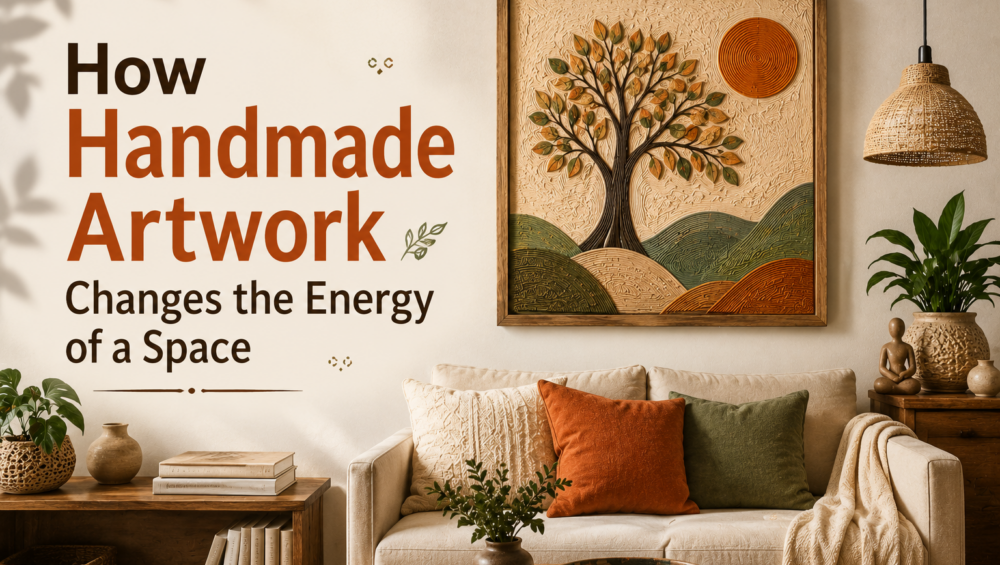
How Handmade Artwork Changes the Energy of a SpaceCategoriesCreative

How Handmade Artwork Changes the Energy of a Space

A space is more than just walls, furniture, and decorations. The things we place around us affect how we feel every day. Handmade artwork has a special power to change the mood and energy of a room in a natural and meaningful way.

Unlike machine-made decorations, handmade art carries human emotion, creativity, and personal effort. Every brushstroke, texture, and design tells a story. This makes a space feel warmer, more alive, and more personal.

Creates a Warm and Comfortable Feeling

Handmade artwork adds warmth to a room. A handmade painting, pottery piece, or woven wall hanging can make a place feel cozy and welcoming. People often feel more relaxed in spaces that include handmade items because they bring a sense of care and authenticity.

Adds Personality to the Space

Mass-produced decorations often look similar in many homes and offices. Handmade art is unique. It reflects the artist’s imagination and sometimes the owner’s personality too. This helps create a space that feels original and personal instead of plain or ordinary.

Brings Positive Emotional Energy

Art can influence emotions. Bright colors may create happiness and energy, while soft colors can bring calmness and peace. Handmade artwork often carries emotional depth because it is created with passion and attention. This positive energy can improve the atmosphere of a room.

Connects People with Creativity

Seeing handmade art every day can inspire creativity. It reminds people of human talent and imagination. In workspaces, creative artwork may encourage new ideas and fresh thinking. In homes, it can make family members feel more connected and expressive.

Supports Local Artists and Traditions

Buying handmade artwork also supports artists and traditional crafts. Many handmade pieces are inspired by culture, history, and local traditions. Displaying such artwork keeps cultural stories alive and adds deeper meaning to a space.

Makes Spaces Feel More Peaceful

Natural textures and handmade designs often create a calming effect. Handmade clay work, wooden carvings, or hand-painted art can make a room feel balanced and peaceful. This is especially important in busy modern lifestyles where people look for comfort and relaxation at home.

Creates a Strong First Impression

Artwork is often one of the first things people notice when entering a room. Handmade pieces attract attention because they are different and expressive. They can become conversation starters and leave a lasting impression on visitors.

Handmade artwork does much more than decorate a room. It changes the energy of a space by adding warmth, creativity, personality, and emotional connection. Whether in a home, office, or public place, handmade art helps create an environment that feels alive, meaningful, and inspiring.

Explore soulful handcrafted luxury art at Ranggat Official Website.

Waterfall in a Glass: Turning Everyday Decor into Living ArtCategoriesCreative

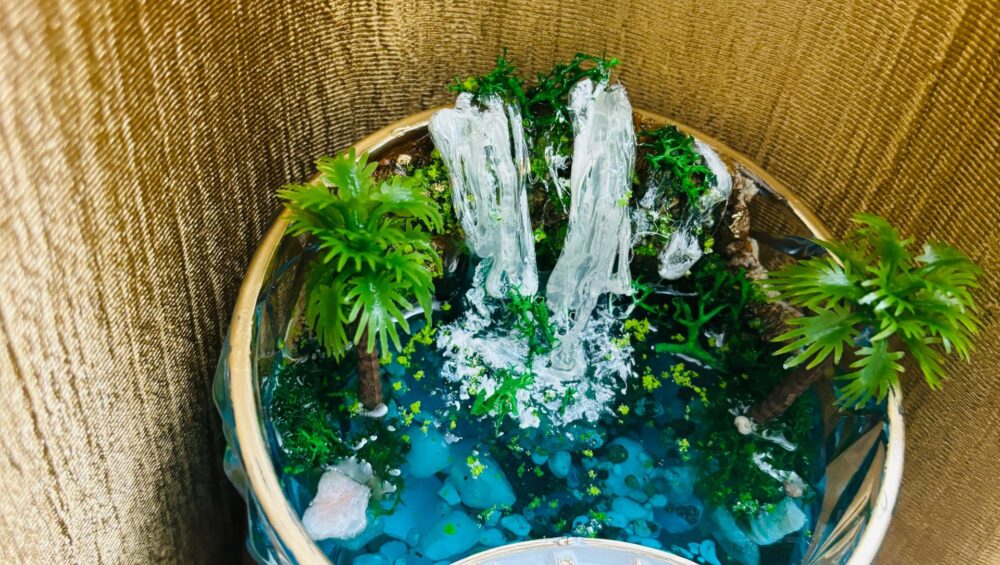
Waterfall in a Glass: Turning Everyday Decor into Living Art

In a world where home decor often walks the line between functional and forgettable, certain pieces stand out—not just as objects, but as experiences. “Waterfall in a Glass” is one such creation. It blurs the boundary between art and decor, transforming an ordinary living space into something immersive, calming, and visually captivating.

The Beauty of Motion, Frozen in Time

What makes waterfall-inspired glass decor so unique is its ability to capture motion without actually moving. The design mimics the gentle cascade of water, creating an illusion of flow within a solid structure. This interplay between stillness and movement gives the piece a dynamic quality—almost as if time itself has been paused mid-stream.

Light plays a crucial role here. As it passes through the textured glass, it refracts and scatters, enhancing the “flowing” effect. The result is a constantly changing visual depending on the angle, lighting, and time of day.

More Than Decor—An Experience

Unlike traditional decorative items that simply occupy space, a waterfall glass piece engages the senses. It invites you to pause, observe, and appreciate subtle details. The soothing aesthetic can evoke feelings of calmness similar to watching real flowing water—making it a perfect addition to spaces meant for relaxation, like living rooms, bedrooms, or even office corners.

It’s not just something you place on a shelf—it becomes a focal point, a conversation starter, and a source of quiet inspiration.

Elevating Everyday Spaces

Modern interior design increasingly leans toward minimalism, where each piece must justify its presence. In such settings, a “Waterfall in a Glass” stands out effortlessly. Its elegance complements clean lines and neutral palettes, while its artistic nature adds depth and personality.

Whether placed near natural light, under warm ambient lighting, or as part of a curated decor setup, it adapts beautifully. It doesn’t overpower the room—it enhances it.

The Fusion of Craftsmanship and Creativity

Behind every waterfall glass design lies a blend of craftsmanship and artistic vision. The precision required to shape glass into fluid-like forms is no small feat. Each curve and texture is intentional, designed to replicate nature’s effortless beauty through a man-made medium.

This fusion of art and technique is what elevates the piece from simple decor to a collectible form of modern art.

A Statement of Taste and Individuality

In a time where mass-produced decor dominates the market, choosing something like a waterfall glass piece reflects a deeper appreciation for design. It signals a preference for uniqueness, for items that tell a story rather than just fill a gap.

It’s subtle, yet impactful. Minimal, yet expressive.

“Waterfall in a Glass” isn’t just about aesthetics—it’s about creating an atmosphere. It turns an everyday environment into something more thoughtful, more serene, and more alive.

In the end, the true value of such a piece lies not just in how it looks, but in how it makes you feel. And that’s what transforms decor into living art.

CategoriesCreative

Whisper of the Shore: Luxury Resin Ocean Painting for Modern Interiors

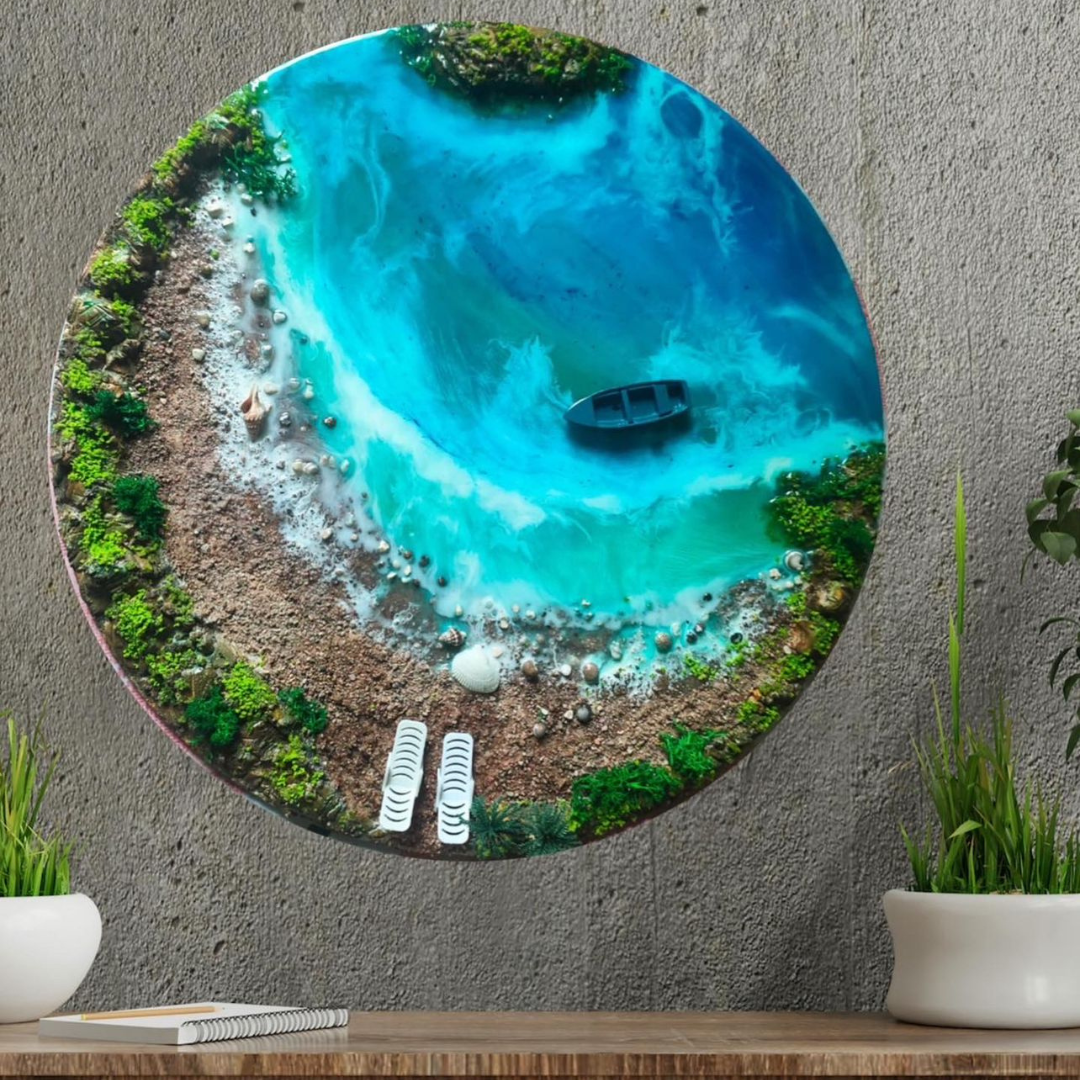
Whisper of the Shore: Luxury Resin Ocean Painting for Modern Interiors

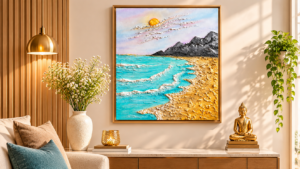
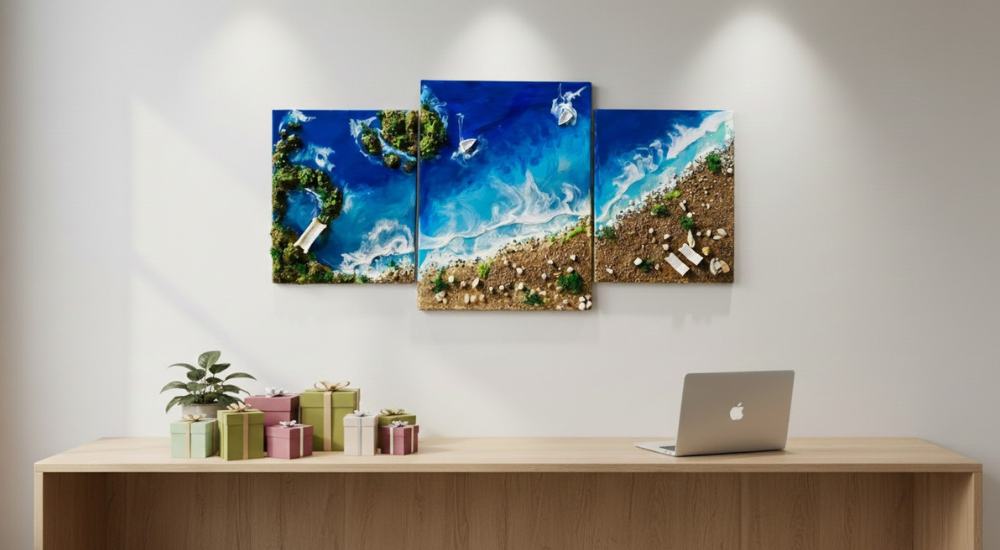
In the world of luxurious home decor, art may change rooms, arouse feelings, and create a peaceful atmosphere. Ranggat’s stunning resin ocean painting, “Whisper of the Shore,” perfectly captures the peaceful vibe of the coastline and is the ideal focal point for contemporary interior design.

The Essence of Whisper of the Shore

The work of art Whisper of the Shore, which combines the rich textures of natural elements with the fluidity of resin, was meticulously and passionately crafted. Through the creation of an immersive visual experience that calms the soul, this artwork brings the charm of the sea indoors. It is the perfect complement to modern and seaside-themed rooms because of its deep blue tones, beautiful coastline details, and delicate waves that take viewers to a tranquil beach getaway.

Why Choose Resin Ocean Art?

Resin art is growing more and more popular in modern interior design because of its depth, durability, and glossy surface. In contrast to conventional paintings, resin ocean art offers a dynamic and lifelike effect while capturing the captivating movement of water. Every piece is meticulously handmade, guaranteeing that no two pieces are alike and giving your décor a sense of exclusivity.

Perfect for Modern Interiors

Whisper of the Shore adds a calming and elegant touch to any area, whether it is placed in a living room, bedroom, office, or luxurious hotel suite. The piece is an ideal choice for both homeowners and interior designers because it looks great with neutral color schemes, minimalist decor, and organic materials like stone and wood.

The Ranggat Signature

Ranggat is famous for its exquisite artwork that combines superior craftsmanship with creative ideas. Ranggat, which was founded by artist Suruchi Purwar, is a live example of “art from the soul,” producing classic works that uplift and inspire interior design. Every piece of art is meticulously created to infuse contemporary spaces with harmony, elegance, and artistic brilliance.

Elevate Your Space with Whisper of the Shore

Whisper of the Shore is essential if you want to bring the tranquil beauty of the ocean into your house. It offers a feeling of calm and relaxation in addition to being a beautiful focal point that reflects the calmness of nature.

Explore more exquisite art pieces from Ranggat at Ranggat’s Website and bring home a touch of oceanic elegance today.

CategoriesCreative Tips & Tricks

How to Position Frames on Your Wall

Creating a stunning gallery wall is a wonderful way to show off your individuality and improve your interior space. There are different methods to organize your frames for a unified and attractive display, regardless of your preference for a minimalist, grid-based, axis-aligned, or eclectic style. A reference to multiple gallery wall patterns is provided below to help you in placing your frames in the right places.

1. The Minimalist Approach

How to Position Frames on Your Wall

The minimalist approach is perfect for you if you enjoy designing with simplicity and cleanliness. Less frames with equal spacing are the main focus of this style.

  • Perfect Pair: Arrange two prints that relate to each other side by side for a cohesive effect.
  • Classic Trio: The focal point is created with a larger central print with two smaller ones on the sides.
  • Simple Grid: A balanced and classic vibe is created with four frames that are equally spaced.

2. The Grid Layout

How to Position Frames on Your Wall

A grid arrangement is perfect for an appearance that is ordered and structured. It gives your wall balance and symmetry.

  • Classic: A self-contained grid that is ideal for uniform prints because of its equal spacing.
  • Grid Variation: A combination of different frame sizes in a symmetrical and hierarchical layout.
  • The Mondrian: A dynamic, asymmetrical grid variation with frames of different sizes.

3. The Axis Approach

How to Position Frames on Your Wall

Aligning frames along an axis can draw attention to different parts of the room and create a unified design.

  • Axis: Frames are aligned along the edge, leading the eye toward other elements in the space.
  • Internal Axis: Frames follow the internal axes to create a harmonious and structured look.
  • Spiral: Internally aligned frames are placed in a spiral pattern to add movement and direction.

4. The Eclectic Style

How to Position Frames on Your Wall

The eclectic style is ideal if you prefer a gallery wall that is more creative and expressive. This approach emphasizes originality and an intentional combination of frames.

  • Modern: This arrangement, involving various frame sizes and shapes, was inspired by salon-style layouts.
  • Vintage: Smaller prints with more space between them create an elegant, timeless feel.

Tips for Arranging Your Frames

  • Plan your layout: Arrange the frames on the floor or imagine the pattern using paper cutouts before hanging.
  • Maintain consistency: For a polished look, keep the distance between frames identical.
  • Use a level: Make sure the frames are properly aligned and straight.
  • Consider eye level: Place the central pieces at eye level for a comfortable viewing experience.

You can turn any wall into a stunning gallery that reflects your sense of style and individuality by selecting the appropriate arrangement. Your gallery wall will become the center of attention in your room, whether you choose a simple grid or an eclectic design that flows freely!

CategoriesCreative Tips & Tricks

The Do’s and Don’ts of Hanging Wall Art

The Art of Placement: How to Position Frames on Your Wall

Hanging wall art in your room is a great way to show off your sense of style. A place can feel more alive when it is decorated with art, whether it is in the living room, office, or bedroom. However, there are a few rules to follow to make sure your wall art is put up correctly and looks beautiful. The dos and don’ts of hanging wall art are as follows.

Dos:

1) Do Consider the Room’s Size and Layout: Before hanging any artwork, consider the piece’s size in relation to the size of the room. Bigger pieces can fit in larger spaces, but smaller spaces could call for more delicate, smaller artwork. For example, a little picture may be hidden in a huge area, whereas a large painting may overshadow a small space.

2) Do Hang Art at Eye Level: Art should generally be hung at eye level for best viewing. Typically, this entails positioning the piece’s center between 57 and 60 inches above the floor. A little lower positioning could be more beneficial for balance in spaces with a lot of furniture or a low ceiling.

3) Do Group Art Pieces for Impact: Grouping smaller items together or assembling them into a gallery wall can create a striking effect. To bring several items together, use a recurring theme or color palette. Depending on your style, you can either arrange them in a grid pattern or in a more natural, flowing style.

4) Do Measure and Plan Before Hanging: To make sure the positioning is accurate, measure the wall area and the artwork. To gain a visual idea of the layout before drilling holes, make a mock-up of the artwork on the wall using painter’s tape.

5) Do Use Proper Hanging Hardware: Always choose hanging hardware that is appropriate for the weight of your artwork. Picture hooks or anchors work well for heavier items. For simpler designs, traditional nails could be sufficient. This prevents any possible damage to your walls and guarantees that the artwork remains securely in place.

    Don’ts:

    1) Don’t Hang Art Too High: Hanging art too high can make the space feel unbalanced. It’s easy to place it right under the ceiling, but this can create a disconnected and awkward feeling. Keeping it at eye level helps create harmony with the rest of the room’s decor.

    2) Don’t Overcrowd Your Wall: While it’s easy to occupy every inch of wall space, overcrowding can make the room feel cluttered. Leave space between pieces to allow each artwork to breathe and stand out on its own.

    3) Don’t Forget the Framing: The overall look of your artwork can be significantly impacted through its frame. Do not use cheap, mismatched frames because they can take away from the artwork. Select frames that go well with the artwork and the overall decor of the space instead.

    4) Don’t Rely on Nails Alone for Heavy Art: Heavy art may not be properly supported with nails. Always use picture hooks, wall anchors, or screws made especially to support the weight of the artwork. This helps prevent accidents and ensures your pieces remain securely hung.

    5) Don’t Neglect Lighting: When displaying wall art, lighting is important. Avoid placing art in areas with poor lighting since it may be difficult to see the details. To draw attention to the artwork, think about adding floor lamps or movable picture lights.