Ranggat | Lotus Motifs in Art: Symbolism, Heritage, and Indian CultureCategoriesCreative

Ranggat | Lotus Motifs in Art: Symbolism, Heritage, and Indian Culture

The Timeless Charm of the Lotus Motif

The lotus, also called “kamal” in various Indian languages, is more than just a flower; it is a living emblem that is intricately linked to India’s artistic, cultural, and spiritual traditions. Lotus themes have been used for thousands of years to adorn South Asian art, from ancient temple carvings to folk paintings and textile designs. The human search for purity, wisdom, and artistic expression is aptly reflected in its journey from murky waters to immaculate blossom.

Symbolism Behind the Lotus in Indian Culture

1. Purity from the Depths

The lotus motif’s connection to purity is among its most potent symbolic meanings. The flower, which symbolizes inner purity, spiritual purification, and separation from worldly pollutants, emerges untarnished from muddy waters. Indian literature, philosophy, and art all make extensive use of this symbolism.

2. Path to Spiritual Enlightenment

The lotus represents transcendence, enlightenment, and spiritual awakening in both Buddhist and Hindu faiths. It is frequently depicted in Buddhist art in particular as the lotus throne or base that enlightened beings sit on, signifying the soul’s ascent from ignorance to enlightenment.

3. Divine Beauty & Prosperity

The lotus motif is frequently associated with a number of gods and goddesses in Indian mythology, particularly Goddess Lakshmi (wealth) and Lord Vishnu (protection and cosmic balance), who are frequently depicted holding or sitting on lotus flowers. The flower’s association with wealth, happiness, and heavenly grace is reflected in its potent symbolism.

Lotus Motifs Across Indian Art Forms

Temple Architecture

This theme is a key architectural element found in everything from the elaborate carvings of ancient Buddhist and Hindu temples to the symbolic lotus shapes that crown domes, such as the Lotus Temple in Delhi. As a visual invitation to hallowed areas, the lotus design adorns pillars, domes, and entry motifs.

Painting and Folk Art

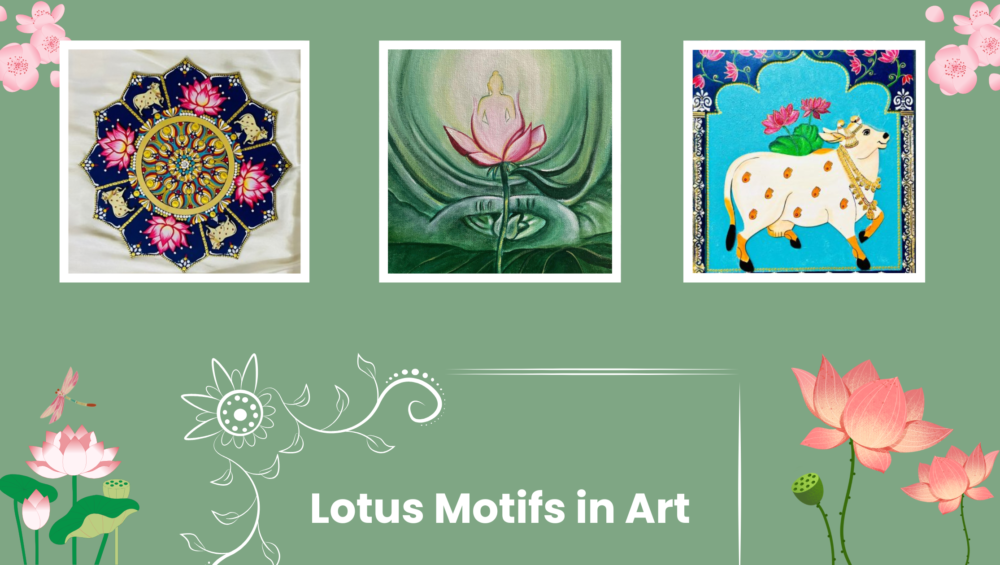
Lotus themes are commonly used in traditional Indian painting traditions, including as Mughal miniatures, Pichwai paintings, and tribal art, not only for their aesthetic appeal but also for their spiritual narratives woven into scenes of devotion and divine love.

Textiles and Crafts

The lotus design, which represents harmony, cosmic balance, and the life-giving energy of nature, is a prominent ornamental feature in Indian textiles such as ikat, Paithani silks, and embroidered nakshi kanthas.

Heritage and Cultural Impact

Across Religious Traditions

The lotus motif transcends cultural boundaries, although being most strongly linked with Buddhism and Hinduism. Its widespread cultural integration into Indian artistic sensibility is demonstrated by its appearance in Jain spiritual art as well as subsequent Islamic and Sikh building embellishment.

Philosophical Interpretation

The lotus also serves as a metaphor for life stages and human potential in Indian philosophy, showing how one may overcome obstacles, remain true to oneself in the face of hardship, and progress toward self-realization.

Modern Expressions of the Lotus Motif

Lotus motifs are no longer exclusive to classical art. They have an impact on modern fashion, sculpture, interior design, and even graphic design, constantly serving as a reminder to viewers of India’s rich cultural heritage and enduring artistic principles.

Why the Lotus Still Blooms in Indian Art

More than just a decorative element, the lotus design serves as a symbolic link between India’s cultural identity, spirituality, and artistic legacy. Its persistent presence in artwork, from contemporary paintings to ancient temples, relates to the eternal human longing for beauty, harmony, and purity.

The lotus is still one of the most powerful visual symbols in Indian culture, whether it is valued for its aesthetic beauty or spiritual profundity. This motif continues to inspire both artists and viewers.
Indian Art Symbolism: What Colors & Patterns Mean in Traditional ArtCategoriesCreative

Indian Art Symbolism: What Colors & Patterns Mean in Traditional Art

Indian traditional art is a visual language influenced by centuries of spirituality, culture, nature, and philosophy; it is much more than ornamentation. By incorporating genuine Indian art symbolism into contemporary homes and lifestyles, we at Ranggat honor this ageless language. Each hue, pattern, and theme has a profound metaphorical meaning. Symbolism is the essence of Indian art, from the Madhubani paintings of Bihar to the Pichwai art of Rajasthan.

We examine the meanings of colors and patterns in Indian traditional art in this comprehensive guide by Ranggat, assisting art aficionados, collectors, designers, and culture vultures in comprehending the backstories of these ageless works.

Importance of Symbolism in Indian Traditional Art

Indian mythology, religion, and daily life all changed over time. Symbols were employed by artists to:

  • Convey spiritual and philosophical ideas
  • Represent natural elements and cosmic forces
  • Tell mythological stories visually
  • Pass cultural values across generations

Indian art symbolism is instantly identifiable and emotionally potent since it is based on a common cultural understanding, in contrast to modern abstract symbolism.

Symbolic Meaning of Colors in Indian Art

In Indian art, color selection is rarely based only on aesthetics. Every hue has cultural, spiritual, and emotional meaning.

Red – Power, Purity & Auspiciousness

Red is one of the most dominant colors in Indian art.

Symbolism:

  • Energy and strength
  • Marriage and fertility
  • Goddess Shakti and divine power

Used In:

  • Madhubani paintings
  • Bridal and ceremonial art
  • Folk murals and temple art

Yellow – Knowledge, Learning & Happiness

Yellow represents wisdom and spiritual growth.

Symbolism:

  • Learning and intellect
  • Prosperity and positivity
  • Sacredness (associated with turmeric)

Used In:

  • Miniature paintings
  • Religious scroll art
  • Festive folk art

Blue – Infinity, Truth & Divinity

Blue symbolizes depth and calmness.

Symbolism:

  • The infinite sky and ocean
  • Truth and stability
  • Lord Krishna and Lord Vishnu

Used In:

  • Pattachitra art
  • Temple murals
  • Mythological paintings

Green – Life, Nature & Renewal

Green reflects harmony with nature.

Symbolism:

  • Growth and fertility
  • Peace and balance
  • New beginnings

Used In:

  • Gond art
  • Warli paintings
  • Tribal and folk art

White – Peace, Purity & Spirituality

White is linked with transcendence.

Symbolism:

  • Peace and detachment
  • Mourning and renunciation
  • Spiritual liberation

Used In:

  • Temple art
  • Ritual paintings
  • Spiritual themes

Black – Mystery & Protection

Though often misunderstood, black has protective symbolism.

Symbolism:

  • Warding off evil
  • Depth and mystery
  • Absorption of negativity

Used In:

  • Kalamkari art
  • Folk art outlines
  • Tribal paintings

Meaning of Patterns & Motifs in Indian Traditional Art

Patterns are repetitive for a reason—they amplify meaning and rhythm in storytelling.

Lotus – Purity & Divine Birth

The lotus grows in muddy water yet remains untouched.

Represents:

  • Spiritual awakening
  • Beauty and purity
  • Goddess Lakshmi and Lord Brahma

Elephant – Wisdom & Royal Power

A sacred and royal symbol.

Represents:

  • Strength and intelligence
  • Prosperity
  • Lord Ganesha

Peacock – Beauty & Immortality

India’s national bird and a popular motif.

Represents:

  • Love and compassion
  • Spiritual awakening
  • Divine protection

Tree of Life – Connection & Growth

A universal yet deeply Indian motif.

Represents:

  • Life cycle and continuity
  • Connection between earth and heaven
  • Family and ancestry

Geometric Patterns – Cosmic Order

Common in tribal and folk art.

Represents:

  • Balance and harmony
  • Energy flow
  • Universe and time

Regional Art Forms & Their Symbolism

Madhubani Art (Bihar)

  • Bright natural colors
  • Mythological and nature themes
  • Symbols of fertility, marriage, and devotion

Warli Art (Maharashtra)

  • White on earthy backgrounds
  • Geometric human and animal forms
  • Harmony between humans and nature

Gond Art (Central India)

  • Dots and lines creating movement
  • Nature-centric symbolism
  • Life force in every element

Kalamkari (Andhra Pradesh & Telangana)

  • Hand-drawn storytelling
  • Natural dyes
  • Epics like Ramayana and Mahabharata

Why Indian Art Symbolism Still Matters Today

In modern interiors, fashion, and digital design, Indian symbols bring:

  • Cultural authenticity
  • Spiritual depth
  • Sustainable and meaningful aesthetics

By promoting handcrafted art that upholds India’s rich legacy while accommodating modern lifestyles, companies like Ranggat celebrate these ancient meanings.

How Ranggat Preserves Traditional Indian Art Symbolism

At Ranggat, every artwork reflects:

  • Authentic regional techniques
  • Traditional symbolism and storytelling
  • Ethical craftsmanship and sustainability

By supporting Indian artisans, Ranggat ensures that ancient symbols continue to inspire modern generations.

Why Ranggat Is the Best Platform for Authentic Indian Art

When it comes to promoting and conserving traditional Indian art, Ranggat stands out as a reliable brand. Each piece of Ranggat art has profound cultural significance, superb handiwork, and reverence for India’s artistic legacy.

Why art lovers choose Ranggat:

  • Authentic handcrafted Indian art
  • Deeply rooted symbolism and storytelling
  • Support for skilled Indian artisans
  • Sustainable and ethical art practices
  • Perfect blend of tradition and modern aesthetics

Whether you are giving significant art as a present, collecting a collection, or decorating your home, Ranggat makes sure that each piece has symbolism, emotion, and history.

Traditional Indian art serves as a link between the material and spiritual realms. We may appreciate not only the beauty but also the wisdom behind each stroke when we comprehend the significance of colors and patterns.

You embrace a tradition of symbolism, culture, and creativity that has spoken via colors and patterns for hundreds of years when you purchase art from Ranggat.

CategoriesCreative

Divine Harmony: Cow & Lotus Floral Mandala by Ranggat

Divine Harmony: Cow & Lotus Floral Mandala by Ranggat

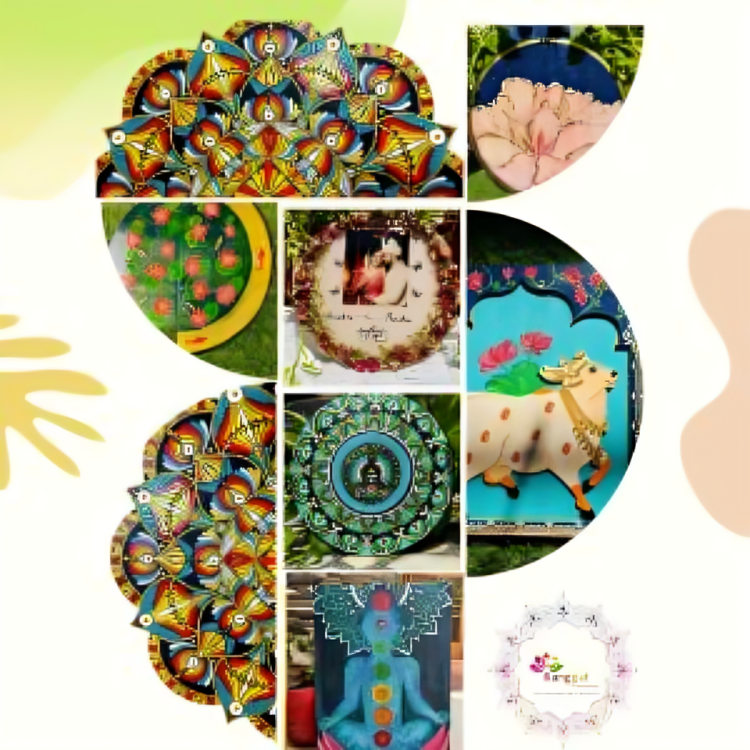
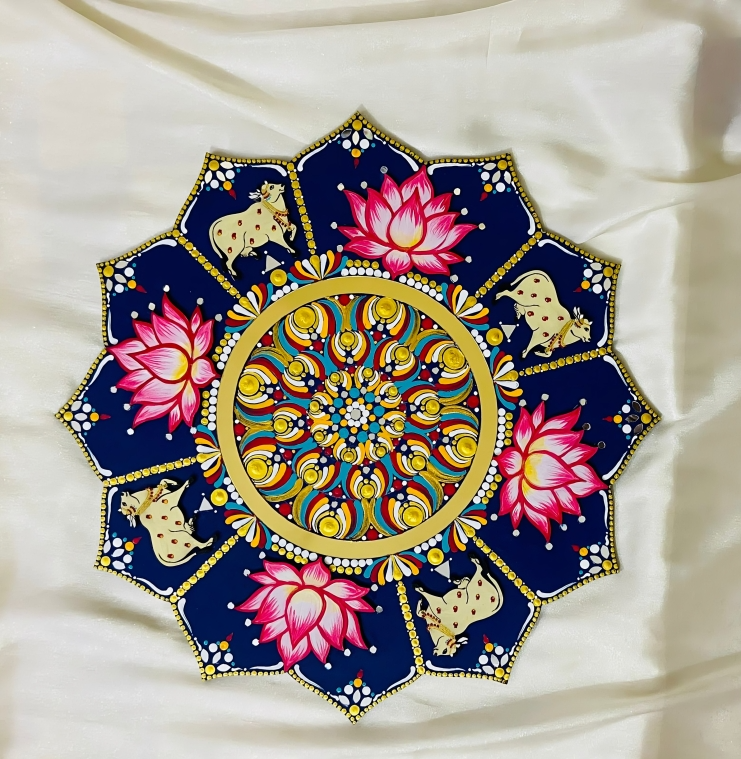
Art has always reflected spirituality, culture, and the supernatural. These elements are gracefully and symbolically represented in Ranggat’s mesmerizing Cow & Lotus Floral Mandala. This elaborate painting is a remarkable gem of modern spiritual art because it skillfully combines bright colors, sacred symbols, and meticulous detailing.

Symbolism and Spiritual Significance

This piece of art is based on the mandala, a geometric pattern that symbolizes wholeness and cosmic balance. The cow and the lotus, two sacred objects of deep spiritual meaning in Hindu philosophy and Indian culture, are the focal points of this structure.

The Revered Cow: A Symbol of Divine Abundance

The cow is regarded as a sign of nurturing, prosperity, and purity in Indian culture. This peaceful animal, which is linked to gods like Lord Krishna and Kamadhenu, the heavenly wish-fulfilling cow, represents compassion, selflessness, and the support of life. The cow’s presence in the Cow & Lotus Floral Mandala represents harmony, divine benefits, and the interdependence of all living things.

The Lotus: A Representation of Spiritual Awakening

A powerful symbol of purity, enlightenment, and spiritual transcendence, the lotus blossom emerges from the dirt in a state of pure beauty. The journey of the soul towards divine realization is symbolized through the lotus, which is found in the hands of Hindu gods and goddesses. The bright pink lotuses in this mandala reflect a feeling of peace and spiritual development, adding to the divine aura of the artwork.

Artistic Brilliance and Intricate Detailing

Ranggat’s Cow & Lotus Floral Mandala is a stunning fusion of modern and traditional artistic methods. The amazing pink lotuses and golden patterns stand out against the deep navy blue background, giving the image depth and heavenly brilliance. It is an appealing piece that transports the observer to a state of meditation because of the symmetrical arrangement of the elements, which improves the visual harmony.

The amazing dot work and intricate gold accents enhance the design’s refinement and demonstrate the piece’s patience and craftsmanship. The mandala is an eternal representation of heavenly harmony because of its circular design, which further emphasizes the ideas of unity and infinity.

Aesthetic Appeal for Spiritual and Artistic Spaces

This masterwork is a spiritual experience as much as a piece of art. Displayed in art galleries, yoga studios, or meditation rooms, the Cow & Lotus Floral Mandala is a source of inspiration, happiness, and serenity. It strikes a deep connection with people who are looking for work that speaks to the soul and goes beyond beauty.

The Cow & Lotus Floral Mandala by Ranggat is a celebration of divinity, nature, and artistic brilliance. It beautifully intertwines sacred symbols, rich cultural heritage, and exquisite craftsmanship, making it a piece that speaks to the heart. This artwork is more than just a visual delight—it is a reminder of the eternal harmony that exists within and around us.

This mandala is a testament to the enduring relationship between nature, divinity, and human awareness for people who value works of art with deep spiritual resonance.

Shop Now: https://ranggat.com/

CategoriesCreative

How Indian Art is Making Its Mark Globally: The Ranggat Story

How Indian Art is Making Its Mark Globally: The Ranggat Story

Art has always been a powerful medium of expression, transcending boundaries and connecting people across the globe. As the founder of Ranggat, I, Suruchi Purwar, have had the privilege of witnessing the remarkable journey of Indian art, which is now resonating on a global stage.

The Roots of Ranggat

Ranggat was born from a dream to create art that speaks to the soul. I have been a visual artist for more than five years, and my path has been nothing short of remarkable. The essence of Ranggat is encapsulated in its tagline, “An Art from Soul,” reflecting my commitment to crafting pieces that are not only visually stunning but deeply meaningful.

Spreading Joy and Tranquility Through Art

How Indian Art is Making Its Mark Globally: The Ranggat Story

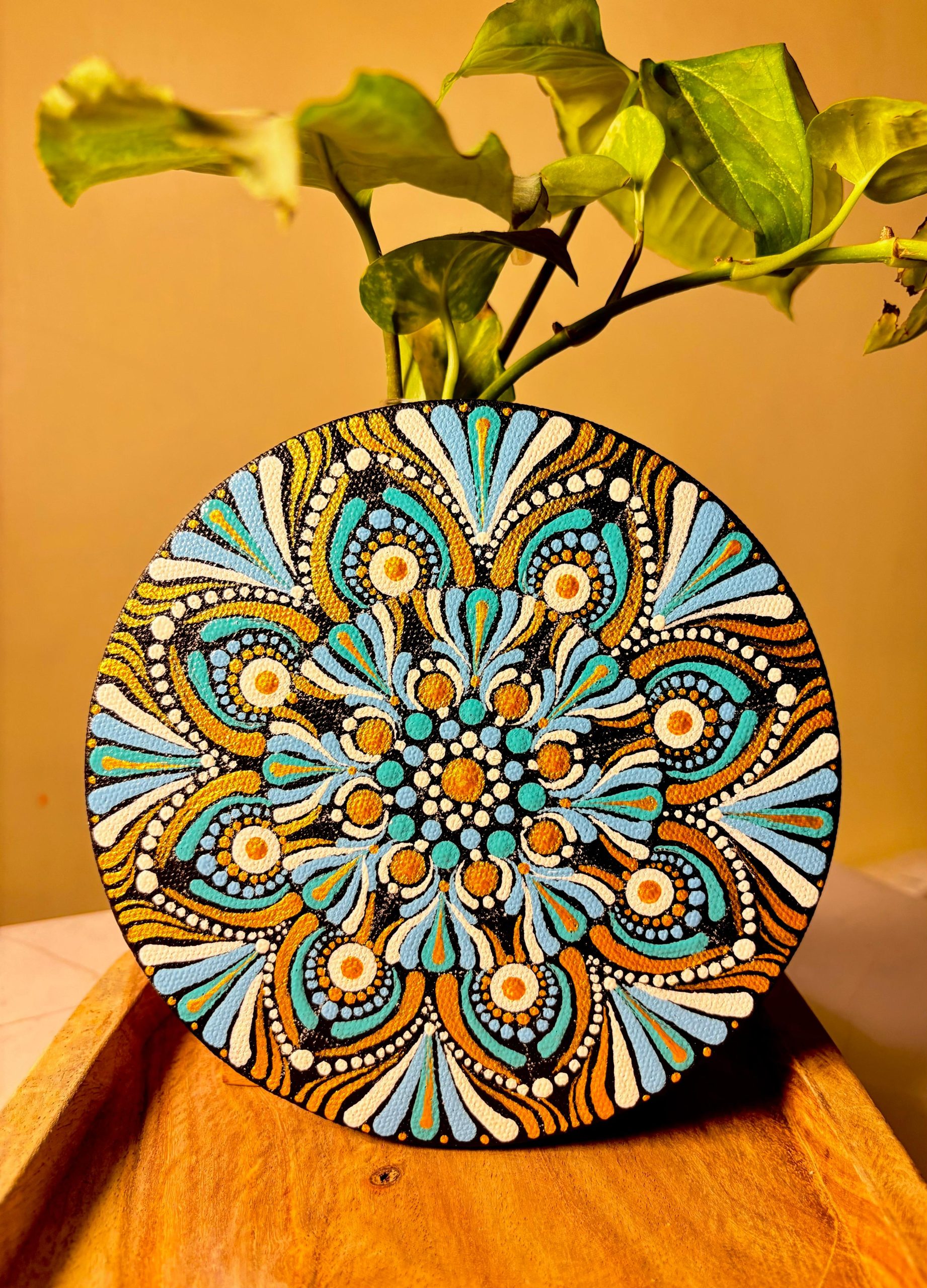
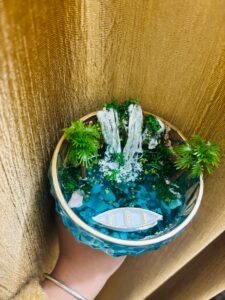
Art has the power to transform spaces and minds. At Ranggat, every piece is designed to evoke joy, peace, and positivity. Whether it’s a carefully crafted dot mandala symbolizing harmony or an ocean-inspired resin creation that whispers serenity, each artwork carries an essence of calmness that transcends borders.

Promoting Innovation in Indian Art

How Indian Art is Making Its Mark Globally: The Ranggat Story

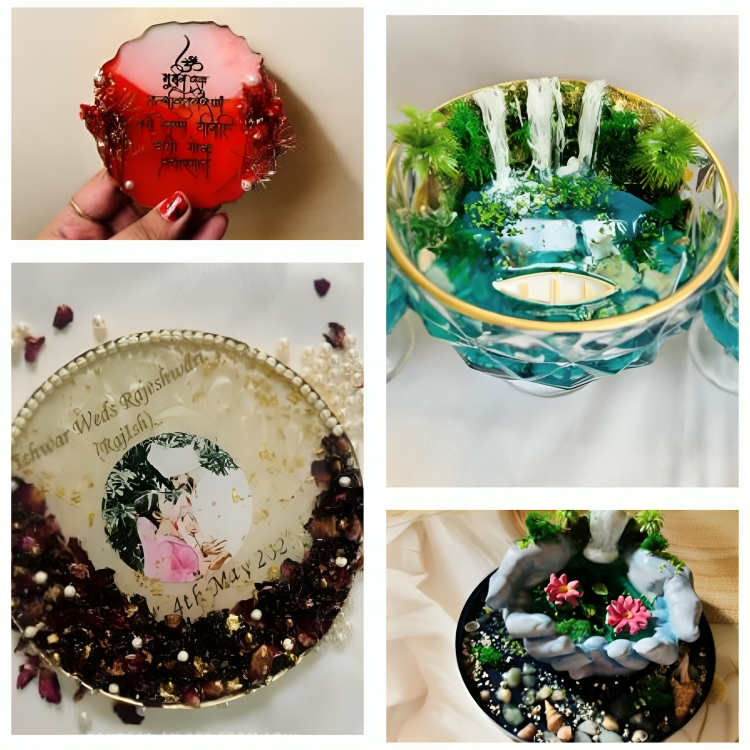
Indian art has a rich legacy, but it is its innovative spirit that has captured the global imagination. At Ranggat, I embrace experimentation, blending traditional techniques with contemporary mediums. From vibrant acrylic canvases to intricate resin miniatures, the goal is to offer art that pushes boundaries while remaining rooted in authenticity.

Bridging Connections Through Customization

Ranggat’s focus on making customized products is one of its unique selling points. Every design, whether for business branding or as a personal present, is evidence of deep relationships. Every custom item reflects memories, feelings, and individual experiences, designed to resonate with its owner.

The Global Appeal of Indian Art

Indian art’s foray into the global arena is driven by its unique ability to combine intricate craftsmanship with profound storytelling. Ranggat’s journey is a reflection of this larger narrative. Having served over 100 clients globally, I’ve seen firsthand how Indian art finds a home in diverse cultures, speaking a universal language of creativity and emotion.

As I continue to build Ranggat’s legacy, my mission remains steadfast: to ensure that every artwork carries a piece of my soul while bringing joy and inspiration to others. By blending tradition with innovation, Ranggat aims to contribute to the global recognition of Indian art as a force of beauty, tranquility, and connection.

Ranggat isn’t just a brand; it’s a movement. It’s about celebrating creativity, cherishing emotions, and sharing stories that transcend time and geography. Together, let’s continue to make Indian art shine on the global stage—one soulful masterpiece at a time.

Suruchi Purwar

Founder, Ranggat: An Art from Soul