Importance of Art in Mental Health and Well-BeingCategoriesTips & Tricks

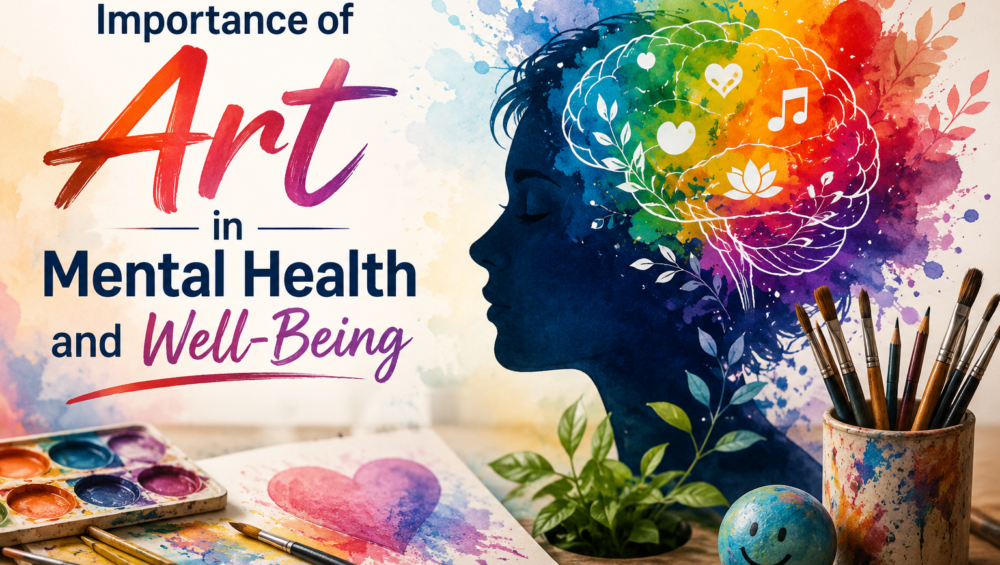
Importance of Art in Mental Health and Well-Being

In today’s fast-paced and stressful world, maintaining good mental health has become more important than ever. While traditional methods such as therapy, exercise, and meditation are widely recognized, art has emerged as a powerful tool for improving mental health and overall well-being. Whether through painting, music, dance, writing, or any other form of creative expression, art has the ability to heal, inspire, and transform lives.

Understanding the Connection Between Art and Mental Health

Art is more than just a form of entertainment or decoration. It serves as a medium for self-expression, allowing individuals to communicate thoughts, emotions, and experiences that may be difficult to express through words. Engaging in artistic activities can help people process emotions, reduce stress, and foster a sense of purpose and accomplishment.

Research has shown that participating in artistic activities can positively impact mental health by reducing symptoms of anxiety, depression, and stress while improving emotional resilience and overall life satisfaction. Creative activities stimulate various areas of the brain associated with pleasure, emotion, and memory, contributing to improved psychological well-being.

Benefits of Art for Mental Health and Well-Being

1. Reduces Stress and Anxiety

One of the most significant benefits of art is its ability to reduce stress and anxiety. Engaging in creative activities such as drawing, painting, or coloring encourages mindfulness and helps individuals focus on the present moment. This shift in attention can calm the mind and reduce stress levels.

Creating art provides a healthy distraction from daily worries and promotes relaxation, helping individuals feel more centered and peaceful.

2. Encourages Emotional Expression

Many people struggle to express their emotions verbally. Art offers a safe and non-judgmental outlet for expressing feelings such as sadness, anger, fear, or joy. Through artistic expression, individuals can explore and understand their emotions more deeply.

Art therapy, in particular, has been widely used to help individuals process traumatic experiences and cope with emotional challenges.

3. Enhances Self-Esteem and Confidence

Completing an artistic project can create a sense of achievement and pride. Whether someone is a professional artist or a beginner, creating something meaningful can boost self-confidence and self-esteem.

The creative process encourages experimentation and personal growth, helping individuals develop a positive self-image and appreciate their unique abilities.

4. Promotes Mindfulness and Relaxation

Art activities often require concentration and attention to detail, encouraging individuals to become fully immersed in the creative process. This state of deep focus, often referred to as “flow,” can promote mindfulness and reduce negative thoughts.

Mindfulness through art can improve emotional regulation, enhance mood, and foster a greater sense of inner peace.

5. Strengthens Social Connections

Participating in group art activities, workshops, or community projects can help individuals build meaningful relationships and reduce feelings of loneliness and isolation. Art creates opportunities for social interaction and shared experiences, which are essential for mental well-being.

Collaborative creative activities foster empathy, communication, and a sense of belonging within communities.

6. Supports Recovery and Healing

Art is increasingly being incorporated into healthcare settings as a therapeutic intervention. Creative arts therapies, including music therapy, dance therapy, and visual art therapy, are used to support individuals dealing with mental health conditions, chronic illnesses, trauma, and neurological disorders.

Healthcare professionals recognize that artistic expression can complement traditional treatments by promoting emotional healing and improving quality of life.

Different Forms of Art That Support Mental Health

Visual Arts

Drawing, painting, sculpting, and photography allow individuals to express emotions visually and explore their inner experiences.

Music

Listening to or creating music can improve mood, reduce stress, and provide comfort during difficult times.

Dance and Movement

Dance encourages physical activity while enabling emotional expression, which can improve both physical and mental health.

Writing and Poetry

Journaling, storytelling, and poetry help individuals process emotions, reflect on experiences, and gain clarity.

Crafts and DIY Activities

Activities such as knitting, pottery, and crafting promote relaxation, creativity, and a sense of accomplishment.

How to Incorporate Art Into Daily Life

  • Set aside time each week for creative activities.
  • Keep a sketchbook or journal to express thoughts and emotions.
  • Listen to music that uplifts and inspires you.
  • Join local art classes or community workshops.
  • Visit art galleries, museums, or cultural events.
  • Experiment with new creative hobbies without worrying about perfection.

Remember, the goal is not to create a masterpiece but to enjoy the process of creativity and self-expression.

Art plays a vital role in promoting mental health and well-being. It offers a powerful means of self-expression, stress relief, emotional healing, and social connection. Regardless of age or artistic ability, everyone can benefit from incorporating creativity into their daily lives.

As awareness of mental health continues to grow, embracing art as a tool for wellness can help individuals lead healthier, happier, and more fulfilling lives.
CategoriesLifestyle

Art and Wellness: How Painting Became My Therapy

Art and Wellness: How Painting Became My Therapy

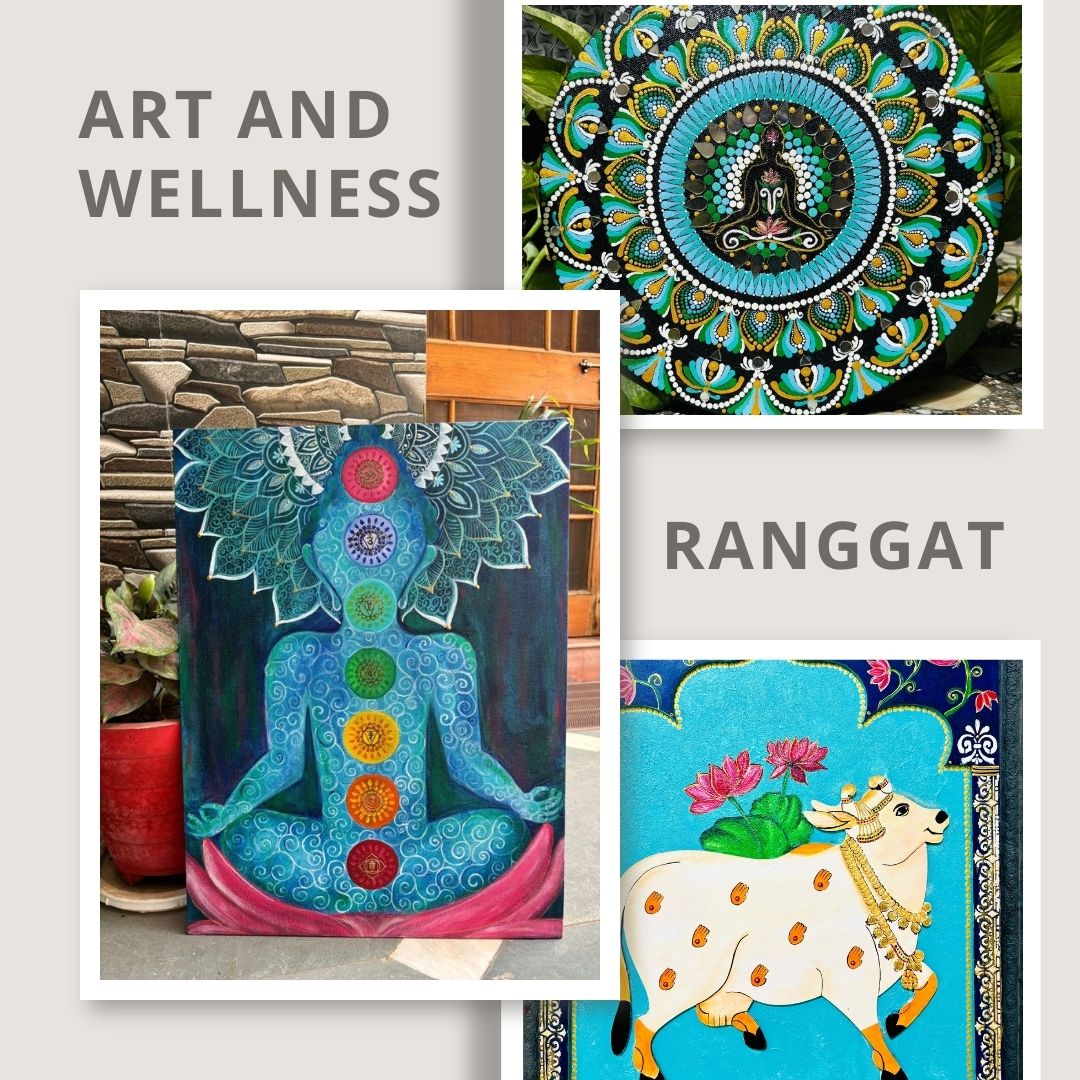
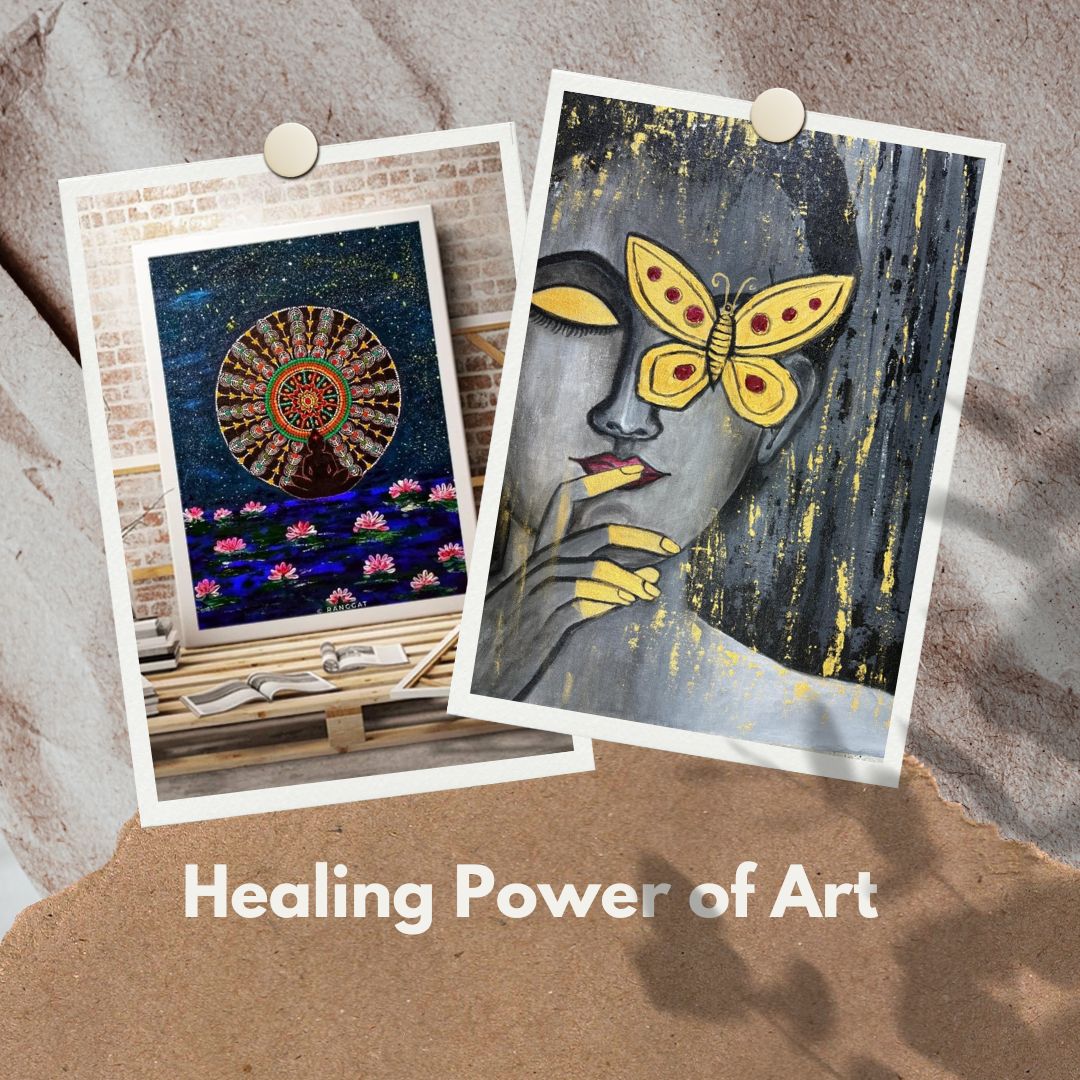
People have always expressed their ideas, feelings, and thoughts via art. However, art becomes more than just a creative outlet for many people; it becomes a kind of therapy. One such instance is the path taken by Ranggat, a brand that combines wellness with art, providing a unique perspective on how painting may be a means of emotional recovery and self-care.

The Healing Power of Art

Painting, at its core, is a therapeutic activity. Art has been used as a healing technique for generations, giving people the opportunity to connect with their inner selves and process their feelings. This relationship is at the core of Ranggat’s brand identity. The ability of art to offer a secure environment for people to express their ideas, communicate their feelings, and achieve tranquility by creativity is what gives it its therapeutic value.

The act of painting can be deeply calming once you pick up a paintbrush and go to work. Your mindset can be greatly influenced by colors, and each stroke allows you to release stress. There is freedom and relief in the act of simply making something beautiful, free from restrictions and norms. That is why painting is such a powerful therapeutic tool.

How Painting Became My Therapy

Art and Wellness: How Painting Became My Therapy

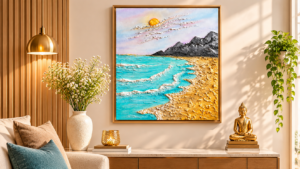
For me, painting was not always a career. It started off as a silent retreat, a private conversation between my soul and the canvas. Every brushstroke was an unspoken declaration, and every color stood for an emotion for which I had not yet found words. Painting evolved from a pastime to something more. It turned into therapy. It started to heal.

There are no questions in art. It passes no judgment. I pour memories, joy, longing, and feelings onto the canvas when I paint. And I find myself again in the process of letting go. That is the core of using art to promote wellness. It is not about making anything flawless. It is about expressing reality.

This particular journey was the inspiration behind Ranggat when I created it. “Ranggat” means soulful colors, and every frame we create carries a fragment of this philosophy. It’s not just about decor; it’s about emotional connection. When people tell me how a frame made them feel admired or brought peace to their space, I know the art is doing what it was always meant to do—heal.

If you’re holding in emotions or feeling lost, I invite you to pick up a brush. Do not stress about skill or technique. Paint your pain and peace. Paint what words can not describe. Because you are likely to discover a piece of yourself that is just waiting to be discovered during that process.

Art changed my life—and continues to. Through Ranggat, I hope it touches yours too.

The Emotional Benefits of Painting

Painting offers multiple emotional advantages that add to its healing properties:

1) Stress Relief:

You may concentrate on something creative and remove yourself from the stresses of daily life by painting. Painting can be an activity that promotes relaxation and lowers anxiety.

2) Emotional Release:

Many people find that painting gives them a way to express feelings that may be hard to put into words. It is a safe space for the exploration and expression of raw emotions.

3) Increased Self-Awareness:

You may find as you paint, specific themes or patterns show up that provide details regarding your emotional and mental health. This self-awareness is a critical stage in healing and personal development.

4) Mindfulness and Focus:

Painting promotes mindfulness, which is the art of living in the present. It helps you to focus completely on the creative process, which helps you relax and feel less anxious.

5) A Feeling of Success:

Creating a painting, regardless of how big or small, gives you a sense of achievement. This increase in self-worth may help people heal emotionally.

CategoriesTips & Tricks

The Power of Art: A Gateway to Inner Strength

The Power of Art: A Gateway to Inner Strength

Art is more than just a visual delight; it is a powerful tool for personal growth and emotional strength. Engaging with art, whether through creation or appreciation, can unlock hidden depths of inner strength. This article explores the ways in which art may be a means of identifying and fostering your inner resilience, offering a route to emotional health and self-awareness.

“At the deepest level, the creative process and the healing process arise from a single source. When you are an artist, you are a healer; a wordless trust of the same mystery is the foundation of your work and its integrity.”
― Rachel Naomi Remen

Art as a Form of Self-Expression

Art provides a unique platform for self-expression. Through various mediums such as painting, sculpture, music, or writing, individuals can communicate their innermost feelings and thoughts. This process of expressing emotions through art can be therapeutic, helping to release pent-up emotions and discover inner strength.

The Meditative Nature of Creating Art

Creating art can help you become more focused and thoughtful. Artists frequently experience a state of flow in which time appears to stop as they get completely immersed in their work. In addition to calming the mind, this meditative state helps in the growth of patience and power, two qualities that are essential for inner strength.

Art as a Tool for Overcoming Challenges

Life’s challenges can be frightening, but art offers a way to process and overcome them. Many individuals turn to art during difficult times, finding comfort in the creative process. Whether it’s drawing, writing poetry, or playing an instrument, art helps in navigating through pain, fear, and uncertainty, transforming these challenges into sources of strength.

Inspiration and Motivation from Art

Art has the power to inspire and encourage. One can become more hopeful and determined when they see or make art that speaks to their own journey. Stories of artists who have triumphed over adversity through their work serve as reminders of the unstoppable human spirit, encouraging others to find and embrace their inner strength.

Building a Community Through Art

Art frequently unites people, creating communities where people can support one another and exchange experiences. Taking part in workshops, exhibitions, or group art projects promotes a feeling of community and group resilience. These communities become havens of mutual encouragement and strength.

The power of art lies in its ability to act as a gateway to inner strength. People can overcome obstacles, connect with others more deeply, and explore their emotions by creating art. Whether you are making art or just enjoying it, the process is one of empowerment and self-discovery.

Embrace the influence of art in your life. Explore different forms of artistic expression and learn how they might help you access your inner strength. In order to inspire others and receive inspiration yourself, join art communities and share your journey.