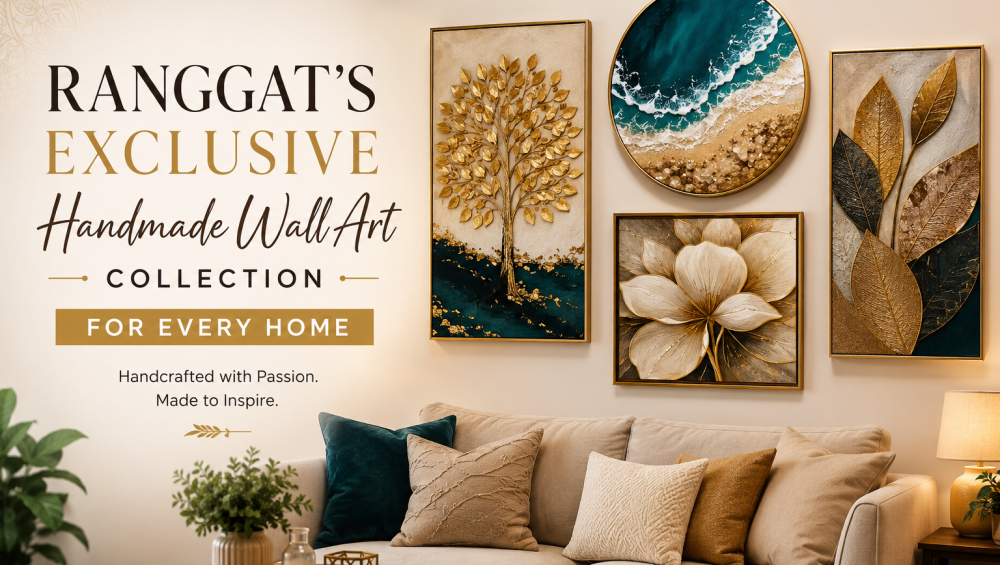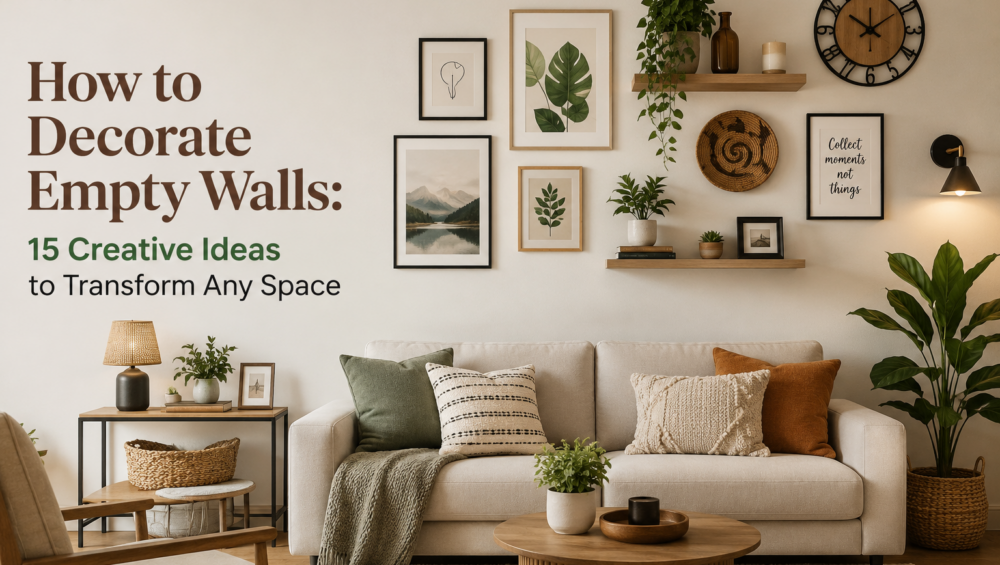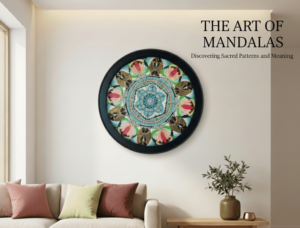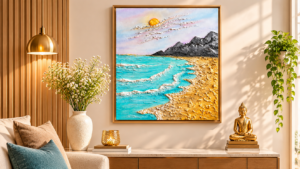
A beautiful piece of artwork can completely transform the look and feel of a living space. However, finding artwork that perfectly matches your interior design, personal taste, colour palette, and wall dimensions can sometimes be challenging. This is where custom art commissions make a difference.
At Ranggat, custom artwork is more than simply creating a painting. It is a creative journey that transforms your ideas, inspirations, and design preferences into a unique piece of art that reflects your personality and complements your space.
From the first mood board to the final artwork displayed on your wall, every stage involves thoughtful planning, artistic exploration, and attention to detail. Whether you are a homeowner looking for a statement piece or an interior designer searching for bespoke wall art, understanding the custom art creation process helps you make better creative decisions.
Let’s explore how a custom art commission comes to life.
1. Starting with Your Vision: Understanding the Concept
Every custom artwork begins with an idea. Sometimes, homeowners already have a clear vision of what they want, while others need inspiration to discover the right artistic direction.
The first step is understanding your requirements, including:
- Your preferred art style, such as abstract, minimalist, contemporary, or textured art.
- The mood you want to create in your room.
- Your existing furniture, wall colours, and interior theme.
- Your preferred colour combinations and artistic patterns.
- Whether you want subtle decorative artwork or a bold statement piece.
At Ranggat, these initial discussions help establish a creative direction that reflects your individual preferences.
2. Creating a Mood Board for Creative Direction
A mood board is an important part of the custom art process. It brings together visual references that help communicate the overall look and feel of the proposed artwork.
A carefully prepared mood board may include:
- Interior design inspiration and room photographs.
- Colour palettes and complementary shades.
- Abstract painting references.
- Textured artwork inspirations.
- Material and surface finish references.
- Examples of shapes, patterns, and compositions.
For example, a homeowner with a neutral living room may prefer beige, ivory, cream, and soft gold tones. An interior designer working on a contemporary luxury apartment might prefer deeper contrasts, metallic accents, and expressive textures.
The mood board helps everyone understand the creative vision before the actual artwork begins.
3. Choosing the Right Artwork Size and Dimensions
Size plays an important role in how artwork looks within an interior space. Even a beautiful painting can feel out of place if its dimensions are not suitable for the wall.
Before creating a custom commission, it is important to consider:
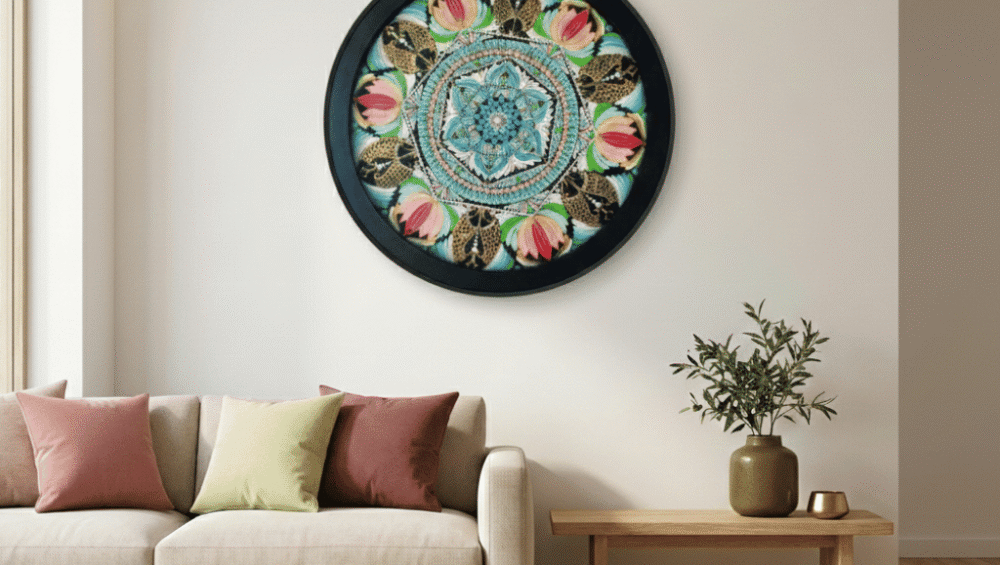
Living Room: Large horizontal canvas artwork can create an attractive focal point above a sofa.
Bedroom: Medium-sized abstract artwork can add visual interest without overwhelming the space.
Entryway: Vertical textured artwork can make an impressive first impression.
Dining Area: Carefully selected statement artwork can complement the furniture and overall interior theme.
One useful interior styling guideline is the two-thirds rule. Artwork placed above a sofa or console can look balanced when its width is approximately two-thirds of the furniture width.
Accurate wall measurements help ensure that the final artwork feels naturally connected to its surroundings.
4. Selecting the Perfect Colour Palette
Colour selection is one of the most personal parts of commissioning custom artwork. The right palette can connect the artwork with the surrounding interior while creating the desired atmosphere.
Some popular colour combinations include:
- Beige, ivory, and cream for elegant minimalist interiors.
- White and gold for luxurious contemporary spaces.
- Blue and turquoise for ocean-inspired artwork.
- Brown and earthy tones for warm, natural interiors.
- Black, white, and grey for modern abstract spaces.
- Sage green and neutral shades for calming interiors.
Homeowners and interior designers can consider wall colours, curtains, rugs, furniture finishes, and decorative accessories before finalising the palette.
The objective is to create artwork that complements the space without looking repetitive or disconnected.
5. Exploring Texture Density and Artistic Techniques
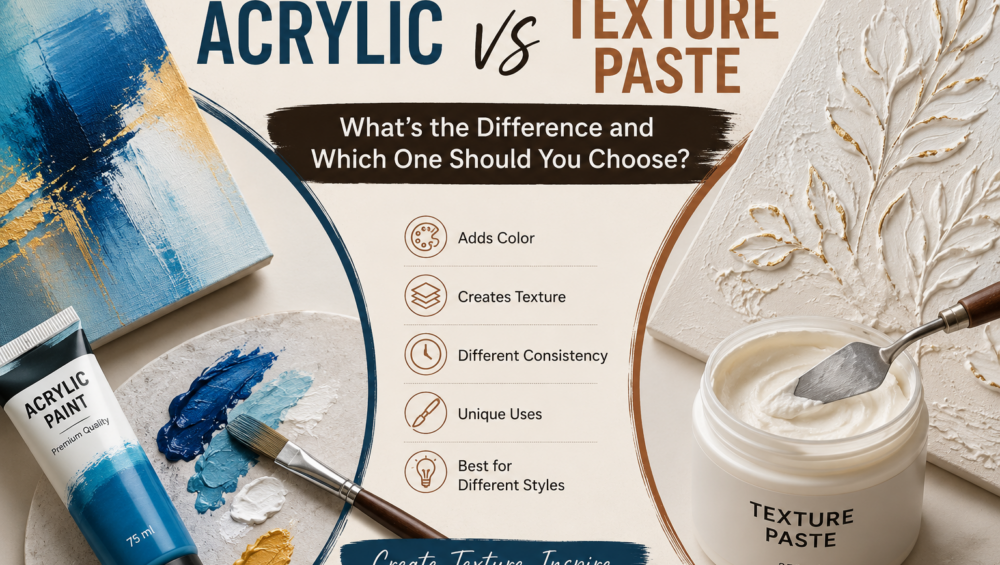
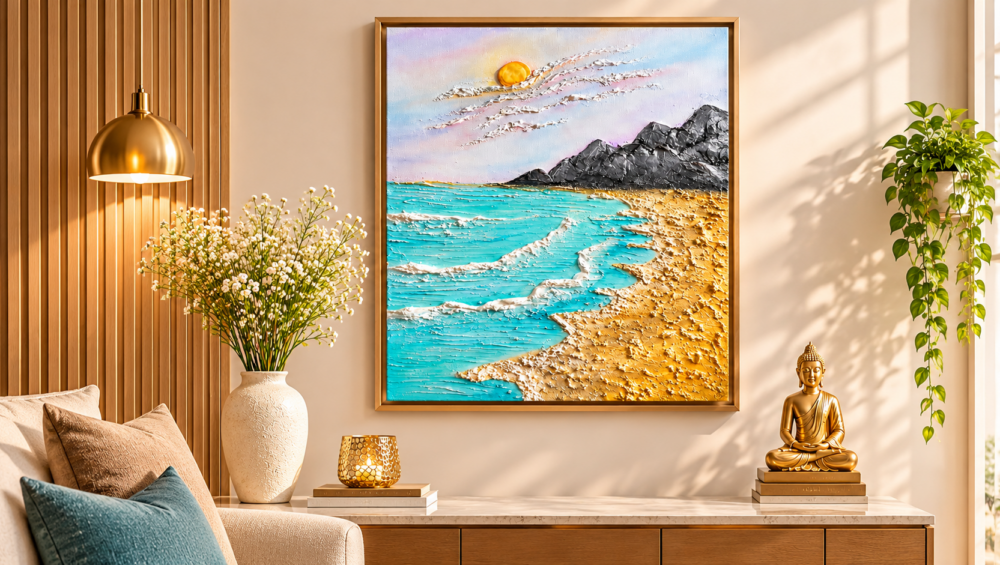
Texture is what gives textured artwork its distinctive character. Unlike traditional flat paintings, textured art introduces depth, dimension, and interesting surface details.
The texture density should be selected according to the interior design and desired visual impact.
Light Texture: Subtle raised patterns create a sophisticated and understated appearance.
Medium Texture: Balanced surface details add depth while maintaining visual simplicity.
Heavy Texture: Bold, sculptural textures create dramatic statement artwork that attracts attention.
Artists may use palette knives, modelling paste, acrylic mediums, and other suitable materials to create different surface effects.
For homeowners who love contemporary interiors, neutral textured artwork can provide a beautiful balance between simplicity and artistic expression.
6. The Artwork Creation Process: Bringing Ideas to Life
Once the mood board, dimensions, colours, and texture preferences are finalised, the actual creative process begins.
This stage involves translating the approved concept into an original artwork.
The artist carefully works on:
- Preparing the canvas and selecting suitable materials.
- Establishing the composition and base colours.
- Applying textures and creating surface details.
- Developing layers, patterns, and artistic dimensions.
- Refining the overall appearance.
- Allowing the artwork to dry and preparing the final finish.
Every detail contributes to the final visual experience. The goal is to create something that feels personal, visually balanced, and suitable for the intended interior.
7. Reviewing the Artwork Before Final Delivery
A custom art commission is a collaborative experience. Before final delivery, the completed artwork should be reviewed against the original creative direction.
Important elements to evaluate include:
- Colour accuracy and overall palette.
- Texture quality and density.
- Composition and visual balance.
- Artwork dimensions and proportions.
- Compatibility with the intended interior.
- Final finishing and presentation.
This review helps ensure that the finished artwork reflects the agreed creative vision.
8. From the Artist’s Studio to Your Wall
The final stage is seeing the commissioned artwork become part of your home or design project.
Placement and lighting can make a significant difference to the overall appearance of textured artwork.
Consider these styling tips:
- Hang artwork at a comfortable eye-level height.
- Use suitable wall lighting to highlight raised textures.
- Maintain enough surrounding space to let the artwork stand out.
- Coordinate decorative accessories with the artwork’s colour palette.
- Select a frame or frameless finish that complements the design.
Whether displayed above a living room sofa, in a bedroom, or in a beautifully designed entrance, custom artwork can become a meaningful focal point.
Why Choose Custom Artwork for Your Interior?
Custom artwork offers something that mass-produced decorative pieces often cannot: a personal connection between the artwork and the space.
Here are some advantages:
- Personalisation: Artwork designed around your preferences.
- Unique Design: An original creation rather than a mass-produced piece.
- Perfect Dimensions: Artwork planned according to your wall measurements.
- Colour Coordination: Palettes selected to complement your interiors.
- Artistic Expression: Textures and techniques that reflect your desired style.
- Interior Harmony: A thoughtful connection between artwork and furniture, lighting, and decor.
For homeowners and interior designers, bespoke artwork offers an opportunity to create spaces that feel more individual and thoughtfully designed.
The journey of a custom art commission is a beautiful combination of imagination, collaboration, and craftsmanship. From discussing initial ideas and creating mood boards to selecting colours, deciding texture density, and completing the final artwork, every step contributes to a meaningful artistic experience.
At Ranggat, custom textured artwork celebrates creativity and individuality. Whether you want a subtle abstract canvas for your bedroom or a bold statement piece for your living room, the right artwork can bring your interior vision to life.
Your wall deserves more than ordinary decoration. It deserves artwork that tells your story.