Indian decor has undergone a significant shift in recent years from generic, machine-made décor to handcrafted, culturally significant, and emotionally charged pieces. This change reflects deeper ideas about meaning, tradition, and the personal touch in addition to stylistic changes.
1. Handmade Art Adds Soul to Living Spaces
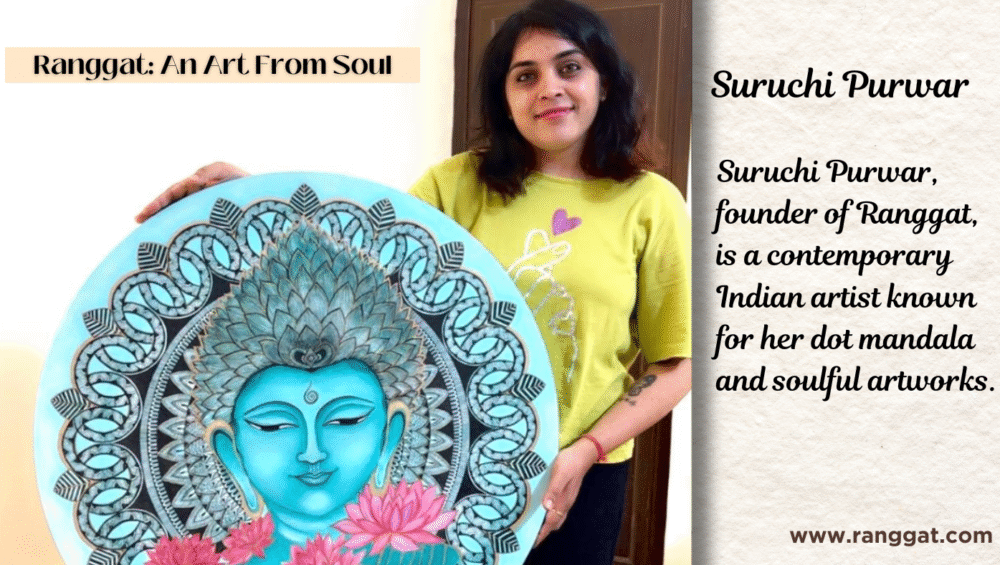
Handcrafted art conveys purpose and story, in contrast to mass-produced goods. Whether it’s mandala wall art or spiritual mantra paintings, websites like Ranggat highlight how each item is created by talented artisans and imbued with meaning, making décor more than just ornamentation. Each component helps turn a house into a home with soul by adding personality and a unique tale.
2. Cultural Roots and Symbolism Resonate in the Home
Mandalas and other beautiful arts from India have been shaped by centuries-old customs. The mandala, which has its roots in spiritual symbolism and sacred geometry, infuses a space with balance, harmony, and attentiveness. According to websites like Ranggat, these pieces are not only physically arresting but also spiritually unifying, making them perfect for intentional living areas or meditation nooks.
Beyond mandalas, India’s wider craft legacy connects décor to local narratives and cultural identity through rangoli motifs, block prints, and tribal patterns. These components give contemporary homes a historically and geographically grounded look.
3. Imperfection Becomes a Design Strength
Machine-made products lack the subtle differences in texture, form, and finish found in handcrafted objects. Every item is unique because of this imperfection, which is a mark of the artisan’s hand rather than a defect. It softens the sometimes icy precision of modern minimalism by adding warmth, tactility, and a feeling of being alive in a space.
4. Emotional and Narrative Connection
Items with a history are becoming more and more appreciated by modern consumers. Folklore, spiritual concepts, or generational craftsmanship traditions are frequently reflected in handcrafted items. This narrative element encourages both homeowners and visitors to emotionally connect with the décor, making homes feel richer and more intimate, as Ranggat and related blogs emphasize.
5. Sustainability and Ethical Consumption
Selecting handmade décor frequently aligns with sustainability principles. Wood, natural dyes, clay, and cane are examples of natural or eco-friendly materials used by traditional artists that have a lower environmental impact than many industrial substitutes. In addition to preserving skills that might otherwise deteriorate, supporting artists helps maintain craft communities.
The revival of handcrafted décor in Indian homes is more than just a passing trend; it’s a return to human creativity, tradition, and significance. Warmth, narrative, and individuality are added to contemporary spaces by this aesthetic, which ranges from items inspired by holy geometry to those with an artisan’s touch. Handmade art gives spaces life and a sense of cultural and emotional connection in a world of uniform design.