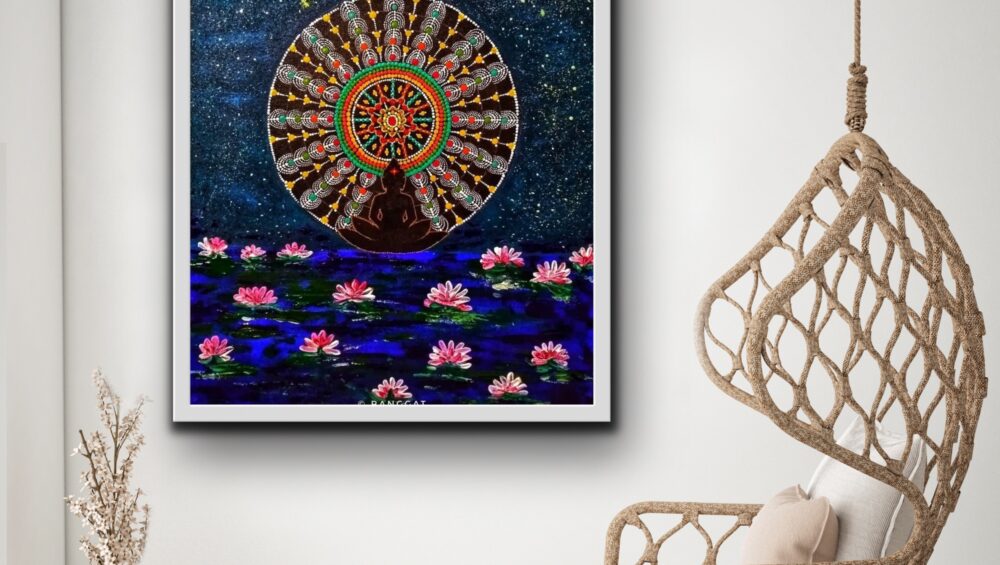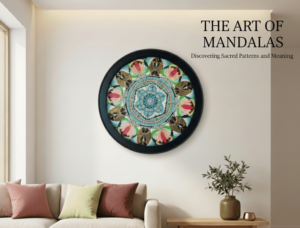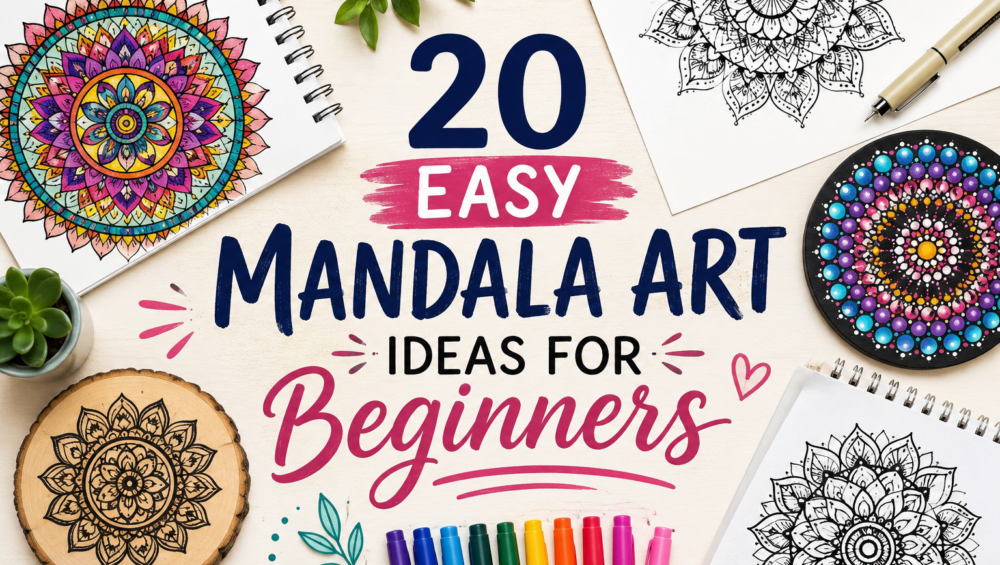
Mandala art is a beautiful and relaxing form of creative expression that combines patterns, symmetry, and imagination. The word “mandala” comes from Sanskrit and means “circle,” symbolizing balance, harmony, and unity. Whether you’re a complete beginner or someone looking to improve your artistic skills, mandala art is an enjoyable way to explore creativity while reducing stress.
In this article, we’ll explore 20 easy mandala art ideas for beginners that require minimal materials and can help you build confidence in your artistic journey.
Why Try Mandala Art?
Before diving into the ideas, let’s look at why mandala art has become so popular:
- Helps reduce stress and anxiety
- Improves focus and concentration
- Encourages creativity and self-expression
- Easy to learn with basic drawing tools
- Suitable for all age groups
1. Simple Circle Mandala
Start with a basic circle and divide it into equal sections. Add simple patterns such as dots, lines, and petals. This is the perfect introduction to mandala art.
2. Flower Petal Mandala
Draw a flower in the center and surround it with layers of petals. Experiment with different petal shapes to create unique designs.
3. Dot Mandala Design
Create beautiful patterns using only dots of various sizes. Dot mandalas are easy to make and look stunning when completed.
4. Sun-Inspired Mandala
Use the sun as your central theme. Draw rays extending outward and decorate them with geometric patterns.
5. Leaf Pattern Mandala
Nature-inspired mandalas are perfect for beginners. Add leaves around a central circle to create a calming design.
6. Heart Mandala
Replace traditional petals with heart shapes. This design is ideal for greeting cards, gifts, or personal artwork.
7. Geometric Mandala
Use triangles, squares, diamonds, and circles to build a structured and visually appealing mandala.
8. Black and White Mandala
Create a striking design using only black ink on white paper. Focus on contrast and intricate details.
9. Colored Pencil Mandala
Once your outline is complete, bring it to life with vibrant colored pencils and creative shading.
10. Spiral Mandala
Begin with a spiral in the center and gradually add patterns as you move outward.
11. Star Mandala
Use a star shape as the focal point and create symmetrical designs around it.
12. Mandala Bookmark Design
Create a small mandala that fits on a bookmark. This is a practical and enjoyable beginner project.
13. Mandala Coaster Art
Draw simple mandalas on round cardboard or wooden coasters to create personalized home decor.
14. Butterfly Mandala
Combine butterfly wings with mandala patterns for a creative and colorful artwork.
15. Ocean-Themed Mandala
Incorporate waves, shells, fish, and sea-inspired motifs into your design.
16. Rainbow Mandala
Use a rainbow color palette to create a cheerful and eye-catching mandala.
17. Tree of Life Mandala
Place a simple tree in the center and surround it with circular patterns representing growth and connection.
18. Festival Mandala
Design a mandala inspired by celebrations such as Diwali, Holi, or other cultural festivals.
19. Minimalist Mandala
Keep your design simple with clean lines, small details, and plenty of open space.
20. Personalized Name Mandala
Write your name or initials in the center and create decorative patterns around them for a unique personal touch.
Tips for Beginners
Start Simple
Don’t try to create highly detailed designs immediately. Begin with basic shapes and patterns.
Use Guidelines
Lightly draw circles and section lines with a pencil before adding your final patterns.
Practice Symmetry
Mandalas are known for balance and symmetry. Take your time to repeat patterns evenly.
Experiment with Colors
Try different color combinations to discover your personal artistic style.
Be Patient
Mandala art is about the process, not perfection. Enjoy each step and allow your creativity to flow.
Mandala art is one of the easiest and most rewarding art forms for beginners. With these 20 easy mandala art ideas, you can start creating beautiful designs while improving focus, patience, and creativity. The more you practice, the more confident you’ll become in developing your own unique mandala style.
Grab a pencil, paper, and some colors, and begin your mandala art journey today. Every circle you draw is a step toward creating something beautiful and meaningful.
Ranggat brings creativity to life through beautiful mandala art, inspiring artists and art lovers with unique handmade designs and artistic inspiration.