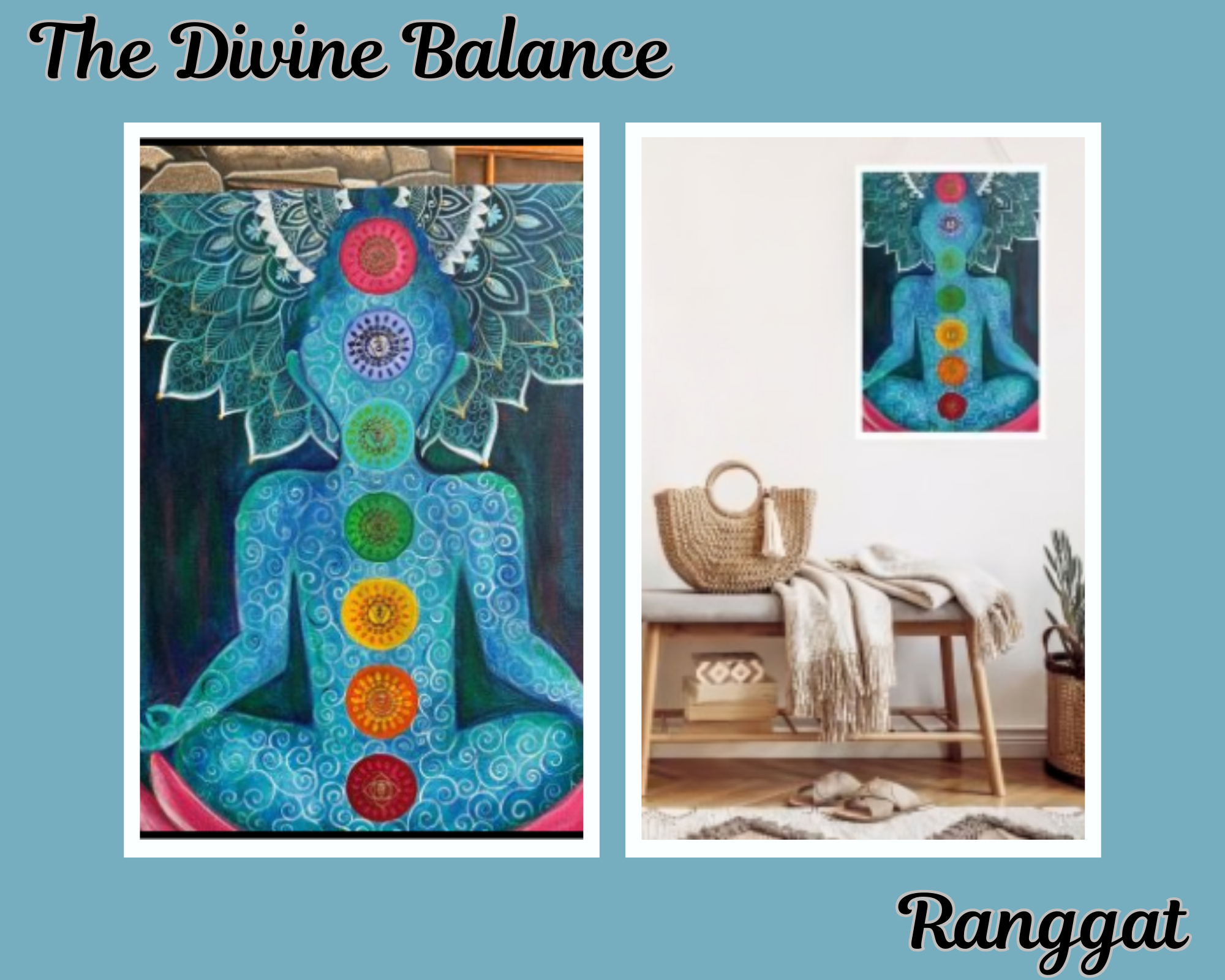
Mandalas are ancient visual aids intended to direct the mind toward balance and serenity; they are much more than just ornamental designs. Mandala art, which has its roots in sacred geometry, has been utilized for ages in various civilizations’ meditation and healing rituals. Mandala geometry provides a peaceful, potent means of reestablishing inner peace in a world full of noise and distraction. Mandalas at Ranggat are deliberate designs that bring presence, clarity, and emotional harmony into ordinary areas rather from being only works of art.
What Is Mandala Geometry?
Mandala is a Sanskrit term that means “holy circle.” Precise, harmonic patterns that mirror the universe’s inherent order are used to construct mandala geometry.
Common geometric elements include:
- Dots (Bindu) – the point of origin and awareness
- Circles – wholeness, protection, and infinity
- Symmetry – balance between inner and outer worlds
- Repetition – rhythm that gently draws the mind inward
These elements work together to create a visual structure that naturally slows mental activity and centers attention.
How Mandala Geometry Enhances Meditation
Focus is often the first step in meditation, and mandalas offer a potent focal point. The mind follows when the eyes focus on a geometric shape that is balanced.
Benefits of Meditating with Mandalas
- Encourages deep concentration
- Reduces mental restlessness
- Supports mindful breathing
- Creates a natural meditative rhythm
Mandala geometry serves as a visual anchor that makes it easier for practitioners to enter and stay in a peaceful, meditative state.
The Healing Influence of Mandala Art
Mandala art is effective on an energetic and psychological level. Its geometry’s harmony reflects the equilibrium the body and mind strive for when healing.
Healing Benefits of Mandala Geometry
- Reduces stress and anxiety
- Promotes emotional stability
- Enhances positive energy flow
- Encourages self-awareness and reflection
For this reason, mandala art is frequently utilized in therapy rooms, yoga studios, healing areas, and spiritual settings.
Sacred Geometry: Where Science Meets Spirituality
In addition to being symbolic, mandala geometry is closely related to the way the human brain interprets patterns. It is well recognized that symmetrical shapes trigger the brain’s relaxation response, which lessens overstimulation.
Scientific studies show that balanced visual patterns:
- Support mental clarity
- Improve focus and creativity
- Harmonize left and right brain activity
Sacred geometry, through mandalas, bridges ancient spiritual wisdom with modern psychological understanding.
Mandala Art in Modern Living Spaces
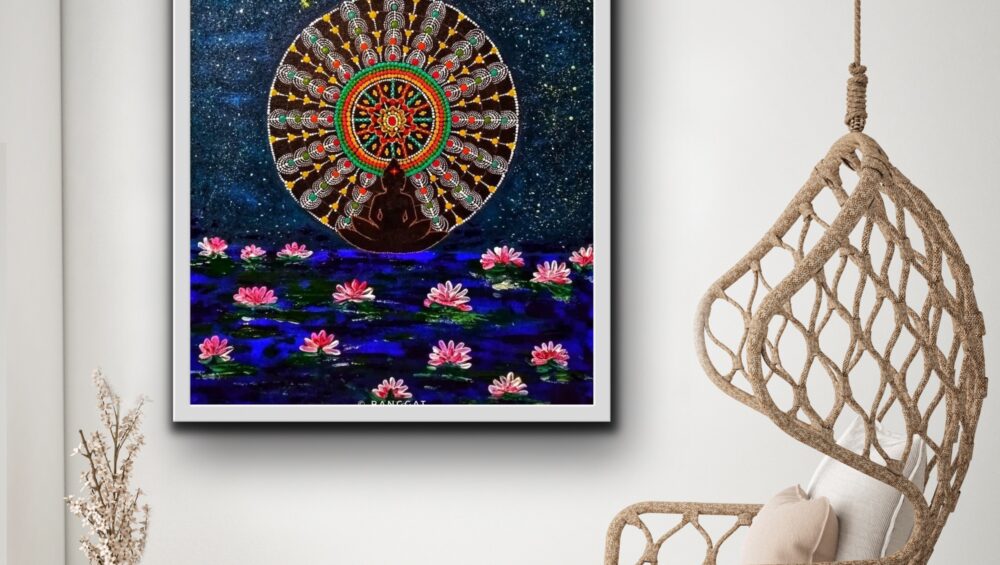
Mandalas now include contemporary interiors in addition to their traditional spiritual contexts. A living area can become a haven with well-placed mandala art.
Why Mandalas Belong in Contemporary Homes
- Create a calm and mindful atmosphere
- Enhance meditation and yoga practices
- Add depth and meaning to wall décor
- Blend aesthetics with spiritual intention
At Ranggat, mandala art is designed to integrate seamlessly into modern homes while preserving its sacred essence.
Ranggat’s Approach to Mandala Geometry
Ranggat views mandala art as a silent form of communication—one that speaks through balance, intention, and stillness.
Each mandala is created with:
- Purposeful geometry
- Thoughtful symmetry
- An emphasis on emotional and energetic harmony
Rather than demanding attention, Ranggat’s mandalas gently invite contemplation and presence.
The ability of mandala geometry to bring the mind back to equilibrium without the use of force or words is its secret strength. Mandalas teach us via healing and meditation that balance is something we remember rather than something we pursue.
A mandala is not just art on a wall.
It is a quiet companion—holding space for stillness, awareness, and inner healing.