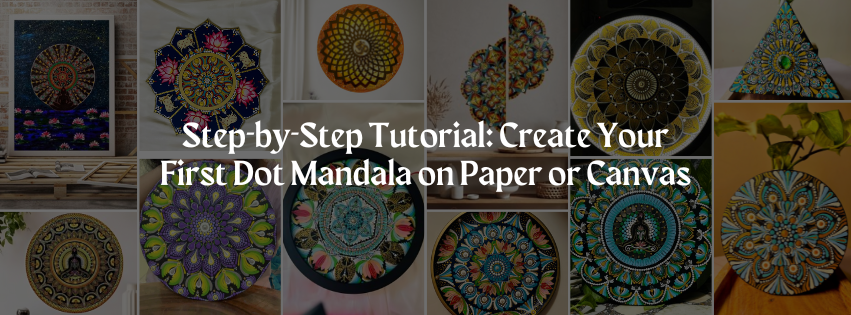
Dot mandalas are captivating pieces of art that blend meditative repetition, vivid colors, and complex patterns. Although they may appear to be straightforward decorative elements at first, each dot, line, and circle has centuries-old cultural and spiritual meaning. Dot mandala have spread across continents from tribal customs to modern art, demonstrating humanity’s continuous attraction with symmetry, symbolism, and attentiveness.
What is a Dot Mandala?
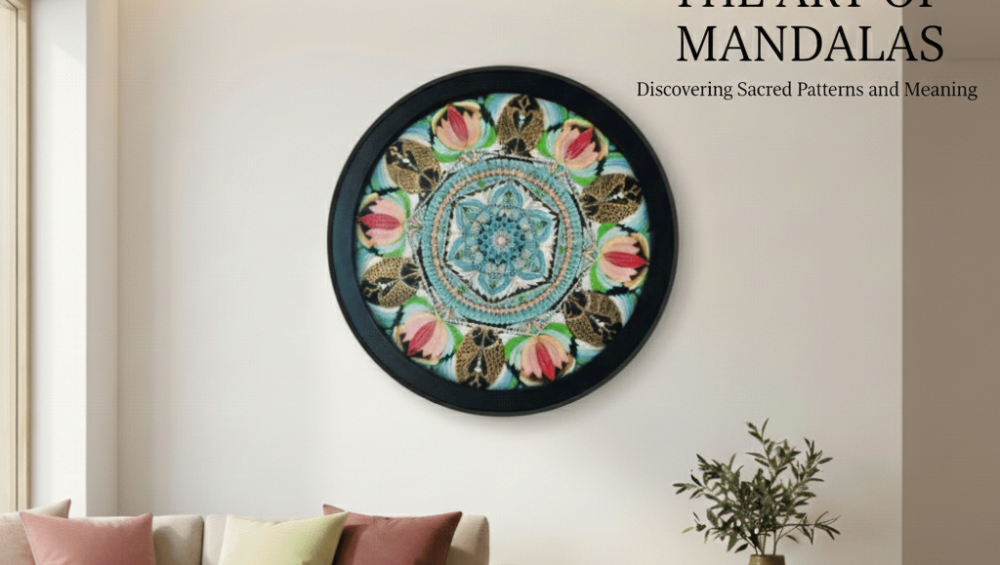
Based from the Sanskrit word for “circle,” a mandala is a symbolic design that stands for unity, balance, and the cosmos. In particular, dot mandalas use dots as the basic building blocks to create complex designs that radiate outward from a center point. To create a sense of depth and harmony, these designs frequently use geometric shapes, floral themes, and layers of color.
Unlike traditional brush or pencil mandalas, dot mandalas often use tools like styluses, nails, or even cotton swabs to create consistent, circular dots, resulting in a textured, almost tactile visual experience.
Historical Origins
While mandalas are most famously associated with Hinduism and Buddhism in South Asia, dot mandalas have emerged independently in various cultures:
- Indigenous Australian Art: Dot painting has been a central part of Aboriginal art for thousands of years. These artworks use dots to depict stories, landscapes, and spiritual concepts. The use of dots represents the interconnectedness of life and often encodes ancestral knowledge and cultural narratives.
- Tibetan and Hindu Traditions: Mandalas in Tibetan Buddhism and Hinduism are spiritual tools for meditation, representing the cosmos and the path to enlightenment. Monks create elaborate mandalas using colored sand, where each grain acts as a symbolic dot, demonstrating impermanence and devotion.
- Modern Western Adaptations: In recent decades, dot mandalas have gained popularity as a therapeutic art form, blending traditional symbolism with contemporary design aesthetics. Artists around the world now create dot mandalas as part of mindfulness practices, home décor, and personal expression.
The Symbolism Behind Dot Mandalas
Dot mandalas carry deep symbolism:
- Circles represent wholeness, eternity, and unity.
- Dots emphasize individuality within the collective, illustrating how small actions contribute to a larger whole.
- Symmetry reflects balance, harmony, and the interconnectedness of life.
- Colors often have specific meanings—red for energy, blue for calm, yellow for joy, and green for growth.
For many, creating or observing dot becomes a meditative practice, encouraging focus, self-reflection, and emotional healing.
Dot Mandalas in Contemporary Culture
Nowadays, dot mandalas are praised worldwide for both their aesthetic appeal and their therapeutic qualities. Thanks to workshops, do-it-yourself kits, and social media platforms that showcase artists from diverse backgrounds, the art form is accessible to everybody. They are used in classrooms, meditation rooms, and even corporate wellness programs to foster awareness and creativity.
mandala are a celebration of human creativity, an aid for meditation, and a bridge across civilizations in addition to being beautiful works of art. mandalas, which can be seen in anything from the hallowed sands of Tibetan temples to the vibrant paintings of contemporary artists, serve as a reminder that every tiny action—like a single dot—contributes to a greater, harmonious total.
ranggat Dot mandala connect us to a timeless global heritage that embodies beauty, harmony, and mindfulness in every circle, whether you make them for creative expression, spiritual contemplation, or just the pleasure of creating patterns.