Posting Art Isn’t Enough AnymoreCategoriesUncategorized

Posting Art Isn’t Enough Anymore

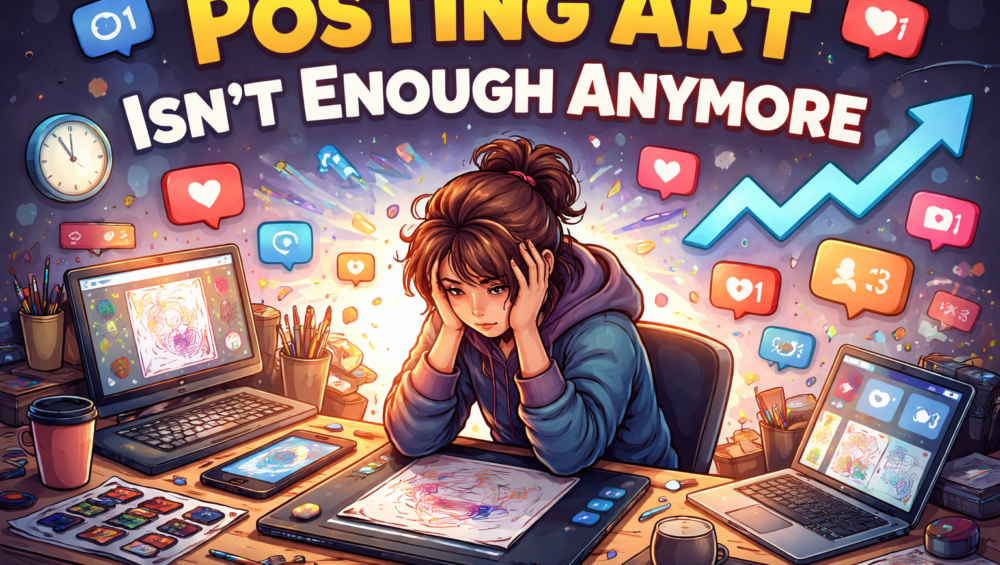
Being an artist in today’s digital world is not easy. Many people think artists just draw something, post it online, and become famous. But the reality is very different. Posting art is not enough anymore.

Today, artists are not only artists. They are also content creators, marketers, video editors, photographers, and social media managers. They have to do everything by themselves.

Too Many Artists Online

The internet is full of talented artists. Every day, thousands of people post drawings, paintings, digital art, animations, and designs. Because there is so much art, it is very hard to stand out. Even if your art is very good, people may not see it.

Sometimes, simple art gets more likes, and detailed art gets ignored. This can feel very unfair and discouraging for artists.

The Algorithm Problem

On platforms like Instagram, TikTok, and YouTube, the algorithm decides who sees your art. If your post does not get likes quickly, fewer people will see it. This means artists have to think about:

  • When to post
  • How to post
  • What caption to write
  • What music to use
  • What hashtags to use

So, artists are not just making art anymore. They are trying to “please the algorithm”.

Art vs Content

Before social media, artists focused on improving their skills and making meaningful art. Now many artists feel pressure to make content instead of art.

Content means:

  • Reels
  • Speedpaints
  • Process videos
  • Trend art
  • Fan art
  • Short videos

These things get more views, but sometimes artists don’t enjoy making them. They just make them because they want reach, followers, and income.

Money Is Also Difficult

Many people think if an artist has many followers, they earn a lot of money. But that is not always true. Making money from art online is very hard.

Artists try to earn from:

  • Commissions
  • Selling prints
  • Freelance work
  • Brand deals
  • YouTube
  • Teaching art
  • Patreon or memberships

But income is not stable. One month you earn a lot, the next month you earn nothing. This makes life stressful.

Mental Pressure and Burnout

Because of social media, many artists feel pressure to post regularly. If they stop posting, people forget them. If they post and get fewer likes, they feel sad. Artists start comparing themselves to others and feel like they are not good enough.

This can cause:

  • Stress
  • Anxiety
  • Self-doubt
  • Burnout

Burnout means you are very tired mentally and you don’t feel creative anymore.

So, What Is the Reality?

The reality is:

  • Posting art is not enough anymore.
  • You need skills and marketing.
  • You need creativity and consistency.
  • You need passion and patience.

Being an artist today is not just about drawing. It is about building an audience, building a personal brand, and finding different ways to earn money.

But There Is Still Hope

Even though it is hard, it is still possible to become a successful artist. But artists need to be smart. They should:

  • Keep improving their art skills
  • Learn social media slowly
  • Try different platforms
  • Build a small but loyal audience
  • Not compare too much with others
  • Remember why they started making art

Because in the end, art is not just about likes and followers. Art is about expression, creativity, and sharing your ideas with the world.

In today’s digital world, posting art is not enough anymore. Artists have to do many things besides making art. It is difficult, competitive, and sometimes stressful. But for people who truly love art, it is still worth it. Because creating something from nothing is a special feeling, and no algorithm can replace that.
CategoriesCreative

Exploring the Indian Art Market: Trends, Challenges, and Opportunities

Ancient sculptures, paintings, and modern digital art are all part of the diverse and historic Indian art market. Local and foreign buyers, collectors, and investors have been drawn to it in recent years due to its considerable global attention. Here are some trends, obstacles, and opportunities influencing this dynamic market.

Trends in the Indian Art Market

1) Digital Art and NFTs: A large number of Indian artists are now producing and selling their work digitally due to the global rise of digital art and NFTs (Non-Fungible Tokens). In addition to targeting a younger, tech-savvy public, this movement is providing artists with new platforms for international exhibition and sales.

2) Art as an Investment: Indian art is becoming more and more regarded as a wise investment, particularly as some of its items gain substantial value over time. The market is a desirable option for investors with and without experience due to the possibility of profit, which attracts collectors.

3) The Role of Social Media: Facebook and Instagram have developed into effective platforms for Indian artists to connect with fans directly. Social internet lessens the need for traditional galleries and allows artists to sell their creations, engage with art lovers, and show their work.

    Challenges in the Indian Art Market

    1) Authenticity and Forgery Issues: The issue of counterfeit art is still quite serious. Many customers are hesitant to buy artwork that has not been properly certified out of concern that they might unknowingly buy fakes. More openness and stricter authenticity standards are needed to meet this challenge.

    2) Limited Reach of Art Beyond Big Cities: Large cities like Delhi and Mumbai host the majority of art galleries, exhibitions, and events, making it difficult for smaller towns and rural areas to access the market. Because of this, art can only be appreciated by a small percentage of people.

    3) High Cost of Art: Famous artists’ original works can be costly, which mostly restricts the market to wealthy consumers. Original works are more difficult for new purchasers or art fans to afford because of their exclusivity, which limits the market’s overall expansion.

      Opportunities for Growth

      1) Increased Government Support: The Indian government has recently organized art fairs and provided funding to support the arts and culture. Both artists and customers stand to gain from this assistance, which is probably going to create a more vibrant creative environment.

      2) Expanding Online Art Platforms: People are able to find, buy, and enjoy art more easily than ever before because to the growth of online art galleries and markets. Online platforms help eliminate geographical restrictions that have historically restricted the market for art and make it available to a larger audience.

      3) Growing Interest from Younger Buyers: Gen Z and Millennials are shown a strong interest in art, both as an investment and as decor. Additionally, they are more inclined to help growing artists, providing much-needed exposure for new talent and encouraging growth in the market.

      The Indian art industry presents a number of challenges in addition to its many prospects. The market is set for future growth as digital developments change the way art is produced and marketed. More assistance, openness, and accessibility will help the Indian art market flourish and establish stronger ties with both domestic and foreign art enthusiasts.