The Hidden Reasons Luxury Handmade Art Is Worth More Than Mass-Produced PrintsCategoriesCreative

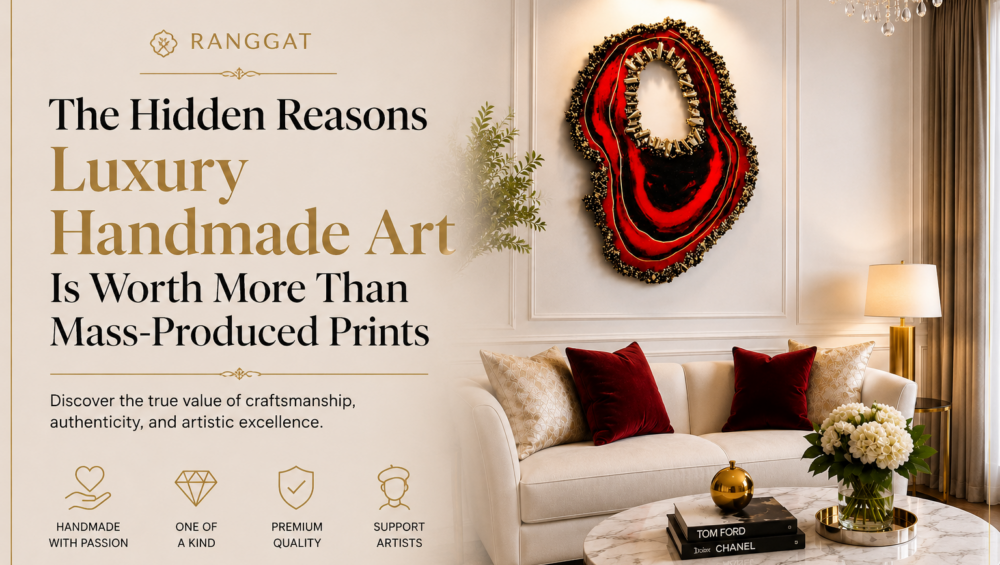
The Hidden Reasons Luxury Handmade Art Is Worth More Than Mass-Produced Prints

In a world where home décor is available at the click of a button, it’s easy to wonder why luxury handmade art often carries a significantly higher price tag than mass-produced prints. While printed artwork may look attractive from a distance, handmade art offers something far deeper—authenticity, craftsmanship, exclusivity, and emotional value.

At Ranggat, we believe that every handmade artwork tells a story. Behind every brushstroke lies the artist’s creativity, dedication, and passion. Understanding the true value of handmade art helps buyers appreciate why these pieces are considered timeless investments rather than simple decorative items.

1. Every Handmade Artwork Is Truly One of a Kind

Mass-produced prints are created in large quantities using machines, meaning thousands of identical copies can exist worldwide. Handmade art, on the other hand, is unique.

Even when an artist recreates a similar concept, no two handmade pieces are exactly alike. The texture, color blending, brush movements, and artistic details make each artwork a distinctive creation that cannot be duplicated perfectly.

When you purchase handmade art, you own an exclusive piece that belongs only to you.

2. Skilled Craftsmanship Takes Time

Luxury handmade art is the result of years of practice, training, and artistic expertise. Artists spend countless hours developing their skills and refining their techniques.

A single handmade painting may require:

  • Sketching and concept development
  • Material preparation
  • Multiple layers of paint
  • Fine detailing
  • Drying and finishing processes
  • Quality inspection

Unlike printed décor that can be produced within minutes, handmade art often takes days or even weeks to complete. This dedication directly contributes to its value.

3. Premium Materials Enhance Quality

Luxury artists often use high-quality materials that improve both appearance and longevity. These may include:

  • Professional-grade paints
  • Premium canvases
  • Natural pigments
  • Handcrafted frames
  • Protective coatings

These materials ensure the artwork remains vibrant and beautiful for years. Many mass-produced prints use lower-cost inks and paper that may fade or deteriorate over time.

4. Handmade Art Carries Emotional Value

A printed image may decorate a wall, but handmade art creates a connection.

Every artwork reflects the artist’s emotions, inspiration, and vision. Viewers often feel a deeper emotional response when interacting with original art because they can sense the human touch behind the creation.

This emotional connection transforms a decorative object into a meaningful experience.

5. Supporting Artists and Creative Communities

Purchasing handmade art directly supports talented artists and creative communities. Many independent artists rely on art sales to continue their work and preserve traditional artistic techniques.

By choosing handmade artwork, buyers contribute to:

  • Artistic innovation
  • Cultural preservation
  • Sustainable creative careers
  • Local craftsmanship

Supporting artists helps keep authentic creativity alive in an increasingly automated world.

6. Handmade Art Preserves Cultural Heritage

Many luxury handmade artworks draw inspiration from traditional techniques, regional art forms, and cultural stories.

These creations help preserve valuable artistic traditions that have been passed down through generations. Unlike generic prints designed for mass appeal, handmade artworks often celebrate heritage, symbolism, and cultural identity.

At Ranggat, many creations are inspired by India’s rich artistic legacy and contemporary expression, bringing culture and creativity together in every piece.

7. Texture and Depth Cannot Be Reproduced

One of the most noticeable differences between handmade art and printed décor is texture.

Original paintings contain layers, brushstrokes, and dimensional details that create visual depth. Light interacts differently with these surfaces, giving the artwork a dynamic appearance that changes throughout the day.

Printed reproductions may imitate the image, but they cannot replicate the tactile richness of original artwork.

8. Handmade Art Appreciates in Personal and Artistic Value

Luxury handmade art is often viewed as a long-term investment.

As artists gain recognition and build their reputation, the value of their original works may increase. Even when monetary appreciation is not the goal, handmade art often becomes a cherished family possession that carries sentimental significance across generations.

A meaningful artwork can become part of a family’s story, creating memories that last far beyond current design trends.

9. Sustainability Matters

Mass production frequently involves large-scale manufacturing, excessive packaging, and significant resource consumption.

Handmade art generally follows a slower, more thoughtful production process that prioritizes quality over quantity. Many artists focus on sustainable practices and responsible material sourcing, making handmade art a more environmentally conscious choice.

The growing movement toward craftsmanship, ethical production, and conscious consumption has increased appreciation for handmade creations worldwide.

10. Luxury Is About Authenticity, Not Quantity

True luxury is not defined by how many pieces are produced but by the quality, care, and craftsmanship behind them.

Luxury handmade art represents:

  • Individual creativity
  • Artistic mastery
  • Exclusivity
  • Emotional depth
  • Lasting value

These qualities cannot be mass-produced.

Why Choose Handmade Art from Ranggat?

At Ranggat, every artwork is created with passion, creativity, and attention to detail. Our collection celebrates originality, craftsmanship, and meaningful artistic expression. Each piece is designed to transform spaces while telling a story that resonates with its owner.

Whether you are decorating your home, gifting a loved one, or building an art collection, choosing handmade art means investing in something authentic, timeless, and deeply personal.

The higher cost of luxury handmade art is not simply about the finished product—it’s about the time, talent, creativity, and craftsmanship invested in every detail. While mass-produced prints offer convenience, handmade art offers originality, emotional connection, and enduring value.

When you choose a handcrafted masterpiece, you are not just buying décor. You are bringing home a story, supporting an artist, and owning something truly irreplaceable.
Choosing Statement Artwork: Tips for Creating a Stylish InteriorCategoriesCreative

Textured Canvas Art DIY: Simple Ideas for Beginners

Wall art has become one of the easiest ways to add personality and warmth to any home. Among the latest decor trends, textured canvas art stands out because of its modern, minimal, and handmade appeal. The best part? You don’t need to be a professional artist to create beautiful textured artwork at home.

In this beginner-friendly guide, you’ll learn easy textured canvas art ideas, materials you need, and simple techniques to create stunning DIY wall decor on a budget.

What Is Textured Canvas Art?

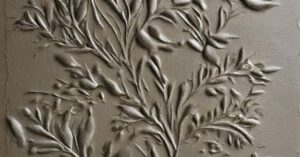
Textured canvas art is a form of artwork where raised surfaces and layers are created on a canvas using materials like plaster, joint compound, modeling paste, or thick acrylic paint. Unlike regular paintings, textured art adds depth and dimension, making the artwork visually interesting and elegant.

This type of art is especially popular in:

  • Minimalist interiors
  • Boho-style homes
  • Modern living rooms
  • Neutral aesthetic decor

Materials You’ll Need

Before starting your DIY textured canvas art project, gather these basic supplies:

  • Blank canvas
  • Acrylic paint
  • Joint compound or texture paste
  • Palette knife or putty knife
  • Paintbrushes
  • Mixing bowl
  • Sandpaper (optional)
  • Protective sheet for workspace

Optional decorative materials:

  • Gold foil
  • Fabric pieces
  • Natural elements like leaves or flowers

Easy Textured Canvas Art Ideas for Beginners

1. Abstract Wave Texture Art

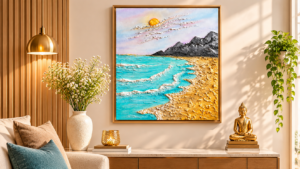
One of the easiest and most popular designs is abstract wave art. Simply spread texture paste across the canvas and create curved wave patterns using a palette knife.

Best colors to use:

  • White
  • Beige
  • Soft gray
  • Terracotta

This style looks elegant in bedrooms and living rooms.

2. Floral Texture Canvas Art

Create simple flower shapes using thick texture paste. Roses, daisies, or abstract petals work perfectly for beginners.

Tips:

  • Use a small palette knife for petals
  • Keep the background neutral
  • Add soft pastel colors after drying

This design adds a soft and cozy touch to home decor.

3. Minimalist Line Art Texture

Minimalist textured line art is trending in modern interiors. Draw abstract face lines or geometric patterns using texture paste.

Why beginners love it:

  • Easy to make
  • Looks premium
  • Requires minimal materials

Pair it with black, white, or nude shades for a classy appearance.

4. Mountain-Inspired Texture Art

Nature-inspired canvas art is another beginner-friendly idea. Create mountain shapes with thick layers of texture paste and paint them in earthy tones.

Recommended shades:

  • Brown
  • Sand
  • Olive green
  • Off-white

This style works beautifully in rustic or bohemian homes.

5. Textured Neutral Canvas Art

Neutral textured art is perfect if you prefer simple and elegant decor. Use only white or cream texture paste and focus on patterns rather than colors.

Popular texture patterns:

  • Arches
  • Waves
  • Circular movements
  • Layered strokes

This artwork blends easily with modern interiors.

Step-by-Step Guide to Making Textured Canvas Art

Step 1: Prepare Your Workspace

Cover your table or floor with a protective sheet to avoid mess.

Step 2: Mix Texture Paste

If using joint compound, mix it well for a smooth consistency.

Step 3: Apply Texture

Spread the paste onto the canvas using a palette knife. Experiment with patterns and movements.

Step 4: Let It Dry

Allow the artwork to dry completely for 12–24 hours.

Step 5: Paint Your Artwork

After drying, apply acrylic paint if desired.

Step 6: Seal and Display

Optionally seal the artwork with varnish for durability.

Tips for Beginners

  • Start with small canvases
  • Use simple patterns first
  • Don’t overthink imperfections
  • Practice palette knife movements
  • Let each layer dry properly

Remember, textured art is all about creativity and uniqueness.

Why DIY Textured Canvas Art Is Trending

DIY textured wall art has become popular because it offers:

  • Affordable home decoration
  • Personalized artwork
  • Relaxing creative activity
  • Modern luxury appearance
  • Social media-worthy decor

Handmade textured art also makes thoughtful gifts for friends and family.

Creating textured canvas art at home is easier than it looks. With a few affordable materials and simple techniques, beginners can design stunning artwork that transforms any room.

Whether you love minimalist designs, abstract waves, or floral textures, DIY textured canvas art allows you to express your creativity while upgrading your home decor beautifully.

At Ranggat, we believe art should be simple, creative, and accessible to everyone. Our DIY textured canvas art ideas are designed to inspire beginners and home decor lovers to create stylish handmade wall art with ease. From modern minimalist textures to elegant abstract designs, Ranggat brings you affordable and trendy art inspiration that adds warmth, personality, and creativity to every corner of your home.

So grab a canvas, experiment with textures, and start creating your own masterpiece today!

Why Luxury Handmade Art Costs More Than Printed DecorCategoriesCreative

Why Luxury Handmade Art Costs More Than Printed Decor

In today’s world of fast furniture and factory-made décor, many people wonder why luxury handmade art is priced much higher than printed wall décor. At first glance, both may look beautiful on a wall, but the true value lies far beyond appearance. Handmade art carries emotion, craftsmanship, originality, and timeless luxury that printed décor simply cannot replicate.

For art lovers, interior designers, and homeowners who seek authenticity, handmade artwork is not just decoration—it is an experience, an investment, and a reflection of personality. Brands like Ranggat are redefining luxury interiors through soulful handcrafted creations inspired by Indian artistry and mindful living.

Handmade Art vs Printed Decor: Understanding the Difference

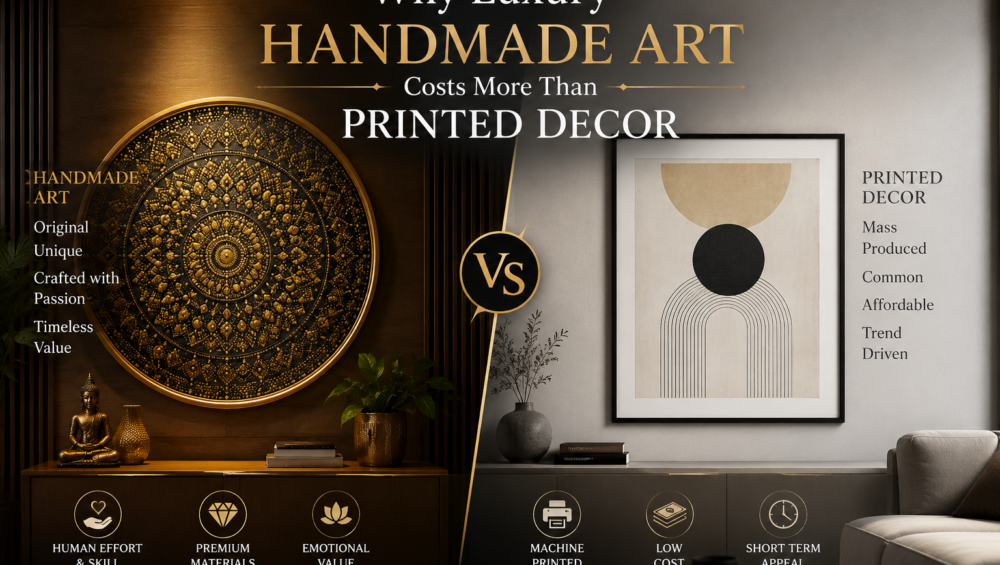
Printed décor is usually machine-produced in bulk. The same design can be printed thousands of times on canvas, paper, or synthetic materials. While affordable and accessible, printed décor lacks uniqueness and emotional depth.

Handmade art, on the other hand, is created by skilled artists using real techniques, textures, and materials. Every brushstroke, pattern, and detail is crafted manually with patience and creativity. No two handmade pieces are ever exactly alike.

Key Differences

FeatureHandmade ArtPrinted Decor
OriginalityOne-of-a-kind creationMass-produced copies
CraftsmanshipMade by skilled artistsMachine printed
Emotional ValueDeep artistic connectionDecorative only
Texture & DepthReal textures and layersFlat surface
LongevityTimeless appealTrend-based
Luxury FeelPremium and authenticGeneric appearance

According to Ranggat’s handmade décor insights, modern homeowners increasingly prefer handcrafted décor because it adds individuality, mindfulness, and emotional warmth to interiors.

The Real Reasons Luxury Handmade Art Costs More

1. Time and Human Effort

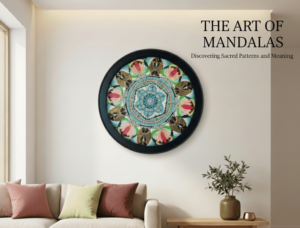
Luxury handmade art requires hours, days, or sometimes weeks of dedicated work. Artists carefully create each layer, texture, and design manually. Complex art forms like Mandala art, textured paintings, and spiritual artwork demand extreme patience and precision.

For example, handcrafted Dot Mandala artworks involve thousands of carefully placed dots created individually by hand.

Printed décor, however, can be reproduced in minutes using industrial printers.

2. Original Creativity Cannot Be Mass Produced

A handmade artwork begins with imagination. Artists conceptualize, sketch, experiment with colors, and create something deeply personal. This originality adds immense artistic and emotional value.

Luxury buyers are not paying only for materials—they are paying for vision, creativity, and exclusivity.

At Ranggat, every artwork reflects soulful storytelling and artistic individuality inspired by Indian heritage and modern luxury aesthetics.

3. Premium Quality Materials

Luxury handmade art often uses:

  • High-grade acrylics and pigments
  • Premium canvases
  • Eco-friendly paints
  • Resin textures
  • Gold leaf detailing
  • Handcrafted wooden frames

These materials ensure durability, richness, and a premium finish that printed décor usually lacks.

4. Emotional and Spiritual Connection

Handmade art carries human emotion. Artists pour their energy, focus, and intention into every creation. Many homeowners feel emotionally connected to handmade artwork because it creates warmth and personality within a space.

According to Ranggat’s article on art and wellness, art can positively influence emotions, mindfulness, and mental well-being.

Printed décor may fill an empty wall, but handmade art transforms the atmosphere of a room.

5. Handmade Art Supports Artists and Heritage

When you buy luxury handmade art, you directly support artists, craftsmanship, and cultural traditions. Handmade Indian art forms such as Mandala, Lippan art, folk painting, and textured spiritual art preserve centuries-old artistic heritage.

Mass-produced décor prioritizes quantity over artistry.

Modern consumers are now moving toward meaningful purchases that support authenticity and ethical craftsmanship.

6. Handmade Art Increases the Luxury Quotient of Interiors

Interior designers and luxury homeowners prefer handcrafted pieces because they create a sophisticated and curated aesthetic. Handmade artwork becomes a focal point and adds exclusivity to interiors.

Celebrity homes increasingly showcase handcrafted Indian art, sculptures, and cultural décor to create elegant, museum-like spaces.

Luxury interiors today are less about filling spaces and more about telling stories through carefully chosen artistic pieces.

Why Handmade Art Is an Investment

Unlike printed décor that may lose appeal over time, handmade art often becomes more valuable emotionally and aesthetically.

Benefits of investing in handmade art include:

  • Timeless beauty
  • Exclusive ownership
  • Artistic authenticity
  • Long-term durability
  • Emotional significance
  • Cultural richness

A handcrafted artwork can stay meaningful for decades and even become a cherished heirloom.

Why Ranggat Handmade Art Stands Out

Ranggat creates luxury handmade artwork that blends Indian artistic traditions with modern interior design. From spiritual Mandalas to textured wall art and personalized creations, every piece is designed with emotion, mindfulness, and craftsmanship.

What Makes Ranggat Unique?

  • Handmade with love and precision
  • Inspired by Indian culture and spirituality
  • Premium luxury finishes
  • Personalized artwork options
  • Mindful and soulful design philosophy
  • Perfect for luxury homes and gifting

Whether you are decorating a modern apartment, luxury villa, office, or meditation corner, handcrafted art from Ranggat adds authenticity and timeless elegance.

Final Thoughts

Luxury handmade art costs more because it represents far more than décor. It reflects creativity, craftsmanship, heritage, patience, and emotional depth. While printed décor offers convenience, handmade art offers soul.

In a world dominated by mass production, choosing handmade art is a celebration of originality and meaningful living. It transforms walls into stories and spaces into experiences.

If you want décor that feels personal, timeless, and luxurious, handmade art is always worth the investment.

Explore soulful handcrafted luxury art at Ranggat Official Website.