Best Art Educator in India for Creative Learning and Artistic Skills | RanggatCategoriesCreative

Best Art Educator in India for Creative Learning and Artistic Skills | Ranggat

Art is a wonderful way to express thoughts, emotions, and imagination. It helps people explore their creativity, develop new skills, and see the world from different perspectives. Whether someone enjoys painting, drawing, dot mandala art, or decorative artwork, learning art can be a rewarding experience. Finding the right art educator can help learners understand artistic techniques and develop their own creative style.

Ranggat celebrates creativity, artistic expression, and decorative art. Through different art forms and creative ideas, Ranggat encourages people to explore their imagination and appreciate the beauty of handmade artwork. For beginners, hobby artists, and individuals who want to improve their artistic skills, exploring creative art can be an inspiring journey.

Why Is Art Education Important?

Art education is about more than learning how to draw or paint. It helps people develop patience, observation, concentration, and problem-solving skills. Creative activities also give learners an opportunity to express their ideas in unique ways.

Here are some important benefits of learning art:

  • Improves creativity: Art encourages people to experiment with colours, shapes, patterns, and different materials.
  • Develops concentration: Activities such as detailed painting and dot mandala art require attention and patience.
  • Encourages self-expression: Learners can communicate their feelings and ideas through their artwork.
  • Builds confidence: Completing a creative project can motivate learners to explore more challenging techniques.
  • Promotes relaxation: Many people enjoy painting and decorative art as a relaxing hobby.
  • Develops artistic observation: Drawing and painting help learners notice details, proportions, colours, and textures.

A supportive art learning environment can make these benefits accessible to people with different levels of experience.

What Makes a Good Art Educator in India?

A good art educator helps learners understand artistic concepts while encouraging them to develop their individual styles. Every learner has different interests, abilities, and creative goals, so art education should allow room for experimentation and personal expression.

Some qualities to look for when exploring art education include:

1. Knowledge of Different Art Forms

An understanding of various artistic techniques helps learners discover what they enjoy most. These techniques may include drawing, acrylic painting, decorative art, mandala patterns, and mixed-media artwork.

2. Clear Guidance for Beginners

Beginners often need help understanding basic concepts such as colour combinations, line work, shapes, composition, and the use of art materials. Clear instructions can make the learning process easier to follow.

3. Encouragement of Creative Freedom

Art does not always have one correct result. A good learning approach encourages experimentation and helps learners develop their own ideas instead of simply copying existing designs.

4. Attention to Detail

Techniques such as dot mandala painting and intricate decorative art require careful planning and precision. Learning to pay attention to small details can improve the overall quality of an artwork.

5. A Focus on Continuous Learning

Artistic skills develop through regular practice. Exploring new techniques, studying different styles, and reviewing completed work can help learners make steady progress.

Explore Different Art Forms with Ranggat

Ranggat is associated with creative artwork and decorative art ideas that bring artistic expression into everyday spaces. Exploring different art forms can help learners understand how traditional techniques and modern design ideas can work together.

Dot Mandala Art

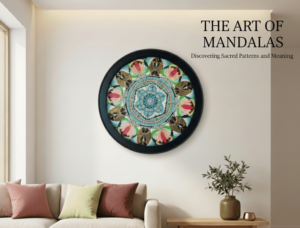
Dot mandala art uses carefully arranged dots to create balanced patterns, shapes, and detailed designs. Artists can experiment with different colours, dot sizes, and symmetrical arrangements to create distinctive artwork.

This art form is suitable for people who enjoy detailed creative work and want to improve their patience, precision, and understanding of patterns.

Painting and Decorative Art

Painting allows artists to explore colour, texture, composition, and visual storytelling. Decorative art adds an additional purpose by combining visual beauty with objects and spaces used in everyday life.

Learners can experiment with canvas painting, decorative designs, and different colour palettes to develop their artistic preferences.

Resin Art

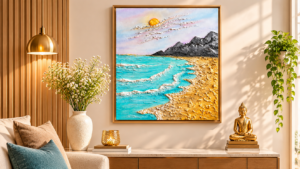
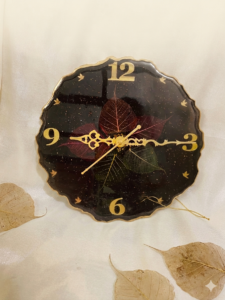
Resin art is known for its glossy finish and ability to create visually striking designs. Ocean-inspired resin artwork, for example, can imitate the movement and colours of waves.

Learning about resin art also involves understanding materials, suitable working conditions, and safe handling practices.

Mantra Art and Spiritual Decor

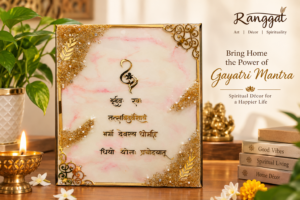
Mantra-inspired artwork combines written words, artistic presentation, and decorative design. Mini mantra frames and spiritual wall art can add a meaningful decorative element to homes, meditation corners, and workspaces.

Artists can explore lettering, layout, colour selection, and framing to create visually appealing designs.

How to Develop Your Artistic Skills

You do not need to become an expert before starting your creative journey. Consistent practice and a willingness to experiment can help you improve over time.

Follow these practical steps to develop your artistic abilities:

  1. Start with the basics: Practise simple shapes, lines, patterns, and colour combinations.
  2. Choose an art form: Begin with painting, drawing, mandala art, or another technique that interests you.
  3. Arrange your materials: Keep the tools you need organised so you can focus on creating.
  4. Practise regularly: Set aside time for small creative projects throughout the week.
  5. Experiment with techniques: Try different brushes, textures, patterns, and colour palettes.
  6. Review your artwork: Identify what you like about each project and what you would like to improve.
  7. Explore new ideas: Study different artistic traditions and use them as inspiration for original designs.

The goal is not to create perfect artwork immediately. It is to enjoy the process, learn from experience, and gradually build confidence.

How Art Education Supports Children and Adults

Art can be explored at different stages of life. Children may use creative activities to develop imagination and hand-eye coordination, while adults may explore art as a hobby, a personal interest, or a way to develop practical artistic abilities.

For children, age-appropriate art activities can encourage curiosity, visual learning, and experimentation. Simple painting exercises and pattern-making activities are useful ways to introduce creative concepts.

For adults, art can provide opportunities to learn new skills, explore personal interests, and create decorative pieces. People who already enjoy painting may also wish to explore specialised techniques such as dot mandala art, resin art, or detailed decorative designs.

An inclusive approach to art education recognises that everyone learns differently and that creative progress takes time.

Why Explore Ranggat for Creative Art Inspiration?

Ranggat offers an opportunity to explore the relationship between artistic expression and decorative design. Its creative themes include dot mandala artwork, painting, resin art, and mantra-inspired decor.

People interested in these art forms can use Ranggat as a source of inspiration when discovering patterns, decorative ideas, and ways to bring handmade creativity into their surroundings.

When exploring any art educator or creative platform, learners should review the available artwork, teaching options, learning resources, and services to determine whether they match their individual goals.

The Future of Creative Art Education in India

Creative learning continues to offer opportunities for people interested in developing artistic skills and exploring different forms of expression. Online resources, digital communities, and access to creative inspiration can make it easier to discover new techniques and learn about different artistic styles.

At the same time, hands-on practice remains important. Working with brushes, colours, canvases, and decorative materials helps learners understand the practical aspects of creating artwork.

Art educators and creative platforms can support this process by making artistic concepts easier to understand and encouraging learners to experiment. As interest in handmade products and personalised decor continues to develop, creative skills can also help individuals explore personal projects and potential professional opportunities.

Finding an art educator is an important step for anyone who wants to explore painting, drawing, decorative design, or other creative activities. A structured learning approach, regular practice, and encouragement to experiment can help learners develop their skills and discover their artistic interests.

For people searching for the best art educator in India, it is useful to consider the art forms offered, the quality of instruction, the available learning resources, and the suitability of the teaching approach for their goals.

Ranggat celebrates creative expression through artistic and decorative themes, including dot mandala art, painting, resin artwork, and mantra-inspired decor. Exploring these art forms can be a starting point for anyone who wants to appreciate art, discover new creative ideas, and make creativity a part of everyday life.

Frequently Asked Questions (FAQs)

1. What should I look for in the best art educator in India?

Look for relevant artistic knowledge, clear teaching methods, suitable learning resources, practical guidance, and an approach that encourages creativity and individual expression.

2. Can beginners learn painting and decorative art?

Yes. Beginners can start with basic shapes, colour combinations, simple patterns, and easy painting projects before gradually exploring more advanced techniques.

3. What is dot mandala art?

Dot mandala art is a decorative technique that uses dots of different sizes and colours to create symmetrical, geometric, and repeating patterns.

4. How can art improve creative skills?

Art encourages experimentation, observation, problem-solving, patience, and self-expression. Regular practice can help people develop their techniques and confidence.

5. Where can I explore creative and decorative artwork by Ranggat?

You can visit the official Ranggat website at ranggat to explore its creative themes and available artwork.
Art Education with Suruchi Purwar: Learn Creativity Beyond the CanvasCategoriesCreative Tips & Tricks

Art Education with Suruchi Purwar: Learn Creativity Beyond the Canvas

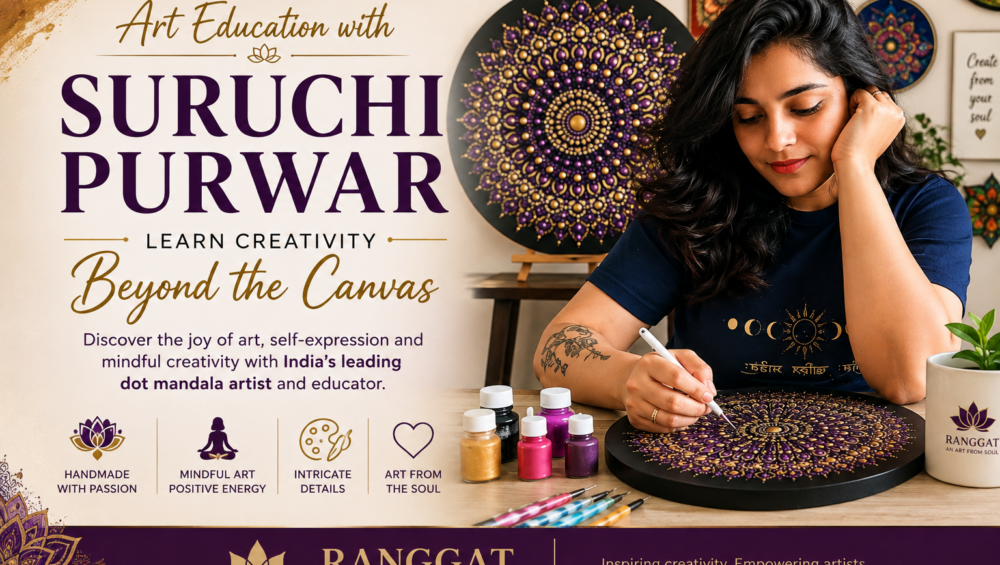
Art is more than drawing, painting, or decorating a canvas. It is a way to express emotions, develop imagination, improve concentration, and discover a unique creative voice. Suruchi Purwar, founder of Ranggat – An Art From Soul, has built her artistic journey around this belief, combining handmade art with art education and creative learning.

Through her work, Suruchi Purwar encourages people of different ages and backgrounds to explore art without being afraid of mistakes. Her approach shows that anyone can learn art when they have the right guidance, patience, and freedom to experiment.

Who Is Suruchi Purwar?

Suruchi Purwar is an Indian artist, art educator, and founder of Ranggat. Although she has a technical background in Computer Science and previously worked in the IT industry, her passion for art eventually became her professional journey.

She started Ranggat as a creative venture focused on handmade artwork and art education. Over the years, her work has developed across different artistic mediums, including dot mandala, resin art, palette knife painting, Lippan work, murals, and other creative techniques.

Her journey is an example of how a personal passion can grow into a meaningful creative profession.

Ranggat: Where Art Meets the Soul

The name Ranggat – An Art From Soul reflects Suruchi’s connection with colours and emotional expression. Ranggat is not simply about creating beautiful decorative pieces; it focuses on the emotional and mindful side of art.

According to Ranggat’s own description, its artworks include dot mandala art, wall mantra frames, memory preservation art, ocean-inspired wall art, miniature art, and other handmade creations.

This philosophy also influences the way art education is approached. Students are encouraged to enjoy the process of creating rather than concentrating only on the final result.

Learning Art Beyond the Canvas

One of the most valuable aspects of art education is that it teaches skills that can be useful outside the art studio.

When students practice painting, drawing, mandala designs, or other creative techniques, they can develop:

  • Patience and concentration
  • Creative thinking
  • Observation skills
  • Confidence
  • Attention to detail
  • Self-expression
  • A willingness to experiment

Suruchi Purwar has spoken about how art can encourage creativity, focus, patience, relaxation, and self-expression. Her teaching philosophy focuses on helping learners bring out their own creativity rather than simply copying someone else’s work.

Art Classes for Different Learners

A major strength of creative education is that there is no single age at which someone should start learning art. Children can use art to explore imagination, while adults can discover a new hobby, develop creative skills, or even explore art as a profession.

Suruchi Purwar has conducted both online and offline art classes in different art forms. Her experience includes teaching techniques associated with mediums such as dot mandala, resin art, palette knife work, alcohol ink painting, Lippan work, and murals.

This makes art learning more accessible to people who may not have formal training in fine arts.

Dot Mandala: Creativity, Patience and Precision

Dot mandala is one of the artistic techniques closely associated with Suruchi Purwar and Ranggat.

The process involves creating intricate patterns through carefully placed dots, colours, symmetry, and geometric designs. It requires patience and control because each element contributes to the overall balance of the artwork.

Suruchi’s expertise in this field was also recognised by the India Book of Records. In 2023, she created a dot mandala artwork measuring 13 metres by 1 metre on a canvas roll, which was recorded as the largest dot mandala art on a canvas roll made by an individual.

Art as a Form of Self-Expression

For many learners, art is not only about developing technical skills. It can also provide a space to express thoughts and emotions.

A blank canvas gives students the freedom to experiment with colours, textures, patterns, and ideas. There is no single correct way to express creativity.

Suruchi Purwar’s own artistic philosophy highlights this emotional connection with art. Her journey demonstrates how creativity can become a way of understanding oneself and communicating ideas that may sometimes be difficult to express through words.

Building Confidence Through Creativity

Many beginners hesitate to start art because they believe they are “not artistic.” Good art education can change that mindset.

Instead of focusing only on perfection, learners can begin with simple exercises and gradually develop their skills. Every completed artwork becomes an opportunity to learn something new.

Suruchi Purwar’s journey from a technical professional to an established artist and founder of Ranggat demonstrates the importance of learning, experimentation, consistency, and believing in one’s creative abilities.

Art Education for a Wider Community

Suruchi’s vision for art education has also expanded beyond commercial art classes. Through the Ranggat Foundation, she has expressed a goal of making art education and creative resources more accessible to underprivileged communities, children from low-income families, NGOs, rural communities, and others who may have limited access to creative learning.

This idea highlights an important message: creativity should not be limited by financial or social barriers.

Why Learn Art with Suruchi Purwar?

There are several reasons learners may find Suruchi Purwar’s approach to art education inspiring:

Creative freedom: Students can explore their own ideas and artistic styles.

Multiple art forms: Her experience covers several creative mediums and techniques.

Practical learning: Art education can focus on creating actual artworks while learning techniques.

Mindful creativity: Art can encourage patience, focus, and a calm approach to the creative process.

Inspiration through experience: Suruchi’s own journey demonstrates how consistent practice can transform a passion into a profession.

Ranggat’s Vision for Art Education

Ranggat represents more than handmade artwork. Its broader vision connects creativity, culture, mindfulness, learning, and self-expression.

Suruchi Purwar’s journey shows that art education does not have to remain inside a traditional classroom. It can happen through workshops, online classes, personal practice, experimentation, and everyday creative experiences.

The goal is not simply to teach someone how to paint a picture. It is to help them understand that their creativity has value.

Art Education with Suruchi Purwar represents a creative approach to learning that goes beyond the canvas. Through Ranggat, Suruchi Purwar combines her experience as an artist and educator with a vision of making creativity more accessible and meaningful.

Whether someone is a beginner looking for a new hobby, a student interested in developing artistic skills, or an aspiring artist searching for inspiration, learning through art can open new possibilities.

Art is not only about creating something beautiful. It is about discovering ideas, developing patience, expressing emotions, and finding your own creative voice. Through her artistic journey and Ranggat, Suruchi Purwar continues to show how creativity can become a meaningful part of life.

Importance of art in educationCategoriesCreative

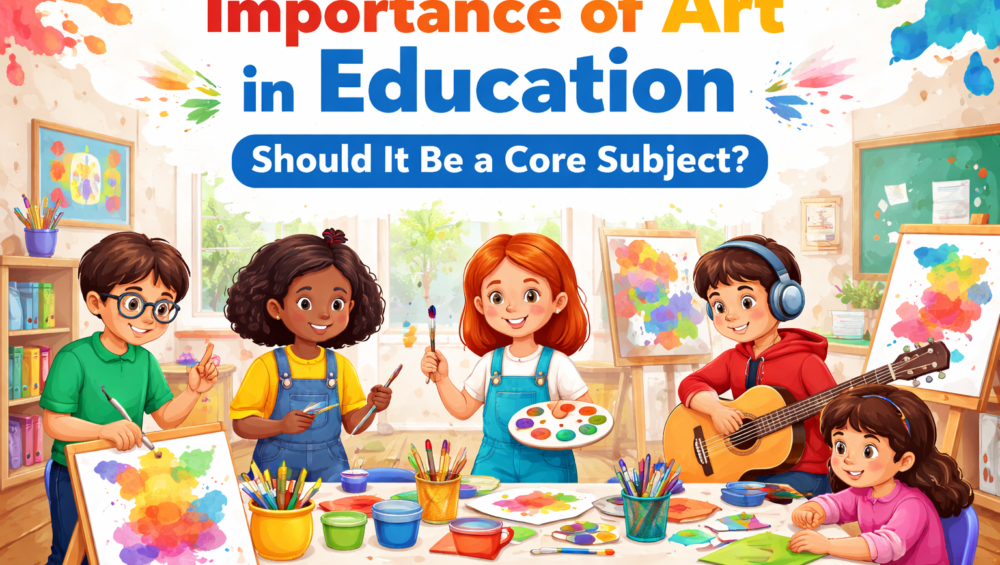
Importance of Art in Education System: Should It Be a Core Subject?

Art is an important part of education. It includes drawing, painting, music, dance, and other creative activities. Many people think art should be a core subject in schools like Math, Science, and English. Art helps students in many ways, not only in creativity but also in learning and personal development.

Importance of Art in Education

Art helps students express their thoughts and feelings. Some students cannot express themselves well in words, but they can express through drawing, music, or dance. Art also makes learning more interesting and enjoyable.

Art improves creativity. Creativity helps students think in new ways and solve problems. This skill is very important in real life and future jobs.

Art also improves focus and patience. When students draw or paint, they learn to concentrate and complete their work carefully. This helps them in other subjects too.

Art also helps in emotional development. It reduces stress and makes students feel happy and relaxed. Students who participate in art activities often feel more confident.

Should Art Be a Core Subject?

Yes, art should be a core subject in schools. It is not less important than other subjects. Math and Science develop logical thinking, while art develops creative thinking. Both are important for a student’s overall development.

If art becomes a core subject, students will get equal opportunity to learn creative skills. It will also help students who want to choose careers in art, design, music, animation, and other creative fields.

In conclusion, art is very important in the education system. It helps in creativity, confidence, emotional development, and focus. Therefore, art should be taught as a core subject in schools so that students can develop both academically and creatively.

The House of Ranggat (THOR): Where Art Is Created with Purpose, Not for ViralityCategoriesCreative

The House of Ranggat (THOR): Where Art Is Created with Purpose, Not for Virality

The House of Ranggat (THOR) is not simply an art brand—it is a legacy art brand in the making. Rooted in intention, patience, and meaning, THOR is built for longevity rather than trends. It represents a conscious approach to art where quality matters more than virality, and depth matters more than speed.

At The House of Ranggat, art is created not just for today, but for generations to come.

Core Philosophy: Quality Over Virality

In an era where art is often measured by reach, likes, and instant visibility, The House of Ranggat follows a different path. The foundation of THOR rests on a clear belief:

True art creates legacy. Virality is temporary.

Every artwork begins with one central question:

“Why does this art matter?”

This question defines the process, the purpose, and the long-term value of each creation, positioning Ranggat as a brand built on substance rather than short-term attention.

Art Style and the Legacy-Centered Creative Process

The House of Ranggat focuses on timeless and meaningful art forms, including:

  • Mandala Art
  • Sacred Geometry
  • Textured and Layered Artworks

These forms are chosen for their historical, spiritual, and meditative significance. Each artwork is created through a slow, disciplined, and mindful process, ensuring balance, rhythm, and emotional depth.

The intention is simple: to create art that endures—visually, emotionally, and culturally.

The Three Core Verticals of The House of Ranggat

1. Ranggat Home Decor

Ranggat Home Decor represents the tangible legacy of the brand. These handcrafted artworks are designed to live within homes and spaces as long-term elements of identity and energy, not temporary decor pieces.

Each work becomes part of a living environment, growing in value and meaning over time.

2. Learn with Ranggat

A true legacy is sustained through learning and knowledge sharing.
Learn with Ranggat focuses on education through workshops, guided practices, and creative learning experiences. This vertical ensures that artistic techniques, philosophy, and awareness are passed on to future creators and conscious learners.

3. Ranggat Foundation

The heart of The House of Ranggat lies in giving back.
Through Ranggat Foundation, a portion of every artwork and learning experience supports free art education and creative resources for communities and NGOs.

In this way, art does not remain confined to private spaces—it returns to society and contributes to cultural growth.

The Four Pillars of THOR

1. Creation
High-quality, meaningful artworks that define brand value and attract conscious collectors.

2. Process & Philosophy
Transparency and depth in the creative journey, building trust, emotional connection, and authenticity.

3. Learning & Awareness
Education as a foundation for long-term community building and generational continuity.

4. Giving & Impact
Social responsibility that strengthens the ethical and cultural legacy of the brand.

What Makes The House of Ranggat a Legacy Art Brand

  • Focus on timeless art rather than fast trends
  • Strong philosophical foundation behind every creation
  • Integration of art, education, and social impact
  • Commitment to long-term cultural and emotional relevance

The House of Ranggat is designed to endure—to create, teach, share, and give art back to the world as a living legacy.

The House of Ranggat (THOR) stands as a legacy art brand built on meaning, discipline, and purpose. By balancing Soul (creative process), Market (sustainable growth), and Heart (social impact), THOR is shaping a creative ecosystem that goes beyond commerce.