dot mandalaCategoriesCreative

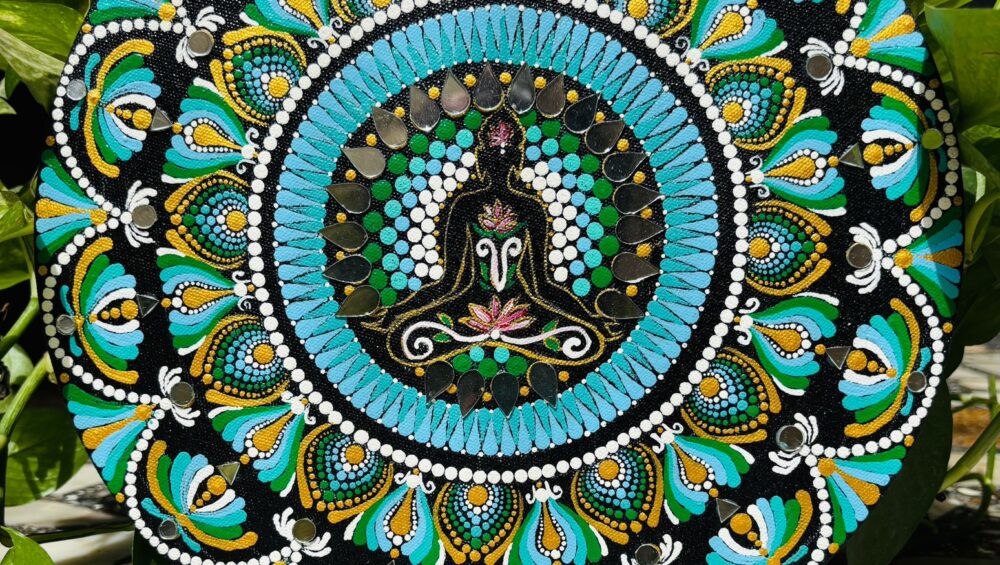
Mirror of the Mind: How Dot Mandala Painting Therapy Heals Stress and Anxiety

In today’s busy world, stress and anxiety have become part of everyday life. Our minds are often filled with worries, deadlines, and constant noise. Dot Mandala painting therapy offers a gentle way to slow down, relax, and reconnect with ourselves.

A Dot mandala is a circular design made with repeating patterns and shapes. The word Dot mandala comes from ancient traditions and means “center” or “wholeness.” When we paint Dot mandalas, we are not trying to create perfect art. Instead, we are allowing our thoughts and emotions to flow freely onto the page.

Dot Mandala Painting as a Mirror of the Mind

Dot Mandala painting acts like a mirror of the mind. The colors we choose, the shapes we repeat, and the pace of our brush often reflect how we feel inside. When the mind is restless, the patterns may feel busy. As calm begins to grow, the movements become slower and more balanced.

This process helps us become aware of our emotions without judging them. There is no right or wrong way to paint a Dot mandala. The simple act of creating allows the mind to express itself safely and naturally.

How Dot Mandala Painting Reduces Stress

Painting a Dot mandala requires focus, but not effort. As attention stays on shapes and colors, the mind gently moves away from stressful thoughts. Breathing becomes deeper, the body relaxes, and tension slowly fades.

The circular patterns create a sense of order and harmony. This helps calm the nervous system and brings the mind into the present moment. Many people describe Dot mandala painting as a form of meditation that feels easy and enjoyable.

Healing Anxiety Through Creative Expression

Anxiety often comes from feeling overwhelmed or out of control. Dot Mandala painting therapy provides a sense of stability. The circle represents safety and completeness, which can feel comforting during anxious moments.

Through painting, emotions that are difficult to explain with words can be released. This creative expression helps reduce inner pressure and creates emotional balance. Over time, regular Dot mandala painting can build inner peace and self-confidence.

A Gentle Practice for Everyone

One of the beautiful things about Dot mandala painting therapy is that anyone can do it. No artistic experience is needed. All you need are some colors, a quiet space, and a willingness to slow down.

Whether practiced alone or in a therapeutic setting, Dot mandala painting supports mental wellness in a soft and natural way. It reminds us to pause, breathe, and listen to our inner world.

Dot Mandala painting therapy is more than an art activity—it is a journey inward. As a mirror of the mind, it helps us understand our emotions, release stress, and gently heal anxiety. In a world that moves too fast, Dot mandala painting invites us to return to stillness, balance, and calm.

READ ALSO | Simple Tips to Craft a Stunning Floral Resin Tray
CategoriesLifestyle

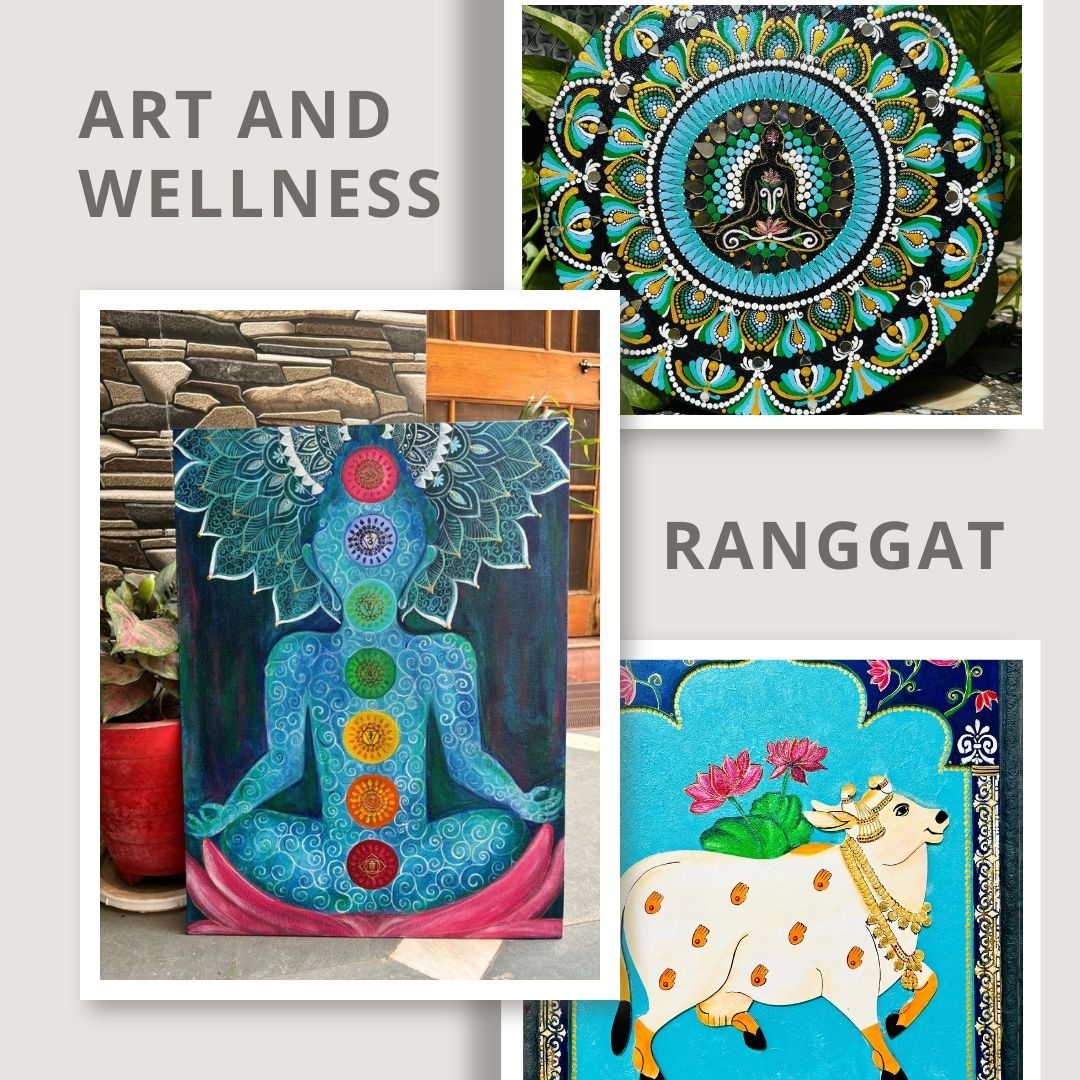
Art and Wellness: How Painting Became My Therapy

Art and Wellness: How Painting Became My Therapy

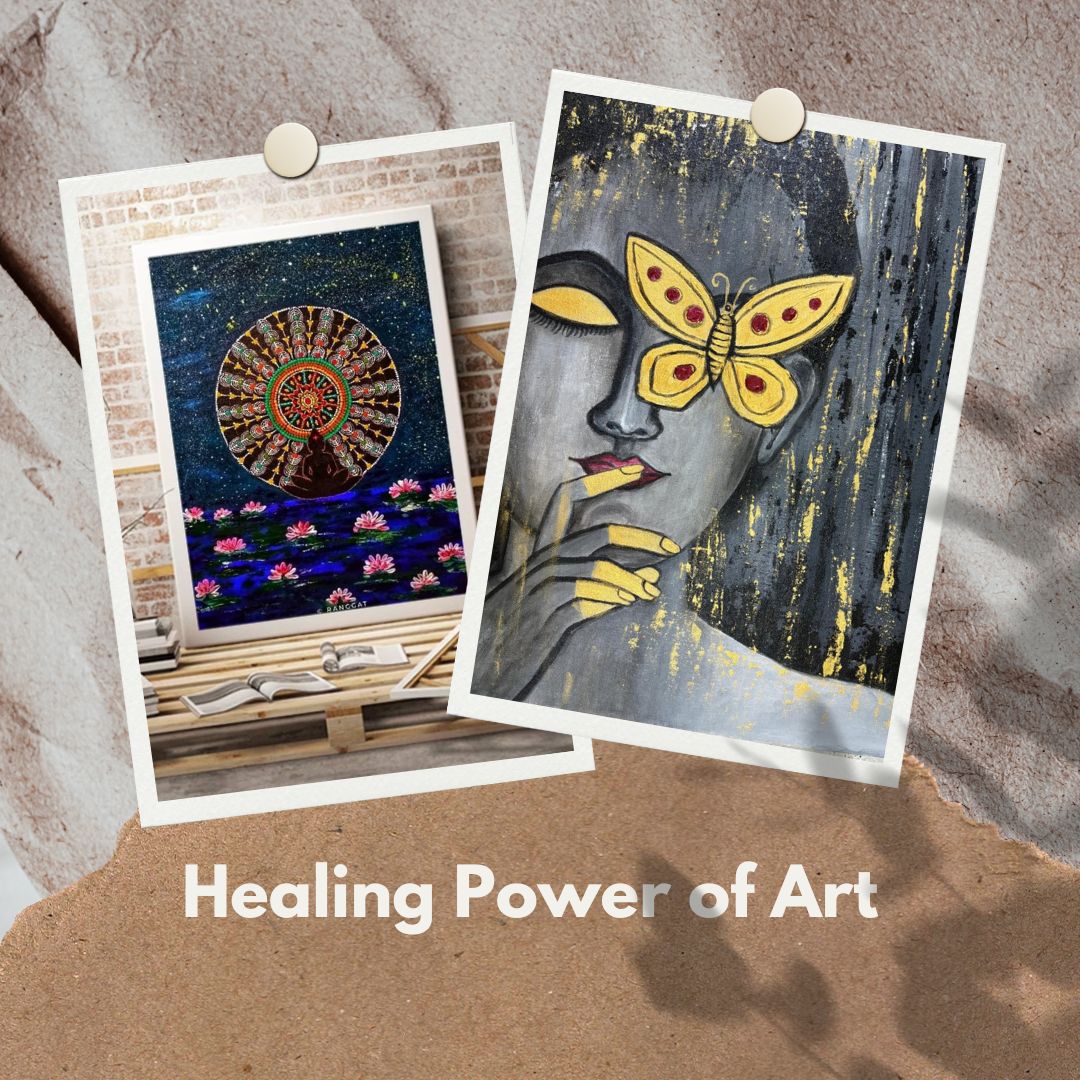
People have always expressed their ideas, feelings, and thoughts via art. However, art becomes more than just a creative outlet for many people; it becomes a kind of therapy. One such instance is the path taken by Ranggat, a brand that combines wellness with art, providing a unique perspective on how painting may be a means of emotional recovery and self-care.

The Healing Power of Art

Painting, at its core, is a therapeutic activity. Art has been used as a healing technique for generations, giving people the opportunity to connect with their inner selves and process their feelings. This relationship is at the core of Ranggat’s brand identity. The ability of art to offer a secure environment for people to express their ideas, communicate their feelings, and achieve tranquility by creativity is what gives it its therapeutic value.

The act of painting can be deeply calming once you pick up a paintbrush and go to work. Your mindset can be greatly influenced by colors, and each stroke allows you to release stress. There is freedom and relief in the act of simply making something beautiful, free from restrictions and norms. That is why painting is such a powerful therapeutic tool.

How Painting Became My Therapy

Art and Wellness: How Painting Became My Therapy

For me, painting was not always a career. It started off as a silent retreat, a private conversation between my soul and the canvas. Every brushstroke was an unspoken declaration, and every color stood for an emotion for which I had not yet found words. Painting evolved from a pastime to something more. It turned into therapy. It started to heal.

There are no questions in art. It passes no judgment. I pour memories, joy, longing, and feelings onto the canvas when I paint. And I find myself again in the process of letting go. That is the core of using art to promote wellness. It is not about making anything flawless. It is about expressing reality.

This particular journey was the inspiration behind Ranggat when I created it. “Ranggat” means soulful colors, and every frame we create carries a fragment of this philosophy. It’s not just about decor; it’s about emotional connection. When people tell me how a frame made them feel admired or brought peace to their space, I know the art is doing what it was always meant to do—heal.

If you’re holding in emotions or feeling lost, I invite you to pick up a brush. Do not stress about skill or technique. Paint your pain and peace. Paint what words can not describe. Because you are likely to discover a piece of yourself that is just waiting to be discovered during that process.

Art changed my life—and continues to. Through Ranggat, I hope it touches yours too.

The Emotional Benefits of Painting

Painting offers multiple emotional advantages that add to its healing properties:

1) Stress Relief:

You may concentrate on something creative and remove yourself from the stresses of daily life by painting. Painting can be an activity that promotes relaxation and lowers anxiety.

2) Emotional Release:

Many people find that painting gives them a way to express feelings that may be hard to put into words. It is a safe space for the exploration and expression of raw emotions.

3) Increased Self-Awareness:

You may find as you paint, specific themes or patterns show up that provide details regarding your emotional and mental health. This self-awareness is a critical stage in healing and personal development.

4) Mindfulness and Focus:

Painting promotes mindfulness, which is the art of living in the present. It helps you to focus completely on the creative process, which helps you relax and feel less anxious.

5) A Feeling of Success:

Creating a painting, regardless of how big or small, gives you a sense of achievement. This increase in self-worth may help people heal emotionally.