Shiva–Shakti: The Sacred Balance of the UniverseCategoriesCreative

Shiva–Shakti: The Sacred Balance of the Universe

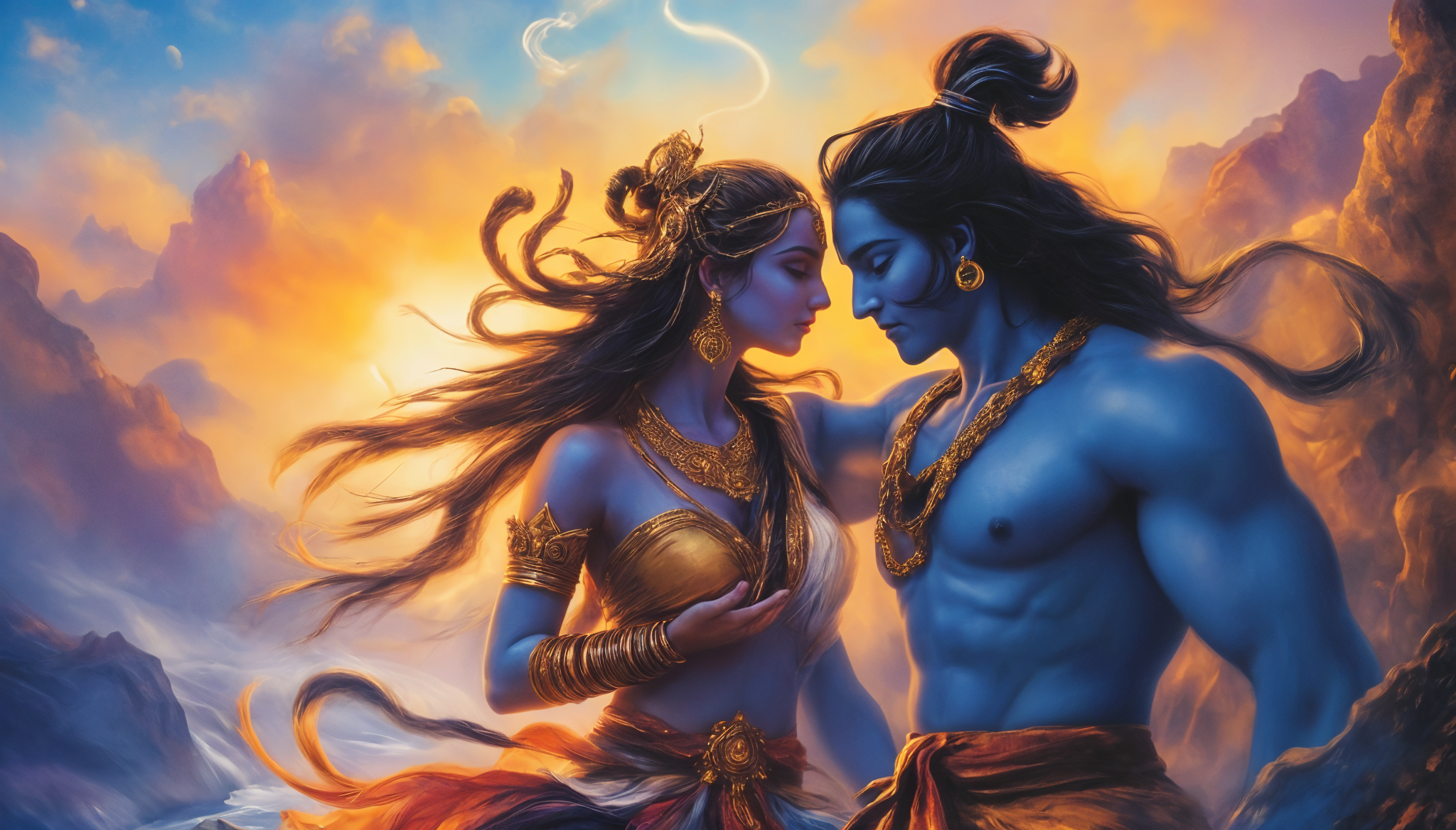
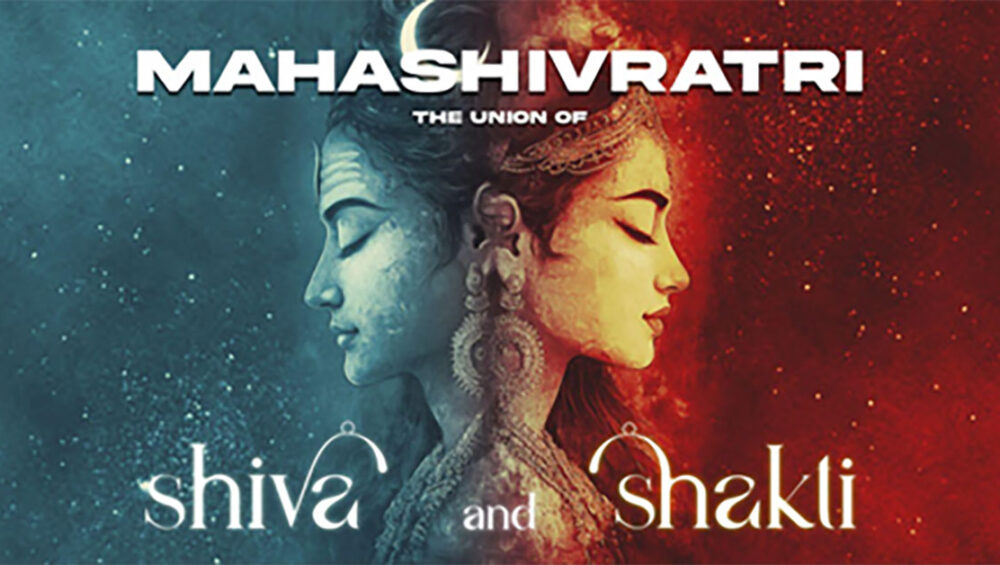
In Hindu philosophy and ancient spiritual traditions, Shiva and Shakti represent the fundamental forces that govern the universe. Together, they symbolize the perfect balance between consciousness and energy, stillness and movement, masculine and feminine principles. The concept of Shiva–Shakti is not merely mythological—it is a profound spiritual truth that explains creation, existence, and transformation.

Shiva and Shakti

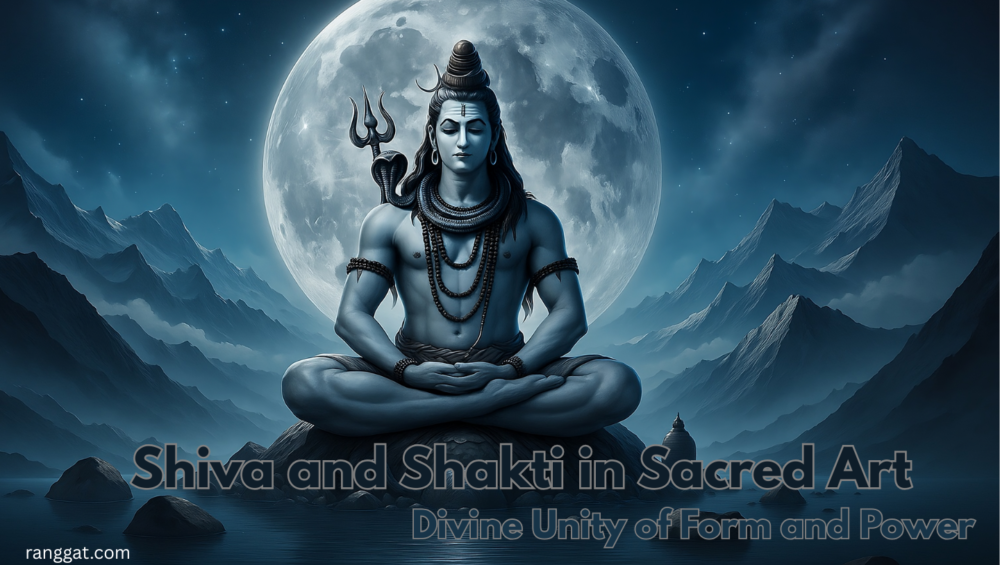
Shiva represents pure consciousness. He is the eternal, unchanging awareness—the silent observer. Often depicted in deep meditation, Shiva symbolizes stillness, wisdom, and transcendence beyond material reality.

Shakti, on the other hand, is divine energy. She is movement, creativity, and power. Shakti is the force that animates the universe, responsible for creation, preservation, and transformation. Without Shakti, Shiva remains inactive; without Shiva, Shakti lacks direction.

This interdependence forms the core of the Shiva–Shakti principle.

The Sacred Union of Consciousness and Energy

The union of Shiva and Shakti signifies the harmony of opposites. In spiritual terms, Shiva is awareness, Shakti is action. When they unite, life flows. This sacred balance is reflected everywhere—in nature, human existence, and cosmic order.

Ancient texts state:

“Shiva without Shakti is Shava (lifeless).”

This highlights that balance is essential. Creation itself begins when Shiva and Shakti unite.

Shiva–Shakti in Tantra and Yoga

In Tantric philosophy, Shiva resides at the crown chakra (Sahasrara), while Shakti lies dormant as Kundalini energy at the base of the spine. Through spiritual practice, meditation, and yoga, Shakti rises to unite with Shiva, resulting in self-realization and enlightenment.

This journey symbolizes inner balance—aligning mind, body, and soul.

Symbolism in Daily Life

The Shiva–Shakti balance is not limited to spirituality. It applies to everyday life:

  • Logic and emotion
  • Strength and compassion
  • Discipline and creativity
  • Stability and change

When these forces are balanced, individuals experience harmony, clarity, and purpose.

Relevance in the Modern World

In today’s fast-paced world, the wisdom of Shiva–Shakti is more relevant than ever. Modern life often leans too much toward action (Shakti) without reflection (Shiva), or stillness without progress. The Shiva–Shakti philosophy teaches us to balance inner peace with outer action.

By embracing both forces, one can achieve emotional well-being, spiritual growth, and a meaningful life.

Shiva–Shakti: The Sacred Balance of the Universe is a timeless truth reminding us that balance is the foundation of existence. They are not separate entities but two aspects of one divine reality. When consciousness and energy unite, life becomes whole.

Understanding Shiva–Shakti is understanding the universe—and ourselves.

READ ALSO | Mirror of the Mind: How Dot Mandala Painting Therapy Heals Stress and Anxiety
Shiva and Shakti in Sacred Art: Divine Unity of Form and PowerCategoriesCreative

Shiva and Shakti in Sacred Art: The Balance of Structure and Energy

Shiva and Shakti stand for the cosmic balance between structure (awareness) and energy (creative force) in sacred art and spiritual symbolism. Together, these divine principles form the basis of existence and are inseparable rather than distinct. Shakti represents movement, creativity, and dynamic force, whereas Shiva represents quiet, meditation, and timeless being. Numerous pieces of sacred art in India and beyond are influenced by the interaction between Shiva and Shakti, which also has an impact on modern artistic expressions, sculpture, painting, and mandalas.

What Do Shiva and Shakti Symbolize?

The Power of Art in Interior Design: Expert Tips and Inspiring Stories

Shiva, often depicted in deep meditation or as Nataraja (the cosmic dancer), represents:

  • Pure consciousness
  • Detachment
  • Stillness
  • Structural order

Shakti, often manifested as Parvati, Durga, or Kali, stands for:

  • Creative energy
  • Transformation
  • Life force
  • Dynamic power

Together, they illustrate that existence is born from the union of consciousness and energy. This unity is the core theme in sacred art traditions throughout Hindu, Buddhist, and Tantric iconography.

Sacred Art Expressions of Shiva and Shakti

1. Temple Sculptures

Temple art in places like Khajuraho, Chidambaram, Konark, and Ellora showcases Shiva–Shakti symbolism through dynamic carvings.

These sculptures are more than decorative—they function as visual metaphors for cosmic balance:

  • Shiva in a still, meditative pose
  • Shakti represented in lively forms
  • Unified compositions showing spiritual harmony

2. Nataraja: Shiva’s Cosmic Dance

The iconic Nataraja statue shows Shiva performing the Ananda Tandava (Dance of Bliss), symbolizing:

  • Creation
  • Preservation
  • Destruction
  • Illusion
  • Grace

This artistic form blends structural harmony (Shiva) with rhythmic motion (Shakti). As the foot of Shiva crushes ignorance and the raised hand offers protection, this dance becomes a living sacred artwork—a symbol of cosmic balance.

3. Shakti Imagery: Durga & Kali

Shakti is vividly expressed in forms like Durga (warrior mother) and Kali (fierce liberator). Artworks portraying these goddesses highlight:

  • Strength
  • Feminine power
  • Protection
  • Transformation

These depictions emphasize that divine energy is not passive—Shakti drives spiritual and worldly change.

Philosophical Meaning in Art

Shiva and Shakti represent two energies:

  • Static consciousness
  • Dynamic force

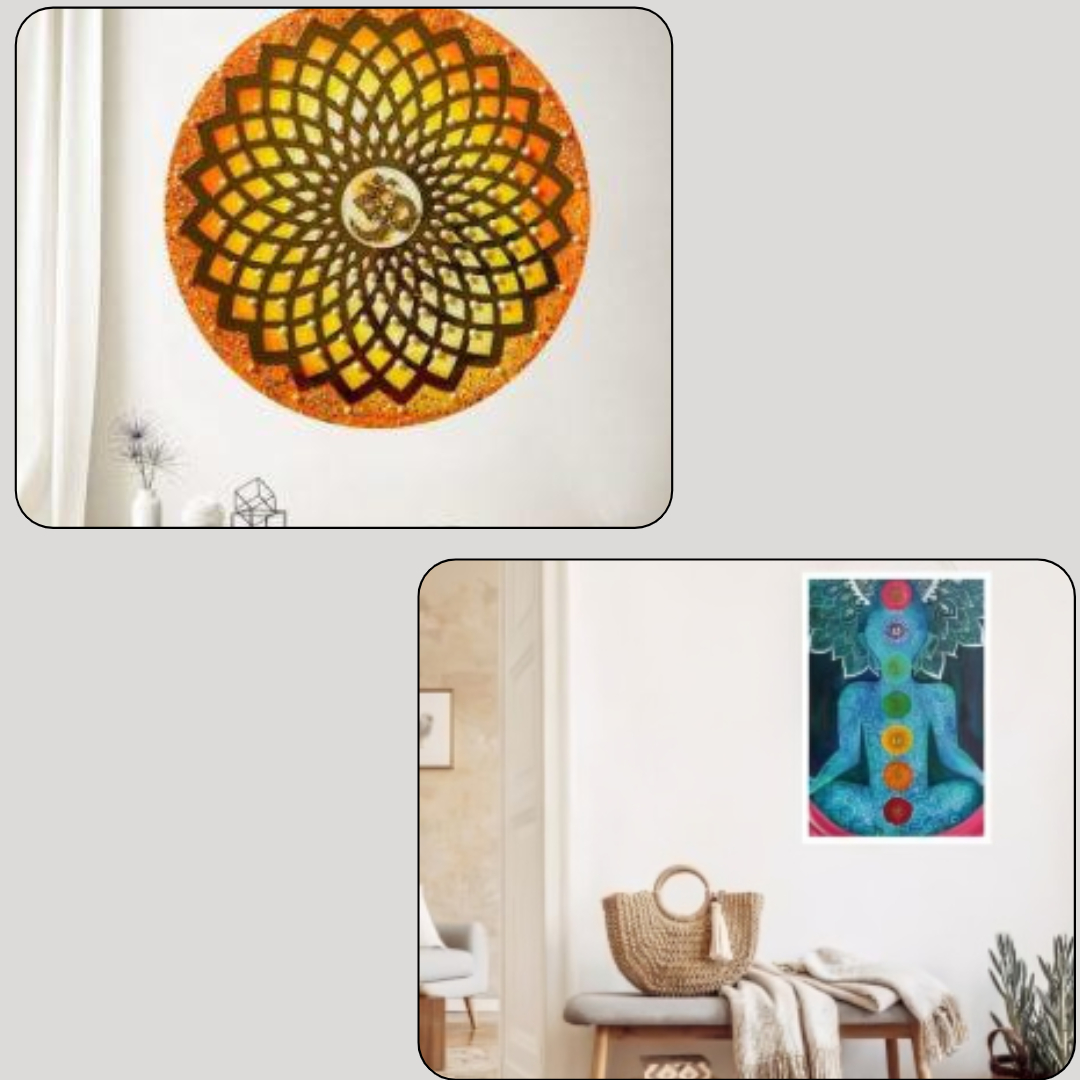
In sacred paintings, mandalas, and Tantric art, this duality reflects the microcosm and macrocosm:

  • The inner world of meditation
  • The outer world of action

Artists use symbolism like:

  • Lotus flowers (purity and enlightenment)
  • Third eye (perception beyond the physical)
  • Trident (Trishul) (threefold forces)

Modern Interpretation in Ranggat Art

Ranggat as a creative platform celebrates the fusion of ancient symbolism and modern artistic expression. Artists today draw inspiration from Shiva–Shakti imagery to explore contemporary themes:

  • Inner balance
  • Feminine power
  • Conscious creativity
  • Spiritual awakening

Contemporary sacred art challenges traditional boundaries and invites deeper reflection on human existence.

Ancient spiritual symbolism and modern artistic expression are powerfully combined in modern religious art. It makes spiritual ideas more approachable for contemporary audiences by reinterpreting timeless themes like Shiva and Shakti through abstract shapes, digital media, minimalist compositions, and experimental techniques. Modern sacred art investigates inner balance, universal energy, and conscious life rather than being restricted to ritual or devotion, enabling viewers to relate spirituality to contemporary feelings and imaginative ideas.

Why Shiva and Shakti Art Matters Today

In a world of constant motion, Shiva’s stillness teaches focus and clarity, while Shakti’s energy inspires:

  • Creativity
  • Transformation
  • Empowerment

Sacred art rooted in these themes:

  • Encourages mindfulness
  • Bridges ancient wisdom with modern life
  • Supports mental and spiritual well-being

How Artists Portray Balance in Their Work

Artists may use:

Color

  • Cool tones for Shiva (blue, white)
  • Warm colors for Shakti (red, orange)

Composition

  • Symmetry to suggest union
  • Flowing lines to show energy

Symbolic Elements

  • Fire, moon, lotus, snake, drum—each symbol adds depth

Eternal Union Inspiring Art

Shiva and Shakti stand for the cosmic equilibrium between structure (awareness) and energy (creative power) in religious art and spiritual symbols. The basis of existence is formed by these divine principles, which are inseparable rather than distinct. Shakti represents movement, creativity, and dynamic force, while Shiva represents quiet, meditation, and timeless being. Numerous pieces of sacred art in India and beyond are influenced by this interaction between Shiva and Shakti, which also has an impact on modern artistic expressions, sculpture, painting, and mandalas.