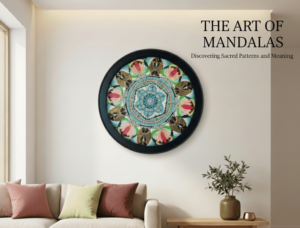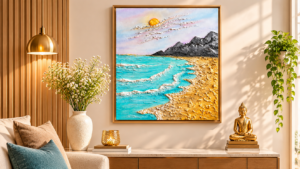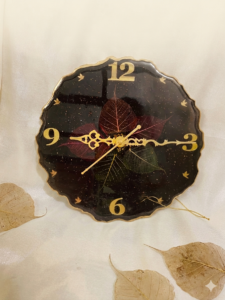
A beautifully designed room is often remembered for one thing—the piece that immediately draws attention. Statement artwork has the power to transform an ordinary interior into a space filled with personality, emotion, and style. Whether it’s a large abstract canvas, a bold portrait, or a modern sculpture, choosing the right statement piece can elevate the overall look of your home.
In this guide, you’ll learn how to choose statement artwork that complements your interior while expressing your personal taste.
What Is Statement Artwork?
Statement artwork is a piece designed to become the focal point of a room. Unlike smaller decorative items that blend into the background, statement art stands out because of its size, colors, design, or emotional impact.
Examples of statement artwork include:
- Oversized paintings
- Abstract canvases
- Sculptural wall installations
- Large photography prints
- Mixed-media art pieces
- Bold contemporary designs
The goal is simple: create visual interest and give the room a strong identity.
Understand Your Interior Style
Before purchasing artwork, consider your existing interior design style. The artwork should enhance the room rather than compete with it.
Modern Interiors
Choose abstract art, geometric designs, monochrome palettes, or minimalist pieces with clean lines.
Traditional Spaces
Classic landscapes, portraits, botanical prints, and framed paintings work well.
Bohemian Homes
Look for colorful artwork, handcrafted pieces, layered textures, and cultural influences.
Industrial Interiors
Black-and-white photography, metal art, and urban-inspired pieces fit perfectly.
Matching artwork with your interior style creates harmony throughout the space.
Consider Size and Scale
One of the biggest mistakes people make is choosing artwork that is too small for the wall.
Large rooms often benefit from oversized pieces, while smaller spaces may require medium-sized artwork that still commands attention.
A few sizing tips:
- Artwork above a sofa should cover around two-thirds of the furniture width.
- Leave enough wall space around the piece to avoid a crowded look.
- Large walls can handle bold and dramatic artwork.
- Smaller rooms benefit from vertical designs that create height.
Always measure the wall before buying.
Use Color to Create Balance
Color plays a major role in selecting statement artwork.
You can choose artwork that:
Matches the room – Use similar shades to maintain a calm appearance.
Adds contrast – Introduce bold colors to create energy and visual interest.
Becomes the accent – Let the artwork introduce a new color palette for cushions, rugs, or decorative accessories.
If your room already has strong colors, neutral artwork may provide balance. Minimal spaces often benefit from vibrant art.
Focus on Emotional Connection
Great interiors are not only stylish—they feel personal.
Choose artwork that resonates with you emotionally. A statement piece should reflect your personality, interests, memories, or creative preferences.
Ask yourself:
- Does this artwork inspire me?
- Would I enjoy seeing it every day?
- Does it fit the atmosphere I want to create?
Trends change, but personal connection lasts.
Placement Matters
Even the best artwork can lose impact if it’s placed incorrectly.
For ideal placement:
- Hang artwork at eye level whenever possible.
- Position statement pieces where they naturally attract attention.
- Use proper lighting to highlight textures and colors.
- Avoid placing multiple competing focal points in one room.
Living rooms, entryways, dining areas, and bedrooms are excellent places for statement art.
Experiment with Different Mediums
Paintings are popular, but statement artwork goes beyond canvas pieces.
Consider:
- Metal wall sculptures
- Textile art
- Ceramic installations
- Wood carvings
- Digital prints
- Handmade mixed-media pieces
Combining different materials adds depth and uniqueness to your interior.
Invest in Quality Over Quantity
Instead of filling every wall with decorations, choose one impactful piece.
A carefully selected artwork often creates more visual impact than several smaller items. Investing in quality materials, craftsmanship, and timeless designs can also increase the long-term value of your décor.
Statement artwork does more than decorate a room—it defines it. The right piece can add personality, introduce color, create balance, and become the centerpiece of your interior design.
Take time to understand your style, evaluate space and scale, and choose artwork that speaks to you personally. When selected thoughtfully, statement art can transform any room into a stylish and memorable living space.
Ranggat brings artistic elegance to your space with statement artwork that transforms interiors into stylish expressions of personality.