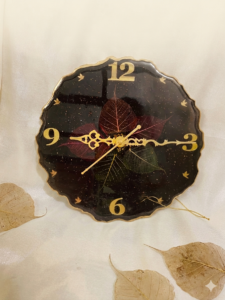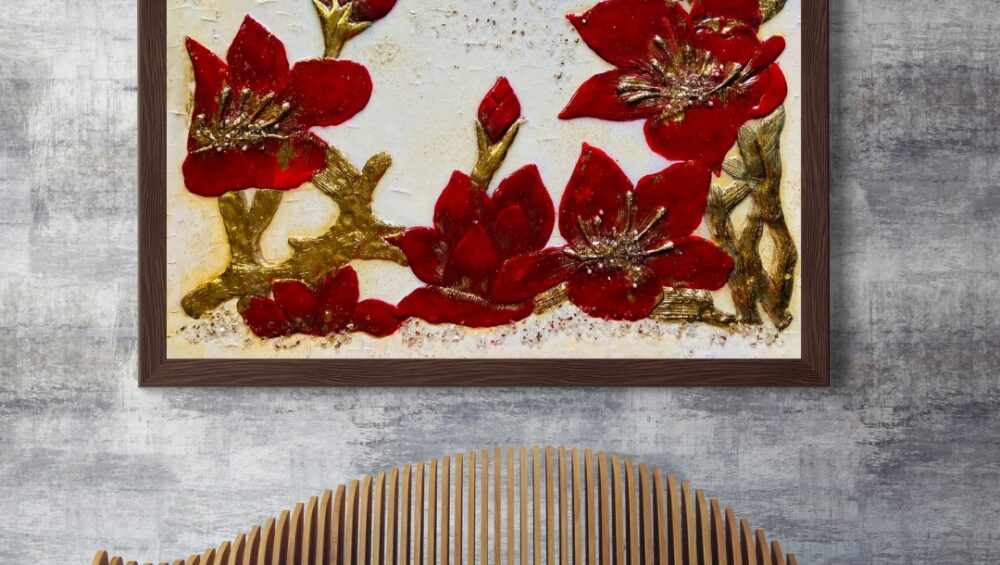
Texture art has become one of the biggest trends in modern home décor and contemporary art. From elegant minimalist wall pieces to bold abstract creations, textured artwork adds depth, dimension, and personality to any space. Whether you’re an aspiring artist or simply looking for a creative hobby, texture art is an accessible and rewarding way to express yourself.
In this complete beginner’s guide, we’ll explore everything you need to know about texture art—from its definition and history to the materials, techniques, and tips that will help you create your very first masterpiece.
What Is Texture Art?
Texture art is a form of visual art that emphasizes the physical surface of an artwork by creating raised, three-dimensional patterns and designs. Unlike traditional paintings that rely mainly on colors and brushstrokes, texture art uses thick mediums such as texture paste, modeling paste, plaster, or joint compound to create depth that can often be seen and felt.
The beauty of texture art lies in its simplicity. Many textured artworks use neutral color palettes like white, beige, grey, or earth tones, allowing the texture itself to become the focal point.
Why Is Texture Art So Popular?
Texture art has gained popularity because it combines creativity with modern interior design. Homeowners, interior decorators, and DIY enthusiasts love textured wall art because it:
- Creates depth and dimension
- Looks luxurious and sophisticated
- Matches modern, Scandinavian, and minimalist interiors
- Is beginner-friendly
- Requires minimal painting experience
- Offers endless creative possibilities
Social media platforms have also played a major role in making texture art one of today’s fastest-growing DIY art trends.
Types of Texture Art
There are many styles of texture art that beginners can explore.
1. Abstract Texture Art
The most popular style, featuring flowing curves, waves, arches, and organic patterns.
Best For:
- Living rooms
- Bedrooms
- Office walls
2. Floral Texture Art
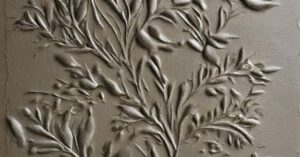
Artists sculpt flowers such as roses, lilies, daisies, or peonies using texture paste to create elegant floral compositions.
3. Landscape Texture Art
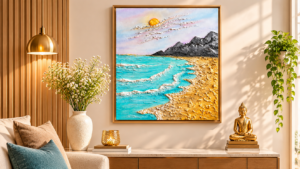
Mountains, oceans, sand dunes, forests, and sunsets become more dramatic with raised textures.
4. Geometric Texture Art
Modern patterns using clean lines, circles, squares, and repeated shapes.
Perfect for contemporary homes.
5. Minimalist Texture Art
Simple monochrome artwork with subtle ridges and soft curves.
One of the most popular styles for luxury interiors.
Materials Needed for Texture Art
One reason beginners love texture art is that it requires only a few basic supplies.
Essential Materials
- Canvas
- Texture Paste or Modeling Paste
- Palette Knife
- Putty Knife
- Acrylic Paint
- Gesso Primer (optional)
- Sandpaper
- Paint Brushes
- Water Container
- Protective Sheet
Many artists also experiment with household tools such as combs, forks, cardboard, or sponges to create unique textures.
Basic Texture Art Techniques
Palette Knife Technique
The most common method.
Spread texture paste across the canvas and create movement using smooth strokes.
comb Technique
Use a comb to create repeated ridges or wave patterns.
Perfect for beginners.
Spatula Technique
Create dramatic peaks and layered textures using a wide spatula.
Stencil Technique
Apply texture paste over stencils to produce detailed patterns.
Layering Technique
Apply multiple layers after each one dries for added depth and complexity.
Step-by-Step Guide to Creating Texture Art
Step 1: Prepare Your Canvas
Ensure the canvas is clean and dry.
Step 2: Mix Your Texture Paste
If required, mix your texture paste until smooth.
Step 3: Apply the Paste
Spread it evenly using a palette knife.
Step 4: Create Patterns
Experiment with:
- Waves
- Arches
- Leaves
- Flowers
- Circular movements
- Abstract lines
Step 5: Let It Dry
Drying usually takes several hours, depending on thickness.
Avoid touching it while drying.
Step 6: Paint (Optional)
Many artists leave texture art white, while others add acrylic colors, metallic finishes, or subtle gradients after the texture has cured.
Step 7: Seal the Artwork
Apply a clear varnish to protect the surface and enhance durability.
Common Mistakes Beginners Should Avoid
Applying Too Much Paste
Very thick layers may crack while drying.
Working Too Slowly
Texture paste begins drying quickly.
Overworking the Surface
Too many strokes can ruin the design.
Ignoring Drying Time
Patience leads to cleaner results.
Using Low-Quality Canvas
A sturdy canvas supports heavier textured materials better.
Best Color Combinations for Texture Art
Popular modern color palettes include:
- White on White
- Beige & Cream
- Grey & White
- Black & White
- Terracotta & Sand
- Olive Green & Beige
- Gold & Ivory
- Sage Green & Neutral Tones
Where Can Texture Art Be Used?
Texture artwork enhances many spaces:
- Living Rooms
- Bedrooms
- Hallways
- Dining Areas
- Offices
- Hotels
- Cafés
- Restaurants
- Luxury Apartments
- Art Galleries
Its versatility makes it suitable for both residential and commercial interiors.
Is Texture Art Easy for Beginners?
Absolutely.
Texture art is considered one of the easiest forms of contemporary art because it focuses more on movement, patterns, and surface design than realistic drawing. Even complete beginners can create stunning pieces with basic tools and a little practice.
Tips for Beginners
- Start with simple abstract patterns.
- Practice on small canvases first.
- Experiment with different tools.
- Keep your designs clean and balanced.
- Allow each layer to dry fully.
- Learn from each artwork rather than aiming for perfection.
Frequently Asked Questions (FAQs)
What is texture art?
Texture art is a style of artwork that uses raised materials to create visible and tactile depth on a surface.
What materials are used for texture art?
Common materials include texture paste, modeling paste, plaster, acrylic paint, palette knives, and canvas.
Can beginners create texture art?
Yes. Texture art is one of the easiest and most beginner-friendly art forms because it focuses on shapes and textures rather than realistic drawing.
How long does texture art take to dry?
Depending on the thickness of the paste, drying may take anywhere from a few hours to 24 hours or longer.
Can texture art be painted?
Yes. Many artists paint their textured artwork after it dries, while others prefer elegant monochromatic finishes.
Texture art is more than just a design trend—it’s a creative way to bring movement, depth, and personality into your artwork and your living spaces. Whether you prefer minimalist white sculptures, floral reliefs, or bold abstract patterns, texture art offers endless opportunities to experiment and express your creativity.
The best part is that you don’t need years of artistic experience to begin. With a canvas, texture paste, and a few simple tools, you can start creating unique textured masterpieces that reflect your own style. Practice consistently, explore different techniques, and enjoy the process of turning ordinary surfaces into extraordinary works of art.
Ranggat – Where Creativity Meets Texture, Color, and Timeless Art.