Ranggat | Art and Emotions: How to Choose Artwork That Feels Like YouCategoriesCreative Tips & Tricks

Ranggat | Art and Emotions: How to Choose Artwork That Feels Like You

Art is more than a decorative element. The right artwork can bring warmth, personality, memories, and emotions into a space. When you choose a painting, print, abstract artwork, or handmade piece for your home, you are often choosing something that connects with your personal taste and feelings.

At Ranggat, art is viewed as a meaningful part of interior spaces—something that can make a room feel more personal, expressive, and visually engaging.

Why Art and Emotions Are Connected

Different artworks can create different emotional responses. A soft landscape may make a room feel calm, while bold colors and expressive patterns can add energy and excitement. Artwork can also remind us of places, people, experiences, or moments that are personally meaningful.

This is why choosing art should not always be based on trends. The best artwork is often the piece that makes you feel something when you look at it.

Choose Colors That Match Your Mood

Color has an important role in how a space feels. Warm shades such as red, orange, and yellow can create an energetic and lively atmosphere. Blue and green tones can give a more peaceful and refreshing feeling, while neutral shades can create a sophisticated and balanced look.

When selecting artwork, think about the mood you want to create in the room. A bedroom may benefit from soothing colors, while a living room can accommodate more vibrant and expressive artwork.

Let Your Personality Guide Your Choice

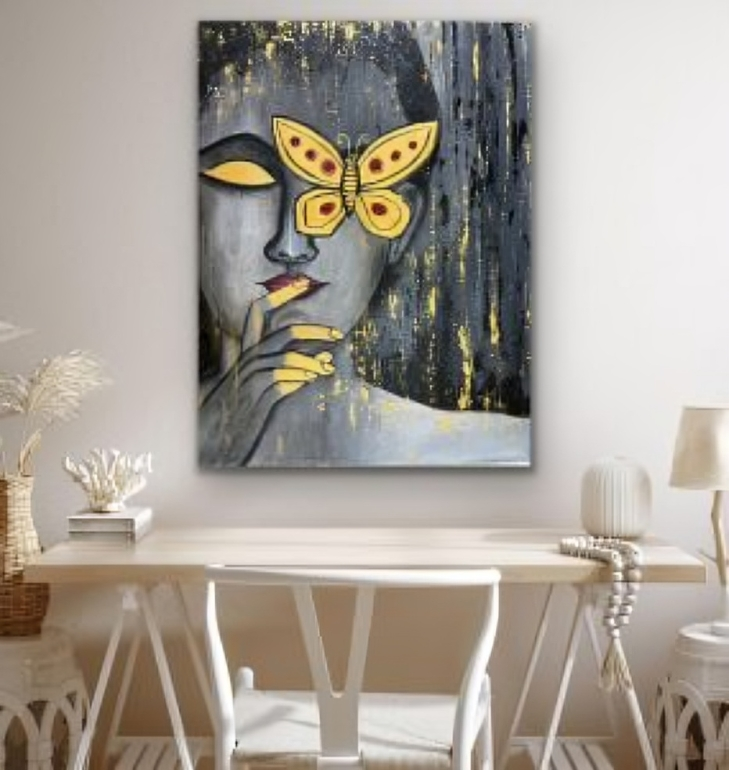
Your home should reflect who you are. If you enjoy minimalism, you may naturally prefer simple artwork with clean lines and subtle colors. If you love creativity and experimentation, abstract or colorful pieces may feel more appropriate.

Instead of asking only, “Will this match my furniture?”, ask yourself, “Does this artwork feel like me?” This simple question can help you make more personal choices.

Think About the Story Behind the Artwork

Meaning can make artwork more special. A painting may remind you of a favorite destination, a particular season, a family memory, or an important stage of life.

Artwork with a story can also become a conversation starter when guests visit your home. It adds character to your space rather than simply filling an empty wall.

Consider the Feeling of Each Room

Different rooms have different purposes, so the artwork should complement the atmosphere you want to create.

Living Room

The living room is a social space, making it suitable for statement artwork, bold compositions, or pieces that encourage conversation.

Bedroom

Choose artwork that creates a sense of calm and relaxation. Soft colors, nature-inspired designs, and minimal compositions can work beautifully.

Dining Area

Artwork with rich colors, artistic food themes, or sophisticated patterns can add warmth and personality to the dining environment.

Workspace

For a home office or creative corner, choose artwork that inspires concentration, motivation, or creativity.

Don’t Follow Trends Blindly

Interior design trends change frequently, but personal taste lasts much longer. A trendy artwork may look attractive today but may not continue to feel meaningful over time.

Instead, use trends as inspiration while choosing pieces that genuinely appeal to you. A timeless artwork that connects with your personality can remain enjoyable for years.

Balance Is Important

Choosing artwork that feels personal does not mean every wall needs to be filled. Too many competing pieces can make a room feel crowded.

Consider the size of your wall, furniture placement, color palette, and overall interior style. A single striking artwork can sometimes have a greater visual impact than several smaller pieces.

Mix Different Art Styles

You don’t always have to follow one artistic style throughout your home. A thoughtful combination of abstract, traditional, contemporary, or handmade artwork can create an interesting and layered interior.

The key is finding a visual connection through color, theme, size, or framing so that the different pieces still work together.

Make Your Home More Personal With Art

The most beautiful homes are not necessarily those filled with expensive décor. They are spaces that tell a story about the people who live there.

Artwork can help express your interests, memories, emotions, and personality. Whether you prefer peaceful landscapes, expressive abstracts, traditional designs, or contemporary creations, choose pieces that make your space feel authentic.

Choosing artwork is a personal experience. The right piece should not only complement your interiors but also create an emotional connection. Think about the colors you love, the memories you want to celebrate, and the atmosphere you want to create.

With a thoughtful approach, artwork can become much more than wall décor—it can become a reflection of you. Ranggat encourages art lovers to explore pieces that connect with their emotions and bring individuality, beauty, and meaning into everyday spaces.
CategoriesCreative

How Indian Art is Making Its Mark Globally: The Ranggat Story

How Indian Art is Making Its Mark Globally: The Ranggat Story

Art has always been a powerful medium of expression, transcending boundaries and connecting people across the globe. As the founder of Ranggat, I, Suruchi Purwar, have had the privilege of witnessing the remarkable journey of Indian art, which is now resonating on a global stage.

The Roots of Ranggat

Ranggat was born from a dream to create art that speaks to the soul. I have been a visual artist for more than five years, and my path has been nothing short of remarkable. The essence of Ranggat is encapsulated in its tagline, “An Art from Soul,” reflecting my commitment to crafting pieces that are not only visually stunning but deeply meaningful.

Spreading Joy and Tranquility Through Art

How Indian Art is Making Its Mark Globally: The Ranggat Story

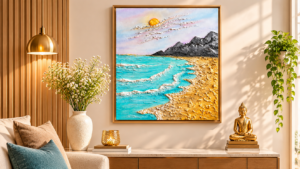
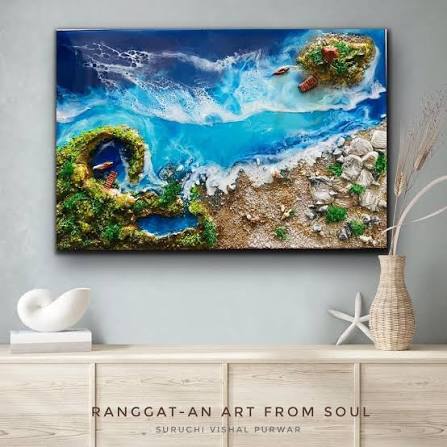
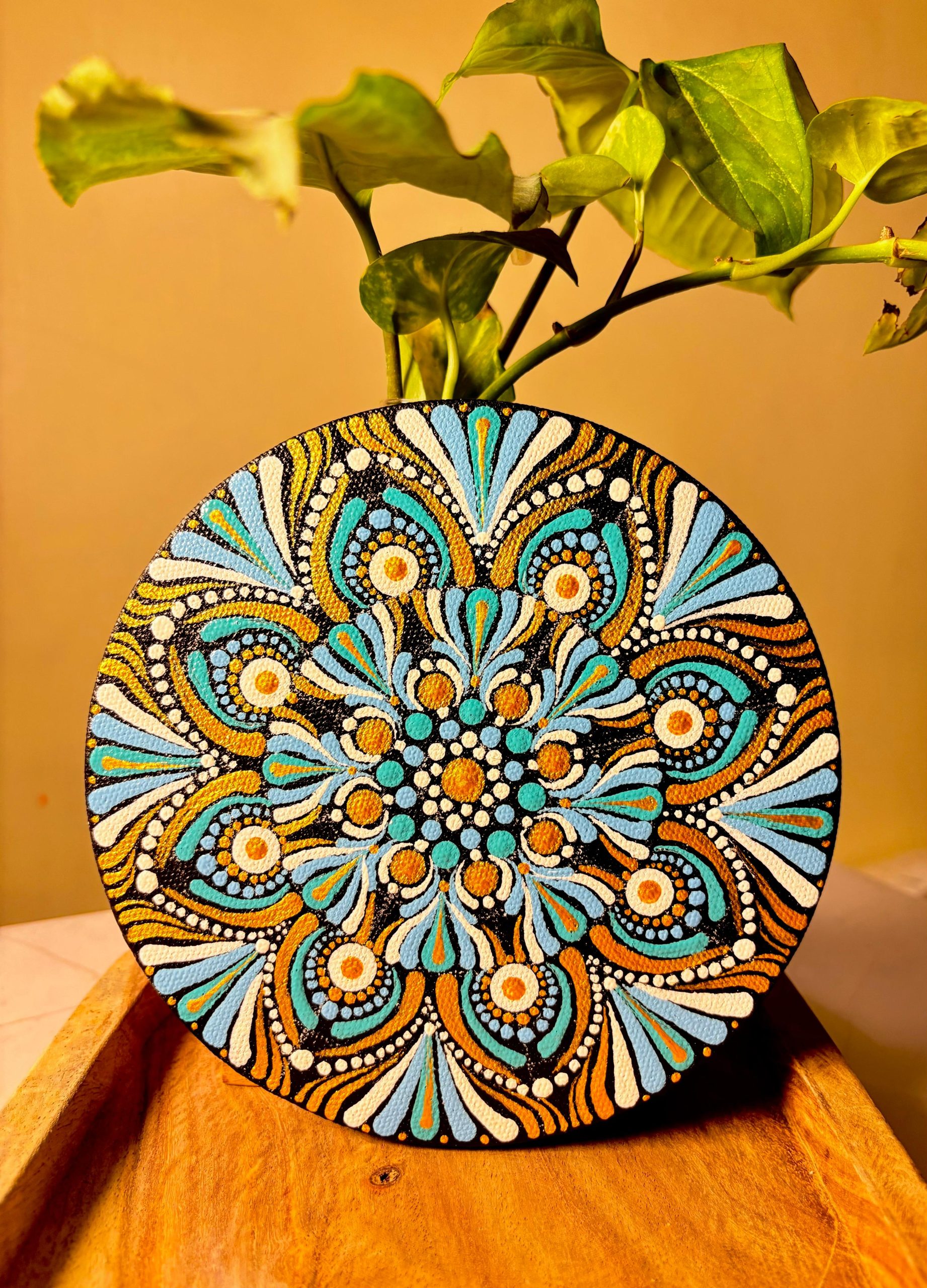
Art has the power to transform spaces and minds. At Ranggat, every piece is designed to evoke joy, peace, and positivity. Whether it’s a carefully crafted dot mandala symbolizing harmony or an ocean-inspired resin creation that whispers serenity, each artwork carries an essence of calmness that transcends borders.

Promoting Innovation in Indian Art

How Indian Art is Making Its Mark Globally: The Ranggat Story

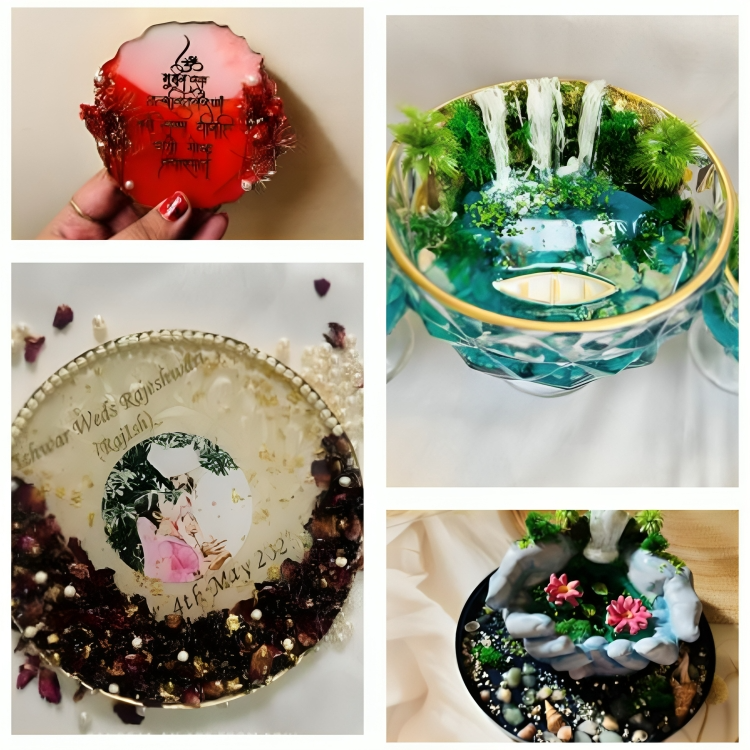
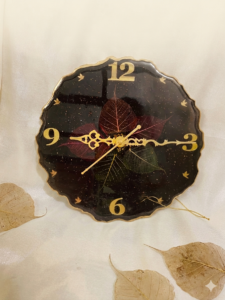
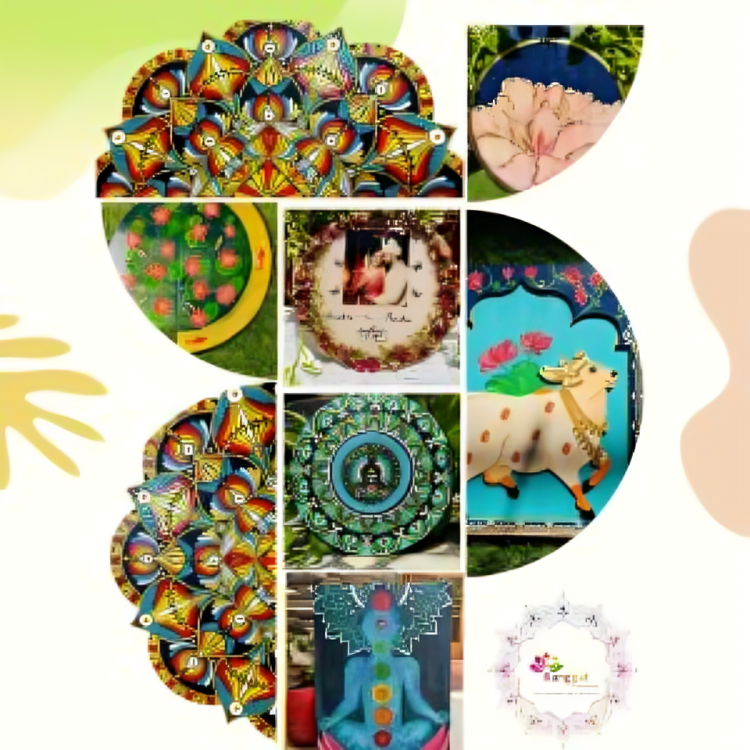
Indian art has a rich legacy, but it is its innovative spirit that has captured the global imagination. At Ranggat, I embrace experimentation, blending traditional techniques with contemporary mediums. From vibrant acrylic canvases to intricate resin miniatures, the goal is to offer art that pushes boundaries while remaining rooted in authenticity.

Bridging Connections Through Customization

Ranggat’s focus on making customized products is one of its unique selling points. Every design, whether for business branding or as a personal present, is evidence of deep relationships. Every custom item reflects memories, feelings, and individual experiences, designed to resonate with its owner.

The Global Appeal of Indian Art

Indian art’s foray into the global arena is driven by its unique ability to combine intricate craftsmanship with profound storytelling. Ranggat’s journey is a reflection of this larger narrative. Having served over 100 clients globally, I’ve seen firsthand how Indian art finds a home in diverse cultures, speaking a universal language of creativity and emotion.

As I continue to build Ranggat’s legacy, my mission remains steadfast: to ensure that every artwork carries a piece of my soul while bringing joy and inspiration to others. By blending tradition with innovation, Ranggat aims to contribute to the global recognition of Indian art as a force of beauty, tranquility, and connection.

Ranggat isn’t just a brand; it’s a movement. It’s about celebrating creativity, cherishing emotions, and sharing stories that transcend time and geography. Together, let’s continue to make Indian art shine on the global stage—one soulful masterpiece at a time.

Suruchi Purwar

Founder, Ranggat: An Art from Soul

CategoriesTips & Tricks

How Art Can Boost Your Mood and Productivity: A Ranggat Perspective

How Art Can Boost Your Mood and Productivity: A Ranggat Perspective

Art has always been a powerful tool for communication, emotional health, and self-expression. Art conveys human emotions, narratives, and experiences in ways that words frequently cannot, whether it is through serene landscapes or colorful abstract works. Beyond its visual value, however, art can have a significant impact on productivity and mood, especially in the setting of workspaces. For those who seek a fresh, holistic approach to integrating art into daily life, a Ranggat perspective offers unique insights.

1. Aesthetic Inspiration Stimulates Creativity

  • Ranggat Focus: Art that uses abstract patterns, vibrant colors, or themes inspired by nature can encourage original thought. When we are surrounded by art that makes us think, we are more likely to think creatively, which can result in original ideas and new viewpoints.
  • Impact on Mood & Productivity: Employees in workspaces filled with visually stimulating art tend to feel more inspired and motivated, which boosts their overall output.

2. Enhancing Focus with Minimalistic Art

  • Ranggat Focus: The idea of clarity and focus is supported by the minimalist style of art, which uses simple shapes, clean lines, and neutral colors. Overwhelming art contributes to a calmer atmosphere by lowering cognitive overload.
  • Impact on Mood & Productivity: When the brain is not overstimulated, individuals are better able to concentrate on tasks, increasing productivity levels and reducing feelings of stress.

3. Mood Elevation Through Color Psychology

  • Ranggat Focus: The integration of specific colors in artwork can tap into the psychology of color, where blues and greens evoke calmness, yellows inspire happiness, and reds stimulate energy. Art that reflects these colors can intentionally adjust the emotional atmosphere of a room.
  • Impact on Mood & Productivity: A well-curated color palette in the workspace can regulate emotions, promoting a more positive attitude and a balanced mood, thereby enhancing work performance.

4. Art as a Reflection of Personal Values and Identity

  • Ranggat Focus: Art that resonates with personal values or cultural backgrounds creates a deeper emotional connection. When individuals identify with the art in their environment, it can instill a sense of belonging and comfort.
  • Impact on Mood & Productivity: Feeling emotionally connected to one’s workspace can foster a sense of pride and personal empowerment, which in turn improves morale and focus.

5. Encouraging Mindfulness and Stress Reduction

  • Ranggat Focus: Art can also be used as a tool for mindfulness, with serene images or nature scenes that invite calmness. In the Ranggat approach, such art isn’t just decorative—it’s designed to act as a moment of pause in a busy day, encouraging workers to step away and reset.
  • Impact on Mood & Productivity: Taking brief, mindful moments with art can lower stress levels, refresh the mind, and prevent burnout, ultimately boosting long-term productivity.

6. Creating a Positive First Impression

  • Ranggat Focus: The choice of art in an entryway or reception area sets the tone for a workspace. Art that communicates warmth, professionalism, and creativity can elevate the perception of a company.
  • Impact on Mood & Productivity: A warm, attractive area improves the first impression that guests and staff have of the workplace, which boosts confidence, engagement, and the atmosphere as a whole.

7. Art as a Conversation Starter

  • Ranggat Focus: Art in the workplace can promote social interaction and communication. By displaying thought-provoking or narrative-driven artwork, individuals are encouraged to discuss their interpretations, fostering collaboration and camaraderie.
  • Impact on Mood & Productivity: When coworkers connect over shared experiences or insights about art, it cultivates a more inclusive and communicative environment, which can strengthen teamwork and improve morale.

8. The Psychological Benefits of Art for Mental Health

  • Ranggat Focus: The act of creating or simply observing art can be therapeutic. The Ranggat philosophy embraces art as a tool for emotional well-being and self-expression.
  • Impact on Mood & Productivity: Regular exposure to art can reduce anxiety and depression, helping to stabilize mood swings and increasing mental clarity, thus improving both mood and productivity.

9. Encouraging a Sense of Tranquility

  • Ranggat Focus: Art that incorporates natural elements like woods, oceans, and landscapes offers a visual reprieve from the stresses of everyday life.
  • Impact on Mood & Productivity: A quiet environment improves mood and productivity by fostering relaxation, which lowers stress and encourages a better work-life balance.

10. Fostering a Positive Company Culture

  • Impact on Mood & Productivity: Higher productivity and general job satisfaction are likely to result from motivated, engaged, and valued employees who share the company’s values.
  • Ranggat Focus: A company’s opinions, mission, and culture are reflected in its art. A corporation can enhance its corporate culture and identity by carefully selecting artwork that reflects these values.