Common Texture Art Mistakes and How to Fix Them | RanggatCategoriesCreative

Common Texture Art Mistakes and How to Fix Them | Ranggat

Texture art can transform a simple canvas into a beautiful, dimensional artwork. However, beginners often face issues such as uneven texture, cracks, poor adhesion, or an untidy finish. Understanding these common mistakes can help artists create smoother and more professional-looking texture paintings.

1. Applying Texture Too Thickly

One of the most common mistakes is applying a very thick layer of texture paste at once. A heavy layer may take longer to dry and can develop cracks or uneven surfaces.

How to fix it:
Apply the paste in controlled layers. Allow each layer to dry properly before adding another.

2. Using the Wrong Surface

Texture materials may not work well on every surface. A poorly prepared canvas or board can affect adhesion and the final appearance.

How to fix it:
Prepare the surface before starting. Clean it properly and use a suitable primer when required.

3. Not Allowing Enough Drying Time

Painting over texture before it is completely dry can damage the design and cause the layers to mix.

How to fix it:
Allow the texture to dry naturally and completely before adding acrylic paint or decorative details.

4. Creating Uneven Texture

Inconsistent pressure while using palette knives, brushes, or texture tools can result in an uneven finish.

How to fix it:
Practice maintaining consistent pressure and experiment with different tools to achieve the desired texture.

5. Ignoring Cracks

Small cracks can appear when texture paste is applied too thickly, dries too quickly, or is used on an unsuitable surface.

How to fix it:
Use thinner layers and provide adequate drying time. For minor cracks, gently smooth the damaged area and reapply texture.

6. Using Too Many Colors

Adding too many colors can make a textured artwork look crowded and reduce the visual impact of the texture.

How to fix it:
Choose a simple color palette and use contrasting or complementary shades to highlight the raised details.

7. Poor Tool Selection

Different texture effects require different tools. Using the wrong tool may make it difficult to create clean patterns or detailed designs.

How to fix it:
Experiment with palette knives, spatulas, combs, brushes, and other texture tools to discover which works best for your design.

8. Rushing the Finishing Process

Texture art requires patience. Rushing through drying, painting, or finishing can affect the overall quality.

How to fix it:
Work step by step and allow enough time between each stage. A patient approach helps achieve a cleaner and more durable finish.

Texture art becomes easier with practice and the right techniques. By avoiding common mistakes such as applying excessive paste, skipping surface preparation, and rushing the drying process, artists can create beautiful and long-lasting textured artworks.

With quality art materials and regular practice, your creativity can turn simple textures into impressive works of art. Ranggat offers materials that can help artists explore different painting and texture techniques with confidence.

Art Education with Suruchi Purwar: Learn Creativity Beyond the CanvasCategoriesCreative Tips & Tricks

Art Education with Suruchi Purwar: Learn Creativity Beyond the Canvas

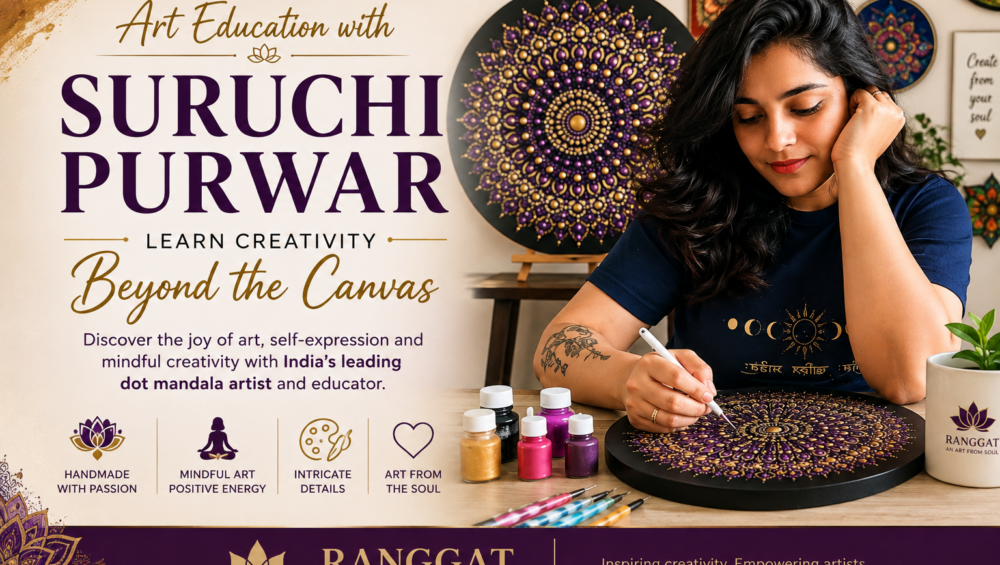
Art is more than drawing, painting, or decorating a canvas. It is a way to express emotions, develop imagination, improve concentration, and discover a unique creative voice. Suruchi Purwar, founder of Ranggat – An Art From Soul, has built her artistic journey around this belief, combining handmade art with art education and creative learning.

Through her work, Suruchi Purwar encourages people of different ages and backgrounds to explore art without being afraid of mistakes. Her approach shows that anyone can learn art when they have the right guidance, patience, and freedom to experiment.

Who Is Suruchi Purwar?

Suruchi Purwar is an Indian artist, art educator, and founder of Ranggat. Although she has a technical background in Computer Science and previously worked in the IT industry, her passion for art eventually became her professional journey.

She started Ranggat as a creative venture focused on handmade artwork and art education. Over the years, her work has developed across different artistic mediums, including dot mandala, resin art, palette knife painting, Lippan work, murals, and other creative techniques.

Her journey is an example of how a personal passion can grow into a meaningful creative profession.

Ranggat: Where Art Meets the Soul

The name Ranggat – An Art From Soul reflects Suruchi’s connection with colours and emotional expression. Ranggat is not simply about creating beautiful decorative pieces; it focuses on the emotional and mindful side of art.

According to Ranggat’s own description, its artworks include dot mandala art, wall mantra frames, memory preservation art, ocean-inspired wall art, miniature art, and other handmade creations.

This philosophy also influences the way art education is approached. Students are encouraged to enjoy the process of creating rather than concentrating only on the final result.

Learning Art Beyond the Canvas

One of the most valuable aspects of art education is that it teaches skills that can be useful outside the art studio.

When students practice painting, drawing, mandala designs, or other creative techniques, they can develop:

  • Patience and concentration
  • Creative thinking
  • Observation skills
  • Confidence
  • Attention to detail
  • Self-expression
  • A willingness to experiment

Suruchi Purwar has spoken about how art can encourage creativity, focus, patience, relaxation, and self-expression. Her teaching philosophy focuses on helping learners bring out their own creativity rather than simply copying someone else’s work.

Art Classes for Different Learners

A major strength of creative education is that there is no single age at which someone should start learning art. Children can use art to explore imagination, while adults can discover a new hobby, develop creative skills, or even explore art as a profession.

Suruchi Purwar has conducted both online and offline art classes in different art forms. Her experience includes teaching techniques associated with mediums such as dot mandala, resin art, palette knife work, alcohol ink painting, Lippan work, and murals.

This makes art learning more accessible to people who may not have formal training in fine arts.

Dot Mandala: Creativity, Patience and Precision

Dot mandala is one of the artistic techniques closely associated with Suruchi Purwar and Ranggat.

The process involves creating intricate patterns through carefully placed dots, colours, symmetry, and geometric designs. It requires patience and control because each element contributes to the overall balance of the artwork.

Suruchi’s expertise in this field was also recognised by the India Book of Records. In 2023, she created a dot mandala artwork measuring 13 metres by 1 metre on a canvas roll, which was recorded as the largest dot mandala art on a canvas roll made by an individual.

Art as a Form of Self-Expression

For many learners, art is not only about developing technical skills. It can also provide a space to express thoughts and emotions.

A blank canvas gives students the freedom to experiment with colours, textures, patterns, and ideas. There is no single correct way to express creativity.

Suruchi Purwar’s own artistic philosophy highlights this emotional connection with art. Her journey demonstrates how creativity can become a way of understanding oneself and communicating ideas that may sometimes be difficult to express through words.

Building Confidence Through Creativity

Many beginners hesitate to start art because they believe they are “not artistic.” Good art education can change that mindset.

Instead of focusing only on perfection, learners can begin with simple exercises and gradually develop their skills. Every completed artwork becomes an opportunity to learn something new.

Suruchi Purwar’s journey from a technical professional to an established artist and founder of Ranggat demonstrates the importance of learning, experimentation, consistency, and believing in one’s creative abilities.

Art Education for a Wider Community

Suruchi’s vision for art education has also expanded beyond commercial art classes. Through the Ranggat Foundation, she has expressed a goal of making art education and creative resources more accessible to underprivileged communities, children from low-income families, NGOs, rural communities, and others who may have limited access to creative learning.

This idea highlights an important message: creativity should not be limited by financial or social barriers.

Why Learn Art with Suruchi Purwar?

There are several reasons learners may find Suruchi Purwar’s approach to art education inspiring:

Creative freedom: Students can explore their own ideas and artistic styles.

Multiple art forms: Her experience covers several creative mediums and techniques.

Practical learning: Art education can focus on creating actual artworks while learning techniques.

Mindful creativity: Art can encourage patience, focus, and a calm approach to the creative process.

Inspiration through experience: Suruchi’s own journey demonstrates how consistent practice can transform a passion into a profession.

Ranggat’s Vision for Art Education

Ranggat represents more than handmade artwork. Its broader vision connects creativity, culture, mindfulness, learning, and self-expression.

Suruchi Purwar’s journey shows that art education does not have to remain inside a traditional classroom. It can happen through workshops, online classes, personal practice, experimentation, and everyday creative experiences.

The goal is not simply to teach someone how to paint a picture. It is to help them understand that their creativity has value.

Art Education with Suruchi Purwar represents a creative approach to learning that goes beyond the canvas. Through Ranggat, Suruchi Purwar combines her experience as an artist and educator with a vision of making creativity more accessible and meaningful.

Whether someone is a beginner looking for a new hobby, a student interested in developing artistic skills, or an aspiring artist searching for inspiration, learning through art can open new possibilities.

Art is not only about creating something beautiful. It is about discovering ideas, developing patience, expressing emotions, and finding your own creative voice. Through her artistic journey and Ranggat, Suruchi Purwar continues to show how creativity can become a meaningful part of life.

Incorporate Texture artCategoriesCreative

What Is Texture Art? A Complete Beginner’s Guide

Texture art has become one of the biggest trends in modern home décor and contemporary art. From elegant minimalist wall pieces to bold abstract creations, textured artwork adds depth, dimension, and personality to any space. Whether you’re an aspiring artist or simply looking for a creative hobby, texture art is an accessible and rewarding way to express yourself.

In this complete beginner’s guide, we’ll explore everything you need to know about texture art—from its definition and history to the materials, techniques, and tips that will help you create your very first masterpiece.

What Is Texture Art?

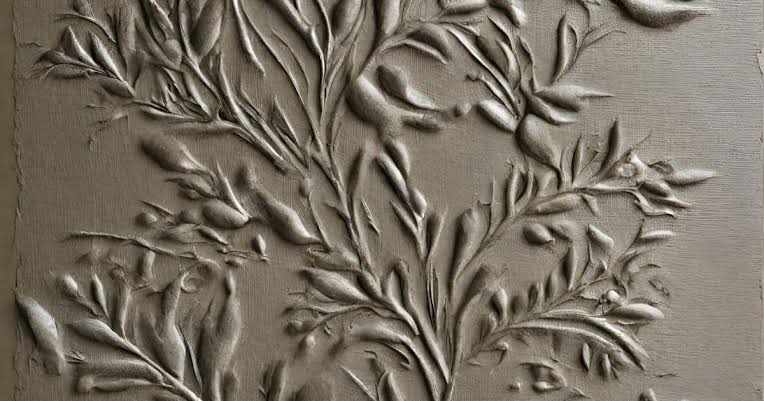
Texture art is a form of visual art that emphasizes the physical surface of an artwork by creating raised, three-dimensional patterns and designs. Unlike traditional paintings that rely mainly on colors and brushstrokes, texture art uses thick mediums such as texture paste, modeling paste, plaster, or joint compound to create depth that can often be seen and felt.

The beauty of texture art lies in its simplicity. Many textured artworks use neutral color palettes like white, beige, grey, or earth tones, allowing the texture itself to become the focal point.

Why Is Texture Art So Popular?

Texture art has gained popularity because it combines creativity with modern interior design. Homeowners, interior decorators, and DIY enthusiasts love textured wall art because it:

  • Creates depth and dimension
  • Looks luxurious and sophisticated
  • Matches modern, Scandinavian, and minimalist interiors
  • Is beginner-friendly
  • Requires minimal painting experience
  • Offers endless creative possibilities

Social media platforms have also played a major role in making texture art one of today’s fastest-growing DIY art trends.

Types of Texture Art

There are many styles of texture art that beginners can explore.

1. Abstract Texture Art

The most popular style, featuring flowing curves, waves, arches, and organic patterns.

Best For:

  • Living rooms
  • Bedrooms
  • Office walls

2. Floral Texture Art

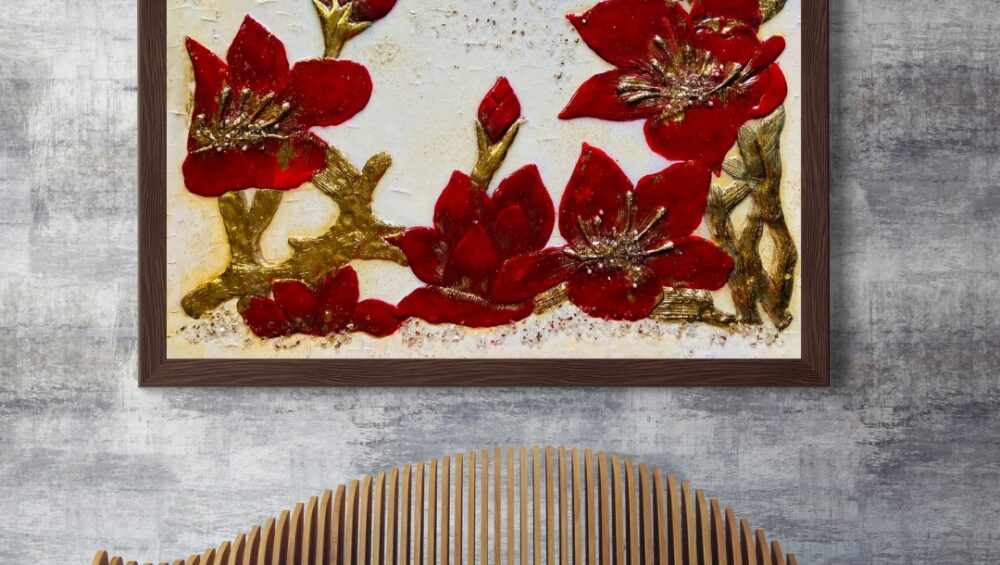
Artists sculpt flowers such as roses, lilies, daisies, or peonies using texture paste to create elegant floral compositions.

3. Landscape Texture Art

Mountains, oceans, sand dunes, forests, and sunsets become more dramatic with raised textures.

4. Geometric Texture Art

Modern patterns using clean lines, circles, squares, and repeated shapes.

Perfect for contemporary homes.

5. Minimalist Texture Art

Simple monochrome artwork with subtle ridges and soft curves.

One of the most popular styles for luxury interiors.

Materials Needed for Texture Art

One reason beginners love texture art is that it requires only a few basic supplies.

Essential Materials

  • Canvas
  • Texture Paste or Modeling Paste
  • Palette Knife
  • Putty Knife
  • Acrylic Paint
  • Gesso Primer (optional)
  • Sandpaper
  • Paint Brushes
  • Water Container
  • Protective Sheet

Many artists also experiment with household tools such as combs, forks, cardboard, or sponges to create unique textures.

Basic Texture Art Techniques

Palette Knife Technique

The most common method.

Spread texture paste across the canvas and create movement using smooth strokes.

comb Technique

Use a comb to create repeated ridges or wave patterns.

Perfect for beginners.

Spatula Technique

Create dramatic peaks and layered textures using a wide spatula.

Stencil Technique

Apply texture paste over stencils to produce detailed patterns.

Layering Technique

Apply multiple layers after each one dries for added depth and complexity.

Step-by-Step Guide to Creating Texture Art

Step 1: Prepare Your Canvas

Ensure the canvas is clean and dry.

Step 2: Mix Your Texture Paste

If required, mix your texture paste until smooth.

Step 3: Apply the Paste

Spread it evenly using a palette knife.

Step 4: Create Patterns

Experiment with:

  • Waves
  • Arches
  • Leaves
  • Flowers
  • Circular movements
  • Abstract lines

Step 5: Let It Dry

Drying usually takes several hours, depending on thickness.

Avoid touching it while drying.

Step 6: Paint (Optional)

Many artists leave texture art white, while others add acrylic colors, metallic finishes, or subtle gradients after the texture has cured.

Step 7: Seal the Artwork

Apply a clear varnish to protect the surface and enhance durability.

Common Mistakes Beginners Should Avoid

Applying Too Much Paste

Very thick layers may crack while drying.

Working Too Slowly

Texture paste begins drying quickly.

Overworking the Surface

Too many strokes can ruin the design.

Ignoring Drying Time

Patience leads to cleaner results.

Using Low-Quality Canvas

A sturdy canvas supports heavier textured materials better.

Best Color Combinations for Texture Art

Popular modern color palettes include:

  • White on White
  • Beige & Cream
  • Grey & White
  • Black & White
  • Terracotta & Sand
  • Olive Green & Beige
  • Gold & Ivory
  • Sage Green & Neutral Tones

Where Can Texture Art Be Used?

Texture artwork enhances many spaces:

  • Living Rooms
  • Bedrooms
  • Hallways
  • Dining Areas
  • Offices
  • Hotels
  • Cafés
  • Restaurants
  • Luxury Apartments
  • Art Galleries

Its versatility makes it suitable for both residential and commercial interiors.

Is Texture Art Easy for Beginners?

Absolutely.

Texture art is considered one of the easiest forms of contemporary art because it focuses more on movement, patterns, and surface design than realistic drawing. Even complete beginners can create stunning pieces with basic tools and a little practice.

Tips for Beginners

  • Start with simple abstract patterns.
  • Practice on small canvases first.
  • Experiment with different tools.
  • Keep your designs clean and balanced.
  • Allow each layer to dry fully.
  • Learn from each artwork rather than aiming for perfection.

Frequently Asked Questions (FAQs)

What is texture art?

Texture art is a style of artwork that uses raised materials to create visible and tactile depth on a surface.

What materials are used for texture art?

Common materials include texture paste, modeling paste, plaster, acrylic paint, palette knives, and canvas.

Can beginners create texture art?

Yes. Texture art is one of the easiest and most beginner-friendly art forms because it focuses on shapes and textures rather than realistic drawing.

How long does texture art take to dry?

Depending on the thickness of the paste, drying may take anywhere from a few hours to 24 hours or longer.

Can texture art be painted?

Yes. Many artists paint their textured artwork after it dries, while others prefer elegant monochromatic finishes.

Texture art is more than just a design trend—it’s a creative way to bring movement, depth, and personality into your artwork and your living spaces. Whether you prefer minimalist white sculptures, floral reliefs, or bold abstract patterns, texture art offers endless opportunities to experiment and express your creativity.

The best part is that you don’t need years of artistic experience to begin. With a canvas, texture paste, and a few simple tools, you can start creating unique textured masterpieces that reflect your own style. Practice consistently, explore different techniques, and enjoy the process of turning ordinary surfaces into extraordinary works of art.

Ranggat – Where Creativity Meets Texture, Color, and Timeless Art.