Art is a wonderful way to express thoughts, emotions, and imagination. It helps people explore their creativity, develop new skills, and see the world from different perspectives. Whether someone enjoys painting, drawing, dot mandala art, or decorative artwork, learning art can be a rewarding experience. Finding the right art educator can help learners understand artistic techniques and develop their own creative style.
Ranggat celebrates creativity, artistic expression, and decorative art. Through different art forms and creative ideas, Ranggat encourages people to explore their imagination and appreciate the beauty of handmade artwork. For beginners, hobby artists, and individuals who want to improve their artistic skills, exploring creative art can be an inspiring journey.
Why Is Art Education Important?
Art education is about more than learning how to draw or paint. It helps people develop patience, observation, concentration, and problem-solving skills. Creative activities also give learners an opportunity to express their ideas in unique ways.
Here are some important benefits of learning art:
- Improves creativity: Art encourages people to experiment with colours, shapes, patterns, and different materials.
- Develops concentration: Activities such as detailed painting and dot mandala art require attention and patience.
- Encourages self-expression: Learners can communicate their feelings and ideas through their artwork.
- Builds confidence: Completing a creative project can motivate learners to explore more challenging techniques.
- Promotes relaxation: Many people enjoy painting and decorative art as a relaxing hobby.
- Develops artistic observation: Drawing and painting help learners notice details, proportions, colours, and textures.
A supportive art learning environment can make these benefits accessible to people with different levels of experience.
What Makes a Good Art Educator in India?
A good art educator helps learners understand artistic concepts while encouraging them to develop their individual styles. Every learner has different interests, abilities, and creative goals, so art education should allow room for experimentation and personal expression.
Some qualities to look for when exploring art education include:
1. Knowledge of Different Art Forms
An understanding of various artistic techniques helps learners discover what they enjoy most. These techniques may include drawing, acrylic painting, decorative art, mandala patterns, and mixed-media artwork.
2. Clear Guidance for Beginners
Beginners often need help understanding basic concepts such as colour combinations, line work, shapes, composition, and the use of art materials. Clear instructions can make the learning process easier to follow.
3. Encouragement of Creative Freedom
Art does not always have one correct result. A good learning approach encourages experimentation and helps learners develop their own ideas instead of simply copying existing designs.
4. Attention to Detail
Techniques such as dot mandala painting and intricate decorative art require careful planning and precision. Learning to pay attention to small details can improve the overall quality of an artwork.
5. A Focus on Continuous Learning
Artistic skills develop through regular practice. Exploring new techniques, studying different styles, and reviewing completed work can help learners make steady progress.
Explore Different Art Forms with Ranggat
Ranggat is associated with creative artwork and decorative art ideas that bring artistic expression into everyday spaces. Exploring different art forms can help learners understand how traditional techniques and modern design ideas can work together.
Dot Mandala Art
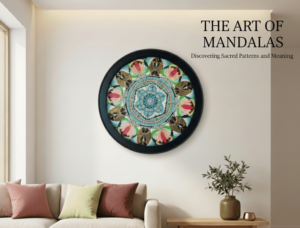
Dot mandala art uses carefully arranged dots to create balanced patterns, shapes, and detailed designs. Artists can experiment with different colours, dot sizes, and symmetrical arrangements to create distinctive artwork.
This art form is suitable for people who enjoy detailed creative work and want to improve their patience, precision, and understanding of patterns.
Painting and Decorative Art
Painting allows artists to explore colour, texture, composition, and visual storytelling. Decorative art adds an additional purpose by combining visual beauty with objects and spaces used in everyday life.
Learners can experiment with canvas painting, decorative designs, and different colour palettes to develop their artistic preferences.
Resin Art
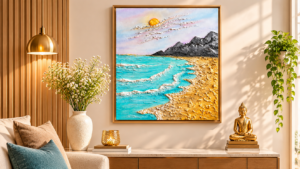
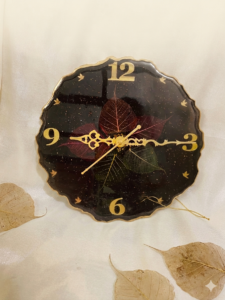
Resin art is known for its glossy finish and ability to create visually striking designs. Ocean-inspired resin artwork, for example, can imitate the movement and colours of waves.
Learning about resin art also involves understanding materials, suitable working conditions, and safe handling practices.
Mantra Art and Spiritual Decor
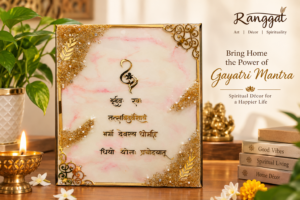
Mantra-inspired artwork combines written words, artistic presentation, and decorative design. Mini mantra frames and spiritual wall art can add a meaningful decorative element to homes, meditation corners, and workspaces.
Artists can explore lettering, layout, colour selection, and framing to create visually appealing designs.
How to Develop Your Artistic Skills
You do not need to become an expert before starting your creative journey. Consistent practice and a willingness to experiment can help you improve over time.
Follow these practical steps to develop your artistic abilities:
- Start with the basics: Practise simple shapes, lines, patterns, and colour combinations.
- Choose an art form: Begin with painting, drawing, mandala art, or another technique that interests you.
- Arrange your materials: Keep the tools you need organised so you can focus on creating.
- Practise regularly: Set aside time for small creative projects throughout the week.
- Experiment with techniques: Try different brushes, textures, patterns, and colour palettes.
- Review your artwork: Identify what you like about each project and what you would like to improve.
- Explore new ideas: Study different artistic traditions and use them as inspiration for original designs.
The goal is not to create perfect artwork immediately. It is to enjoy the process, learn from experience, and gradually build confidence.
How Art Education Supports Children and Adults
Art can be explored at different stages of life. Children may use creative activities to develop imagination and hand-eye coordination, while adults may explore art as a hobby, a personal interest, or a way to develop practical artistic abilities.
For children, age-appropriate art activities can encourage curiosity, visual learning, and experimentation. Simple painting exercises and pattern-making activities are useful ways to introduce creative concepts.
For adults, art can provide opportunities to learn new skills, explore personal interests, and create decorative pieces. People who already enjoy painting may also wish to explore specialised techniques such as dot mandala art, resin art, or detailed decorative designs.
An inclusive approach to art education recognises that everyone learns differently and that creative progress takes time.
Why Explore Ranggat for Creative Art Inspiration?
Ranggat offers an opportunity to explore the relationship between artistic expression and decorative design. Its creative themes include dot mandala artwork, painting, resin art, and mantra-inspired decor.
People interested in these art forms can use Ranggat as a source of inspiration when discovering patterns, decorative ideas, and ways to bring handmade creativity into their surroundings.
When exploring any art educator or creative platform, learners should review the available artwork, teaching options, learning resources, and services to determine whether they match their individual goals.
The Future of Creative Art Education in India
Creative learning continues to offer opportunities for people interested in developing artistic skills and exploring different forms of expression. Online resources, digital communities, and access to creative inspiration can make it easier to discover new techniques and learn about different artistic styles.
At the same time, hands-on practice remains important. Working with brushes, colours, canvases, and decorative materials helps learners understand the practical aspects of creating artwork.
Art educators and creative platforms can support this process by making artistic concepts easier to understand and encouraging learners to experiment. As interest in handmade products and personalised decor continues to develop, creative skills can also help individuals explore personal projects and potential professional opportunities.
Finding an art educator is an important step for anyone who wants to explore painting, drawing, decorative design, or other creative activities. A structured learning approach, regular practice, and encouragement to experiment can help learners develop their skills and discover their artistic interests.
For people searching for the best art educator in India, it is useful to consider the art forms offered, the quality of instruction, the available learning resources, and the suitability of the teaching approach for their goals.
Ranggat celebrates creative expression through artistic and decorative themes, including dot mandala art, painting, resin artwork, and mantra-inspired decor. Exploring these art forms can be a starting point for anyone who wants to appreciate art, discover new creative ideas, and make creativity a part of everyday life.
Frequently Asked Questions (FAQs)
1. What should I look for in the best art educator in India?
Look for relevant artistic knowledge, clear teaching methods, suitable learning resources, practical guidance, and an approach that encourages creativity and individual expression.
2. Can beginners learn painting and decorative art?
Yes. Beginners can start with basic shapes, colour combinations, simple patterns, and easy painting projects before gradually exploring more advanced techniques.
3. What is dot mandala art?
Dot mandala art is a decorative technique that uses dots of different sizes and colours to create symmetrical, geometric, and repeating patterns.
4. How can art improve creative skills?
Art encourages experimentation, observation, problem-solving, patience, and self-expression. Regular practice can help people develop their techniques and confidence.
5. Where can I explore creative and decorative artwork by Ranggat?
You can visit the official Ranggat website at ranggat to explore its creative themes and available artwork.