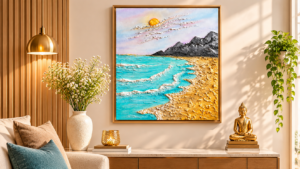
Premium texture artwork is more than just painting on a canvas—it is a layered, thoughtful, and highly skilled process that transforms simple materials into visually rich, dimensional art. At Ranggat, every textured piece is handcrafted with precision, patience, and artistic intention, ensuring each artwork becomes a statement of luxury and creativity.
Here’s a behind-the-scenes look at how premium texture artwork is created from start to finish.
1. Inspiration & Concept Development
Every artwork begins with an idea. Inspiration can come from nature, architecture, emotions, cultural patterns, or modern design trends.
Artists first define:
- Theme of the artwork
- Mood (calm, bold, spiritual, abstract, etc.)
- Color direction
- Texture style (soft, rough, layered, sculpted)
This stage sets the creative foundation for the entire piece and ensures the final artwork tells a meaningful visual story.
2. Surface Preparation
Before applying any texture, the canvas or base panel is carefully prepared.
This includes:
- Choosing high-quality canvas or wooden board
- Applying a primer (gesso) for smooth adhesion
- Ensuring a strong, durable surface for layering
Proper preparation is essential because texture artwork involves heavy layering and sculptural effects.
3. Building the Texture Layers
This is the most important stage of the process.
Artists use specialized materials such as:
- Acrylic-based texture paste
- Modeling paste
- Mixed mediums for depth and structure
Using tools like palette knives, spatulas, and brushes, the artist begins shaping the surface.
Techniques include:
- Layering thick and thin textures
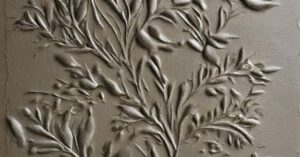
- Creating raised patterns and reliefs
- Building depth through repeated application
- Sculpting shapes directly onto the canvas
Each layer is allowed to dry before the next is added, ensuring durability and clarity in design.
4. Sculpting & Detailing
Once the base texture is formed, artists refine the surface.
This stage focuses on:
- Adding fine details and patterns
- Enhancing depth and dimension
- Balancing composition across the canvas
- Creating visual flow and movement
This is where the artwork begins to take its final artistic identity.
5. Color Application
After the texture structure is complete, color is applied.
Depending on the design, artists may:
- Paint after texture dries for sharp definition
- Mix color into texture paste for integrated tones
- Use layering techniques for gradient and shadow effects
Color enhances the texture by highlighting raised surfaces and creating contrast between light and shadow.
6. Drying & Finishing
Drying is a crucial part of the process. Each layer must set properly to maintain strength and structure.
Once fully dry, the artwork is finished with:
- Protective varnish or coating
- Final touch-ups for refinement
- Quality inspection for detail and consistency
This ensures long-lasting durability and a premium finish.
The completed artwork is then framed or mounted depending on its style.
A well-presented texture artwork:
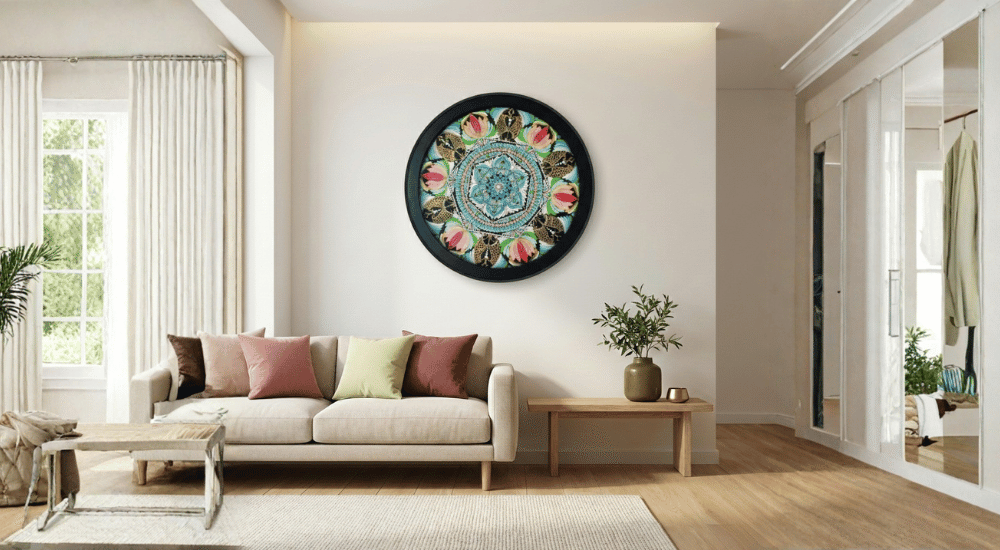
- Enhances interior spaces instantly
- Becomes a focal design element
- Adds depth, luxury, and personality to walls
At Ranggat, each piece is designed to be more than décor—it is a statement of artistic expression.
Creating premium texture artwork is a balance of creativity, craftsmanship, and patience. From the initial idea to the final stroke, every step contributes to building a piece that feels alive, dimensional, and meaningful.
At Ranggat, every artwork is handcrafted with care, ensuring that no two pieces are ever the same—because true art is always unique.