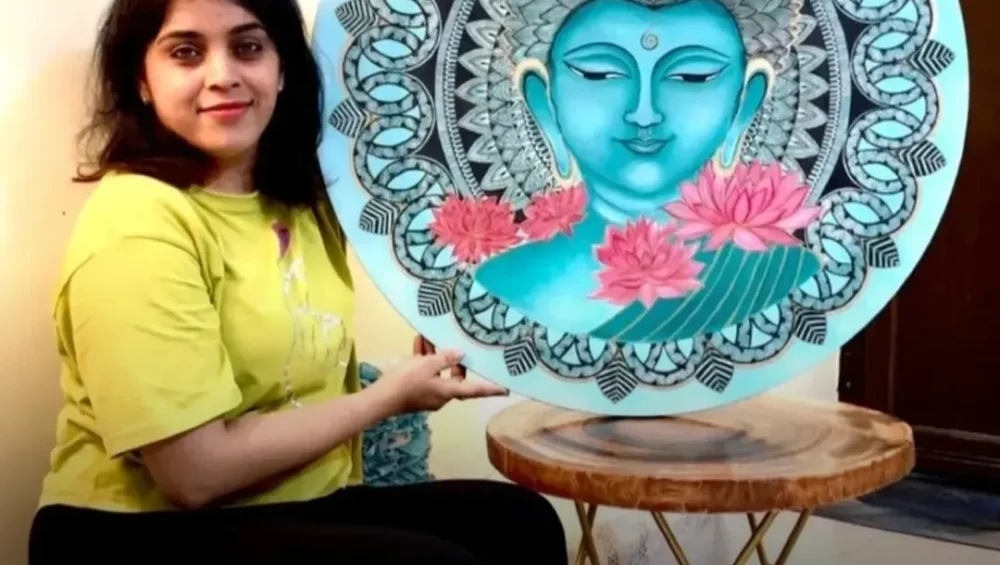
artCategoriesCreative

Why Some Art Feels Like Home

Some art looks beautiful. Some art is interesting. But some art feels different. It feels like home.

This kind of art does not try to surprise us all the time. It does not need to be loud or dramatic. Instead, it stays with us quietly. We live with it day after day, year after year, and it becomes part of our life.

Easy to Look At, Hard to Forget

Art that feels like home is often simple at first. We may not notice everything right away. But the more we look at it, the more we see. Small details slowly appear. Our feelings about it can change over time.

We do not get bored of this art because it is calm and honest. Like a familiar place, it feels comfortable, but never empty.

It Feels Emotionally Safe

Home is a place where we can be ourselves. Art that feels like home gives the same feeling. It does not judge us. It allows us to feel calm, sad, happy, or thoughtful.

Even if the artwork shows quiet sadness or deep emotion, it feels true. That honesty makes us feel understood.

It Grows With Us

As we grow older, we change. Our thoughts, memories, and experiences change too. Good art can change with us.

An artwork we loved when we were young may mean something different later in life. The image stays the same, but we see it in a new way. Because of this, the art never feels old.

Part of Everyday Life

Art that feels like home fits naturally into our space. We see it while walking past, while resting, while living our normal day. It does not ask for attention—it simply exists with us.

Over time, we cannot imagine the room without it. The art becomes part of the place and part of our daily routine.

Why It Stays

In the end, art that feels like home stays with us because it feels right. It reflects who we are and who we have been. It gives us comfort without trying too hard.

That is why some art is worth living with for decades. It does not shout. It stays quiet—and that is its strength.
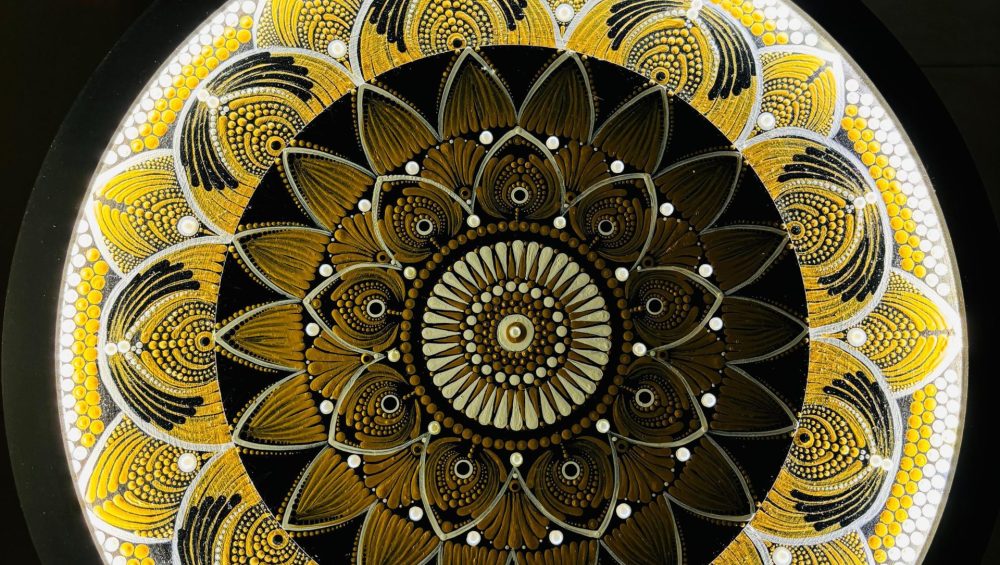

Ranggat: Why Sacred Art Was Never Meant to Be LoudCategoriesCreative

Ranggat: Why Sacred Art Was Never Meant to Be Loud

Sacred art has always spoken in a quiet voice. It does not try to impress or demand attention. Instead, it invites us to slow down, look closely, and feel something deeper. Ranggat represents this gentle spirit — art that carries meaning through silence, balance, and care.

Across cultures, sacred art was created for reflection, not display. It was meant to be experienced slowly, often in peaceful places like temples, churches, or natural spaces. Its purpose was never to be loud, but to guide the heart inward.

The Beauty of Quiet Expression

Sacred art often uses soft colors, simple forms, and careful details. These choices are intentional. They help create a sense of calm and focus. A small symbol, a delicate carving, or a single line of calligraphy can hold deep meaning without needing explanation.

This quiet approach allows the viewer to connect personally with the art. There is no pressure to understand everything at once. The art waits patiently, offering its message when the viewer is ready.

Why Loudness Does Not Belong

Loud art seeks attention. Sacred art seeks presence. When something is too bold or overwhelming, it can distract the mind. Sacred art does the opposite — it clears space for thought, prayer, and stillness.

In many traditions, silence is seen as powerful. Sacred art respects this silence. It works alongside it, not against it.

Sacred Art in the Modern World

Today, we live in a fast and noisy world. Images flash by quickly, and everything competes for attention. Sacred art feels different because it asks us to pause. It reminds us that not everything meaningful needs to be seen or heard immediately.

Ranggat teaches us that quiet art can still be strong. Its power lies in how it makes us feel — calm, grounded, and connected.

A Gentle Reminder

Sacred art was never meant to shout. It was meant to whisper. Through simplicity and silence, it carries wisdom that lasts. In listening to its quiet voice, we may also learn how to listen to ourselves.