Importance of art in educationCategoriesCreative

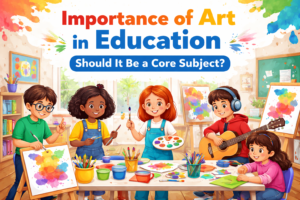
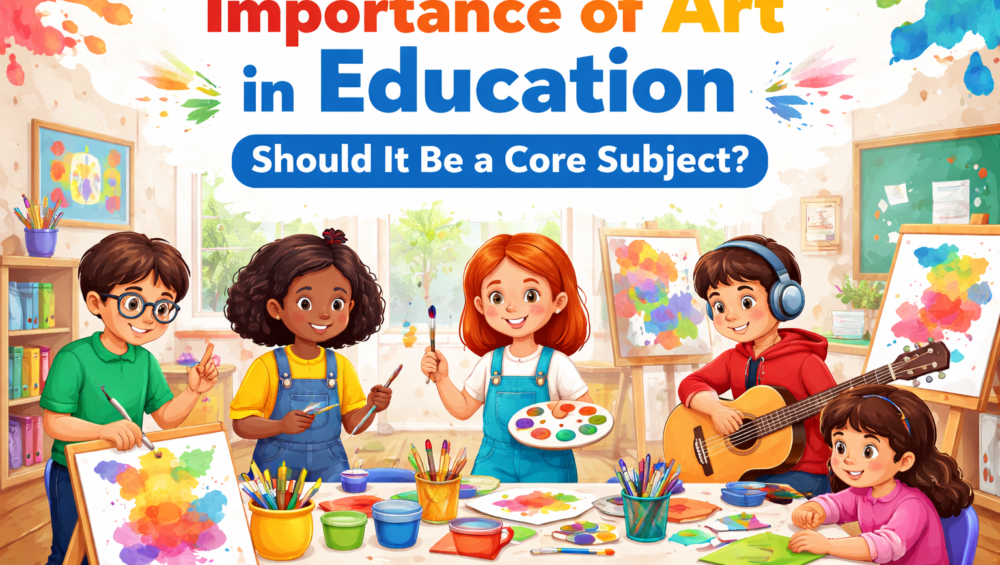
Importance of Art in Education System: Should It Be a Core Subject?

Art is an important part of education. It includes drawing, painting, music, dance, and other creative activities. Many people think art should be a core subject in schools like Math, Science, and English. Art helps students in many ways, not only in creativity but also in learning and personal development.

Importance of Art in Education

Art helps students express their thoughts and feelings. Some students cannot express themselves well in words, but they can express through drawing, music, or dance. Art also makes learning more interesting and enjoyable.

Art improves creativity. Creativity helps students think in new ways and solve problems. This skill is very important in real life and future jobs.

Art also improves focus and patience. When students draw or paint, they learn to concentrate and complete their work carefully. This helps them in other subjects too.

Art also helps in emotional development. It reduces stress and makes students feel happy and relaxed. Students who participate in art activities often feel more confident.

Should Art Be a Core Subject?

Yes, art should be a core subject in schools. It is not less important than other subjects. Math and Science develop logical thinking, while art develops creative thinking. Both are important for a student’s overall development.

If art becomes a core subject, students will get equal opportunity to learn creative skills. It will also help students who want to choose careers in art, design, music, animation, and other creative fields.

In conclusion, art is very important in the education system. It helps in creativity, confidence, emotional development, and focus. Therefore, art should be taught as a core subject in schools so that students can develop both academically and creatively.
The House of Ranggat (THOR): Where Art Is Created with Purpose, Not for ViralityCategoriesCreative

The House of Ranggat (THOR): Where Art Is Created with Purpose, Not for Virality

The House of Ranggat (THOR) is not simply an art brand—it is a legacy art brand in the making. Rooted in intention, patience, and meaning, THOR is built for longevity rather than trends. It represents a conscious approach to art where quality matters more than virality, and depth matters more than speed.

At The House of Ranggat, art is created not just for today, but for generations to come.

Core Philosophy: Quality Over Virality

In an era where art is often measured by reach, likes, and instant visibility, The House of Ranggat follows a different path. The foundation of THOR rests on a clear belief:

True art creates legacy. Virality is temporary.

Every artwork begins with one central question:

“Why does this art matter?”

This question defines the process, the purpose, and the long-term value of each creation, positioning Ranggat as a brand built on substance rather than short-term attention.

Art Style and the Legacy-Centered Creative Process

The House of Ranggat focuses on timeless and meaningful art forms, including:

  • Mandala Art
  • Sacred Geometry
  • Textured and Layered Artworks

These forms are chosen for their historical, spiritual, and meditative significance. Each artwork is created through a slow, disciplined, and mindful process, ensuring balance, rhythm, and emotional depth.

The intention is simple: to create art that endures—visually, emotionally, and culturally.

The Three Core Verticals of The House of Ranggat

1. Ranggat Home Decor

Ranggat Home Decor represents the tangible legacy of the brand. These handcrafted artworks are designed to live within homes and spaces as long-term elements of identity and energy, not temporary decor pieces.

Each work becomes part of a living environment, growing in value and meaning over time.

2. Learn with Ranggat

A true legacy is sustained through learning and knowledge sharing.
Learn with Ranggat focuses on education through workshops, guided practices, and creative learning experiences. This vertical ensures that artistic techniques, philosophy, and awareness are passed on to future creators and conscious learners.

3. Ranggat Foundation

The heart of The House of Ranggat lies in giving back.
Through Ranggat Foundation, a portion of every artwork and learning experience supports free art education and creative resources for communities and NGOs.

In this way, art does not remain confined to private spaces—it returns to society and contributes to cultural growth.

The Four Pillars of THOR

1. Creation
High-quality, meaningful artworks that define brand value and attract conscious collectors.

2. Process & Philosophy
Transparency and depth in the creative journey, building trust, emotional connection, and authenticity.

3. Learning & Awareness
Education as a foundation for long-term community building and generational continuity.

4. Giving & Impact
Social responsibility that strengthens the ethical and cultural legacy of the brand.

What Makes The House of Ranggat a Legacy Art Brand

  • Focus on timeless art rather than fast trends
  • Strong philosophical foundation behind every creation
  • Integration of art, education, and social impact
  • Commitment to long-term cultural and emotional relevance

The House of Ranggat is designed to endure—to create, teach, share, and give art back to the world as a living legacy.

The House of Ranggat (THOR) stands as a legacy art brand built on meaning, discipline, and purpose. By balancing Soul (creative process), Market (sustainable growth), and Heart (social impact), THOR is shaping a creative ecosystem that goes beyond commerce.