CategoriesCreative Lifestyle

How Resin Mantra Frames Impact Positivity in Your House?

How Resin Mantra Frames Impact Positivity in Your House?

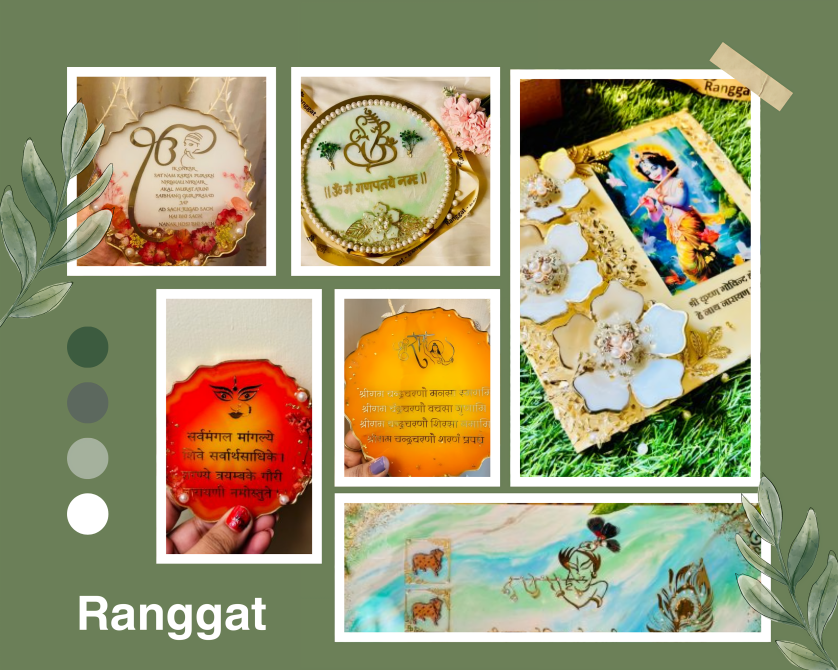
Your energy is reflected in your house, and adding resin mantra frames can greatly enhance harmony, positivity, and spiritual well-being. In addition to being gorgeous pieces of decor, these beautiful frames also radiate divine energies that create a calm and positive environment.

The Power of Mantras in Home Decor

Mantras are sacred words or phrases that hold spiritual significance. When used in home decor, they generate positive vibrations, remove negativity, and attract prosperity. Resin mantra frames, crafted with intricate designs and divine inscriptions, amplify these effects, making them a perfect addition to any living space.

How Resin Mantra Frames Influence Your Space
How Resin Mantra Frames Impact Positivity in Your House?

1. Enhance Spiritual Ambience

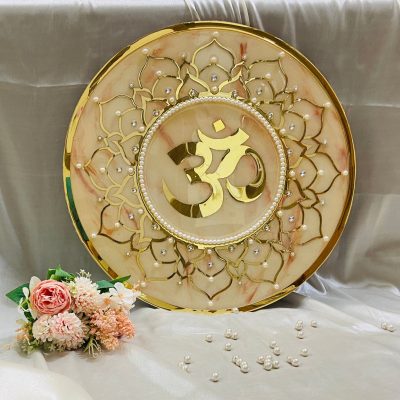
A spiritual aura is created in your home with resin mantra frames that feature strong mantras like Om, Gayatri Mantra, and Shiv Mantra. You may create a peaceful atmosphere by placing them in your living room, meditation area, or entrance.

2. Attract Positive Energy

These frames are energy amplifiers that absorb negativity and replace it with good fortune, calm, and positive vibes. The spiritual flow of energy is enhanced when placed in suitable places, such as the prayer room or northeast.

3. Aesthetic and Functional Decor

Resin mantra frames are not only spiritually significant, but they also provide your home’s interior an exquisite touch. They are visually appealing and radiate divine energy because of their intricate craftsmanship, glossy resin finish, and gold foil details.

4. Boost Mental and Emotional Well-being

The presence of sacred mantras in your surroundings promotes mental clarity, emotional stability, and inner peace. These frames create as daily reminders of mindfulness and gratitude and enhance a sense of calm and positivity.

Choosing the Perfect Resin Mantra Frame

When choosing a resin mantra frame, consider the design, mantra inscription, and positioning. Opt for frames with:

  • Sacred Symbols (Om, Swastik, Sri )
  • Positive Affirmations (Ganesh Mantra, Gayatri Mantra, Krishna Mantra, Shiv Mantra, OM Mantra, Devi Mantra, Onkar Mantra, Hanumanji Mantra and Geeta Shlok)
  • Handcrafted details for a distinct and genuine look

Resin mantra frames are a powerful way to bring prosperity, peace, and optimism into your home’s design. These frames transform your house into a haven of peace and spirituality by enhancing your interior design and infusing your room with divine energy.
CategoriesCreative Lifestyle

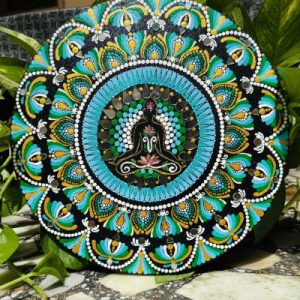
The Connection Between Art and Meditation: Why Mandala Art is So Calming

The Connection Between Art and Meditation: Why Mandala Art is So Calming

Art and meditation share a fundamental relationship that taps into the depths of human consciousness. Art, especially mandala art, is a visual aid that complements and deepens meditation, which provides a mental and spiritual path toward mindfulness and inner calm. The way mandalas occupy the mind, their design, and their symbolism all contribute to their calming impact.

Mandala Art: Meditation meets creativity

Symmetry and Balance

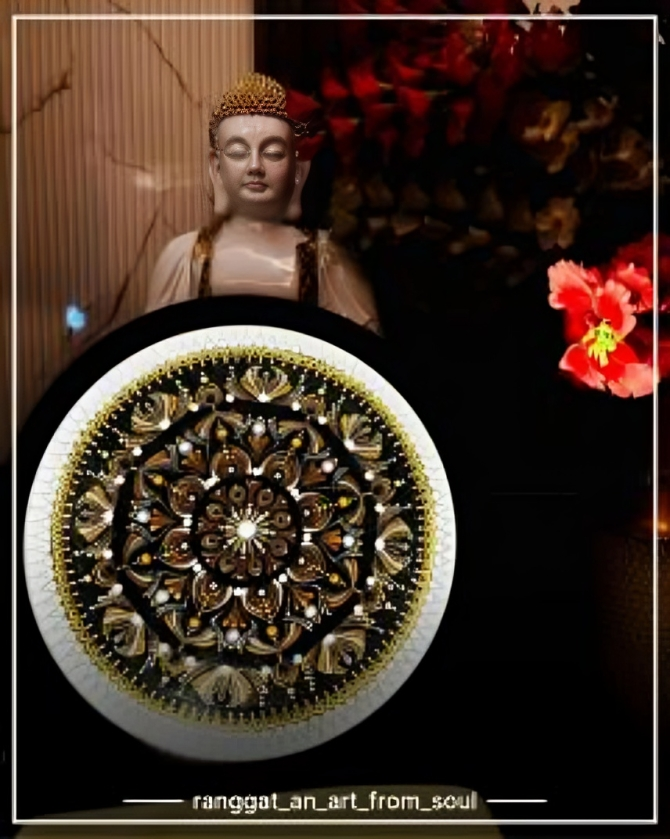
Symmetry lies at the core of Mandala art. The circular pattern stands for unity, wholeness, and the cosmos. The brain is encouraged to concentrate on one item at a time by the radial symmetry’s repeating patterns, which create a meditative state. Through the use of repetitive patterns, the mind can achieve a rhythm that is comparable to that experienced during a meditative state. The symmetry of mandalas provides a sense of completion and anchoring, reflecting the balance we aim for in meditation.

Focus and Awareness

Creating or observing a mandala artwork helps with mental concentration, which is crucial for meditation. The observer’s attention is drawn to the minute details, which frequently feature geometric patterns and vibrant colors, which helps to calm the racing mind. This attention to a particular visual stimulus creates a perfect setting for building mindfulness—a key aspect of meditation. External distractions reduce as the mind focuses on the design, resulting in a calm mental state.

‘Mandala can help you grow as a person.’

Symbolism of the Circle

The Connection Between Art and Meditation: Why Mandala Art is So Calming

A common symbol for wholeness, infinity, and the cyclical cycle of existence is the circle. Circles are frequently used in meditation to represent the reflective process of finding one’s real self. As round pieces of art, mandalas serve as a metaphor for spiritual wholeness. Making or thinking about mandalas can be a reminder to stay grounded and connect with one’s inner serenity.

Engagement of the Senses

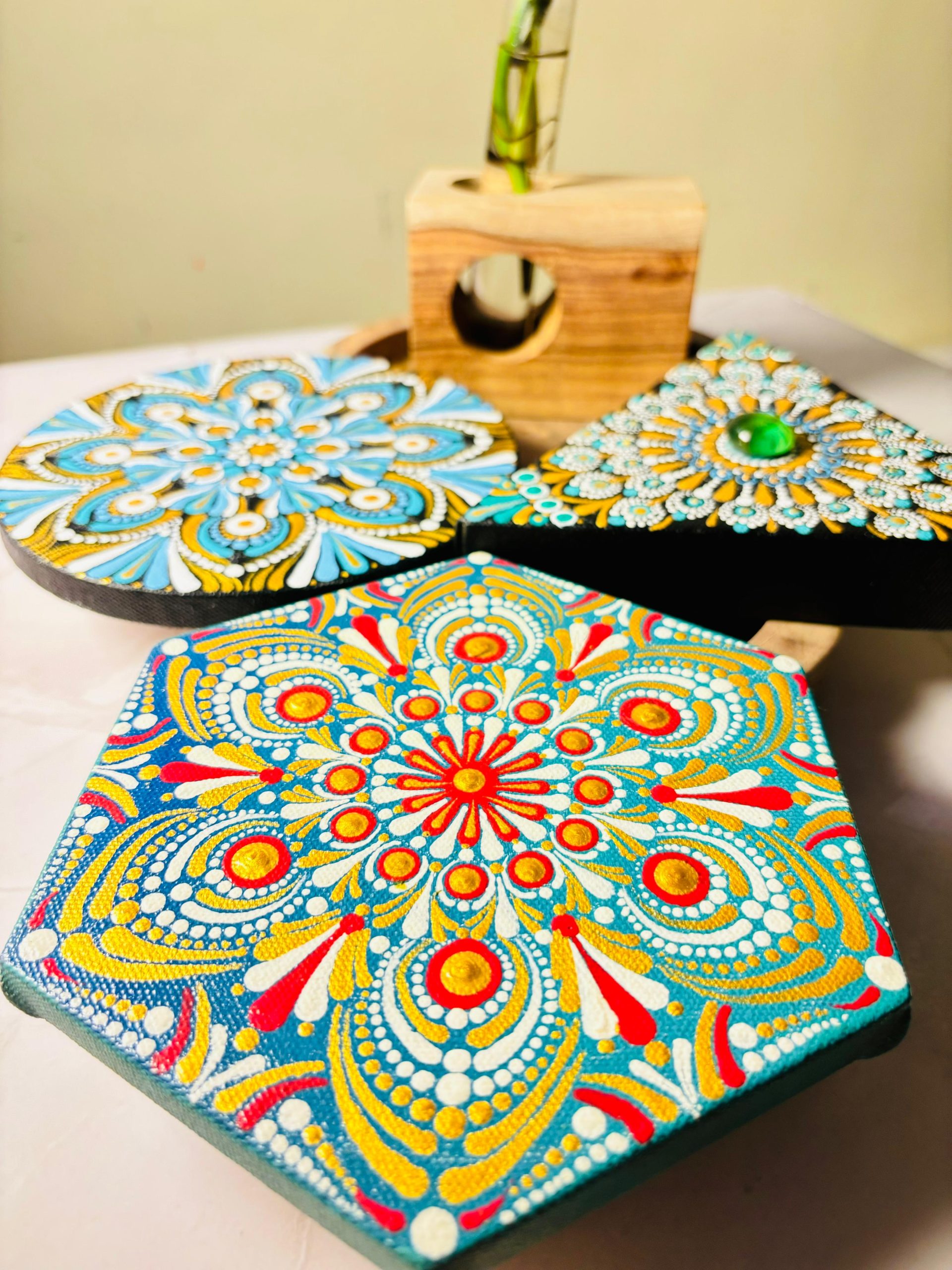
Mandalas are frequently created using a range of lines, colors, and shapes that appeal to the viewer’s visual senses and encourage calm. During meditation, using the senses helps in keeping the practitioner focused on the present moment. In mandalas, the colors can inspire particular feelings or mental states. Red tones can be energizing, but blue tones may encourage peace. By concentrating on these sensory aspects, the person is drawn into the experience and enters a meditative state.

Art as Therapy

“Art Is the Highest Expression of the Human Spirit.”

Art itself is a form of therapy known for its ability to reduce stress, enhance emotional expression, and promote healing. When combined with meditation, creating or viewing mandala art can be incredibly therapeutic. It allows individuals to express their inner thoughts and emotions without words, fostering a deeper connection to their emotions and mental states. This process of self-expression can act as a release for emotional blockages and help in the journey of self-discovery and healing.

A Tool for Mindful Meditation

In meditation, the goal is often to focus the mind, quiet the inner dialogue, and experience the present moment fully. Mandalas provide an accessible method to achieve this. Many meditation practices involve focusing on a mandala, either as a visual aid or through the creation process itself. The repetitive action of coloring or drawing the mandala acts as a meditative practice in itself, leading to increased mindfulness, reduced stress, and improved emotional well-being.

Connection to Spiritual Practices

Mandalas have been used for centuries in various spiritual traditions, including Hinduism and Buddhism. They are considered sacred symbols that represent the cosmos and the divine. The process of creating or meditating with mandalas is seen as a spiritual act that connects the individual with a higher consciousness. Whether through contemplation or creation, working with mandalas can help foster a deeper spiritual connection, encouraging introspection and reflection.

CategoriesCreative Lifestyle

A Day in the Life of an Artist: How I Create My Vision at Ranggat

A Day in the Life of an Artist: How I Create My Vision at Ranggat

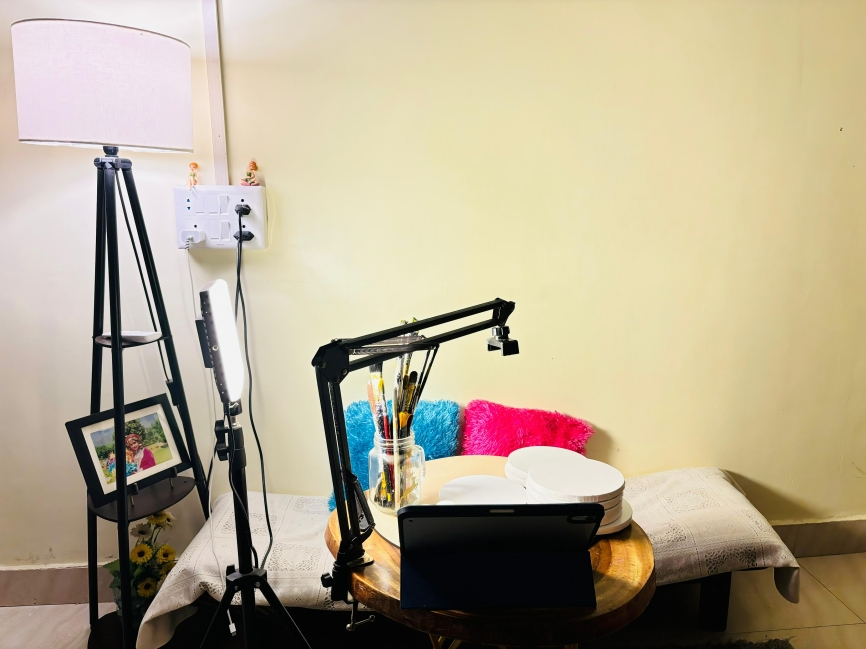
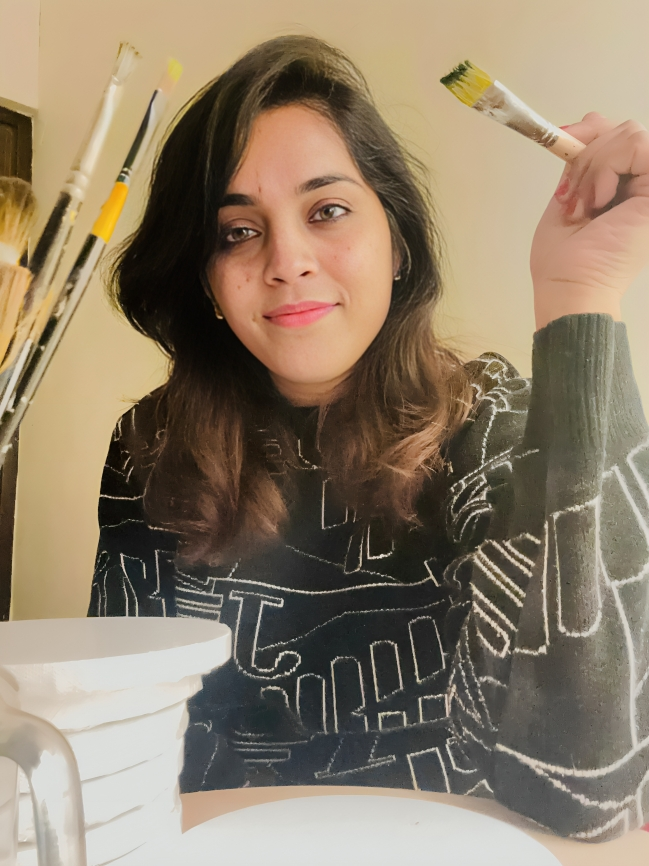
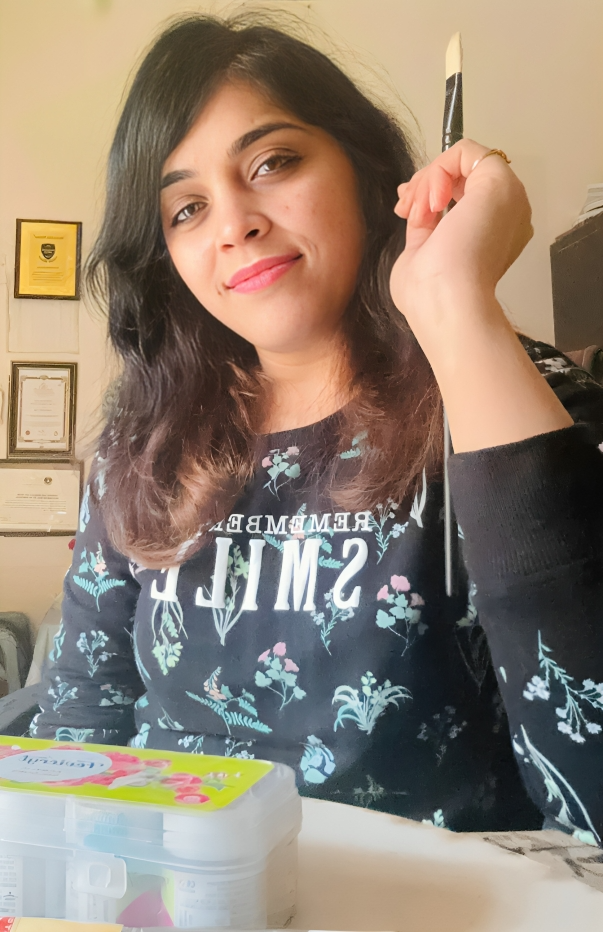
As the sun peeps through my window, creating gentle golden streaks on the wall, I take a drink of my first cup of tea and enjoy the idea of another Ranggat day. This is my haven, where colors dance and imaginative thoughts blossom. Ranggat is not just a name; it’s an extension of my soul, a place where I give form to visions that live in my mind.

The Morning Ritual: Welcoming Inspiration

A Day in the Life of an Artist: How I Create My Vision at Ranggat

Every artist needs a routine. Mine begins with silence. I open the windows and let the breeze flow in, carrying with it the scents of earth and life from outside. I establish a connection with the world beyond my canvas during this interval. My inspiration may come from the rustle of leaves or the sound of laughter in the distance.

I take a walk around my workspace, observing unfinished pieces. Each brushstroke or pencil line whispers a story that hasn’t yet been completed. I’m reminded of where I left off, but more importantly, I’m pulled into where I’m going next.

Diving into the Canvas

A Day in the Life of an Artist: How I Create My Vision at Ranggat

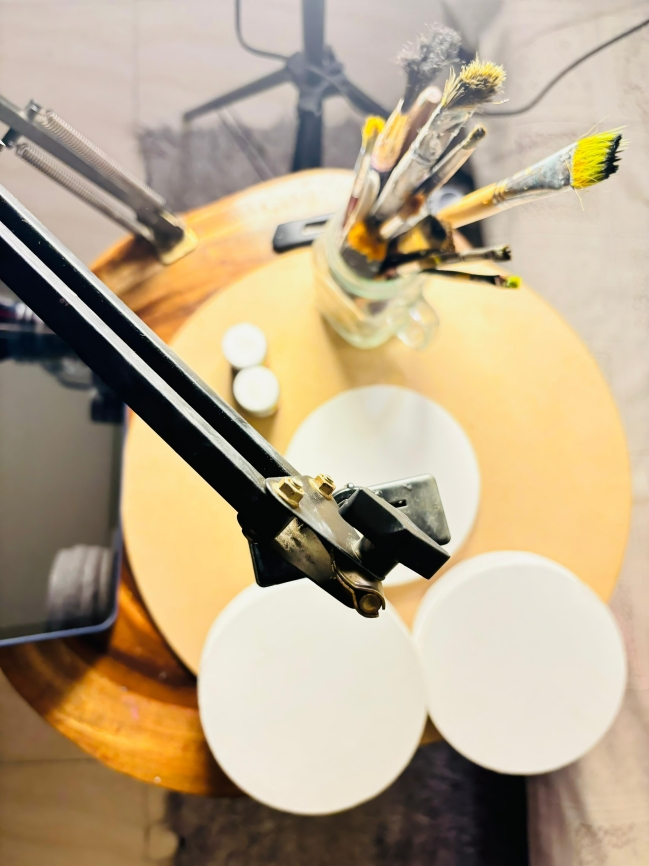
By mid-morning, I’m ready to let my ideas flow. I approach a fresh canvas, its stark white surface thrilling and frightening all at once. The first mark is always an act of courage. It’s like opening a door to a place you’ve never been yet feel inexplicably drawn to.

I work with resin, alcohol inks, acrylic colors, canvas, and wood. My hands move instinctively, guided by years of practice and the raw energy of the moment.

At Ranggat, creativity knows no boundaries. Here, colors are loud or subtle, lines are sharp or fluid, and the rules of reality bend to my will.

The Dance Between Vision and Process

Art is a conversation between my vision and the possibilities of the medium. Sometimes a composition takes an unexpected turn, or the paint resists my ideas. The process includes both exhilaration and frustration. I have learned to give myself over to this movement at Ranggat.

Sometimes, I step back to see the work from different angles, squinting to discover hidden shapes or meanings. Other times, I turn away completely, giving the piece time to breathe. When I return, I see it with fresh eyes – like meeting an old friend who has grown in ways I never imagined.

Midday: The Creative Flow

As the day warms, so does my creative rhythm. My brush strokes become bolder, my decisions more intuitive. There’s a flow state that artists talk about – when time seems to disappear and the world narrows down to the canvas. At Ranggat, I lose myself in this current, forgetting to eat, forgetting to check my phone, forgetting everything but the colors, lines, and textures in front of me.

It’s during these moments that my vision comes to life. Sometimes it’s a serene landscape, sometimes an abstract expression of emotion. Whatever emerges, it is honest, raw, and uniquely mine.

Afternoon Reflections

A Day in the Life of an Artist: How I Create My Vision at Ranggat

As the afternoon sun casts long shadows, I step back to reflect. The painting in front of me is a blend of intention and spontaneity. I ask myself: Does this piece capture what I felt? Is it saying what I want it to say? There’s a dialogue between me and the work that’s sometimes reassuring, sometimes challenging.

I’m not always ready to answer these questions. Art, like life, doesn’t always offer immediate clarity. But I trust that with time and patience, the piece will reveal itself.

The Evening Closure

As the light dims, I clean my brushes and organize my space. This act of tidying up is almost meditative. It closes the chapter of today’s work and prepares me for the stories of tomorrow.

I leave my workplace with my mind still buzzing, ideas lingering in the air like unfinished symphonies. The studio door closes behind me, but my vision continues to evolve quietly, in the background of my thoughts.

The Never-Ending Journey

Being an artist at Ranggat is not a job; it’s a way of life. Every day is a journey through inspiration, struggle, and creation. My workplace is a witness to my doubts and wins, a collaborator in bringing my visions to life.

Tomorrow, I’ll return to this space for a fresh canvas or an ongoing piece. The cycle of creation will start anew. And with it, the endless possibility to express, explore, and connect through art.

This is my life. This is my vision. This is Ranggat.

CategoriesLifestyle

Art Therapy: How Art Can Help with Stress, Anxiety, and Depression

Art therapy is a powerful and creative approach to mental health and well-being. It provides a secure, embracing environment for people to process their feelings, lower stress levels, and deal with mental health issues like anxiety and depression by fusing artistic expression with therapeutic methods.

“Art speaks where words are unable to explain.”
– Pam Holland

How Art Therapy Works

Art therapy doesn’t require any artistic skill or experience. It focuses on the process rather than the final product. Creating art, whether it be through painting, drawing, sculpting, or collage, can help people express feelings they find difficult to explain, access their subconscious, and become more self-aware.

The state of “flow,” in which the mind is completely absorbed in the present moment, can be created by artistic creation. The negative thought patterns linked to sadness and anxiety may be changed by doing this. Moreover, expressing complex emotions into artistic form might help them become more understandable and easier to address in therapy.

Benefits of Art Therapy

1) Stress Relief: Creating art is soothing and peaceful. Focusing on colors, patterns, or movements can distract the mind from worries and promote relaxation.

2) Emotional Release: Art is a nonverbal way for people who find it difficult to express their emotions to express joy, fear, grief, or anger.

3) Boosts Self-Esteem: Finishing a piece of art can give you a sense of achievement, which increases resilience and confidence.

4) Encourages Mindfulness: Engaging with tactile and visual elements helps people become more grounded in the present moment, which helps reduce symptoms of depression and anxiety.

Art therapy can be particularly beneficial for individuals who find it difficult to open up in traditional talk therapy or those looking for a complementary treatment. It is commonly used for people dealing with trauma, grief, chronic illness, or mental health disorders.

    Art therapy is guided by trained professionals who ensure a safe and supportive environment. It offers a path to healing where words may fail, proving that sometimes art speaks louder than words.