CategoriesCreative

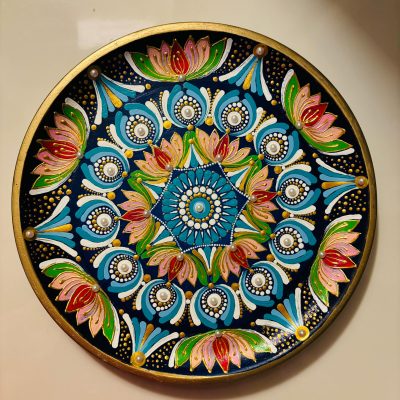
The History and Significance of Dot Mandala Art

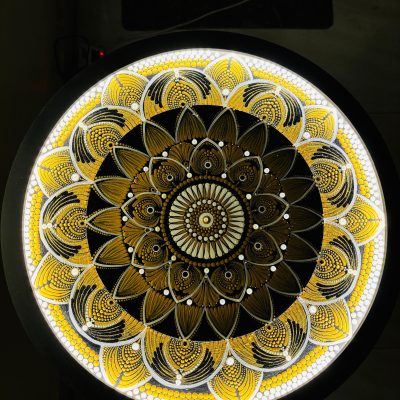
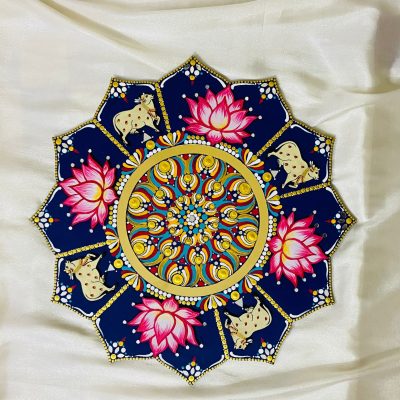
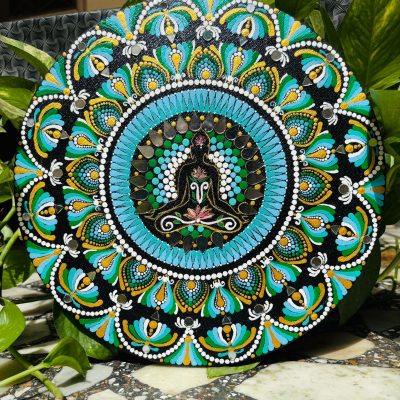
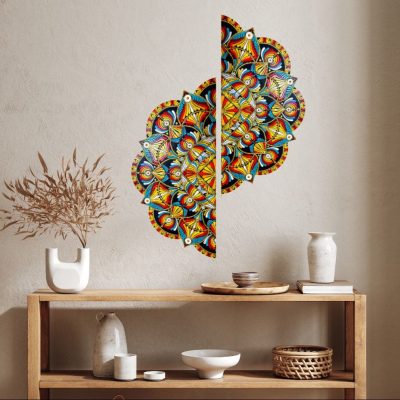
Dot mandala art is an amazing artistic medium with roots in antiquity. With its Sanskrit origins, the word “mandala” means “circle” and stands for wholeness, harmony, and balance. In particular, dot mandala art combines geometric accuracy with artistic spontaneity by crafting elaborate circular designs using a series of carefully positioned dots.

Origins of Dot Mandala Art

Mandala art has been a part of spiritual activities for thousands of years, particularly in Buddhism and Hinduism. Mandalas are frequently created by monks as meditation aids and cosmic symbols. The Dot Mandala technique evolved later, inspired by Aboriginal art, especially from Australia, whereas earlier mandalas included freehand designs. Dots are used by indigenous cultures to maintain their cultural heritage, tell stories, and symbolize the natural environment.

The Creative and Spiritual Significance

Dot Mandala art is a spiritual practice in addition to being visually appealing. Often compared to a spiritual practice, the repetitive act of dotting cultivates focus, patience, and mindfulness. The designs’ symmetry and balance inspire a feeling of peace and order, which makes them well-liked and helps for mental clarity and relaxation.

Modern Applications

Today, Dot Mandala art has found a position in modern design beyond its traditional origins. The method is used by artists to decorate canvases, clothing, home furnishings, and even everyday objects like mugs and coasters. Its adaptability and the meditative joy it offers to both creators and admirers are what give it its international appeal.

CategoriesCreative

Significance of the Ganesha Mantra

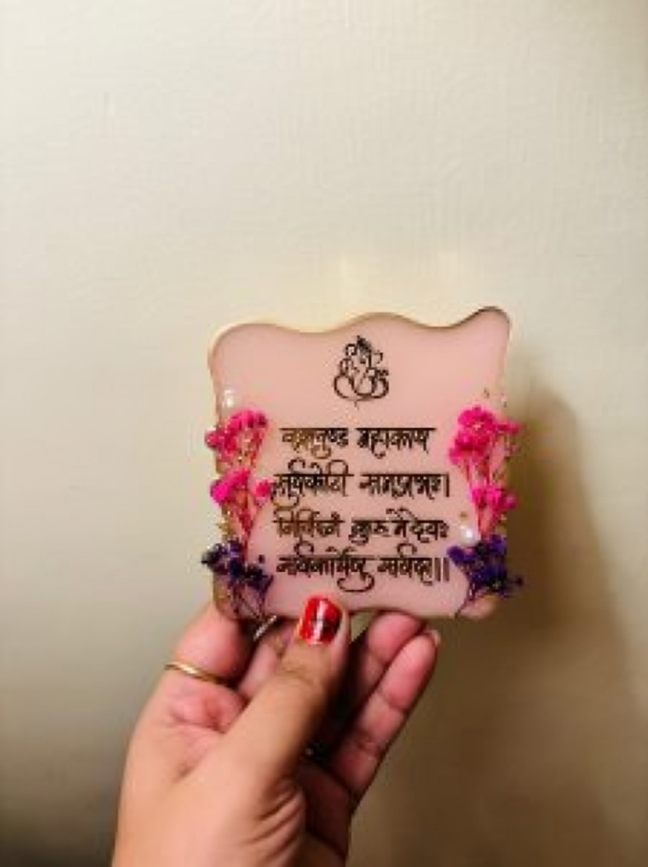
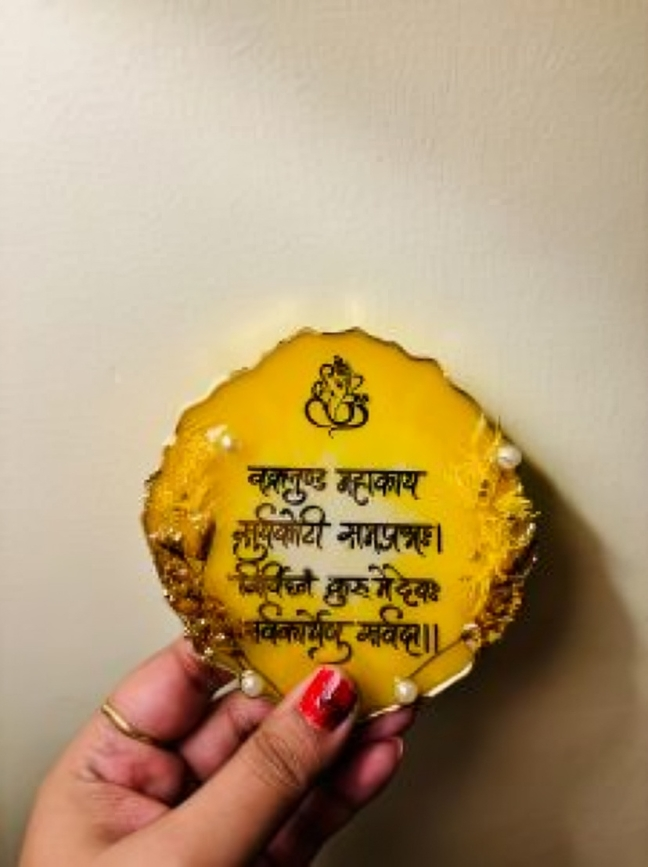
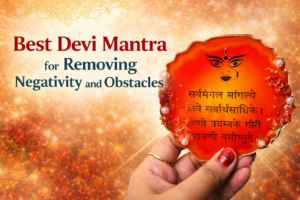
The Ganesha mantra, “Vakratunda Mahakaya Suryakoti Samaprabha, Nirvighnam Kuru Me Deva, Sarva Karyeshu Sarvada,” is a powerful Sanskrit chant dedicated to Lord Ganesha. To ensure success and smooth travel, Lord Ganesha, who is known as the remover of obstacles, is invoked before starting an important task.

Mantra Meaning:

1) Vakratunda: “The one with a curved trunk,” referring to Lord Ganesha’s distinctive feature.

2) Mahakaya: “The one with a massive form,” symbolizing immense strength and presence.

3) Suryakoti Samaprabha: “Shining with the brilliance of a million suns,” highlighting His divine energy and illumination.

4) Nirvighnam Kuru Me Deva: “O Lord, remove all obstacles.”

5) Sarva Karyeshu Sarvada: “In all my endeavors, always.”

    Importance:

    This mantra serves as a universal prayer for clarity, peace, and success. Chanting it on a daily basis can boost self-esteem, confidence, and the capacity to overcome obstacles. It is often repeated at the start of economic endeavors, spiritual activities, or auspicious occasions.

    Benefits of Chanting:

    1) Obstacle Removal: Ensures smooth progress in endeavors.

    2) Mental Clarity: Encourages focus and reduces anxiety.

    3) Divine Protection: Invokes blessings for protection and guidance.

    4) Positive Energy: Uplifts the mind and surroundings.

      One can bring Lord Ganesha’s blessings into their life and secure success and wealth through chanting this mantra with dedication and understanding its meaning.

      CategoriesCreative

      Vastu-Friendly Art: Choosing Paintings to Enhance Your Interiors

      Vastu Shastra, an ancient Indian architectural science, places a strong emphasis on a space’s energy balance in order to promote peace, prosperity, and good health. Adding Vastu-friendly artwork to your home is an easy yet powerful approach to promoting this flow of good energy.

      Choosing the Right Themes

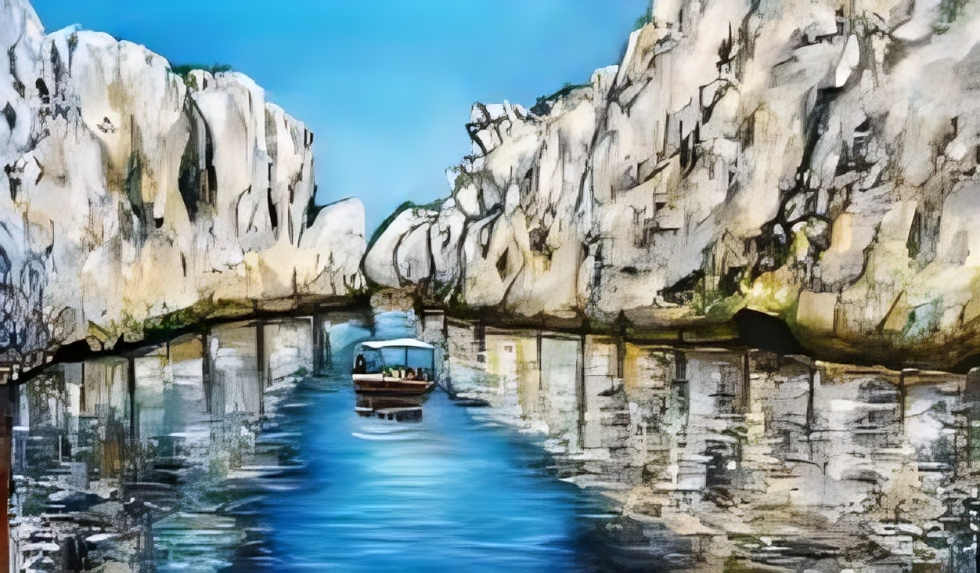
      1) Nature and Water Elements: Paintings of beautiful landscapes, flowing rivers, or serene water bodies are ideal for placing in the northeast direction. These themes bring calmness and clarity into your space.

      2) Sunrise and Light: You can place artwork that shows the rising sun or natural light in the east to represent growth, energy, and fresh starts.

      3) Divine and Spiritual Figures: The prayer or meditation room is the ideal place for placing images of deities, meditative positions, or religious symbols since they promote devotion and serenity.

      Colors and Placement

      1) Vibrant Colors: Bright colors such as yellows and oranges can uplift energy levels and are well-suited for living rooms.

      2) Cool Tones: Blue and green bring peace and work beautifully in bedrooms or study areas.

      3) Avoid Dark or Negative Imagery: Paintings that show violence, sadness, or darkness should be avoided because they may create negative emotions.

      Tips for Placement

      • Ensure the paintings are hung at eye level and align symmetrically to create visual balance.
      • Use natural light or soft focus lighting to illuminate the artwork, enhancing its vibrancy and energy.

      Incorporating Vastu principles into your art selection not only enhances the visual appeal of your living areas but also brings a feeling of wellbeing and positivity.

      CategoriesCreative

      Exploring Artistic Inspiration from Nature: Incorporating Ocean, Earth, and Sky Elements

      “The artist and the photographer seek the mysteries and the adventure of experience in nature.” ~ Ansel Adams

      Exploring Artistic Inspiration from Nature: Incorporating Ocean, Earth, and Sky Elements

      Artists have long found great inspiration in nature since it provides an infinite variety of colors, textures, and forms. The sky, earth, and ocean—each a work of art full of beauty and symbolism—are some of its most attractive qualities.

      “Art takes nature as its model.” ~ Aristotle

      The Ocean:

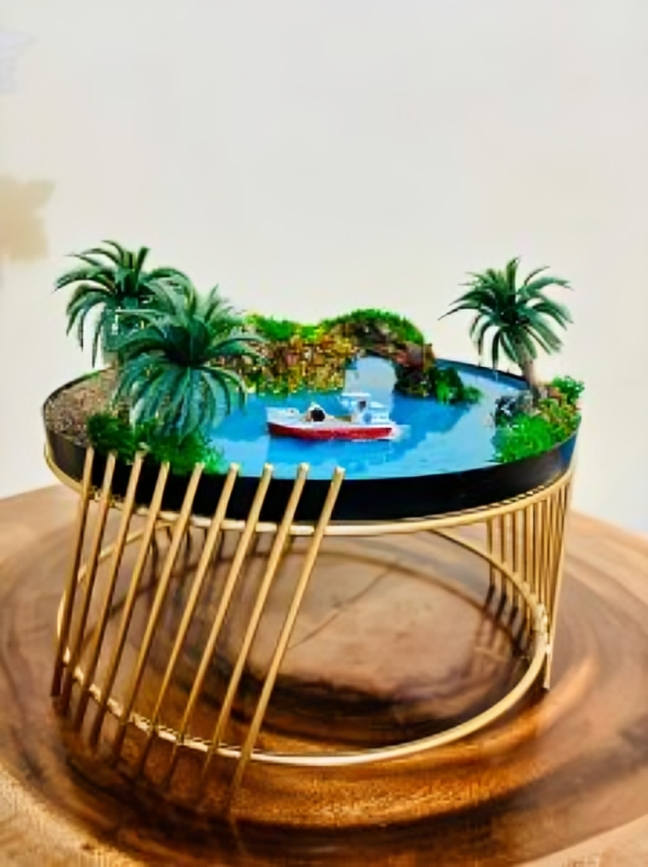
      The ocean is a symbol of depth, movement, and mystery. Its constantly changing colors, which range from peaceful turquoise to stormy gray, can provide inspiration for textiles, paintings, and sculptures. In order to capture its rhythm and infinite energy, artists frequently replicate its fluidity using blown glass, abstract brushstrokes, or flowing designs.

      The Earth:

      Earth is a symbol of warmth, texture, and solidity. A visual and physical feast is offered by the variety of plant life, the softness of the soil, and the texture of the rocks. These earthy components are frequently used in ceramic sculptures, earthy color palettes, and prints with a natural theme, which create a feeling of connection.

      The Sky:

      The sky is a limitless source of color, light, and feeling. It represents freedom and limitless possibilities, from the calm blues of midday to the flaming gradients of dawn. Its spiritual displays can be explored by artists through large-scale paintings that replicate its power, light structures, or watercolor washes.

      Artists may go beyond boundaries and incorporate a bit of nature into their creations by including these elements. Whether in realistic or abstract representations, the connection of the sky, earth, and ocean serves as a reminder of our deep connection to nature.

      CategoriesCreative

      The Evolution of Mandala Art: From Ancient Spiritual Symbol to Modern Design

      Introduction to Mandalas: Sacred Circles of Harmony

      “Mandala,” which means “circle” in ancient Sanskrit, is a symbol of unity and wholeness. For ages, mandalas have been used in many cultures, such as Native American, Buddhist, and Hindu customs. Originally used in meditation and ceremonies to lead individuals on enlightenment journeys, mandalas were spiritual symbols of the universe. They frequently had symmetrical patterns and layers of concentric circles, creating complex designs that were both visually appealing and meaningful.

      Ancient Roots: Mandalas in Religion and Spirituality

      In the beginning, mandalas were made as holy artworks that were frequently painted or drawn on temple walls or scrolls. Monks and practitioners of Buddhism and Hinduism used mandalas as centers for prayer and meditation. With the focal point representing the center of the universe or the core of the soul, each layer and design symbolized various aspects of the universe, gods, or human awareness.

      Mandalas in Eastern and Western Traditions Mandalas become widely used in a variety of religious and cultural contexts over time. Sand mandalas, which represent the impermanence of life, became an important component of Tibetan Buddhism. Medicine wheels and other circular patterns were used as symbols of balance and harmony in Native American cultures. These symbols began to appear in Western art and psychology as the globe became more interconnected.

      Mandalas in Modern Art and Design

      Mandalas are now widely used as decorative and expressive art, transcending their religious and cultural origins. Mandalas are used by artists to combine traditional symbols with modern aesthetics in paintings, tattoos, and graphic designs. Mandala patterns are popular in many design areas, from fashion to interior decor, because of their symmetry and repetition, which promote relaxation and aesthetic appeal. Modern mandalas can be highly elaborate or minimalist, according to each person’s preferences, and frequently have spiritual or personal meaning.

      Mandalas in Interior Design and Wellness Spaces Today, mandalas have become popular in interior design, where their beauty and calming effects are appreciated. Particularly in meditation rooms or wellness studios, mandala paintings, murals, and furniture pieces give living areas depth and tranquility. They are the perfect choice for spaces designed to promote calm and reflection because of their intricate designs, which promote mindfulness and add an environment of peace.

      CategoriesCreative

      Sustainable Art: Eco-friendly Materials and Techniques for the Conscious Artist

      In a time where environmental consciousness is essential, a growing number of artists are using sustainable methods and materials in their production. Sustainable art combines beauty and environmental consciousness to honor both the world and artistic expression. Selecting environmentally responsible materials, such as wood and natural flowers, can result in works that are insightful, inspiring, and have a strong connection to nature for the conscious artist.

      Working with Wood: Carving Out a Green Future

      One of the most classic and environmentally friendly art materials is wood. For sculptures, carvings, and installations, artists can use driftwood, recycled wood, or even responsibly harvested, locally harvested wood. Wood’s unique grains and textures give each piece identity and mirror the natural environment, which is what makes it so beautiful. Beeswax and natural oils are examples of sustainable wood treatments that can be used to finish the artwork without using dangerous chemicals. In order to emphasize that even what is thrown away may become art, artists may even use wood scraps or fallen branches, which reduces waste and gives materials new life.

      Art with Natural Flowers: Capturing Fleeting Beauty

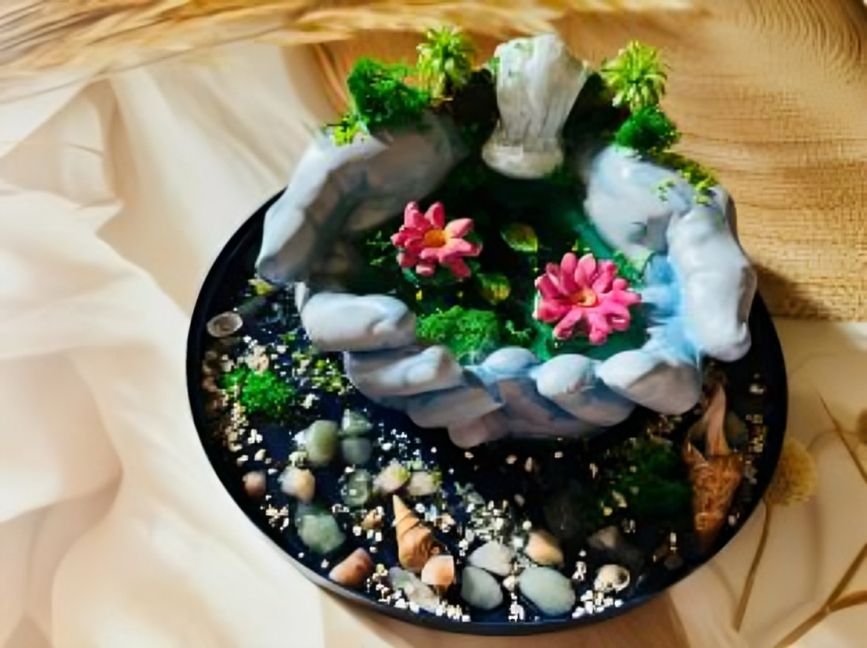
      Artists are able to express the transient splendor of nature through the use of actual flowers in their works. For long-lasting artwork, such as jewelry or wall art, flowers can be dried, pressed, or embedded in environmentally friendly resin. In order to extract pigments from plants and flowers for use in paintings or textile arts, artists might also experiment with floral dyes. This method eliminates the environmental impact of synthetic paints while allowing a palette that is directly inspired by nature.

      Eco-Friendly Techniques: Making the Process Sustainable

      Sustainable art goes beyond materials—it includes techniques and processes. Many conscious artists choose low-energy tools, avoiding machinery that requires significant energy. Others may utilize handcrafting, which reduces environmental impact and brings a personal touch to each piece. Upcycling—reusing materials in new ways—is another method to repurpose waste and create innovative, eco-friendly artworks.

      Artists have an effective way of expressing their creativity while honoring the earth through sustainable art. Eco-friendly materials, whether used with wood or real flowers, give art a lovely, fresh, and natural look that strengthens the bond between the artwork and the natural world. Artists that use these sustainable techniques create art for a more thoughtful, greener future in addition to the present.

      CategoriesCreative

      Exploring the Indian Art Market: Trends, Challenges, and Opportunities

      Ancient sculptures, paintings, and modern digital art are all part of the diverse and historic Indian art market. Local and foreign buyers, collectors, and investors have been drawn to it in recent years due to its considerable global attention. Here are some trends, obstacles, and opportunities influencing this dynamic market.

      Trends in the Indian Art Market

      1) Digital Art and NFTs: A large number of Indian artists are now producing and selling their work digitally due to the global rise of digital art and NFTs (Non-Fungible Tokens). In addition to targeting a younger, tech-savvy public, this movement is providing artists with new platforms for international exhibition and sales.

      2) Art as an Investment: Indian art is becoming more and more regarded as a wise investment, particularly as some of its items gain substantial value over time. The market is a desirable option for investors with and without experience due to the possibility of profit, which attracts collectors.

      3) The Role of Social Media: Facebook and Instagram have developed into effective platforms for Indian artists to connect with fans directly. Social internet lessens the need for traditional galleries and allows artists to sell their creations, engage with art lovers, and show their work.

        Challenges in the Indian Art Market

        1) Authenticity and Forgery Issues: The issue of counterfeit art is still quite serious. Many customers are hesitant to buy artwork that has not been properly certified out of concern that they might unknowingly buy fakes. More openness and stricter authenticity standards are needed to meet this challenge.

        2) Limited Reach of Art Beyond Big Cities: Large cities like Delhi and Mumbai host the majority of art galleries, exhibitions, and events, making it difficult for smaller towns and rural areas to access the market. Because of this, art can only be appreciated by a small percentage of people.

        3) High Cost of Art: Famous artists’ original works can be costly, which mostly restricts the market to wealthy consumers. Original works are more difficult for new purchasers or art fans to afford because of their exclusivity, which limits the market’s overall expansion.

          Opportunities for Growth

          1) Increased Government Support: The Indian government has recently organized art fairs and provided funding to support the arts and culture. Both artists and customers stand to gain from this assistance, which is probably going to create a more vibrant creative environment.

          2) Expanding Online Art Platforms: People are able to find, buy, and enjoy art more easily than ever before because to the growth of online art galleries and markets. Online platforms help eliminate geographical restrictions that have historically restricted the market for art and make it available to a larger audience.

          3) Growing Interest from Younger Buyers: Gen Z and Millennials are shown a strong interest in art, both as an investment and as decor. Additionally, they are more inclined to help growing artists, providing much-needed exposure for new talent and encouraging growth in the market.

          The Indian art industry presents a number of challenges in addition to its many prospects. The market is set for future growth as digital developments change the way art is produced and marketed. More assistance, openness, and accessibility will help the Indian art market flourish and establish stronger ties with both domestic and foreign art enthusiasts.
            CategoriesCreative

            The Art of Gifting: Unique Handmade Art Pieces for Special Occasions

            A universal method to show love, gratitude, and care is to give gifts. In a world where everything is mass-produced, handcrafted artwork adds a special, individual touch to any special occasion. Discover why these handcrafted items are ideal presents and how to select items that will be cherished for a long time.

            ” ART IS NOT WHAT YOU SEE, BUT WHAT YOU MAKE OTHERS SEE.”

            – EDGAR DEGAS

            1. Why Choose Handmade Art Pieces?

            Handmade art is created with intention, skill, and attention. Every piece is unique and speaks to the artist’s passion and commitment. These presents are valuable not just because they are well-made but also because they are unique. Giving a handcrafted item is similar to giving a story because every work design and brushstroke captures the individual path of the artist.

            2. Occasions to Give Handmade Art Pieces

            Handcrafted artwork is perfect for a variety of events.

            • Weddings: A ceramic item or handpainted picture is a unique present that newlyweds will treasure in their new home.
            • Birthdays: Personalized artwork that reflects the recipient’s preferences shows attention and a feeling of warmth.
            • Anniversaries: Select artwork that represents enduring love, like a unique wall hanging or a sculpted image of a couple.
            • Holidays: Handmade small objects such as paintings, jewelry, or ornaments provide charm and warmth to joyful occasions.

            3. Choosing the Right Handmade Art Piece

            When choosing a handmade item, consider the interests and qualities of the recipient. An stunning sculpture or painting can be a source of pleasure for art enthusiasts. Those who enjoy home decor might be attracted to a lovely textile piece, while others would be well-suited to jewelry and ceramics. Customization adds even more significance to the gift, such as adding the recipient’s initials, favorite colors, or meaningful symbols.
            4. Supporting Local Artists and Craftsmen

            Gifts handcrafted by local artists are a great way to support independent craftspeople and keep traditional skills alive. Making a handmade purchase helps small companies grow and maintains artistic traditions that may otherwise be lost.

            5. Presenting Handmade Art as a Gift

            A handcrafted artwork’s impact is increased by its presentation. Wrap it in eco-friendly materials or in a way that showcases the gift’s artistic qualities. For a unique touch, think of adding a handwritten note explaining the artist’s background or the source of the artwork.

            Gift-giving is enhanced by handmade artwork, which transforms an ordinary act into something exceptional. The next time you are searching for a thoughtful present, think about getting a one-of-a-kind work of art that will be loved for many years to come.