CategoriesCreative

Top 5 Basic Mandala Patterns Every Beginner Should Know

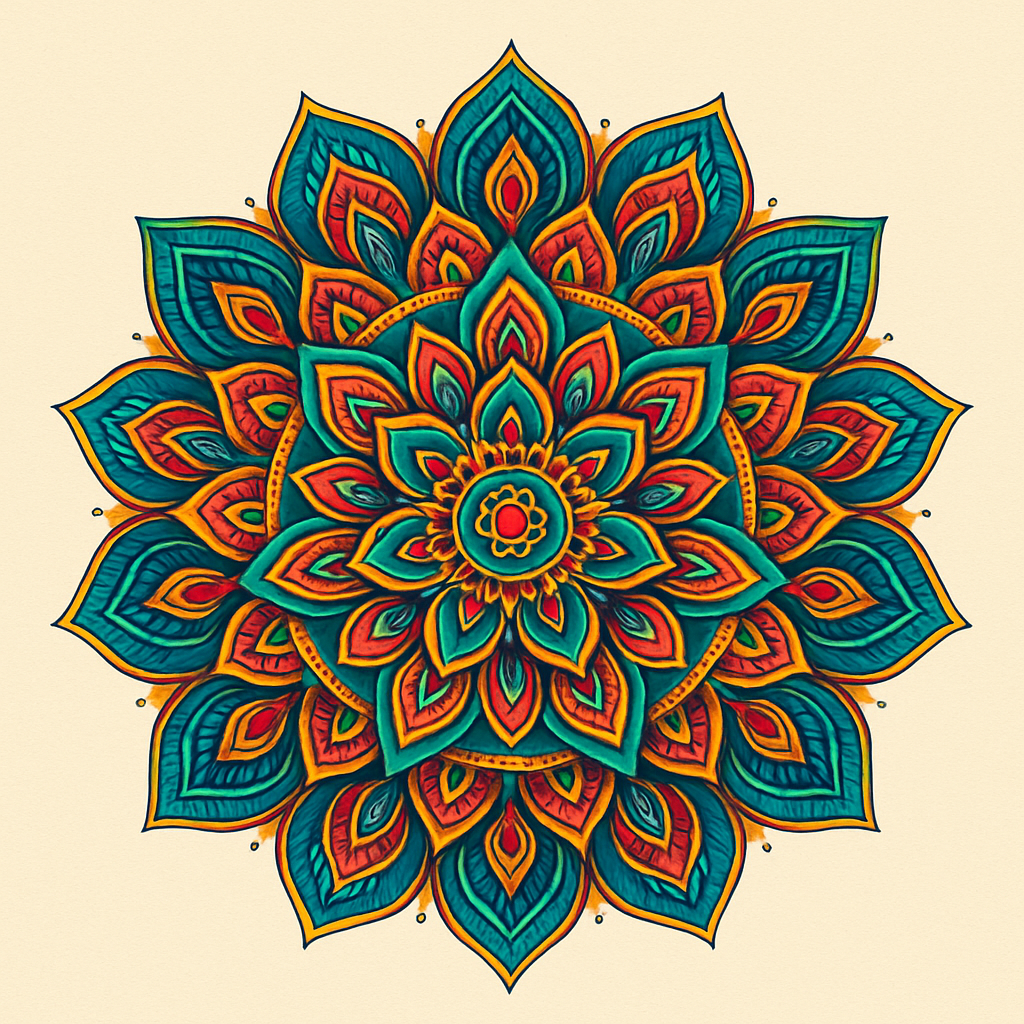
Mandala Art

In Buddhism and Hinduism, mandalas are elaborate, symmetrical patterns that symbolize the universe. However, mandalas have transcended their spiritual roots to become a universal representation of creativity, concentration, and meditation. It’s essential to start with the fundamentals if you’re new to the peaceful world of mandala art. These five basic mandala designs are easy to learn, calming, and the ideal starting point for your artistic journey.

1. Dot Patterns
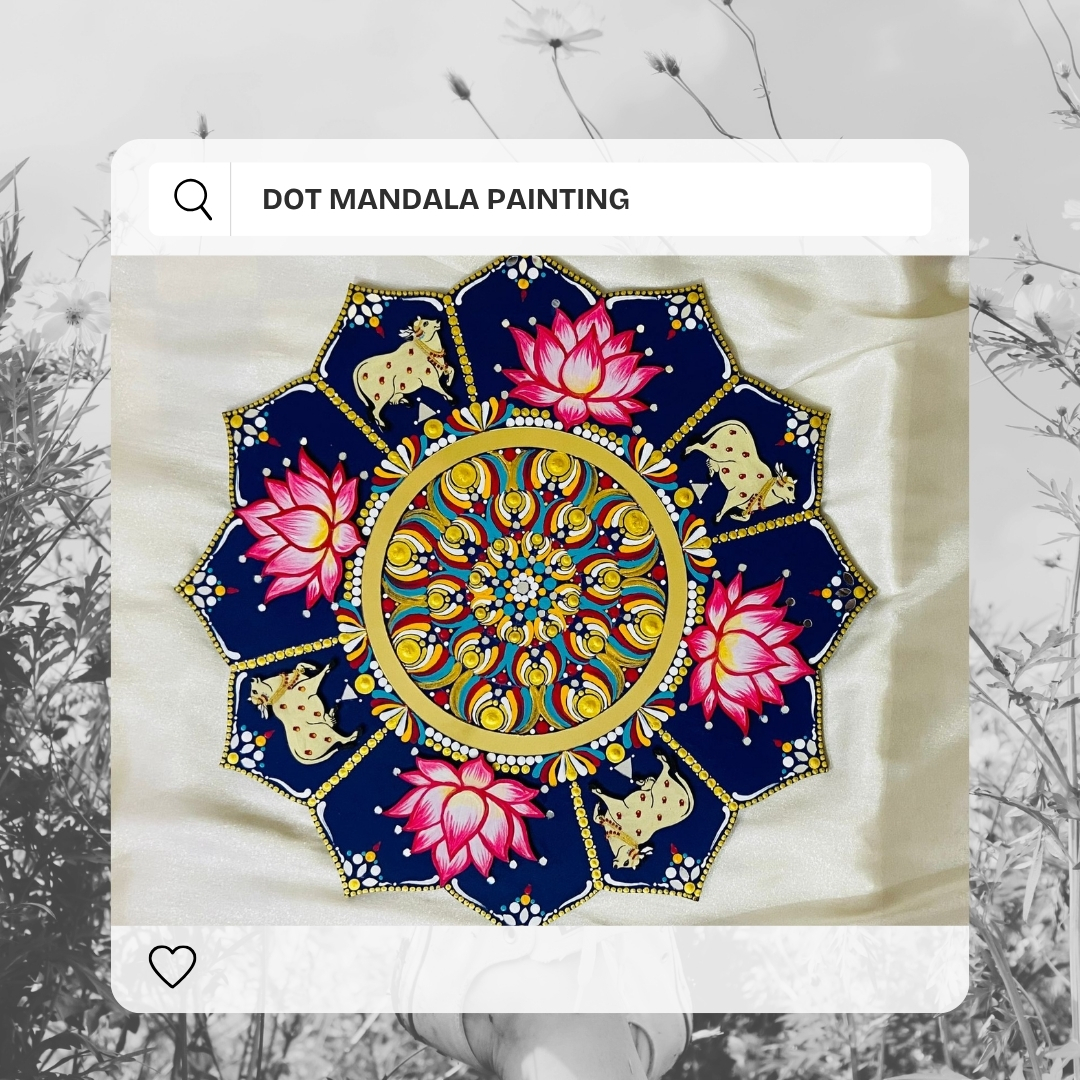
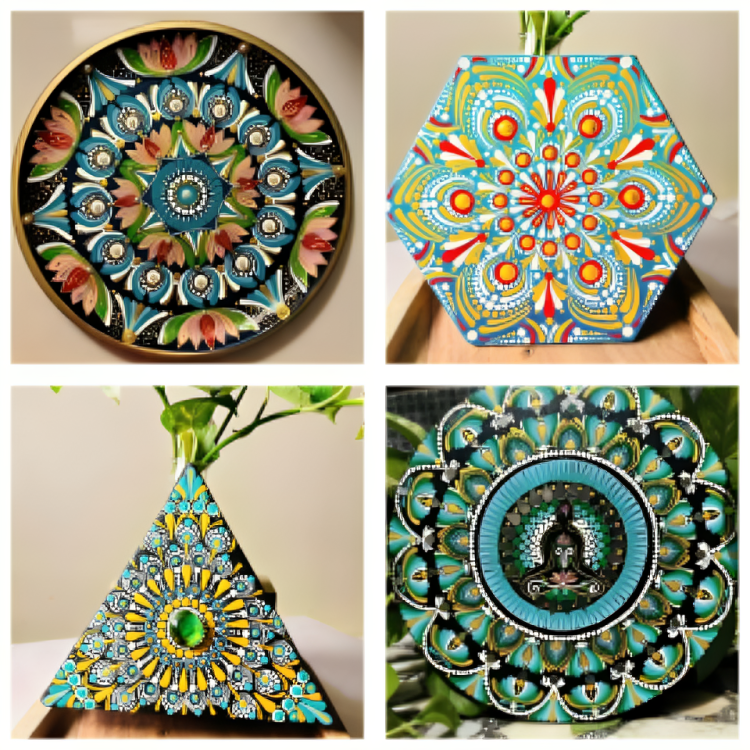
Dot Mandala Painting

Why it’s great for beginners: One of the most basic mandala designs is the dot pattern, which requires little sketching ability. They help to create symmetry and balance and are the cornerstone of many intricate mandalas.

How to start: Start with a central dot and use evenly spaced dots to extend outward in circles. A pencil, pen, or even an ink-dipped toothpick or dotting tool can be used.

Tip: Draw guide circles for spacing using a compass and ruler.

2. Petal Patterns (Lotus Motifs)
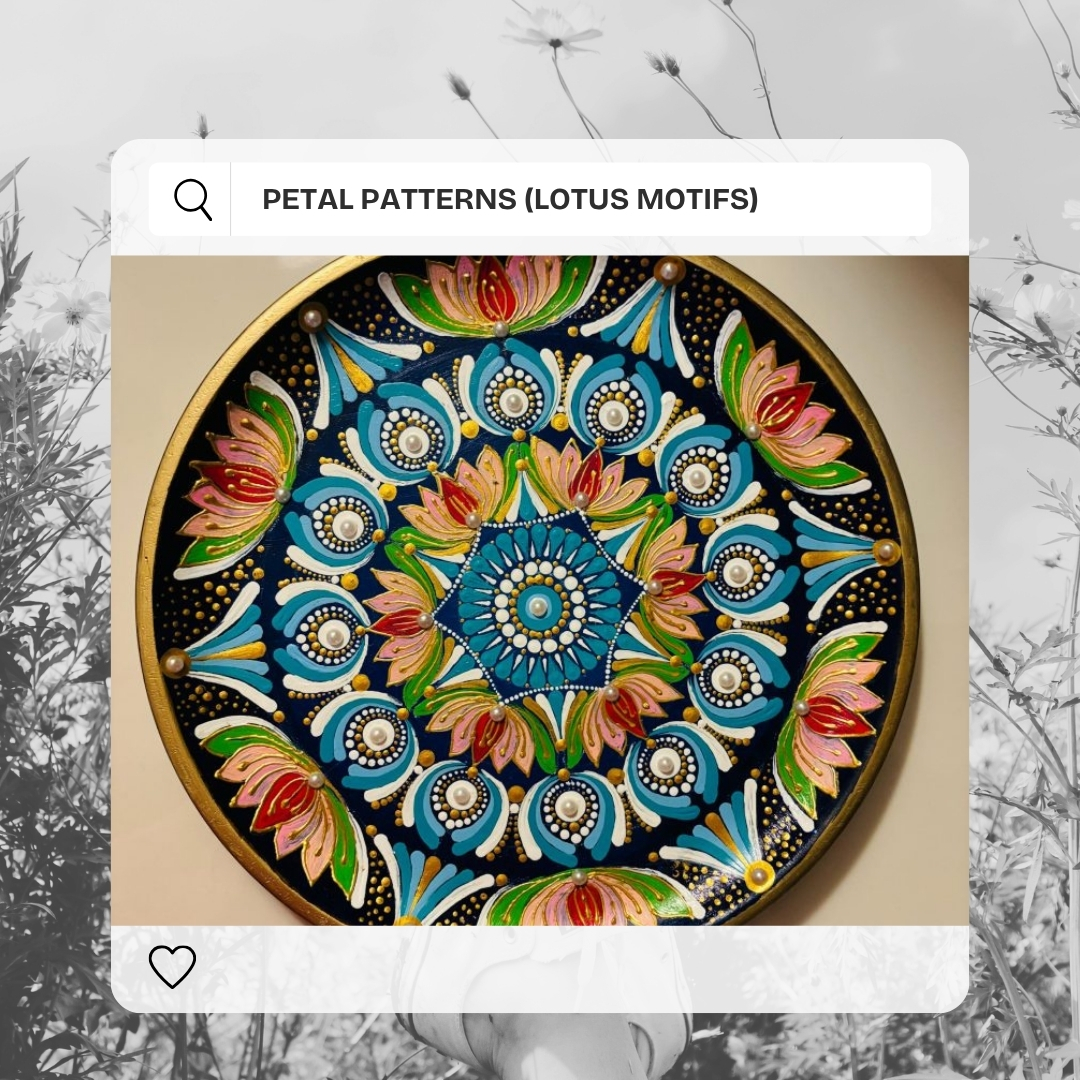
Petal Pattern(Lotus Motifs)

Why it’s great for beginners: Inspired by the lotus flower, petal designs are elegant and simple to learn. They stand for spiritual awakening and purity.

How to start: Draw a few simple petal forms in circular symmetry from a central point. By sketching a second or third row below the first, you can layer the petals and gradually improve their complexity.

Tip: Make sure your lines are even and bright. An attractive rhythm is created by consistent petal size.

3. Geometric Grids (Triangles & Squares)
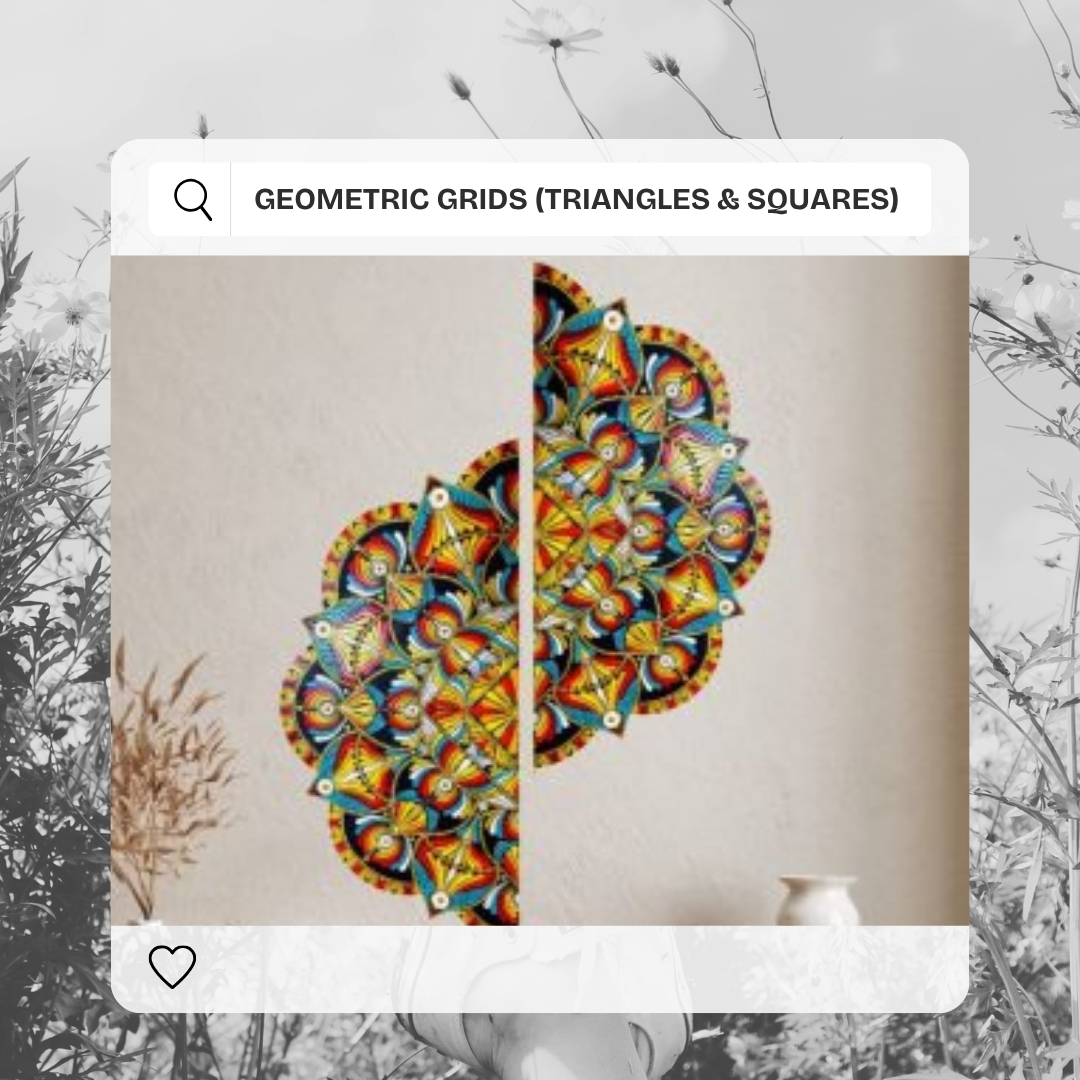
Geometric Grids (Triangles & Squares)

Why it’s great for beginners: Basic grids, triangles, and squares give mandalas a solid structural base. They help to improve spatial awareness and accuracy.

How to start: To construct grid portions, draw a sequence of radial lines (similar to slicing a pizza) and then overlay them with vertical or horizontal lines. Anchor motifs or patterns using these intersections.

Tip: For improved symmetry, start with six to eight radial lines and maintain uniform angles.

4. Spiral Patterns
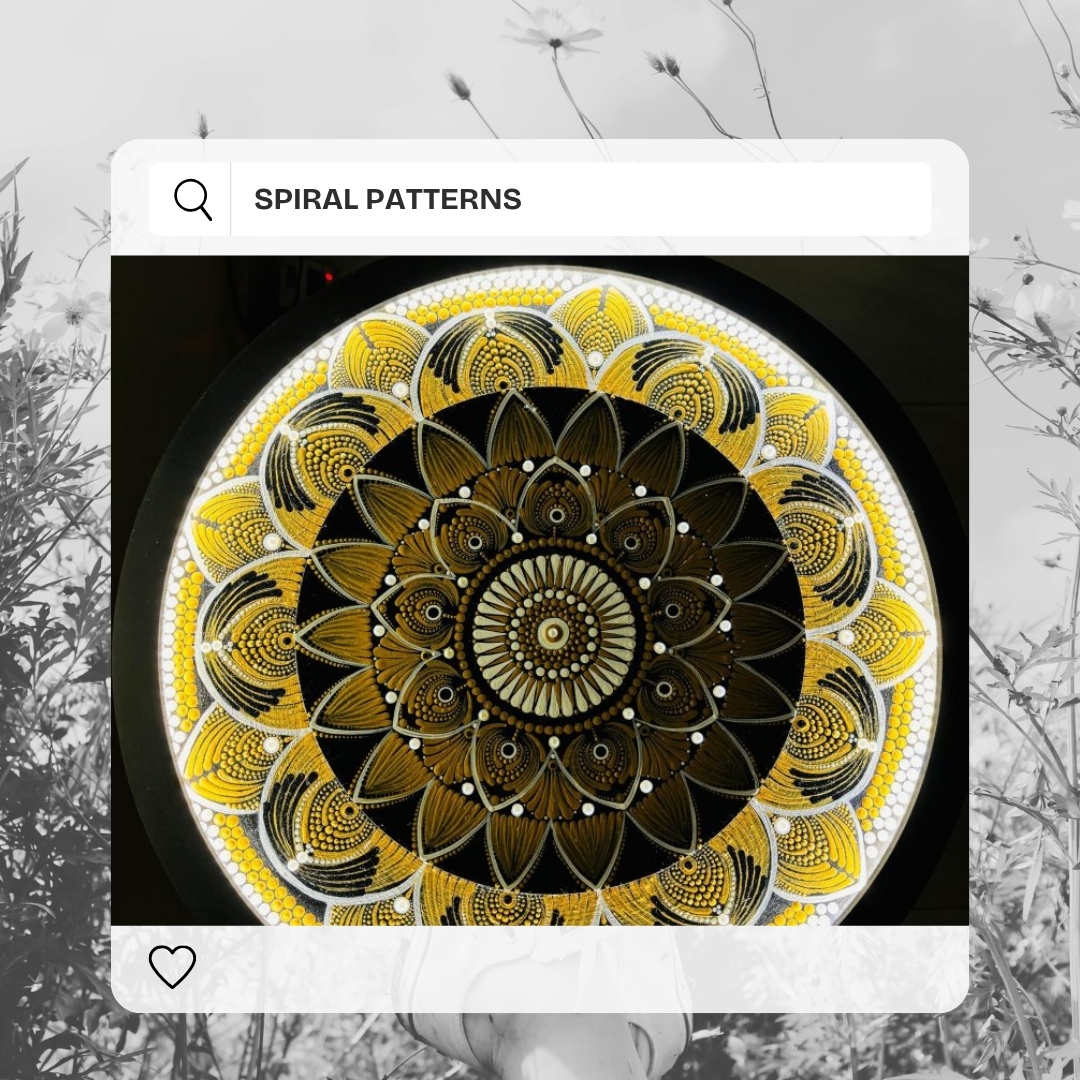
Spiral Patterns

Why it’s great for beginners: Mandalas are made more dynamic and flowing by spirals. They are ideal for artistic expression since they symbolize development and expansion.

How to start: Draw an outward spiraling line starting in the center. Using dots, lines, or small designs like stars or leaves, adorn it.

Tip: Don’t worry about being flawless. Flow is more important in spirals than accuracy.

5. Scalloped Circles
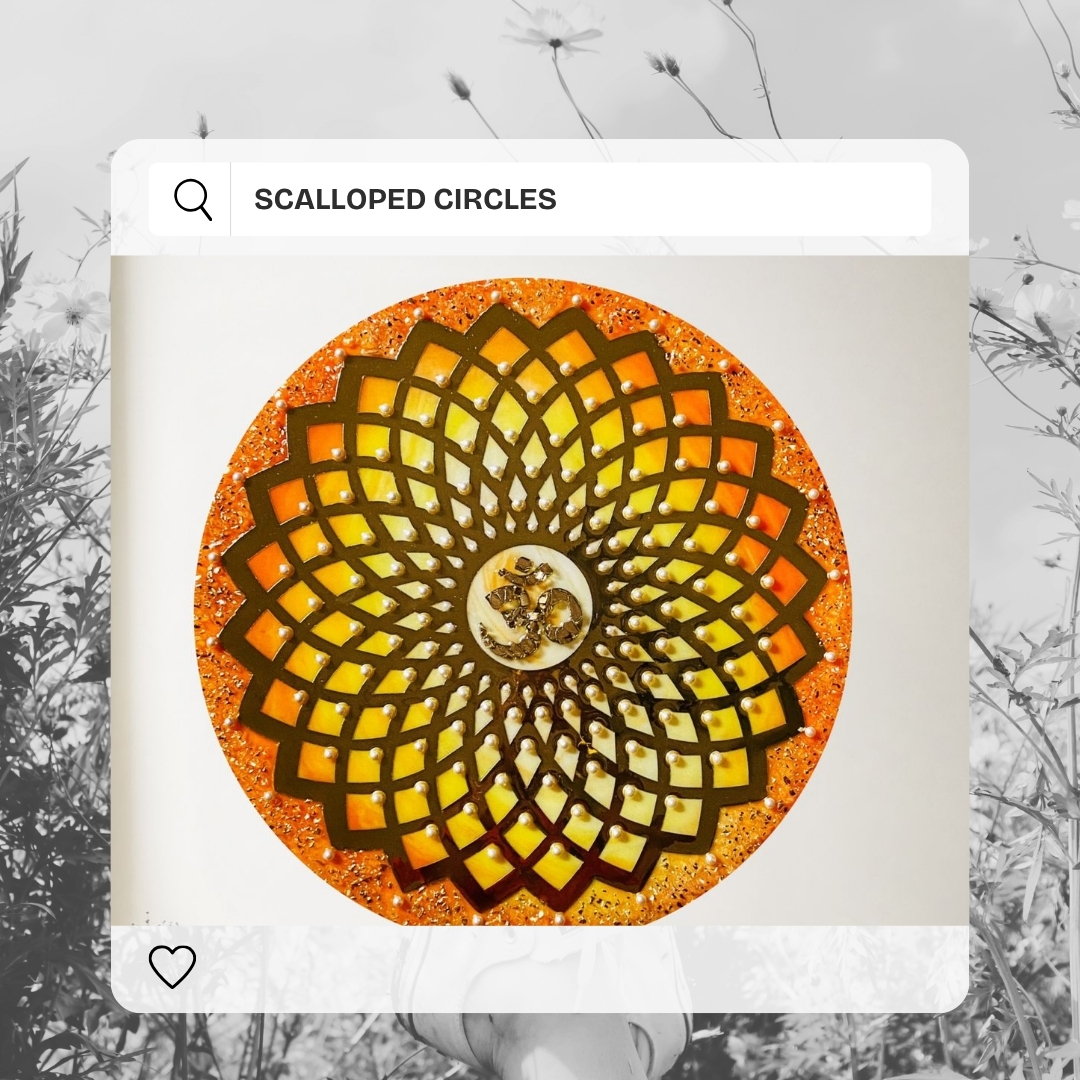
 Scalloped Circles

Why it’s great for beginners: These give mandalas a beautiful border look and resemble repeating arches or U-shapes.

How to start: Draw a simple circle. Next, surround the edge with a row of small curves or arches. To produce a flowering mandala look, repeat the procedure in layers.

Tip: This pattern is easy for calming practice sessions and is simple to repeat.

Mandalas are more than just artwork; they are a way for people to express themselves and meditate. These five basic mandala patterns are excellent stepping stones for beginners. Practice them regularly, and you’ll soon find yourself creating more detailed and personalized mandalas. Remember, there’s no right or wrong in mandala art — just your unique creative rhythm.

So grab your pen or pencil, find a peaceful corner, and let the mandala magic begin!
CategoriesCreative

How to Draw Perfect Circles and Symmetry in Mandalas

How to Draw Perfect Circles and Symmetry in Mandalas

Creating mandalas is a skill that combines creativity and geometry, in addition to being a meditative art form. Maintaining symmetry and drawing perfect circles are two of the most important components of mandala art. Whether you’re a beginner or a professional mandala artist, mastering these techniques will elevate the quality of your mandalas. Here are the steps for how to draw perfect circles and symmetry in mandalas:

Why Circles and Symmetry Matter in Mandala Art

In Sanskrit, the term “mandala” itself means “circle.” All mandalas are based on the circular form, which stands for harmony, balance, and togetherness. By making sure that every part of your mandala reflects the others, symmetry guarantees a visually pleasing and spiritually powerful design.

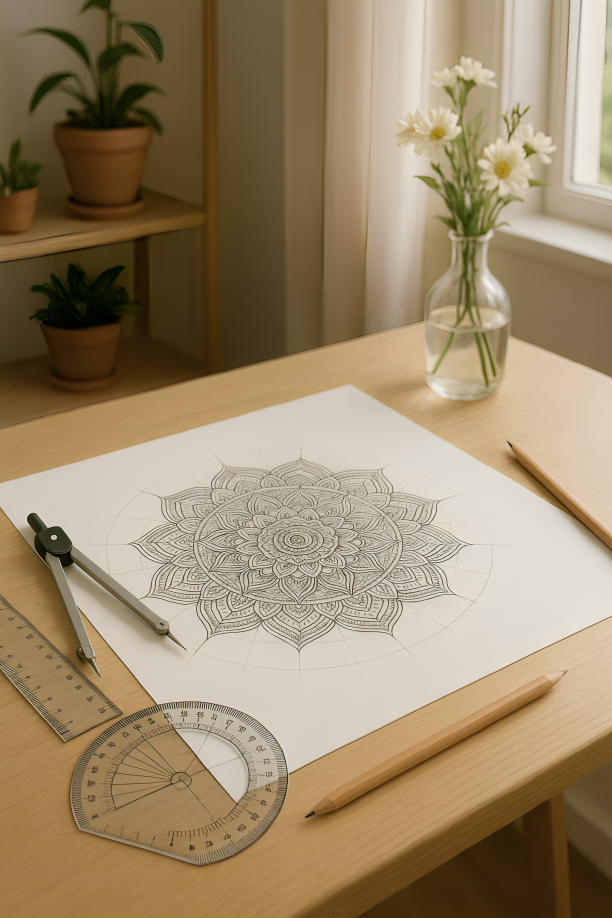
1. Tools Needed for Drawing Perfect Circles

Using the proper tools is essential to creating a mandala with accuracy.

  • Compass: The best tool for creating perfect circles of different diameters.
  • Protractor: Helps in dividing your circle into symmetrical portions, such as six, eight, or twelve.
  • Ruler: For directing straight lines and measuring equal distances.
  • Mandala Stencil: Useful for beginners to maintain symmetry.
  • Drawing Compass with Pen Holder: Great for working with ink pens or markers.

2. Steps to Draw Perfect Circles for Mandalas

Step 1: Mark the Center

To determine the exact center of your drawing surface, use a ruler. Use a pencil to lightly mark it.

Step 2: Draw Concentric Circles

Draw a number of concentric circles out from the center using your compass. Your mandala patterns will be drawn according to these circles.

Step 3: Divide the Circle

Divide the outer circle into equal angles using a protractor (e.g., every 30° for 12 segments). From the center, lightly sketch the lines to each indicated position.

3. Achieving Symmetry in Mandala Designs

It’s all about balance in symmetry. Here are some tips for making sure your mandala has symmetrical patterns:

  • Follow Grid Lines: As a symmetry guide, use the radial lines you created with the protractor.
  • Repeat Patterns Consistently: Replicate the design you add in one segment in all the others.
  • Work from Center Outwards: To maintain the pattern’s balance, build your design from the center outward.

4. Pro Tips for Perfect Mandalas

  • Use Light Pencil Sketches First: Sketch lightly before finalizing with pen or ink.
  • Keep the Hand Steady: Rest your hand on the paper and rotate the paper as needed for smooth lines.
  • Use Quality Paper: A smooth, thick paper prevents smudging and tearing.

5. Digital Tools for Perfect Mandalas (Optional)

Digital tools like Procreate, Adobe Illustrator, or Mandala Maker Online have built-in functions that can help you in creating symmetrical circles.

Using the appropriate tools, practicing regularly, and understanding the geometric foundations of mandala art are all necessary to create symmetrical drawings and exact circles. With patience and accuracy, your mandalas will not only have a lovely appearance but also speak to mindfulness and balance.

Ranggat – Art from the Soul

At Ranggat, mandala art takes on a soulful and spiritual dimension. Founded by artist Suruchi Purwar, Ranggat brings hand-drawn mandala designs to life through thoughtfully crafted wall art and home décor. Each piece reflects balance, symmetry, and the calming essence of traditional Indian art. If you’re inspired by mandalas and their deeper meaning, explore Ranggat’s exclusive Wall Mantra Frames and discover art that resonates with mindfulness and harmony.

CategoriesCreative

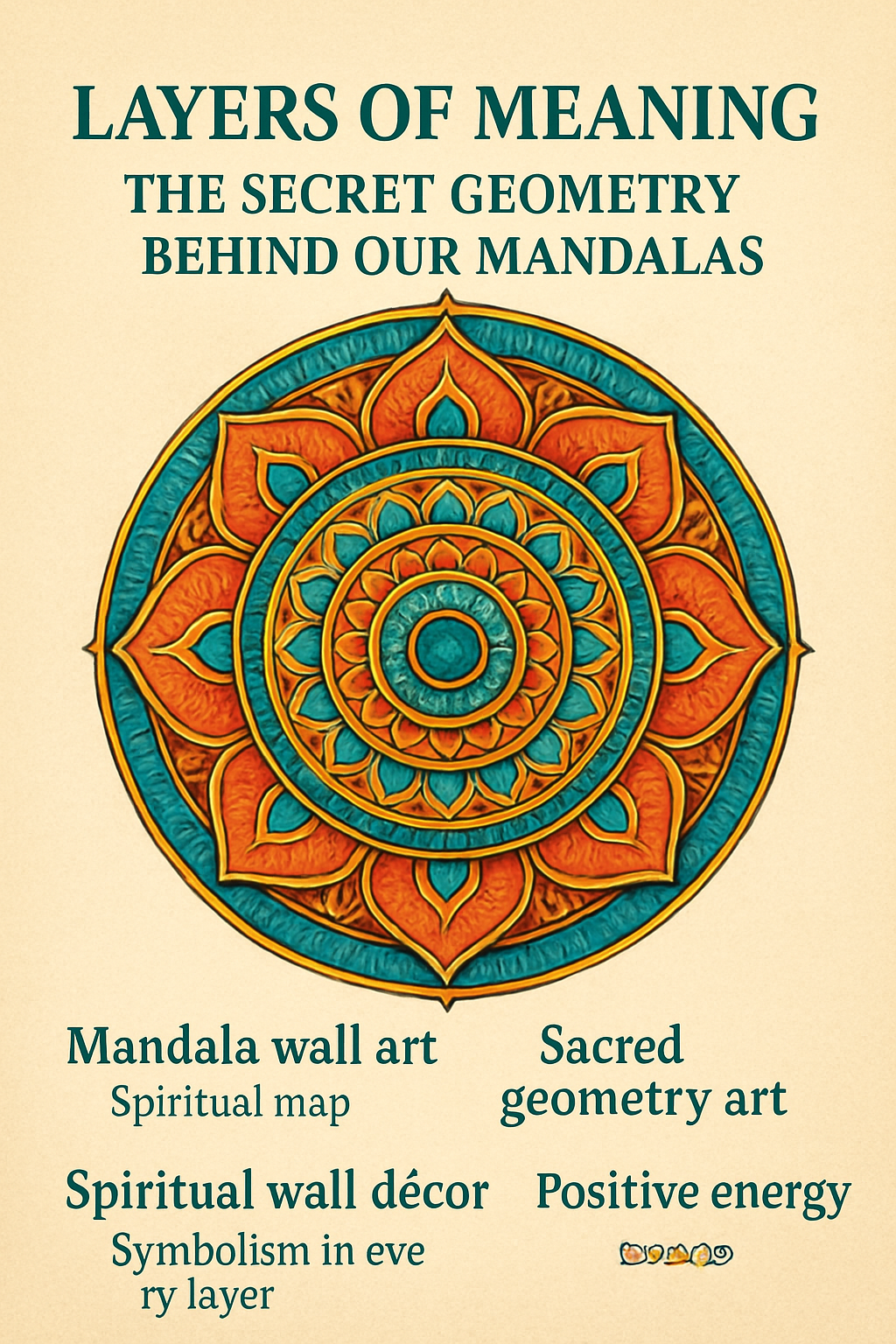
Layers of Meaning: The Secret Geometry Behind Our Mandalas

Layers of Meaning: The Secret Geometry Behind Our Mandalas

Each mandala at Ranggat is more than just a work of art; it is a spiritual guidance, a story weaved through elaborate patterns, sacred geometry, and timeless symbolic significance. Our mandalas represent a spiritual journey and are intended to bring balance, mindfulness, and healing into your life in addition to making your area seem beautiful.

What is a Mandala?

Derived from the ancient Sanskrit word meaning “circle,” a mandala is a sacred symbol utilized in Buddhist, Hindu, and numerous indigenous cultures worldwide. Layers of geometric designs make up mandalas, which stand for the universe, inner peace, and spiritual awakening. A mandala’s layers each represent a higher plane of energy and awareness.

The mandala is a living symbol

It offers to hold and explain both the known and unknown aspects of life.

It is a sign from both the past, an old one that we see in different forms all across the world, and the present, when it is drawing attention to itself.

The Secret Geometry Within

The foundation of our mandala artworks is sacred geometry, in which each line, curve, and pattern is purposefully made to symbolize balance and harmony. At Ranggat, every mandala follows the following guidelines:

  • The Golden Ratio for natural symmetry and proportion
  • Radial Balance symbolizing cosmic order
  • Symmetrical Repetition to promote silence and meditation

These ideas combine to create a piece of art that speaks to the soul.

Symbolism in Every Layer

Layers of Meaning: The Secret Geometry Behind Our Mandalas

There are layers of meaning in every Ranggat mandala:

  • Center (Bindu): Represents the self or the source.
  • Inner Circles: Represent many spiritual levels.
  • Lotus Petals: A symbol of enlightenment and purity
  • Outer Circle: A protective boundary, the cycle of life

Each element you see has a deep spiritual significance that links you to the eternal present, the universe, and you to the self.

Why Choose Ranggat Mandalas?

  • Original Art by Suruchi Purwar: Each piece is handcrafted with soulful intention
  • High-Quality Wall Frames: Designed for durability and visual appeal
  • Meaningful Décor: Adds spiritual and aesthetic depth to any room
  • Mindfully Curated Designs: Blending tradition with modern elegance

Perfect for Home, Office, or Gifting

Ranggat’s mandalas add visual harmony and positive energy to any place, whether you’re looking for a spiritual gift, a meditation corner, or a way to refresh your living room.

CategoriesCreative

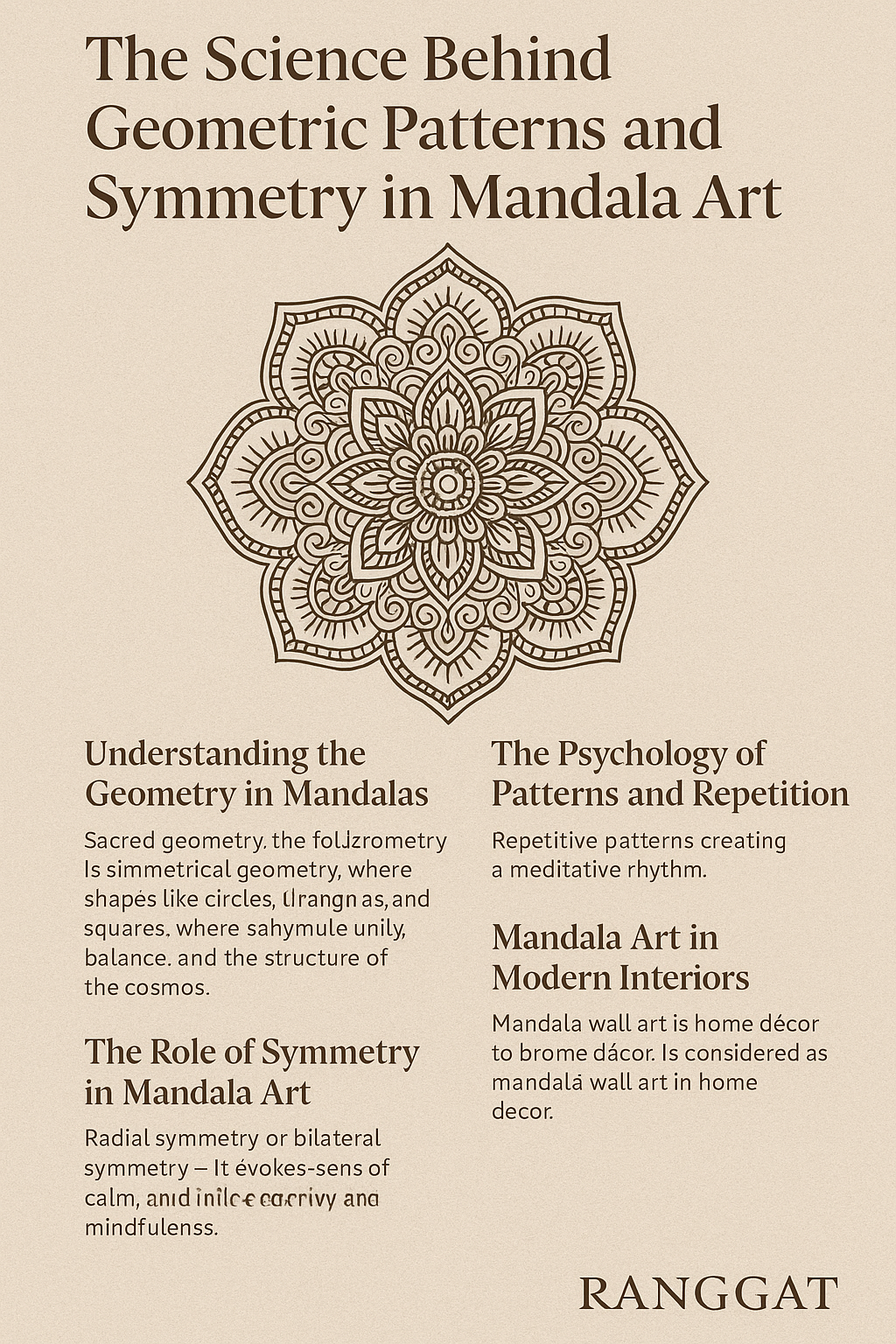
The Science Behind Geometric Patterns and Symmetry in Mandala Art

The Science Behind Geometric Patterns and Symmetry in Mandala Art

A visual representation of harmony, balance, and the complex geometry contained in nature, mandala art is more than just a beautiful arrangement of forms and symbols. Through our expertly crafted wall mantra frames that combine science and tradition, we at Ranggat: An Art From Soul honor the timeless beauty of mandalas.

Understanding the Geometry in Mandalas

Complex, symmetrical patterns that radiate from a central point are commonly used to create mandalas. The concepts of sacred geometry, which use shapes like squares, triangles, and circles to represent harmony, balance, and the structure of the universe, explain why these patterns are not random.

The Golden Ratio and the Fibonacci sequence, two mathematical concepts present in natural shapes like flowers, shells, and galaxies, are frequently connected to the geometric accuracy of mandalas. Mandalas are so aesthetically attractive and calming because of their mathematical order.

The Role of Symmetry in Mandala Art

Dot Mandala Artwork

In the design of mandalas, symmetry is essential. Bilateral symmetry, or mirror-like balance, or radial symmetry, which spins out from a center, both generate a feeling of balance and calm. Scientific study indicates that symmetrical patterns create positive responses in the human brain, promoting emotions of calm and awareness.

Mandala wall art is a visual indication of inner serenity and focus, which is why it is frequently utilized in yoga studios, meditation areas, and healing environments.

The Psychology of Patterns and Repetition

Mandalas’ repeating patterns, like rhythm and music, activate the brain’s reward centers. They create a meditative rhythm that enhances focus and reduces anxiety. When paired with color psychology, where each color gives the pattern emotional resonance, this is particularly potent.

At Ranggat, each mandala frame is crafted with thoughtful detail, aligning with the psychological impact of visual art. Our designs are meant to not only beautify your space but also elevate your mood and mental clarity.

Mandala Art in Modern Interiors

Mandala-inspired home decor is becoming popular among modern homeowners who want to infuse their living areas with harmony and good vibes. These designs are ideal for wall mantra frames because of their symmetry and order, which create attention-grabbing focal areas that encourage meditation.

Mandalas add a touch of sacred design supported by tradition and science, whether you’re making an artistic centerpiece or curating a spiritual haven.

Why Choose Ranggat for Mandala Wall Art?

Ranggat creates high-quality mandala patterns that speak to your soul by combining ancient art traditions with scientific discoveries. Our handcrafted objects are symbols of inner serenity and cosmic harmony, not merely decor.

Discover our unique selection of mandala wall mantra frames and use the beauty of sacred geometry to transform your area.

CategoriesCreative

How Mandala Art is Used in Therapy and Healing Practices Worldwide

Mandala art, with its complex geometric designs and vibrant colors, has been embraced globally not only as a form of creative expression but also as a powerful tool in therapy and healing practices. Originating from ancient spiritual traditions, mandalas symbolize wholeness, balance, and harmony-qualities that are essential in the journey toward mental and emotional well-being.

What is Mandala Art?

The word “mandala,” which means “circle,” is derived from the ancient Sanskrit language. Mandalas are circular patterns with intricate patterns radiating outward from the center. They have long been utilized for spiritual practices and meditation in Buddhism and Hinduism. Mandala art is now frequently employed in contemporary therapeutic settings and crosses cultural borders.

Mandala Art Therapy: A Growing Healing Practice

The therapeutic exercise of creating or coloring mandalas is known as mandala art therapy. This exercise encourages emotional release, self-reflection, and mindfulness. Mandala art therapy is included in sessions by psychologists, counselors, and art therapists all over the world to help clients manage trauma, stress, anxiety, and depression.

Benefits of Mandala Art in Therapy

  • Reduces Stress and Anxiety: Creating mandalas promotes a peaceful state, which reduces stress and calms the nervous system.
  • Enhances Emotional Expression: The creative process allows individuals to express feelings they might struggle to express.
  • Improves Focus and Mindfulness: Coloring or drawing mandalas requires concentration, helping clients stay present and grounded.
  • Promotes Self-Discovery: The symbolic nature of mandalas frequently allows for the examination of unconscious feelings and ideas.
  • Supports Trauma Recovery: For survivors, mandala painting provides a secure environment in which to process trauma and reclaim control.

Mandala Art in Different Healing Traditions

Mandala art is used in various cultural and healing practices worldwide:

  • Tibetan Buddhist Healing: Tibetan monks use elaborate sand mandalas to symbolize the universe and encourage spiritual healing. It is a method of meditation and a ritual for peace.
  • Western Psychology: The popular psychologist Carl Jung used mandala drawing in his therapeutic methods and utilized them as a symbol of the self.
  • Integrative Medicine: Mandala art is used in many holistic health facilities as a supplemental therapy to promote both physical and emotional recovery.
  • Mindfulness and Meditation Workshops: Mandalas are tools for meditation, helping users to achieve mental clarity and spiritual calm.

How to Use Mandala Art for Personal Healing

To practice self-healing with mandala art, follow these steps:

  1. Choose Your Medium: It is possible to color, paint, or create pre-made mandala designs.
  2. Create a Quiet Space: Find a peaceful space free from interruptions.
  3. Focus on the Process: Enjoy the calming, repeating patterns rather than the result.
  4. Reflect on Your Experience: After completing your mandala, take a moment to journal any thoughts or feelings that arise.

At Ranggat – An Art from Soul, mandala-inspired paintings are brought to life with fine details and soulful expression. Each artwork, created by founder and artist Suruchi Purwar, captures the essence of spiritual harmony and healing that mandalas symbolize. These vibrant creations are not just decorative—they are meditative tools that invite peace, balance, and positive energy into your space. Explore the mandala art collection on Ranggat.com and experience how art rooted in tradition can become a personal path to mindfulness and well-being.

CategoriesCreative

Global Luxury Meets Indian Roots: Where Ranggat Fits In

Ranggat – An Art Brand That Blends Tradition with Modern Style

Ranggat is a unique brand of Indian art that combines contemporary style with the elegance of traditional Indian art. Ranggat was founded by artist Suruchi Purwar and creates beautiful, handcrafted works of art that inspire strong feelings, tell stories, and connect deeply with people.

Every Ranggat creation, from modern resin wall art to spiritual dot mandalas, is created with love, attention to detail, and creativity.

Indian Art with a Global Touch

Ranggat is unique in that it attracts people from all around the world while maintaining Indian culture at the heart of each composition. Ranggat’s artwork shows how Indian art can shine on a worldwide scale.

Their tagline, “An Art from Soul” reflects this balance perfectly — art that feels traditional but looks modern.

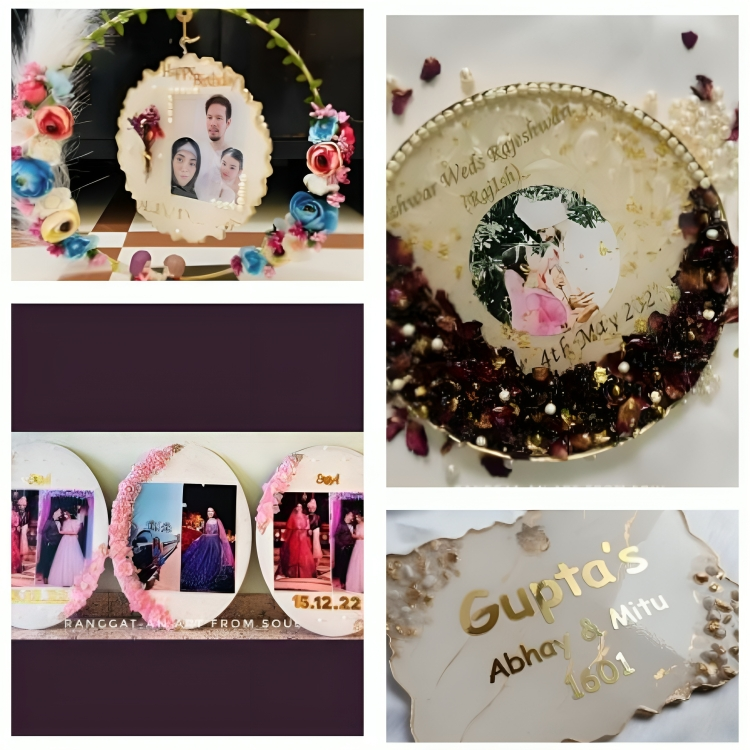
Customized Art Made Just for You

Ranggat gives you the opportunity to personalize your wall art. Ranggat can make anything you want, whether it’s a favorite quote, a spiritual mantra, or a design you like.

Customized art is a great way to:

  • Celebrate special moments
  • Decorate your home in a meaningful way
  • Gift something truly unique and special

This is one reason why people around the world are loving Ranggat’s personalized art collections.

Luxury and Handcrafted Quality

In today’s world, people want more than just pretty products—they choose genuine, handmade luxury. Ranggat offers this through the use of high-quality materials and traditional Indian techniques.

Each product is

  • Hand-painted or hand-crafted
  • Unique, not mass-produced
  • Created using eco-friendly and durable materials

This makes Ranggat perfect for luxury homes, modern offices, and thoughtful gifting.

Ranggat: The Future of Indian Art

As Indian brands like Ranggat grow internationally, they show the world how rich and beautiful Indian culture truly is. Ranggat stands for creativity, tradition, and a passion for storytelling through art.

If you’re looking for

  • High-quality wall art for home or office
  • Personalized gifts that stand out
  • Authentic Indian art with a modern look

Then Ranggat is the perfect brand for you.

Why Choose Ranggat?

  • 100% Handcrafted in India
  • Customized Designs Are Available
  • Shipped Across India and Worldwide
  • Affordable Luxury with Cultural Value

Explore Ranggat’s latest collection at ranggat.com and bring home art that speaks to your soul.

CategoriesCreative

Understanding Dot Work: Patience, Precision & Practice

Understanding Dot Work: Patience, Precision & Practice

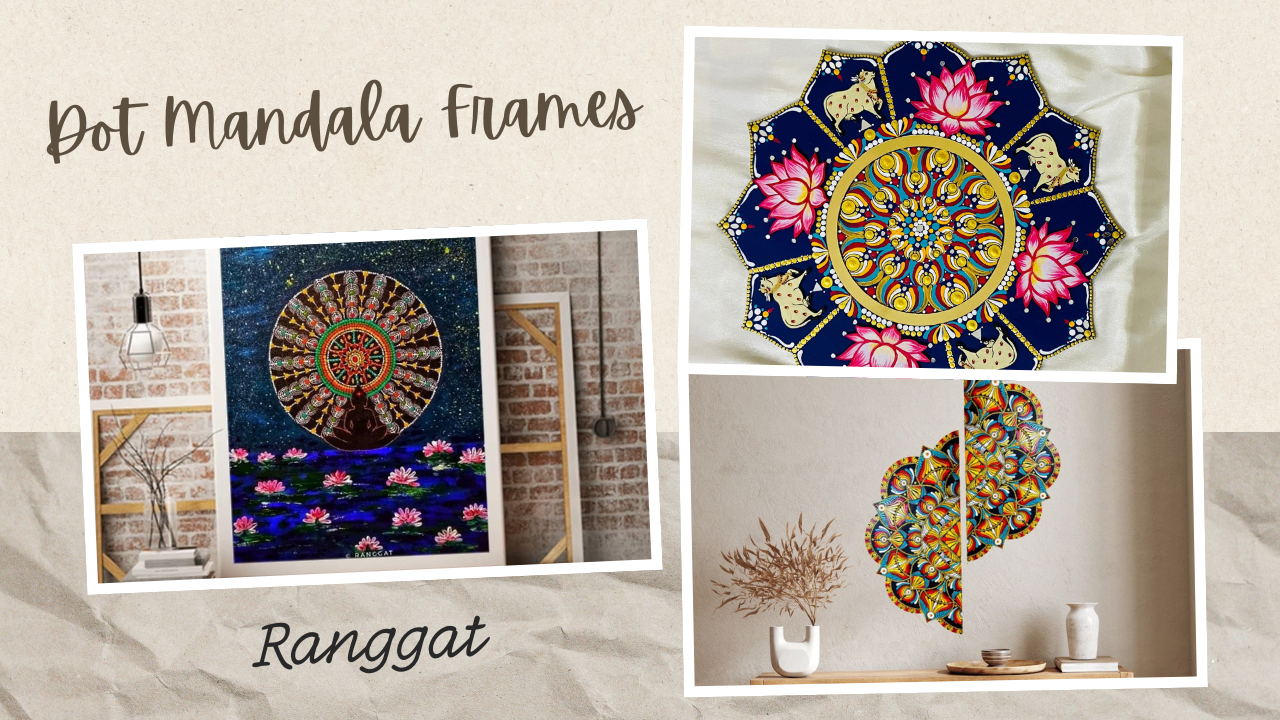
As an artist deeply immersed in the world of Mandala Art, I often find myself captivated by the gentle rhythm of Dot Work. Each dot I apply is more than just paint — it’s a heartbeat, a breath, a moment of meditation. To many, Dot Mandala Frames are simply beautiful visuals. But to me, they are living expressions of patience, precision, and practice.

The Meditative Magic of Dot Work Art

Dot Mandala Artwork

Dot Work is a sacred ritual for me. It’s not about creating a lot of work or painting fast. It’s about being present. Every dot I place — whether with a brush or a simple tool — is deliberate. As the mandala gradually and deliberately unfolds, symmetry formed of stillness is revealed. I feel like I’m connected to something more profound through this process—a state of flow when time stops and the art directs me.

Patience is My First Teacher

I was impatient when I first started using Dot Mandala Art. I wanted to see the finished product, so I wanted to complete it quickly. However, shortcuts are not possible in Dot Work. It requires me to slow down and pay attention to every step. I’ve discovered that real art takes time. Patience has become part of my brush — invisible, but essential.

Precision Brings Balance

Even though each dot is tiny, it has weight. A single misaligned point can throw off the balance of the entire mandala. Precision is therefore more than just a method; it is a sign of respect. It’s precisely this alignment that gives Dot Mandala Frames their soothing harmony. It’s a flow and disciplined movement of freedom inside a framework.

Practice: The Invisible Masterpiece

No one sees the hours I spend practicing — the failed patterns, the shaky hands, the discarded canvases. But all those silent efforts build the foundation for every finished piece. Practice becomes instinct with time. What once felt difficult becomes natural. And each new frame I create is built on the previous one’s lessons.

Why I Create Dot Mandala Frames

A Dot Mandala Frame is more than simply a piece of art; it’s a way for someone to bring peace, purpose, and sacred geometry into their life. These frames are intended to bring a space together, boost spirits, and subtly convey peaceful stories. I’ve had clients tell me their mandala helped them meditate, heal, or simply breathe deeper. I believe it to be the real power of mandala art.

From My Workspace to Your Soul

Each Dot Mandala Frame has a piece of my soul. Each work is a combination of love, tradition, and aim; it is meant to elevate rather than simply beautify. I encourage you to follow this journey with me if you’re searching for heartfelt mandala art.

Shop now at Ranggat.com

CategoriesCreative

Thoughtful Wedding Gifts: Why Art Makes the Perfect Keepsake

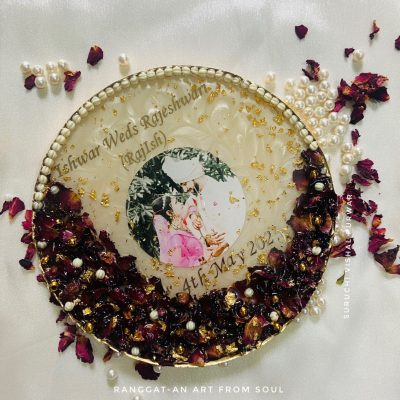
One of the most cherished life events is a wedding, which is a beautiful celebration of love, commitment, and new beginnings. Something timeless and profound is generally recommended when selecting the ideal wedding present. Handmade art stands out among the numerous available gift options as a thoughtful wedding present that uniquely captures memories and feelings.

Ranggat specializes in creating beautiful, handcrafted artwork that perfectly captures joy and love, making it the ideal memory for newlyweds. Here are some reasons why Ranggat art in particular is the best option for thoughtful wedding presents.

Why Choose Art as a Wedding Gift?

Why Everyone Should Own Original Art: The Value of Investing in Handmade Pieces

1. Timeless and Personal

Art is timeless and unique, in contrast to generic presents. A thoughtfully created artwork that speaks to the couple’s particular story makes their special day into a memory that will last a lifetime. It is a priceless memory since every brushstroke and every detail conveys sentiment and meaning.

2. Preserves Memories Beautifully

Moments and feelings can be magically preserved using art. Whether it’s a custom portrait, a symbolic design, or a meaningful motif, artwork immortalizes the feelings and memories of the wedding day in a way photographs or objects cannot.

3. Enhances Home Decor

Handmade pieces of art also make elegant home decor. When newlyweds proudly display their wedding gift in their living area, it serves as a constant reminder of their love for one another and the considerate person who celebrated their union with a unique piece of art.

4. Supports Handmade Craftsmanship

Choosing handmade artwork encourages traditional craftsmanship and talented artists. Ranggat takes pleasure in creating genuine, heartfelt creations that are both creative and dedicated, making each gift unique and ethically valuable.

Why Ranggat is the Best Choice for Wedding Keepsakes

Ranggat is famous for creating premium, handcrafted wall art that uses bright colors and expressive souls to tell moving stories. Our artworks are

  • Customizable: Tailor-made to reflect the couple’s personalities, wedding themes, or favorite memories.
  • Authentic: Created with love by skilled artists who put their souls into each creation.
  • Durable: Created with love by talented artists who are deeply invested in their work.
  • Meaningful: Each piece conveys emotion and thoughtfulness, perfect for celebrating lifelong bonds.

With Ranggat, you’re not just gifting art—you’re gifting a treasure trove of memories that newlyweds will cherish forever.

CategoriesCreative

Creating a Peaceful Home Office with Mandala Art

In today’s fast-paced world of remote work, your home office should be more than just a functional space—it should be a sanctuary of calm and inspiration. Mandala art, particularly the peaceful and complex beauty of Dot Mandala Art, is one of the most soulful and efficient methods to bring calm into your workspace.

Let’s look at how you can use Ranggat’s handcrafted items and carefully plan your home office using Mandala Art.

What is Mandala Art?

The word “mandala art,” which comes from the Sanskrit word meaning “circle,” stands for harmony, balance, and wholeness. Originally employed in meditation and spiritual rituals, mandalas have developed into beautiful, symbolic works of art that promote concentration and mindfulness.

Why Choose Mandala Art for Your Home Office?

Mandala Art

A home office is a special place where you may create, connect, and develop; it’s more than just a desk and chair. Mandala paintings are ideal for turning your workspace into a place of peace since they create a sense of tranquility and focus. Here’s why they work so well:

  • Reduces Stress: Mandala designs naturally calm the mind, promoting inner tranquility and reducing anxiety.
  • Enhances Focus: Dot Mandala Art’s symmetry and repetition help in reducing distractions and promoting mental focus.
  • Boosts Creativity: The geometric flow and vibrant colors inspire original thoughts and creative mind.

Step-by-Step: Designing a Peaceful Office with Mandala Art

1. Start with a Statement Mandala for Center Focus

The mood of your entire workspace is established by the wall behind your desk. Select a powerful, meditative structure that helps you become more grounded and clear-headed.

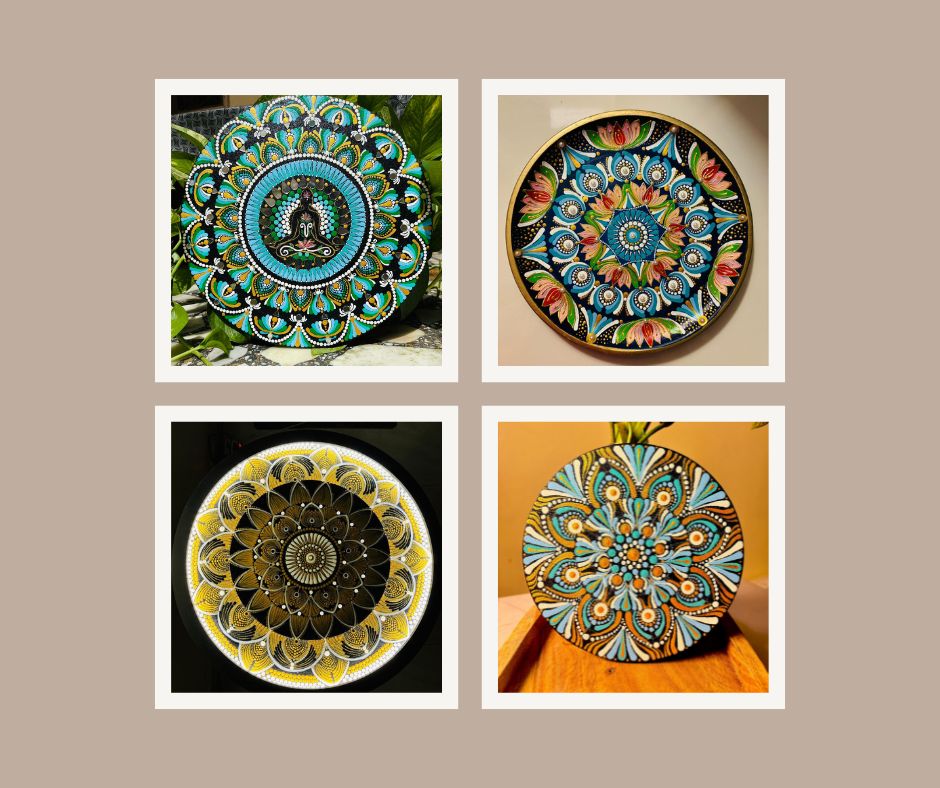
Golden Noir Dot Mandala

Elegant, powerful, and full of cosmic energy. This piece becomes the soul of your office.

2. Create a Tranquil Art Corner

Layered Mandala pieces in a small area provide a retreat space for journaling, reflection, or mindful breathing.

Fusion of Dot Mandala with Palette Knife Technique

A special combination of design and texture—ideal for a creative or meditative space.

Marine Blossom Glow Mandala

This is perfect for your peaceful space because it features floral designs and soothing blues.

3. Add Spiritual Depth with Buddha & Symbolic Art

Buddha-themed mandalas help you focus better and serve as a reminder to maintain your balance throughout the day.

Buddha Dot Mandala Painting
  • A complex piece of art that combines design and commitment.
  • A compact piece that fits well into small shelves or spiritual corners.

4. Decorate Desk & Shelves with Smaller Mandala Pieces

Every corner of your office can radiate harmony. Use smaller Mandala pieces to decorate floating shelves, bookshelves, or your work desk.

Dot Mandala Painting

A versatile piece that fits any modern desk setup.

Cow and Lotus Floral Mandala

Symbolic and serene—perfect for nature-inspired decor.

5. Style a Dual Display Wall

Why settle for just one piece? To achieve visual harmony and symmetry, arrange two mandalas side by side.

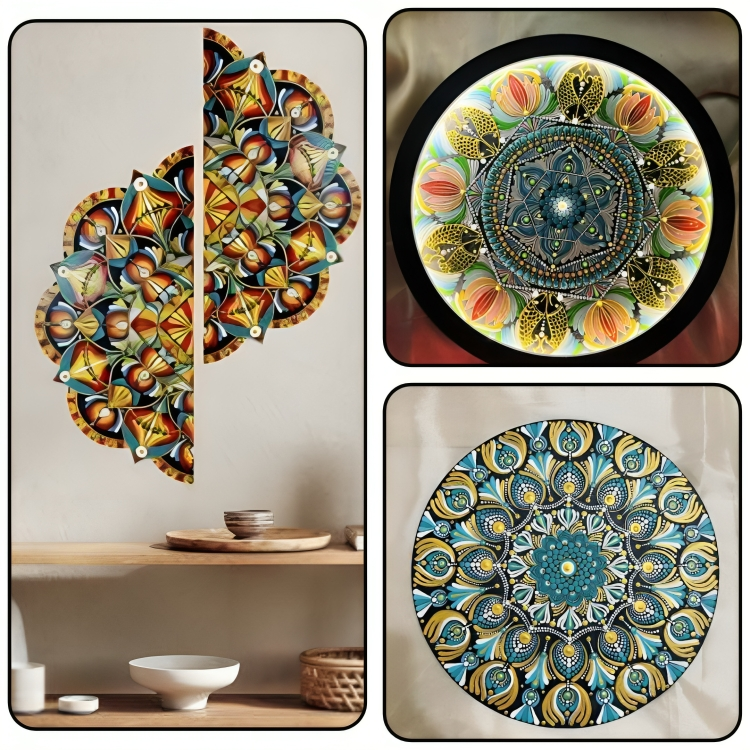
Semi Dot Mandala

A curated pair to balance both energy and aesthetics.

Why Ranggat?

Artist Suruchi Purwar creates each Mandala piece at Ranggat with love, purpose, and spiritual depth. Not mass-produced, our pieces are thoughtful, soulful, and designed to create harmony in your workspace.

  • Hand-painted Mandalas using the Dot technique
  • High-quality frames perfect for home or office decor
  • Art with emotion, created with mindfulness
  • Meaningful colors and patterns, each piece tells a story

Redesign Your Workspace, Reconnect with Your Inner Peace

A Ranggat’s Mandala Art-filled home office serves as a daily reminder to stop, take a moment, and center yourself in addition to being aesthetically beautiful.

Discover Ranggat’s Mandala collection now to turn your office into a spiritual haven.

Shop now at Ranggat.com

CategoriesCreative

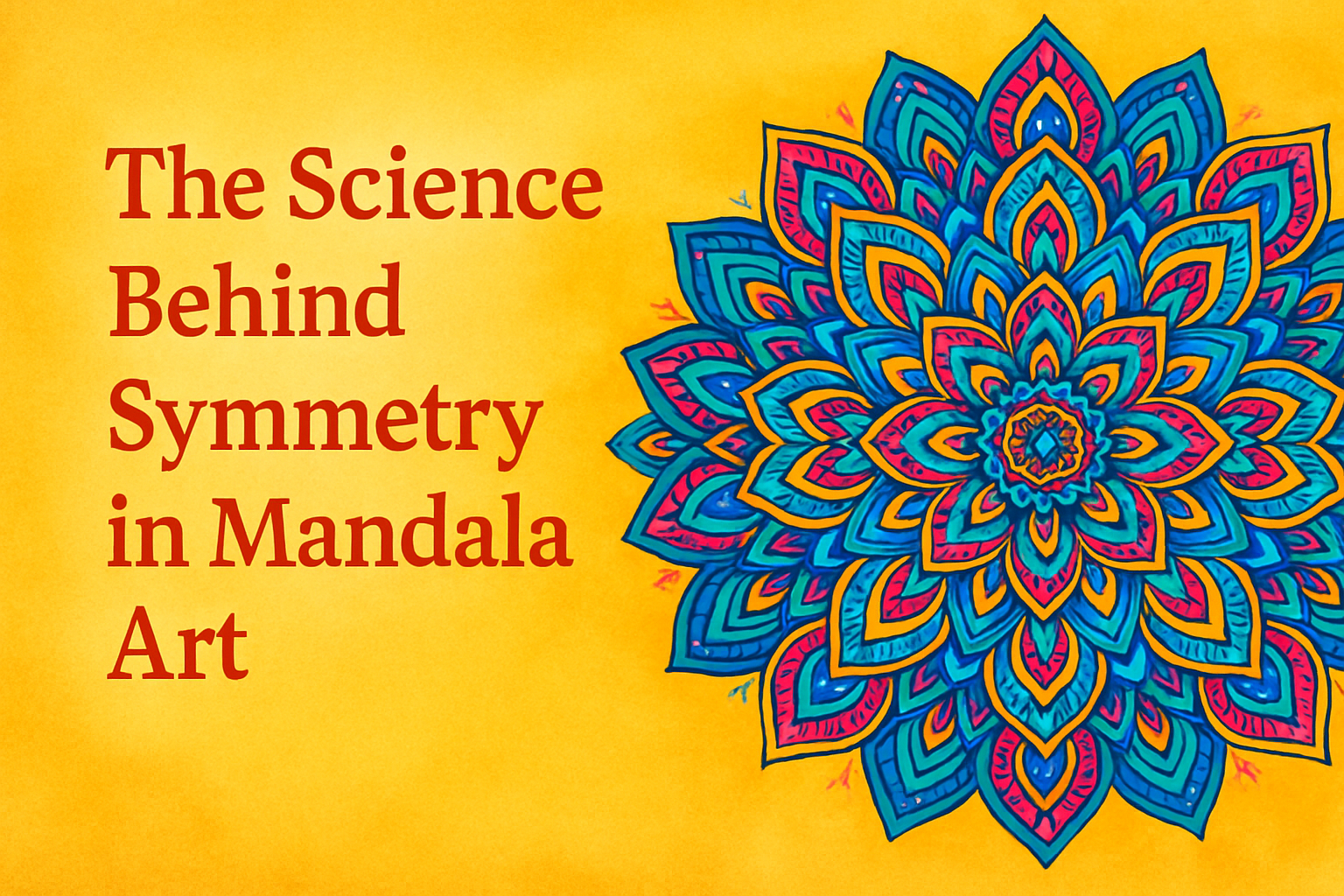
The Science Behind Symmetry in Mandala Art

As an artist, I’ve always had a deep connection with mandala art. Creating mandalas gives me peace, focus, and a sense of balance. But did you know that the reason mandalas are so lovely and peaceful has a scientific basis? It all comes down to symmetry.

Mandala is a Sanskrit word that translates to “circle” in English. In various cultures throughout history, mandalas have been used as a tool for spiritual development, healing, and meditation. Symmetry is one of the main components that gives mandalas their striking aesthetic appeal and deep significance. Mandala symmetry adds to the beauty and strength of these designs by having both aesthetic and symbolic meaning.

What is Symmetry in Mandala Art?

Mandala Art

Symmetry in mandala art refers to patterns that repeat in a circular, balanced way. Designs that radiate outward from a central point in all directions are known as radial symmetry. Nature also exhibits this type of pattern: galaxies, sunflowers, snowflakes, and flowers. When I draw mandalas, I feel like I’m copying the perfect patterns of nature.

Why Symmetrical Designs Feel So Good

There’s a scientific reason we enjoy looking at symmetrical mandala designs. Our brains are wired to like order and balance. Symmetry, according to studies, enhances happiness, concentration, and calm. That’s why so many people use mandala coloring books for stress relief, relaxation, and mindfulness.

Creating mandalas enhances my ability to achieve a calm, meditative state. My thoughts become silent as I concentrate just on the shapes and lines. It’s like therapy through art.

The Role of Geometry in Mandalas

A lot of people are unaware of how much geometry is used in mandala painting. Every mandala starts with a circle. After that, I use grids and lines to divide it into equal sections. These assist me to create symmetrical, lovely repeating patterns.

This is where sacred geometry comes in. Sacred geometry is the use of special shapes and patterns that appear in nature and spiritual symbols. We may create artwork that bridges the gap between the physical and spiritual worlds by utilizing geometry

Mandala Art and Healing

Many cultures, including Native American, Tibetan, and Indian, use mandalas for meditation, inner tranquility, and spiritual healing. The symmetrical patterns are believed to bring harmony to the mind and soul.

As an artist, I’ve seen the power of mandala painting. Looking at or coloring a mandala makes people feel calm, concentrated, and even emotional. That’s how symmetry can heal.

Mandala art is more than just drawing pretty circles. It’s a beautiful mix of art, science, geometry, and healing. The symmetry in mandalas creates balance—not just in the artwork, but also in our minds and lives.

Whether you’re an artist or just seeking peace, try creating or coloring a mandala. You’ll be surprised how something so simple can have such a deep, calming effect.