Rangaat | Handmade Art That Tells a Story: Why Conscious Craft Matters TodayCategoriesCreative Tips & Tricks

Rangaat | Handmade Art That Tells a Story: Why Conscious Craft Matters Today

Handmade work provides something unique—pause—in a society where speed, mass production, and instant consumption are the norm. It encourages us to take our time, feel, and re-establish a connection with purpose. At Rangaat, art is made to tell tales rather than to occupy space.

Each piece is a quiet expression of thought, time, and intention.

What Is Handmade Art—and Why Does It Matter?

Human hands, emotion, and patience shape and refine handmade art. No two handmade pieces are ever the same, in contrast to decor manufactured by machines. The maker’s journey is reflected in every form, texture, and stroke.

Rangaat’s creations carry individuality—because authenticity cannot be replicated.

Understanding Conscious Craft

Conscious craft is about creating with awareness and responsibility. It means:

  • Respecting natural materials and processes
  • Honoring traditional techniques
  • Prioritizing quality over quantity
  • Creating with purpose, not pressure

At Rangaat, every artwork begins with a question:
Does this piece add meaning, or is it merely decorative?

Why Conscious Craft Matters Today

Contemporary dwellings are changing. People no longer want environments that merely look good—they want spaces that feel great.

Conscious handmade art:

  • Adds depth and personality to interiors
  • Supports local artists and artisans
  • Reduces environmental impact
  • Stands against fast, disposable decor culture

Rangaat’s art doesn’t demand attention. It creates presence.

Art That Tells a Story

Every piece of Rangaat art has its roots in culture, emotion, or memory. Because meaning is completed through connection, these pieces are not complete until they come into contact with the viewer.

This is art that doesn’t just exist on walls; it becomes part of lived experience.

Handmade Art and Living Heritage

Handmade art is a living example of heritage. It preserves customs while letting them change. By bringing traditional workmanship into modern settings, Rangaat creates a link between the past and present.

It proves that heritage isn’t outdated; it’s timeless.

Beyond Decor: Living With Art

Rangaat believes art should be lived with, not just displayed.

When conscious handmade art enters a space:

  • Rooms gain emotional balance
  • Silence becomes expressive
  • Every piece starts a conversation

This is decor with depth—art that stays long after the first glance.

Why Rangaat

Rangaat stands apart because:

  • Every piece is thoughtfully created
  • Art is slow, intentional, and meaningful
  • Silence is treated as a form
  • Decor becomes an experience

Here, art is not rushed. It is remembered.

Choosing Meaning Over Noise

Selecting thoughtful handmade art is a strong choice in a world full with visual noise. When you select Rangaat, you choose intention over imitation, depth over excess, and tales over fads.
2026 Art Trends: Why Handmade Decor is a Must-Have (Featuring Ranggat Pieces)CategoriesCreative Tips & Tricks

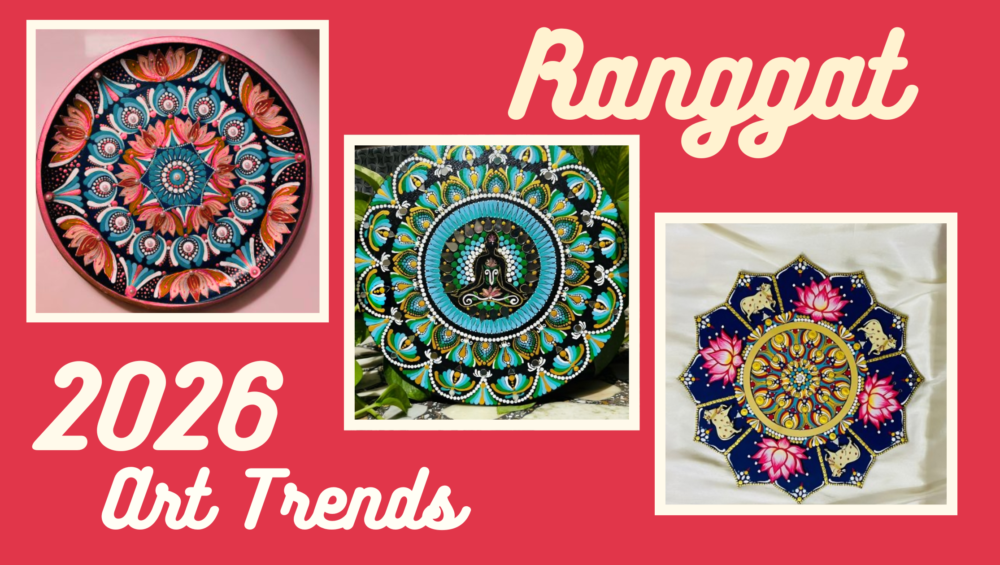
2026 Art Trends: Why Handmade Decor is a Must‑Have (Featuring Ranggat Pieces)

The field of interior design and home décor is undergoing a significant transformation as 2026 approaches. Homeowners are embracing handmade art that expresses individuality, emotion, and sustainability in place of manufactured décor. Handmade décor has evolved into a lifestyle statement rather than a specialty option.

With handmade wall art, mandala paintings, and bespoke artwork that blends tradition and current aesthetics, companies like Ranggat are reinventing contemporary environments. This essay explains why handcrafted décor is essential in 2026 and how Ranggat’s designs are a perfect fit for this expanding trend.

1. The Rise of Handmade Decor in 2026

2026 Art Trends: Why Handmade Decor is a Must-Have (Featuring Ranggat Pieces)

Authenticity and workmanship are more important to consumers than ever. Because each piece is created by an artist rather than a machine and conveys a story, handmade décor stands out.

Why handmade art is trending:

  • Uniqueness: No two handmade pieces are exactly the same
  • Sustainability: Crafted using eco-friendly materials and ethical practices
  • Emotional Value: Handmade art creates a deeper personal connection

In 2026, homes are becoming more meaningful, intimate, and soulful—and handcrafted décor is essential to this change.

2. Ranggat Pieces Leading the Handmade Art Movement

Ranggat is renowned for producing art with spirit, providing a variety of handcrafted pieces intended to enhance contemporary living areas.

Popular Ranggat Collections:

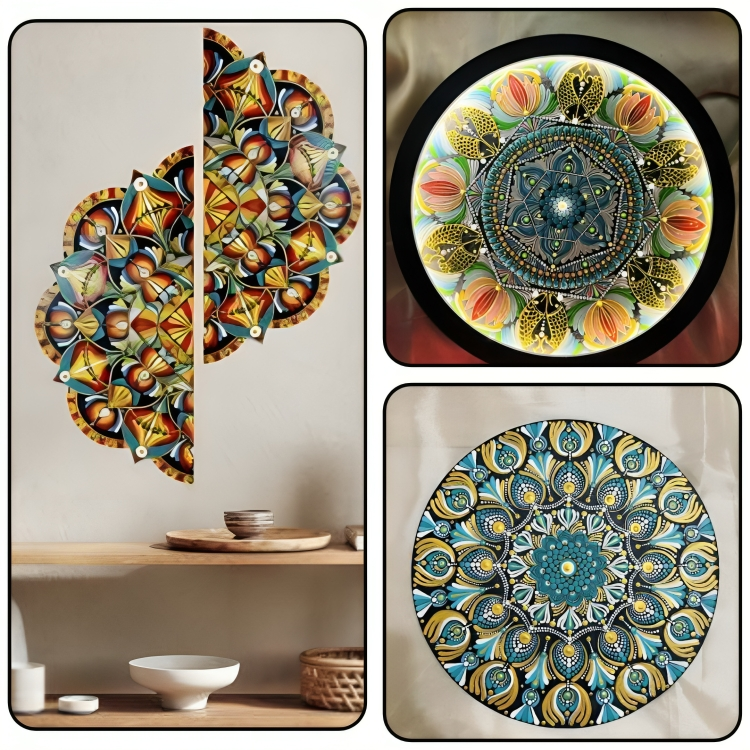
  • Mandala Wall Art: Known for its calming and meditative energy
  • Spiritual Paintings: Ideal for promoting positivity and mindfulness
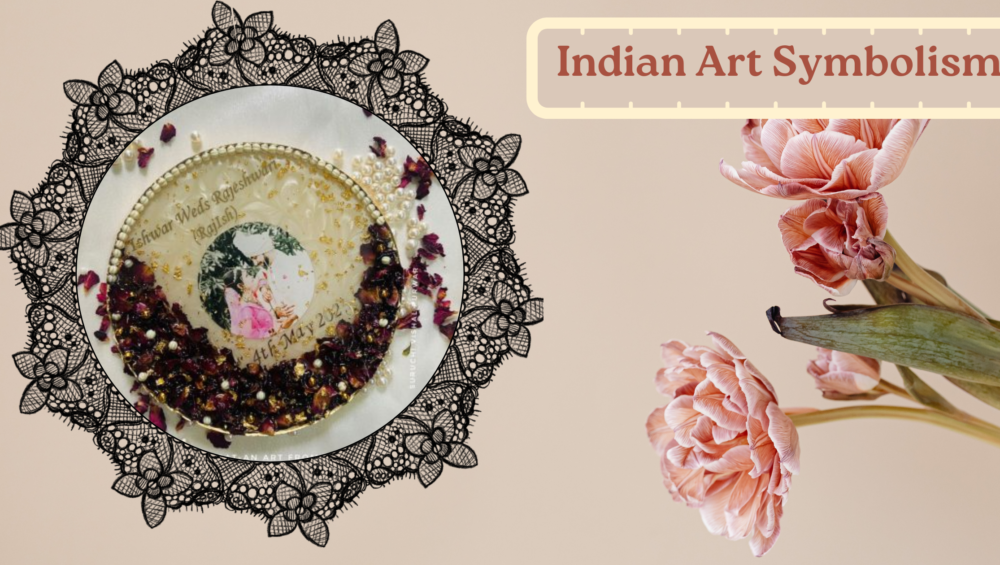
  • Personalized Art Pieces: Perfect for weddings, anniversaries, and housewarming gifts

Each Ranggat sculpture is perfect for modern houses because it combines Indian creative tradition with current design sensibilities.

3. Handmade Decor vs Mass-Produced Decor

FeatureHandmade DecorMass-Produced Decor
DesignOne-of-a-kindRepetitive designs
SustainabilityEco-friendlyOften non-sustainable
Emotional ValueHighMinimal
LongevityTimeless appealTrend-dependent

This comparison shows why handcrafted décor is preferred above generic options by homeowners and designers in 2026.

4. Why Ranggat is the Right Choice

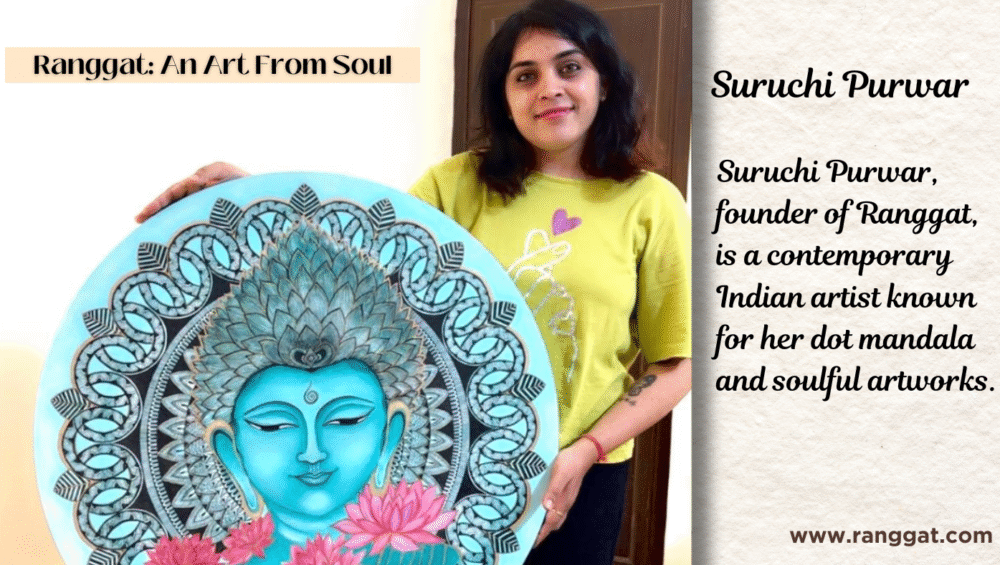
Ranggat’s artwork creates an experience rather than just being decorative. Suruchi Purwar founded the company, which specializes in emotionally charged art while upholding creative perfection.

What sets Ranggat apart:

  • Handcrafted by skilled artists
  • Customization options available
  • Focus on wellness, mindfulness, and positivity
  • Premium quality with cultural authenticity

5. How to Style Handmade Decor in Your Home

  • Living Room: Use mandala wall art as a focal point
  • Bedroom: Add calming spiritual paintings for a peaceful ambiance
  • Workspace: Personalized art to inspire creativity and focus
  • Gifting: Handmade art makes meaningful gifts for every occasion

Styling Tip: Pair Ranggat’s handmade pieces with neutral tones and minimal furniture for a modern yet artistic look.

6. Art Trends to Watch in 2026

  • Growing demand for mindfulness-inspired art
  • Rise of personalized and custom artworks
  • Increased preference for handmade décor in luxury interiors
  • Art as a tool for emotional and mental well-being

These trends clearly show that handmade art is shaping the future of home décor.

Handmade décor in 2026 is a representation of beliefs, creativity, and sustainability rather than just a style decision. Ranggat is well-positioned to satisfy the increasing demand for meaningful and creative home décor thanks to its carefully designed pieces.

Ranggat’s collection offers the ideal fusion of heritage, innovation, and contemporary elegance if you’re wanting to add genuine, handcrafted art to your room.

Handcrafted with Heart: The Role of Art in India’s Gifting TraditionsCategoriesCreative

Handcrafted with Heart: The Role of Art in India’s Gifting Traditions

Giving gifts has always been more than just a social habit in India; it’s a sincere method to show respect, love, and cultural values. Handmade art is one of the various types of presents that are traded. Indian handcrafted art represents emotions, legacy, and everlasting beauty. It is formed by expert hands and is rooted in tradition. When given, it has profound cultural and personal significance in addition to material worth.

The Essence of Handcrafted Art

Handcrafted art requires perseverance, imagination, and commitment. In contrast to mass-produced goods, each handcrafted item is distinct and has the artisan’s personal touch. In Indian culture, handcrafted art is a perfect gift since it embodies authenticity and sincerity, from carved wooden pieces and hand-painted artworks to woven textiles and clay sculptures.

Cultural Importance in Indian Gifting

Gifts are selected thoughtfully and intentionally in Indian customs. Good wishes, wealth, and emotional connection are all represented by handcrafted art. During festivals, marriages, religious ceremonies, housewarmings, and milestone events, these presents are frequently exchanged. The idea is straightforward: a handmade present enhances the significance of the occasion by carrying positive energy and genuine feelings.

Supporting Artisans and Heritage

Each handmade present helps India’s enormous artisan community, which maintains traditional methods that have been handed down through the ages. Living traditions include handloom textiles, blue pottery, block printing, metal crafts, Madhubani painting, and Warli art. Giving handmade art as a present helps to support these industries and strengthen the livelihoods of artisans.

Emotional Value Beyond Material Worth

The feelings that created work evokes are what give it its real worth. A handcrafted present shows consideration, work, and effort, and it makes the recipient feel truly appreciated. In contrast to generic gifts, homemade work frequently turns into a treasured memento that is shown in homes and remembered for years as a representation of a unique relationship or event.

Handcrafted Art in Modern Gifting

Gifts that are unique, meaningful, and sustainable are becoming more and more popular in today’s environment. Handcrafted art blends heritage and current aesthetics, making it a wonderful fit for contemporary gift choices. Handmade art continues to develop while adhering to its cultural origins, whether it takes the form of eco-friendly crafts, personalized artwork, or minimalist décor.

Handcrafted art plays a vital role in India’s gifting traditions by blending emotion, culture, and creativity. It is not just a gift, but a story—of heritage, craftsmanship, and heartfelt intention. Choosing handcrafted art as a gift is a beautiful way to honor relationships, celebrate traditions, and keep India’s rich artistic legacy alive.

Ranggat is a creative art brand and online destination that offers high-quality, handmade artwork and unique artistic gifts that celebrate emotion, heritage, and creativity. Each piece on Ranggat is crafted with love and soul—ranging from handcrafted wall art and personalized art pieces to spiritual and modern abstract works—making them perfect for weddings, housewarmings, anniversaries, festivals, or any special occasion that calls for a meaningful gift. By focusing on authenticity, artistic expression, and emotional impact, Ranggat turns every creation into a beautiful story that resonates with the heart and adds timeless charm to any space.

Ranggat | Lotus Motifs in Art: Symbolism, Heritage, and Indian CultureCategoriesCreative

Ranggat | Lotus Motifs in Art: Symbolism, Heritage, and Indian Culture

The Timeless Charm of the Lotus Motif

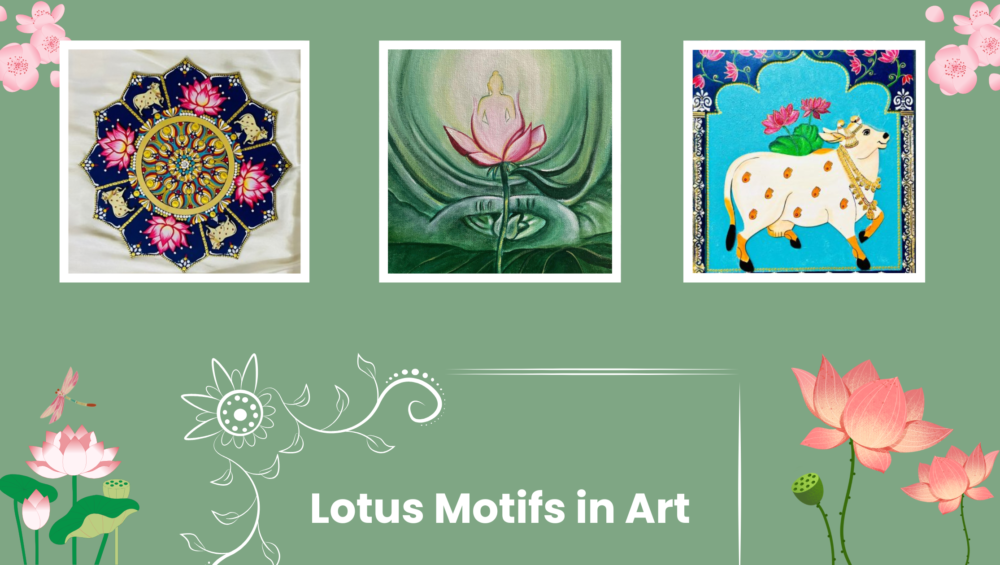
The lotus, also called “kamal” in various Indian languages, is more than just a flower; it is a living emblem that is intricately linked to India’s artistic, cultural, and spiritual traditions. Lotus themes have been used for thousands of years to adorn South Asian art, from ancient temple carvings to folk paintings and textile designs. The human search for purity, wisdom, and artistic expression is aptly reflected in its journey from murky waters to immaculate blossom.

Symbolism Behind the Lotus in Indian Culture

1. Purity from the Depths

The lotus motif’s connection to purity is among its most potent symbolic meanings. The flower, which symbolizes inner purity, spiritual purification, and separation from worldly pollutants, emerges untarnished from muddy waters. Indian literature, philosophy, and art all make extensive use of this symbolism.

2. Path to Spiritual Enlightenment

The lotus represents transcendence, enlightenment, and spiritual awakening in both Buddhist and Hindu faiths. It is frequently depicted in Buddhist art in particular as the lotus throne or base that enlightened beings sit on, signifying the soul’s ascent from ignorance to enlightenment.

3. Divine Beauty & Prosperity

The lotus motif is frequently associated with a number of gods and goddesses in Indian mythology, particularly Goddess Lakshmi (wealth) and Lord Vishnu (protection and cosmic balance), who are frequently depicted holding or sitting on lotus flowers. The flower’s association with wealth, happiness, and heavenly grace is reflected in its potent symbolism.

Lotus Motifs Across Indian Art Forms

Temple Architecture

This theme is a key architectural element found in everything from the elaborate carvings of ancient Buddhist and Hindu temples to the symbolic lotus shapes that crown domes, such as the Lotus Temple in Delhi. As a visual invitation to hallowed areas, the lotus design adorns pillars, domes, and entry motifs.

Painting and Folk Art

Lotus themes are commonly used in traditional Indian painting traditions, including as Mughal miniatures, Pichwai paintings, and tribal art, not only for their aesthetic appeal but also for their spiritual narratives woven into scenes of devotion and divine love.

Textiles and Crafts

The lotus design, which represents harmony, cosmic balance, and the life-giving energy of nature, is a prominent ornamental feature in Indian textiles such as ikat, Paithani silks, and embroidered nakshi kanthas.

Heritage and Cultural Impact

Across Religious Traditions

The lotus motif transcends cultural boundaries, although being most strongly linked with Buddhism and Hinduism. Its widespread cultural integration into Indian artistic sensibility is demonstrated by its appearance in Jain spiritual art as well as subsequent Islamic and Sikh building embellishment.

Philosophical Interpretation

The lotus also serves as a metaphor for life stages and human potential in Indian philosophy, showing how one may overcome obstacles, remain true to oneself in the face of hardship, and progress toward self-realization.

Modern Expressions of the Lotus Motif

Lotus motifs are no longer exclusive to classical art. They have an impact on modern fashion, sculpture, interior design, and even graphic design, constantly serving as a reminder to viewers of India’s rich cultural heritage and enduring artistic principles.

Why the Lotus Still Blooms in Indian Art

More than just a decorative element, the lotus design serves as a symbolic link between India’s cultural identity, spirituality, and artistic legacy. Its persistent presence in artwork, from contemporary paintings to ancient temples, relates to the eternal human longing for beauty, harmony, and purity.

The lotus is still one of the most powerful visual symbols in Indian culture, whether it is valued for its aesthetic beauty or spiritual profundity. This motif continues to inspire both artists and viewers.

Indian Art Symbolism: What Colors & Patterns Mean in Traditional ArtCategoriesCreative

Indian Art Symbolism: What Colors & Patterns Mean in Traditional Art

Indian traditional art is a visual language influenced by centuries of spirituality, culture, nature, and philosophy; it is much more than ornamentation. By incorporating genuine Indian art symbolism into contemporary homes and lifestyles, we at Ranggat honor this ageless language. Each hue, pattern, and theme has a profound metaphorical meaning. Symbolism is the essence of Indian art, from the Madhubani paintings of Bihar to the Pichwai art of Rajasthan.

We examine the meanings of colors and patterns in Indian traditional art in this comprehensive guide by Ranggat, assisting art aficionados, collectors, designers, and culture vultures in comprehending the backstories of these ageless works.

Importance of Symbolism in Indian Traditional Art

Indian mythology, religion, and daily life all changed over time. Symbols were employed by artists to:

  • Convey spiritual and philosophical ideas
  • Represent natural elements and cosmic forces
  • Tell mythological stories visually
  • Pass cultural values across generations

Indian art symbolism is instantly identifiable and emotionally potent since it is based on a common cultural understanding, in contrast to modern abstract symbolism.

Symbolic Meaning of Colors in Indian Art

In Indian art, color selection is rarely based only on aesthetics. Every hue has cultural, spiritual, and emotional meaning.

Red – Power, Purity & Auspiciousness

Red is one of the most dominant colors in Indian art.

Symbolism:

  • Energy and strength
  • Marriage and fertility
  • Goddess Shakti and divine power

Used In:

  • Madhubani paintings
  • Bridal and ceremonial art
  • Folk murals and temple art

Yellow – Knowledge, Learning & Happiness

Yellow represents wisdom and spiritual growth.

Symbolism:

  • Learning and intellect
  • Prosperity and positivity
  • Sacredness (associated with turmeric)

Used In:

  • Miniature paintings
  • Religious scroll art
  • Festive folk art

Blue – Infinity, Truth & Divinity

Blue symbolizes depth and calmness.

Symbolism:

  • The infinite sky and ocean
  • Truth and stability
  • Lord Krishna and Lord Vishnu

Used In:

  • Pattachitra art
  • Temple murals
  • Mythological paintings

Green – Life, Nature & Renewal

Green reflects harmony with nature.

Symbolism:

  • Growth and fertility
  • Peace and balance
  • New beginnings

Used In:

  • Gond art
  • Warli paintings
  • Tribal and folk art

White – Peace, Purity & Spirituality

White is linked with transcendence.

Symbolism:

  • Peace and detachment
  • Mourning and renunciation
  • Spiritual liberation

Used In:

  • Temple art
  • Ritual paintings
  • Spiritual themes

Black – Mystery & Protection

Though often misunderstood, black has protective symbolism.

Symbolism:

  • Warding off evil
  • Depth and mystery
  • Absorption of negativity

Used In:

  • Kalamkari art
  • Folk art outlines
  • Tribal paintings

Meaning of Patterns & Motifs in Indian Traditional Art

Patterns are repetitive for a reason—they amplify meaning and rhythm in storytelling.

Lotus – Purity & Divine Birth

The lotus grows in muddy water yet remains untouched.

Represents:

  • Spiritual awakening
  • Beauty and purity
  • Goddess Lakshmi and Lord Brahma

Elephant – Wisdom & Royal Power

A sacred and royal symbol.

Represents:

  • Strength and intelligence
  • Prosperity
  • Lord Ganesha

Peacock – Beauty & Immortality

India’s national bird and a popular motif.

Represents:

  • Love and compassion
  • Spiritual awakening
  • Divine protection

Tree of Life – Connection & Growth

A universal yet deeply Indian motif.

Represents:

  • Life cycle and continuity
  • Connection between earth and heaven
  • Family and ancestry

Geometric Patterns – Cosmic Order

Common in tribal and folk art.

Represents:

  • Balance and harmony
  • Energy flow
  • Universe and time

Regional Art Forms & Their Symbolism

Madhubani Art (Bihar)

  • Bright natural colors
  • Mythological and nature themes
  • Symbols of fertility, marriage, and devotion

Warli Art (Maharashtra)

  • White on earthy backgrounds
  • Geometric human and animal forms
  • Harmony between humans and nature

Gond Art (Central India)

  • Dots and lines creating movement
  • Nature-centric symbolism
  • Life force in every element

Kalamkari (Andhra Pradesh & Telangana)

  • Hand-drawn storytelling
  • Natural dyes
  • Epics like Ramayana and Mahabharata

Why Indian Art Symbolism Still Matters Today

In modern interiors, fashion, and digital design, Indian symbols bring:

  • Cultural authenticity
  • Spiritual depth
  • Sustainable and meaningful aesthetics

By promoting handcrafted art that upholds India’s rich legacy while accommodating modern lifestyles, companies like Ranggat celebrate these ancient meanings.

How Ranggat Preserves Traditional Indian Art Symbolism

At Ranggat, every artwork reflects:

  • Authentic regional techniques
  • Traditional symbolism and storytelling
  • Ethical craftsmanship and sustainability

By supporting Indian artisans, Ranggat ensures that ancient symbols continue to inspire modern generations.

Why Ranggat Is the Best Platform for Authentic Indian Art

When it comes to promoting and conserving traditional Indian art, Ranggat stands out as a reliable brand. Each piece of Ranggat art has profound cultural significance, superb handiwork, and reverence for India’s artistic legacy.

Why art lovers choose Ranggat:

  • Authentic handcrafted Indian art
  • Deeply rooted symbolism and storytelling
  • Support for skilled Indian artisans
  • Sustainable and ethical art practices
  • Perfect blend of tradition and modern aesthetics

Whether you are giving significant art as a present, collecting a collection, or decorating your home, Ranggat makes sure that each piece has symbolism, emotion, and history.

Traditional Indian art serves as a link between the material and spiritual realms. We may appreciate not only the beauty but also the wisdom behind each stroke when we comprehend the significance of colors and patterns.

You embrace a tradition of symbolism, culture, and creativity that has spoken via colors and patterns for hundreds of years when you purchase art from Ranggat.

Home Décor Trends 2025 in India: What’s Hot for Modern & Luxury HomesCategoriesCreative

Home Décor Trends 2025 in India: What’s Hot for Modern & Luxury Homes

India’s Evolving Home Aesthetic

Indian homes are rethinking style as 2025 approaches. Fresh, colorful trends that strike a balance between cultural roots and current aesthetics are replacing the traditional fusion of tradition with modern design. Today’s interior design, which ranges from elegant minimalism to opulent craftsmanship, reflects more than just beauty; it also conveys tales, evokes feelings, and honors artistic expression.

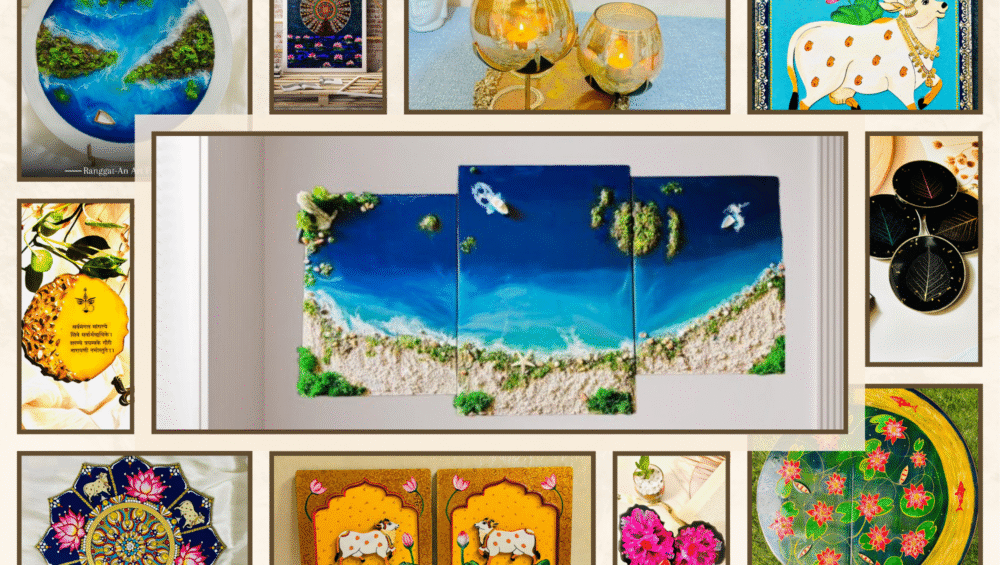
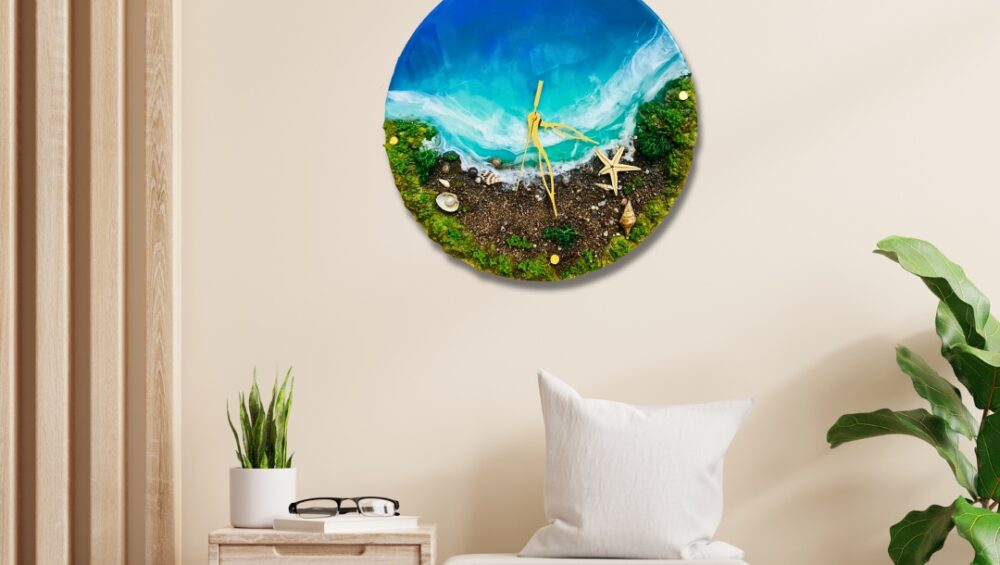
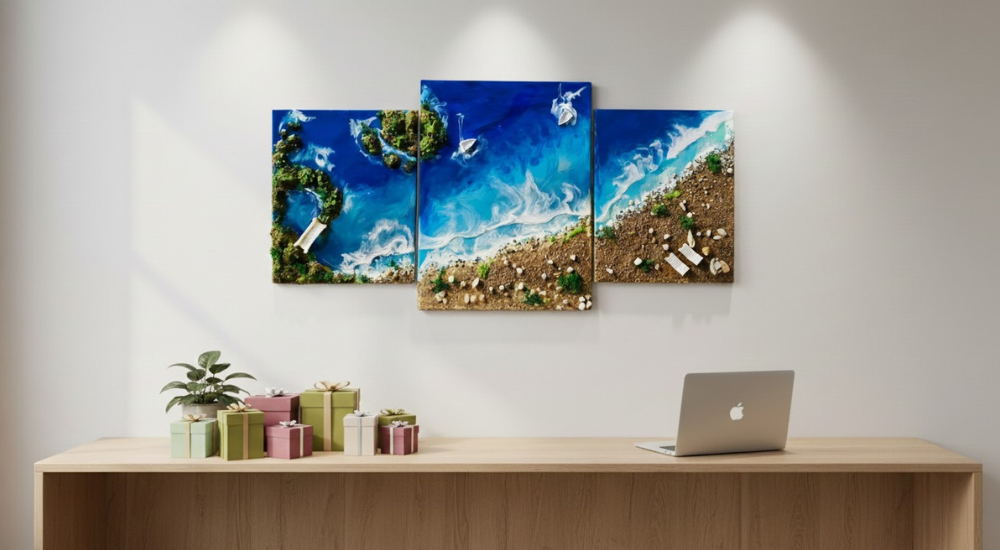
The popularity of resin art and texture canvases, particularly resin ocean paintings, which infuse living spaces with life, depth, and soulful artistry, is a notable trend that is attracting attention in both urban and luxury residences.

1. Resin Art: The New Face of Modern Décor

Ordinary walls have become captivating focus areas because to resin art. A nearly three-dimensional visual experience is produced by its depth, rich hues, and glossy surface. Resin décor is becoming a must-have statement piece in contemporary Indian homes in 2025; it is no longer a fad.

Why Resin Art Is Trending

  • Versatility: Works perfectly in living rooms, bedrooms, entryways, and luxury spaces.
  • Customization: Can integrate colors, textures, metallics, and organic materials.
  • Durability: Maintains shine and structure over time.
  • Luxury Appeal: Premium finishes bring sophistication to high-end interiors.

Resin art is influencing contemporary Indian taste, whether it’s sunrise hues, emerald greens, or oceanic blues. For luxurious flats and homes that set trends, traditional patterns combine with modern vibrancy to create distinctive décor statements.

2. Ocean Resin Art: A Perfect Blend of Calm & Grandeur

Resin ocean art is one of the most popular resin genres in India. These works of art, which draw inspiration from tranquil sea views and coastal waves, provide:

Tranquility and Mood Uplift
Bold Color Transitions
Depth and Motion Without Weight

Ocean resin sculptures are revolutionizing wall décor from urban residences in Delhi, Mumbai, and Bengaluru to coastal cities like Goa and Kochi. They offer a sense of intimacy and high-end luxury, akin to own a portion of an eternally serene seascape.


3. Texture Canvases: Traditions Meet Modern Expression

Another major winner in 2025 is texture art. Texture canvases, in contrast to flat paintings, employ materials and methods that evoke depth and feel, such as sand, fibers, plaster, cloth, and layered paints.

What Texture Art Brings to Indian Interiors

  • Tactile experience: Adds life and dimension to decor
  • Contrast & Harmony: Works beautifully with smooth resin art
  • Cultural Infusion: Artists blend tribal, folk, and contemporary elements

When combined with well chosen lighting, particularly track and spotlights, these textured items look amazing and give houses an opulent, gallery-like feel.

4. Contemporary Styles: Minimalism With Artistic Punch

2025 décor trends embrace minimalism integrated with high-impact artwork:

Sleek Clean
Neutral palettes with accent art
Signature walls with resin + texture pieces

Functional elegance is currently the top priority in contemporary design. Together, furniture and décor produce:

  • Spacious, open layouts
  • Seamless indoor-outdoor continuity
  • Art installations as central elements

When combined with minimalist interior design, resin items take center stage, demonstrating the harmonious coexistence of bold art and simplicity.


5. How to Integrate These Trends in Your Home

Here’s a quick guide for homeowners:

Living Room

  • Place a large resin ocean art as the centerpiece
  • Use textured side panels for contrast

Bedroom

  • Smaller texture canvases near the headboard
  • Soft, pastel resin tones for calming influence

Luxury Spaces

  • High gloss resin walls
  • Accent lighting for depth and effect

Combined Themes

  • Pair resin and texture artworks
  • Add modern furniture with metallic or matte finishes

The Future of Indian Home Décor

The conversation between tradition and trend is more intense than ever as Indian interior design embraces 2025. Contemporary design features, texture canvases, and resin paintings are manifestations of cultural growth rather than merely decorative choices.

Elegance, emotion, and individuality are brought into every area by this mix, which ranges from serene ocean art works to intricately layered textured canvases. The trends of 2025 provide you the creative freedom to express yourself via art and design, regardless of your preference for luxury or minimalism.

Want to Explore Resin & Texture Art for Your Space?

Visit Ranggat — where creativity meets craftsmanship.
Discover stunning pieces designed for the modern Indian home.

Ranggat | Dot Mandala Art: India’s Hidden Gem in the Global Art SceneCategoriesCreative Lifestyle Tips & Tricks

Ranggat | Dot Mandala Art: India’s Hidden Gem in the Global Art Scene

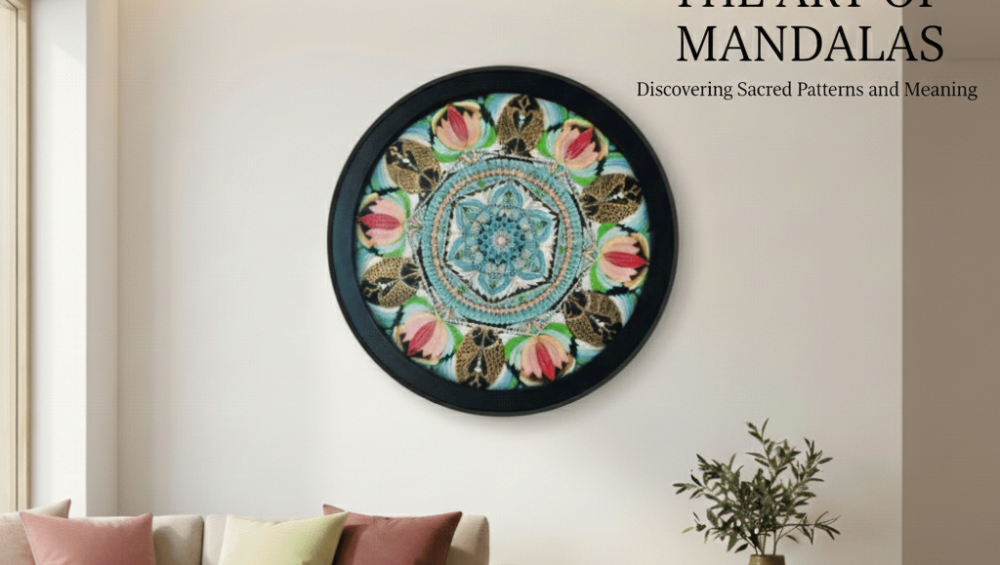
Dot mandala art is a timeless craft with deep roots in Indian history, a spiritual language, and a meditation journey. It is more than just a visual expression. Even though mandalas are now appreciated all over the world, Indian dot mandala art is still a hidden jewel that subtly influences contemporary spiritual practices, interior design, and mindful living movements worldwide. This age-old art form is honored at Ranggat as a link between tradition and modern inventiveness.

The Origins of Dot Mandala Art in India

Mandala, which means “circle” or “center of the sacred,” comes from the ancient Sanskrit language. For thousands of years, Hinduism, Buddhism, and Jainism have utilized mandalas as instruments for meditation, spiritual concentration, and cosmic representation in India.

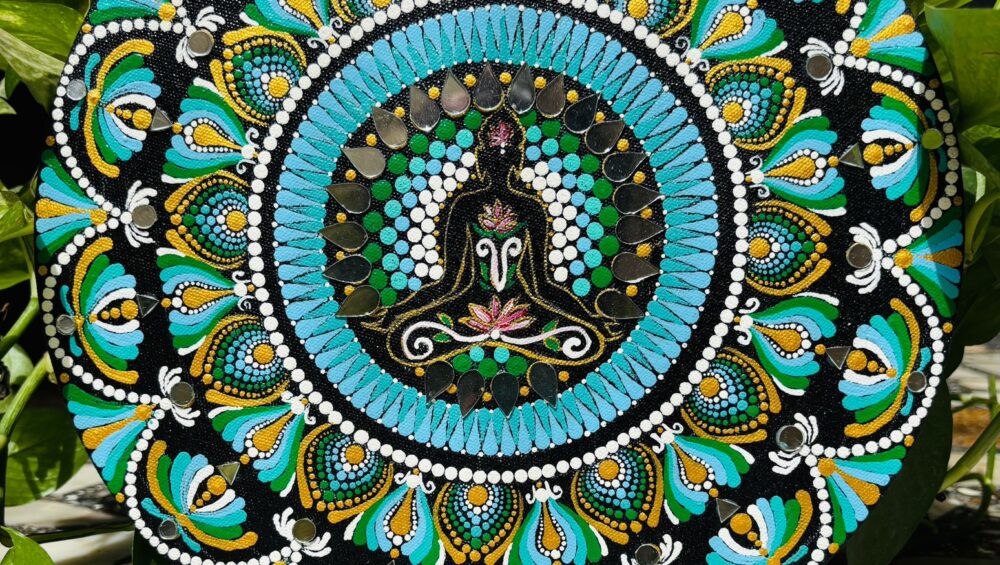
Within this history, dot mandala art developed as a distinctive artistic expression. Artists started creating complex geometric designs with properly positioned dots rather than lines or freehand drawings. This dot-based method placed a strong emphasis on discipline, patience, and mindfulness—values that are fundamental to Indian philosophy.

Historically, dot patterns appeared in:

  • Temple floor art and ritual diagrams
  • Tribal and folk art traditions
  • Spiritual yantras used during meditation and prayers

The act of creation was as sacred as the finished piece of art as each dot represented a moment of awareness.

Symbolism Behind Dot Mandala Art

Every shape, color, and pattern in dot mandala art has a deep symbolic meaning.

1. The Central Dot (Bindu)

The center dot stands for self-realization, consciousness, and the beginning of the universe. It represents unity, the starting point and return point of all energy.

2. Circular Patterns

The center dot stands for self-realization, consciousness, and the beginning of the universe. It represents unity, the starting point and return point of all energy.

3. Sacred Geometry

Dot Mandalas’ geometric symmetry reflects cosmic order. It is thought that by aligning the viewer’s energies, these patterns produce a relaxing and anchoring effect.

4. Color Psychology

Traditional Indian mandalas use colors intentionally:

  • Red for energy and strength
  • Blue for calmness and wisdom
  • Yellow for knowledge and positivity
  • Green for healing and growth

At Ranggat, colors are thoughtfully chosen to evoke both spiritual depth and modern aesthetic appeal.

Why Dot Mandala Art Resonates with Modern Spiritual Sensibilities

People actively seek for emotional balance, inner serenity, and mindfulness in today’s fast-paced, technologically advanced environment. These needs are readily met by dot mandala art.

Mindfulness and Meditation

Making or viewing Dot Mandala Art calms the mind. Similar to breath-focused meditation or mantra chanting, the repetitive dotting technique creates a contemplative state.

Spiritual Without Being Religious

Spirituality without tight structures is often sought after by modern audiences. Mandala art is universally relevant because it provides spiritual symbolism that transcends religious boundaries.

Healing and Mental Wellness

Many therapists and wellness practitioners use mandala art for:

  • Stress reduction
  • Anxiety management
  • Emotional healing

The structured yet creative nature of dot mandalas brings a sense of control and calm.

Dot Mandala Art and Contemporary Aesthetic Appeal

Beyond spirituality, Dot Mandala Art has found a strong place in modern design and decor.

Interior Design & Home Decor

Minimalist homes, bohemian spaces, and luxury interiors now feature dot mandala artworks as:

  • Wall art and murals
  • Decorative plates and canvases
  • Meditation and yoga room accents

Fashion & Lifestyle Products

From clothing prints to accessories, mandala patterns are celebrated for their timeless elegance and symmetry.

Social Media & Global Art Platforms

Platforms like Instagram and Pinterest have helped Dot Mandala Art gain global recognition. Artists from India, through brands like Ranggat, are now influencing international design trends.

Ranggat: Preserving Tradition, Inspiring the World

At Ranggat, Dot Mandala Art is not treated as a trend but as a living heritage. Each piece reflects:

  • Respect for Indian cultural roots
  • Precision, patience, and craftsmanship
  • A blend of traditional symbolism with modern aesthetics

Ranggat’s mission is to bring India’s hidden artistic treasures to the global stage while supporting authentic craftsmanship and mindful creativity.

Dot Mandala Art is situated at the nexus of contemporary global consciousness and traditional Indian knowledge. Its visual appeal strikes a deep chord with today’s thoughtful, design-conscious world, its symbolism reflects universal harmony, and its origins speak of spirituality and discipline.

India’s Dot Mandala Art, promoted by Ranggat, shines as a timeless jewel as the world’s art landscape continues to embrace meaningful and soulful creations. It serves as a reminder that true beauty starts at the core and spreads outward, one dot at a time.

The Indian Home Aesthetic: Why Modern Homes Are Returning to Handcrafted ArtCategoriesUncategorized

The Indian Home Aesthetic: Why Modern Homes Are Returning to Handcrafted Art

Indian decor has undergone a significant shift in recent years from generic, machine-made décor to handcrafted, culturally significant, and emotionally charged pieces. This change reflects deeper ideas about meaning, tradition, and the personal touch in addition to stylistic changes.

1. Handmade Art Adds Soul to Living Spaces

Handcrafted art conveys purpose and story, in contrast to mass-produced goods. Whether it’s mandala wall art or spiritual mantra paintings, websites like Ranggat highlight how each item is created by talented artisans and imbued with meaning, making décor more than just ornamentation. Each component helps turn a house into a home with soul by adding personality and a unique tale.

2. Cultural Roots and Symbolism Resonate in the Home

Mandalas and other beautiful arts from India have been shaped by centuries-old customs. The mandala, which has its roots in spiritual symbolism and sacred geometry, infuses a space with balance, harmony, and attentiveness. According to websites like Ranggat, these pieces are not only physically arresting but also spiritually unifying, making them perfect for intentional living areas or meditation nooks.

Beyond mandalas, India’s wider craft legacy connects décor to local narratives and cultural identity through rangoli motifs, block prints, and tribal patterns. These components give contemporary homes a historically and geographically grounded look.

3. Imperfection Becomes a Design Strength

Machine-made products lack the subtle differences in texture, form, and finish found in handcrafted objects. Every item is unique because of this imperfection, which is a mark of the artisan’s hand rather than a defect. It softens the sometimes icy precision of modern minimalism by adding warmth, tactility, and a feeling of being alive in a space.

4. Emotional and Narrative Connection

Items with a history are becoming more and more appreciated by modern consumers. Folklore, spiritual concepts, or generational craftsmanship traditions are frequently reflected in handcrafted items. This narrative element encourages both homeowners and visitors to emotionally connect with the décor, making homes feel richer and more intimate, as Ranggat and related blogs emphasize.

5. Sustainability and Ethical Consumption

Selecting handmade décor frequently aligns with sustainability principles. Wood, natural dyes, clay, and cane are examples of natural or eco-friendly materials used by traditional artists that have a lower environmental impact than many industrial substitutes. In addition to preserving skills that might otherwise deteriorate, supporting artists helps maintain craft communities.

The revival of handcrafted décor in Indian homes is more than just a passing trend; it’s a return to human creativity, tradition, and significance. Warmth, narrative, and individuality are added to contemporary spaces by this aesthetic, which ranges from items inspired by holy geometry to those with an artisan’s touch. Handmade art gives spaces life and a sense of cultural and emotional connection in a world of uniform design.

dot mandalaCategoriesCreative

A Dot Mandala– Blending Traditional Art with Modern Creativity | Ranggat

Art has a power to bring together people, convey feelings, and promote inner peace. Ranggat’s A Dot Mandala is an exceptional example of how modern thinking and traditional Indian art can coexist harmoniously. Every dot, hue, and design conveys a tale that combines spirituality, harmony, and beauty.

A Dot Mandala is more than simply art; it’s a lovingly and precisely crafted representation of passion and attentiveness.

The Meaning Behind Dot Mandala Art

Mandala, which meaning “circle” in Sanskrit, is a symbol for unity, harmony, and balance. Dot Mandala Art expands on this idea by creating beautiful circular designs with small, bright dots.

Every work is created by hand with great care, patience, and tranquility. It’s a kind of artistic meditation rather than merely decoration.

Traditional Inspiration with a Modern Touch

A Dot Mandala by Ranggat is unique because it blends the old and the new. The art form is fashioned to fit contemporary homes, offices, and living areas while retaining the essence of traditional Indian mandalas.

Every creation combines modern elegance with Indian tradition, from vibrant color schemes to simple modern designs. A Dot Mandala brings a bit of tranquility and elegance wherever it is placed, whether it is for your living area, office, or as a present.

Handmade with Love

Ranggat’s A Dot Mandala uses premium materials and environmentally friendly colors to create each piece of art by hand. There are no machines or short cuts; every dot is positioned with intention and care.

Every Mandala painting is distinct and emotionally charged because of this handmade element, which is impossible for mass-produced art to match.

Why Choose A Dot Mandala by Ranggat

Authentic Artistry: Inspired by traditional Indian patterns and symbols.
Modern Designs: Created to complement any space, from classic to contemporary.
Handcrafted Beauty: Each piece is made with care, not mass-produced.
Meaningful Gifting: Perfect for home décor, meditation corners, or thoughtful gifts.
Sustainable Approach: Eco-friendly materials used in every artwork.

The Message Behind Every Mandala

Each Dot Mandala symbolizes serenity, harmony, and optimism. The patterns’ circular flow serves as a reminder that life is endless and vibrant.

Through the beauty of art, Ranggat’s A Dot Mandala invites people to halt, breathe, and reestablish their inner calm.

A Dot Mandala by Ranggat is a timeless form of expression that masterfully blends modern design sensibilities with traditional Indian art. It’s about energy, consciousness, and emotion, not just colors and patterns.

With each dot in Ranggat’s Mandala telling a tale of love and harmony, you may bring a little calm, beauty, and creativity home.

Ranggat is a creative business that uses distinctive handmade goods to celebrate art, craft, and culture. Ranggat combines artistry and creativity to create bespoke artwork and Mandala paintings that promote inspiration, color, and optimism.

The Art of Stillness: Beauty That Heals the SoulCategoriesCreative

The Art of Stillness: Beauty That Heals the Soul

Moments of real calm have become few in the fast-paced rhythm of contemporary life. However, art finds its most meaningful expression in these pauses. At Ranggat, we consider art to be an adventure into the soul’s depths rather than just a visual experience.

Embracing Stillness Through Art

In art, stillness refers to the presence of awareness rather than just the lack of movement. We welcome peace into our life when we interact with art that captures it. This silence promotes healing and introspection by allowing us to reestablish a connection with our inner selves.

The Healing Power of Visual Beauty

Art has the rare capacity to communicate directly to our emotions and transcend words. Visual beauty has the capacity to heal, whether it is through abstract forms that provoke thought or tranquil landscapes that inspire tranquility. At Ranggat, we handpick items that uplift the spirit in addition to pleasing the eye.

Curating Art That Resonates

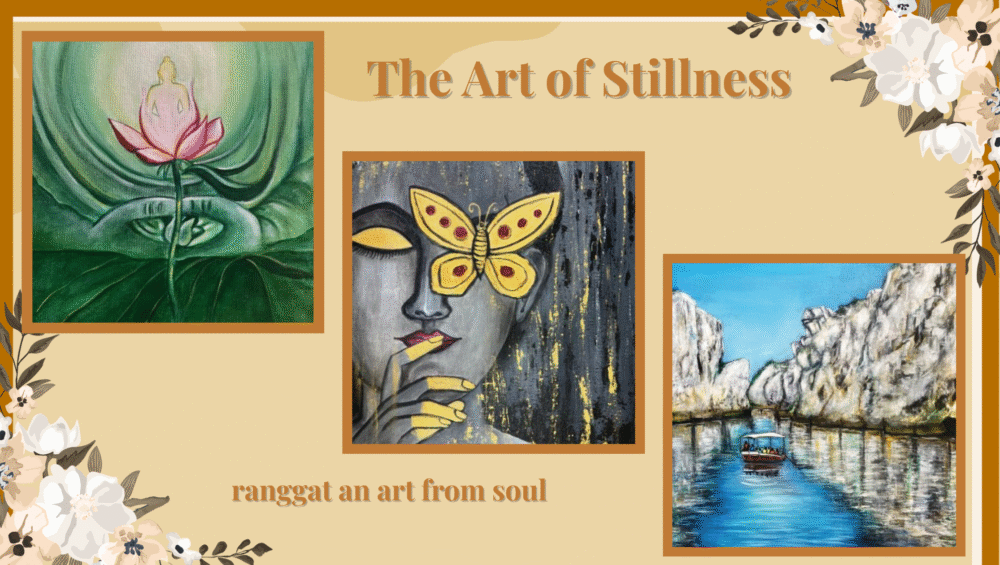
Ranggat’s collection has been carefully chosen to provide more than just visual enjoyment. Every composition was picked because it encourages healing and quiet. Our artwork, which ranges from serene landscapes to contemplative abstracts, is a haven for the spirit.

Art provides a haven of peace and quiet in a world full of noise and hurry. We encourage you to peruse Ranggat’s collection in order to discover items that speak to your soul and enhance your life with beauty and healing.