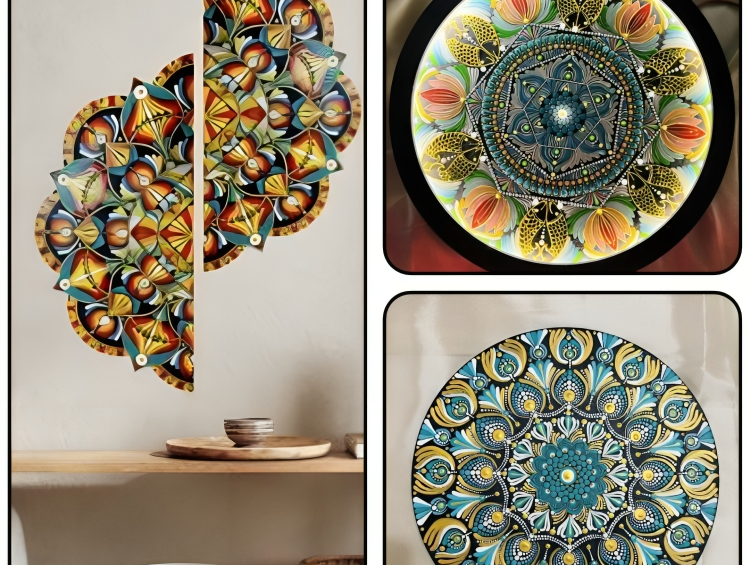
Home Décor Trends 2025 in India: What’s Hot for Modern & Luxury HomesCategoriesCreative

Ranggat | Choosing Art That Brings You Back to Yourself

In a world that moves quickly and demands constant attention, the spaces we return to matter more than ever. Our homes are not just places to rest—they are environments that shape how we feel, think, and reconnect with ourselves. One of the most powerful yet often overlooked elements of these spaces is art.

Choosing art that brings you back to yourself isn’t about following trends or filling empty walls. It’s about creating a visual and emotional anchor—something that grounds you, slows you down, and quietly reminds you who you are.

Why the Art You Live With Matters

Art is not passive. The images, colors, textures, and forms we live with influence our mood and nervous system every day. Unlike art viewed briefly in a gallery, the art in your home becomes part of your daily rhythm. You see it in the morning light, in moments of pause, and at the end of long days.

When chosen with intention, art can:

  • Create a sense of calm and emotional safety
  • Help you feel present in your space
  • Reflect personal values, memories, and identity
  • Reduce visual noise and mental clutter

Grounding art doesn’t demand attention—it offers quiet companionship.

What Does “Grounding Art” Really Mean?

Grounding art is art that reconnects you to your inner state rather than pulling you outward. It doesn’t overwhelm or distract. Instead, it invites stillness.

This kind of art often shares a few qualities:

  • Emotional resonance: It makes you feel something familiar or deeply personal
  • Visual balance: Colors and forms that feel steady rather than chaotic
  • Timelessness: It doesn’t rely on trends or novelty
  • Sensory calm: Materials and textures that feel natural and human

Grounding art doesn’t need to be minimal, abstract, or neutral—but it does need to feel honest.

How to Choose Art That Brings You Back to Yourself

Look for Emotional Connection, Not Approval

If you’re choosing art based on what looks impressive or “correct,” you may end up with something that feels distant. Instead, notice what draws you in emotionally. Ask yourself:

  • Does this make me feel calmer?
  • Does it remind me of a place, moment, or feeling?
  • Would I still love this if no one else saw it?

Art that grounds you doesn’t need explanation.

Choose Art That Slows You Down

The best grounding art often reveals itself slowly. It may be subtle, layered, or quiet. Over time, you notice more within it—movement, depth, or texture. This kind of art mirrors the act of slowing down, inviting presence rather than stimulation.

Let Personal History Guide Your Choices

Art can hold memory. A color palette that reminds you of home, a form that echoes nature you grew up with, or a composition that feels familiar—these are powerful cues for grounding. Trust your own story more than external influence.

Where Grounding Art Belongs in Your Home

Placement matters as much as selection. Grounding art works best where you naturally pause.

  • Living room: Art that anchors shared space and sets an emotional tone
  • Bedroom: Pieces that calm the mind and encourage rest
  • Workspace: Art that reduces stress and supports focus
  • Entryway: A visual reminder to arrive fully when you come home

Avoid overcrowding. One meaningful piece is often more grounding than many decorative ones.

Living With Art as a Daily Practice

Choosing grounding art is not a one-time decision—it’s an ongoing relationship. As you change, the art you connect with may change too. Allow your space to evolve with you.

Living intentionally with art means:

  • Not rushing to fill walls
  • Allowing space for reflection
  • Choosing quality and meaning over quantity
  • Letting art support your emotional well-being

At ranggat, we believe art should feel lived with—not displayed for validation.

Creating a Home That Holds You

The most grounding spaces are the ones that feel like they understand you. Art plays a quiet but essential role in this. When you choose pieces that bring you back to yourself, your home becomes more than a place—it becomes a refuge.

a noisy world, grounding art offers stillness.
In a fast life, it offers pause.
In moments of uncertainty, it offers return.

Choosing art with intention is choosing to come home—to your space, and to yourself.
Mandala Art Therapy: Reduce Stress Through Creative PatternsCategoriesTips & Tricks

Dot Mandala Painting Techniques: Tips and Tricks

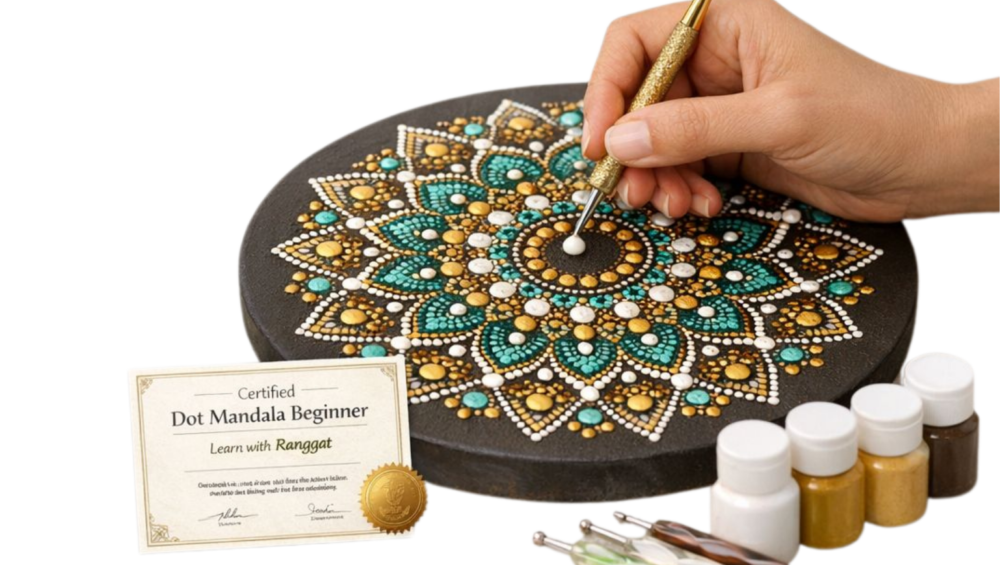
Dot mandala art, which combines creativity, mindfulness, and eye-catching visual appeal, has swept the creative world. Gaining proficiency in dot mandala techniques can lead to a whole new level of artistic fulfillment, regardless of your level of experience. We’ll go over key pointers, methods, and strategies in this post to assist you in producing beautiful dot mandala paintings.

What is a Dot Mandala?

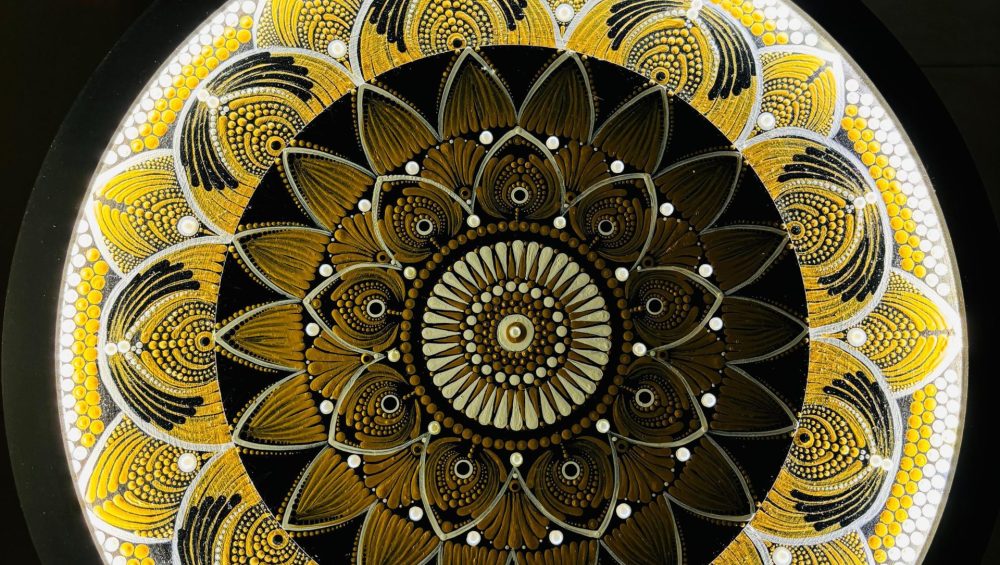
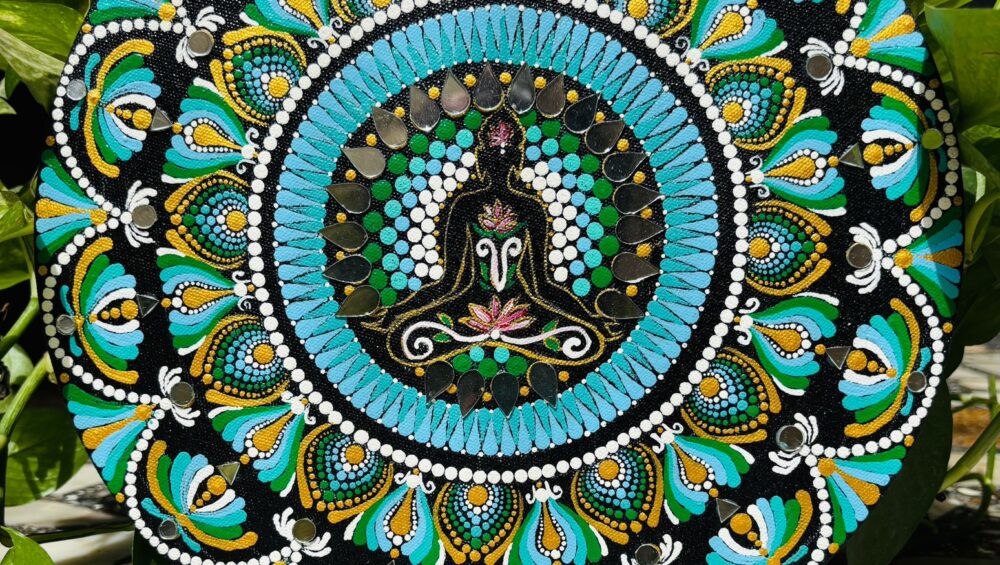
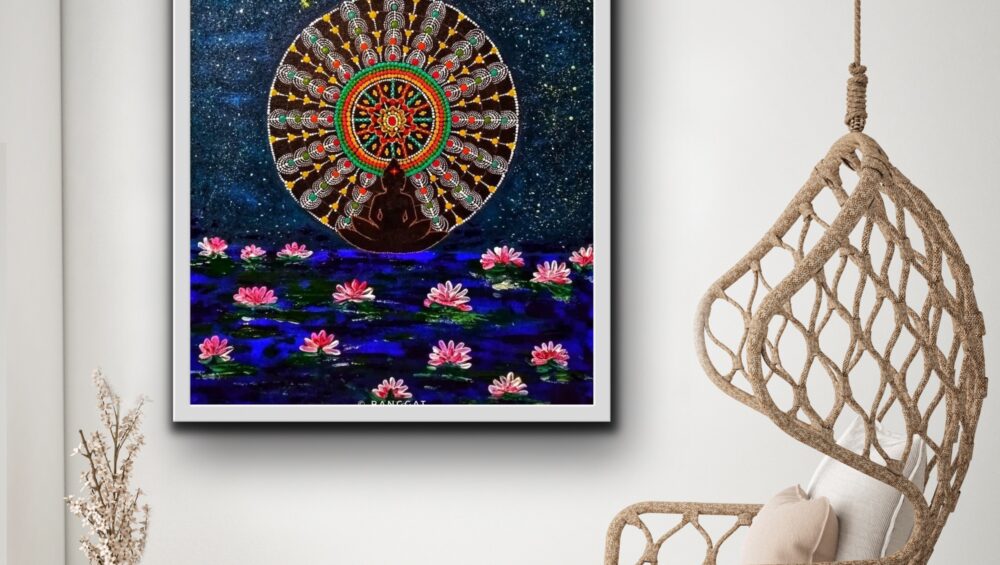
Dots of different sizes and colors are arranged in complex patterns to produce a dot mandala, a type of circular art. Dot mandalas, in contrast to traditional mandalas, are constructed with styluses, brushes, or even commonplace objects like cotton swabs or toothpicks. Every dot is deliberately placed to create symmetrical and captivating patterns.

Dot mandalas are calming in addition to being aesthetically beautiful. Dotting is a repetitive activity that can encourage mindfulness and relaxation.

Essential Tools for Dot Mandala Painting

Before diving into techniques, it’s important to have the right tools:

  • Dotting tools: Available in different sizes for creating varied dots.
  • Acrylic paints: Vibrant, quick-drying, and easy to layer.
  • Canvas, rocks, or wood: Surfaces suitable for dot painting.
  • Compass and pencil: To sketch your circular guide before dotting.
  • Toothpicks, Q-tips, or stylus substitutes: Great for smaller or more intricate dots.

Techniques to Master Dot Mandala Art

1. Start with a Base Design

  • Lightly sketch a circle or basic mandala structure on your canvas.
  • Use radial symmetry: divide your circle into even sections to guide dot placement.

2. Layering Colors

  • Start with the largest dots at the center.
  • Gradually move outward, reducing dot size for a detailed look.
  • Layer contrasting colors to make patterns pop.

3. Vary Dot Sizes

  • Use different tools or tip sizes to create depth and dimension.
  • Large dots create bold patterns, while small dots add intricate detailing.

4. Create Patterns

  • Combine concentric circles, spirals, and geometric shapes.
  • Alternate colors and dot sizes for rhythm and flow.

5. Use Symmetry

  • Dot mandalas rely heavily on symmetry for balance.
  • Check your work from different angles to ensure even spacing.

6. Mind the Spacing

  • Consistent spacing between dots is key to a clean design.
  • For beginners, lightly mark dot placements with a pencil before painting.

7. Practice Patience

  • Dot mandala painting is meditative but requires patience.
  • Work slowly, one dot at a time, focusing on precision rather than speed.

Advanced Tips and Tricks

  • Blending Colors: Mix paints slightly before dotting to create gradient effects.
  • Textured Dots: Use different tools like brushes or cotton buds for unique textures.
  • Experiment with Surfaces: Wood, stones, and even glass can give your dot mandalas a fresh look.
  • Varnish for Shine: Once dry, add a clear varnish to protect and enhance colors.

Benefits of Dot Mandala Painting

  • Boosts focus and concentration.
  • Promotes stress relief and mindfulness.
  • Encourages creativity and color experimentation.
  • Produces visually stunning pieces suitable for home decor or gifts.

Painting dot mandalas is a creative and conscious journey rather than only a pastime. You may improve your artwork from basic dots to complex, captivating mandalas by using these methods and strategies. Recall that experimentation, symmetry, and patience are crucial. You’re getting closer to producing something genuinely original with every dot you add.

READ ALSO | Dot Mandala Art Therapy: Reduce Stress Through Creative Patterns

Exquisite Dot Mandala Frames: Handcrafted Wall Art for Home & Office DecorCategoriesCreative

Dot Mandala Art Therapy: Reduce Stress Through Creative Patterns

Dot Mandala art therapy is a creative and therapeutic approach that use symmetrical, circular designs, or mandalas, to enhance focus, lower stress levels, and support mental health. The word “Dot mandala” is derived from the Sanskrit word “circular,” which denotes balance and wholeness. Drawing, coloring, or painting on a mandala allows people to explore their emotions and quiet their minds by combining artistic expression with attentive focus.

How Dot Mandala Art Reduces Stress and Anxiety

1. Encourages Mindfulness and Present‑Moment Awareness


When you work on a Dot mandala, your attention turns to the patterns, shapes, and colors in front of you. This focus naturally shifts your awareness away from stressors and brings you into the present moment — a core element of mindfulness practice. The repetitive activity of coloring or drawing induces a meditative state similar to focused breathing or relaxation exercises.

2. Promotes Relaxation and the “Relaxation Response”

Researchers describe a relaxation response — a physiological shift that lowers stress hormone levels, reduces muscle tension, and slows heart rate — similar to what happens during meditation or deep breathing. Dot Mandala creation encourages this response through focused, rhythmic movements, helping calm the nervous system.

3. Lowers Anxiety and Emotional Tension


Studies show that coloring or creating Dot mandalas can reduce anxiety more effectively than free‑form drawing — likely because the structured design provides just enough guidance to settle anxious thoughts and reduce distraction.

4. Helps with Emotional Regulation and Self‑Expression


Dot Mandalas are not just patterns — they can reflect inner emotional states. As individuals choose colors and shapes, they often express feelings that words can’t capture. This non‑verbal expression can help process complex emotions, offering insight and relief.

Psychological and Cognitive Benefits

• Enhanced Focus and Concentration


Working on detailed Dot mandala patterns requires attention to detail and steady engagement. Over time, this improves concentration and mental discipline — which can make coping with daily tasks less stressful.

• Supports Emotional Healing and Integration


Carl Jung, a pioneer in psychology, viewed Dot mandala creation as a window into the unconscious mind. He used it to help clients explore their inner world, integrate various parts of the self, and achieve psychological balance.

• Facilitates a Calming Ritual


Even short sessions — as little as 5–10 minutes of Dot mandala coloring — can provide a “pattern interrupt” that breaks cycles of rumination and stress. Integrating mandala practice into a daily routine can support long‑term emotional balance.

Practical Ways to Practice Dot Mandala Art Therapy

Here are some ways to use Dot mandalas for stress relief and creativity:

  • Color pre‑drawn Dot mandala templates — ideal for beginners or when you need a quick calming activity.
  • Draw your own Dot mandalas — create from scratch using a compass or simple circular patterns.
  • Use different mediums — colored pencils, markers, paints, or even digital tools.
  • Set a calm environment — soft music, quiet space, and mindful breathing enhance the therapeutic effect.
  • Reflect afterward — notice how you feel; writing brief thoughts can deepen self‑awareness.

Dot Mandala art therapy is a lovely way to combine mindfulness and creativity. Dot Mandalas help lower stress and enhance emotional well-being by focusing the mind, relaxing the nervous system, and providing an expressive outlet for emotions. Mandala art offers a straightforward yet profound practice with roots in both psychology and tradition, whether you’re looking for stress relief, an increase in focus, or a route to self-discovery.

Ranggat: Why Sacred Art Was Never Meant to Be LoudCategoriesCreative

Ranggat: Why Sacred Art Was Never Meant to Be Loud

Sacred art has always spoken in a quiet voice. It does not try to impress or demand attention. Instead, it invites us to slow down, look closely, and feel something deeper. Ranggat represents this gentle spirit — art that carries meaning through silence, balance, and care.

Across cultures, sacred art was created for reflection, not display. It was meant to be experienced slowly, often in peaceful places like temples, churches, or natural spaces. Its purpose was never to be loud, but to guide the heart inward.

The Beauty of Quiet Expression

Sacred art often uses soft colors, simple forms, and careful details. These choices are intentional. They help create a sense of calm and focus. A small symbol, a delicate carving, or a single line of calligraphy can hold deep meaning without needing explanation.

This quiet approach allows the viewer to connect personally with the art. There is no pressure to understand everything at once. The art waits patiently, offering its message when the viewer is ready.

Why Loudness Does Not Belong

Loud art seeks attention. Sacred art seeks presence. When something is too bold or overwhelming, it can distract the mind. Sacred art does the opposite — it clears space for thought, prayer, and stillness.

In many traditions, silence is seen as powerful. Sacred art respects this silence. It works alongside it, not against it.

Sacred Art in the Modern World

Today, we live in a fast and noisy world. Images flash by quickly, and everything competes for attention. Sacred art feels different because it asks us to pause. It reminds us that not everything meaningful needs to be seen or heard immediately.

Ranggat teaches us that quiet art can still be strong. Its power lies in how it makes us feel — calm, grounded, and connected.

A Gentle Reminder

Sacred art was never meant to shout. It was meant to whisper. Through simplicity and silence, it carries wisdom that lasts. In listening to its quiet voice, we may also learn how to listen to ourselves.

dot mandalaCategoriesCreative Lifestyle Tips & Tricks Uncategorized

Ranggat | Decoding the Forgotten Language of Dots, Circles, and Silence

We have forgotten how to listen to what does not speak out loud in a world full with words, pictures, and incessant noise. Humans used simple, intentional, and deep markings to communicate long before alphabets, scripts, and displays. Circles and dots. Quiet. Subtle but potent, this old visual language is still present on the periphery of our consciousness, just waiting to be recalled.

The Dot: The Beginning of Meaning

Despite being the smallest mark, the dot has a great deal of weight. It has represented origin, presence, and consciousness in many civilizations. The center of existence, where everything originates, is represented by a dot in many indigenous traditions. Before creation, it is the breath and the seed.

According to Indian philosophy, the bindu is the place where form, space, and time all vanish into pure potential. Dots map ancestry, geography, and stories to create complete cosmologies in Aboriginal art. A single dot is a statement that something is present and is never only decorative.

The Circle: Wholeness Without Words

The circle represents continuity if the dot represents the start. The circle, which has no beginning or end, represents cycles, including life, death, rebirth, seasons, and breath. In order to coordinate with the universe rather than to explain it, ancient tribes created circles in sand, carved them into stone, and erected monuments around them.

Mandalas, medicine wheels, halos, and ceremonial areas all have circles. They link, confine, and safeguard. Circles imply return, whereas straight lines imply direction and advancement. They serve as a reminder that finding meaning sometimes involves returning to oneself, the natural world, and quiet.

Silence: The Space Between Symbols

Silence may be the most overlooked language of all. It’s presence without sound, not absence. Symbols may breathe when there is silence. A dot is invisible in the absence of silence, while a circle turns into noise in the absence of stillness.

Why We Forgot

Certainty, explanation, and speed are important in today’s world. We are taught to inquire about the meaning of this. rather than how this makes me feel. It is difficult to convert the language of dots and circles into words. It calls for presence, patience, and intuition—skills we have overlooked.

Technology lowered our perception while amplifying our voices. Symbols evolved into aesthetics. Absence replaced silence. The sacred turned into a decorative element.

Remembering the Language

Remembering this lost language means balancing words rather than giving them up. It is to acknowledge that meaning can exist even in the absence of explanation. A moment of stillness, a circle sketched in dust, or a dot on a canvas are not incomplete messages. They are comprehensive encounters.

Mindful observation, meditation, and art are ways to return to this language. The symbols start to speak again when we slow down and give ourselves permission to sit simply—not in words, but in feelings.

The language of circles, dots, and stillness was merely disregarded rather than completely forgotten. It can be found in the patterns seen in nature, in historical artwork, and in the silent moments we pass quickly. It takes attention, humility, and silence in addition to intelligence to decipher it.

Krishna Mantra | Benefits of Hanging Religious Paintings to Elevate Your Home DecorCategoriesCreative Lifestyle

From Yantra to Wall: The Rise of Ritual-Inspired Wall Art in Modern Homes | Ranggat

Today, a home is not just a place to live. It reflects our lifestyle, thoughts, and values. People now prefer home decor that is not only beautiful but also brings peace, positivity, and meaning. This is why ritual-inspired wall art is becoming popular in modern homes.

The Journey from Yantra to Wall Art

In the past, yantras and sacred symbols were mainly used in temples or prayer rooms. They were created for meditation, worship, and balance of energy. Over time, artists started giving these symbols a new form—wall art.

When these sacred designs are placed on walls, they continue to spread calmness, balance, and positive energy throughout the home.

Why Modern Homes Love Ritual-Inspired Art

Modern homeowners look for decor that feels meaningful. Ritual-inspired wall art is popular because it:

  • Adds positive energy to the home
  • Connects modern living with tradition
  • Looks simple yet powerful
  • Reflects Indian culture in a modern way

It is perfect for living rooms, bedrooms, workspaces, and meditation areas.

Simple Design with Deep Meaning

Yantras are based on geometric shapes like circles and triangles. These clean and balanced designs match modern interiors very well. They fit easily into minimalist homes without looking heavy or crowded.

At Ranggat, these sacred symbols are designed carefully, keeping their traditional meaning while giving them a modern look.

A Blend of Art, Craft, and Culture

Ritual-inspired wall art is more than decoration. It represents culture, craftsmanship, and tradition. Ranggat works with skilled artisans who understand the meaning behind each design. Every piece is handmade with care and respect for heritage.

More Than Just Decoration

This type of wall art does more than beautify a wall. It:

  • Creates a calm and peaceful environment
  • Brings mindfulness into daily life
  • Makes the home feel warm and meaningful

Each artwork becomes a silent reminder of balance and positivity.

Ranggat’s Vision

Ranggat believes that tradition and modern design can exist together. By turning ritual symbols into stylish wall art, Ranggat brings ancient wisdom into today’s homes in a simple and elegant way.

The rise of ritual-inspired wall art shows a shift toward thoughtful and meaningful living. From yantra to wall, sacred symbols are now a part of modern home design.

With Ranggat, tradition becomes art—and art becomes a part of everyday life.

The House of Ranggat (THOR): Where Art Is Created with Purpose, Not for ViralityCategoriesCreative

The House of Ranggat (THOR): Where Art Is Created with Purpose, Not for Virality

The House of Ranggat (THOR) is not simply an art brand—it is a legacy art brand in the making. Rooted in intention, patience, and meaning, THOR is built for longevity rather than trends. It represents a conscious approach to art where quality matters more than virality, and depth matters more than speed.

At The House of Ranggat, art is created not just for today, but for generations to come.

Core Philosophy: Quality Over Virality

In an era where art is often measured by reach, likes, and instant visibility, The House of Ranggat follows a different path. The foundation of THOR rests on a clear belief:

True art creates legacy. Virality is temporary.

Every artwork begins with one central question:

“Why does this art matter?”

This question defines the process, the purpose, and the long-term value of each creation, positioning Ranggat as a brand built on substance rather than short-term attention.

Art Style and the Legacy-Centered Creative Process

The House of Ranggat focuses on timeless and meaningful art forms, including:

  • Mandala Art
  • Sacred Geometry
  • Textured and Layered Artworks

These forms are chosen for their historical, spiritual, and meditative significance. Each artwork is created through a slow, disciplined, and mindful process, ensuring balance, rhythm, and emotional depth.

The intention is simple: to create art that endures—visually, emotionally, and culturally.

The Three Core Verticals of The House of Ranggat

1. Ranggat Home Decor

Ranggat Home Decor represents the tangible legacy of the brand. These handcrafted artworks are designed to live within homes and spaces as long-term elements of identity and energy, not temporary decor pieces.

Each work becomes part of a living environment, growing in value and meaning over time.

2. Learn with Ranggat

A true legacy is sustained through learning and knowledge sharing.
Learn with Ranggat focuses on education through workshops, guided practices, and creative learning experiences. This vertical ensures that artistic techniques, philosophy, and awareness are passed on to future creators and conscious learners.

3. Ranggat Foundation

The heart of The House of Ranggat lies in giving back.
Through Ranggat Foundation, a portion of every artwork and learning experience supports free art education and creative resources for communities and NGOs.

In this way, art does not remain confined to private spaces—it returns to society and contributes to cultural growth.

The Four Pillars of THOR

1. Creation
High-quality, meaningful artworks that define brand value and attract conscious collectors.

2. Process & Philosophy
Transparency and depth in the creative journey, building trust, emotional connection, and authenticity.

3. Learning & Awareness
Education as a foundation for long-term community building and generational continuity.

4. Giving & Impact
Social responsibility that strengthens the ethical and cultural legacy of the brand.

What Makes The House of Ranggat a Legacy Art Brand

  • Focus on timeless art rather than fast trends
  • Strong philosophical foundation behind every creation
  • Integration of art, education, and social impact
  • Commitment to long-term cultural and emotional relevance

The House of Ranggat is designed to endure—to create, teach, share, and give art back to the world as a living legacy.

The House of Ranggat (THOR) stands as a legacy art brand built on meaning, discipline, and purpose. By balancing Soul (creative process), Market (sustainable growth), and Heart (social impact), THOR is shaping a creative ecosystem that goes beyond commerce.

Shiva and Shakti in Sacred Art: Divine Unity of Form and PowerCategoriesCreative

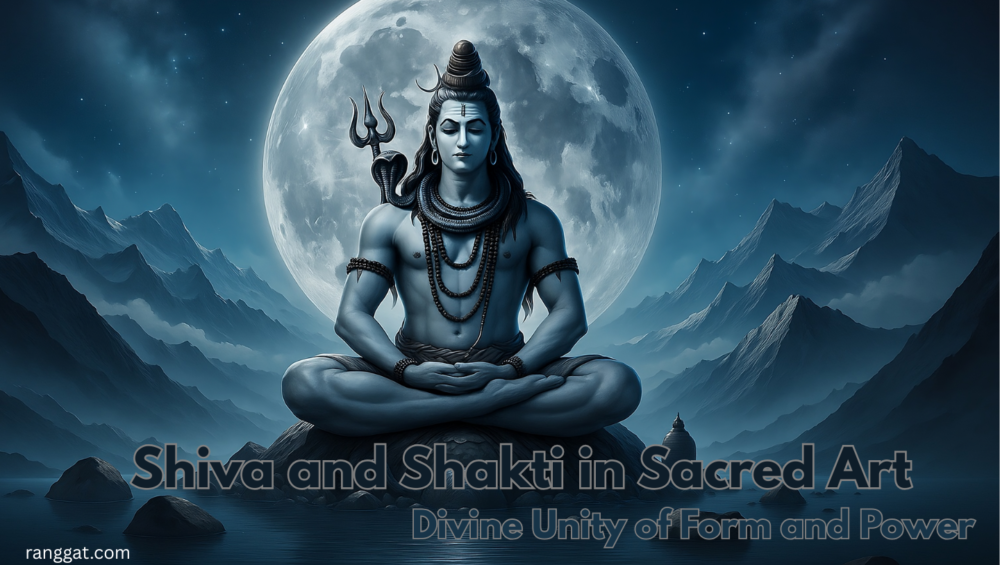
Shiva and Shakti in Sacred Art: The Balance of Structure and Energy

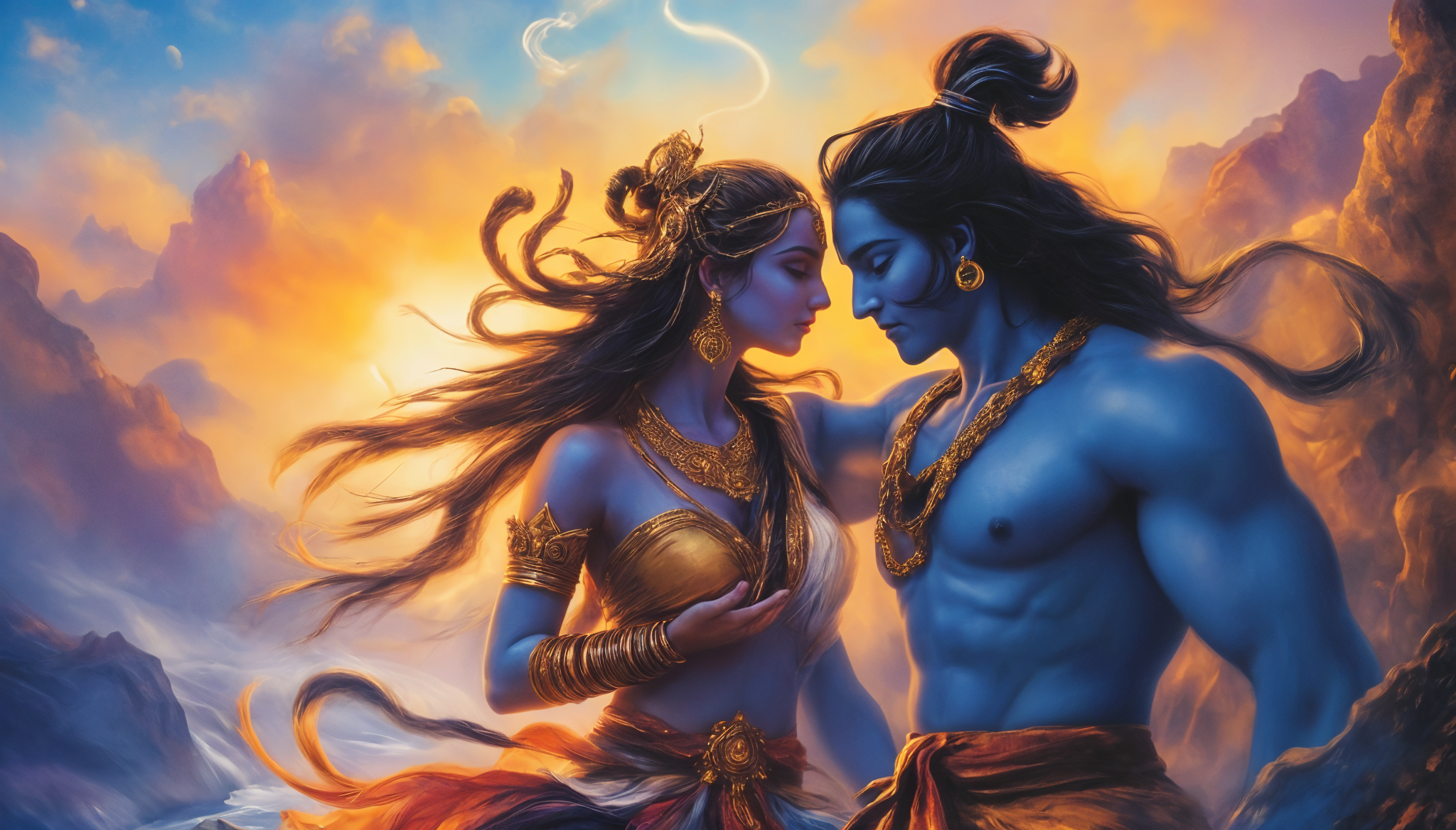
Shiva and Shakti stand for the cosmic balance between structure (awareness) and energy (creative force) in sacred art and spiritual symbolism. Together, these divine principles form the basis of existence and are inseparable rather than distinct. Shakti represents movement, creativity, and dynamic force, whereas Shiva represents quiet, meditation, and timeless being. Numerous pieces of sacred art in India and beyond are influenced by the interaction between Shiva and Shakti, which also has an impact on modern artistic expressions, sculpture, painting, and mandalas.

What Do Shiva and Shakti Symbolize?

The Power of Art in Interior Design: Expert Tips and Inspiring Stories

Shiva, often depicted in deep meditation or as Nataraja (the cosmic dancer), represents:

  • Pure consciousness
  • Detachment
  • Stillness
  • Structural order

Shakti, often manifested as Parvati, Durga, or Kali, stands for:

  • Creative energy
  • Transformation
  • Life force
  • Dynamic power

Together, they illustrate that existence is born from the union of consciousness and energy. This unity is the core theme in sacred art traditions throughout Hindu, Buddhist, and Tantric iconography.

Sacred Art Expressions of Shiva and Shakti

1. Temple Sculptures

Temple art in places like Khajuraho, Chidambaram, Konark, and Ellora showcases Shiva–Shakti symbolism through dynamic carvings.

These sculptures are more than decorative—they function as visual metaphors for cosmic balance:

  • Shiva in a still, meditative pose
  • Shakti represented in lively forms
  • Unified compositions showing spiritual harmony

2. Nataraja: Shiva’s Cosmic Dance

The iconic Nataraja statue shows Shiva performing the Ananda Tandava (Dance of Bliss), symbolizing:

  • Creation
  • Preservation
  • Destruction
  • Illusion
  • Grace

This artistic form blends structural harmony (Shiva) with rhythmic motion (Shakti). As the foot of Shiva crushes ignorance and the raised hand offers protection, this dance becomes a living sacred artwork—a symbol of cosmic balance.

3. Shakti Imagery: Durga & Kali

Shakti is vividly expressed in forms like Durga (warrior mother) and Kali (fierce liberator). Artworks portraying these goddesses highlight:

  • Strength
  • Feminine power
  • Protection
  • Transformation

These depictions emphasize that divine energy is not passive—Shakti drives spiritual and worldly change.

Philosophical Meaning in Art

Shiva and Shakti represent two energies:

  • Static consciousness
  • Dynamic force

In sacred paintings, mandalas, and Tantric art, this duality reflects the microcosm and macrocosm:

  • The inner world of meditation
  • The outer world of action

Artists use symbolism like:

  • Lotus flowers (purity and enlightenment)
  • Third eye (perception beyond the physical)
  • Trident (Trishul) (threefold forces)

Modern Interpretation in Ranggat Art

Ranggat as a creative platform celebrates the fusion of ancient symbolism and modern artistic expression. Artists today draw inspiration from Shiva–Shakti imagery to explore contemporary themes:

  • Inner balance
  • Feminine power
  • Conscious creativity
  • Spiritual awakening

Contemporary sacred art challenges traditional boundaries and invites deeper reflection on human existence.

Ancient spiritual symbolism and modern artistic expression are powerfully combined in modern religious art. It makes spiritual ideas more approachable for contemporary audiences by reinterpreting timeless themes like Shiva and Shakti through abstract shapes, digital media, minimalist compositions, and experimental techniques. Modern sacred art investigates inner balance, universal energy, and conscious life rather than being restricted to ritual or devotion, enabling viewers to relate spirituality to contemporary feelings and imaginative ideas.

Why Shiva and Shakti Art Matters Today

In a world of constant motion, Shiva’s stillness teaches focus and clarity, while Shakti’s energy inspires:

  • Creativity
  • Transformation
  • Empowerment

Sacred art rooted in these themes:

  • Encourages mindfulness
  • Bridges ancient wisdom with modern life
  • Supports mental and spiritual well-being

How Artists Portray Balance in Their Work

Artists may use:

Color

  • Cool tones for Shiva (blue, white)
  • Warm colors for Shakti (red, orange)

Composition

  • Symmetry to suggest union
  • Flowing lines to show energy

Symbolic Elements

  • Fire, moon, lotus, snake, drum—each symbol adds depth

Eternal Union Inspiring Art

Shiva and Shakti stand for the cosmic equilibrium between structure (awareness) and energy (creative power) in religious art and spiritual symbols. The basis of existence is formed by these divine principles, which are inseparable rather than distinct. Shakti represents movement, creativity, and dynamic force, while Shiva represents quiet, meditation, and timeless being. Numerous pieces of sacred art in India and beyond are influenced by this interaction between Shiva and Shakti, which also has an impact on modern artistic expressions, sculpture, painting, and mandalas.

Best Mandala Wall Art Styles Trending in 2025CategoriesCreative Tips & Tricks

Ranggat |The Hidden Power of Mandala Geometry in Meditation and Healing

Mandalas are ancient visual aids intended to direct the mind toward balance and serenity; they are much more than just ornamental designs. Mandala art, which has its roots in sacred geometry, has been utilized for ages in various civilizations’ meditation and healing rituals. Mandala geometry provides a peaceful, potent means of reestablishing inner peace in a world full of noise and distraction. Mandalas at Ranggat are deliberate designs that bring presence, clarity, and emotional harmony into ordinary areas rather from being only works of art.

What Is Mandala Geometry?

Mandala is a Sanskrit term that means “holy circle.” Precise, harmonic patterns that mirror the universe’s inherent order are used to construct mandala geometry.

Common geometric elements include:

  • Dots (Bindu) – the point of origin and awareness
  • Circles – wholeness, protection, and infinity
  • Symmetry – balance between inner and outer worlds
  • Repetition – rhythm that gently draws the mind inward

These elements work together to create a visual structure that naturally slows mental activity and centers attention.

How Mandala Geometry Enhances Meditation

Focus is often the first step in meditation, and mandalas offer a potent focal point. The mind follows when the eyes focus on a geometric shape that is balanced.

Benefits of Meditating with Mandalas

  • Encourages deep concentration
  • Reduces mental restlessness
  • Supports mindful breathing
  • Creates a natural meditative rhythm

Mandala geometry serves as a visual anchor that makes it easier for practitioners to enter and stay in a peaceful, meditative state.

The Healing Influence of Mandala Art

Mandala art is effective on an energetic and psychological level. Its geometry’s harmony reflects the equilibrium the body and mind strive for when healing.

Healing Benefits of Mandala Geometry

  • Reduces stress and anxiety
  • Promotes emotional stability
  • Enhances positive energy flow
  • Encourages self-awareness and reflection

For this reason, mandala art is frequently utilized in therapy rooms, yoga studios, healing areas, and spiritual settings.


Sacred Geometry: Where Science Meets Spirituality

In addition to being symbolic, mandala geometry is closely related to the way the human brain interprets patterns. It is well recognized that symmetrical shapes trigger the brain’s relaxation response, which lessens overstimulation.

Scientific studies show that balanced visual patterns:

  • Support mental clarity
  • Improve focus and creativity
  • Harmonize left and right brain activity

Sacred geometry, through mandalas, bridges ancient spiritual wisdom with modern psychological understanding.

Mandala Art in Modern Living Spaces

Mandalas now include contemporary interiors in addition to their traditional spiritual contexts. A living area can become a haven with well-placed mandala art.

Why Mandalas Belong in Contemporary Homes

  • Create a calm and mindful atmosphere
  • Enhance meditation and yoga practices
  • Add depth and meaning to wall décor
  • Blend aesthetics with spiritual intention

At Ranggat, mandala art is designed to integrate seamlessly into modern homes while preserving its sacred essence.

Ranggat’s Approach to Mandala Geometry

Ranggat views mandala art as a silent form of communication—one that speaks through balance, intention, and stillness.

Each mandala is created with:

  • Purposeful geometry
  • Thoughtful symmetry
  • An emphasis on emotional and energetic harmony

Rather than demanding attention, Ranggat’s mandalas gently invite contemplation and presence.

The ability of mandala geometry to bring the mind back to equilibrium without the use of force or words is its secret strength. Mandalas teach us via healing and meditation that balance is something we remember rather than something we pursue.

A mandala is not just art on a wall.
It is a quiet companion—holding space for stillness, awareness, and inner healing.

Rangaat | Handmade Art That Tells a Story: Why Conscious Craft Matters TodayCategoriesCreative Tips & Tricks

Rangaat | Handmade Art That Tells a Story: Why Conscious Craft Matters Today

Handmade work provides something unique—pause—in a society where speed, mass production, and instant consumption are the norm. It encourages us to take our time, feel, and re-establish a connection with purpose. At Rangaat, art is made to tell tales rather than to occupy space.

Each piece is a quiet expression of thought, time, and intention.

What Is Handmade Art—and Why Does It Matter?

Human hands, emotion, and patience shape and refine handmade art. No two handmade pieces are ever the same, in contrast to decor manufactured by machines. The maker’s journey is reflected in every form, texture, and stroke.

Rangaat’s creations carry individuality—because authenticity cannot be replicated.

Understanding Conscious Craft

Conscious craft is about creating with awareness and responsibility. It means:

  • Respecting natural materials and processes
  • Honoring traditional techniques
  • Prioritizing quality over quantity
  • Creating with purpose, not pressure

At Rangaat, every artwork begins with a question:
Does this piece add meaning, or is it merely decorative?

Why Conscious Craft Matters Today

Contemporary dwellings are changing. People no longer want environments that merely look good—they want spaces that feel great.

Conscious handmade art:

  • Adds depth and personality to interiors
  • Supports local artists and artisans
  • Reduces environmental impact
  • Stands against fast, disposable decor culture

Rangaat’s art doesn’t demand attention. It creates presence.

Art That Tells a Story

Every piece of Rangaat art has its roots in culture, emotion, or memory. Because meaning is completed through connection, these pieces are not complete until they come into contact with the viewer.

This is art that doesn’t just exist on walls; it becomes part of lived experience.

Handmade Art and Living Heritage

Handmade art is a living example of heritage. It preserves customs while letting them change. By bringing traditional workmanship into modern settings, Rangaat creates a link between the past and present.

It proves that heritage isn’t outdated; it’s timeless.

Beyond Decor: Living With Art

Rangaat believes art should be lived with, not just displayed.

When conscious handmade art enters a space:

  • Rooms gain emotional balance
  • Silence becomes expressive
  • Every piece starts a conversation

This is decor with depth—art that stays long after the first glance.

Why Rangaat

Rangaat stands apart because:

  • Every piece is thoughtfully created
  • Art is slow, intentional, and meaningful
  • Silence is treated as a form
  • Decor becomes an experience

Here, art is not rushed. It is remembered.

Choosing Meaning Over Noise

Selecting thoughtful handmade art is a strong choice in a world full with visual noise. When you select Rangaat, you choose intention over imitation, depth over excess, and tales over fads.