CategoriesCreative

Exploring the Indian Art Market: Trends, Challenges, and Opportunities

Ancient sculptures, paintings, and modern digital art are all part of the diverse and historic Indian art market. Local and foreign buyers, collectors, and investors have been drawn to it in recent years due to its considerable global attention. Here are some trends, obstacles, and opportunities influencing this dynamic market.

Trends in the Indian Art Market

1) Digital Art and NFTs: A large number of Indian artists are now producing and selling their work digitally due to the global rise of digital art and NFTs (Non-Fungible Tokens). In addition to targeting a younger, tech-savvy public, this movement is providing artists with new platforms for international exhibition and sales.

2) Art as an Investment: Indian art is becoming more and more regarded as a wise investment, particularly as some of its items gain substantial value over time. The market is a desirable option for investors with and without experience due to the possibility of profit, which attracts collectors.

3) The Role of Social Media: Facebook and Instagram have developed into effective platforms for Indian artists to connect with fans directly. Social internet lessens the need for traditional galleries and allows artists to sell their creations, engage with art lovers, and show their work.

    Challenges in the Indian Art Market

    1) Authenticity and Forgery Issues: The issue of counterfeit art is still quite serious. Many customers are hesitant to buy artwork that has not been properly certified out of concern that they might unknowingly buy fakes. More openness and stricter authenticity standards are needed to meet this challenge.

    2) Limited Reach of Art Beyond Big Cities: Large cities like Delhi and Mumbai host the majority of art galleries, exhibitions, and events, making it difficult for smaller towns and rural areas to access the market. Because of this, art can only be appreciated by a small percentage of people.

    3) High Cost of Art: Famous artists’ original works can be costly, which mostly restricts the market to wealthy consumers. Original works are more difficult for new purchasers or art fans to afford because of their exclusivity, which limits the market’s overall expansion.

      Opportunities for Growth

      1) Increased Government Support: The Indian government has recently organized art fairs and provided funding to support the arts and culture. Both artists and customers stand to gain from this assistance, which is probably going to create a more vibrant creative environment.

      2) Expanding Online Art Platforms: People are able to find, buy, and enjoy art more easily than ever before because to the growth of online art galleries and markets. Online platforms help eliminate geographical restrictions that have historically restricted the market for art and make it available to a larger audience.

      3) Growing Interest from Younger Buyers: Gen Z and Millennials are shown a strong interest in art, both as an investment and as decor. Additionally, they are more inclined to help growing artists, providing much-needed exposure for new talent and encouraging growth in the market.

      The Indian art industry presents a number of challenges in addition to its many prospects. The market is set for future growth as digital developments change the way art is produced and marketed. More assistance, openness, and accessibility will help the Indian art market flourish and establish stronger ties with both domestic and foreign art enthusiasts.
        CategoriesCreative

        The Art of Gifting: Unique Handmade Art Pieces for Special Occasions

        A universal method to show love, gratitude, and care is to give gifts. In a world where everything is mass-produced, handcrafted artwork adds a special, individual touch to any special occasion. Discover why these handcrafted items are ideal presents and how to select items that will be cherished for a long time.

        ” ART IS NOT WHAT YOU SEE, BUT WHAT YOU MAKE OTHERS SEE.”

        – EDGAR DEGAS

        1. Why Choose Handmade Art Pieces?

        Handmade art is created with intention, skill, and attention. Every piece is unique and speaks to the artist’s passion and commitment. These presents are valuable not just because they are well-made but also because they are unique. Giving a handcrafted item is similar to giving a story because every work design and brushstroke captures the individual path of the artist.

        2. Occasions to Give Handmade Art Pieces

        Handcrafted artwork is perfect for a variety of events.

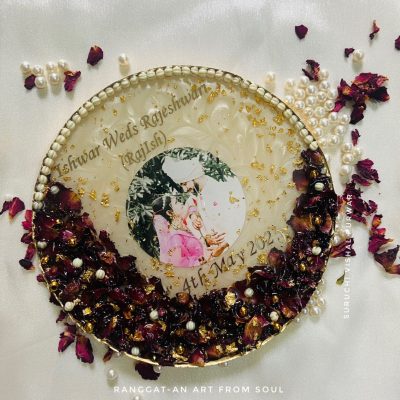
        • Weddings: A ceramic item or handpainted picture is a unique present that newlyweds will treasure in their new home.
        • Birthdays: Personalized artwork that reflects the recipient’s preferences shows attention and a feeling of warmth.
        • Anniversaries: Select artwork that represents enduring love, like a unique wall hanging or a sculpted image of a couple.
        • Holidays: Handmade small objects such as paintings, jewelry, or ornaments provide charm and warmth to joyful occasions.

        3. Choosing the Right Handmade Art Piece

        When choosing a handmade item, consider the interests and qualities of the recipient. An stunning sculpture or painting can be a source of pleasure for art enthusiasts. Those who enjoy home decor might be attracted to a lovely textile piece, while others would be well-suited to jewelry and ceramics. Customization adds even more significance to the gift, such as adding the recipient’s initials, favorite colors, or meaningful symbols.

        4. Supporting Local Artists and Craftsmen

        Gifts handcrafted by local artists are a great way to support independent craftspeople and keep traditional skills alive. Making a handmade purchase helps small companies grow and maintains artistic traditions that may otherwise be lost.

        5. Presenting Handmade Art as a Gift

        A handcrafted artwork’s impact is increased by its presentation. Wrap it in eco-friendly materials or in a way that showcases the gift’s artistic qualities. For a unique touch, think of adding a handwritten note explaining the artist’s background or the source of the artwork.

        Gift-giving is enhanced by handmade artwork, which transforms an ordinary act into something exceptional. The next time you are searching for a thoughtful present, think about getting a one-of-a-kind work of art that will be loved for many years to come.

        CategoriesTips & Tricks

        How to Set Up Your Own Art Studio on a Budget

        It is possible and rewarding to set up an art studio on a budget! Here’s how to design a space that is both exciting and practical without going over budget:

        1. Choose Your Space Wisely

        • A studio can be created in any empty space, including a huge closet or a small corner. To save money on lighting, look for spaces that are close to windows or have natural light.

        2. Organize the Essentials

        • Work Surface: Use furniture you currently have or look for a strong table or old desk at a thrift store.
        • Storage: To arrange paints, brushes, and tools, use affordable storage options like shelves, plastic boxes, or even pegboards.

        3. Lighting on a Budget

        • Invest in affordable LED lamps or desk lights if there is a shortage of natural light. To create a kind, uniform glow that reflects natural lighting, select daylight-balanced, adjustable LEDs.

        4. DIY Easels and Stands

        • Make your own wooden easel or purchase a used one. Additionally, wall-mounted solutions are a great way to save money and floor space.

        5. Use Multi-Functional Furniture

        • Space and money can be saved using multipurpose furniture, such as tables with built-in storage or storage cabinets that can be used as seating.

        6. Affordable Art Supplies

        • Start with the essentials and add to your collection gradually. Purchasing in bulk and searching for discounts on high-quality student supplies may assist you stock up without going over budget.

        7. Create a Comfortable Environment

        • To create an inviting and inspiring atmosphere, add some personal touches like couches, artwork, or plants. To save money, look for decorations at thrift stores or make your own.

        8. Make It Your Own

        • Create a small display area to highlight completed projects or motivational items to personalize your studio and make it a place that inspires creativity each time you walk in.

        You can create a useful and motivating art studio without going over budget if you have a few practical ideas and a little imagination!

        CategoriesUncategorized

        Resin Art vs. Traditional Painting: Exploring Different Mediums in Art

        Numerous forms and mediums, each with its own techniques and compelling effects, have contributed to the ongoing evolution of art. Today, traditional painting and resin art are two popular art forms. They differ in their methods, visual appeal, reliability, and flexibility, even if each has its own special beauty and creative potential. This article examines these art forms, focusing their distinctive qualities and the ways in which they influence an artist’s artistic expression.

        1. Understanding Resin Art

        What is Resin Art?

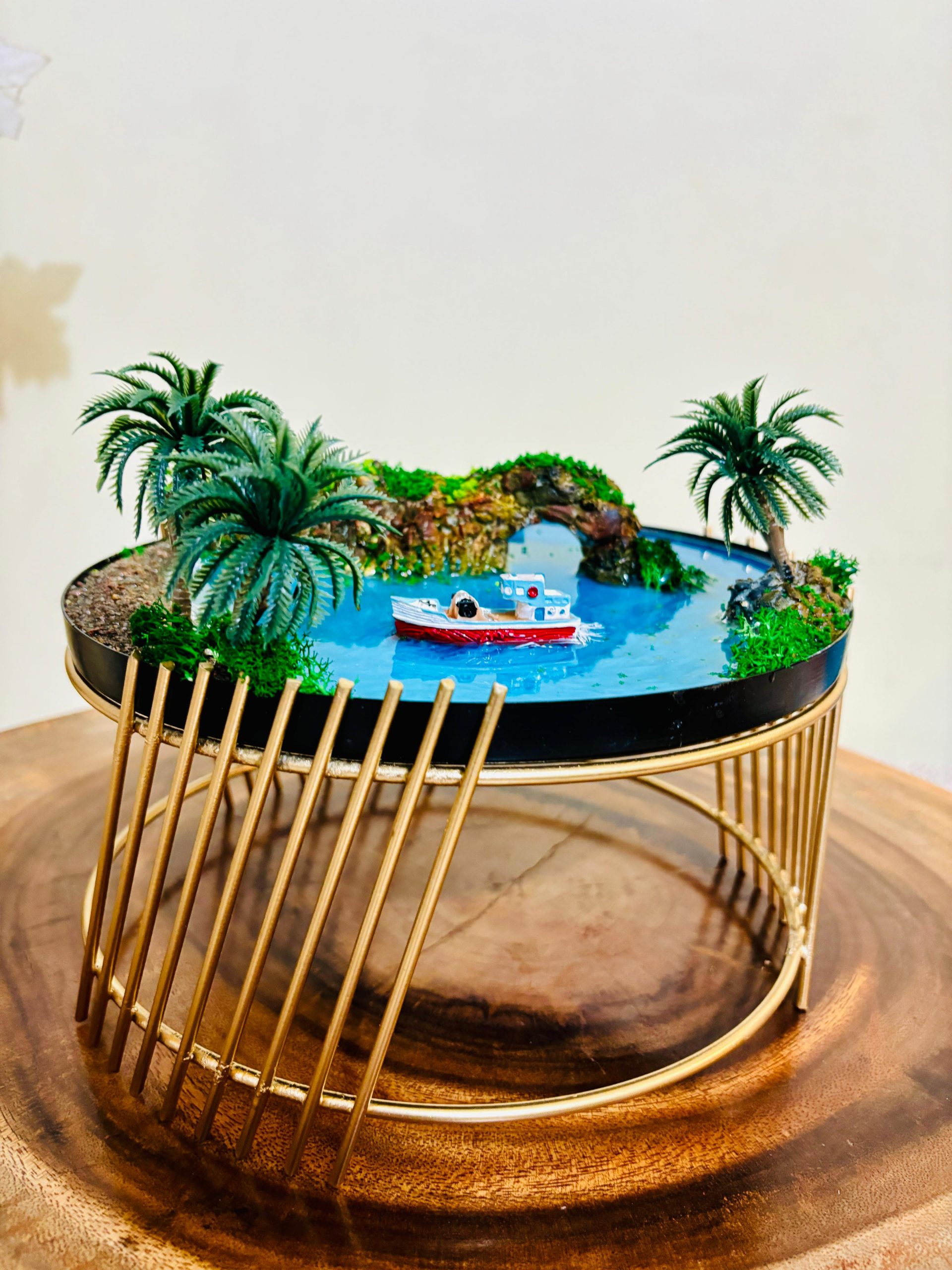
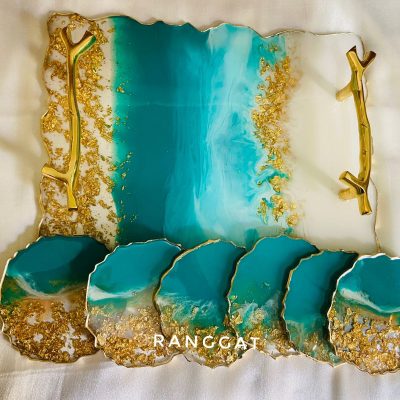
        Resin art is the process for creating artwork with epoxy resin, a multipurpose liquid that forms into a glossy, glass-like surface. Resin can be mixed with different pigments, paints, and other materials (such glitter or metallics) to create a variety of effects, including 3D textures and vibrant color transitions.

        Popular Techniques in Resin Art

        1) Pouring and Layering: Layers of colorful resin are usually poured over a surface to create resin art. For effects like marble patterns, seaside sceneries, or galaxy-inspired images, artists frequently combine different colors.

        2) Embedding Objects: Artists can use small things to create a 3D effect because of resin’s transparency. Incorporating flowers, stones, and other objects usually adds depth and interest.

        3) Texture and Finishes: Resin can be used to create waves, swirls, or cells for textural patterns or smooth, glassy surfaces.

        2. Traditional Painting: A Timeless Classic

        What is Traditional Painting?

        Artworks created with mediums like oil, acrylic, watercolor, or pastels on materials like canvas, paper, or wood are referred to as traditional paintings. Oils provide rich textures, watercolors give visibility, and acrylics enable vibrant colors and rapid drying. Each media has its own special qualities.

        Techniques in Traditional Painting

        1) Brushwork: In order to add texture, gradients, and detail to their subjects, artists employ brushstrokes. Traditional paintings are given a three-dimensional texture with techniques like impasto, which is a thick paint application.

        2) Blending and Layering: Artists can produce subtle transitions and shadow effects that add depth and realism with combining colors using oils and paints.

        3) Mixed Media: Some painters allow for artistic development and personal expression by combining traditional painting techniques with collage elements or other materials.

        3. Differences in Visual Appeal and Texture

        1) Resin Art: Resin has an appealing, almost hypnotic quality due to its high shine. Its shiny surface highlights its vibrant colors and provides it a contemporary, light feel. Those who value the textural depth of traditional paint may not find the clean finish of resin artwork appealing, but it does have a tactile quality that attracts observers.

        2) Traditional Painting: Traditional paintings have textures that provide a tactile experience, whether they are caused by raised paint from impasto or visible strokes of color. Traditional paintings seem closer because viewers can frequently view the artist’s hand in these tracks.

        4. Durability and Maintenance

        • Resin art is more resistant to heat, sunshine, and water. Its durability makes it perfect for utility things (such countertops or coasters) or home décor pieces. The shiny surface, however, is prone to scratches and might need to be polished sometimes.
        • Traditional paintings, depending on the medium, need careful maintenance. Oil and acrylic paintings are generally durable, but they can fade with prolonged sunlight exposure. Additionally, canvas pieces may need to be framed or varnished for added protection.

        5. Versatility in Art Forms

        1) Resin Art: Beyond wall art, resin can be used to make jewelry, tabletops, coasters, trays, and even countertops. It is also frequently used to make river tables, which are made by pouring resin into a groove to resemble a river.

        2) Traditional Painting: Traditional paintings can be transforms to prints, textile patterns, or digital formats, even though they are usually shown on canvas. Because traditional painting preserves the artist’s brushstrokes and delicate color changes, it has a certain authenticity that adds to its visual appeal.

        6. Accessibility and Cost

        1) Resin Art: Resin can be pricey due to the materials needed, like epoxy resin, pigments, and protective gear. Also, working with resin requires a controlled environment due to fumes and curing requirements, which might add to the cost.

        2) Traditional Painting: The cost and resources of traditional painting can vary depending on the media (for example, oil versus acrylic). However, depending on the quality of the paint, brushes, and canvases, the price may increase.

        7. Personal Expression and Style

        Traditional painting and resin art both provide for a great deal of self- expression. The decision is based on the artist’s preferences and vision:

        • The ability to experiment with fluidity, depth, and unique textures makes resin art a popular choice for artists who like to create abstract, modern, or experimental work.
        • Artists who like control and details, especially those who want to show complex settings or realism, will love traditional painting. Traditional painting provides a wide range of expressive options with its infinite styles and techniques, from impressionist art to hyperrealism.

        Finding Your Medium

        In the end, both traditional painting and resin art contribute something unique to the art world. While traditional painting offers a timeless, personal touch that keeps changing with each artist’s interpretation, resin’s modern appeal—its glossy finish and 3D effects—opens up new creative possibilities. The artist’s inclination for texture, style, and overall visual appeal frequently determines which of these media to use. Regardless of whether artists choose the ancient techniques of traditional painting or the modern appeal of resin, both mediums enhance the creative environment and allow viewers to engage with art in a variety of ways.

        CategoriesUncategorized

        The Role of Colors in Art and Their Impact on Human Emotions

        Colors are important in art because they are a powerful tool that artists use to express feelings, provide depth, and convey messages. Color selection is an important aspect of artistic expression since every color has a unique significance and can evoke particular feelings.

        1) Warm Colors: Stimulating and Energizing


        Warm colors like orange, yellow, and red are linked to warmth, passion, and energy. These colors have the power to create deep emotions in artwork, such as anger, love, or energy. For example, yellow can represent joy and optimism, whereas red is frequently used to represent intensity or danger. These colors frequently draw attention and inspire a feeling of excitement or energy.

        2) Cool Colors: Calming and Soothing


        Cool colors like blue, green, and purple are connected with peace, quiet, and reflection. They are frequently incorporated into artwork to evoke feelings of calm or relaxation. For example, green symbolizes nature and progress, whereas blue is linked to stability and peace. These colors can calm viewers and give the piece of art a meditative or peaceful feel.

        3) Neutral Colors: Balance and Simplicity


        Black, white, gray, and brown are examples of neutral colors that balance compositions and can convey a sense of elegance or simplicity. Because of their versatility, they are commonly used as grounding or background elements in paintings to make brighter colors stand out. White can represent emptiness or purity, whereas black might represent elegance or mystery.

        4) Color Combinations: Creating Mood and Harmony


        The way colors are combined in art also affects how people feel. On the color wheel, complementary colors (opposites) create strong contrast and visual interest, while analogous colors (next to each other) offer unity and harmony. Artists strategically select color palettes to enhance the emotional impact of their artwork.

        5) Cultural and Personal Influences


        The impact of colors varies depending on individual experiences and cultural meanings. White, for example, is connected to grief in certain cultures but purity in others. The way that viewers react emotionally to colors in art might be influenced by this cultural background.

        In painting, colors are essential for establishing mood, evoking feelings, and expressing meaning. Color plays a key role in the language of art as artists carefully choose colors to provide stunning visual experiences that emotionally connect with viewers.

        CategoriesUncategorized

        A Step-by-Step Guide to Creating Resin Ocean-Inspired Miniatures

        Sand beaches, waves, and underwater scenery are all shown in great detail in resin miniatures that are inspired by the ocean. These miniatures make excellent gifts or home décor. Here’s how to make resin miniatures that are inspired by the ocean.

        Materials You’ll Need:

        1) Epoxy resin and hardener

        2) Silicone metal plate (for miniatures)

        3) Resin pigments (white, blue, turquoise)

        4) Sand or fine beach gravel

        5) Mixing cups, stir sticks, and gloves

        6) Heat gun or torch

        7) Seashells, miniature marine creatures, or coral (optional)

        Step 1: Prepare the Workspace

        Work where there is sufficient ventilation. To prevent spills in your workspace, place a newspaper or plastic sheet down. Wear gloves and follow the safety recommendations provided by the resin maker.

        Step 2: Prepare the Resin Mixture

        Follow the manufacturer’s instructions when mixing the resin and hardener. It is usually a 2:1 ratio. Stir well for two to three minutes to ensure that the mixture is smooth and free of bubbles.

        Step 3: Create the Base Layer

        Shape the rocks that will be a part of your ocean landscape with clay. To add realism, shape the clay into different-sized, realistic-looking rock formations. Depending on the type of clay used, either let it dry or bake it once it has been shaped.

        Step 4: Add Pigments for Ocean Effect

        Pour the leftover resin into individual glasses and stir with Prussian blue, turquoise, ice blue, and white paints. Start with the darkest blue at the bottom and work your way up to lighter hues to provide depth.

        Step 5: Layer the Resin

        Starting with the darkest shade at the bottom, pour the colored resin in layers. To combine the colors a little and make wave patterns, use a toothpick or stir stick. Add some white resin to the surface and use a toothpick to make wave crests for realistic-looking waves.

        Step 6: Add Embellishments

        Add coral, tiny seashells, or tiny marine life into the resin. To keep them in place, gently press them down. To prevent any sharp edges, make sure the resin covers them completely.

        Step 7: Cure the Resin

        Give the resin at least a day to cure. For optimal results, follow the manufacturer’s recommended curing period. After the miniature has completely dried, take it out of the mold.

        Step 8: Finishing Touches

        Lightly sand any rough edges if necessary. You can also add a final clear resin coat to enhance the shine and give the miniature a polished look.

        These instructions will help you make attractive resin ocean miniatures that add a little bit of the ocean to any room.

        CategoriesUncategorized

        The Spiritual Significance of Mandalas in Different Cultures

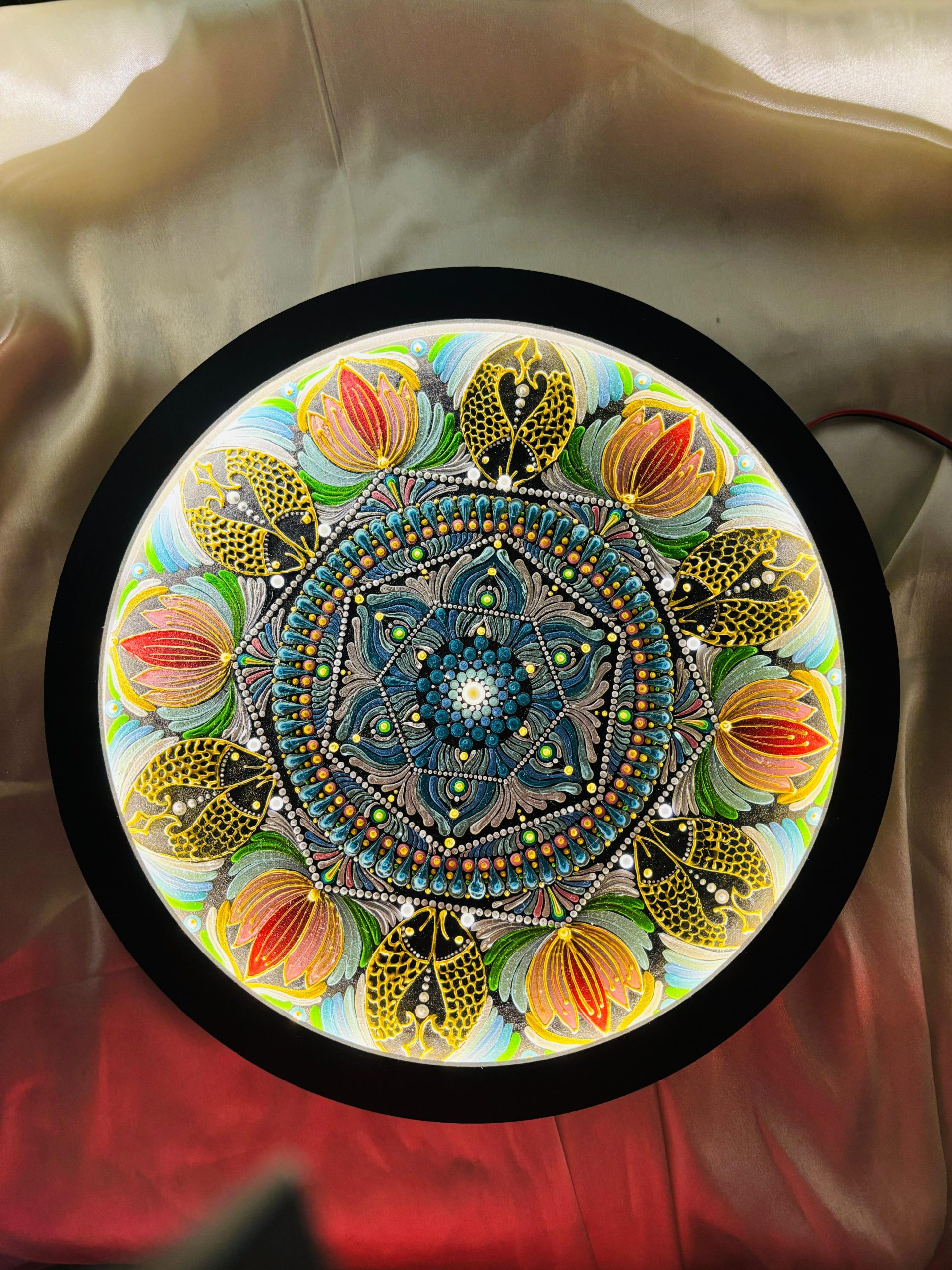
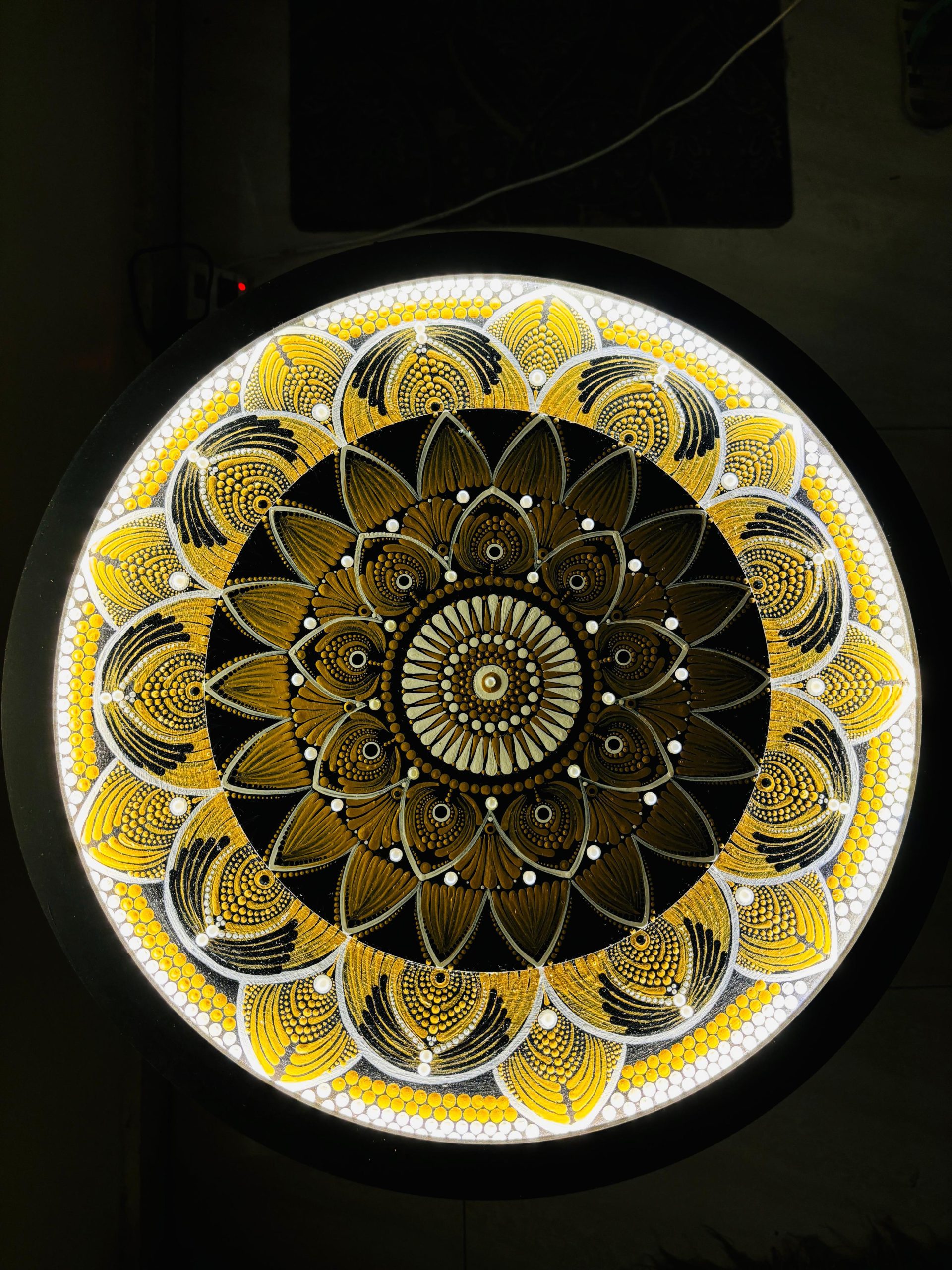
        Mandalas, which are complex geometric designs that represent harmony and togetherness, have deep spiritual meaning in many different cultures. The word “mandala” originates from the ancient Sanskrit language, meaning “circle.” It is a common symbol of wholeness and the infinite in meditation, ceremonies, and holy art all around the world.

        1) Mandalas in Buddhism

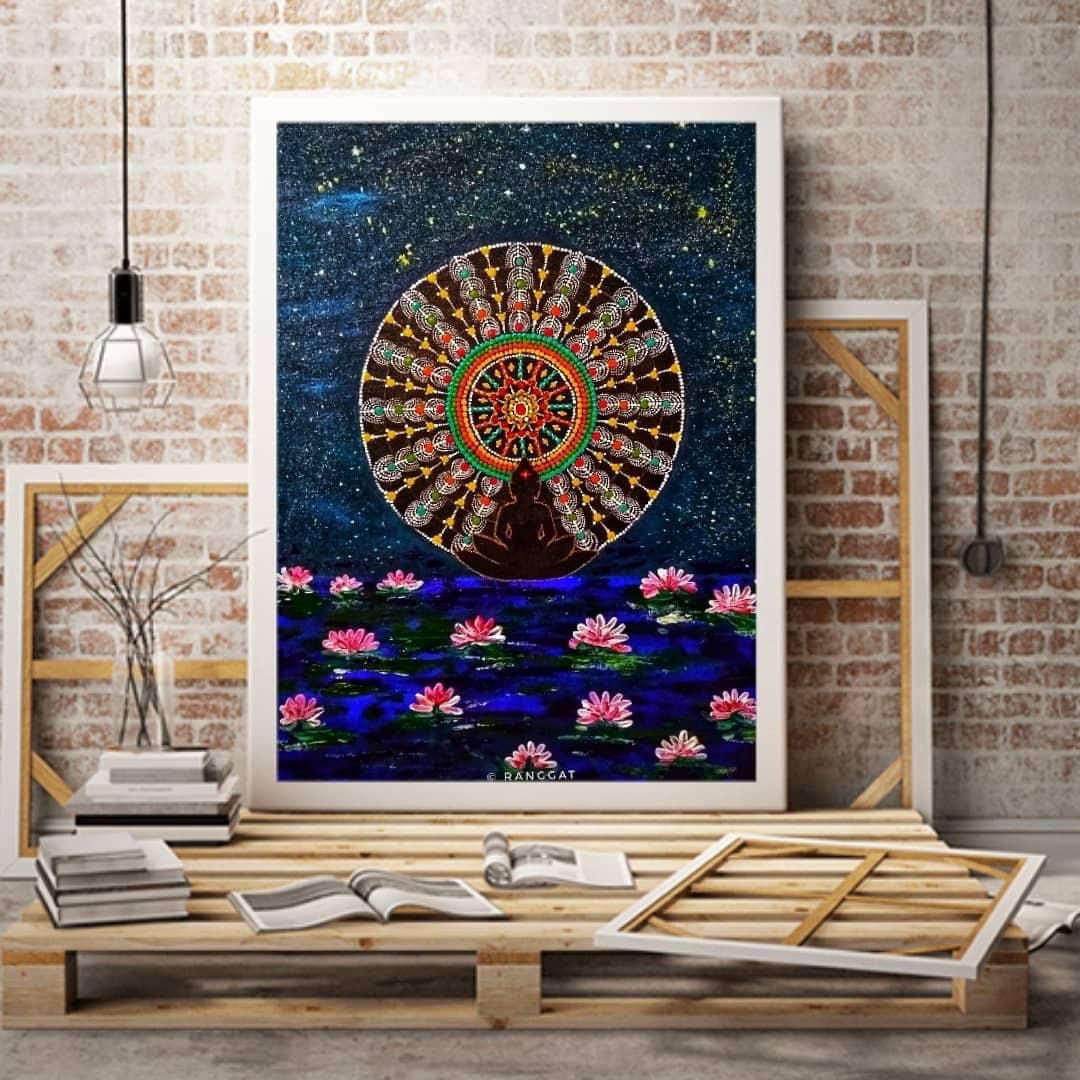
        Mandalas, which represent the universe, are utilized as meditation aids in Buddhism. They guide the practitioner on the path to enlightenment by acting as spiritual maps. The creation of a Buddhist mandala is often an elaborate process, involving monks who meticulously craft it out of colored sand. The sand is scattered into a body of water to symbolize the fleeting aspect of life, and the entire piece is ceremoniously destroyed upon completion, making this sand mandala an image of life’s impermanence.

        2) Mandalas in Hinduism

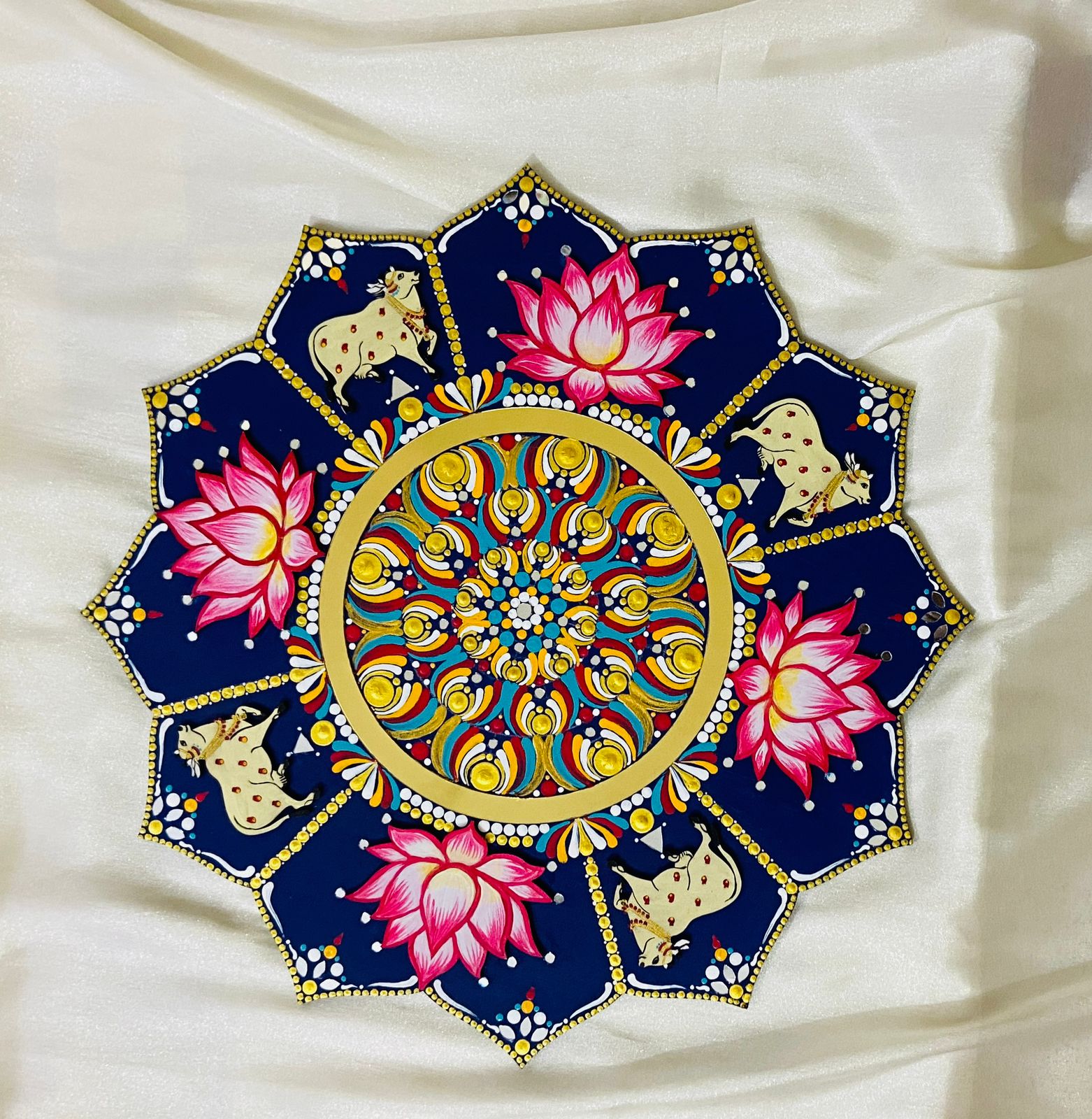
        Mandalas are important in meditation, rituals, and temple architecture in Hinduism. The geometric designs of these mandalas, called “yantras,” represent different aspects of the divine. The lotus blossom is the most frequently used shape in Hindu mandalas, representing spiritual awakening, cosmic rebirth, and purity. Tantric practitioners frequently utilize yantras to facilitate meditation and help them connect with particular deities or universal energies.

        3) Mandalas in Native American Traditions

        The spiritual value of circular shapes is also recognized by Native American tribes. The circle is a holy symbol of life, nature, and the interconnection of all things, and in these traditions, mandalas frequently take the shape of medicine wheels, dream catchers, and sand paintings.

        4) Mandalas in Celtic Culture

        The Celts, who were famous for their elaborate spiral patterns and knotwork, also used mandala-like patterns in their spirituality and artwork. The linked knots, spirals, and circles that are frequently found in Celtic mandalas represent eternity, unity, and the cycle of life, death, and rebirth. These patterns are seen in contemporary Celtic art, ancient stone carvings, and illuminated manuscripts such as the Book of Kells.

        The Universal Meaning of Mandalas

        The spiritual themes of mandalas are similar despite differences in culture. Their circular patterns symbolize the entirety of life, with the inner self or divinity frequently represented in the middle. Mandalas’ symmetrical designs promote equilibrium and serenity, making them effective meditation and self-discovery aids. They encourage practitioners to reflect on themselves and establish a closer spiritual bond.