CategoriesCreative

The Intersection of Art and Nature: Ranggat’s Ocean-Inspired Creations

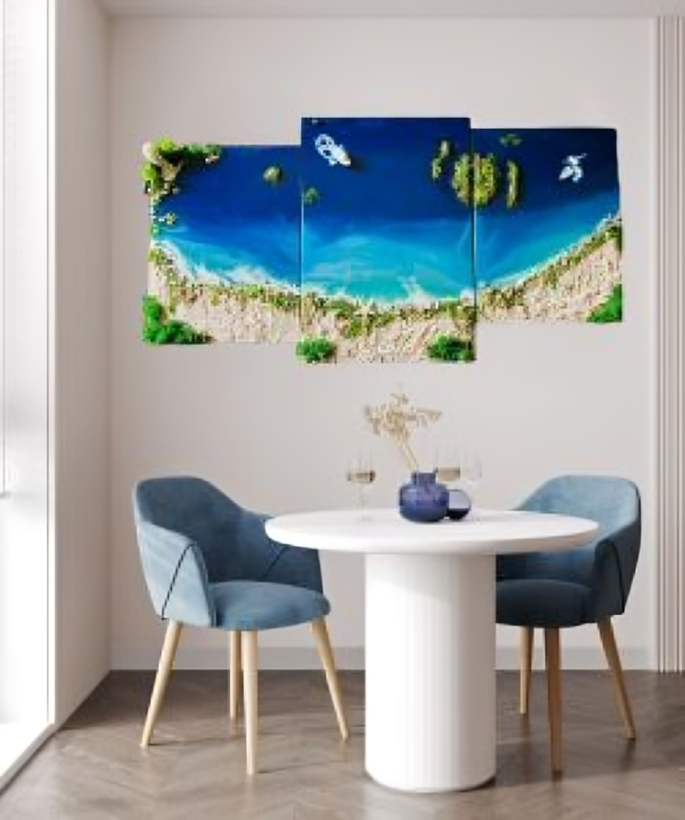
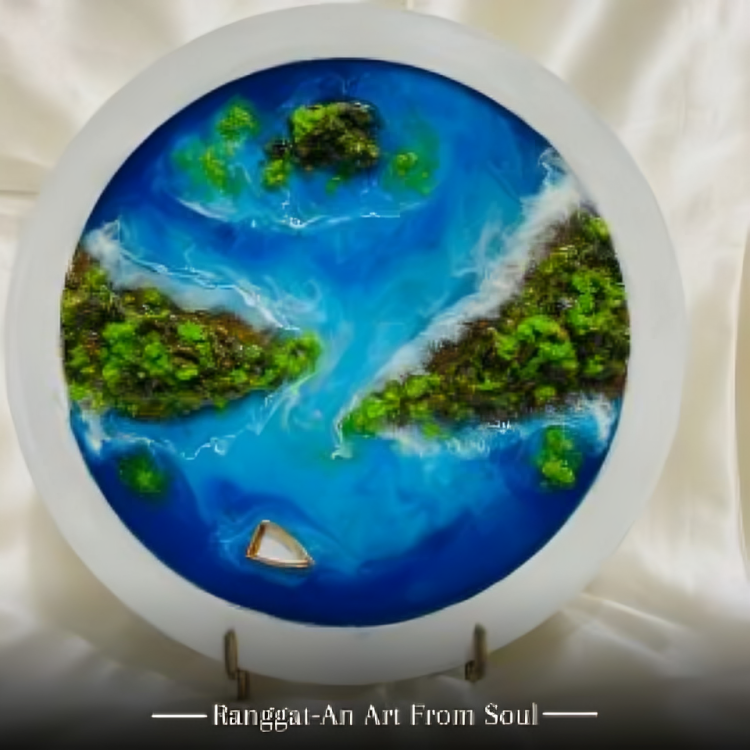
As an artist and the creative force behind Ranggat, my passion has always been to capture the untamed beauty of nature and translate it into meaningful art. My inspiration comes from the wide, mystery ocean and its always shifting colors, shapes, and feelings. I hope to close the gap between human creativity and the natural world by fusing aesthetics with a greater respect for the environment through my ocean-inspired sculptures.

The Ocean as a Muse

The ocean is a boundless source of inspiration. Its powerful waves, tranquil depths, and shimmering reflections are more than just beautiful sights; they are metaphors for life’s flow. The textures, colors, and movement of the sea offer a rich palette that challenges and invigorates my creative process.

When I stand on the coastline, I see not just water but a living, breathing entity full of stories, emotions, and rhythms. Each wave carries a different energy, and every tide reflects a different mood. My goal as an artist is to harness this energy and infuse it into my work—creating pieces that evoke the sensations of standing at the ocean’s edge.

Artistic Techniques and Materials
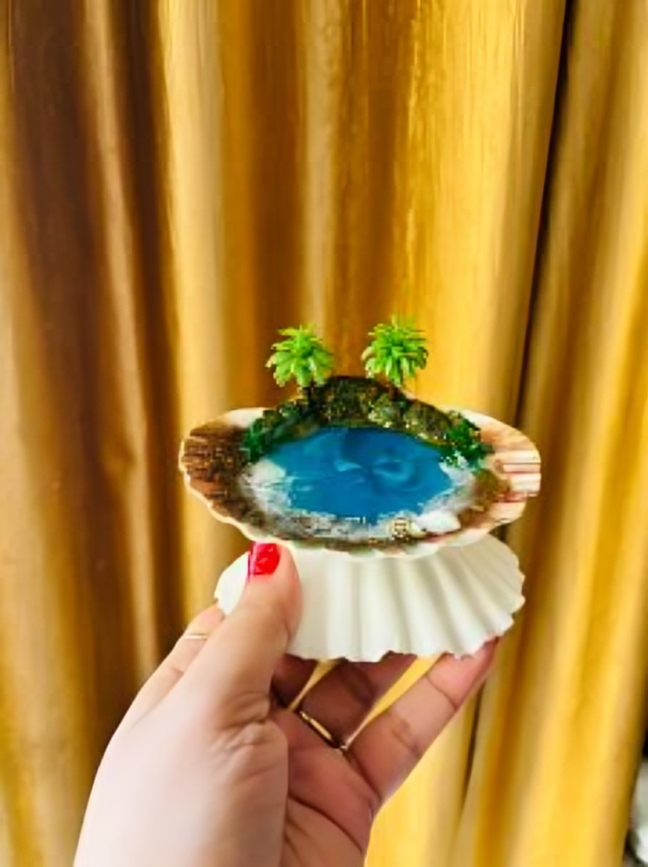
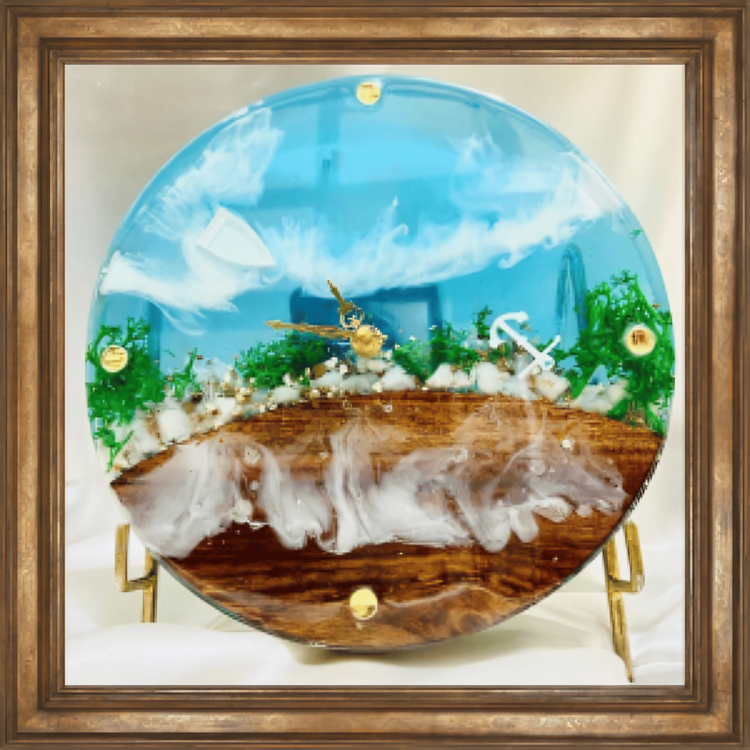
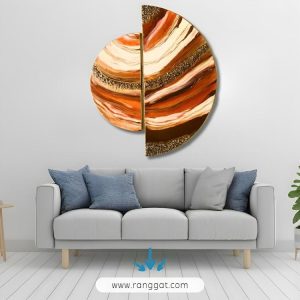
In my creative process, I aim to honor the ocean’s organic qualities through both traditional and innovative techniques. I work primarily with a combination of fluid acrylics, resin, and mixed media to capture the flowing nature of water. These materials allow me to replicate the swirling currents, frothy waves, and delicate foam of the sea in a way that feels almost alive.

Layering is a key component of my work. I use multiple layers of color, texture, and transparency to create depth—much like the ocean itself, which reveals different layers depending on light, perspective, and motion.

The Emotional Connection

Art, like nature, is deeply personal. My ocean-inspired creations often evoke a sense of peace and wonder. Many of my collectors have shared how a particular piece reminds them of childhood trips to the beach, moments of solitude by the sea, or the sense of freedom they feel when standing before the vastness of the ocean.

Looking to the Horizon

As I continue my artistic journey with Ranggat, I remain committed to exploring the intricate relationship between art and nature. The ocean is an infinite source of inspiration, and I am excited to see where its currents will lead me next. New techniques, collaborations, and even larger-scale projects are on the horizon, all guided by my unwavering respect for the natural world.

In a world that often moves too fast, I invite you to pause, breathe, and connect with the art that reflects the timeless beauty of the ocean. Whether through a crashing wave, a tranquil sea, or an abstract representation of marine life, each creation is a celebration of the powerful intersection between art and nature.
CategoriesCreative Lifestyle

A Day in the Life of an Artist: How I Create My Vision at Ranggat

A Day in the Life of an Artist: How I Create My Vision at Ranggat

As the sun peeps through my window, creating gentle golden streaks on the wall, I take a drink of my first cup of tea and enjoy the idea of another Ranggat day. This is my haven, where colors dance and imaginative thoughts blossom. Ranggat is not just a name; it’s an extension of my soul, a place where I give form to visions that live in my mind.

The Morning Ritual: Welcoming Inspiration

A Day in the Life of an Artist: How I Create My Vision at Ranggat

Every artist needs a routine. Mine begins with silence. I open the windows and let the breeze flow in, carrying with it the scents of earth and life from outside. I establish a connection with the world beyond my canvas during this interval. My inspiration may come from the rustle of leaves or the sound of laughter in the distance.

I take a walk around my workspace, observing unfinished pieces. Each brushstroke or pencil line whispers a story that hasn’t yet been completed. I’m reminded of where I left off, but more importantly, I’m pulled into where I’m going next.

Diving into the Canvas

A Day in the Life of an Artist: How I Create My Vision at Ranggat

By mid-morning, I’m ready to let my ideas flow. I approach a fresh canvas, its stark white surface thrilling and frightening all at once. The first mark is always an act of courage. It’s like opening a door to a place you’ve never been yet feel inexplicably drawn to.

I work with resin, alcohol inks, acrylic colors, canvas, and wood. My hands move instinctively, guided by years of practice and the raw energy of the moment.

At Ranggat, creativity knows no boundaries. Here, colors are loud or subtle, lines are sharp or fluid, and the rules of reality bend to my will.

The Dance Between Vision and Process

Art is a conversation between my vision and the possibilities of the medium. Sometimes a composition takes an unexpected turn, or the paint resists my ideas. The process includes both exhilaration and frustration. I have learned to give myself over to this movement at Ranggat.

Sometimes, I step back to see the work from different angles, squinting to discover hidden shapes or meanings. Other times, I turn away completely, giving the piece time to breathe. When I return, I see it with fresh eyes – like meeting an old friend who has grown in ways I never imagined.

Midday: The Creative Flow

As the day warms, so does my creative rhythm. My brush strokes become bolder, my decisions more intuitive. There’s a flow state that artists talk about – when time seems to disappear and the world narrows down to the canvas. At Ranggat, I lose myself in this current, forgetting to eat, forgetting to check my phone, forgetting everything but the colors, lines, and textures in front of me.

It’s during these moments that my vision comes to life. Sometimes it’s a serene landscape, sometimes an abstract expression of emotion. Whatever emerges, it is honest, raw, and uniquely mine.

Afternoon Reflections

A Day in the Life of an Artist: How I Create My Vision at Ranggat

As the afternoon sun casts long shadows, I step back to reflect. The painting in front of me is a blend of intention and spontaneity. I ask myself: Does this piece capture what I felt? Is it saying what I want it to say? There’s a dialogue between me and the work that’s sometimes reassuring, sometimes challenging.

I’m not always ready to answer these questions. Art, like life, doesn’t always offer immediate clarity. But I trust that with time and patience, the piece will reveal itself.

The Evening Closure

As the light dims, I clean my brushes and organize my space. This act of tidying up is almost meditative. It closes the chapter of today’s work and prepares me for the stories of tomorrow.

I leave my workplace with my mind still buzzing, ideas lingering in the air like unfinished symphonies. The studio door closes behind me, but my vision continues to evolve quietly, in the background of my thoughts.

The Never-Ending Journey

Being an artist at Ranggat is not a job; it’s a way of life. Every day is a journey through inspiration, struggle, and creation. My workplace is a witness to my doubts and wins, a collaborator in bringing my visions to life.

Tomorrow, I’ll return to this space for a fresh canvas or an ongoing piece. The cycle of creation will start anew. And with it, the endless possibility to express, explore, and connect through art.

This is my life. This is my vision. This is Ranggat.

CategoriesTips & Tricks

How Art Can Boost Your Mood and Productivity: A Ranggat Perspective

How Art Can Boost Your Mood and Productivity: A Ranggat Perspective

Art has always been a powerful tool for communication, emotional health, and self-expression. Art conveys human emotions, narratives, and experiences in ways that words frequently cannot, whether it is through serene landscapes or colorful abstract works. Beyond its visual value, however, art can have a significant impact on productivity and mood, especially in the setting of workspaces. For those who seek a fresh, holistic approach to integrating art into daily life, a Ranggat perspective offers unique insights.

1. Aesthetic Inspiration Stimulates Creativity

  • Ranggat Focus: Art that uses abstract patterns, vibrant colors, or themes inspired by nature can encourage original thought. When we are surrounded by art that makes us think, we are more likely to think creatively, which can result in original ideas and new viewpoints.
  • Impact on Mood & Productivity: Employees in workspaces filled with visually stimulating art tend to feel more inspired and motivated, which boosts their overall output.

2. Enhancing Focus with Minimalistic Art

  • Ranggat Focus: The idea of clarity and focus is supported by the minimalist style of art, which uses simple shapes, clean lines, and neutral colors. Overwhelming art contributes to a calmer atmosphere by lowering cognitive overload.
  • Impact on Mood & Productivity: When the brain is not overstimulated, individuals are better able to concentrate on tasks, increasing productivity levels and reducing feelings of stress.

3. Mood Elevation Through Color Psychology

  • Ranggat Focus: The integration of specific colors in artwork can tap into the psychology of color, where blues and greens evoke calmness, yellows inspire happiness, and reds stimulate energy. Art that reflects these colors can intentionally adjust the emotional atmosphere of a room.
  • Impact on Mood & Productivity: A well-curated color palette in the workspace can regulate emotions, promoting a more positive attitude and a balanced mood, thereby enhancing work performance.

4. Art as a Reflection of Personal Values and Identity

  • Ranggat Focus: Art that resonates with personal values or cultural backgrounds creates a deeper emotional connection. When individuals identify with the art in their environment, it can instill a sense of belonging and comfort.
  • Impact on Mood & Productivity: Feeling emotionally connected to one’s workspace can foster a sense of pride and personal empowerment, which in turn improves morale and focus.

5. Encouraging Mindfulness and Stress Reduction

  • Ranggat Focus: Art can also be used as a tool for mindfulness, with serene images or nature scenes that invite calmness. In the Ranggat approach, such art isn’t just decorative—it’s designed to act as a moment of pause in a busy day, encouraging workers to step away and reset.
  • Impact on Mood & Productivity: Taking brief, mindful moments with art can lower stress levels, refresh the mind, and prevent burnout, ultimately boosting long-term productivity.

6. Creating a Positive First Impression

  • Ranggat Focus: The choice of art in an entryway or reception area sets the tone for a workspace. Art that communicates warmth, professionalism, and creativity can elevate the perception of a company.
  • Impact on Mood & Productivity: A warm, attractive area improves the first impression that guests and staff have of the workplace, which boosts confidence, engagement, and the atmosphere as a whole.

7. Art as a Conversation Starter

  • Ranggat Focus: Art in the workplace can promote social interaction and communication. By displaying thought-provoking or narrative-driven artwork, individuals are encouraged to discuss their interpretations, fostering collaboration and camaraderie.
  • Impact on Mood & Productivity: When coworkers connect over shared experiences or insights about art, it cultivates a more inclusive and communicative environment, which can strengthen teamwork and improve morale.

8. The Psychological Benefits of Art for Mental Health

  • Ranggat Focus: The act of creating or simply observing art can be therapeutic. The Ranggat philosophy embraces art as a tool for emotional well-being and self-expression.
  • Impact on Mood & Productivity: Regular exposure to art can reduce anxiety and depression, helping to stabilize mood swings and increasing mental clarity, thus improving both mood and productivity.

9. Encouraging a Sense of Tranquility

  • Ranggat Focus: Art that incorporates natural elements like woods, oceans, and landscapes offers a visual reprieve from the stresses of everyday life.
  • Impact on Mood & Productivity: A quiet environment improves mood and productivity by fostering relaxation, which lowers stress and encourages a better work-life balance.

10. Fostering a Positive Company Culture

  • Impact on Mood & Productivity: Higher productivity and general job satisfaction are likely to result from motivated, engaged, and valued employees who share the company’s values.
  • Ranggat Focus: A company’s opinions, mission, and culture are reflected in its art. A corporation can enhance its corporate culture and identity by carefully selecting artwork that reflects these values.
CategoriesTips & Tricks

Using Art for Mindfulness: How Mandalas Can Help You Meditate

Using Art for Mindfulness: How Mandalas Can Help You Meditate

As an artist, I have always been attracted to shapes and designs that convey harmony, flow, and balance. Making and reflecting on mandalas is one of the most effective ways to cultivate personal attention and meditation, as I have found over the years. More than just beautiful expressions, these elaborate, circular patterns serve as portals to inner peace, assisting us in focusing, slowing down, and developing a close relationship with ourselves.

What Is a Mandala?

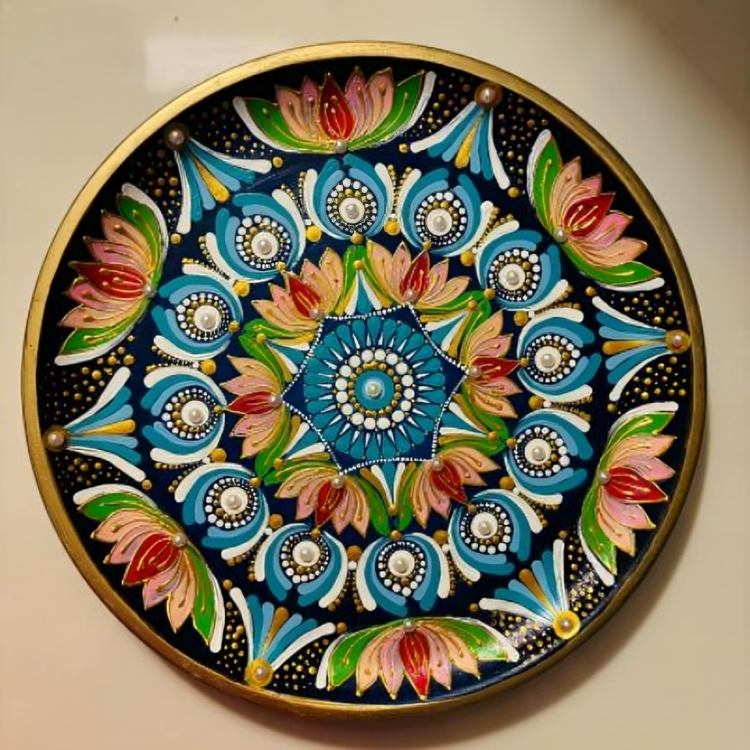
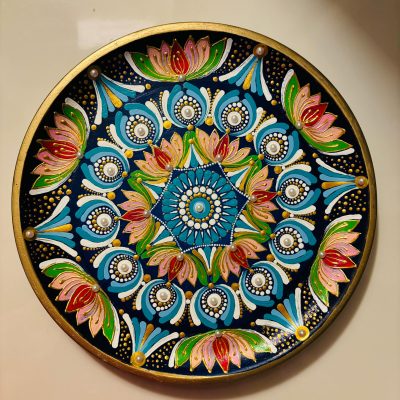
The word “mandala,” which means “circle,” originates from the ancient Sanskrit language. Mandalas, which are geometric patterns that symbolize the world, wholeness, and the infinite, have long been used in spiritual rituals across many cultures, especially in Buddhism and Hinduism. Their symmetrical designs, which radiate from a central point, represent an inward journey toward the center of one’s being.

As an artist, I see mandalas as a reflection of the soul. Our thoughts, feelings, and deepest wishes are all reflected in every design. Making a mandala or just looking at one can be a kind of meditation that promotes calmness and a close awareness of the present moment.

The Process of Creating a Mandala as a Meditative Practice

Using Art for Mindfulness: How Mandalas Can Help You Meditate

Making a mandala is an immersive experience and a conscious mindfulness activity, in my opinion. With an intention and a blank canvas, the process starts. Drawing the first circle feels like a declaration of my commitment to the present moment. Like a mirror of my inner world unfolding before my eyes, the mandala slowly takes shape as I add patterns, shapes, and colors.

Mandalas as a Tool for Meditation

Mandalas are a powerful tool for awareness, even if you do not think of yourself as an artist. Coloring an already-made mandala can be as relaxing as creating your own. For people who are afraid of a blank canvas, it offers an approachable method of practicing mindfulness via art.

How to Meditate with Mandalas:

1) Set an Intention: Spend some time establishing a clear intention before you begin. Allow that goal to guide your approach, whether it is to reduce anxiety, find clarity, or simply relax.

2) Breathe and Begin: As you color or draw, pay attention to your breathing. Take a breath as you get about to leave your mark, then release it as you do. Sync your hand movements with your breathing.

3) Stay Present: If your thoughts wander, gently remind yourself of the mandala’s specifics. Without passing judgment, take in the patterns, colors, and lines.

4) Contemplate the Finished Mandala: When you finish, take a seat quietly and look at your creation. What emotions or thoughts come up? Does the journey you have taken during the process or a specific state of mind come through in the mandala?

The Healing Power of Mandalas

From the perspective of an artist, mandalas are more than just healing tools; they are creative expressions that speak to our innermost selves. The journey from disorder to order, fragmentation to wholeness, and tension to peace can all be compared to the process of creating a mandala.

Mandalas serve as a helpful reminder that growth and healing are circular processes that include relocating to our core. They teach us the value of accepting the present moment as it is, patience, and presence.

An Invitation to Create

I encourage everyone to explore the world of mandalas, regardless of whether they are artists, meditation enthusiasts, or just someone searching for a fresh approach to finding serenity. A pencil, an open heart, and the desire to lose yourself in the creative process are all you need—no specific knowledge or equipment.

In the center of a mandala lies stillness, and in that stillness, you might just find yourself.

CategoriesCreative Tips & Tricks

What is Resin Art? A Beginner’s Guide to This Versatile Medium

Resin Art

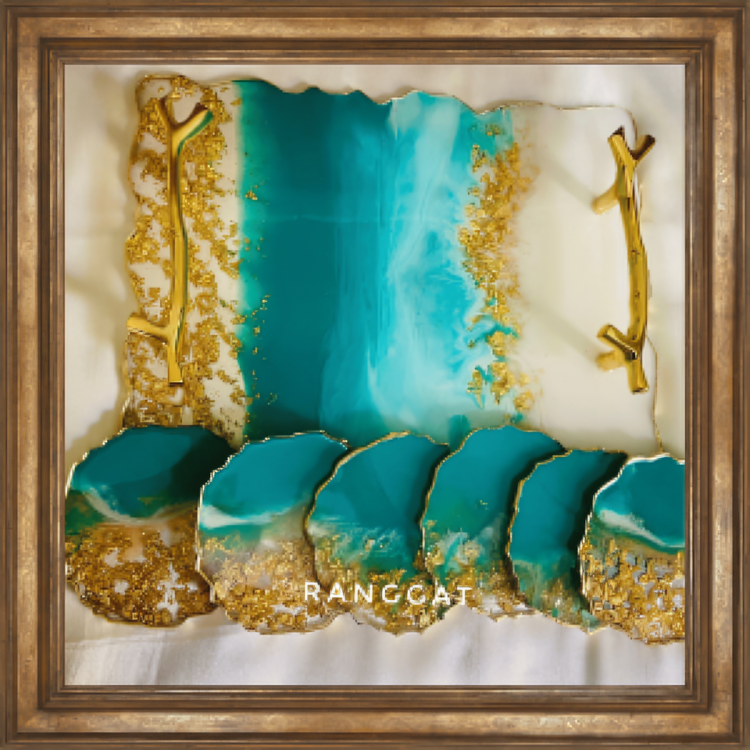
If the glossy sheen of an ocean wave captured in a frame, the swirling abstract depths of color placed in a perfect glass-like surface, or even a crystal-clear table adorned with sparkling stones has ever captured you, you have experienced the alluring magic of resin art. I am a mixed-media artist who finds resin to be one of the most fascinating and transformative materials. It changes creativity into real, eternal beauty. A world where science and art coexist is made possible by resin art, whether you are a curious beginner or someone seeking to discover new creative possibilities.

Let us examine the fundamentals of this medium and see why so many creators are falling in love with it.

What Exactly is Resin?

The fundamental component of resin is a two-part mixture of a liquid resin and a hardening agent that, when mixed, undergoes a chemical reaction to generate a solid, glass-like finish. Imagine it as liquid potential, ready to be shaped and poured into a work of art that is only constrained by your creativity. There are virtually limitless options for color, form, and texture with this material. After curing, resin creates a strong, long-lasting, and frequently mesmerizingly shiny appearance.

There are different types of resin, with the most common being epoxy resin. Other forms, like polyester and UV resin, are also popular, each offering unique qualities suited for different applications. For beginners, epoxy resin is generally the best choice because it is less toxic and easier to handle.

Why Artists Love Resin Art

Resin Art

Resin is a symbol of freedom for me. Every creation is an adventure because of its unpredictable flexibility. It enables artists to create multi-layered works that appear to record a moment in time by combining different materials, paints, and even discovered objects. Resin has gained a special place in the creative industry for the following reasons:

1) Versatility: Resin can be used to make sculptures, jewelry, paintings, coasters, furniture, and home decor. The medium provides functional beauty and artistic expression.

2) Incredible Finish: The glossy, glass-like shine that resin offers brings out the textures and colors in artwork, giving it a vibrant, almost otherworldly appearance.

3) Creative Depth: The transparency and layering potential of resin allow for the creation of pieces that have stunning depth and dimension.

4) Durability: Once cured, resin is tough and long-lasting, making your artwork resilient to the tests of time.

5) Experimental Appeal: Every pour can produce surprising outcomes. It is exciting and challenging to watch how resin mixes, flows, and settles.

Tools and Materials to Get Started

Having the appropriate tools is essential when beginning resin art. Here is a brief list of essentials to get your resin journey started:

1) Epoxy Resin Kit: A good-quality resin and hardener are fundamental.

2) Mixing Cups and Stir Sticks: For accurate measurement and blending.

3) Protective Gear: Gloves, a mask, and goggles to protect yourself from fumes and sticky messes.

4) Heat Gun or Butane Torch: To pop any air bubbles trapped in the resin.

5) Molds or Canvas: Depending on whether you’re pouring into a specific shape or working on a flat surface.

6) Pigments and Additives: Alcohol inks, mica powders, glitter, and dyes allow for endless creativity.

    The Basic Resin Art Process

    Resin art is as much an artistic activity as it is a technical one. Here’s a detailed explanation for beginners:

    1) Prepare Your Workspace: Ensure you have a clean, flat, and ventilated space. Lay down protective materials because spills are inevitable.

    2) Measure and Mix: Follow the instructions for mixing your resin and hardener – usually in a 1:1 ratio. Stir thoroughly but slowly to avoid creating too many bubbles.

    3) Add Color: Mix in pigments, glitter, or any other additives to bring your vision to life. Experiment with blending colors or adding different layers for a unique effect.

    4) Pour and Play: Pour the resin onto your canvas or into your mold. This is where the magic happens! Tilt, swirl, or use tools to manipulate the flow.

    5) Pop the Bubbles: Use a heat gun or torch to eliminate surface bubbles for that perfect finish.

    6) Cure: Let the resin sit undisturbed while it hardens. Depending on the resin, this can take 12–24 hours.

      Challenges and Tips for Beginners

      There are difficulties in creating resin art. I had a lot of sticky disasters and unwanted bubbles in my early days. The following tips may help you avoid typical pitfalls:

      • Patience is Key: Give your resin enough time to fully cure. Rushing the process can lead to soft or sticky surfaces.
      • Measure Accurately: Precise ratios are critical for the resin to harden properly.
      • Work in Layers: If you want depth or dimension, pour in layers, letting each one cure before adding the next.
      • Embrace Imperfections: Sometimes, the “mistakes” turn out to be the most beautiful parts of your piece.

      The Joy of Resin Art

      As an artist, the joy of resin art lies in its unpredictability and potential. You’re co-creating with the medium itself, learning to trust the flow while bringing your own intention to the process. It’s a balance of control and surrender, and there’s something deeply satisfying about that.

      Resin art has the potential to be a rewarding and addictive experience for anyone who enjoys exploring, experimenting, and maybe getting a bit messy. Your creativity is the only restriction.

      CategoriesCreative

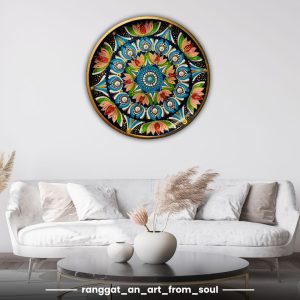
      How Art Can Transform Spaces: Interior Decor Tips with Ranggat Creations

      Ranggat Art

      I have always believed in the transformational power of art, and I am proud to be the owner of Ranggat Creations. Art expresses passion, culture, and identity and is more than just a decorative feature. Art can bring life to any area when it is handled carefully, transforming ordinary spaces into motivating havens. When designing a house, workplace, or commercial space, the correct creative touch can produce an ambiance that significantly affects visitors.

      The Soul of a Space

      Each space has an aura. Even though walls are only structures, the artwork you put on them gives them persona, meaning, and emotion. As Ranggat Creations’ creative leader, I believe it is crucial to first understand the function of a space and the people that use it. Do you want a bedroom that is peaceful? A source of inspiration in the workplace? Or energy in a living space? Our approach to curating or producing art is guided by these inquiries.

      For instance, art can be used for purposes beyond decoration in a business environment. It can inspire others. Bold, vibrant abstract paintings can inspire a spirit of creativity and forward-thinking. On the other hand, more personal spaces like homes can generate a sense of comfort and belonging through the use of cultural art or softer color schemes.

      Personal Stories and Cultural Connections

      Ranggat Art

      Ranggat Creations is of the opinion that art has to convey a narrative. Every piece we design or choose has a backstory, whether it draws inspiration or the energy of modern life. Art’s power is in its capacity to let people relate to these tales and give places a sense of personal significance.

      For example, adding folk art or traditional motifs to a room can honor tradition and culture while keeping a contemporary look.

      The Magic of Color and Texture

      Ranggat Art

      The way that art changes spaces is greatly influenced by color and texture. We are artists, so we know the psychology of color and the physical appeal of many mediums. A room can be energized by an infusion of bright colors, or it can be calmed and grounded by earthy tones. A multi-layered, deep mixed-media piece can provide complexity and interest in terms of textures.

      Customization: Crafting Unique Experiences

      Customization is a distinguishing feature of Ranggat Creations. Since every room is unique, so too should the artwork that graces it. In order to comprehend our clients’ needs, stories, and goals, we work directly with them. Our goal is to produce works that represent unique identities and settings, whether it be through curated art walls, sculptural structures, or custom paintings.

      Tips for Incorporating Art into Your Interiors

      1) Start with Intention: Understand the atmosphere you wish to establish. Choose art based on the space’s purpose.

      2) Play with Scale: Do not be scared to take risks. A big artwork may add movement and space to a tiny space.

      3) Mix Styles: Mix modern and traditional artwork to create a multi-layered, colorful atmosphere.

      4) Focus on Placement: A room’s movement should be complemented with art. Centerpieces above seating areas or at entryways are good ways to attract attention.

      5) Think Beyond Walls: Artistic furniture, sculptures, and installations can all enhance the overall design.

      6) Rotate Art Regularly: Changing items on a seasonal or occasional basis will keep your room feeling creative and new.

        Art is a necessary part of a lively setting; it is not a luxury. Helping people view their spaces in fresh and imaginative ways is our passion at Ranggat Creations. We transform rather than merely adorn when we use the power of art.

        You embrace creativity, opportunity, and a closer relationship with your environment when you embrace art. Your environment should be able to breathe, talk, and most importantly, inspire.

        Discover the transformative power of art with Ranggat Creations.

        CategoriesCreative

        Authenticity vs. Commercialization of Art

        Art has long been celebrated as a raw, authentic expression of the human soul. Yet, in today’s fast-paced, market-driven world, the age-old tension between authenticity and commercialization has grown more pronounced. Artists often find themselves walking a tightrope, striving to stay true to their creative vision while catering to the demands of a competitive marketplace.

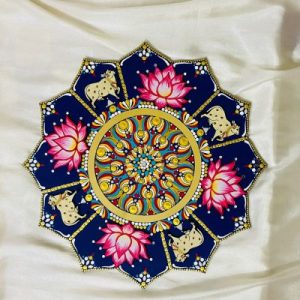
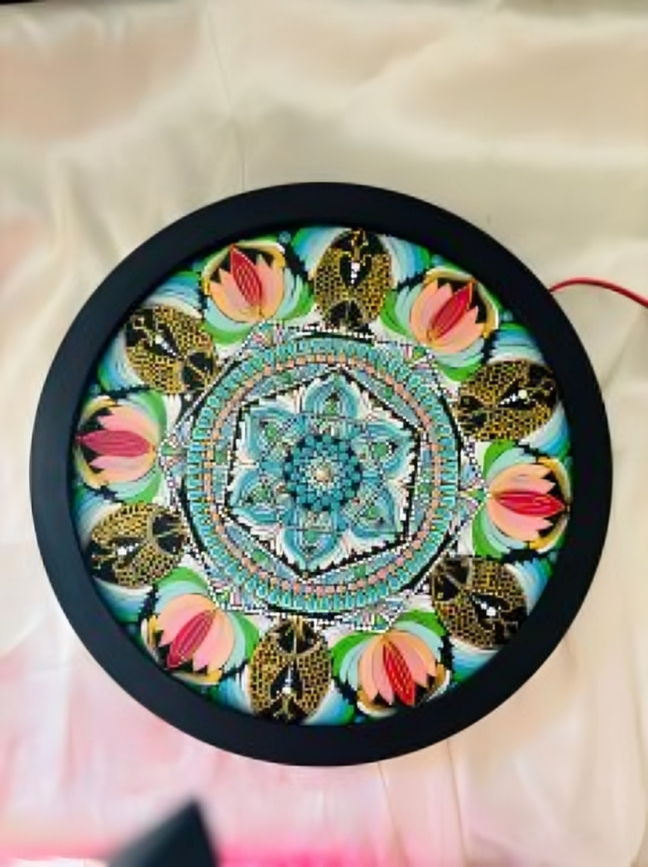
        For Ranggat Art, creativity is not just about trends or popularity—it’s about meaning, storytelling, and cultural essence. As they put it, “Art is an extension of the soul, carrying emotions, thoughts, and unique visions.” Each piece created by Ranggat Art—from intricate mandalas to resin masterpieces and Vastu-inspired designs—is a labor of love, embodying stories that reflect India’s rich heritage while also aligning with global aesthetics.

        While authenticity forms the foundation of Ranggat Art’s philosophy, they recognize the importance of connecting with audiences in a meaningful way. The team at Ranggat Art faces the challenge of balancing their creative instincts with the need to meet market demands. They understand that art must reach a wider audience, which sometimes means offering pieces that appeal to modern sensibilities without losing their essence.

        Customizing art for their clients is one way Ranggat Art bridges this gap. Whether crafting personalized designs or functional art for home décor, they ensure that their work remains both soulful and accessible. This adaptability has allowed Ranggat Art to thrive as an Indian brand that stays true to its roots while resonance with global tastes.

        The Challenges of Balance

        Managing time, energy, and creative vision isn’t easy for any artist or brand. Ranggat Art, like many others, occasionally feels the pressure to create what is popular or trendy. Yet, they are steadfast in their belief that every piece must carry originality and meaning.

        By focusing on storytelling and sharing the inspirations behind their creations, Ranggat Art helps audiences see their work as more than just decorative items. Their art celebrates cultural identity and personal expression, adding layers of significance to every piece they produce.

        Staying True While Reaching Wider

        For Ranggat Art, the journey is as much about preserving their authenticity as it is about growth. They embody the idea that art should feel genuine while being accessible and appreciated by a broad audience. As they evolve, their commitment to creating soulful, meaningful art remains their guiding principle.

        A Model for Indian Artists

        Ranggat Art’s journey offers inspiration for other Indian artists and brands navigating the crossroads of authenticity and commercialization. By aligning creativity with audience needs while staying true to their cultural roots, Ranggat Art proves that art can thrive both as a business and as a heartfelt expression of identity.

        Their story is a reminder that, even in a fast-paced world, art can remain timeless, personal, and profoundly impactful.

        CategoriesCreative

        Symbolism in Mandalas: What Do the Patterns and Colors Represent?

        Mandalas have deep spiritual and psychological meaning in addition to being beautiful works of art because of their intricate designs and harmonious symmetry. Drawing from ancient traditions such as Buddhism, Hinduism, and indigenous civilizations, mandalas are often used as tools for introspection, meditation, and establishing a connection with the universe.

        Patterns and Their Meanings

        Mandalas typically have a circular shape, signifying the universe, eternity, and unity. In this circle, different shapes and patterns represent distinct meanings:

        • Circles: Represent infinity, wholeness, and the cyclical nature of life.
        • Squares: Stand for balance, stability, and stability in the midst of chaos.
        • Lotus Flowers: They represent enlightenment, spiritual awakening, and purity and are a common element.
        • Geometric Shapes: Triangles can stand for energy and change, while designs that interlock can symbolize unity.

        Colors and Their Significance

        A mandala’s color scheme also has deep symbolic meaning and frequently connects with spiritual and emotional energies:

        • Red: Passion, energy, and the life force.
        • Blue: Tranquility, wisdom, and spiritual depth.
        • Yellow: Enlightenment, happiness, and clarity.
        • Green: Growth, renewal, and compassion.
        • White: Purity, peace, and truth.
        • Black: Mystery, protection, and deep introspection.

        The Mandala as a Personal Journey

        Each mandala has the potential to be a distinct representation of the feelings, goals, or spiritual journey of its maker. People often discover inspiration and significance that is specific to their own experiences when they create or meditate on a mandala because of its unique patterns and colors.

        In short, mandalas combine psychology, spirituality, and art to create a bridge between the two realms. Mandalas encourage us to delve into the universe’s and our own deeper levels of meaning, whether they are utilized for meditation or are just beautiful.

        CategoriesCreative

        The Psychology of Color in Art and Decor

        Our emotions, perceptions, and behaviors are greatly influenced by color. Knowing the psychology of color in art and interior design helps in the creation of environments and objects that evoke particular emotions and fulfill important functions.

        Colors and Their Emotional Impact

        1) Red

        A bold, energizing color associated with enthusiasm, energy, and passion. Although it can add a lively ambiance to decor, it should be used sparingly in areas like bedrooms that are meant for relaxation.

        2) Blue

        Blue is a quiet and peaceful color that is linked with focus, trust, and harmony. It promotes calm and productivity and is frequently used in bedrooms and offices.

        3) Yellow

        Yellow shows a space and lifts spirits since it symbolizes joy and optimism. But too much may cause worry or overstimulation.

        4) Green

        Green is well-known for its association with nature and for bringing harmony, balance, and freshness. It looks good in living rooms or other areas where peace is necessary.

        5) Purple

        Purple gives depth and richness and is a symbol of wealth and creativity. Darker purples (royal purple) suggest luxury, whereas lighter purples (lavender) can be calming.

        6) Neutral Colors

        Colors that express simplicity, cleanliness, and sophistication include beige, gray, and white. They make great backgrounds that highlight accent colors.

          Color in Art

          Color is purposefully used by artists to tell stories and evoke feelings. While a cool palette could promote reflection or melancholy, a warm palette can create feelings of warmth or delight. Unlike similar colors, which create harmony, complementary colors create contrast.

          Using Color in Decor

          Colors in interior design have an impact on a space’s atmosphere. For example:

          • Warm colors are frequently used in living rooms to promote interaction and coziness.
          • Vibrant colors like red or yellow work well in kitchens to create focus.
          • Cool colors are frequently used in bedrooms and bathrooms to enhance calm.

          The influence of color on the mind is strong. Carefully chosen color schemes, whether in interior design or art, may heighten experiences, cause desired feelings, and change a space. By matching colors to their intended use, you can make works of art and environments that have an immense effect.

          CategoriesCreative

          The History and Significance of Dot Mandala Art

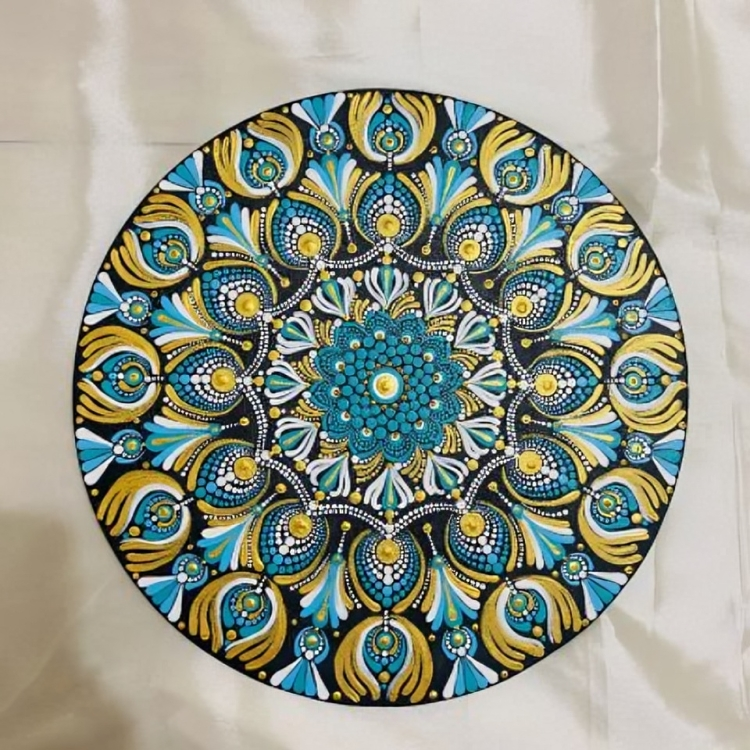
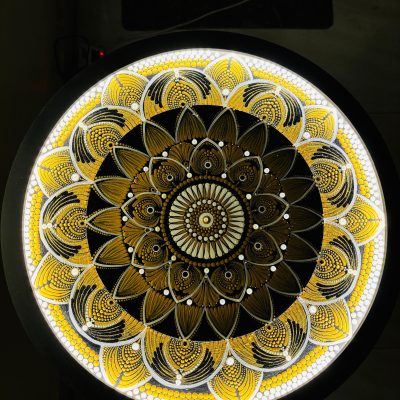
          Dot mandala art is an amazing artistic medium with roots in antiquity. With its Sanskrit origins, the word “mandala” means “circle” and stands for wholeness, harmony, and balance. In particular, dot mandala art combines geometric accuracy with artistic spontaneity by crafting elaborate circular designs using a series of carefully positioned dots.

          Origins of Dot Mandala Art

          Mandala art has been a part of spiritual activities for thousands of years, particularly in Buddhism and Hinduism. Mandalas are frequently created by monks as meditation aids and cosmic symbols. The Dot Mandala technique evolved later, inspired by Aboriginal art, especially from Australia, whereas earlier mandalas included freehand designs. Dots are used by indigenous cultures to maintain their cultural heritage, tell stories, and symbolize the natural environment.

          The Creative and Spiritual Significance

          Dot Mandala art is a spiritual practice in addition to being visually appealing. Often compared to a spiritual practice, the repetitive act of dotting cultivates focus, patience, and mindfulness. The designs’ symmetry and balance inspire a feeling of peace and order, which makes them well-liked and helps for mental clarity and relaxation.

          Modern Applications

          Today, Dot Mandala art has found a position in modern design beyond its traditional origins. The method is used by artists to decorate canvases, clothing, home furnishings, and even everyday objects like mugs and coasters. Its adaptability and the meditative joy it offers to both creators and admirers are what give it its international appeal.