Ranggat | Dot Mandala Art: India’s Hidden Gem in the Global Art SceneCategoriesCreative

Why Dot Mandala Art Is the Ultimate Antidote to Digital Burnout

In today’s fast-paced digital world, spending hours in front of screens has become a normal part of everyday life. From office emails and virtual meetings to social media and endless notifications, our minds rarely get a chance to disconnect. This constant digital exposure can leave people feeling mentally exhausted, distracted, and creatively drained. This is where Dot Mandala Art offers a refreshing way to slow down, reconnect with creativity, and enjoy a peaceful break from technology.

Dot Mandala Art is more than just a beautiful artistic technique. It can become a mindful, screen-free creative practice that encourages patience, concentration, and relaxation. For busy professionals looking for meaningful ways to step away from their digital routines, exploring mandala art can be a rewarding experience.

Understanding Digital Burnout in Modern Life

Digital burnout refers to mental and emotional exhaustion associated with excessive screen time and continuous digital engagement. Professionals who spend most of their working hours using computers and smartphones may experience difficulty concentrating, mental fatigue, and a constant feeling of being connected.

Taking regular breaks from screens is important for maintaining a healthier daily routine. However, simply putting away a phone does not always provide an engaging alternative. Creative activities such as painting, drawing, and mandala art can offer a more intentional way to spend that free time.

What Makes Dot Mandala Art So Special?

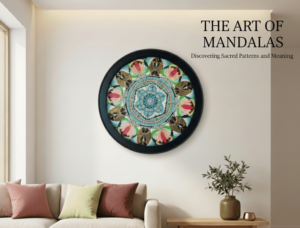
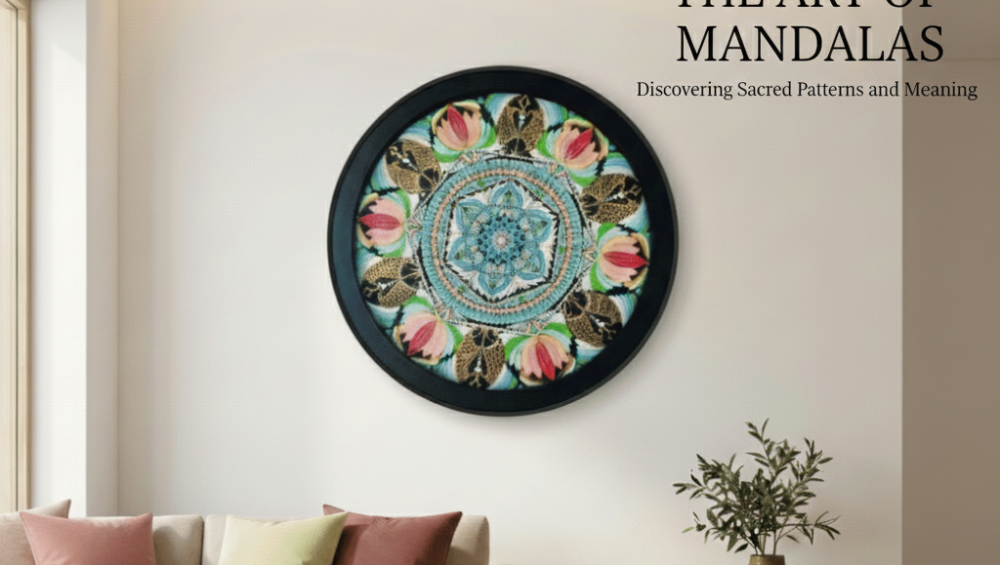
Dot Mandala Art is a creative technique in which small, carefully arranged dots form beautiful geometric patterns and symmetrical designs. Artists use different colours, dot sizes, and repeating shapes to create visually appealing artwork.

Unlike activities that require constant digital interaction, dot mandala painting involves physical materials such as paints, dotting tools, and canvas surfaces.

Some of the most appealing aspects of this art form include:

  • Repetitive Patterns: Creating dots and repeating designs encourages a steady and focused creative process.
  • Colour Exploration: Choosing and combining colours provides an opportunity for personal expression.
  • Creative Freedom: Every mandala can reflect an individual’s imagination and artistic preferences.
  • Screen-Free Engagement: The process allows participants to enjoy an activity without depending on smartphones or computers.

How Dot Mandala Art Helps You Disconnect from Digital Stress

1. Encourages Mindful Concentration

Creating a mandala requires attention to detail, spacing, patterns, and colour combinations. Instead of constantly switching between notifications and tasks, participants can focus on one creative activity at a time.

This focused engagement can provide a refreshing mental break from everyday digital distractions.

2. Creates a Relaxing Screen-Free Experience

One of the biggest advantages of dot mandala painting is that it does not require a digital device. Working with physical art materials gives people an opportunity to step away from screens and enjoy a hands-on creative experience.

It can become a valuable addition to a balanced lifestyle, especially for professionals who spend most of their day working online.

3. Supports Creative Self-Expression

Professional routines often leave little time for personal creativity. Dot mandala art allows individuals to experiment with colours, shapes, and patterns without worrying about deadlines or performance expectations.

There is no single correct way to create a mandala. Every design can be unique and personal.

4. Encourages Patience and Focus

Dot mandala designs are created gradually, one dot at a time. This process encourages patience and attention to small details.

For individuals accustomed to fast-paced digital environments, slowing down and completing a creative project can be a satisfying experience.

5. Provides a Sense of Creative Achievement

Completing a mandala artwork can bring a sense of satisfaction. Watching individual dots transform into a detailed, colourful pattern makes the creative journey enjoyable.

It also provides something tangible to appreciate, display, or share with others.

Why Busy Professionals Should Try Dot Mandala Art Workshops

A dot mandala workshop offers more than an opportunity to learn an artistic technique. It provides a structured environment where participants can explore creativity, learn new skills, and take a break from their usual routines.

Whether you are a working professional, entrepreneur, student, or someone interested in exploring a new hobby, these workshops can be a welcoming starting point.

At Ranggat, dot mandala art can be explored as a creative experience that brings together colours, patterns, artistic expression, and mindful engagement.

Participants can discover different dotting techniques, experiment with colour combinations, and create their own mandala-inspired artwork.

How to Make Dot Mandala Art Part of Your Weekly Routine

You do not need to spend several hours creating artwork to enjoy a screen-free creative break. Start with a simple routine:

  1. Set aside 20–30 minutes for creative activities.
  2. Keep your phone away or switch off unnecessary notifications.
  3. Choose a simple mandala pattern to begin with.
  4. Experiment with colours and dotting tools.
  5. Focus on enjoying the process instead of achieving perfection.
  6. Gradually explore more detailed mandala designs.

Consistency is more important than creating complicated artwork. Even short creative sessions can make room for relaxation and personal expression.

Digital technology makes modern life convenient, but spending too much time connected can leave little space for creativity and meaningful offline experiences. Dot Mandala Art offers an enjoyable way to step away from screens, explore artistic expression, and spend time focusing on something creative.

Whether you want to discover a new hobby, develop your artistic skills, or enjoy a mindful creative break, dot mandala painting is worth exploring.

Discover the beauty of Dot Mandala Art with Ranggat and give yourself the opportunity to slow down, create something beautiful, and reconnect with your creative side.

Frequently Asked Questions (FAQs)

1. What is Dot Mandala Art?

Dot Mandala Art is a painting technique that uses carefully placed dots, colours, and repeating geometric patterns to create decorative mandala designs.

2. Can Dot Mandala Art help with digital burnout?

Dot mandala painting provides a screen-free creative activity that encourages focused engagement and offers a break from everyday digital distractions.

3. Is Dot Mandala Art suitable for beginners?

Yes. Beginners can start with simple patterns and basic dotting tools before gradually exploring more detailed designs.

4. What materials are needed for Dot Mandala Painting?

Common materials include acrylic paints, dotting tools, canvas, paintbrushes, and a suitable working surface.

5. Why should I join a Dot Mandala Art workshop?

A workshop helps you learn dotting techniques, explore colour combinations, develop creative skills, and enjoy an engaging offline artistic experience.
The Journey of a Custom Commission: From Mood Board to Your WallCategoriesCreative

The Journey of a Custom Commission: From Mood Board to Your Wall

A beautiful piece of artwork can completely transform the look and feel of a living space. However, finding artwork that perfectly matches your interior design, personal taste, colour palette, and wall dimensions can sometimes be challenging. This is where custom art commissions make a difference.

At Ranggat, custom artwork is more than simply creating a painting. It is a creative journey that transforms your ideas, inspirations, and design preferences into a unique piece of art that reflects your personality and complements your space.

From the first mood board to the final artwork displayed on your wall, every stage involves thoughtful planning, artistic exploration, and attention to detail. Whether you are a homeowner looking for a statement piece or an interior designer searching for bespoke wall art, understanding the custom art creation process helps you make better creative decisions.

Let’s explore how a custom art commission comes to life.

1. Starting with Your Vision: Understanding the Concept

Every custom artwork begins with an idea. Sometimes, homeowners already have a clear vision of what they want, while others need inspiration to discover the right artistic direction.

The first step is understanding your requirements, including:

  • Your preferred art style, such as abstract, minimalist, contemporary, or textured art.
  • The mood you want to create in your room.
  • Your existing furniture, wall colours, and interior theme.
  • Your preferred colour combinations and artistic patterns.
  • Whether you want subtle decorative artwork or a bold statement piece.

At Ranggat, these initial discussions help establish a creative direction that reflects your individual preferences.

2. Creating a Mood Board for Creative Direction

A mood board is an important part of the custom art process. It brings together visual references that help communicate the overall look and feel of the proposed artwork.

A carefully prepared mood board may include:

  • Interior design inspiration and room photographs.
  • Colour palettes and complementary shades.
  • Abstract painting references.
  • Textured artwork inspirations.
  • Material and surface finish references.
  • Examples of shapes, patterns, and compositions.

For example, a homeowner with a neutral living room may prefer beige, ivory, cream, and soft gold tones. An interior designer working on a contemporary luxury apartment might prefer deeper contrasts, metallic accents, and expressive textures.

The mood board helps everyone understand the creative vision before the actual artwork begins.

3. Choosing the Right Artwork Size and Dimensions

Size plays an important role in how artwork looks within an interior space. Even a beautiful painting can feel out of place if its dimensions are not suitable for the wall.

Before creating a custom commission, it is important to consider:

Living Room: Large horizontal canvas artwork can create an attractive focal point above a sofa.

Bedroom: Medium-sized abstract artwork can add visual interest without overwhelming the space.

Entryway: Vertical textured artwork can make an impressive first impression.

Dining Area: Carefully selected statement artwork can complement the furniture and overall interior theme.

One useful interior styling guideline is the two-thirds rule. Artwork placed above a sofa or console can look balanced when its width is approximately two-thirds of the furniture width.

Accurate wall measurements help ensure that the final artwork feels naturally connected to its surroundings.

4. Selecting the Perfect Colour Palette

Colour selection is one of the most personal parts of commissioning custom artwork. The right palette can connect the artwork with the surrounding interior while creating the desired atmosphere.

Some popular colour combinations include:

  • Beige, ivory, and cream for elegant minimalist interiors.
  • White and gold for luxurious contemporary spaces.
  • Blue and turquoise for ocean-inspired artwork.
  • Brown and earthy tones for warm, natural interiors.
  • Black, white, and grey for modern abstract spaces.
  • Sage green and neutral shades for calming interiors.

Homeowners and interior designers can consider wall colours, curtains, rugs, furniture finishes, and decorative accessories before finalising the palette.

The objective is to create artwork that complements the space without looking repetitive or disconnected.

5. Exploring Texture Density and Artistic Techniques

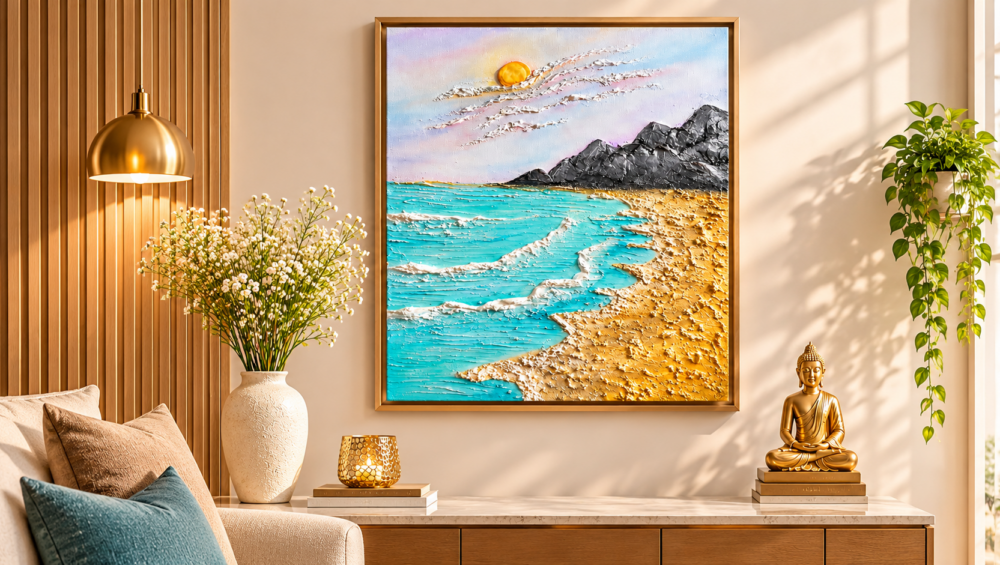
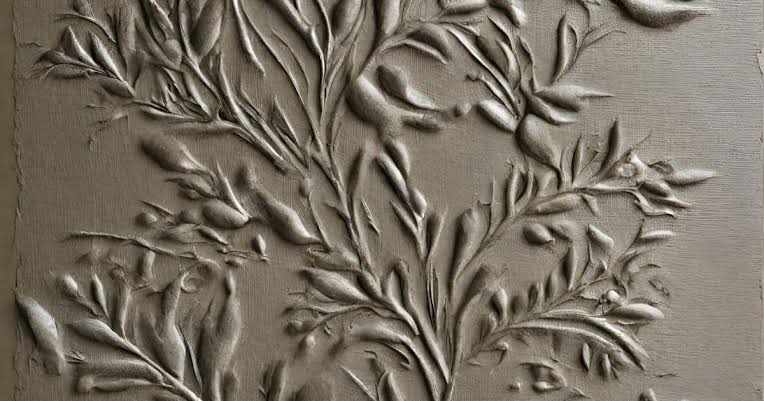
Texture is what gives textured artwork its distinctive character. Unlike traditional flat paintings, textured art introduces depth, dimension, and interesting surface details.

The texture density should be selected according to the interior design and desired visual impact.

Light Texture: Subtle raised patterns create a sophisticated and understated appearance.

Medium Texture: Balanced surface details add depth while maintaining visual simplicity.

Heavy Texture: Bold, sculptural textures create dramatic statement artwork that attracts attention.

Artists may use palette knives, modelling paste, acrylic mediums, and other suitable materials to create different surface effects.

For homeowners who love contemporary interiors, neutral textured artwork can provide a beautiful balance between simplicity and artistic expression.

6. The Artwork Creation Process: Bringing Ideas to Life

Once the mood board, dimensions, colours, and texture preferences are finalised, the actual creative process begins.

This stage involves translating the approved concept into an original artwork.

The artist carefully works on:

  1. Preparing the canvas and selecting suitable materials.
  2. Establishing the composition and base colours.
  3. Applying textures and creating surface details.
  4. Developing layers, patterns, and artistic dimensions.
  5. Refining the overall appearance.
  6. Allowing the artwork to dry and preparing the final finish.

Every detail contributes to the final visual experience. The goal is to create something that feels personal, visually balanced, and suitable for the intended interior.

7. Reviewing the Artwork Before Final Delivery

A custom art commission is a collaborative experience. Before final delivery, the completed artwork should be reviewed against the original creative direction.

Important elements to evaluate include:

  • Colour accuracy and overall palette.
  • Texture quality and density.
  • Composition and visual balance.
  • Artwork dimensions and proportions.
  • Compatibility with the intended interior.
  • Final finishing and presentation.

This review helps ensure that the finished artwork reflects the agreed creative vision.

8. From the Artist’s Studio to Your Wall

The final stage is seeing the commissioned artwork become part of your home or design project.

Placement and lighting can make a significant difference to the overall appearance of textured artwork.

Consider these styling tips:

  • Hang artwork at a comfortable eye-level height.
  • Use suitable wall lighting to highlight raised textures.
  • Maintain enough surrounding space to let the artwork stand out.
  • Coordinate decorative accessories with the artwork’s colour palette.
  • Select a frame or frameless finish that complements the design.

Whether displayed above a living room sofa, in a bedroom, or in a beautifully designed entrance, custom artwork can become a meaningful focal point.

Why Choose Custom Artwork for Your Interior?

Custom artwork offers something that mass-produced decorative pieces often cannot: a personal connection between the artwork and the space.

Here are some advantages:

  • Personalisation: Artwork designed around your preferences.
  • Unique Design: An original creation rather than a mass-produced piece.
  • Perfect Dimensions: Artwork planned according to your wall measurements.
  • Colour Coordination: Palettes selected to complement your interiors.
  • Artistic Expression: Textures and techniques that reflect your desired style.
  • Interior Harmony: A thoughtful connection between artwork and furniture, lighting, and decor.

For homeowners and interior designers, bespoke artwork offers an opportunity to create spaces that feel more individual and thoughtfully designed.

The journey of a custom art commission is a beautiful combination of imagination, collaboration, and craftsmanship. From discussing initial ideas and creating mood boards to selecting colours, deciding texture density, and completing the final artwork, every step contributes to a meaningful artistic experience.

At Ranggat, custom textured artwork celebrates creativity and individuality. Whether you want a subtle abstract canvas for your bedroom or a bold statement piece for your living room, the right artwork can bring your interior vision to life.

Your wall deserves more than ordinary decoration. It deserves artwork that tells your story.

Common Texture Art Mistakes and How to Fix Them | RanggatCategoriesCreative

How to Choose the Right Textured Statement Piece for Your Living Room or Entryway | Ranggat

A beautifully designed living room or entryway is not just about furniture, wall colours, or decorative accessories. The right statement piece can completely transform an ordinary space into a stylish and welcoming environment. Textured statement art has become a popular choice for modern home interiors because it adds depth, character, and visual interest to plain walls.

Whether you prefer contemporary abstract artwork, handcrafted textured paintings, or unique 3D wall art, choosing the right piece can make your home feel more elegant and personalised. However, selecting artwork requires more than simply finding a design you like. You also need to consider the size, colour combination, placement, lighting, and overall interior style.

In this guide, we will explore how to choose the right textured statement piece for your living room or entryway and create a balanced, visually appealing interior.

1. Understand the Purpose of a Textured Statement Piece

A statement piece is an artwork or decorative element that naturally attracts attention when someone enters a room. Unlike ordinary wall decorations, textured artwork creates a three-dimensional appearance through raised patterns, layered materials, and artistic finishes.

Textured wall art can:

  • Add depth and dimension to plain walls.
  • Create a focal point in your living room.
  • Complement modern, minimalist, and contemporary interiors.
  • Introduce artistic personality into your home.
  • Make entryways and empty walls look more inviting.

If you want your interiors to feel distinctive, consider handcrafted textured artwork that combines creativity with modern aesthetics.

2. Choose the Right Artwork Size Using the 2/3 Rule

One of the most important aspects of selecting statement artwork is choosing the correct size. Even a beautiful painting may look out of place if it is too small or too large for the wall.

A useful interior design guideline is the 2/3 rule.

According to this rule, artwork placed above a sofa, console table, or other large furniture should generally measure around two-thirds of the furniture’s width.

For example:

  • If your sofa is 90 inches wide, choose artwork approximately 60 inches wide.
  • If your console table is 48 inches wide, consider artwork around 32 inches wide.
  • For larger walls, consider oversized textured artwork to create a stronger visual impact.

The artwork should feel connected to the furniture beneath it without overwhelming the surrounding space.

3. Select Colours That Complement Your Wall

Colour coordination plays a major role in interior styling. Your textured statement piece should complement the existing wall colour, furniture, curtains, rugs, and decorative accessories.

Here are some popular combinations:

Neutral Walls: Beige, cream, white, and grey walls look beautiful with textured artwork in earthy tones, ivory, taupe, and soft brown.

Dark Walls: Navy blue, charcoal, and deep green walls can create a dramatic background for white, gold, metallic, and light beige artwork.

Light-Coloured Interiors: If your living room has a minimal colour palette, choose artwork with subtle contrasts to introduce visual interest.

Colourful Interiors: For rooms with bold furniture or colourful accessories, consider textured art with balanced and complementary shades.

The goal is to create harmony rather than introduce too many competing colours.

4. Consider Your Interior Design Style

Before purchasing textured wall art, understand the overall design theme of your home.

  • Minimalist Interiors: Choose simple, neutral-toned textured artwork with clean patterns.
  • Modern Interiors: Experiment with abstract designs, geometric textures, and contemporary finishes.
  • Luxury Interiors: Consider sophisticated artwork with metallic accents, layered textures, and elegant colour combinations.
  • Bohemian Interiors: Earthy shades, organic patterns, and handcrafted finishes work beautifully.

At Ranggat, artistic and handcrafted decor can help introduce a distinctive creative touch to modern interiors.

5. Pay Attention to Lighting Placement

Lighting can significantly change how textured artwork appears. Unlike flat paintings, textured pieces create shadows and highlights that become more noticeable under suitable lighting.

Consider these lighting ideas:

  • Install picture lights above statement artwork.
  • Use adjustable spotlights to highlight raised textures.
  • Position wall lights to create subtle shadows.
  • Avoid harsh lighting that produces unwanted glare.
  • Use warm lighting to create a cosy and welcoming atmosphere.

Proper lighting makes the texture, details, and artistic craftsmanship more noticeable.

6. Find the Perfect Placement in Your Living Room

The living room is one of the best places to display textured statement artwork because it is often the main gathering space in a home.

Some suitable placement ideas include:

  • Above the main sofa.
  • Behind the living room seating arrangement.
  • On a large empty feature wall.
  • Above a fireplace or decorative console.
  • As part of a carefully arranged gallery wall.

For a balanced appearance, hang artwork approximately 6–10 inches above the sofa or furniture, adjusting according to its proportions.

Avoid placing too many decorative pieces around the artwork. Give your statement piece enough space to stand out.

7. Make Your Entryway More Welcoming

Your entryway creates the first impression of your home. A thoughtfully selected textured artwork piece can make even a small entrance look sophisticated.

Here are some styling ideas:

  • Place medium-sized textured artwork above a console table.
  • Combine artwork with a decorative mirror.
  • Add a small vase or indoor plant.
  • Choose warm lighting for a welcoming atmosphere.
  • Keep the surrounding decor minimal and organised.

For narrow entryways, vertical artwork can help create visual height without occupying additional floor space.

8. Choose Quality and Handcrafted Details

When selecting textured artwork, pay attention to its craftsmanship, materials, finishing, and durability.

Look for:

  • Well-defined raised textures.
  • Consistent finishing and detailing.
  • Colours that complement your home.
  • Quality materials and suitable mounting.
  • Unique artistic designs that reflect your personality.

Handcrafted artwork can bring an individual character to your interiors, making your home feel less ordinary and more expressive.

9. Avoid Common Interior Styling Mistakes

Even attractive artwork can lose its impact if it is not styled correctly.

Avoid these common mistakes:

  1. Choosing artwork that is too small for a large wall.
  2. Ignoring the existing colour scheme.
  3. Hanging artwork too high.
  4. Using too many decorative accessories around one statement piece.
  5. Ignoring the importance of lighting.
  6. Selecting artwork that does not match the interior theme.

A well-balanced arrangement allows your textured statement piece to become the centre of attention.

Transform Your Home with the Right Textured Artwork

Choosing the right textured statement piece for your living room or entryway is an excellent way to introduce creativity, depth, and personality into your home. By considering artwork size, colour combinations, interior design themes, placement, and lighting, you can create a beautiful arrangement that complements your living space.

Whether you love minimalist designs, contemporary abstract paintings, or handcrafted textured artwork, the right piece can turn an ordinary wall into an artistic focal point.

Explore the creative world of handcrafted art with Ranggat and discover artwork that brings character, elegance, and individuality to your home interiors.

Frequently Asked Questions (FAQs)

1. What is textured statement wall art?

Textured statement wall art is decorative artwork featuring raised surfaces, layered materials, and three-dimensional patterns that add depth and visual interest to interior spaces.

2. How big should statement artwork be above a sofa?

A useful guideline is to choose artwork approximately two-thirds the width of your sofa for a balanced appearance.

3. Which colours are best for textured wall art?

Neutral shades such as beige, ivory, white, grey, and earthy brown are versatile choices. Gold and metallic accents can also create an elegant appearance.

4. Where should I place textured artwork in my home?

You can display textured artwork above sofas, console tables, fireplaces, entryway walls, or other prominent areas where it can become a focal point.

5. Does lighting affect the appearance of textured wall art?

Yes. Directional lighting, picture lights, and spotlights can highlight raised surfaces, create shadows, and enhance the artwork’s three-dimensional appearance.

Read also | Gayatri Mantra Mini Frames for Home and Office Décor | Ranggat