Cow and Lotus Floral Mandala Art: A Symbol of Divine Energy and Spiritual HarmonyCategoriesCreative

Spiritual Mandala Art: The Power of Cow and Lotus Symbolism

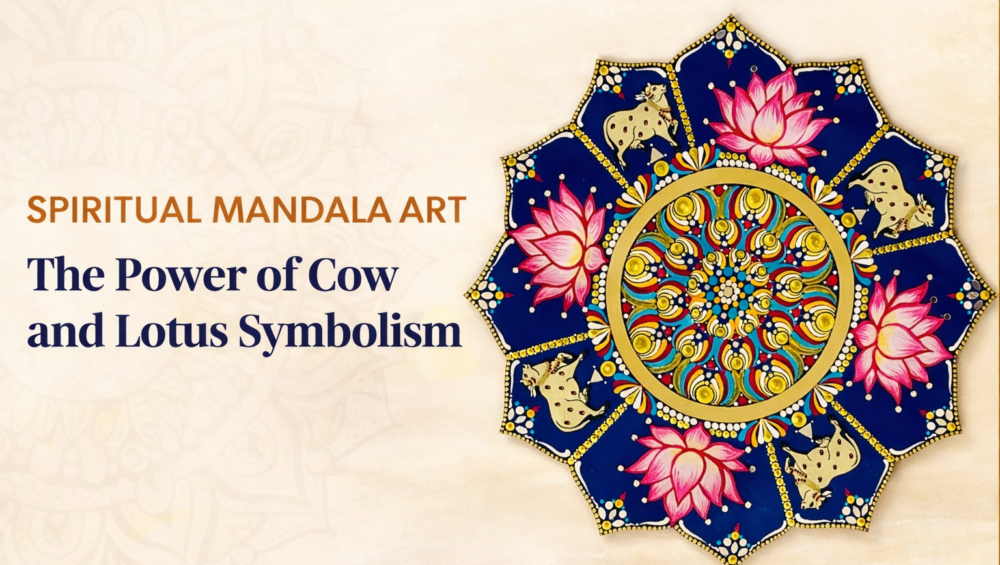
Spiritual mandala art has long been used as a tool for meditation, healing, and inner transformation. Among the most meaningful designs in sacred art is the Cow and Lotus Floral Mandala—a powerful fusion of divine symbolism, natural beauty, and sacred geometry. This artwork brings together two deeply spiritual icons: the cow and the lotus, each carrying profound meaning across cultures, especially in Indian spiritual tradition.

In this article, we explore the spiritual significance, symbolism, and energy behind cow and lotus mandala art—and why it makes a powerful addition to your home or meditation space.

What Is Spiritual Mandala Art?

A mandala is a geometric spiritual symbol representing the universe, unity, and wholeness. The word mandala comes from Sanskrit, meaning “circle,” symbolizing completeness and eternity.

Spiritual mandala art is designed not just for decoration, but for:

  • Meditation and mindfulness
  • Energy alignment
  • Emotional healing
  • Sacred space enhancement

When meaningful symbols like the cow and lotus are placed within a mandala design, the spiritual energy of the artwork is amplified.

The Sacred Symbolism of the Cow

In Hindu philosophy, the cow is considered sacred and nurturing. It represents:

  • Motherhood and unconditional love
  • Abundance and prosperity
  • Patience and gentleness
  • Divine feminine energy

The sacred cow is associated with deities such as Kamadhenu, the divine cow believed to fulfill wishes and bring prosperity. In many spiritual traditions, the cow symbolizes the Earth’s nurturing energy and life-sustaining power.

Including a cow in mandala art invites:

  • Peaceful vibrations
  • Protection and positivity
  • A sense of grounding and calm

The Spiritual Meaning of the Lotus Flower

The lotus is one of the most powerful spiritual symbols in Eastern traditions. It represents purity, enlightenment, and rebirth.

Growing beautifully from muddy waters, the lotus teaches us that:

  • We can rise above challenges
  • Spiritual growth comes through struggle
  • Inner beauty shines despite external conditions

The lotus is closely connected with deities like Lakshmi and Saraswati, symbolizing wealth, wisdom, and divine grace.

In mandala art, the lotus enhances:

  • Spiritual awakening
  • Heart chakra activation
  • Inner peace and clarity

The Combined Power of Cow and Lotus in Mandala Art

When the cow and lotus are united within a sacred mandala design, the symbolism becomes deeply transformative.

This combination represents:

  • Nurturing energy (Cow) + Spiritual awakening (Lotus)
  • Earthly abundance + Divine purity
  • Compassion + Enlightenment
  • Stability + Growth

The circular mandala structure surrounds these symbols with balance and harmony, symbolizing the interconnectedness of life.

Together, they create artwork that radiates:

  • Positive energy
  • Protection from negativity
  • Emotional balance
  • Spiritual growth

Benefits of Cow and Lotus Mandala Art in Your Home

Adding cow and lotus floral mandala wall art to your space can influence your environment energetically and aesthetically.

1. Enhances Meditation Spaces

The symmetrical geometry supports focus and mindfulness practices.

2. Promotes Positive Energy

Sacred symbols naturally uplift the vibration of a room.

3. Encourages Prosperity and Abundance

The cow and lotus both symbolize wealth and divine blessings.

4. Creates a Calm Atmosphere

Perfect for living rooms, yoga studios, and prayer rooms.

Cow and Lotus Mandala in Modern Spiritual Decor

Today, spiritual home decor is more than a trend—it is a lifestyle choice. People are intentionally selecting art that aligns with their energy and values.

A cow and lotus floral mandala fits beautifully into:

  • Bohemian interiors
  • Indian traditional decor
  • Minimalist meditation rooms
  • Holistic healing spaces

Its intricate floral patterns add elegance, while the symbolism adds depth and meaning.

How to Use Cow and Lotus Mandala Art for Meditation

To maximize its spiritual impact:

  1. Place the artwork at eye level in a quiet space.
  2. Sit comfortably and focus on the center of the mandala.
  3. Breathe deeply and allow your mind to settle.
  4. Visualize abundance, purity, and compassion flowing into your life.

Over time, the mandala becomes a visual anchor for peace and clarity.

Spiritual mandala art is more than decoration—it is a sacred expression of energy and intention. The cow represents nurturing abundance and protection, while the lotus symbolizes purity and enlightenment. Together within a mandala, they create a powerful spiritual artwork that inspires balance, prosperity, and inner growth.

Whether placed in your meditation room, living space, or sacred altar, a Cow and Lotus Floral Mandala serves as a daily reminder that we can live with compassion, rise above challenges, and remain connected to divine harmony.
Top 10 Mandala Art Inspirations You’ll LoveCategoriesUncategorized

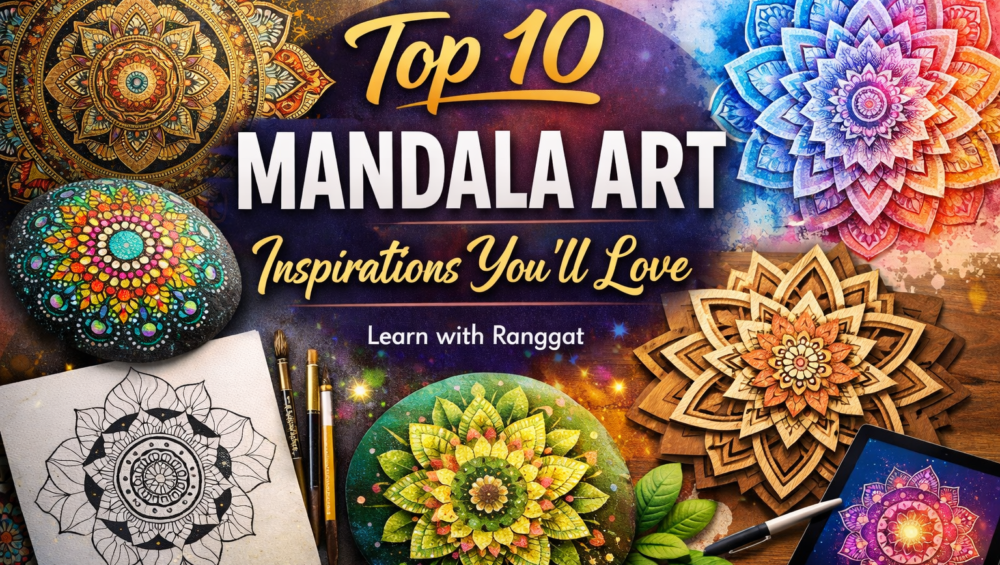
Top 10 Mandala Art Inspirations You’ll Love

Mandala art has captured the hearts of artists, creatives, and mindfulness seekers around the world. Rooted in ancient traditions and now reimagined in modern styles, mandalas offer endless possibilities for creativity. Whether you’re a beginner or an experienced artist, these top 10 mandala art inspirations will spark your imagination and elevate your designs.

1. Traditional Sacred Mandalas

Inspired by ancient cultures, traditional mandalas often reflect spiritual symbolism and sacred geometry. In India, mandalas are deeply connected to Hindu traditions, while in Tibet****, they are central to Buddhist practices. These designs usually feature intricate patterns, lotus motifs, and symmetrical structures representing the universe.

Inspiration Tip: Start with a central lotus and build outward using repeating geometric patterns.

2. Nature-Inspired Mandalas

Nature provides endless creative ideas—flowers, leaves, feathers, waves, and even animals. You can design a mandala shaped like a sunflower or create petal layers inspired by roses.

Inspiration Tip: Observe natural symmetry in plants and replicate it in circular form.

3. Dot Mandala Art

Dot mandalas use repetitive dotting techniques to create stunning texture and depth. This style is particularly popular on rocks, canvases, and wooden boards.

Inspiration Tip: Use different dotting tools (from brushes to cotton swabs) to vary dot sizes for a dynamic effect.

4. Minimalist Mandalas

Less is more! Minimalist mandalas use clean lines, limited colors, and simple symmetry to create elegant designs. Perfect for modern home décor or tattoo concepts.

Inspiration Tip: Stick to black and white or two contrasting colors for a sleek look.

5. Chakra-Themed Mandalas

Each chakra represents different energy centers in the body. Artists often use specific colors and symbols aligned with these energies to create meaningful designs.

Inspiration Tip: Research chakra color meanings and incorporate them thoughtfully into your pattern.

6. Watercolor Mandalas

Soft gradients and blended tones give watercolor mandalas a dreamy appearance. The fluid nature of watercolor adds a unique artistic twist to structured geometry.

Inspiration Tip: Paint a soft background wash first, then outline patterns once dry.

7. Mandala Rock Painting

Mandala rock art has become a popular DIY craft trend. Smooth stones provide a natural base for vibrant dot mandalas.

Inspiration Tip: Seal your finished rock with varnish to protect the design.

8. Digital Mandala Art

Using tablets and design software, digital mandalas allow precise symmetry and endless experimentation with colors and effects.

Inspiration Tip: Use symmetry tools in digital art apps to speed up the design process.

9. 3D and Layered Mandalas

Layered paper or wood mandalas create depth and shadow, turning simple patterns into eye-catching wall art.

Inspiration Tip: Experiment with contrasting colors between layers to enhance the 3D effect.

10. Personalized Mandalas

Add names, affirmations, zodiac signs, or meaningful dates to make your mandala truly unique. Personalized pieces make beautiful gifts and keepsakes.

Inspiration Tip: Sketch your text lightly before final outlining to maintain symmetry.

Mandala art is more than just beautiful design—it’s a journey of patience, balance, and creativity. From traditional sacred patterns to modern digital creations, there’s a mandala style for everyone.

If you’re learning through Learn with Ranggat, try exploring one inspiration at a time and practice consistently. Over time, you’ll discover your own unique mandala style and artistic voice.

Devi Mantra Sarvmangal sacred decor for peace, protection and positive energy. Perfect for home temple and gifting.CategoriesCreative

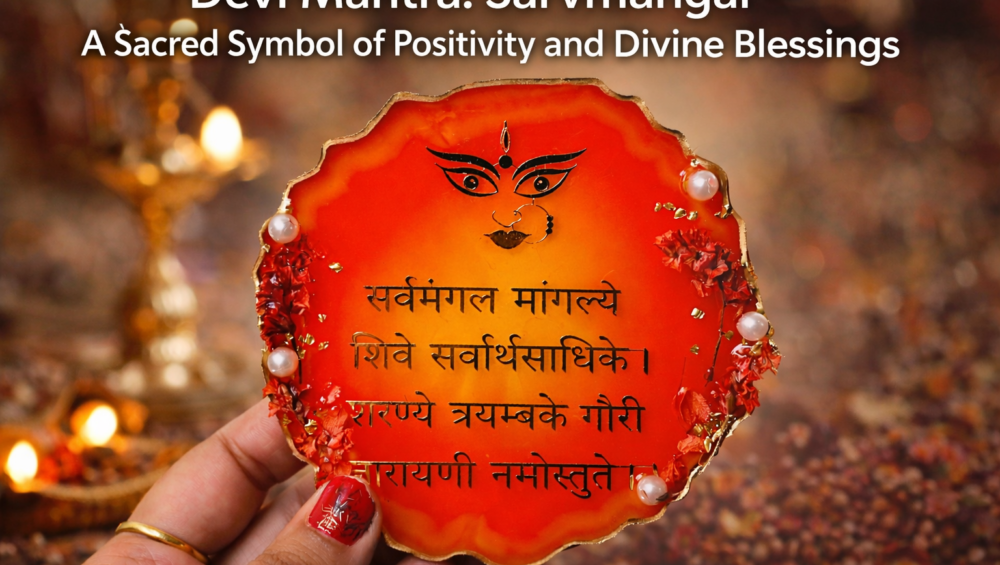
Devi Mantra: Sarvmangal – A Sacred Symbol of Positivity and Divine Blessings

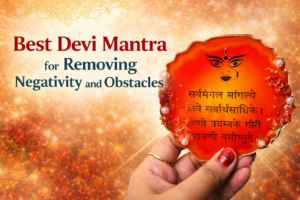
The Devi Mantra: Sarvmangal is a powerful symbol of faith, devotion, and positive energy. Inspired by the sacred mantra dedicated to Goddess Durga, this beautifully designed spiritual piece is perfect for your home temple, meditation corner, or as a meaningful gift.

This mantra is widely known for inviting peace, protection, and prosperity into life. The sacred words written on this art piece are:

“Sarva Mangala Mangalye
Shive Sarvartha Sadhike
Sharanye Tryambake Gauri
Narayani Namostute”

This prayer honors the Divine Mother as the source of all goodness and strength.

Elegant and Spiritual Design

The product features:

  • A vibrant red and orange background symbolizing power and positivity
  • A divine illustration of Maa Durga’s eyes, representing protection and awareness
  • Sacred Sanskrit mantra beautifully engraved
  • Decorative elements like pearls and floral accents for a festive touch
  • A handcrafted artistic finish that enhances spiritual beauty

Its warm colors and sacred design make it a perfect addition to any devotional space.

Spiritual Significance of Sarvmangal Mantra

The Sarvmangal Mantra is believed to:

  • Remove negative energy
  • Bring peace and harmony into the home
  • Offer divine protection
  • Support spiritual growth
  • Create a positive and calming atmosphere

Chanting or simply keeping this mantra in your sacred space helps strengthen your connection with the Divine Mother.

Perfect for Every Occasion

This spiritual piece is ideal for:

  • Daily puja and meditation
  • Navratri celebrations
  • Housewarming gifts
  • Festive decorations
  • Gifting to loved ones for blessings and positivity

It is not just a decorative item but a symbol of devotion and faith.

A Meaningful Addition to Your Home

Keeping the Devi Mantra: Sarvmangal in your home reminds you of strength, courage, and divine grace every day. It creates a peaceful environment and fills your surroundings with positive vibrations.

Bring home this sacred mantra art from Ranggat and invite divine blessings, protection, and happiness into your life.

In today’s fast-moving world, finding inner peace can feel difficult. Stress, negative thoughts, and daily pressure often disturb our mental balance. The Devi Mantra: Sarvmangal is a powerful spiritual offering designed to bring calmness, strength, and positive energy into your life.

This sacred mantra is dedicated to Goddess Durga, the divine mother who represents protection, power, and compassion. By listening to or chanting the Sarvmangal Mantra regularly, you can create a peaceful and spiritually uplifting environment at home.

Experience the calming power of devotion with Devi Mantra: Sarvmangal, available now on Ranggat, and take a simple step toward a more peaceful and spiritually enriched life.

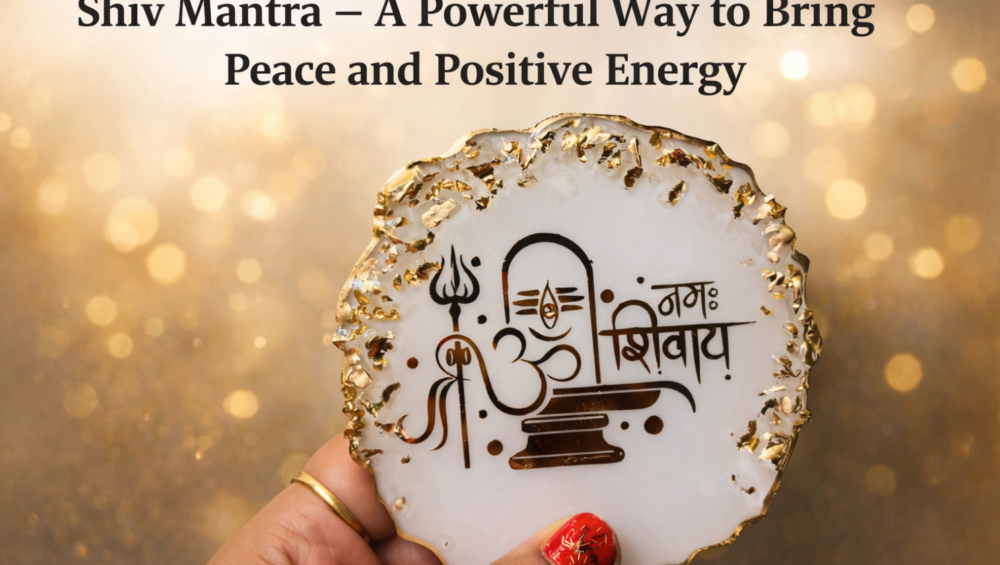
Shiv Mantra – A Powerful Way to Bring Peace and Positive EnergyCategoriesCreative

Shiv Mantra – A Powerful Way to Bring Peace and Positive Energy

Shiv Mantra is a sacred mantra dedicated to Lord Shiva. It is known for bringing peace, positivity, and spiritual strength into life. People chant Shiv Mantra to remove negative energy, reduce stress, and feel calm and focused.

This mantra is very helpful for those who want mental peace, success, and a balanced life.

Importance of Shiv Mantra

Lord Shiva is known as the god of meditation and inner power. Chanting Shiv Mantra daily helps in:

  • Reducing stress and anxiety
  • Creating positive energy around you
  • Improving focus and concentration
  • Bringing peace to mind and soul
  • Removing negative thoughts

Shiv Mantra is simple, powerful, and suitable for everyone.

Benefits of Shiv Mantra Product

This Shiv Mantra product is designed to help you experience spiritual peace easily at home or at work.

Key benefits:

  • Pure and powerful mantra vibrations
  • Easy to use for daily chanting or meditation
  • Helps attract positive energy
  • Creates a calm and peaceful environment
  • Suitable for home, office, and meditation space

How to Use Shiv Mantra

To get the best results:

  1. Sit in a quiet place
  2. Focus on Lord Shiva
  3. Chant or listen to the Shiv Mantra with faith
  4. Use it daily for better results

Regular use helps you feel more relaxed and positive.

Why Choose Shiv Mantra?

In today’s busy life, stress and negativity are common. Shiv Mantra helps you stay calm, strong, and positive. This product is perfect for anyone looking for spiritual growth and inner peace.

If you want peace of mind, positive energy, and Lord Shiva’s blessings, the Shiv Mantra product is a great choice. It is not just a mantra, but a spiritual experience that helps improve your daily life

READ ALSO | Shiva–Shakti: The Sacred Balance of the Universe

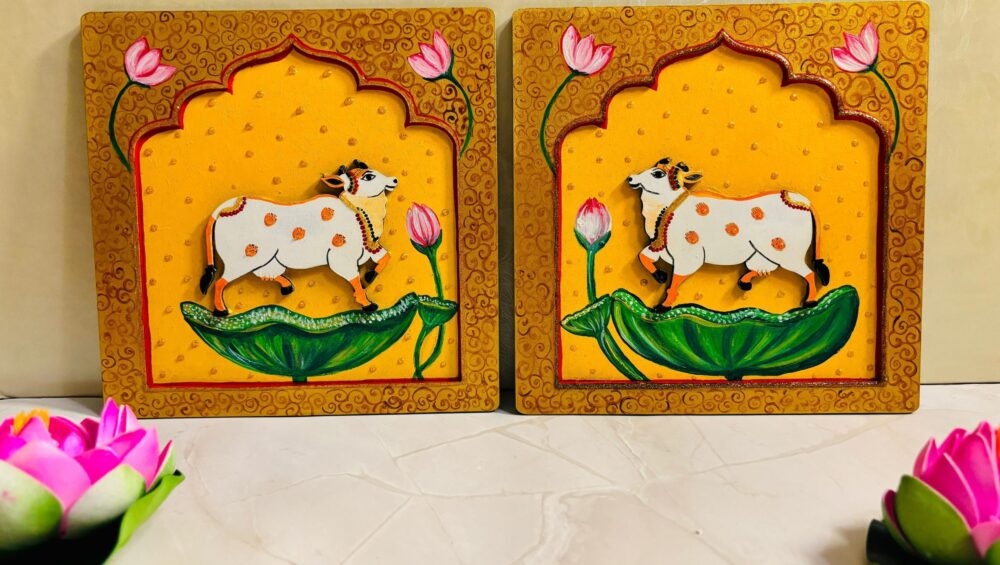
Pichwai style cow with jharokhaCategoriesCreative Tips & Tricks

Learn with Ranggat: Blending Tradition and Creativity in Pichwai Art

At Ranggat, every piece of art tells a story — not just through its colors and forms, but through the cultural heritage it carries. One such masterpiece is the Pichwai Style Cow with Jharokha, a traditional-inspired artwork that beautifully blends the essence of classical Pichwai art with creative modern expression.

Understanding Pichwai Art

Pichwai painting is a traditional Indian art form that originated in Nathdwara, Rajasthan. For centuries, these paintings were created as devotional backdrops for temples, especially behind the idol of Lord Shrinathji. Over time, Pichwai evolved into a celebrated art style known for its intricate detailing, symbolic motifs, and rich storytelling through visual elements.

The art form reflects themes of devotion, nature, seasons, and spirituality, making it both culturally significant and visually captivating.

The Sacred Symbolism of the Cow

In Indian culture, the cow symbolizes purity, prosperity, and nourishment. In Pichwai-inspired artworks, the cow often represents peace, divine blessings, and harmony with nature. Its calm presence evokes spiritual balance and positive energy, making it a meaningful motif for home décor and sacred spaces.

The cow’s association with Lord Krishna further deepens its significance, connecting the artwork to themes of devotion and timeless tradition.

The Jharokha: A Window into Heritage

The jharokha, an ornate architectural window commonly found in Indian palaces and heritage structures, adds a distinctive traditional frame to the artwork. In this piece, the jharokha acts as a symbolic window — offering a glimpse into India’s artistic legacy while enhancing the visual depth and elegance of the painting.

Where Tradition Meets Creativity

The Pichwai Style Cow with Jharokha by Ranggat is a thoughtful blend of heritage and innovation:

  • Inspired by traditional Pichwai motifs and storytelling
  • Designed to complement both classic and contemporary interiors
  • Crafted with attention to fine details and balanced composition

This fusion allows the artwork to retain its traditional soul while appealing to modern aesthetics.

A Meaningful Addition to Your Space

This artwork is more than décor — it is an expression of culture, spirituality, and creative craftsmanship. Whether displayed in a living room, meditation area, or entryway, it brings a sense of calm, devotion, and artistic richness to its surroundings.

With the Pichwai Style Cow with Jharokha, Learn with Ranggat invites you to experience how traditional art can evolve beautifully while staying rooted in its origins.

Learn with Ranggat | Dot Mandala Painting for Beginners: Simple Step-by-Step GuideCategoriesCreative Tips & Tricks

Learn with Ranggat | Dot Mandala Painting for Beginners: Simple Step-by-Step Guide

Dot mandala painting is a beautiful and relaxing art form. It is made using small dots placed in a circular pattern. Anyone can learn dot mandala art—even if you have never painted before. You do not need expensive tools or professional skills. You only need patience and practice.

This guide will help you learn dot mandala painting step by step in very simple words.

What Is Dot Mandala Painting?

Dot mandala painting is an art style where designs are created using dots.
The word mandala means circle.
The design usually starts from the center and moves outward in a balanced pattern.

This art is known for:

  • Calm and relaxing feeling
  • Beautiful symmetry
  • Easy learning for beginners

Materials Needed for Dot Mandala Painting

You do not need many things to start.

Basic materials:

  • Acrylic colors
  • Canvas paper / canvas board / stone
  • Dotting tools (or toothpick, pencil back, cotton bud)
  • Pencil
  • Scale (ruler)
  • Compass (optional)

Step 1: Prepare Your Surface

  • Choose a canvas or paper
  • Paint a base color (black, white, or any dark color looks good)
  • Let it dry completely

A smooth and dry surface helps dots look neat.

Step 2: Find the Center Point

  • Use a pencil to find the center of your canvas
  • Draw light circles or lines for guidance
  • These lines help keep the design balanced

Do not press the pencil too hard.

Step 3: Start with the Center Dot

  • Take one color
  • Make one dot exactly in the center
  • This is the starting point of your mandala

Always start from the center and move outside.

Step 4: Create Dot Rows

  • Place small dots around the center dot
  • Keep equal space between each dot
  • Change colors if you like
  • Slowly increase dot size as you move outward

Work slowly and calmly.

Step 5: Use Different Dot Sizes

  • Small dots for detail
  • Medium dots for design
  • Big dots for outer layers

Using different dot sizes makes your mandala look beautiful.

Step 6: Let It Dry

  • Do not touch wet dots
  • Let the painting dry fully
  • You can add a varnish later for shine (optional)

Tips for Beginners

  • Practice on paper before canvas
  • Keep your hand steady
  • Clean your tool after every color
  • Do not rush—enjoy the process

Mistakes are part of learning.

Why Dot Mandala Art Is Special

  • Easy for beginners
  • Improves focus and patience
  • Reduces stress
  • Creates beautiful results

Anyone can learn with regular practice.

Dot mandala painting is not about perfection.
It is about peace, balance, and creativity.

Start simple, practice daily, and enjoy the journey.

READ ALSO : Dot Mandala Painting Techniques: Tips and Tricks

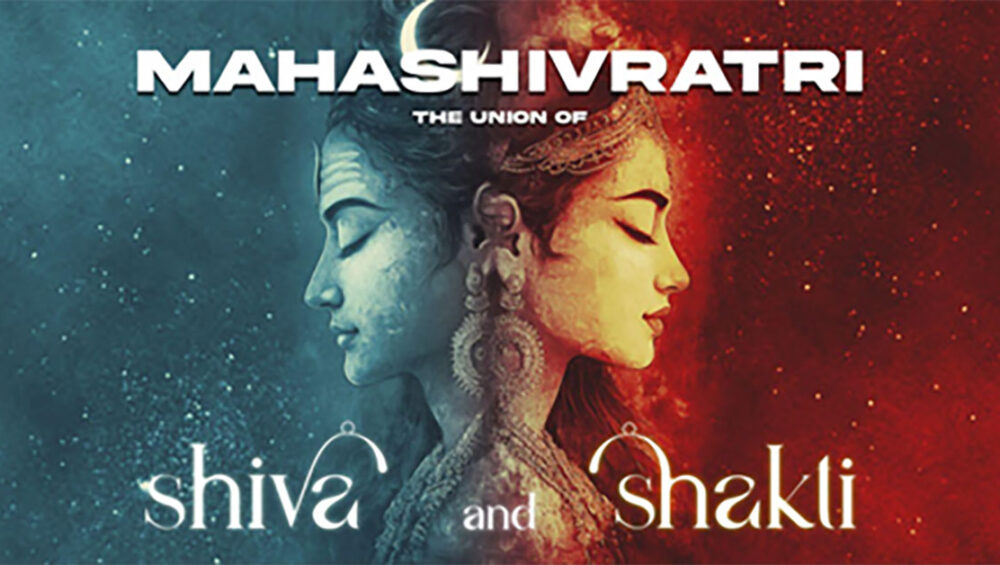
Shiva–Shakti: The Sacred Balance of the UniverseCategoriesCreative

Shiva–Shakti: The Sacred Balance of the Universe

In Hindu philosophy and ancient spiritual traditions, Shiva and Shakti represent the fundamental forces that govern the universe. Together, they symbolize the perfect balance between consciousness and energy, stillness and movement, masculine and feminine principles. The concept of Shiva–Shakti is not merely mythological—it is a profound spiritual truth that explains creation, existence, and transformation.

Shiva and Shakti

Shiva represents pure consciousness. He is the eternal, unchanging awareness—the silent observer. Often depicted in deep meditation, Shiva symbolizes stillness, wisdom, and transcendence beyond material reality.

Shakti, on the other hand, is divine energy. She is movement, creativity, and power. Shakti is the force that animates the universe, responsible for creation, preservation, and transformation. Without Shakti, Shiva remains inactive; without Shiva, Shakti lacks direction.

This interdependence forms the core of the Shiva–Shakti principle.

The Sacred Union of Consciousness and Energy

The union of Shiva and Shakti signifies the harmony of opposites. In spiritual terms, Shiva is awareness, Shakti is action. When they unite, life flows. This sacred balance is reflected everywhere—in nature, human existence, and cosmic order.

Ancient texts state:

“Shiva without Shakti is Shava (lifeless).”

This highlights that balance is essential. Creation itself begins when Shiva and Shakti unite.

Shiva–Shakti in Tantra and Yoga

In Tantric philosophy, Shiva resides at the crown chakra (Sahasrara), while Shakti lies dormant as Kundalini energy at the base of the spine. Through spiritual practice, meditation, and yoga, Shakti rises to unite with Shiva, resulting in self-realization and enlightenment.

This journey symbolizes inner balance—aligning mind, body, and soul.

Symbolism in Daily Life

The Shiva–Shakti balance is not limited to spirituality. It applies to everyday life:

  • Logic and emotion
  • Strength and compassion
  • Discipline and creativity
  • Stability and change

When these forces are balanced, individuals experience harmony, clarity, and purpose.

Relevance in the Modern World

In today’s fast-paced world, the wisdom of Shiva–Shakti is more relevant than ever. Modern life often leans too much toward action (Shakti) without reflection (Shiva), or stillness without progress. The Shiva–Shakti philosophy teaches us to balance inner peace with outer action.

By embracing both forces, one can achieve emotional well-being, spiritual growth, and a meaningful life.

Shiva–Shakti: The Sacred Balance of the Universe is a timeless truth reminding us that balance is the foundation of existence. They are not separate entities but two aspects of one divine reality. When consciousness and energy unite, life becomes whole.

Understanding Shiva–Shakti is understanding the universe—and ourselves.

READ ALSO | Mirror of the Mind: How Dot Mandala Painting Therapy Heals Stress and Anxiety