The House of Ranggat (THOR): Where Art Is Created with Purpose, Not for ViralityCategoriesCreative

The House of Ranggat (THOR): Where Art Is Created with Purpose, Not for Virality

The House of Ranggat (THOR) is not simply an art brand—it is a legacy art brand in the making. Rooted in intention, patience, and meaning, THOR is built for longevity rather than trends. It represents a conscious approach to art where quality matters more than virality, and depth matters more than speed.

At The House of Ranggat, art is created not just for today, but for generations to come.

Core Philosophy: Quality Over Virality

In an era where art is often measured by reach, likes, and instant visibility, The House of Ranggat follows a different path. The foundation of THOR rests on a clear belief:

True art creates legacy. Virality is temporary.

Every artwork begins with one central question:

“Why does this art matter?”

This question defines the process, the purpose, and the long-term value of each creation, positioning Ranggat as a brand built on substance rather than short-term attention.

Art Style and the Legacy-Centered Creative Process

The House of Ranggat focuses on timeless and meaningful art forms, including:

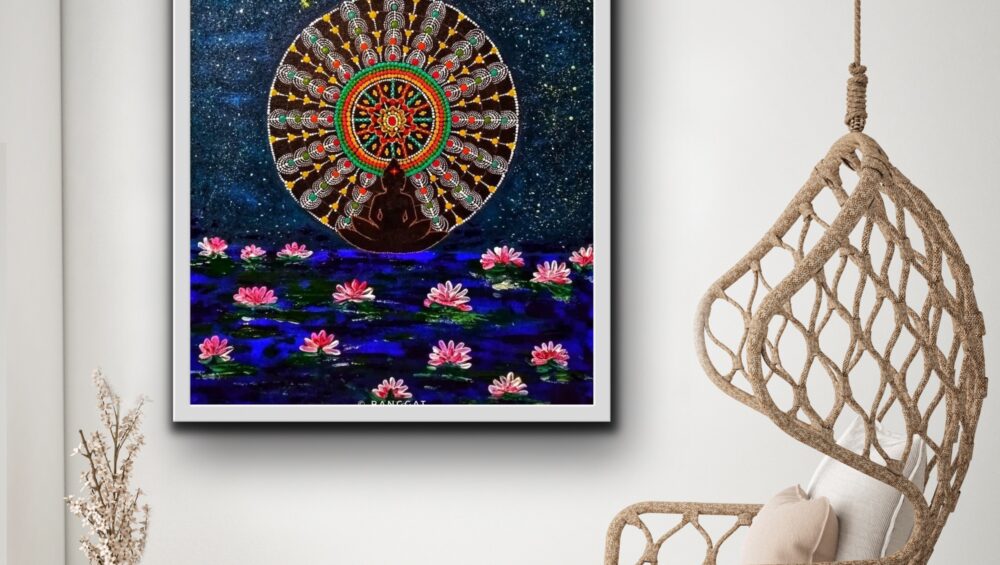
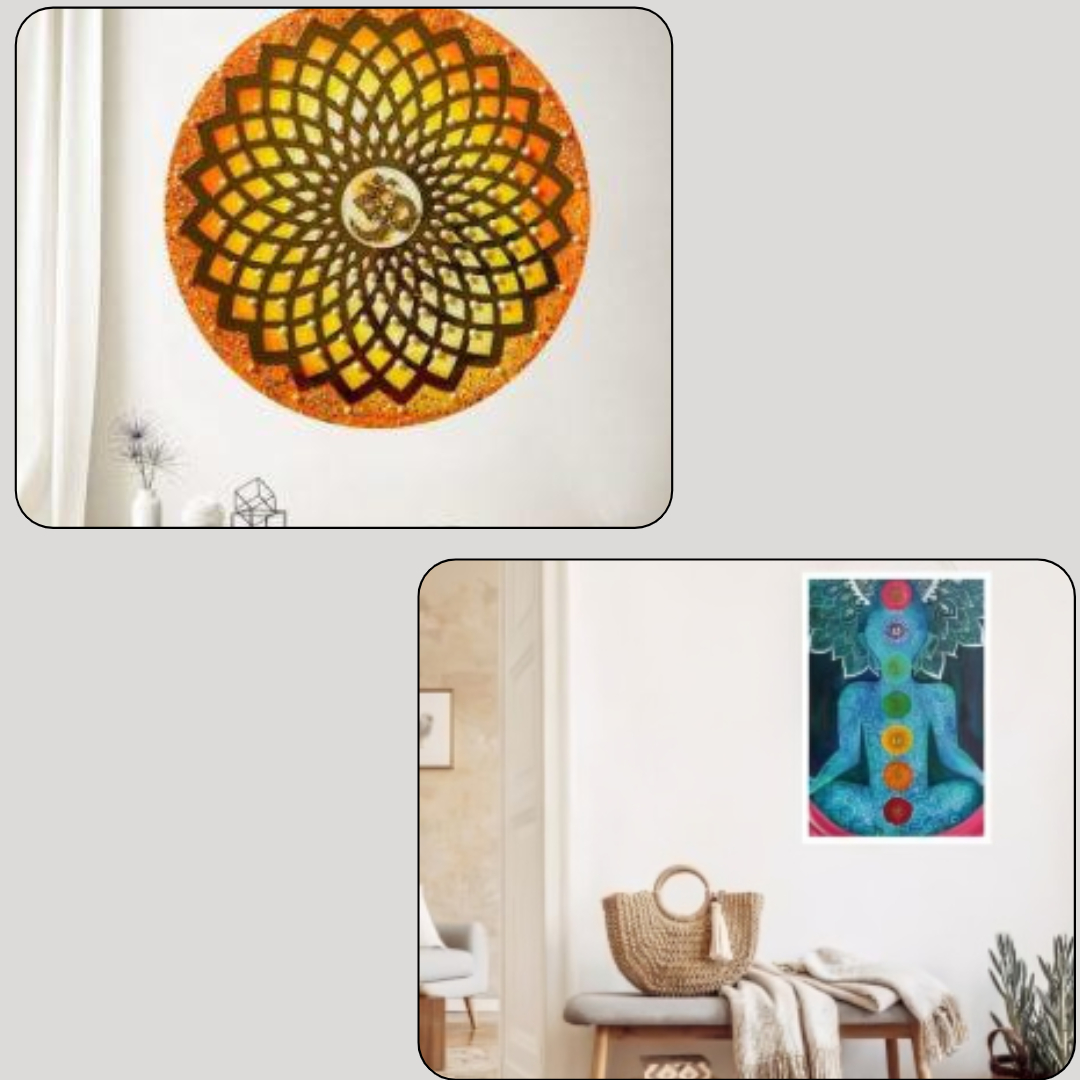
  • Mandala Art
  • Sacred Geometry
  • Textured and Layered Artworks

These forms are chosen for their historical, spiritual, and meditative significance. Each artwork is created through a slow, disciplined, and mindful process, ensuring balance, rhythm, and emotional depth.

The intention is simple: to create art that endures—visually, emotionally, and culturally.

The Three Core Verticals of The House of Ranggat

1. Ranggat Home Decor

Ranggat Home Decor represents the tangible legacy of the brand. These handcrafted artworks are designed to live within homes and spaces as long-term elements of identity and energy, not temporary decor pieces.

Each work becomes part of a living environment, growing in value and meaning over time.

2. Learn with Ranggat

A true legacy is sustained through learning and knowledge sharing.
Learn with Ranggat focuses on education through workshops, guided practices, and creative learning experiences. This vertical ensures that artistic techniques, philosophy, and awareness are passed on to future creators and conscious learners.

3. Ranggat Foundation

The heart of The House of Ranggat lies in giving back.
Through Ranggat Foundation, a portion of every artwork and learning experience supports free art education and creative resources for communities and NGOs.

In this way, art does not remain confined to private spaces—it returns to society and contributes to cultural growth.

The Four Pillars of THOR

1. Creation
High-quality, meaningful artworks that define brand value and attract conscious collectors.

2. Process & Philosophy
Transparency and depth in the creative journey, building trust, emotional connection, and authenticity.

3. Learning & Awareness
Education as a foundation for long-term community building and generational continuity.

4. Giving & Impact
Social responsibility that strengthens the ethical and cultural legacy of the brand.

What Makes The House of Ranggat a Legacy Art Brand

  • Focus on timeless art rather than fast trends
  • Strong philosophical foundation behind every creation
  • Integration of art, education, and social impact
  • Commitment to long-term cultural and emotional relevance

The House of Ranggat is designed to endure—to create, teach, share, and give art back to the world as a living legacy.

The House of Ranggat (THOR) stands as a legacy art brand built on meaning, discipline, and purpose. By balancing Soul (creative process), Market (sustainable growth), and Heart (social impact), THOR is shaping a creative ecosystem that goes beyond commerce.
Shiva and Shakti in Sacred Art: Divine Unity of Form and PowerCategoriesCreative

Shiva and Shakti in Sacred Art: The Balance of Structure and Energy

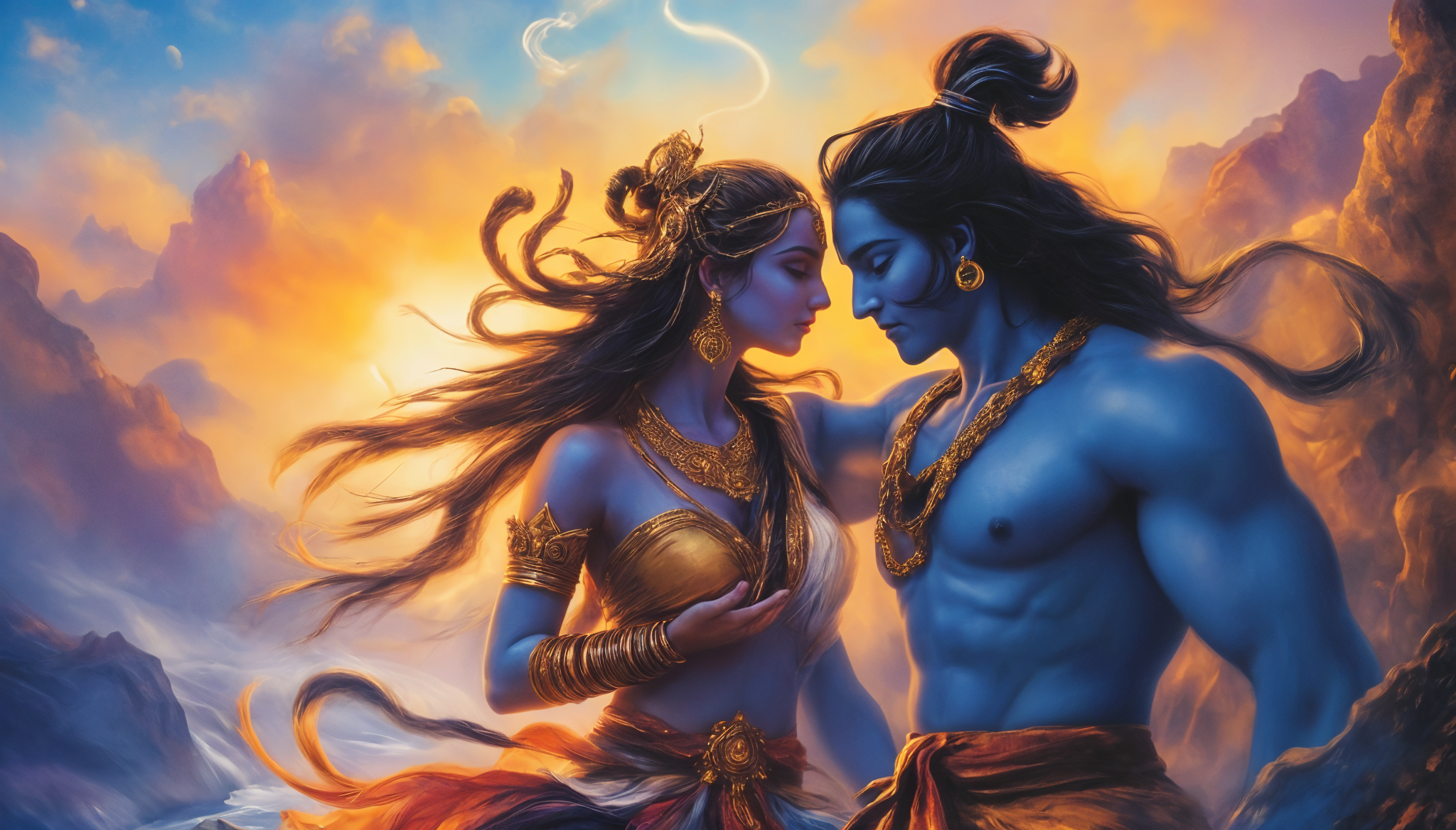
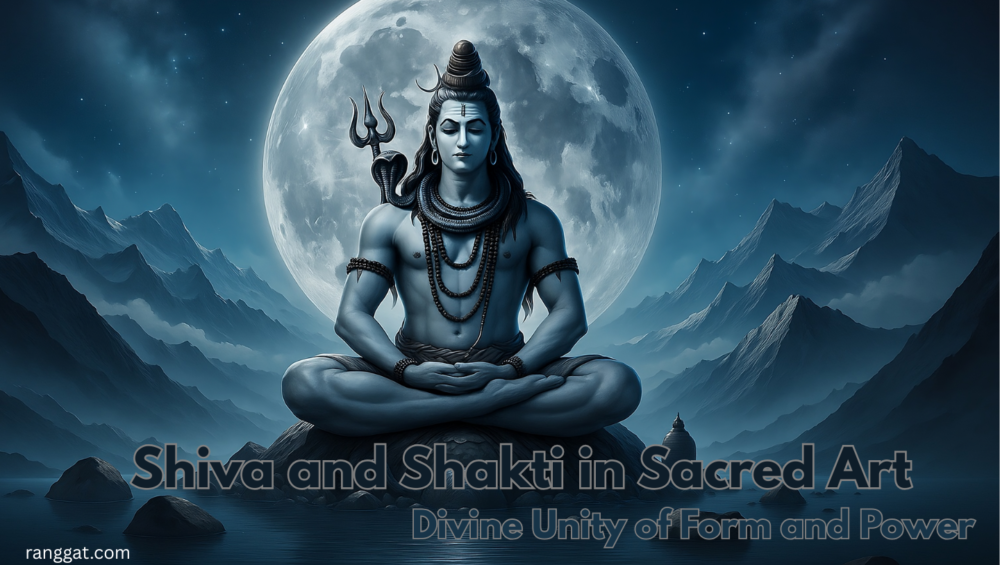
Shiva and Shakti stand for the cosmic balance between structure (awareness) and energy (creative force) in sacred art and spiritual symbolism. Together, these divine principles form the basis of existence and are inseparable rather than distinct. Shakti represents movement, creativity, and dynamic force, whereas Shiva represents quiet, meditation, and timeless being. Numerous pieces of sacred art in India and beyond are influenced by the interaction between Shiva and Shakti, which also has an impact on modern artistic expressions, sculpture, painting, and mandalas.

What Do Shiva and Shakti Symbolize?

The Power of Art in Interior Design: Expert Tips and Inspiring Stories

Shiva, often depicted in deep meditation or as Nataraja (the cosmic dancer), represents:

  • Pure consciousness
  • Detachment
  • Stillness
  • Structural order

Shakti, often manifested as Parvati, Durga, or Kali, stands for:

  • Creative energy
  • Transformation
  • Life force
  • Dynamic power

Together, they illustrate that existence is born from the union of consciousness and energy. This unity is the core theme in sacred art traditions throughout Hindu, Buddhist, and Tantric iconography.

Sacred Art Expressions of Shiva and Shakti

1. Temple Sculptures

Temple art in places like Khajuraho, Chidambaram, Konark, and Ellora showcases Shiva–Shakti symbolism through dynamic carvings.

These sculptures are more than decorative—they function as visual metaphors for cosmic balance:

  • Shiva in a still, meditative pose
  • Shakti represented in lively forms
  • Unified compositions showing spiritual harmony

2. Nataraja: Shiva’s Cosmic Dance

The iconic Nataraja statue shows Shiva performing the Ananda Tandava (Dance of Bliss), symbolizing:

  • Creation
  • Preservation
  • Destruction
  • Illusion
  • Grace

This artistic form blends structural harmony (Shiva) with rhythmic motion (Shakti). As the foot of Shiva crushes ignorance and the raised hand offers protection, this dance becomes a living sacred artwork—a symbol of cosmic balance.

3. Shakti Imagery: Durga & Kali

Shakti is vividly expressed in forms like Durga (warrior mother) and Kali (fierce liberator). Artworks portraying these goddesses highlight:

  • Strength
  • Feminine power
  • Protection
  • Transformation

These depictions emphasize that divine energy is not passive—Shakti drives spiritual and worldly change.

Philosophical Meaning in Art

Shiva and Shakti represent two energies:

  • Static consciousness
  • Dynamic force

In sacred paintings, mandalas, and Tantric art, this duality reflects the microcosm and macrocosm:

  • The inner world of meditation
  • The outer world of action

Artists use symbolism like:

  • Lotus flowers (purity and enlightenment)
  • Third eye (perception beyond the physical)
  • Trident (Trishul) (threefold forces)

Modern Interpretation in Ranggat Art

Ranggat as a creative platform celebrates the fusion of ancient symbolism and modern artistic expression. Artists today draw inspiration from Shiva–Shakti imagery to explore contemporary themes:

  • Inner balance
  • Feminine power
  • Conscious creativity
  • Spiritual awakening

Contemporary sacred art challenges traditional boundaries and invites deeper reflection on human existence.

Ancient spiritual symbolism and modern artistic expression are powerfully combined in modern religious art. It makes spiritual ideas more approachable for contemporary audiences by reinterpreting timeless themes like Shiva and Shakti through abstract shapes, digital media, minimalist compositions, and experimental techniques. Modern sacred art investigates inner balance, universal energy, and conscious life rather than being restricted to ritual or devotion, enabling viewers to relate spirituality to contemporary feelings and imaginative ideas.

Why Shiva and Shakti Art Matters Today

In a world of constant motion, Shiva’s stillness teaches focus and clarity, while Shakti’s energy inspires:

  • Creativity
  • Transformation
  • Empowerment

Sacred art rooted in these themes:

  • Encourages mindfulness
  • Bridges ancient wisdom with modern life
  • Supports mental and spiritual well-being

How Artists Portray Balance in Their Work

Artists may use:

Color

  • Cool tones for Shiva (blue, white)
  • Warm colors for Shakti (red, orange)

Composition

  • Symmetry to suggest union
  • Flowing lines to show energy

Symbolic Elements

  • Fire, moon, lotus, snake, drum—each symbol adds depth

Eternal Union Inspiring Art

Shiva and Shakti stand for the cosmic equilibrium between structure (awareness) and energy (creative power) in religious art and spiritual symbols. The basis of existence is formed by these divine principles, which are inseparable rather than distinct. Shakti represents movement, creativity, and dynamic force, while Shiva represents quiet, meditation, and timeless being. Numerous pieces of sacred art in India and beyond are influenced by this interaction between Shiva and Shakti, which also has an impact on modern artistic expressions, sculpture, painting, and mandalas.

Best Mandala Wall Art Styles Trending in 2025CategoriesCreative Tips & Tricks

Ranggat |The Hidden Power of Mandala Geometry in Meditation and Healing

Mandalas are ancient visual aids intended to direct the mind toward balance and serenity; they are much more than just ornamental designs. Mandala art, which has its roots in sacred geometry, has been utilized for ages in various civilizations’ meditation and healing rituals. Mandala geometry provides a peaceful, potent means of reestablishing inner peace in a world full of noise and distraction. Mandalas at Ranggat are deliberate designs that bring presence, clarity, and emotional harmony into ordinary areas rather from being only works of art.

What Is Mandala Geometry?

Mandala is a Sanskrit term that means “holy circle.” Precise, harmonic patterns that mirror the universe’s inherent order are used to construct mandala geometry.

Common geometric elements include:

  • Dots (Bindu) – the point of origin and awareness
  • Circles – wholeness, protection, and infinity
  • Symmetry – balance between inner and outer worlds
  • Repetition – rhythm that gently draws the mind inward

These elements work together to create a visual structure that naturally slows mental activity and centers attention.

How Mandala Geometry Enhances Meditation

Focus is often the first step in meditation, and mandalas offer a potent focal point. The mind follows when the eyes focus on a geometric shape that is balanced.

Benefits of Meditating with Mandalas

  • Encourages deep concentration
  • Reduces mental restlessness
  • Supports mindful breathing
  • Creates a natural meditative rhythm

Mandala geometry serves as a visual anchor that makes it easier for practitioners to enter and stay in a peaceful, meditative state.

The Healing Influence of Mandala Art

Mandala art is effective on an energetic and psychological level. Its geometry’s harmony reflects the equilibrium the body and mind strive for when healing.

Healing Benefits of Mandala Geometry

  • Reduces stress and anxiety
  • Promotes emotional stability
  • Enhances positive energy flow
  • Encourages self-awareness and reflection

For this reason, mandala art is frequently utilized in therapy rooms, yoga studios, healing areas, and spiritual settings.


Sacred Geometry: Where Science Meets Spirituality

In addition to being symbolic, mandala geometry is closely related to the way the human brain interprets patterns. It is well recognized that symmetrical shapes trigger the brain’s relaxation response, which lessens overstimulation.

Scientific studies show that balanced visual patterns:

  • Support mental clarity
  • Improve focus and creativity
  • Harmonize left and right brain activity

Sacred geometry, through mandalas, bridges ancient spiritual wisdom with modern psychological understanding.

Mandala Art in Modern Living Spaces

Mandalas now include contemporary interiors in addition to their traditional spiritual contexts. A living area can become a haven with well-placed mandala art.

Why Mandalas Belong in Contemporary Homes

  • Create a calm and mindful atmosphere
  • Enhance meditation and yoga practices
  • Add depth and meaning to wall décor
  • Blend aesthetics with spiritual intention

At Ranggat, mandala art is designed to integrate seamlessly into modern homes while preserving its sacred essence.

Ranggat’s Approach to Mandala Geometry

Ranggat views mandala art as a silent form of communication—one that speaks through balance, intention, and stillness.

Each mandala is created with:

  • Purposeful geometry
  • Thoughtful symmetry
  • An emphasis on emotional and energetic harmony

Rather than demanding attention, Ranggat’s mandalas gently invite contemplation and presence.

The ability of mandala geometry to bring the mind back to equilibrium without the use of force or words is its secret strength. Mandalas teach us via healing and meditation that balance is something we remember rather than something we pursue.

A mandala is not just art on a wall.
It is a quiet companion—holding space for stillness, awareness, and inner healing.